Unknown's avatar

About Exposing the Big Game

Jim Robertson

Chronic wasting disease: How will zombie-like deer impact Kentucky hunting season?

by: Allie Root

Posted: Oct 23, 2024 / 07:07 AM EDT

Updated: Oct 23, 2024 / 07:07 AM EDT

SHARE https://fox56news.com/news/kentucky/chronic-wasting-disease-how-will-zombie-like-deer-impact-hunting-season/

KENTUCKY (FOX 56) — A new case of chronic wasting disease (CWD) will likely throw a wrench in some people’s hunting plans. Signs of the disease are weight loss, brain lesions, and zombie-like behavior.

The illness is common in deer and was recently found in a dead one from a facility in Breckinridge County.

“And we’ve tried to put together the very best plan that we can to make these recommendations to mitigate the disease,” said Gabe Jenkins, deputy commissioner for the Kentucky Department of Fish and Wildlife Resources. 

Harris and Cheney stump in battleground states

volume_off

-00:00

sd

closed_captions

fullscreen

On Tuesday, the state approved a CWD surveillance zone in Breckinridge, Hardin, and Meade counties.

LATEST KENTUCKY NEWS:

While deer hunting is still allowed, hunters cannot bait deer with items such as corn, grain, or mineral blocks. Deer killed inside the zone cannot be taken outside of it.

Some meeting attendees were not happy with these restrictions, saying several local hunters have already put a lot of time and money into their hunting properties.

“A lot of hunters do not use woodsmanship anymore like they used to,” said one attendee. “They’re hunting straight over a feeder or some kind of mineral, and they’ve hung their stands there and everything. The concern now is if we stop that today, we’ve ruined them for the rest of the season.”

Kentucky Fish and Wildlife officials said an investigation is now underway that will allow them to check the deer population to determine if there are any other CWD cases, but some say banning bait won’t be effective.

“I think it’s going to potentially impact the underparticipation and harvest rates, which is going to be counterintuitive to getting more deer there to sample to see what the prevalence rate is,” said Matt Rhodes, the 3rd District Representative for the Kentucky Fish and Wildlife Commission.

Jenkins said this is necessary to limit the spread of the disease among Kentucky’s deer population.

https://285bc54a0092deb0ed20f762cfa00d03.safeframe.googlesyndication.com/safeframe/1-0-40/html/container.htmlRead more of the latest Kentucky news

“We know the disease is on the landscape and we know modes of transportation of that disease from an animal to an animal and how that looks. So, there’s a high probability it’s in the environment. It’s on there. And so, anything we can do right out of the gate to decrease the chances of infection and the spread of the disease is paramount for us.”

No CWD infections in people have ever been reported, but the CDC notes that if CWD could spread to humans, it would most likely be by eating meat from an infected animal.

Anyone with questions or concerns can attend a public meeting set for Nov. 7 at the Breckinridge County Extension Office.
Bird flu suspected in four Washington farm workers, CDC sends team

By Tom Polansek

October 21, 20241:59 PM PDTUpdated a day ago

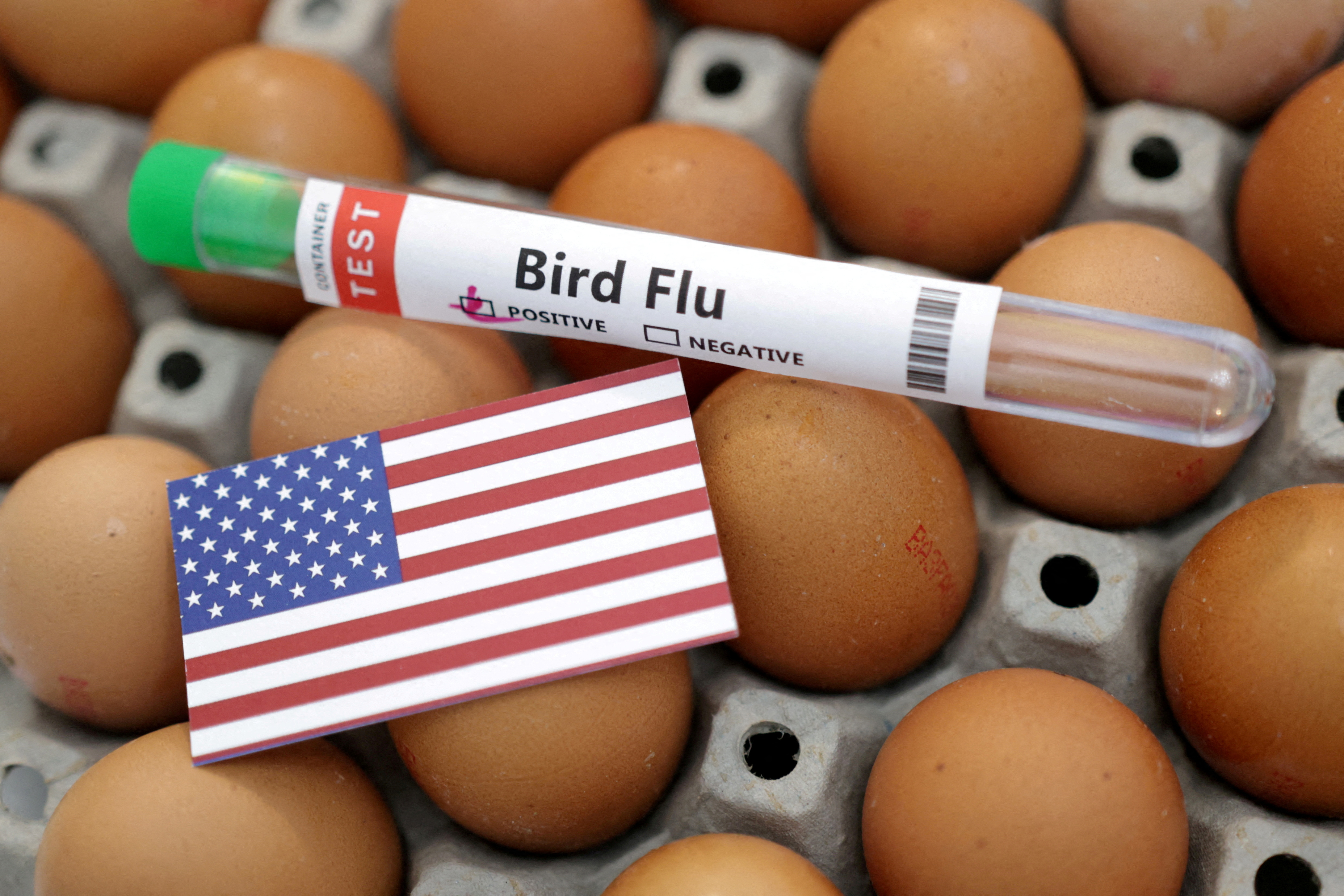
Illustration shows test tube labelled "Bird Flu", eggs and U.S. flag

CHICAGO, Oct 21 (Reuters) – The CDC is deploying a team to Washington state to assess the health of farm workers who culled poultry suffering from bird flu after four workers are presumed to have been infected by the virus, U.S. and state health officials said on Monday.

The infections would make Washington the sixth state to identify human cases this year.

The cases fuel growing concern among public health experts, as infections of U.S. dairy cattle and more than two dozen farm workers have worried scientists and federal officials about the risks to humans.

Advertisement · Scroll to continue

California and Washington have said they are seeking to administer seasonal flu vaccines to farm workers to reduce their risk of being infected with both bird flu and seasonal influenza.

Infections with both types of virus simultaneously could increase the risk of changes that could make bird flu spread more easily in people and potentially cause a pandemic, virologists say.

“We don’t have evidence yet of transmission between people,” said Roberto Bonaccorso, spokesperson for the Washington State Department of Health.

Advertisement · Scroll to continue

The Centers for Disease Control and Prevention is awaiting specimens for testing from Washington and sending a team to support the state’s assessment of farm workers, an agency spokesperson said. The risk to the public from the outbreak in cattle remains low, but those with exposure to infected animals are at heightened risk, according to the CDC.

The four tested presumptively positive after working at an infected egg farm, Washington’s health department said, adding their use of protective gear was inconsistent. The workers suffered mild respiratory symptoms and conjunctivitis, and were given antiviral medication, officials said.

The workers were removing carcasses and litter and cleaning facilities where about 800,000 chickens were culled, the health department said. The farm was hit by a strain of the virus from wild birds, according to Washington’s agriculture department.

Nationwide, 27 people had tested positive for the virus in 2024 before the cases in Washington. All but one had known exposure to infected poultry or dairy cattle.

Owls in Cyprus become “collateral damage” in illegal trappings (photos)

Owls In Cyprus Become %22collateral Damage%22 In Illegal Trappings (photos)

Relevant News

The issue of Mia Milia is becoming clearer…

21 October 2024

Meloni shows the way and Ursula is applauds

21 October 2024

Inflation decreases, but economic growth is also slowing down

21 October 2024

Newsroom

21 October 2024

Wildlife officials have raised alarm over the continued threat of illegal bird trapping to the island’s avian population, with over 150 species known to have been caught in nets and limesticks.

Nikos Kasinis, a senior official at the Game and Fauna Service, told philenews that the term “collateral damage” aptly describes the unintended capture of non-target species in these indiscriminate trapping methods.

According to Kasinis, more than one-third of the affected species (58) are of conservation concern.

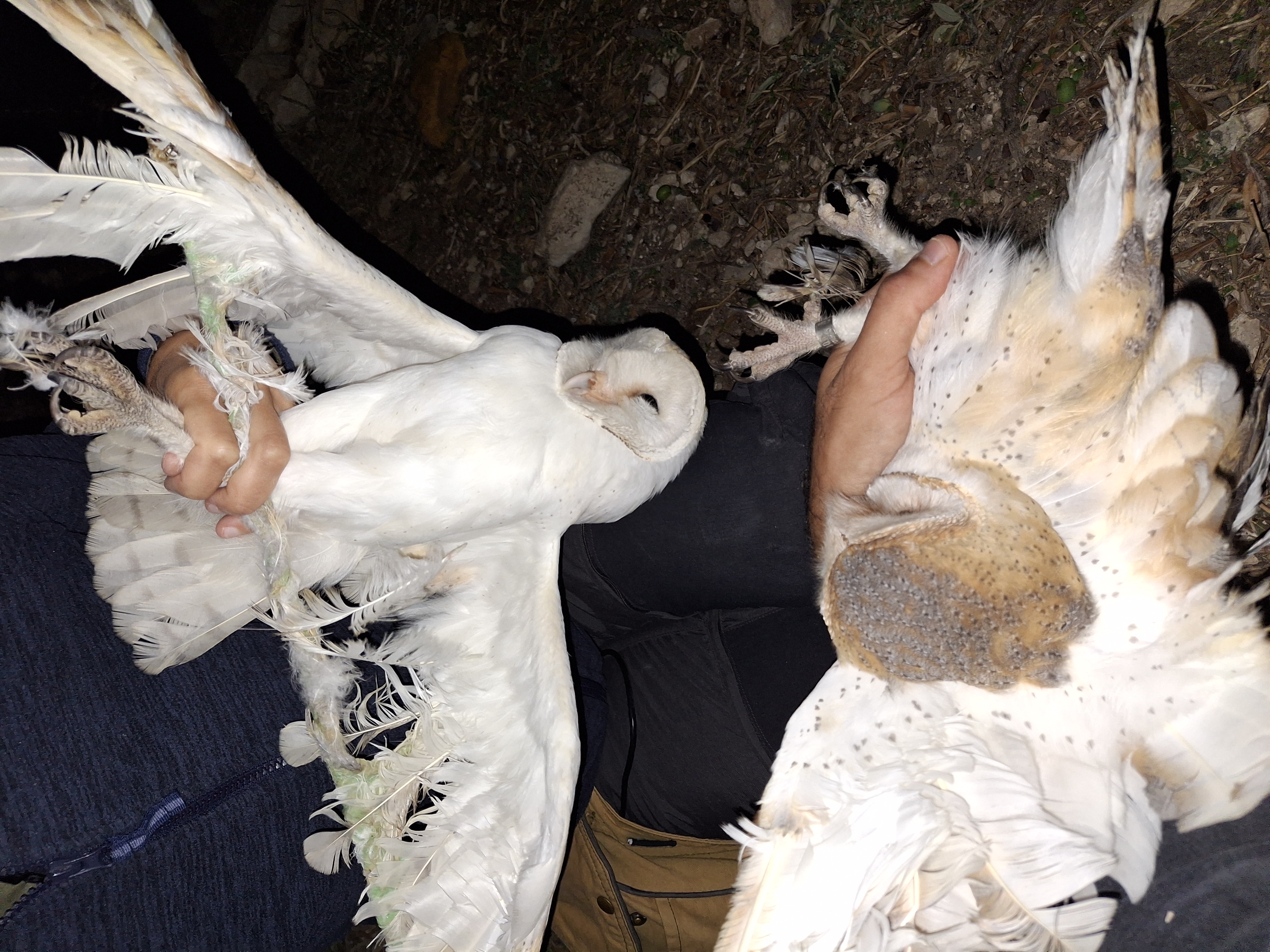
He cited a recent incident where two barn owls (Tyto alba) were found caught in limesticks in the Larnaca district. The birds were rescued, cleaned of the sticky substance, and released.

Kasinis highlighted the irony of the situation, noting that one of the rescued barn owls had been ringed by the Game and Fauna Service as part of conservation efforts.

These efforts include installing artificial nests across Cyprus to boost owl populations for natural rodent control.

The official revealed that all owl species nesting in Cyprus have fallen victim to these trapping methods.

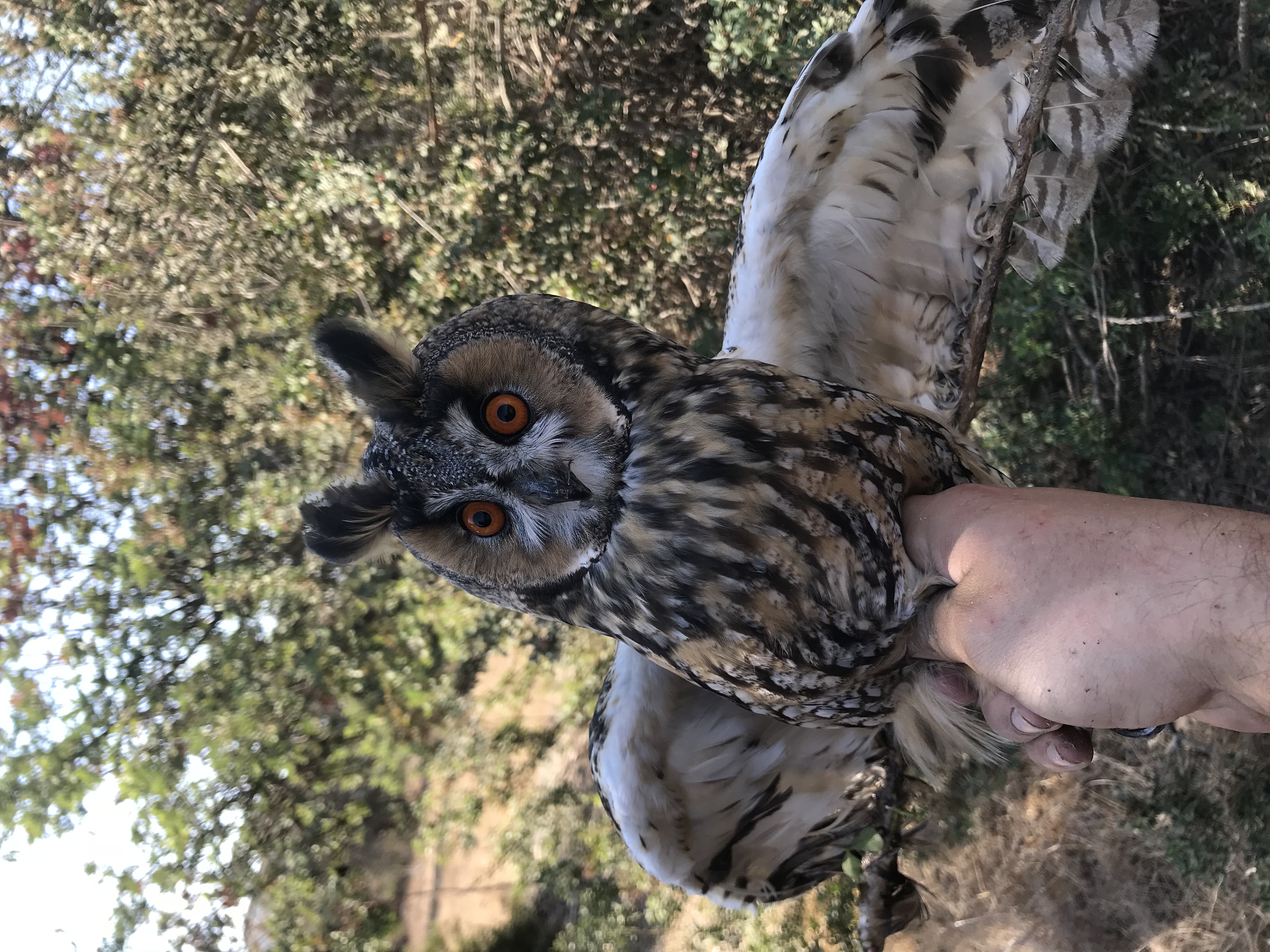
This includes the endemic Cyprus scops owl (Otus cyprius), the little owl (Athene noctua) – associated with the goddess Athena, and the long-eared owl (Asio otus).

Kasinis emphasised that this activity is not a “tradition” but an illegal practice driven by profit. He stressed that it poses a significant threat to Cyprus’s natural heritage and should be treated as such.

The most severe case reported was that of a young Bonelli’s eagle (Aquila fasciata) caught in a limestick in Larnaca. Despite care efforts, the bird did not survive due to stress and exhaustion.

Read more:

Illegal songbird trapping surges 90% in Cyprus, conservationists warn