A recent article listed new animal trapping regulations in Maine. While I am against hunting for sport, I am amazed that people still use traps. While guides and trappers will claim they follow legal protocols and regulations, I find it inhumane and simply cruel to use a device that causes severe lacerations, broken bones, joint dislocations or the drowning of wild animals.
Once “caught” the creature is typically in severe pain, frightened and totally helpless until the trapper eventually returns. Depending on location, Maine law only requires traps to be checked every five days. Meaning there is the real possibility for an animal, including a non-target species such as endangered wildlife or a family pet, to get caught and die a horribly painful death over five days.
Why is this activity considered a sport or even permitted? Is it the power over the defenseless animal, the ability to legally inflict inhumane pain or the surprise of what animal breed is trapped that causes a person to trap?
Sounds like the sport is “trapped” in the 1800s to me.
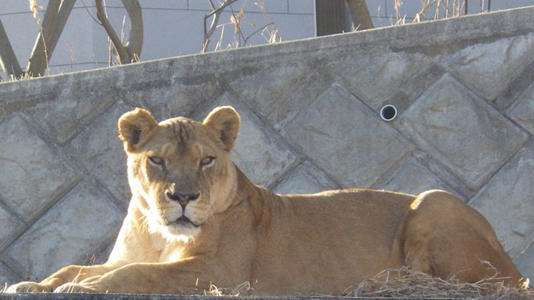
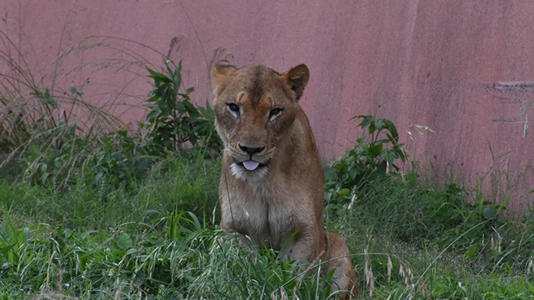
Three lions at a Tokyo zoo died within a week of suspected heat stress, as extreme temperatures sweep across Japan and other parts of East Asia.
The Tama Zoological Park, located in Hino city in the greater Tokyo metropolis, closed its lion exhibit in late July when several of their big cats started showing health problems including loss of appetite and fatigue, the zoo said in a news release.
Their symptoms coincided with a heat wave that had begun earlier in the month, as a “Super El Niño” weather event gains momentum and raises global temperatures.
The zoo tried to cool down the affected lions with water sprays and industrial fans, as well as delivering intravenous fluids and medication, it said.
A total of ten lions received treatment –– but a three-year-old female lion, Mugi, died on July 28. Three days later, 11-year-old female Ichigo died; then on Sunday, 15-year-old female Luena.
While autopsies will determine an official cause of death, the three lions all showed signs of dehydration and multiple organ failure, suggesting heat stress was a factor. Four remaining lions are recovering, but three others are still unwell and undergoing treatment, the zoo said.
The lion Luena, pictured at Tama Zoological Park on January 14, 2026. – Tama Zoological Park
The lion Ichigo at Tama Zoological Park in Japan, pictured on June 1, 2024. – Tama Zoological Park
Japan has endured a punishing stretch of heat. Temperatures reached at least 40 degrees Celsius (104 Fahrenheit) for five consecutive days in some areas in late July, the country’s longest such streak on record, and heatstroke alerts have repeatedly covered large portions of the country.
The country’s weather agency even introduced a new designation this summer for days that reach 40 degrees Celsius, translating roughly to “cruelly hot day.”
One hard-hit location is Kumamoto Prefecture –– which was rocked by a deadly earthquake last week, and experienced its highest temperature on record on Monday. The heat now poses an additional danger to residents still shaken by the quake, many of whom are sleeping in their cars after their homes were damaged or destroyed.
One woman in her 70s died in her car of suspected heat stroke, officials said Monday, according to public broadcaster NHK. More than 8,500 people are still at emergency shelters, and 45,000 households currently have no water, making it harder to escape the heat.
Although temperatures will fluctuate in the coming days, there is no widespread or lasting break from the heat in sight, with highs well into the 30s Celsius (86-104 F) expected across much of Japan.
The heat has claimed the lives of lions elsewhere in Asia this year too. Eight Asiatic lion cubs at a sanctuary in India’s Gujarat state died from extreme heat, not from an infection as previously suspected, officials said in June, according to CNN affiliate CNN News-18.
Record heat in South Korea
Other parts of East Asia are sweltering too this week.
South Korea is in the grip of a historic and deadly heat wave. Yangsan, in the country’s southeast, reached 42.5 degrees Celsius (108.5 F), on Sunday, the highest temperature recorded nationally in 122 years of observations.
The country’s weather agency issued its highest-level heat warning for parts of Seoul and neighboring Gyeonggi Province for the first time Monday since the new alert system was introduced in June, while the same level of warning remained in effect across parts of the south. Sundown brings little relief; authorities expect stifling “tropical nights” to stay above 25 degrees Celsius (77 F) through much of the week.
The heat has also caused mass losses of livestock since late May, with more than 493,000 animals having died, including pigs, poultry, and fish, according to South Korean authorities. More than 2,000 people have suffered heat-related illnesses during that time, with 16 deaths so far.
This comes as a “Super El Niño” continues to build in the tropical Pacific Ocean – a periodic weather cycle that’s expected to be one of the strongest on record, with potentially dire implications for extreme weather events worldwide.
It’s expected to strengthen rapidly in the coming months, increasing the likelihood of “above-normal temperatures across much of the world,” the World Meteorological Organization warned last week.
Forecasters also expect rising ocean temperatures, with huge amounts of heat traveling from the water to the atmosphere. It could cause flooding in some regions and drought in others, along with heat waves and other damaging impacts.
CNN’s Yoonjung Seo contributed reporting.
For more CNN news and newsletters create an account at CNN.com
The recount is complete and David Siffert has won the Democratic primary race for Assembly District 66.
Click and send a letter to Governor Hochul here asking her to sign Bill S3629A/A5850 banning the participation of certain wild animals in traveling acts.
Important: Please use “Pheasant Plan” in the subject line of your email.
Subject: Pheasant Plan
Dear NYSDEC Bureau of Wildlife,
I am writing to express my strong opposition to the newly drafted Strategic Plan for Pheasant Stocking to Enhance Hunter Recruitment, Retention, and Reactivation (R3): 2026–2035.
Expanding the pheasant stocking program to boost hunter recruitment is an outdated approach. Raising and releasing thousands of hand-raised birds solely for target practice undermines ethical wildlife management. Instead of treating public lands and wildlife refuges as shooting ranges for captive birds, the DEC should focus on preserving and restoring natural, wild habitats that support self-sustaining native wildlife populations.
Many hunters, conservationists and wildlife advocates are calling for an end to the state’s failed artificial pheasant propagation program which releases more than 30,000 adult pheasants prior to and during the fall hunting season. This failed practice of artificially breeding pheasants for the purpose of killing them must end. Non-native and raised in pens, these baby birds are used to contact with humans who feed them, have no fear of predators, and are released into an unfamiliar environment ill-equipped to survive. A significant percentage of these birds die from starvation, cold, or being struck by cars shortly after release. Stocked pheasants are provided by DEC’s Reynold’s Game Farm in Ithaca. The goal of the pheasant propagation program is not to restore wild pheasant populations, but to provide an upland game bird hunting opportunity.
Promoted as an introduction for youth, novice and disabled hunters, pheasant stocking allows participants an easy mark to ensure success. This does not promote conservation. The pheasants are not expected to survive, predators take a major toll and very few survive the winter. This target practice with live animals does not support sustainable wildlife management. Less than half of the pheasants released each year are successfully bagged by hunters which leaves a considerable number unequipped to survive. Pheasants raised in captivity lack the necessary skills to find food and avoid predators.
We urge you to ban the breeding and release of thousands of pheasants for hunting in NY State and reallocate public funds to habitat preservation, wildlife rehabilitators and wildlife rehabilitation centers. Disease outbreaks like the H5N1 avian flu in 2023 resulted in the intentional killing of the breeding flock at the Reynolds Game Farm, incurring extra expenses for the state. Minnesota and South Dakota ended their failed pheasant breeding programs decades ago, so why is New York still torturing baby birds that jeopardize highway safety? Assembly Member Linda Rosenthal introduced legislation to stop this state-sponsored cruelty. Bill A888 would prohibit the state from participating in artificial pheasant propagation. In 2024 the New York Times reported that the cost of New York State’s pheasant breeding program was $1.4 million. Taxpayer money should be used for true conservation, wildlife rehabilitation centers, protecting wildlife habitats, providing low cost spay and neuter services, funding animal shelters, providing rabies shots for wildlife rehabilitators and paying rehabilitators for their services.
Thank you for the opportunity to comment on this plan.
Sincerely,
[Your Name] [Your Address] [Your City, State Zip] [Your Phone Number / Email]
The Mission of the League of Humane Voters® (LOHV) is to create, unite, and strengthen local political action committees, which work to enact animal-friendly legislation and elect candidates for public office who will use their votes and influence for animal protection.
Farm Progress America: The H5N1 avian influenza virus has now been detected on every continent, with Australia confirming its first cases in wild seabirds last week.
Australia’s status as the last continent free from the current H5N1 strain ended when officials confirmed the virus in two wild seabirds near Esperance, Western Australia. A dead brown skua and a sick giant petrel both tested positive for the deadly strain that has been circulating globally since 2021.
The detections occurred in Cape Le Grand National Park, approximately 350 miles southeast of Perth, well away from commercial poultry operations. Australian Egg Minister Julie Collins emphasized that there is “no evidence the virus has reached the country’s poultry or ag systems,” and no trade restrictions have been imposed on Australian poultry exports.
However, the threat is being taken seriously. Australian farmers remember last year’s H7 outbreak that forced the culling of 1.8 million birds and created egg shortages lasting nearly a year. Western Australian poultry groups have already canceled summer bird shows and urged producers to restrict bird movements and keep flocks separated from wild birds.
State officials are considering housing orders that could require free-range operations to bring birds inside. The federal government has invested nearly $100 million in recent years preparing for this scenario.
The virus has killed millions of wild birds worldwide and infected commercial poultry, dairy operations, and some farm workers. With H5N1 now present on every continent, carried by migratory birds, biosecurity measures have become more critical than ever for protecting commercial flocks.