Montana Man Banned From Hunting for 20 Years After Bowhunters Watch Him Poach a Trophy Bull
Reply


Share

Today, a young man’s body was discovered in the town of Al-Dibbiyeh, with a gunshot wound inflicted by a hunting rifle. The circumstances leading to the incident remain unclear.
Security forces immediately arrived at the scene, establishing a security perimeter and launching an investigation into the incident. The arrival of forensic experts and a medical examiner is awaited to examine the body and determine the cause of death, which is crucial in unraveling the details surrounding the case.
Investigations are ongoing under the supervision of relevant authorities to uncover all aspects of the incident.
Credit: iStock
Updated Nov 2, 2026 | 06:00 PM IST
SummaryThree human H5N1 cases, including one death, have been reported in Washington following exposure to infected dairy cattle. Experts warn of viral evolution and spread among mammals, stressing the need for genomic surveillance and contact tracing. The risk to the general public remains low.
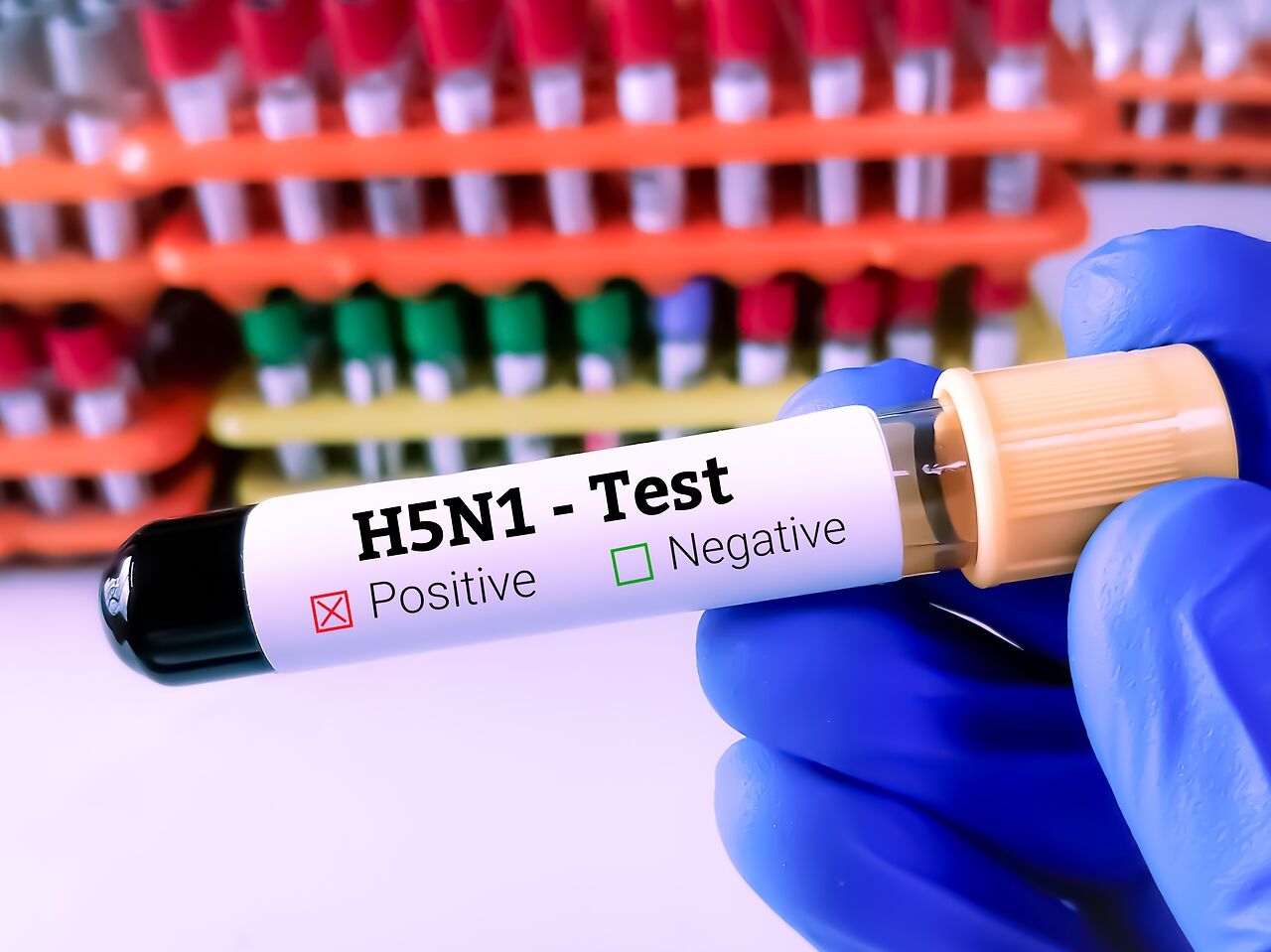
The US has reported a death linked to H5N1 bird flu in Washington state, where health officials have confirmed another human case in Yakima County. All three infections were linked to exposure to infected dairy cattle.
The person who died developed severe avian influenza after exposure to infected dairy cattle and had underlying health conditions, according to the Yakima Health District. The patient was hospitalised before dying. The health district has not disclosed the person’s age, gender or identity, citing family privacy.
The infected case involves another Yakima County resident who was exposed to infected dairy cattle but has not developed severe illness or required hospitalisation.
Health officials stressed that the risk to the general public remains low. Human-to-human transmission of avian influenza is extremely rare and has never been documented in the US.
Scientists have called for genomic sequencing, exposure investigations and contact tracing to establish whether the infections are linked and identify any concerning viral changes.
Dr Marion Koopmans, Professor of Public Health Virology at the Department of Viroscience, Erasmus Medical Centre, Netherlands, flagged the possibility of different influenza viruses circulating simultaneously.
“Expect to see co-circulation of bovine and human influenza, with risk of reassortment. Therefore important to hear of contact tracing results,” she wrote on X. Reassortment occurs when influenza viruses exchange genetic material after infecting the same host.
Also read: Washington Reports Human Bird Flu Case After Dairy Cattle Exposure: Should You Be Worried?
Dr Krutika Kuppalli, Associate Professor in the Department of Internal Medicine at the University of Texas Southwestern Medical Center, said the cases were concerning reminders that the threat persists even when public attention shifts elsewhere.
In a post on X, she also highlighted four areas requiring timely information:
“Just because we want to ignore infectious diseases doesn’t mean they’ve gone away,” Kuppalli said, stressing the importance of continued surveillance as pathogens circulate and evolve.
Dr Angela Rasmussen, a virologist at the Vaccine and Infectious Disease Organization, University of Saskatchewan, Canada, has also raised concerns about H5N1 infections in mammals, particularly mink.
Referring to a bird flu outbreak at a mink farm in Utah, she warned that unchecked spread among mammals could increase the risk of viral adaptation to humans.
Mink have similar susceptibility and respiratory physiology to humans, Rasmussen noted, raising concerns about the virus potentially adapting to human hosts as it evolves in these animals.
“We don’t know if H5N1 will ever make that evolutionary leap or not. We know that it could. But I hope we don’t find out,” she wrote on X.
“A worst case bird flu pandemic could literally kill hundreds of millions of people & cause agricultural, ecological, & economic collapse,” Rasmussen warned.
Read More: US Bird Flu: Can H5N1 Trigger The Next Pandemic?
The risk to the general public remains low, health officials have said. However, people with close or prolonged contact with infected animals or contaminated environments face a higher risk. These include dairy and agricultural workers, backyard flock owners, hunters and wildlife workers.
Public health officials are contacting people who had close contact with the patients and monitoring them for symptoms for 14 days after their last exposure.
READ: H5 Bird Flu Spreads To Australian Mammals: Is It Nearing Humans?
People who work with or come into contact with animals should take precautions to minimise exposure to avian influenza.
Recommendations include:
 Copy link

