Unknown's avatar

About Exposing the Big Game

Jim Robertson

Why scientists are concerned about the latest transmission of bird flu to cows

May 15, 2024 6:30 PM EDT

https://www.pbs.org/newshour/show/why-scientists-are-concerned-about-the-latest-transmission-of-bird-flu-to-cows

By —

William Brangham

By —

Sam WeberLeave your feedbackShare

Share on FacebookShare on Twitter

TranscriptAudio

The outbreak of bird flu in the U.S. has alarmed researchers and prompted new efforts to track the virus that’s already killed millions of birds from Europe to Antarctica. As H5N1 continues to jump into mammals, many scientists are concerned that we’re not watching closely enough as this virus spreads. William Brangham reports. A warning: This story contains scenes of animals in distress.

Read the Full Transcript

Notice: Transcripts are machine and human generated and lightly edited for accuracy. They may contain errors.

  • Geoff Bennett:The continuing outbreak of bird flu in the U.S. has alarmed researchers and prompted new efforts to track the virus that’s already caused the deaths of tens of millions of birds from Europe to Antarctica.But, as William Brangham reports, as H5N1 continues to jump into mammals, most recently dairy cows, many scientists are concerned that we’re not watching closely enough as this virus continues to spread.
  • A warning:This story contains scenes of animals in distress.
  • William Brangham:Evolutionary biologist Michael Worobey at the University of Arizona is one of many scientists around the world trying to untangle bird flu’s latest twist, how and when it spread to dairy cows.Michael Worobey, The University of Arizona: The jump into cattle probably took place between mid-November and mid-January, and so we’re months into this already.
  • William Brangham:And since then, it’s spread like wildfire, infecting dairy cows in at least 46 herds across nine states.
  • Michael Worobey:It seems to be spreading cow to cow in some fashion, but we don’t know exactly how that is. For example, it could just be mechanical transmission as one cow leaves a milking machine, leaves virus on it, and then the next cow comes in. Or is this going respiratory, like flu does with humans?
  • William Brangham:In late April, the USDA mandated that milking dairy cows being transported across state lines need to be tested for bird flu.Do you think we have got now enough surveillance out there to know what this virus is doing and where it’s moving?
  • Michael Worobey:I think we still have a long way to go, honestly. We are still sort of dealing with a pretty limited number of samples from a limited number of farms. And that limits exactly how much we can understand.For example, you can actually figure out, just like we did with COVID, the number of people infected is doubling every two days. We still don’t know that with cattle.
  • William Brangham:But even the initial discovery that bird flu had jumped species and was now circulating in cows was thanks to a bit of epidemiological work by a handful of veterinarians.
  • Dr. Drew Magstadt, Clinical Associate Professor, Iowa State Veterinary Diagnostic Laboratory:The main common denominators with the cattle were a sudden decrease in feed intake, a sudden decrease in milk production, variable fevers, variable manure consistency.
  • William Brangham:Dr.Drew Magstadt is a veterinarian at Iowa State’S Vet Diagnostic Lab. He was helping colleagues in the Texas Panhandle and Kansas who were dealing with a bunch of sick cows, but then a new clue emerged.On these same farms where cows were sick, a lot of cats had gone missing, gotten sick, or had died.So, you thought, we have to check H5N1, the bird flu, because it’s been in this area, but you really didn’t think that was going to be the case.
  • Dr. Drew Magstadt:Well, yes. And we didn’t end up ruling it out. We ended up finding the virus. The intriguing part here is that this virus in cattle doesn’t seem to be causing any mortality. After several weeks, the animals recover. It’s very different from the infection in other mammalian species.
  • William Brangham:In fact, unlike cows, this bird flu has been deadly to the nearly two dozen other mammal species that have been infected in this U.S., from a polar bear in Alaska, to a mountain lion in Colorado, to raccoons and foxes. Many of those animals were likely infected by eating dead animals that were carrying the virus.But, by far, the biggest impact here in the U.S. has been on birds. Since this strain of avian influenza first arrived in the U.S. in early 2022, brought here by migratory birds, more than 90 million domestic birds, mostly chickens and turkeys, have died or been intentionally killed across 48 states.And unlike previous outbreaks, this variant has affected more wild birds and spread across a wider geographic area, crossing down into South America at the end of 2022.Dr. Ralph Vanstreels, University of California, Davis: I think the alarm really went off when it reached Peru, and that’s a massive seabird community, and we saw just unprecedented mortality in the seabirds there.
  • William Brangham:U.C. Davis’ Dr. Ralph Vanstreels is a wildlife veterinarian based in Argentina, and he watched as the virus arrived and decimated bird populations, and then made another jump into mammals. An estimated 24,000 sea lions died from the outbreak.It was one of the earliest known mass mortality events from bird flu in mammals.
  • Dr. Ralph Vanstreels:At first, we weren’t sure if each of those sea lions was getting infected by eating a bird. But it became pretty obvious pretty quick that this was spreading from mammal to mammal.
  • William Brangham:In Argentina, Dr. Vanstreels estimated that the virus killed 17,000 elephant seal pups and an unknown number of adults, a blow to that population that may take decades to recover.
  • Dr. Ralph Vanstreels:It’s definitely very distressing, I can say. We have worked with these animals for many years. So we have known these populations, we have seen these colonies. And on the one hand, we are prepared, because we expected it. On the other, nothing can prepare you for it.
  • William Brangham:Earlier this year, researchers confirmed that bird flu had spread all the way to Antarctica, primarily affecting birds known as skuas, but, so far, Antarctica’s iconic penguins haven’t been affected.
  • Dr. Ralph Vanstreels:But this virus can mutate quite quickly, right as it did when it started infecting mammals. So it could mutate again and start infecting penguins. So we’re not quite out of the woods yet.
  • William Brangham:And it’s that possibility of mutation, where the virus adapts and becomes better suited to spreading from mammal to mammal, that has many on edge, particularly now that H5N1 was discovered spreading in all those dairy cows.While experts stress it’s still very unlikely that this outbreak will lead to the next human pandemic, and government officials say pasteurization kills the virus in milk and dairy products, there are real risks for those who work in close contact with cows.In March, a farmworker in Texas was infected, but had mild symptoms and recovered. The CDC says it’s monitoring people exposed to infected cattle, but admits that only 33 people have been tested.
  • Michael Worobey:What we have is a situation where the virus, in a sense, has more shots on goal to jump from a related species, a mammal like us. And now people are no doubt being exposed on a daily basis in pretty large numbers.
  • William Brangham:Worobey says it’s a stark reminder that we have not learned as much as we hoped from the COVID pandemic.
  • Michael Worobey:We need to be spending billions more to do things like routinely monitor not the tip of the iceberg of cattle who are visibly ill, but routine monitoring to just find, OK, is there something that shouldn’t be spreading in this animal species or in humans? And we are still not doing that.
  • William Brangham:And with more than nine million dairy cows in the U.S. alone, getting eyes on where this virus may go next remains a monumental challenge for animal and human health.For the “PBS NewsHour,” I’m William Brangham.

Studies find contagious bird flu in major American cities 

BY SAUL ELBEIN – 05/15/24 3:10 PM ET

SHAREPOST https://thehill.com/newsletters/sustainability/4665901-studies-find-contagious-bird-flu-in-major-american-cities/

Video Player is loading.

https://imasdk.googleapis.com/js/core/bridge3.640.0_en.html#goog_493480167

Advertisement: 0:14

Sustainability The Big Story Studies find contagious bird flu in major American cities Recent discoveries of a highly contagious bird flu in American cities are raising concerns that it could spark the next pandemic.© AP Photo/Guadalupe PardoThe viral strain H5N1 has been present in New York City birds for at least two years, according to findings published on Wednesday in the Journal of Virology.  Student volunteers swabbing captive birds and smears of bird poop in the winter of 2021 found six cases of the infectious virus H5N1 in Canada geese, raptors and (in a case that surprised researchers) a rogue chicken. 
 H5N1 is the strain of flu — common in wild birds — that concerns health researchers because of the danger that it can jump to mammals. The virus has been found in 36 dairy herds across 9 U.S. states since late March, according to Reuters.  
 The New York City study only found the virus in six very sick birds, which in and of itself isn’t shocking — only a tiny proportion of those sampled carried the disease, which in any case is common in wild bird populations. 
 But recent evidence raises concerns that the virus could become established in human populations. It sickened a dairy worker in Texas in March, who scientists now know contracted the disease from one of the cattle.  
Scientists in Texas have also found the full viral genome of H5N1 in wastewater from nine cities — 90 percent of those sampled, according to a preprint study from Baylor University.  In 82 percent of the Texas sites studied, levels of H5N1 exceeded levels of seasonal flu, the scientists wrote in the study.  The discovery of the virus in domesticated animals raises “substantial concerns that viral adaptation” to humans without exposure to the virus could incubate “the next flu pandemic,” the authors wrote.  Those results are not yet peer-reviewed, and the results suggested that the source of the virus in wastewater was runoff from birds or cattle — although scientists said that the possibility that it had come from humans couldn’t be ruled out.  “Many people are wondering how we can monitor this H5N1 situation,” Mike Tisza, one of the Texas workers, wrote on X.   “We sequence the whole virome from wastewater, and, well, H5N1 started showing up in our samples.”   So far, the risk of a pandemic is low, according to federal authorities. Since March, the CDC has monitored at least 260 people exposed to H5N1 in cattle — and hasn’t found any.   But the U.S. government is clearly worried. On Tuesday, Reuters reported that the federal government had temporarily loosened guidelines on how publicly funded labs could “handle, store and transport H5N1 bird flu samples.”  The virus is generally regulated as a “select agent,” or a highly dangerous substance like anthrax or ricin.  But the government relaxed regulations around the pathogen to develop treatments in case the virus becomes established in people, as Scott Becker of the Association of Public Health Laboratories (APHL) told Reuters.  Doing this kind of pre-work before a serious outbreak is “one of those lessons learned from COVID,” Becker said.   Welcome to The Hill’s Sustainability newsletter, I’m Saul Elbein — every week we follow the latest moves in the growing battle over sustainability in the U.S. and around the world.

Experts Watching Bird Flu Carefully in Case It Takes Off

Written by Damian McNamara, MA

3 min read

https://www.webmd.com/cold-and-flu/news/20240514/experts-watching-bird-flu-in-case-it-takes-off

May 14, 2024 – So far, the unexpected jump of bird flu to cattle has not emerged as a new human flu pandemic. Yes, a dairy worker got pink eye this year after being infected, but a larger threat to all of us has not yet materialized.

That doesn’t mean experts are not keeping a close eye on the situation.

WebMD & CDC Live Briefing On Bird Flu

2024 Bird Flu Outbreak — What to Know

  • Join WebMD and federal health experts to learn more about the dangers bird flu may pose. Live on WebMD.com from 12 p.m. to 1 p.m. Thursday, May 16. Submit questions to AskLive@webmd.net

“The current risks to the public of this infection is very low,” said Maximo Brito, MD, MPH, a professor of medicine at the University of Illinois College of Medicine in Chicago. “The CDC is conducting surveillance for unusual flu activity in doctor’s offices and emergency rooms. No significant problems have been detected thus far.”

“Just don’t kiss or hug the animals,” recommended Tina Tan, MD, who agreed the risk to U.S. population from bird flu remains low at this point. Tan is a professor of pediatrics at Northwestern University Feinberg School of Medicine, also in Chicago. Both infectious disease experts spoke during a news briefing sponsored by the Infectious Diseases Society of America (IDSA).

Infected cows have been reported at 36 farms in nine U.S. states. The federal government is requiring that cows test negative for bird flu, also known as avian flu, before crossing state lines. But the feds do not have jurisdiction within states. Instead, they are making recommendations to help state leaders, agriculture officials, and others contain the outbreak, and paying affected farmers who suffered losses in recent months. 

The H5N1 virus behind bird flu has been circulating in cows since December 2023. The virus passing from wild birds to cattle was a surprise, said Brito, who is also an IDSA fellow.

How Safe Are Milk, Eggs, and Beef?

The FDA tested retail milk and found parts of the virus in some samples. Further tests confirmed that pasteurization, the heating procedure that most milk goes through before sale to the public, deactivates the virus. 

“Thus, the FDA thinks that the U.S milk supply is currently safe,” Brito said at the briefing on May 9. 

At the same time, drinking raw or unpasteurized milk is risker. “It is very important … to alert the public to refrain from drinking unpasteurized or raw milk, that is milk straight from the cow without processing,” he said. “There are other diseases, not only influenza, that could be transmitted by drinking unpasteurized milk.”

https://lockerdome.com/lad/10945201678291814?pubid=ld-dfp-ad-10945201678291814-0&pubo=https%3A%2F%2Fwww.webmd.com&rid=www.google.com&width=300&path=%2Fcold-and-flu%2Fnews%2F20240514%2Fexperts-watching-bird-flu-in-case-it-takes-off&x=145.1999969482422&y=-117.17500305175781&external_tag_id=%2F4312434%2Fconsumer%2Fwebmd&embed_type=1&embed_frame_container_type=1

Do not touch surfaces that may be contaminated with raw milk, or with the saliva, mucus, or feces of any potentially infected animals, officials warn. 

In areas where there is bird flu or birds that are sick, cook poultry and eggs to an internal temperature of 165 F. Don’t eat raw eggs. Also, cooking beef to the appropriate temperature prevents transmission of infection. 

“To date, the virus has not been found in beef,” Brito said.

OK for Now?

The H5N1 virus could evolve an ability to move to humans more easily, “but that’s all speculative right now,” Brito said. The virus variant that is circulating among cattle is not an efficient cause of disease in humans. But there can be genetic shifts in these viruses, which has happened before. There may be added concern if H5N1 passes to pigs, he said, because their viral receptors are closer to those in humans. 

If the virus does jump to people, children may be at higher risk. “As you know, kids are very different from adults in that they’re much more likely to hug and kiss an animal,” said Tan, who is also president-elect of the IDSA.

There are elementary schools that have chickens and ducks as school pets. Some families have chickens as pets. “Kids also drink a lot of milk, including some kids that drink unpasteurized raw milk,” she said. 

The Ann & Robert H. Lurie Children’s Hospital of Chicago, where Tan works, is ready if H5N1 starts to cause significant infections in children. “We’re going to treat it very much like pandemic influenza. We have protocols in place for pandemic influenza and for COVID, which can be adjusted toward H5N1 if that were to become a real problem.”

Brito added, “We haven’t implemented any specific emergency protocols, but we are always monitoring what’s happening on the ground.”

Coyote trapping, snaring enters grizzly bear management debate

Coyotes
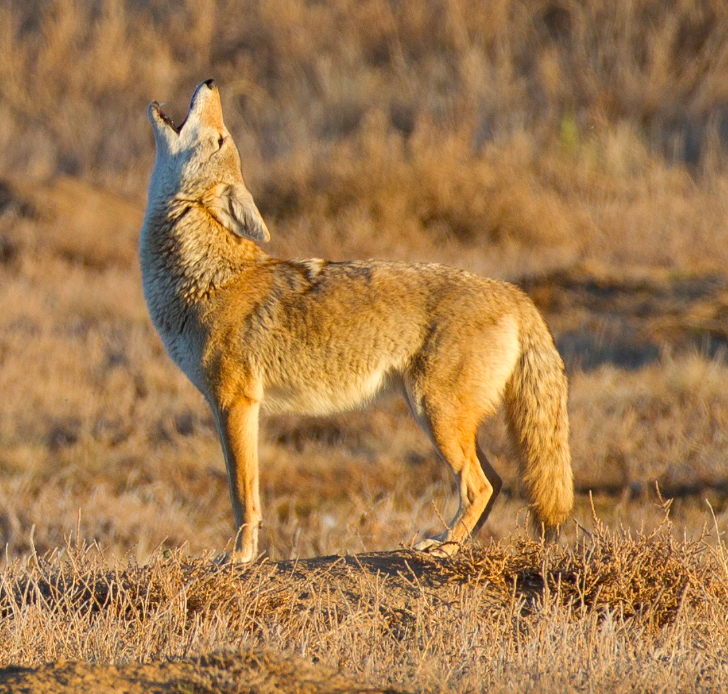
Efforts to trap and curb coyotes is running to complications related to bears. USFWS Mountain-Prairie / Wikimedia Commons▲
Grizzly bear
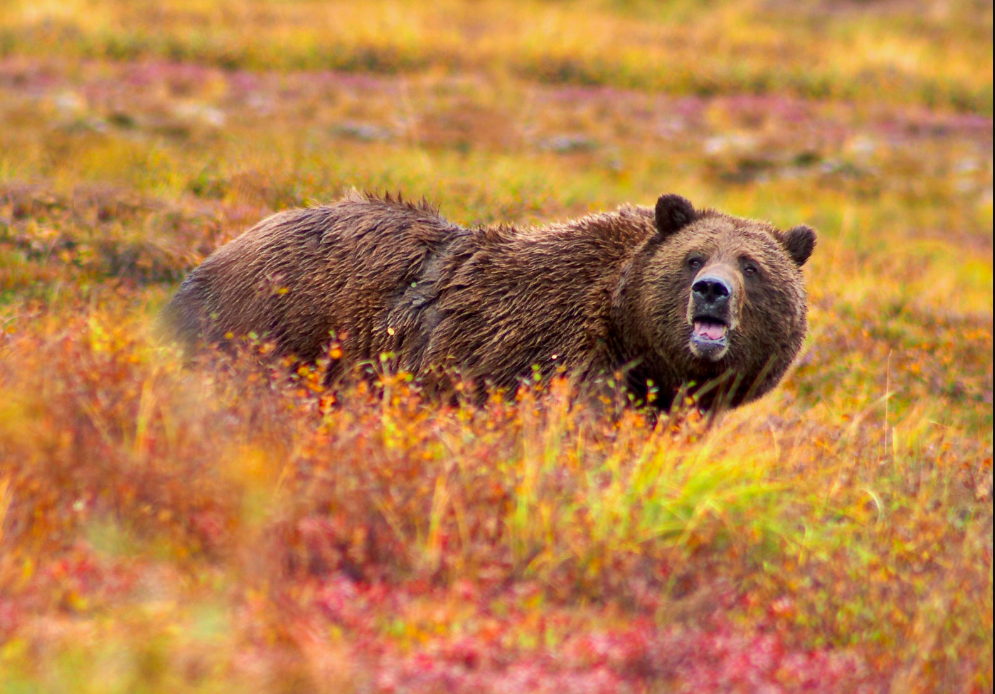
Grizzly bears have come a factor in efforts to manage coyotes. Wikimedia Commons / Jean-Pierre Lavoie▲

Amanda Eggert Montana Free Press

Updated 16 mins ago

https://www.belgrade-news.com/news/coyote-trapping-snaring-enters-grizzly-bear-management-debate/article_821f0eb0-f1ce-54be-b266-d6c98b5055ee.amp.html

The Montana Stockgrowers Association wants to intervene in a lawsuit that aims to reduce the unintentional trapping and snaring of federally protected grizzly bears.

The Flathead-Lolo-Bitterroot Citizen Task Force and WildEarth Guardians sued the state of Montana and the chair of the Montana Fish and Wildlife Commission in federal court last year to limit trapping and snaring of grizzlies during the months grizzlies are likely to be out of their dens. They argued that traps and snares set for animals have injured, and even killed, grizzly bears on more than 20 occasions since 1988. Grizzly bears are currently protected under the Endangered Species Act, though the U.S. Fish and Wildlife Agency is weighing a petition to delist Northern Continental Divide Ecosystem and Yellowstone grizzlies.https://e464e55b8fcaaf4d1af488fe93d797f2.safeframe.googlesyndication.com/safeframe/1-0-40/html/container.html?n=0

The groups filed a motion for a preliminary injunction to reduce the 2023-2024 wolf trapping and snaring seasons established by the governor-appointed Fish and Wildlife Commission. U.S. District Court Judge Donald Molloy granted the preliminary injunction in November, effectively halving the 2023-2024 wolf-trapping season in occupied grizzly habitat.

MSGA said it filed a motion to intervene this week after the plaintiffs amended their original lawsuit to include restrictions on the trapping and snaring of coyotes.

MSGA, which coordinated its efforts with the Montana Wool Growers Association and the Montana Farm Bureau Federation, argues that restricting coyote trapping and snaring would curb ranchers’ ability to control a particularly lethal predator for cattle and sheep.https://e464e55b8fcaaf4d1af488fe93d797f2.safeframe.googlesyndication.com/safeframe/1-0-40/html/container.html?n=0

“MSGA believes this lawsuit will have implications for livestock producers in Montana and potentially states across the West where grizzly bears exist,” MSGA Executive Vice President Raylee Honeycutt said in a press release. “Coyote trapping and snaring are proven methods for controlling one of the most damaging livestock predators. MSGA believes protecting this management tool is crucial for Montana’s ranching industry to continue to protect their livestock.”

In a declaration filed with the court, Honeycutt said that neck snares and foothold traps are the most prevalent tools used to limit depredation by coyotes, that snares are sized specifically to target coyotes, and that MSGA members use coyote depredation traps that are too small to catch or hold grizzly bears. Honeycutt also said that her organization has never received a report of one of its members capturing a grizzly bear in a snare set for a coyote.https://e464e55b8fcaaf4d1af488fe93d797f2.safeframe.googlesyndication.com/safeframe/1-0-40/html/container.html?n=0

In a request for summary judgment the plaintiffs filed on April 15, the conservation groups argued that traps and snares are by design “indiscriminate” in that they can kill the animals intended as well as those that are not intended. While coyote traps may be smaller, they are “often as powerful as wolf traps and can cause the same or similar injuries to grizzly bears as wolf traps,” the plaintiffs argued. The plaintiffs wrote that there have been six verified instances of grizzly bears caught in coyote traps since 2010, and such incidental captures likely result in bears losing their toes or feet.

Under current regulations, coyote trapping is allowed year-round in Montana.

Other groups that have requested, successfully, to intervene in the lawsuit include the Montana Trappers Association and the Outdoor Heritage Coalition, a nonprofit 501©(4) that lobbies on behalf of its members’ interests, such as protecting “consumptive use of our natural resources.”https://e464e55b8fcaaf4d1af488fe93d797f2.safeframe.googlesyndication.com/safeframe/1-0-40/html/container.html?n=0

An oral argument for the lawsuit is scheduled for June 25 in Missoula.

View on http://www.belgrade-news.com