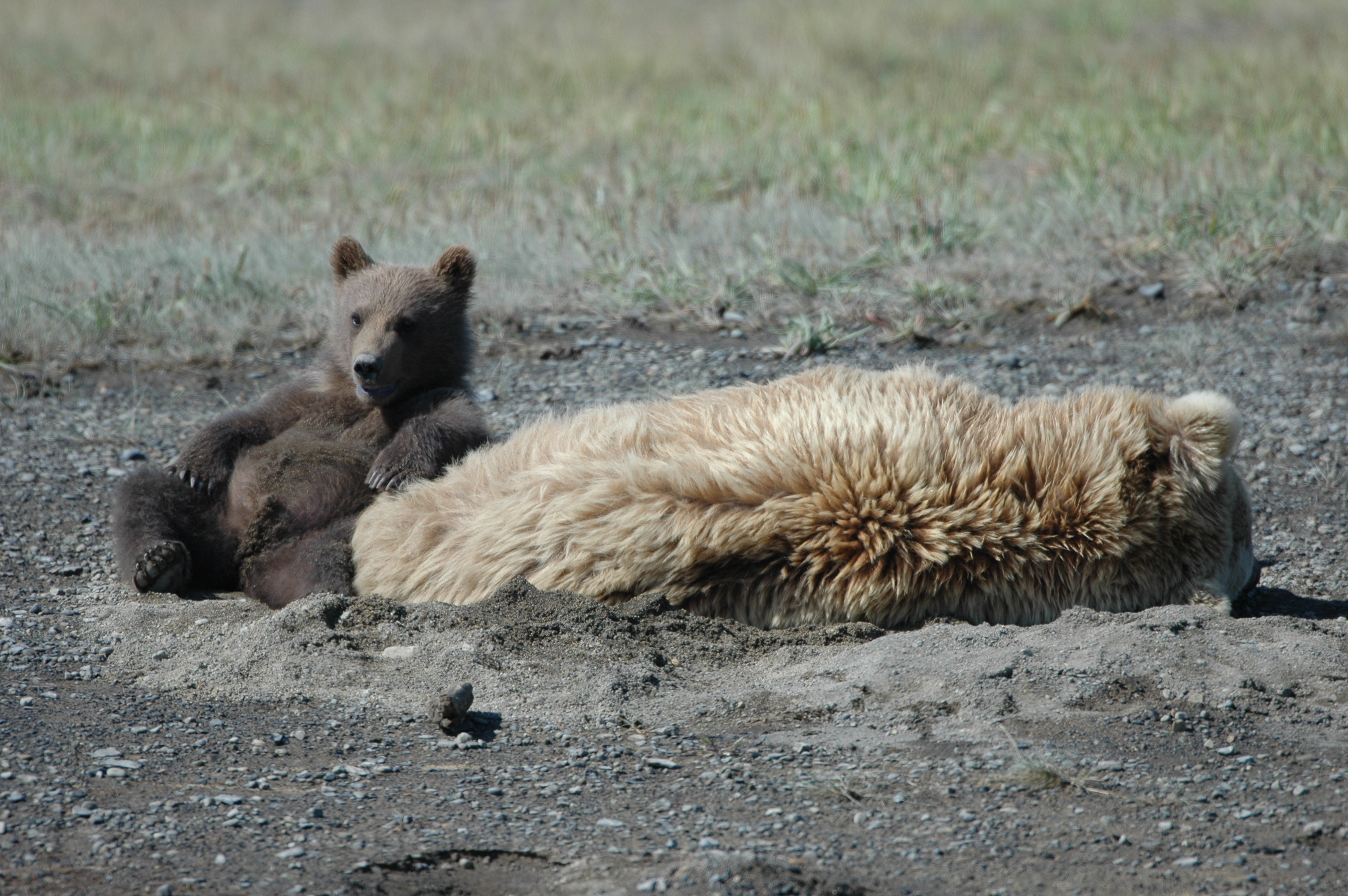
In Defense Of Animals Offers $1,500 Reward In Grizzly Bear Killing

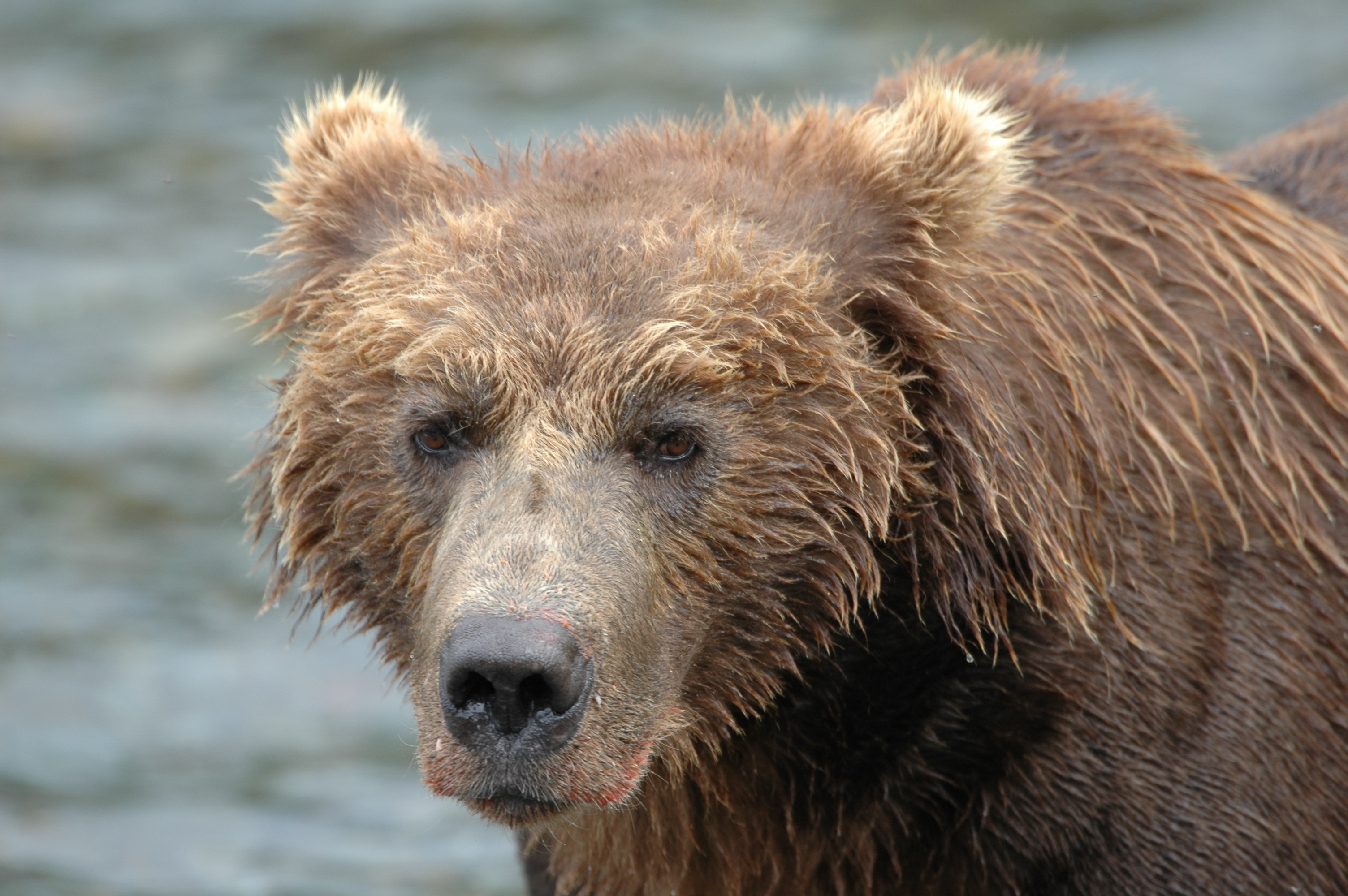
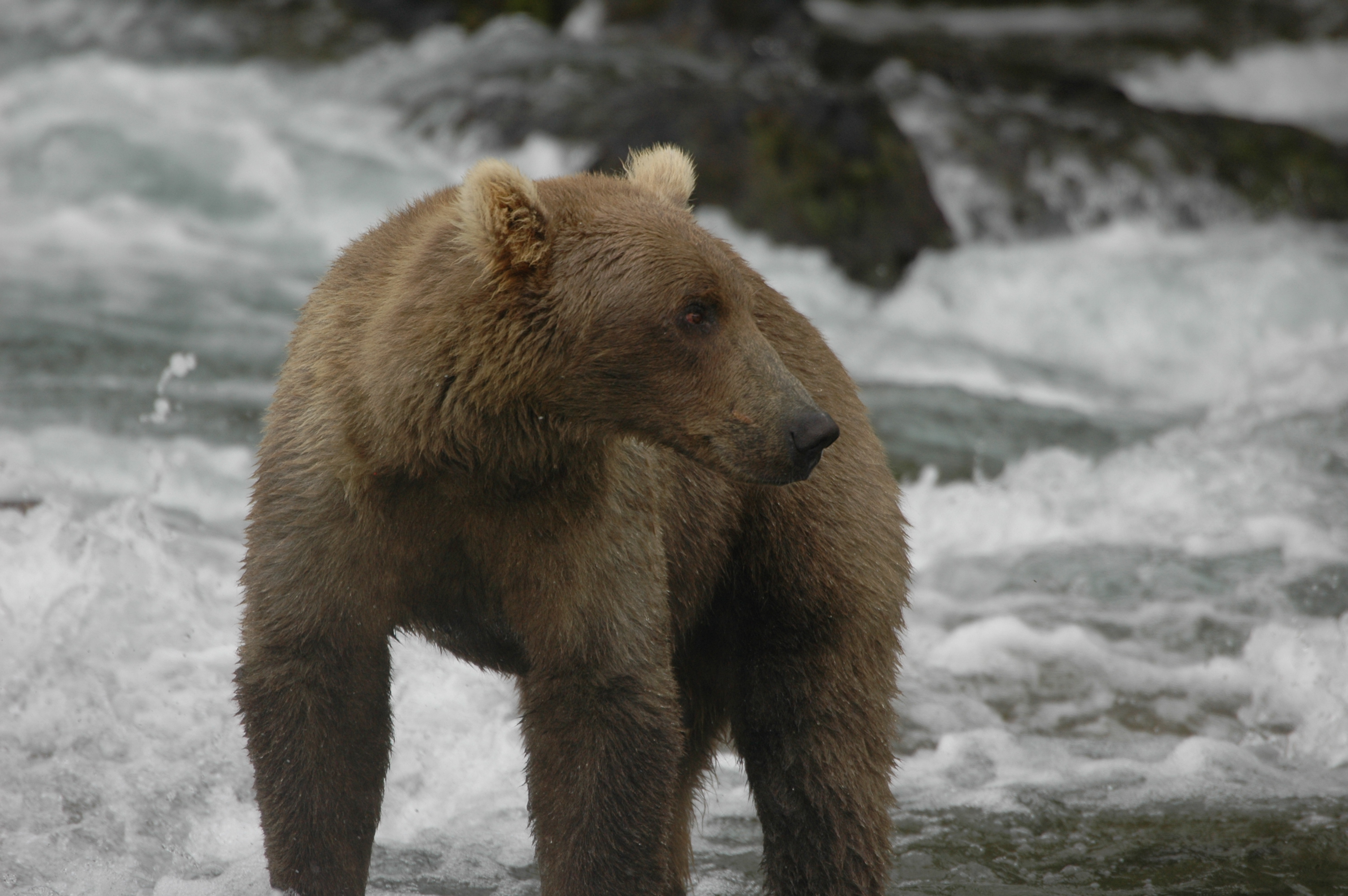
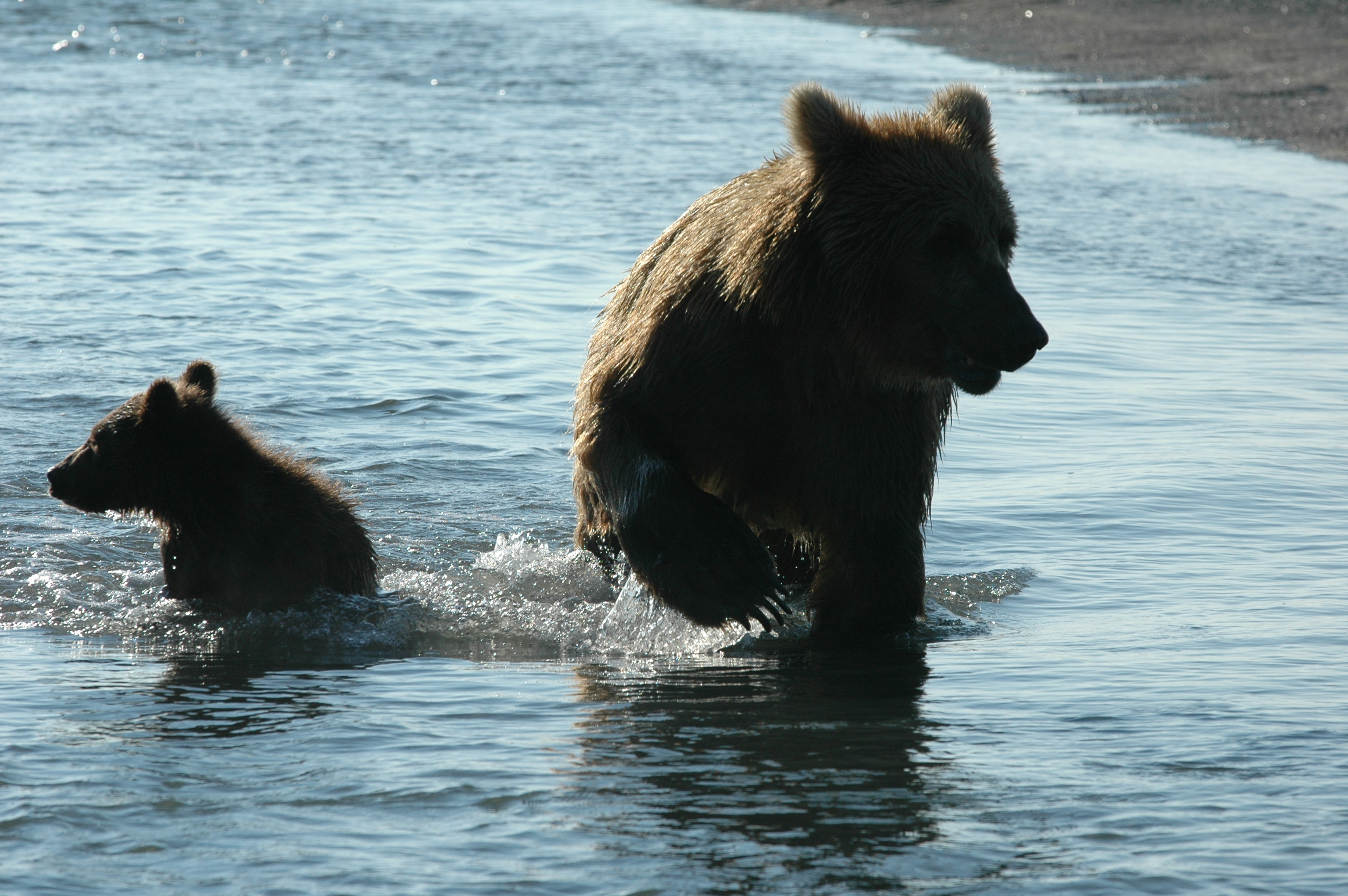
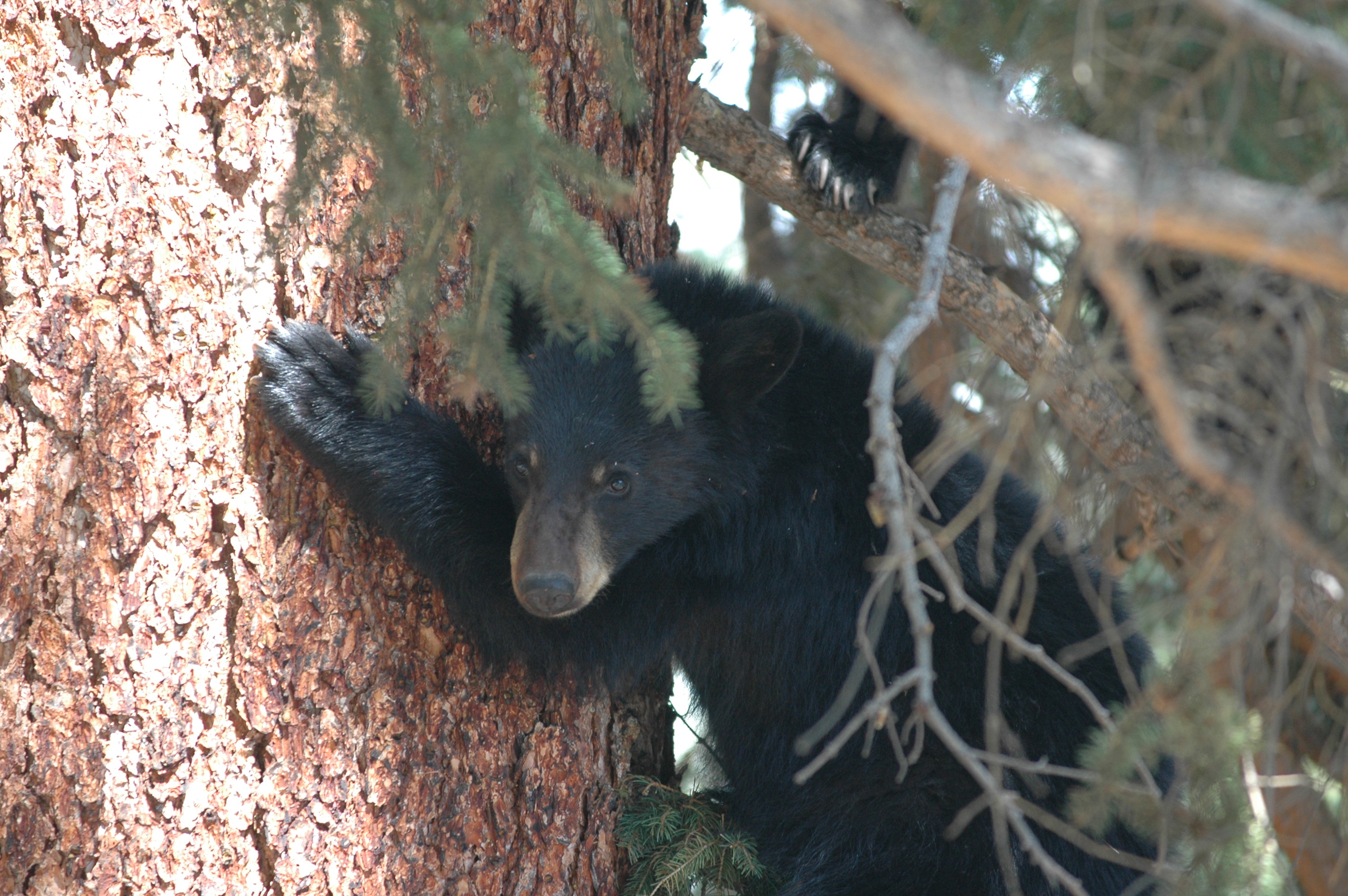
Photo of bears in the wild co Jim Robertson

Photo of bears in the wild co Jim Robertson

FOR IMMEDIATE RELEASE

Contact: Anja Heister, anja@idausa.org, 406-544-5727

In Defense Of Animals Offers $1,500 Reward In Grizzly Bear Killing

Momma grizzly bear with three young cubs shot and killed; cubs doomed to a life of captivity

Ovando, Mont. (November 14, 2013) In Defense of Animals (IDA), an international animal rights and protection organization, has offered a reward of $1500 for information leading to the arrest and conviction of the person who callously killed a grizzly bear mother of three cubs, leaving them orphaned.

The mother grizzly bear was found Sunday, November 3, killed by a single gunshot wound, approximately three and a half miles northeast of the rural community of Ovando. While one cub escaped, officials with Montana’s Fish, Wildlife and Parks (FWP) caught two of the mother’s female cubs, who are currently being held at the state-owned Wildlife Rehabilitation Center in Helena, Mont.

Adding insult to injury, Chris Servheen, Grizzly Bear Recovery Coordinator with the US Fish and Wildlife Service (USFWS), has decided to send the two bear cubs to lifelong imprisonment at the Bronx Zoo in New York.

“If they haven’t been causing problems with people, these cubs should be released back into the wild,” said renowned biologist and bear specialist, Dr. Lynn Rogers with the Wildlife Research Institute in Ely, Minn.

“In 2005, two grizzly bear cubs were sent to the Washington Park Zoo in Michigan City, Indiana, after their mother had been killed by FWP,” said IDA’s Director of the Wild and Free-Habitats Campaign and Montana resident, Anja Heister. She added, “the cubs can now be seen relentlessly walking in circles in their small enclosure. These cubs have lost everything, their mother, their freedom and dignity, and their health. Demoted to objects of entertainment, they have been suffering from captive psychosis, abnormal behavior indicative of significant mental suffering.”

“Whoever killed this grizzly bear has to be held accountable for robbing an entire family of grizzlies of their lives – causing the death of a grizzly mother, and sending two innocent cubs into life-long captivity, while likely causing great trauma to the cub who escaped,” said Heister.

Anyone with information on this incident is encouraged to call 1-800-TIP-MONT ( 1-800-847-6668 ). Callers can remain anonymous.

###

In Defense of Animals is an international animal protection organization located in San Rafael, Calif. dedicated to protecting animals’ rights, welfare, and habitat through education, outreach, and our hands-on rescue facilities in India, Africa, and rural Mississippi.

IN DEFENSE OF ANIMALS – 3010 KERNER BLVD. – SAN RAFAEL, CA 94901 – 415-448-0048
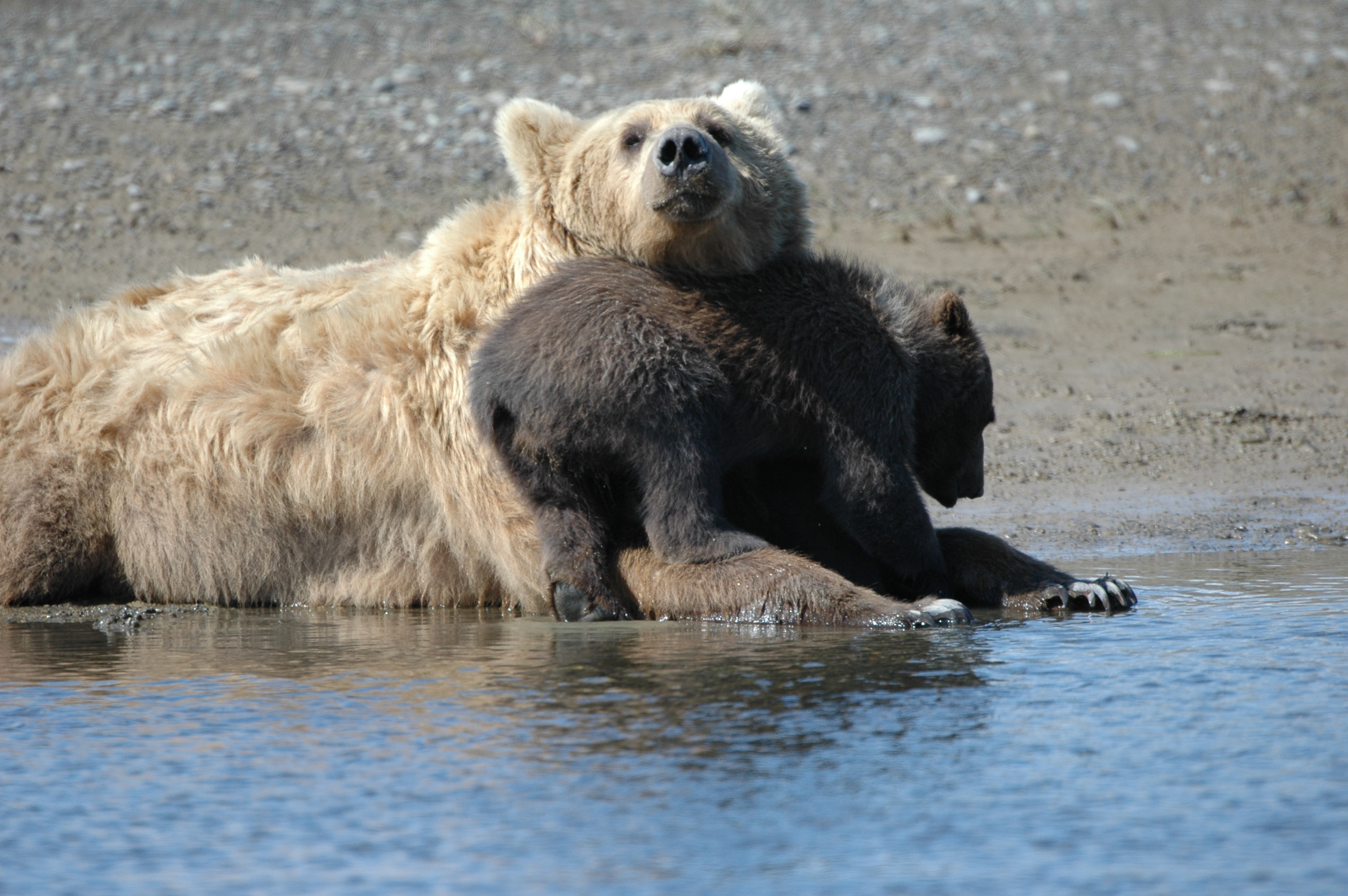
Please Consider a Donation To Help Find the Killer of a Mother Grizzly With 3 Cubs‏

Thanks to Jerry Black hadley911@aol.com

Photo Copyright Jim Robertson

Photo Copyright Jim Robertson

How to contribute to the reward  for information leading to the conviction of the person responsible for killing a mother grizzly bear near Ovando, Mt that left 3 orphaned cubs.  This will be in addition to the reward offered by the U.S. Fish and Wildlife Service and Montana Fish Wildlife and Parks.
After consulting with representatives from both agencies today, the recommendation by them was to set up the reward as follows:
Those wishing to contribute send me an email with a pledge for the amount you wish to contribute.
Example….I am pledging $_____ for the Ovando Mountain Grizzly Reward Fund.  Include your name and contact information.
I will keep these pledges until there is a conviction in this case.  I will then ask you to write me a check in that amount.  I’ll deposite the checks in my account and then have the bank draft a cashiers check for the total sum which I will send to Mr Brian Shinn  in Helena who manages these rewards for the agencies.  The agencies will then disburse the money to the person that provided the tip leading to the conviction.
In 2 weeks, I will send Brian an estimate of the amount of reward money I’ve received to that date.  He will issue a press release stating the amount of reward offered by us (concerned private citizens) and the reward offered by the US FWS and MFWP.
This is the way they’ve handled rewards in the past and it has proven to be successful.  It was also recommended by a friend who was involved in very large rewards (up to $80,000) for illegal killing of Mexican Wolves.
Additionally:
All donations will be confidential…I’m the only person who will see them.
There is no donation too small
My email is “Hadley911@aol.com”
Brian Shinn’s email is..”BShinn@Mt.Gov
Brian’s phone # is 406-227-7490
I hope all this makes sense.  It’s obviously my first attempt at something like this, but I’m determined to do whatever it takes to catch the person responsible for this killing.

Is Hunting Grizzlies Really Sporting?

Wildlife Photography ©Jim Robertson, 2013. All Rights Reserved

Wildlife Photography ©Jim Robertson, 2013. All Rights Reserved

A professional hockey player killed Cheeky.

By Jude Isabella

In Bella Bella, British Columbia, a First Nations community about 700 kilometers north of Vancouver, I met Larry Jorgensen, founder of the Qqs Projects Society, a program for Heiltsuk First Nation youth.

“Are you here about the kill?” he asked.

Someone shot a grizzly bear in Heiltsuk Territory, in Kwatna Inlet, part of the Great Bear Rainforest. The killer? Clayton Stoner, an NHL defenseman for the Minnesota Wild. The victim? A 5-year-old male named Cheeky.

Stoner’s kill outraged the indigenous community. It outraged many other British Columbia residents. At the same time, hunters united around the hockey player’s right to hunt. Hunting is big business. But so is bear viewing, especially in an area stung by economic hardship and stripped of one natural resource after another—except bears. Living bears. Parts of the Great Bear Rainforest, 32,000 square kilometers of habitat along the B.C. coast, are protected and closed to hunting. Some parts are not—residents can still hunt grizzlies here, and in most of the other grizzly habitats in the province. It’s legal. So far it looks like Stoner is a legal resident who killed the bear in a non-restricted area, and therefore he didn’t break the law.

But he did violate the First Nations’ hunting policy. Last year, the Coastal First Nations, an alliance on B.C.’s central and north coasts and the islands of Haida Gwaii, announced a ban on hunting bears in their territories. The ban is for a number of reasons, including distaste for the practice, ecological considerations, and a growing bear viewing industry.

The province of British Columbia, however, did not ban hunting and has no plans to, and its laws govern where hunting is allowed in the Great Bear Rainforest. Hunters kill about 300 grizzlies a year in the province, harvesting the skin and paws, leaving the rest to rot in the bush.

Canadian opposition to the grizzly hunt centers here, in the Great Bear Rainforest, an ecotouring powerhouse where bears are shot with high-priced cameras wielded by ecotourists, some wealthy, some splurging their savings on the trip of a lifetime. The Raincoast Conservation Foundation, which is against hunting, came up with a clever strategy to limit the practice: It purchased two guided hunting territories, including Kwatna, where Stoner shot Cheeky. To hunt in British Columbia as a nonresident, hunters must hire a guide or accompany a resident with a special license. Raincoast’s purchase put the brakes on hunting by nonresidents, but not residents.

It took one professional hockey player to do in one day what Canadian scientists and the First Nations have struggled to do for the past decade: put British Columbia’s grizzly bear hunt in a media spotlight.

The attention should grow this month with a new study led by Kyle Artelle, a biologist with the Raincoast Conservation Foundation. It provides evidence that too little is known about the grizzly population to call the current hunt sustainable. The fate of grizzly bears in British Columbia, Artelle writes, is being determined by a management game of Russian roulette.

“By ignoring what they don’t know about British Columbia’s grizzly bears—their actual population sizes, how many are poached, and so on—managers are taking a considerable gamble with their current hunt management approach,” Artelle told me shortly after Stoner shot the bear.

Sifting through hunting data from between 2001 and 2011, Artelle and his co-authors found evidence of “overmortality”—more bear fatalities than a population could endure—in 26 of the 50 bear populations open to the hunt. Overmortality ranged from one to 24 bears. “Almost all, 94 percent, of total overmortalities could have been avoided by reducing or eliminating the hunt,” Artelle says.

To count bears is no simple task. Rugged terrain and their natural wariness usually cloak bears in invisibility. The best way to interpret bear populations is through DNA analysis of bear hair caught on barbed-wire hair traps. Analysis of the hairs can reveal population levels, health, and the movements of individual bears.

More: http://www.slate.com/articles/health_and_science/wild_things/2013/11/hockey_player_clayton_stoner_is_grizzly_hunting_sporting.html

B.C. Promotes Their Grizzly Bear Hunt

http://www.vancouversun.com/opinion/columnists/Stephen+Hume+promotion+grizzly+hunt+ideological/9140392/story.html

Stephen Hume: B.C.’s promotion of grizzly hunt is ideological, not scientific

Killing of a threatened species to satisfy a marginal industry makes no sense

By Stephen Hume, Vancouver SunNovember 7, 2013

A new scientific study reports that grizzly bear mortalities exceed government targets in half the areas where hunting is permitted. This earns another “ho hum” from provincial wildlife authorities.

So what’s new? When the province’s own habitat specialist first raised concerns with methodology in estimating grizzly populations and mortality rates, his bosses suppressed the study.

The province estimates 15,000 grizzlies inhabit British Columbia. Mind you, grizzly estimates seem to be whatever it takes to justify trophy hunting. In 1979, there were 6,600 grizzlies. Then, when trophy hunting was on the agenda, there were almost 17,000.

The debate over grizzlies is not a discussion of scientific evidence that contradicts hunting policy, it’s an emotional argument over lifestyle choices by trophy hunting proponents who are not really interested in science.

Presumably this why the government is comfortable saying wildlife managers don’t share the new study’s conclusions before they’ve even analyzed its evidence — although, of course, they promise to review it.

The study by six biologists from Simon Fraser University, the University of Victoria and the Raincoast Conservation Foundation reported by Larry Pynn is only the latest that will wind up gathering dust on the shelf where the provincial government puts documents it wants to forget. It has been preceded by reports from some of the world’s leading grizzly experts.

These studies gather dust not because the evidence is unconvincing but because provincial politicians are not interested in evidence-based decisions. They want justification for providing feedstock for a hunting industry that’s in steep decline.

Thirty years ago, there were almost 175,000 licensed hunters in B.C. Today, hunters’ numbers have fallen by more than half.

Clearly social values are changing.

Once, people would kill everything they could. Archival photographs record orgies of killing that most of us today — even the most ardent hunters — would find repugnant and slightly mystifying.

But values do change. Today serious anglers embrace the catch-and-release ethos, hunters accept limited-entry lotteries and poachers are reviled.

Those original values have changed, in part, because of increasing scarcity. On Vancouver Island, for example, the black-tailed deer population is less than 20 per cent of what it once was — not because of overhunting but because of habitat loss and alteration. Steelhead runs are in trouble. So are native cutthroat trout. Moose are scarce in some regions.

So as hunting effort must increase with growing scarcity, and opportunity for success decreases, fewer hunters opt to buy licenses.

Finally, a growing sense that animals have rights, too, informs changing attitudes toward the killing of wildlife, particularly among young citizens. The idea of killing large animals like grizzly bears for pleasure or personal vanity rather than for food is perceived as abusive.

The response of provincial fish and game management has not been to adapt to change, but to promote hunting in the face of falling numbers. Its service plan calls for the selling of an additional 20,000 hunting licences by 2014.

The grizzly bear trophy hunt, which the province doggedly supports in the face of overwhelming public approbation, represents ideology, not wildlife science or public will.

Industrial strategy is presented as an exercise in sustainable management based on science, even though the managers acknowledge they have already reached their own conclusions before they examine unwelcome scientific evidence to the contrary.

But let’s be clear, the opposition to trophy hunting of grizzly bears is not an issue with hunting, it’s an issue with purpose.

Most British Columbians don’t oppose sustainable harvesting of wildlife for food. Most support, for example, the goals of the B.C. Wildlife Federation, which advocates for habitat that will sustain healthy populations available for harvesting by hunters and anglers.

The opposition is to the killing, for purposes of personal vanity, of a threatened species that has already been extirpated from most of its North American range in the interests of a marginal industry dominated by a few businesses.

Write about this and one immediately is subjected to scurrilous comments from trophy hunters who don’t want “their” bears taken away. But B.C.’s wildlife doesn’t belong exclusively to hunters or outfitters. Fish and game belong to everyone, including the almost 90 per cent of British Columbians who want grizzly bears protected, not slaughtered in the service of narcissists and egomaniacs.

We live in a democracy. In democracies, majorities rule — or should rule. So if you care about grizzly bears, you know what to do. Start telling your elected representatives that if they won’t act on your behalf on this file, you’ll elect somebody who will.

Photo of bears in the wild co Jim Robertson

Photo of bears in the wild co Jim Robertson

Mother Grizzly Killed, Cubs Sent to Zoo

To give you an idea how maddening this is, here’s a quote from a friend in Montana who sent me this article:

“I’m devastated and so is my family. This bear and her cubs frequented my son-in-laws ranch on the North Fork of the Blackfoot. My 6 year old grandson watched her and her cubs as well as 4 other grizzlies on the ranch………….This is the kind of shit that happens all too often in Montana and why I call Montana ‘The Killing Fields’…….Some son of a bitch will pay for this.”

http://fwp.mt.gov/news/newsReleases/enforcement/nr_0172.html

FWP Seeks Information on Grizzly Bear Shooting Northeast of Ovando
       <!–

var addthis_pub=”fwpwebmaster”;var addthis_options = ’email, digg, delicious, reddit, linkedin’;
Bookmark and Share


Thursday, November 07, 2013 Enforcement – Region 2

State wildlife officials are looking for information on the shooting death of a grizzly bear found Sunday approximately three and a half miles northeast of Ovando.

Montana Fish, Wildlife & Parks (FWP) game wardens responded to a report of a dead adult female grizzly on Sunday, Nov. 3, and an initial investigation that evening found the bear had died of a gunshot wound.

The bear had three cubs of the year, and FWP was able to trap two of the cubs. The cubs will be placed in the Bronx Zoo. Multiple attempts to capture the third cub were unsuccessful.

FWP bear management specialist, Jamie Jonkel, notes that there is a chance that the lone cub could survive the winter on its own, and FWP may make additional attempts to locate the bear if it receives reports of sightings.

Anyone with information on this incident is encouraged to call 1-800-TIP-MONT (1-800-847-6668). Callers can remain anonymous and may be eligible for a reward up to $1,000 for information leading to a conviction.

Photo Copyright Jim Robertson

Photo Copyright Jim Robertson

U.S. Fish and Wildlife Service Issues Emergency Closure of Brown Bear Sport Hunting on Kenai National Wildlife Refuge‏

October 25, 2013

FOR IMMEDIATE RELEASE
CONTACT:
Kenai National Wildlife Refuge (907) 262-7021

SOLDOTNA, AK – The U.S. Fish and Wildlife Service (Service) today announces
an emergency closure of sport hunting of brown bears on the Kenai National
Wildlife Refuge (Refuge), effective October 26, 2013 at 12:01 am. The
emergency closure is issued pursuant to federal regulations at 50 CFR 36.42.

Operating under the assumption of lagging indicators, the known
human-caused brown bear mortalities on the Kenai Peninsula in 2013 now
total at least 66 bears. This includes a minimum of 43 brown bears taken
during spring and fall hunting seasons, and 23 bears killed through defense
of life and property takings, illegal takings, agency kills of problem
bears, and vehicle collisions. Total mortalities now represent more than 10
percent of the best available estimate of a total Kenai Peninsula brown
bear population, numbering 624 bears.

“This level of mortality is not scientifically sustainable,” said Refuge
Manager Andy Loranger in announcing the Refuge emergency closure.

In addition to the total number of mortalities, a high number of
reproductive-age female bears have been killed. Prior to 2013, the Alaska
Department of Fish and Game limited the annual number of human-caused
mortalities of adult female brown bears at 10. At least 22 adult females,
or 33 per cent of all known mortalities, have been killed so far this
year—more than double the previously established limits.

“Survivorship of adult female bears has been shown to be the primary driver
of brown bear population dynamics. Losing so many adult female bears will
have immediate negative impacts on this population,” said Refuge
Supervisory Wildlife Biologist John Morton.

“Kenai brown bears are highly valued by the public for many reasons, and
play an important ecological role,” continued Loranger. “If allowed to
continue this season and into the immediate future, the Service believes
that this level of mortality, which includes a high rate of loss of adult
female bears, will result in a substantial reduction in the Kenai
Peninsula’s brown bear population. This would create a conservation concern
for this population, which in turn would negatively impact hunters and many
other Refuge visitors who value and enjoy viewing and photographing bears.”

Actual human-caused mortalities are higher than the documented number.
“Unreported human-caused mortalities are also occurring at an unknown rate,
and must be considered when identifying sustainable harvest levels,” said
Morton.

While this emergency closure is only temporary under applicable regulations
and will last for 30 days, the Service intends to develop and implement a
longer term brown bear harvest management strategy on the Refuge.

“As it has in previous years, the Service envisions developing and
eventually implementing harvest parameters after appropriate public input
and review, in an effort to ensure that harvests remain sustainable, and
which focus on adequately protecting adult female bears for the healthy
reproduction of the brown bear population on the Kenai Peninsula,” Morton
said.

The Service will hold public hearings in the near future at which this
strategy will be presented to the public. Hearing dates will be released at
a later date.

“We do not take this closure lightly and will work with the Alaska
Department of Fish & Game to develop a strategy to collaboratively manage
brown bear populations that is consistent with the mandates of both
agencies,” said Loranger.

Photo Copyright Jim Robertson

Photo Copyright Jim Robertson

For additional information, please contact the Kenai National Wildlife
Refuge office during regular business hours at (907) 262-7021 .

NHLer’s B.C. Grizzly Kill Offside?

Huffpost 09/30/2013

by Chris Genovali, Executive Director, Raincoast Conservation Foundation

photo copyright Jim Robertson

photo copyright Jim Robertson

Raincoast Conservation Foundation has asked the B.C. Ministry of Forests, Lands and Natural Resource Operations, the entity responsible for managing the trophy hunting of bears in the province, to investigate the killing of a grizzly on the central coast by National Hockey League player Clayton Stoner. As a result, the BC Conservation Officer Service is investigating Stoner’s trophy killing of the grizzly bear in question.

There is widespread concern regarding the circumstances surrounding this particular hunt, including uncertainty as to whether Stoner is technically a B.C. resident. If he is not, then he shouldn’t have been issued a B.C. Resident Hunter Number card nor should he have been allowed to enter the Limited Entry Hunt (LEH) lottery to kill a grizzly.

As the ministry website states, “Participation in the LEH draw is available to any resident of B.C. who legally possesses a B.C. Resident Hunter Number.” To obtain a B.C. Resident Hunter Number and Resident Hunter Number card an individual must provide evidence that he is a resident. The legal definition of a B.C. resident is a person who “is a Canadian citizen or a permanent resident of Canada, whose only or primary residence is in British Columbia, and has been physically present in British Columbia for the greater portion of each of six calendar months out of the 12 calendar months immediately preceding the date of making an application under this Act or doing another thing relevant to the operation of this Act.”

Stoner plays for the Minnesota Wild, a U.S.-based team in the NHL. As such, he is required to live and work in Minnesota the majority of the year. The NHL regular season runs from October through mid-April. That doesn’t count time spent at training camp prior to the regular season or potential participation in the playoffs. Given the length of the NHL season and the fact Stoner plays for a U.S. based team (and has played for U.S. based teams in the NHL, AHL and WHL since 2002), it would seem implausible that he could have been physically present in B.C. for the time required to qualify as a resident.

The investigation by the province raises several troubling questions. Big picture, this event could very well end up calling into question the integrity of the LEH, as well as the B.C. government’s ability to monitor the hunt and enforce their own regulations.

The Conservation Officer Service office in Bella Coola has been closed and moved to Williams Lake. Bella Coola is the only central coast community accessible by road and is the community nearest to where the grizzly bear was killed.  “It’s fortunate that First Nations research technicians were there to observe and record this incident. Stoner’s party, or any hunters conducting potentially illegal activities, would be more likely to encounter aliens from another planet than a Conservation Officer in these remote coastal areas,” said Brian Falconer, guide outfitting coordinator for Raincoast.

In the 2002 Raincoast report “Losing Ground: The decline in fish and wildlife law enforcement capability in B.C. and Alaska,” author and wildlife scientist Dr. Brian Horejsi concluded the following:

Wildlife populations and biological diversity are endangered by chronic underfunding and marginalization of wildlife conservation-oriented enforcement programs in British Columbia and, to a lesser degree, in Alaska. This period of measurable political disinterest and low and declining priority now approaches 20 years in duration. There is little evidence available to the British Columbia or Alaska public to indicate that current enforcement capabilities are sufficient to provide effective compliance with fish and wildlife regulations, a problem being aggravated by escalating and uncoordinated land use activities. In every capability measure examined, capability today is significantly lower than it has been previously. Enforcement and protection staff are presently unable to effect widespread and long-lasting changes in resource user behavior in either Alaska or B.C. While fish and wildlife protection capability in Alaska has slipped…the evidence indicates that B.C. has now crossed the threshold at which protection of fish and wildlife populations and their habitat by enforcement services has effectively and materially been abandoned.

We stand with Coastal First Nations in their call to end the trophy hunting of bears in B.C.’s Great Bear Rainforest. Coastal grizzly bears, in particular, face numerous threats to their survival, including habitat loss and a declining supply of salmon; the additive pressure from trophy hunting exists throughout much of the Great Bear Rainforest, even in many legislated protected areas. This is more than just a “management” issue. It’s also an ethical issue. Bottom line, killing these magnificent animals for recreation and entertainment is a barbaric and anachronistic practice that should be ended on the coast of British Columbia.

Action Alert on baby Bears, Tigers and Bears

Baby Lions, Tigers, and Bears Are Not Stuffed Toys

Across the country, the public can pet, feed, pose with, and play with wild animals at malls, fairs, and roadside zoos for fees ranging from $10 to $500. To facilitate such unsafe handling, baby tigers, lions, bears, and primates are pulled from the care of their protective mothers shortly after birth.

When the baby animals can no longer be used as play props, or for photographs — sometimes after just a few months — they are often discarded at shoddy roadside zoos, sold into the pet trade, or killed for their meat. This cycle of breeding, exploiting, and then dumping baby animals puts animals at risk and endangers the public.

In response to a legal petition from a coalition of animal protection and conservation organizations — including The HSUS — the U.S. Department of Agriculture (USDA) is requesting comments on whether to prohibit public contact and close encounters with big cats, bears, and primates.

TAKE ACTION
Please personalize and submit the letter linked below to urge the USDA to act quickly and ban this cruel and dangerous practice:

https://secure.humanesociety.org/site/Advocacy?cmd=display&page=UserAction&id=6251

Photo of bears in the wild co Jim Robertson

Photo of bears in the wild co Jim Robertson

Female Bear named “Dot” Killed by Hunters

http://www.bearstudy.org/website/updates/daily-updates/2114-dot-is-killed-update-september-13-2013-.html

Dot is Killed – UPDATE September 13, 2013

Dot – March 22, 2012Dot – March 22, 2012 At the Bear Centerthumb_3e27c99321ee3f4ace21e1e5ba9b409d_169x225_wm0_right_bottom-20130913_Dot_20120322 today, 2 hunters told staff that they would never, under any circumstances, shoot a female bear. Later today, we learned once again that not all hunters feel that way.

Two female bears wearing radio-collars bedecked with gaudy ribbons have been shot this year. First Aster was shot and injured on September 5. Then this afternoon, 13-year-old Dot, a favorite of many, was killed. We don’t know the details and hope to learn more. In late afternoon, her GPS locations showed her signal moved quickly from the forest to the town of Ely. We drove to Ely and located the radio-collar in the conservation officer’s truck awaiting delivery to the DNR office in Tower and eventual return to us. Lynn knocked on his door and learned that Dot was killed “in a hunting situation.”

The Research Associates who spent hundreds of hours following her life the last 12 years are feeling deep grief this evening. No one knew Dot better or was more devoted to her well being and learning about her life then they were. Dot was radio-tracked longer than any other bear in the study, beginning with her life in the den with her radio-collared mother Blackheart. Dot got her own collar when she became a yearling. There are many stories to tell about Dot’s relatively long life. Although black bears can live into their 30’s, the average age of females in the kill is 3. Dot and her sister Donna far exceeded that. Donna is still alive but is not radio-collared due to the latest DNR restrictions. Dot had a great, gentle personality and was a favorite of many who got to see her in the course of her 13 years.

One of the BFF Teams “Meet the Bears” articles does an excellent job of summarizing Dot’s life http://www.facebook.com/notes/bffbetty/meet-dot-2013/357565604374265.

Thank you for all you do.

—Lynn Rogers and Sue Mansfield, Biologists, Wildlife Research Institute and North American Bear Center

Hunters Murder Two Bears, Then Whine About Injuries

Wildlife Photography ©Jim Robertson, 2013. All Rights Reserved

Wildlife Photography ©Jim Robertson, 2013. All Rights Reserved

Alright, I’ve had enough of this one-sided, narcissistic reporting!

Do I have to point out to the AP that their article completely missed the point here by making a hunter the victim of the story? They report that an hour after wounding the bear with an arrow… “The hunter located the wounded bear and shot it twice more with his bow. The bear then ran down the hill and encountered a man who had arrived to assist the hunter.”

WTF? How much suffering does a non-human animal have to go through before her plight is even considered by the media and she’s seen as the victim? Here’s how the AP titled the article:

Injured black bear injures hunter near Thompson Falls

Associated Press

KALISPELL — State wildlife officials say a 150-pound female black bear wounded by a bow hunter bit the arm of the hunter’s companion before succumbing to its injuries.

Fish, Wildlife and Parks spokesman John Fraley says a man was hunting near Thompson Falls on Tuesday when he shot a black bear with a bow and arrow.

The hunter waited for several hours to make sure the bear was dead before he started tracking it. The hunter located the wounded bear and shot it twice more with his bow. The bear then ran down the hill and encountered a man who had arrived to assist the hunter. The bear bit the second man’s arm before it died.

The injured man was treated at the hospital in Plains and released.

FWP says the hunter legally tagged the bear.

….and here’s another article with the same slant, which also ends with a dead bear. Note that the real victim was just out eating berries…

September 11, 2013 at 2:43 PM

Shots from other hunters halted grizzly attack in Alaska

Posted by

ANCHORAGE (AP) — An Alaska grizzly bear wounded by a Rhode Island hunter survived more than 90 minutes before attacking the man and slashing his head.

Alaska State Troopers say John Matson sustained injuries Monday to his head and body. The wounds were not considered life-threatening.

Troopers tell the Anchorage Daily News that Matson was hunting with another hunter and an assistant guide.

Matson shot a bear feeding on berries. The bear rolled into brush but popped out and ran.

The hunters waited about 90 minutes before going into thick cover after the bear.

Troopers say the assistant guide heard Matson scream as the bear attacked. The other men fired shots and the bear ran off.

The men walked about a mile to their camp. Matson was flown Tuesday to Anchorage