Exposing the Big Game

Forget Hunters' Feeble Rationalizations and Trust Your Gut Feelings: Making Sport of Killing Is Not Healthy Human Behavior

Exposing the Big Game

As bird flu outbreaks become more common in China and elsewhere, scientists debate the underlying cause

 http://www.scmp.com/news/china/policies-politics/article/2074048/bird-flu-outbreaks-become-more-common-china-and

Experts argue whether blame for spread of virus lies with factory farming or live poultry markets

PUBLISHED : Sunday, 26 February, 2017, 8:01am

The answer to whether industrial-scale poultry farming is responsible for bird flu differs depending on who you ask – a virologist or a geographer.

In a book published last month, Stephen Hinchliffe, a professor of human geography at the University of Exeter in Britain, argues that mass livestock production is driving molecular changes in diseases that could lead to human pandemics.

According to the United Nations Food and Agriculture Organisation (FAO), the world raised more than 21 billion chickens in 2014, up from 19 billion in 2011, or about three fowls for every person on the planet. The bulk of that production came from the United States, China and Europe.

Rapidly rising global poultry numbers, along with selective breeding and production techniques that have dramatically altered the physiology of chickens and other poultry, have made the planet more “infectable”, Hinchliffe and three co-authors argue in their book, Pathological Lives: Disease, Space and Biopolitics.

 A combination of factors ranging from virus evolution to economics places humans and animals at risk, they say.

But other researchers say poultry farms are just victims. The biggest culprits in the spread of bird flu viruses, they say, were the live poultry markets in China and Southeast Asia, which should be reformed if not eliminated.

More than 90 people on the mainland have died in the latest seasonal outbreak of H7N9 bird flu. Taiwan has also began culling hundreds of thousands of domestic birds to contain the spread.

Hinchliffe argues that the bird flu crisis stems from “our economies and modes of organising life”.

“We question the sustainability and security of the kinds of intensive protein production that are being rolled out across the planet,” Hinchliffe said.

Some current forms of bird flu can infect people. Some scientists warn that the current “swarm” of flu viruses in circulation are cause for heightened concern.

“Avian flu has been around for a long time, circulating in wild birds without being too much of an issue. But as inexpensively produced protein-rich diets become a worldwide norm, poultry populations, growth rates and metabolisms have changed accordingly,” Hinchliffe said.

Economic considerations were driving selective breeding, feed and dietary supplements, and sometimes the inappropriate use of pharmacueticals, especially antibiotics.

“Raising a bird to market weight takes a third of the time it did 30 or so years ago, with the result that disease tolerance is often compromised,” he said.

“Between that and sheer numbers, flock densities and global connectivity, humans have created a new set of conditions for viral selection and evolution.

“As any epidemiologist will tell you, a microbe can only become deadly or pathogenic if there are the right environmental and host conditions.

“Bird numbers and altered bodies have, in short, made the planet more ‘infectable’,” Hinchliffe said.

Dr Chen Quanjiao, associate researcher of bird flu epidemiology at the Wuhan Institute of Virology, under the Chinese Academy of Sciences, disagreed.

The detection rate of bird flu at poultry farms was usually “very low”, she said. Farmers regularly jabbed birds with vaccines and erected nets to fence out wild species.

The outbreak of bird flu happened in live poultry markets where birds from different places were kept in the same cages, sometimes for days, which gave the virus a chance to mutate and spread to humans.

“Hong Kong has implemented a very effective method to regulate its live poultry market. If other places in China and Asia can follow Hong Kong’s practice, we can significantly reduce the risk,” Chen said.

Bird flu strain hitting China may be getting more infectious

Threatwatch is your early warning system for global dangers, from nuclear peril to deadly viral outbreaks. Debora MacKenzie highlights the threats to civilisation – and suggests solutions

GettyImages-635563542

STR/AFP/Getty

Another bird flu is on the rampage in China. Already this winter there have been 424 cases in humans, more than a third of all those identified since the virus emerged in 2013. And it is spreading. This week it was announced that it seems poised to acquire mutations that could make it a much worse problem.

H7N9 first started infecting people in China in 2013. Like its cousin H5N1, the virus that drew attention to bird flu in 2004, it mainly infects birds and doesn’t readily pass from human to human – but should it acquire this ability a deadly pandemic could ensue.

H7N9 seems to jump to people from poultry more easily than H5N1, staging regular winter outbreaks in the last 4 years. By mid-2016 there were 798 known cases, and around 40 per cent of the people died. But since last October alone, there have been 424, the most ever seen in one season – and it isn’t over yet.

“I suspect the spike in cases of H7N9 is real,” says Malik Peiris of Hong Kong University, and not due to better diagnosis. He thinks the jump is due to an increase in poultry infections. Tests in poultry markets are finding H7N9 more often, he says, and it is spreading: this winter has seen human cases in 18 provinces of mainland China, including for the first time in southern Yunnan province, and it could spread to Vietnam from there.

When people fall ill

But we only know this because someone in Yunnan became severely ill with the virus. H7N9 spreads in poultry without making birds visibly sick. It is often only discovered when people fall ill.

Most were exposed to the virus in live poultry markets. Despite calls to close them, public demand for freshly killed chicken keeps markets open – although four of the hardest-hit provinces in China have now temporarily closed some markets.

But H7N9 could be coming out of hiding. This week both mainland China and Taiwan reported human cases in which the virus’s haemagglutinin surface protein had a mutation that makes it lethal to chickens. This would make it a “highly pathogenic” bird flu like H5N1 and its descendants such as H5N8, which is killing birds across Eurasia.

While the mutation doesn’t affect illness in people, it allows the virus to replicate much faster in chickens. If the mutation spreads in poultry, as it has with other kinds of bird flu, H7N9 will rip through flocks, making its presence much easier to spot.

But the trouble is these sick birds will shed much more of the virus, meaning more cases in people and perhaps other mammals such as pigs, each an opportunity for H7N9 to adapt to mammals and learn to spread from person to person. H7N9 already has some of the mutations thought to be required before bird flu can do this, and it is already capable of limited spread between ferrets, the best animal model for human flu.

There could also be more cases of H7N9 in people than we think, says Ab Osterhaus of the Research Centre for Emerging Infections and Zoonoses in Hannover, Germany. Usually, only people sick enough to require a trip to hospital are tested to see which virus they have.  Two of the cases reported by the World Health Organisation this week were mild, but the individuals were tested because of exposure to known cases. There could be many more mild cases.

Our only real defence, say the virologists, is a vaccine. The WHO has approved eight vaccine strains of H7N9, and last week China launched clinical trials of four strains by a state-owned vaccine company.

But even if the trials are successful, WHO officials admit that we still have no means of making enough flu vaccine in time to protect large numbers of people, should H7N9, or any other flu virus, go pandemic.

Spread of H7N9 Bird Flu Worries Officials in China

As many as 79 people died from H7N9 bird flu in China last month, the Chinese government said, stoking worries that the spread of the virus this season could be the worst on record.

January’s fatalities were up to four times higher than the same month in past years, and brought the total H7N9 death toll to 100 people since October, data from the National Health and Family Planning Commission showed late on Tuesday.

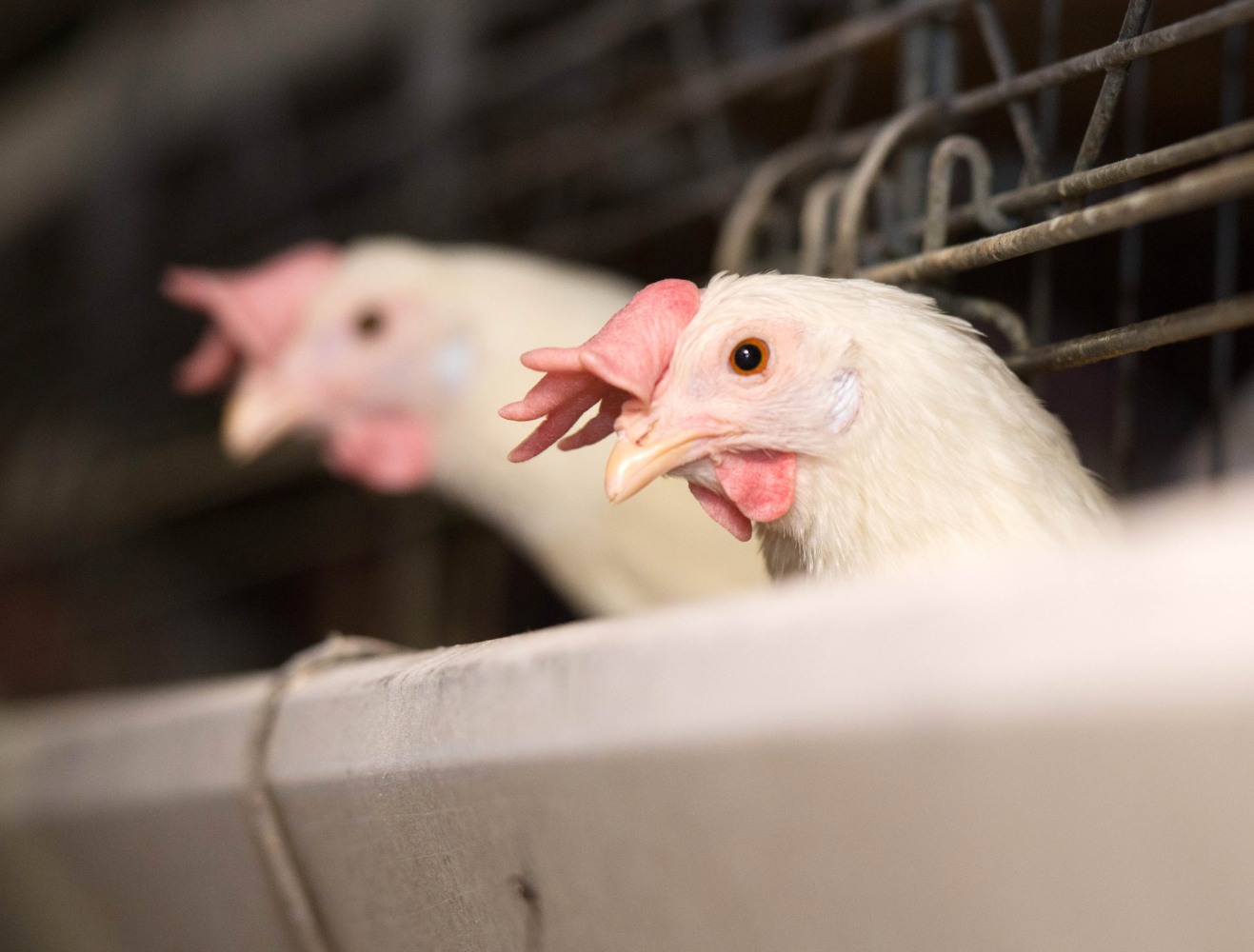
Image: Chickens
An Iowa-based chicken broiler breeding farm has initially tested positive for the highly pathogenic h5 bird flu. AP

Authorities have repeatedly warned the public to stay alert for the virus, and cautioned against panic in the world’s second-largest economy.

Related: CDC Issues Bird Flu Warning

But the latest bird flu data has sparked concerns of a repeat of previous health crises, like the 2002 outbreak of Severe Acute Respiratory Syndrome (SARS).

“It’s mid-February already and we are just getting the January numbers. With the death rate almost catching up with SARS, shouldn’t warnings be issued earlier?” said one user of popular microblog Sina Weibo.

Other netizens in the Chinese blogosphere worried about the pace of infections, and called for even more up-to-date reports.

The People’s Daily, the official paper of the ruling Communist Party, warned people in a social media post to stay away from live poultry markets, saying it was “extremely clear” that poultry and their excrement were the cause of the infections.

Related: Watch Out for H7N9 Bird Flu, WHO Says

“The situation is still ongoing, and our Chinese counterparts are actively investigating the reported cases,” the World Health Organization’s China Representative Office said in an emailed statement to Reuters.

“As the investigation is ongoing, it is premature to conclusively identify the cause for the increased number of cases. Nevertheless, we know that the majority of human cases got the A(H7N9) virus through contact with infected poultry or contaminated environments, including live poultry markets.”

China, which first reported a human infection from the virus in March 2013, has seen a sharp rise in H7N9 cases since December. The official government total is 306 since October, with 192 reported last month.

But others believe the number of infections is higher.

The Center for Infectious Disease Research and Policy (CIDRAP) at the University of Minnesota last week estimated China had at least 347 human infections so far this winter, eclipsing the record of 319 seen three years ago.

“An important factor in the past waves of H7N9 cases among humans in China has been rapid closure of live poultry markets,” said Ian Mackay, a virologist at the University of Queensland in Australia.

“This season there seems to have been a slower response to the outbreak, which may be leading to greater numbers of human exposures to infected birds.”

Related: H7N9 Bird Flu Spreads Like Ordinary Flu

The National Health and Family Planning Commission has yet to respond to a request from Reuters seeking comment on the recent bird flu deaths.

Most of the H7N9 human infections reported this season have been in the south and along the coast.

In Hong Kong, where two of the four patients infected with H7N9 this winter have died, health officials said they would step up checks at poultry farms.

H7N9 had spread widely and early this year, but most cases were contained in the same areas as previous years, including the Yangtze River Delta and Guangdong, Shu Yuelong, head of the Chinese National Influenza Center, told state radio.

Beijing on Saturday reported its first human H7N9 case this year. The patient is a 68-year-old man from Langfang city in neighbouring Hebei province.

A second human case was reported on Tuesday.

“It is highly likely that further sporadic cases will continue to be reported,” the WHO said.

“Whenever influenza viruses are circulating in poultry, sporadic infections or small clusters of human cases are possible.”

Proliferation of bird flu outbreaks raises risk of human pandemic

Reuters

A man shops for eggs imported from the United States as South Korea scrambles to boost imports to relieve a shortage amid its worst-ever bird flu outbreak, at a market in Seoul on Monday.

ReutersLONDON (Reuters) — The global spread of bird flu and the number of viral strains currently circulating and causing infections have reached unprecedented levels, raising the risk of a potential human outbreak, according to disease experts.

Multiple outbreaks have been reported in poultry farms and wild flocks across Europe, Africa and Asia in the past three months. While most involve strains that are currently low risk for human health, the sheer number of different types, and their presence in so many parts of the world at the same time, increases the risk of viruses mixing and mutating — and possibly jumping to people.

“This is a fundamental change in the natural history of influenza viruses,” Michael Osterholm, an infectious disease specialist at University of Minnesota, said of the proliferation of bird flu in terms of geography and strains — a situation he described as “unprecedented.”

Global health officials are worried another strain could make a jump into humans, like H5N1 did in the late 1990s. It has since caused hundreds of human infections and deaths, but has not acquired the ability to transmit easily from person to person.

The greatest fear is that a deadly strain of avian flu could then mutate into a pandemic form that can be passed easily between people — something that has not yet been seen.

While avian flu has been a prominent public health issue since the 1990s, ongoing outbreaks have never been so widely spread around the world — something infectious disease experts put down to greater resilience of strains currently circulating, rather than improved detection or reporting.

While there would normally be around two or three bird flu strains recorded in birds at any one time, now there are at least half a dozen, including H5N1, H5N2, H5N8 and H7N8.

The Organization for Animal Health (OIE) says the concurrent outbreaks in birds in recent months are “a global public health concern,” and the World Health Organization’s director-general recently warned the world “cannot afford to miss the early signals” of a possible human flu pandemic.

The precise reasons for the unusually large number and sustained nature of bird outbreaks in recent months, and the proliferation of strains, is unclear — although such developments compound the global spreading process.

Ian MacKay, a virologist at Australia’s University of Queensland, said the current proliferation of strains means that “by definition, there is an increased risk” to humans.

“You’ve got more exposures, to more farmers, more often, and in greater numbers, in more parts of the world — so there has to be an increased risk of spillover human cases,” he told Reuters.

Nearly 40 countries have reported new outbreaks of highly pathogenic avian influenza in poultry or wild birds since November, according to the WHO.

In China, H7N9 strains of bird flu have been infecting both birds and people, with the human cases rising in recent weeks due to the peak of the flu season there. According to the WHO, more than 900 people have been infected with H7N9 bird flu since it emerged in early 2013.

In birds, latest data from the OIE showed that outbreaks of highly pathogenic avian flu have been detected in Britain, Italy, Kuwait and Bangladesh in the last few days alone.

Russia’s agriculture watchdog issued a statement describing the situation as “extremely tense” as it reported H5N8 flu outbreaks in another four regions. Hungarian farmers have had to cull three million birds, mostly geese and ducks.

These come on top of epidemics across Europe and Asia which have been ongoing since late last year, leading to mass culling of poultry in many countries.

Highly pathogenic H5N1

Strains currently documented as circulating in birds include H5N8 in many parts of Europe as well as in Kuwait, Egypt and elsewhere, and H5N1 in Bangladesh and India.

In Africa — which experts say is especially vulnerable to missing flu outbreak warning signs due to limited local government capacities and weak animal and human health services — H5N1 outbreaks have been reported in birds in Burkina Faso, Cameroon, Ghana, Niger, Nigeria and Togo. H5N8 has been detected in Tunisia and Egypt, and H7N1 in Algeria.

The United States has, so far this year, largely escaped bird flu, but is on high alert after outbreaks of H5N2, a highly pathogenic bird flu, hit farms in 15 states in 2015 and led to the culling of more than 43 million poultry.

David Nabarro, a former senior WHO official who has also served as U.N. system senior coordinator for avian and human influenza, says the situation is worrying. “For me the threat from avian influenza is the most serious [to public health], because you never know when,” he told Reuters in Geneva.

H5N1 is under close surveillance by health authorities around the world. It has long been seen as one to watch, feared by infectious disease experts because of its pandemic potential if it were to mutate an acquire human-to-human transmission capability.

A highly pathogenic virus, it jumped into humans in Hong Kong in 1997 and then re-emerged in 2003/2004, spreading from Asia to Europe and Africa. It has caused hundreds of infections and deaths in people and prompted the culling of hundreds of millions of poultry.

Against that background, global health authorities and infectious disease experts want awareness, surveillance and vigilance stepped up.

Wherever wild birds are found to be infected, they say, and wherever there are farms or smallholdings with affected poultry or aquatic bird flocks, regular, repeated and consistent testing of everyone and anyone who comes into contact is vital.

“Influenza is a very tough beast because it changes all the time, so the ones we’re tracking may not include one that suddenly emerges and takes hold,” said MacKay.

“Right now, it’s hard to say whether we’re doing enough [to keep on top of the threat]. I guess that while it isn’t taking off, we seem to be doing enough.”Speech

Avian flu found in duck in Alaska on major bird migratory route

http://www.worldtechtoday.com/2016/08/29/33654/avian-flu-found-in-duck-in-alaska-on-major-bird-migratory-route.html

Avian flu found in duck in Alaska on major bird migratory route

The H5N2 strain of bird flu was discovered in a wild mallard duck in Fairbanks, the first time the disease, which killed 50 million chickens and turkeys in the U.S. last year, has been found in the country in nearly 14 months

The H5N2 strain of Avian flu has been found in a wild mallard duck in Fairbanks, Alaska, the first time the virus has appeared in the U.S. in 14 months. The discovery is significant, as Alaska lies directly on the migratory routes of birds that are headed to the lower parts of North America an Asia, making it a key location for introducing avian diseases from other locations. The virus has not been found in any wild birds in the U.S. since last June, when 50 million domestic birds died from the disease.

During the outbreak last year, millions of dollars were lost, as export partners suspended trade with countries and states with infected birds. Egg prices increased to record highs and there were turkey meat shortages. Last summer’s outbreak of avian flu was attributed to the droppings of wild ducks and geese flying across the country. Entire flocks of chickens and turkeys died after being infected.

The U.S. Department of Agriculture has issued recommendations for farmers and poultry companies to increase their adherence to protocols for cleanliness and security, to try and ensure the health of their birds.

More: http://www.worldtechtoday.com/2016/08/29/33654/avian-flu-found-in-duck-in-alaska-on-major-bird-migratory-route.html

Wild duck tests positive for bird flu

http://www.mycolumbiabasin.com/2015/12/09/wild-duck-tests-positive-for-bird-flu/

duckWASHINGTON, D.C. – The U.S. Department of Agriculture’s Animal and Plant Health Inspection Service has tested more than 24,000 birds across the nation through the fall, and only one tested positive for Eurasian avian influenza, in a wild duck killed in Morrow County.

In a prepared release, APHIS states that the bird tested positive for H5 influenza, but states it could not determine the exact strain of the viruses or if they are highly pathogenic. The mallard duck was killed by a hunter in November. Because the service could not determine the strain, it does not know if the flu is capable of infecting domestic poultry.

APHIS plans on testing a total of 40,000 wild birds through July 1, 2016. Samples are being collected from both hunter-harvested birds and from wild birds that are found dead for other reasons.

Bird flu could possibly affect humans

why

http://www.abc17news.com/news/cdc-bird-flu-could-possibly-affect-humans/33427576

This week the CDC released a report expressing concerns about the H2N5 strain of avian flu possibly affecting humans.

For months the CDC has said it is not contagious to humans.

Dr. Dan Shaw at Mizzou’s Veterinary School said if someone were to contact H2N5 it would have to be inhaled.

He said this is dangerous because not only are poultry farms experiencing a mass infection of the virus, but people who handle waterfowl could possibly be at risk, as well.

“As far as human safety, waterfowl can get infected with the virus and they don’t tend to get that sick with it.  So, they could be a source of infection and when the fall migration comes back down the Central and Mississippi it is causing some concern,” said Shaw.

More:

http://www.abc17news.com/news/cdc-bird-flu-could-possibly-affect-humans/33427576

Shaw said hunters in Missouri should be concerned if they hunt geese or ducks.

He said people who handle the birds are at the highest risk for getting the virus, if it should mutate, which the CDC now says is a possibility.

“That would definitely be a way to get exposed to it and all the poultry companies advise their workers to give up waterfowl hunting or find a new job because they are so worried about the source,” said Shaw.

USDA: Bird flu vaccine not good enough for outbreak

MINNEAPOLIS (AP) — A bird flu vaccine doesn’t work well enough to approve it for emergency use against the current outbreak that’s shaken the Midwest poultry industry, the U.S. Department of Agriculture said Wednesday.

The USDA’s Animal and Plant Health Inspection Service said in a statement Wednesday that the current vaccine is not well matched against the highly pathogenic H5N2 virus and doesn’t provide enough protection.

“The vaccine currently available offers just 60 percent effectiveness in chickens, leaving 4 in 10 birds unprotected. The vaccine’s effectiveness in turkeys is still being studied,” it said.

By the USDA’s count, bird flu has cost chicken and turkey producers more than 45 million birds since early March, mostly in Iowa and Minnesota.

The USDA said it will continue to support efforts to develop more effective vaccines, and will re-evaluate its decision as those become ready for use. The agency said it will carefully consider both the efficacy of any new vaccine and the potential foreign trade losses.

A major concern is that several significant U.S. trade partners have told the USDA they might ban all imports of U.S. poultry and eggs, which could cost producers billions of dollars in lost exports. The reason other countries might balk is that tests for the disease in poultry products look for the same antibodies that vaccines trigger an animal to produce.

If a vaccine is ultimately approved, the USDA said it would be targeted to the states and poultry sectors where it could be most effective – where quarantines, culling infected flocks and enhanced biosecurity can’t stop the spread.

Indiana trains prisoners in bird flu fight

http://www.jamestownsun.com/news/nation-and-world/3756574-indiana-trains-prisoners-bird-flu-fight

Indiana is training 300 prisoners to kill infected chickens and banning bird shows at county fairs. Mississippi is considering road barricades and planning biosecurity measures. Iowa is trying to figure out how to deal with a mountain of dead – and reeking – chickens.

Federal health experts are hopeful that the virulent bird flu that has devastated Midwestern poultry farms in recent months has reached its peak and will taper off as the weather warms. But worried state officials aren’t taking chances.

Fears that the virus, which has led to the deaths of nearly 45 million birds in 16 states and Canada, could come roaring back in the fall, when temperatures cool, have agriculture officials across the U.S. preparing for the worst.

Even states that haven’t been hit yet are taking no chances.

“We’re better safe than sorry,” said Dr. Robert Cobb, state veterinarian for Georgia, the nation’s leading producer of chickens raised for meat, which has not had any cases so far. “All the research I’ve been able to find is showing that this virus could likely stick around for years.”

GEARING UP

After a backyard flock in northeastern Indiana tested positive in early May – the state’s first case of the virus – Indiana’s State Board of Animal Health banned all bird shows at county fairs this summer, following similar moves in Iowa, Minnesota and Pennsylvania.

The board and other state agencies also began planning what they would need in the event of a wider outbreak, including portable toilets and protective gear for personnel.

And they asked the Department of Corrections to begin training non-violent offenders to help with any culls needed.

In late May, the first group of 50 inmates were fit-tested for respirators, and began training on how to safely remove chickens from cages and transfer them to an enclosed cart used to asphyxiate the birds.

Denise Derrer, spokeswoman for the state board of animal health, said crews of low-level offenders have also helped with state recovery efforts after floods and tornadoes and will be used in the event of a wider outbreak.