Exposing the Big Game

Forget Hunters' Feeble Rationalizations and Trust Your Gut Feelings: Making Sport of Killing Is Not Healthy Human Behavior

Exposing the Big Game

Organized coyote and wolf hunt planned in Sanders County

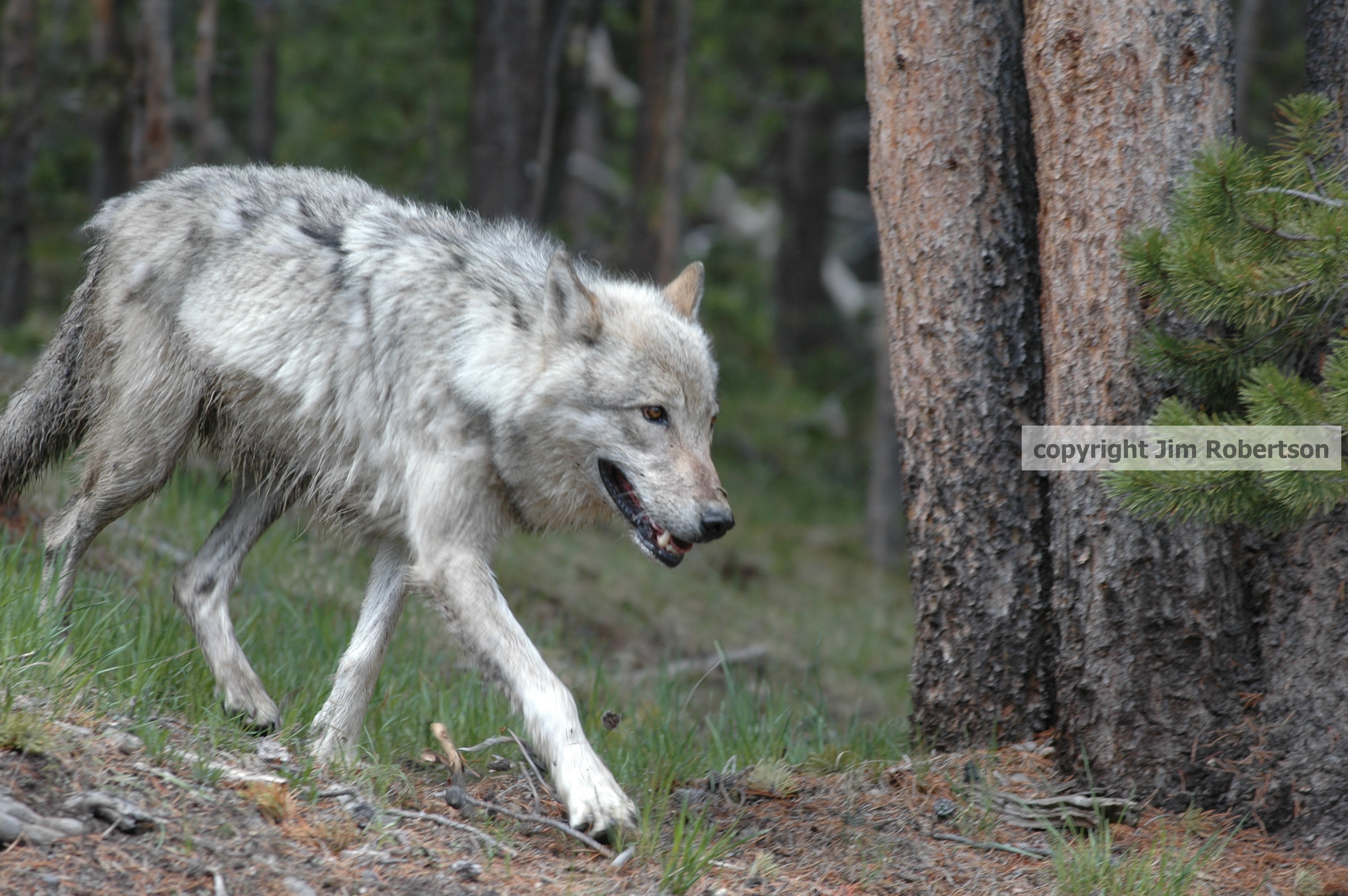
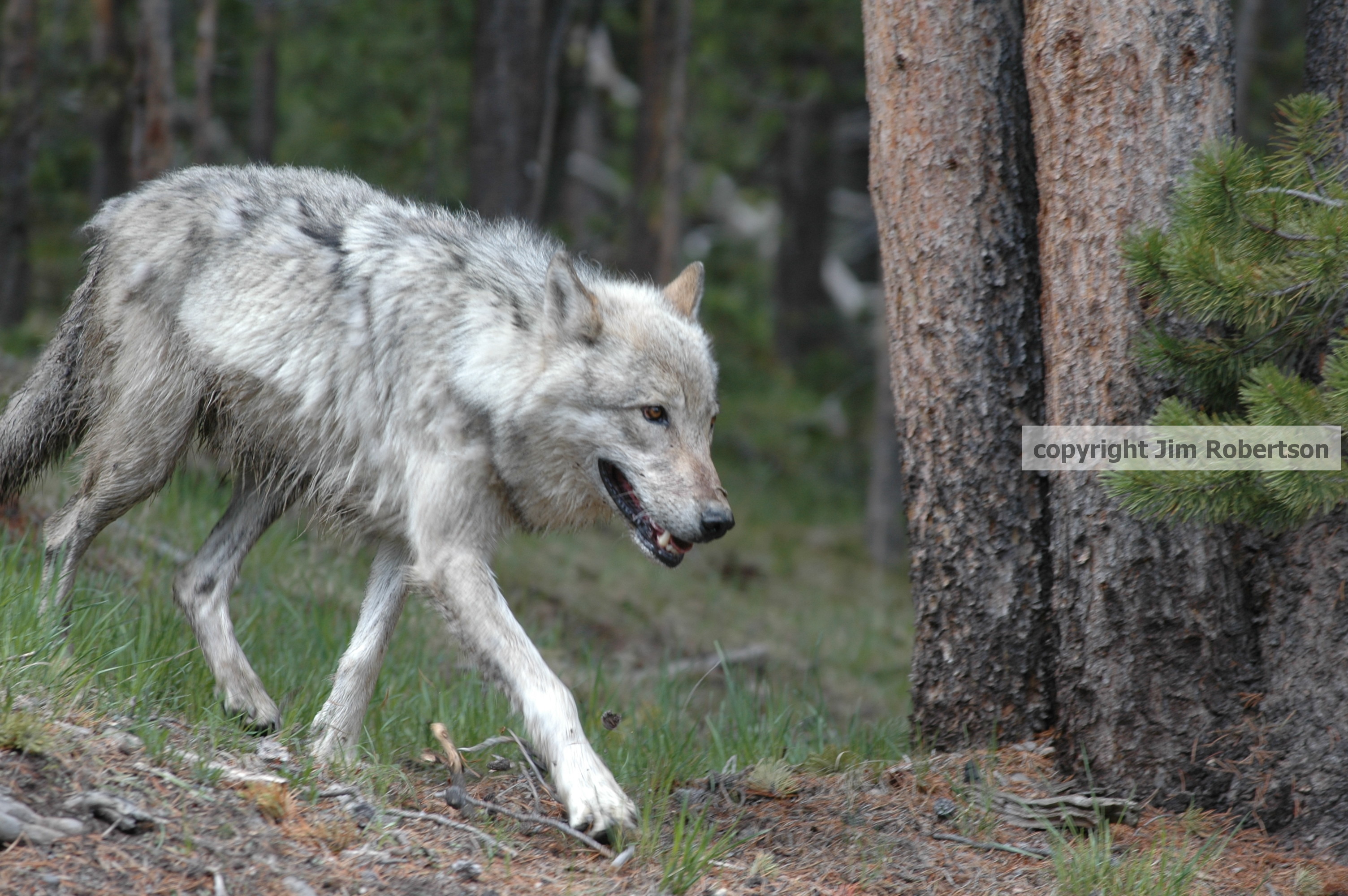
copyrighted Hayden wolf in lodgepoles

TROUT CREEK — One of the organizers of the first Great Montana Coyote and Wolf Hunt in Sanders County says the event — scheduled for Jan. 16-18 — took shape after local hunters noted a lack of big game in the mountains this hunting season.

“Deer, elk and moose numbers are going downhill, and (bighorn) sheep are way down,” John Harris said Monday. “Between the mountain lion population blowing up and the number of wolves — hunters noticed a lack of game up in the mountains this year. There’s a lot more in the valley floors.”

The hunt, Harris said, is a way to “get sportsmen out and about.”

“We checked with (Montana Fish, Wildlife and Parks) to make sure we were abiding by all laws,” Harris said. “They do this in eastern Montana all over the place, and they have them in Idaho and Wyoming, too.”

Harris said response to the hunt has been “really good, and we’ve had a few negative comments.”

Some conservation groups oppose such organized hunts. WildEarth Guardians calls them “wildlife killing contests” and says they “give ethical hunters a bad name and serve no legitimate management purpose.”

Harris said all prizes awarded will be through random drawings and will not be associated with numbers, weights or colors of predators killed. A notation on a flier promoting the event that says that in addition to random drawings, prizes will be be awarded based on sizes and colors is wrong, he added.

“The way I understand it, you can’t pay for a wolf or coyote to be brought in,” Harris said. “All the prizes will be from random drawings, whether you’re hunting or trapping, and whether you get one or not. It’s a way to get people out in the woods for a fun weekend.”

Organizers will weigh and measure all predators turned in during the contest.

Properly licensed hunters and trappers will pay $5 to participate in the Sanders County predator hunt. All entry fees will be returned in the form of prizes.

Registration is Friday, Jan. 16, at 7 p.m. at the Lakeside Resort and Motel in Trout Creek. Any coyotes or wolves taken Saturday and Sunday, Jan. 17 and 18, must be submitted to event officials by 6 p.m. each day.

More:

http://helenair.com/lifestyles/outdoors/organized-coyote-and-wolf-hunt-planned-in-sanders-county/article_e4b81f29-f86a-5df9-9a52-36c0e5573877.html

Local coyote hunt draws some controversy

10616612_10152350306096218_4761797786719948975_n

Petition to stop this: http://www.thepetitionsite.com/925/824/605/stop-the-nv-coyote-killing-tournament/?taf_id=13277304&cid=fb_na

Article:

Local hunters have organized a coyote hunt, which has raised hackles of animal protection groups.

The Saturday event, called a coyote calling contest, is similar to hunts in other parts of Nevada and Western states. Coyotes are an unprotected species in Nevada; a license or permit is not required to hunt them, according to the Nevada Department of Wildlife.

“This was set up for local people to get together,” said Jason Schroeder, one of the organizers. “It’s a very small gathering of probably 20 to 40 people.”

The hunting will take place on BLM land around the state, Schroeder said. A post-hunt party and game feed is planned at a Lemmon Valley bar.

The controversy kicked up when copies of a flier announcing the event landed in the email boxes of Nevadans for Responsible Wildlife Management and Nevada Votes For Animals.

“This is really just killing for entertainment,” said Gina Griesen, president of Nevada Votes for Animals. “This is an organized hunt where prizes are awarded, and that is unethical.”

California banned similar contests earlier this month, the first state to do so.

More: http://www.rgj.com/story/news/2014/12/26/local-coyote-hunt-draws-controversy/20918965/

Making Contest Hunts History

On December 3rd, we made history for wildlife! After a long and hard fought battle, the California Fish and Game Commission voted 4 to 1* in favor of a rule that closes the loopholes permitting prizes and inducements for wildlife killing contests, derbies and tournaments that target nongame mammals and furbearers. Read more here in the Huffington Post.

The Commission received tens of thousands of letters in support of our petition calling for a ban on this cruel practice that awards cash and prizes to those who kill the most and largest coyotes, foxes, bobcats and other wild animals.

As President of the California Fish and Game Commission, Michael Sutton said in this exclusive video message, Project Coyote was a leader in this effort and is being increasingly recognized as a leader in state and federal wildlife management reform. President Sutton commends Project Coyote for using science and education to push our predator advocacy platform. That’s what we do best.

We are already working with allies to repeat this victory in other states and regions across the nation. And in California, this is just the first step in predator management reform.  But we need your help to do this! 

photo by Jim Robertson

photo by Jim Robertson

Wildlife-killing Contests Targeting Nongame Animals Banned by CA

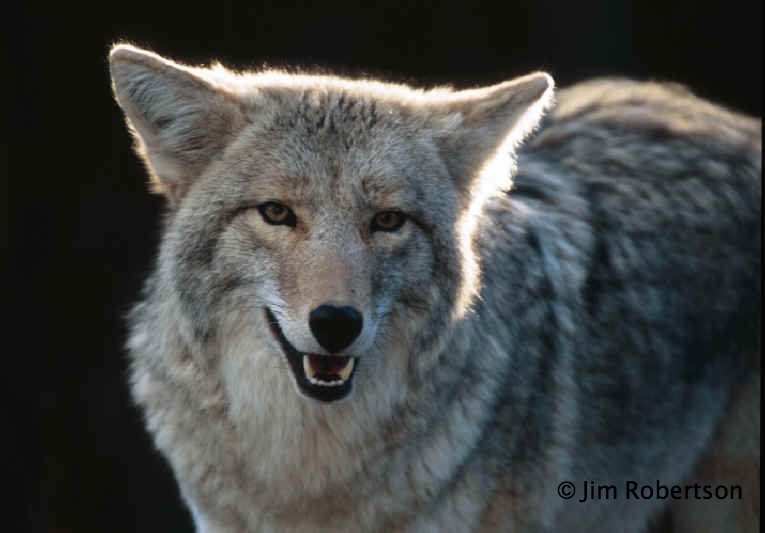
Jim Robertson-wolf-copyright

For Immediate Release, December 3, 2014

Contact:  Amaroq Weiss, (707) 779-9613

Wildlife-killing Contests Targeting Nongame Animals Banned by
California Fish and Game Commission

VAN NUYS, Calif.— In response to overwhelming public support for banning wildlife-killing contests, the California Fish and Game Commission voted today to adopt regulations prohibiting hunting “derbies” targeting species such as coyotes, raccoons and badgers. The ban came after thousands of Californians expressed opposition to the killing competitions.

“We’re grateful that the commissioners responded to the public’s call for science-based, ethical and ecologically sound stewardship of California’s wildlife,” said Amaroq Weiss, the Center’s West Coast wolf organizer. “Banning contests that reward people, including children, for killing animals is the right thing to do.”

Few Californians knew that existing state law allowed wildlife-killing contests. That changed in early 2013 after wildlife conservation groups pushed to increase public awareness of an annual “coyote-drive” killing contest held in Northern California. While wildlife-hunting contests occur throughout the state, the location of the coyote-killing competition sparked additional attention because it was held in Northern California counties frequented by OR-7, the dispersing Oregon wolf who became California’s first confirmed wild wolf in 87 years.

Outrage over the antiquated killing contests, including the threat to dispersing wolves like OR-7, resulted in public outcry for a statewide ban.

Under California law species such as coyotes, raccoons, badgers and others are designated as “nongame mammals” or “furbearers” — both of which can be killed in any number without limit. The commission’s decision to ban competitions targeting those two categories of animals was based, in part, on its recognition that subjecting the species to contest hunts does not reflect good sportsmanship. The commission’s vote does not ban contest hunts of species that are designated as game mammals, such as deer and elk.

“Today’s vote adds a measure of restraint and respect for species that are highly persecuted by some members of society and revered and loved by others,” said Weiss.  “The commission and the state wildlife agency it oversees are required by state law to manage our natural resources, including wildlife, according to ecosystem-based management based on credible science, and these contests don’t come close to meeting those standards.”

Additional efforts across the country to end wildlife contest-hunts are meeting with success. In response to a lawsuit filed by the Center and allies, the U.S. Bureau of Land Management decided last week to withdraw a permit it had issued to a private party for a predator-killing contest in Idaho. Earlier this year a coyote-killing contest in Oregon was shut down after public outcry, and Washington residents spoke out at a commission hearing against similar contests.

The Center for Biological Diversity is a national, nonprofit conservation organization with more than 800,000 members and online activists dedicated to the protection of endangered species and wild places.

Gray Wolf ‘Killfest’ Sparks Controversy

copyrighted Hayden wolf walking

http://www.natureworldnews.com/articles/10481/20141119/gray-wolf-killfest-sparks-controversy.htm#ixzz3JdMpSFCT

By Jenna Iacurci

Along with coyotes, weasels, skunks, jackrabbits, raccoons and European starlings, the endangered gray wolf should be weary after the federal Bureau of Land Management (BLM) granted permits for up to 500 hunters – some even as young as 10 years old – to compete on 3 million acres of land for three days beginning in January 2015 in a bid to see who can kill the most prey.

The competition, officially called the “predator derby,” prompted two lawsuits by environmental groups including Defenders of Wildlife and Wildearth Guardians, asking federal judges to put an end to this killing spree before it even has a chance to start.

“They’re treated like grass that needs to be mowed down,” Suzanne Stone, Idaho spokeswoman for Defenders of Wildlife who has been studying wolves for more than 30 years, told The Guardian.

“This has gone so far above and beyond what most people consider ethical, even hunters,” she added.

Are Wolves More Harmful Than Helpful?

The dispute between western ranchers and wildlife advocates has been an ongoing one the last several years, with little hope in sight of a compromise.

“The whole issue became very polarized,” added Mike Keckler, a spokesman for the Idaho department of fish and game.

Ranchers, particularly those a part of Idaho’s 240,000-head sheep industry, believe that taking out gray wolves is in their right to protect their livestock, as well as prevent competition with humans.

“[They are] a bunch of urbanites who don’t have any clue, don’t have the knowledge and wisdom and experience that we do,” Steve Alder, executive director of Idaho for Wildlife, which organized the derby, said of those opposed to the killings. “They don’t understand our lives, they don’t understand where meat comes from.”

Just last month ranchers in Catron County, N.M. were outraged to find that wolves are setting a record as the main killers of cattle this year. Catron County, which borders eastern Arizona, was one of the first areas where Mexican gray wolves – a subspecies numbering at a mere 83 individuals – were released as part of a recovery effort.

And while that’s all well and good for the wolves, ranchers are a little less than pleased.

“The negative effects to livestock producers caused by Mexican Wolves are a wide spectrum not addressed and/or ignored by the US Fish and Wildlife Service,” wrote Jess Carey, lead author behind a report on the impact of wolves in the area.

Carey also pointed out that over the course of the study, five ranches lost a total of 651 head of cattle valued at more than $382,000.

In another instance, a pack of six wolves roaming in Canada’s Elk Island National Park were killed after cows were “ripped open from one end to the other,” the National Post reported.

Such measures are deemed necessary by livestock owners are others who are trying desperately to protect their animals.

“If something isn’t done in the off-season, there will be next to nobody willing to put cattle back in there next summer, including myself,” added hunter Dan Brown, president of the Blackfoot Grazing Association.

It is pressure from hunters such as Brown that makes the situation of the endangered gray wolves especially prickly. The US Fish and Wildlife Service (FWS) in recent years has lifted protections for the animals in the western Great Lakes and the Northern Rockies, only to have them reinstated after backlash from wildlife advocates.

Why They Matter

Though they once nearly disappeared from the lower 48 states, today wolves including the gray wolf (Canis lupis) have returned to the Great Lakes, northern Rockies and Southwestern United States.

There are an estimated 7,000 to 11,200 gray wolves in Alaska, 3,700 in the Great Lakes region and 1,675 in the Northern Rockies, according to Defenders of Wildlife.

A wolf pack bedded down in Yellowstone National Park in March 2007.

(Photo : Reuters/Doug Smith/National Park Service) A wolf pack bedded down in Yellowstone National Park in March 2007.

But they weren’t always on an upsurge. These predators may have once spanned a whopping two-thirds of the United States, but by the mid 1930s their numbers dwindled due to hunting and trapping by humans. Not until just recently have they shown signs of recovery, with a lone gray wolf recently spotted at the Grand Canyon in Arizona, the first of its kind seen at the park in decades, offering conservationists a glimmer of hope for this beautiful species.

The comeback can be credited in part to the reintroduction program created in 1995 by the federal government.

Gray wolves actually play a key role in maintaining ecosystems, and aren’t always such a nuisance as many ranchers think. They help keep deer and elk populations in check, which can benefit many other plant and animal species. The carcasses of their prey also help to redistribute nutrients and provide food for other wildlife species, like grizzly bears and scavengers.

For now, gray wolves can be found roaming in the states of Oregon, Washington, Wyoming, Montana and Idaho, with the population in Wyoming recently restored to the endangered species list. In the remaining states, gray wolves are monitored, but federal protection is seen as non-essential, according to the FWS.

Not to Worry

But environmentalists may not even need to worry for the wolves’ wellbeing since Alder doesn’t even expect the derby to encounter wolves. C. lupis like to roam from the tundra to woodlands, forests, grasslands and deserts, so the fact that they travel across long distances may make these elusive animals difficult to catch.

What’s more, these animals aren’t even highest on hunters’ kill list.

“There are very limited numbers of people who go out looking specifically for wolves,” Keckler explained to The Guardian. “A lot of folks are concerned about the hunting of big predators like that, but we also have a very healthy mountain lion population in Idaho. We have a very healthy black bear population and they have been classified as big game just like wolves for many, many years.”

Regardless of this reassurance, environmental groups show no sign of letting up. The BLM has already received more than 56,000 comments after opening the derby plan to the public, only 10 of which were in support of the competition.

Read more: http://www.natureworldnews.com/articles/10481/20141119/gray-wolf-killfest-sparks-controversy.htm#ixzz3JdMItTPA

Hunting contests don’t put dent in coyote population

Jim Robertson-wolf-copyright

http://www.koat.com/news/game-and-fish-hunting-contests-dont-put-dent-in-coyote-population/29730964

By

ALBUQUERQUE, N.M. —In less than 24 hours, coyotes will be the target of a controversial hunting contest in New Mexico.

Read more: http://www.koat.com/news/game-and-fish-hunting-contests-dont-put-dent-in-coyote-population/29730964#ixzz3JGJwvZQA

The two-day contest begins Saturday morning.

Animal rights activists have been pushing for a law to make such events illegal, but that won’t stop this weekend’s event from occurring.

It may not seem like coyotes are a big threat to day-to-day life in New Mexico, but they are for ranchers and dairy farmers in the state. Those in favor of the event feel the coyotes are a nuisance. Those who aren’t don’t feel it is legitimate wildlife management to allow contestants to go out and shoot as many coyotes as they can.

The New Mexico Game and Fish Department doesn’t regulate the hunting of coyotes, and coyotes aren’t protected or endangered animals.

Game and Fish officials said contestants may not even be making a dent in the coyote population, and don’t believe the contests have a negative impact. About 10,000 coyotes are hunted every year, according to Game and Fish. That’s about 8 percent of the total coyote population in New Mexico.

Activists have emailed the Governor’s Office calling for the contests to be stopped. The emails were referred to game and fish.

Contestants pay $300 for a two-person team.

Winners get assault rifles. The contest is sponsored by Larry’s Gun Shop in Roswell.

Read more: http://www.koat.com/news/game-and-fish-hunting-contests-dont-put-dent-in-coyote-population/29730964#ixzz3JGIouvNY

POLL: Should the wolf hunting contest in Idaho be stopped?

In what has to be the one of the most bloodthirsty post-Christmas festivities yet, Idaho’s announced a wolf and coyote slaughter contest for all the family.

And it really does mean “all the family” – children as young as ten can enter the competition being held on the weekend of 28-29 December.

In this celebration of tastelessness and death, prizes will be awarded for such “achievements” as most female coyotes killed, biggest wolf and so on.

Both wolves and coyotes play essential roles in the ecosystem – they are not pests. Wolves actually need increased protection. Even if numbers did need to be reduced, which they don’t, shooting these beautiful animals should only ever be done by professionals.  Treating it as family entertainment is ridiculous.

We invite you to vote whether the wolf hunting contest in Idaho be stopped. Please vote and also leave your comments at the bottom of this page.

Should the wolf hunting contest in Idaho be stopped?

  • Yes
  • No
  • Don’t Know

  http://focusingonwildlife.com/news/poll-should-the-wolf-hunting-contest-in-idaho-be-stopped/

Controversial Idaho wolf CONTEST hunt approved, angering conservationists

SALMON Idaho Thu Nov 13, 2014

(Reuters) – U.S. land managers approved a recreation permit on Thursday allowing a controversial hunting contest open to children to take place on public lands in Idaho, where contestants will seek to kill the most wolves and other wildlife for cash and prizes.

The hunting group Idaho for Wildlife requested the permit for the so-called predator derby to take place each January for five years on millions of acres (hectares) overseen by the federal Bureau of Land Management (BLM) in east central Idaho near Salmon.

In granting the permit, the BLM found the event posed “no significant conflicts” in its management of natural resources.

“We are aware of the social controversy regarding the event,” Joe Kraayenbrink, BLM district manager in Idaho Falls, said in a statement. “However, from our analysis, we could not find significant conflicts with other environmental resources that would prohibit the competitive event from occurring.”

Approval of the hunt comes as animal-rights advocates mark an increase in such competitions in Western states including Oregon, New Mexico and California, where wildlife commissioners in December will vote on a proposal to ban such events.

The competition, which targets wolves, coyotes and other quarry and is expected to draw up to 500 hunters annually, is opposed by conservationists as a “killing contest.”

The contest also invites children as young as 10 to pair with an adult to kill animals including jackrabbits, starlings, skunks and weasels for an event promoted as a form of family recreation.

Derby opponents pledged to file suit asking a federal judge to order the BLM to revoke the permit for failing to adequately assess the event’s impacts on the environment and public safety.

“The BLM abdicated its responsibility as steward of our public lands. A cruel and dangerous killing contest has no place on lands held in trust for all Americans,” said Bethany Cotton, wildlife program director for WildEarth Guardians.

The BLM received tens of thousands of letters criticizing the event during a public comment period. Fewer than 20 letters favored it.

Steve Adler, head of Idaho for Wildlife, could not immediately be reached for comment but has previously said critics were seeking to restrict gun rights spelled out in the U.S. constitution and tarnish a decades-old hunting tradition in the American West.

“We’re stereotyped as a bunch of Idaho rednecks out to kill as many animals as we can,” he told Reuters last month.

(Editing by Cynthia Johnston and Sandra Maler)

_____

Defenders of Wildlife to Challenge BLM’s First-ever Approval of Wolf Hunting Derby on Public Lands in Idaho

Printer-friendly version

FOR IMMEDIATE RELEASE

Contact:

Suzanne Stone: sstone@defenders.org; (208) 861-4655

Laird Lucas:  llucas@advocateswest.org; (208) 342-7024 ext. 209

BOISE, Idaho –  Defenders of Wildlife will ask the courts to reverse a Bureau of Land Management (BLM) decision granting a permit for an Idaho anti-wolf group to hold a predator killing contest annually over the next five years on over 3 million acres of public land in eastern Idaho.

The court challenge will allege that, by allowing the predator derby targeting wolves, coyotes and other predators on public lands around Salmon, ID, BLM has undermined the Northern Rockies wolf recovery program that began in 1995 with reintroduction of wolves in Idaho and other states, and has violated the management standards set in place for potential and designated wilderness within the permit area. Defenders and other conservation groups have asserted that such commercial predator-killing derbies are a reflection of 19th century thinking and hatred towards predators and have no place on federal lands in the 21st century. They also say this persecution of predators flies in the face of modern day science that recognizes the valuable role that predators play in maintaining healthy ecosystems.

BLM received over 100,000 comments from Defenders of Wildlife members and other conservationists, strongly opposing the proposed Idaho wolf derby. But rather than fully assess the proposal through an Environmental Impact Statement as required by federal law, BLM “fast-tracked” its approval and failed to address the many potential adverse impacts from such an event, including impacts on local and regional wolf and other predator populations and on 17 areas specially managed to preserve their wilderness characteristics.

“Commercialized killing contests to slaughter predators are something right out of the 1800s. It’s the same archaic tactic that pushed wolves toward extinction in the first place,” said Suzanne Stone, Idaho resident and Defenders of Wildlife Senior Representative for Rockies and Plains. “These events also show that Idaho’s state-sponsored war on wolves is spreading to federal agencies. By issuing the permit, BLM is reinforcing the belief among local residents that wolves should be treated like unwanted vermin. It is shocking that BLM is willing to embrace the 19th century anti-wildlife tactics that led to the demise of wolves and other native predators across the West.”

“BLM’s action approving the Idaho Wolf Derby on Idaho public lands over the next five years is contrary to the federal government’s commitment to recover gray wolves in the Northern Rockies,” added Laird J. Lucas, Director of Litigation at Advocates for the West, which is representing Defenders in the lawsuit. “Human persecution of gray wolves is the reason why they were listed under the Endangered Species Act more than forty years ago; yet BLM’s action puts the federal government’s stamp of approval on further persecution and anti-wolf sentiment, which is a wrong step for the government to take.”

Defenders will be represented in this case by Laird Lucas and Bryan Hurlbutt of Advocates for the West, a public interest environmental law firm based in Boise, Idaho.

Defenders of Wildlife is dedicated to the protection of all native animals and plants in their natural communities. With more than 1.1 million members and activists, Defenders of Wildlife is a leading advocate for innovative solutions to safeguard our wildlife heritage for generations to come. For more information, visit www.defenders.org and follow us on Twitter @defendersnews.

Coyote hunt continues to draw controversy

 xVHAyLEawJsheWD-556x313-noPad

ROSWELL, N.M. —This week hunters across New Mexico will open fire on coyotes.

It’s all part of a contest — the Third Annual Great Coyote Hunt — that has animal rights activists outraged and pushing for legislation to make these types of events illegal.

“They shoot as many coyotes as they can so it’s purely a numbers game for material profit or financial profit,” said Phil Carter, with Animal Protection of New Mexico. “We cannot allow our state to be so definitely associated with these thrill-killing contests that just celebrate death and destruction of animals.”

Mobile users: Tap for video

Larry’s Gun Shop in Roswell is putting on the contest.

Contestants pay $300 for a two-person team. Other than not killing in city limits, there are few restrictions. Whoever kills the most coyotes wins an assault rifle for each team member.

Event organizers disagree with the activists.

“(It’s) not inhumane at all. These are a nuisance,” said Colby Griffin, a manager at Larry’s Gun Shop.

The gun shop argues that thousands of coyotes cause problems for ranchers and dairy farmers. They said they are just helping out and giving a prize just encourages people to participate in the hunt.

Animal activists are taking their fight to Santa Fe’s Roundhouse. They are drafting up a bill for the 2015 legislative session to outright ban hunting contests and make it a misdemeanor crime.

“This is not real wildlife management, to simply allow contestants to go out and shoot as many coyotes as they can,” said Carter.

Right now at least one lawmaker is interested in sponsoring the bill. In 2013, similar legislation was defeated in the house.

Read more: http://www.koat.com/news/coyote-hunt-continues-to-draw-controversy/29649118#ixzz3Izaa7WnW

Nearly 40,000 oppose Idaho wolf-hunting contest

PC_logo_vector_3_line_tagline2
Donate-button 2 Email button You Tube button Twitter button Facebook button
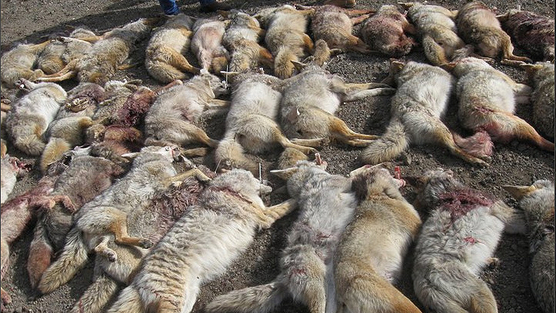
  COYOTE_Killing_Contest_Coyote Bodies FAIR USE
“Nearly 40,000 oppose Idaho wolf-hunting contest”
~Reuters, Oct. 28, 2014

Reuters is reporting nearly 40,000 citizens opposed proposed “Predator Derby” in Idaho targeting wolves, coyotes, bobcats, foxes and other predators as part of a killing contest for fun and prizes on more than 300 million acres of public lands in Idaho this coming January (and for 4 more years after that!).

Thanks to all who responded to our call to action to write to the Bureau of Land Management (BLM) in opposition to this slaughter. We are making progress because of YOU!

Project Coyote is doing everything that we can to stop this proposed wildlife massacre. And we are on the brink of winning our battle to ban this practice in California (final vote by the California Fish and Game Commission will be December 3rd).

But we need your help to win this war against wildlife. Please make an emergency gift to our Ban Wildlife Killing Contests Campaign today.

Please join our monthly giving program by becoming a committed donor to support this critical work to defend the coyotes, wolves, foxes, bobcats and other animals who have no voice.