Exposing the Big Game

Forget Hunters' Feeble Rationalizations and Trust Your Gut Feelings: Making Sport of Killing Is Not Healthy Human Behavior

Exposing the Big Game

Taiwanese Leopard Considered Extinct, Spotted For The First Time Since 1983

Mar 04 2019 

Taiwanese Leopard Considered Extinct, Spotted For The First Time Since 1983

With scientists and conservationists saying that the Earth is currently undergoing the sixth mass extinction of plants and animals and species going extinct at up to 1000, to 10,000 the natural, rate, the world is going downhill, fast. However, very rarely, everyone is reminded that it’s perhaps not too late.

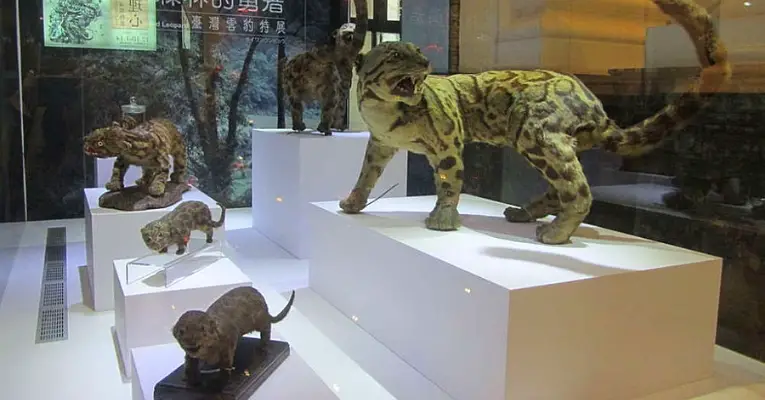
One of these rare occasions has just occurred in Taiwan where a rare species of large cat, the Formosan clouded leopard, has just been spotted in the wilderness by a number of people across the archipelago’s southeast region. The leopard has been spotted walking around in the countryside near Taitung County’s Daren Township, where the area’s Paiwan tribal authorities had formed indigenous ranger groups to patrol the region and guard the sensitive areas.

Leopard Formosan Clouded

Species hasn’t been sighted since 1983

This is actually great news because this particular species of Leopard hasn’t been officially sighted since 1983, more than 35 years ago, and 6 years ago, in 2013, it was officially decades as extinct. This gives hope to many other animals that were once thought to be extinct. Maybe they are still out there somewhere. It was first spotted by a group of rangers when it suddenly climbed up a tree and then scrambled up a cliff side to go and hunt for goats. Another group also spotted it when it darted in front of their scooter before quickly claiming another tree and disappearing from sight for good. Even though the group didn’t manage to see it again, at least they know it exists and was able to report back about it.

Tribal members want to stop hunting in the area

As soon as the news was heard, a tribal meeting was held by the locals to discuss how is best to move forward. The tribal members of the village are aiming to stop hunting in the area by outsiders, while village elders are lobbying Taiwanese authorities to end logging and other activities that harm the land, and potentially this rare animal as well. The Formosan is known to be quite agile and vigilant, eluding human attempts to trap or otherwise capture it, so it’s somewhat of a mystery that should probably just be left in its natural habitat.

Taiwan Clouded Leopard

Historical records of the rare cat date back to around the 13th century, when indigenous people brought the leopard’s pelts to trade at the busy markets of port cities like Tainan. Many believe that Japanese anthropologist Torii Ryūzō, in 1900, was the only non-indigenous person to have actually seen a live Formosan clouded leopard.

Why paying for pandas is not so black and white

 This article originally appeared on The Conversation, and is republished under a Creative Commons licence.

Wang Wang and Funi came to Australia from China a decade ago. Their relationship is best described as complicated. Despite considerable medical assistance, they have never managed to produce offspring. It has put a big question mark over whether they will be permitted to remain in Australia.

The fate of the two giant pandas may now depend on the outcome of the federal election on May 18. Keeping the couple at Adelaide Zoo includes paying about A$1 million a year to the Chinese government.

It’s just another chapter in the story of an iconic species where politics, economics and international diplomacyoften eclipse conservation considerations.

Captive breeding programme

China currently has pandas on loan (or hire) to 26 zoos in 18 countries. The most recent zoo to join the select list was Ähtäri, Finland, which welcomed two pandas on a 15-year loan in 2018. Denmark’s Copenhagen Zoo is eagerly awaiting two pandas due to arrive in April.

Officially it’s all part of a captive breeding programme to help save the species from extinction. Though their conservation status is no longer “endangered” (improving to “vulnerable” in 2016), there are still just 500 to 1,000 adult pandas left in the wild, in six isolated mountain ranges in south-central China.

The overseas placements augment China’s own 67 reserves dedicated to panda conservation. Any cubs born overseas are the property of China and typically return to China to continue the captive breeding program.

There are still just 500 to 1,000 adult pandas left in the wild, in six isolated mountain ranges in south-central China

But the number of zoo births has been quite low. As the Smithsonian Institution’s “panda guy” Bill McShea has pointed out, pandas in the wild have fewer problems mating or breeding: “In the wild, aggregations of male pandas form along ridge tops in the spring, and a stream of visiting females in heat keeps the mating activity intense.”

Zoos can’t mimic these conditions. Since giant pandas are solitary animals, they are housed separately except for the few days of the year when the female is ready to mate. Because there is no mate choice in captivity, natural mating is rare. Most captive births are the result of IVF treatments.

(Credit: Getty Images)

Although no longer “endangered” there are still just 500 to 1,000 adult pandas left in the wild, in six isolated mountain ranges in China (Credit: Getty Images)

Trade considerations

This is not to say overseas zoo placements have no conservation value. But other strategic aims, such as improving China’s public image and consolidating trade relationships, loom large.

For example, the new panda enclosure at Berlin’s Tierpark zoo was opened just ahead of the 2017 G20 summit in Hamburg. The opening was attended by German chancellor Angela Merkel and Chinese president Xi Jingping. The event was intrepreted as a signal of China’s endorsement of Germany as a competitor to the United States for leadership of the western world.

The event was intrepreted as a signal of China’s endorsement of Germany as a competitor to the United States for leadership of the western world

China’s 2012 announcement that it would send four pandas to Canada’s Toronto and Calgary zoos was linked to successful trade talks, particularly over a Foreign Investment Protection Agreement after almost 20 years of negotiation.

Edinburgh Zoo’s receipt of two pandas in 2011 was linked to trade deals worth billions of dollars.

As for the panda loan to Adelaide Zoo, it was announced by Chinese president Hu Jintao at the Asia Pacific Economic Cooperation (APEC) summit in Sydney in 2007. On the same day Australian prime minister John Howard and President Hu also announced plans for a yearly “security dialogue”.

(Credit: Getty Images)

Fu Ni the giant panda is treated to specially prepared panda treats for her birthday at the Adelaide Zoo in 2015 (Credit: Getty Images)

Furry ambassadors

Panda diplomacy is believed to date back to the 7th century, when the Empress Wu Zeitan sent a pair as a gift to Japan. In the 20th century Mao Zedong embraced the strategy, gifting pandas to fellow-travelling communist nations. When Richard Nixon went to China in 1972, Deng Xiaoping presented him with two pandas.

Since then the recipients have been well and truly weighted towards wealthy capitalist nations. There are two reasons for this.

This has been aptly described as an exercise in ‘soft cuddly power’

First, China uses the pandas to improve its image and deepen relationships with nations able to supply it with valuable resources and technology. This has been aptly described as an exercise in “soft cuddly power”.

Second, since the devastating 2008 Sichuan earthquake, China has used panda loans to pay for local conservation efforts, mend damaged panda conservation facilities and conduct giant panda research.

(Credit: Getty Images)

Edinburgh Zoo’s receipt of two pandas in 2011 was linked to trade deals worth billions of dollars (Credit: Getty Images)

Financial strings attached

For recipient zoos keeping pandas is an expensive business.

Consider Adelaide Zoo’s costs even with the federal government covering the pandas’ A$1 million annual rental fee. From the outset, the zoo went heavily into debt to build a specialist panda enclosure (at a cost of about A$8 million).

Looking after each panda also costs many hundreds of thousands of dollars a year. Pandas are the most expensive animal to keep in a zoo, costing about five times as much as an elephant.

Food alone is a logistical headache. Giant pandas are not biologically herbivores but for some reason they developed a taste for bamboo about 6,000 years ago and stopped eating a varied diet, including meat. Bamboo, however, is low in nutrients and difficult to digest, which means pandas have to eat a lot and then rest. Each day an adult panda can munch through about 12 kilograms of fresh bamboo – and because they’re fussy eaters, they need to be given more than double that amount.

All of this means a panda must be treated like a business proposition. Will there be a return on investment? Will their cost be justified by the extra visitors they draw to the zoo?

Adelaide Zoo had high expectations that were quickly dashed. Like other zoos, there was a large initial spike in zoo visits, but by 2010 visitor numbers had returned to pre-panda levels. It was clear Funi and Wang Wang would not add A$600 million to the South Australian economy over a decade as predicted. In their honeymoon year, research suggests, they brought in just A$28 million. Adding a baby panda would improve their attraction value considerably.

Beyond financial value

It’s therefore easy to see why some some call pandas white elephants.

But let’s not overlook the important contribution the panda diaspora has made to pandas moving off the “endangered” list. Part of this is due to the loan fees paid to China. The money has funded panda conservation research and projects at Bifengxia and Wolong, in China’s Sichuan province.

Let’s not overlook the important contribution the panda diaspora has made to pandas moving off the “endangered” list. Part of this is due to the loan fees paid to China

There is also value in Australian zoo keepers, veterinarians and scientists being part of a global knowledge network.

We still know so little about panda behaviour and the environmental effects that endanger them. We have made a small contribution with our own research into strategies to reduce stress in captive giant pandas. If Funi and Wang Wang remain in Adelaide, the zoo has the potential to provide for further valuable insights.

As scientists who care about animals and animal welfare, we believe it is important to also remember Funi and Wang Wang have helped connect hundreds of thousands of children and adults alike to nature.

These two giant pandas have their own personalities and close bonds with people who care for them everyday. Nature is not just an economic commodity but vital for our survival. If you have not yet visited Funi and Wang Wang, take the opportunity while you can.

To comment on this story or anything else you have seen on BBC Capital, please head over to our Facebook  page or message us on Twitter.

If you liked this story, sign up for the weekly bbc.com features newsletter called “If You Only Read 6 Things This Week”. A handpicked selection of stories from BBC Future, Culture, Capital and Travel, delivered to your inbox every Friday.

Komodo Island Is Closing Because People Keep Stealing its Dragons

Tourists will be banned from visiting the Indonesian island as of January 2020.

Image via Shutterstock

This article originally appeared on VICE AU

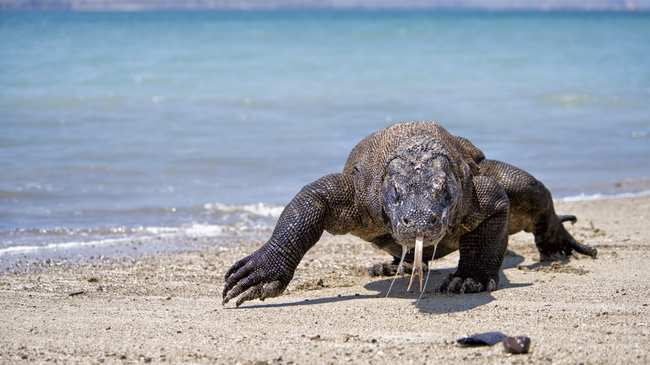
The Indonesian government has announced it will close the island of Komodo to tourists next year in a bid to prevent people from stealing its dragons. In a meeting with the Ministry of Environment and Forestry last week, East Nusa Tenggara provincial administration spokesman Marius Jelamud declared that “Komodo island will be shut down temporarily in January 2020,” Tempo reports, with the closure expected to stay in place for at least 12 months.

The decision comes just days after East Java Police busted a smuggling ring that took 41 komodo dragons and tried to sell them on the international black market for 500 million rupiah (about AU$50,000) a piece. Senior Commander Akhmad Yusep Gunawan, special crimes unit head of the East Java Police, said five baby komodos had also been rescued from the group of alleged animal traffickers. “The criminals intended to ship the animals to three countries in Southeast Asia through Singapore,” Yusep told reporters last week, according to The Jakarta Post.

Indonesian authorities further arrested five smugglers on Java for allegedly trafficking komodo dragons along with bearcats, cockatoos, and cassowaries. “The suspect sold the komodos online through Facebook,” East Java police spokesman Frans Barung Mangera said in a statement, while police commissioner Rofiq Ripto Himawan told Channel News Asia that they were usually smuggled overseas to Asian buyers. “These animals are sold for traditional medicine,” said Rofiq. “Komodo dragons could be used to make an antibiotic.”

Considered to be the world’s largest lizard, komodo dragons are one of the most endangered species on the planet. The UNESCO World Heritage Komodo National Park, in East Nusa Tenggara, is the only place where the reptiles can be seen in their natural habitat—and while the remainder of the park will stay open to visitors throughout 2020, authorities are closing the gates on Komodo in the hope of launching a conservation program and bolstering the local dragon population. UNESCO figures state that there are currently about 5,700 komodos spread throughout the Park.

ADVERT

‘Extinct’ Taiwanese Leopard Spotted for the First Time Since Disappearing in 1983

Our world has become a very rough neighborhood in recent years, with scientists and conservationists saying that the Earth is currently undergoing the sixth mass extinction of plants and animals and species going extinct at up to 1,000 to 10,000 times the natural rate.

However, on rare occasions, we’re reminded that perhaps it’s not too late for everyone—perhaps the reports of an animal species’ demise were premature, even if that species remains in grave danger.

Such is the case in Taiwan, where a rare species of large cat, the Formosan clouded leopard, has been spotted in the wilderness by a number of people across the archipelago’s southeast, according to Taiwan News.

The Formosan clouded leopard hadn’t been officially sighted since 1983 and was declared extinct in 2013.

The leopard had been spotted prowling in the countryside near Taitung County’s Daren Township, where the area’s Paiwan tribal authorities had formed indigenous ranger groups to patrol the region and guard sensitive areas.

According to Taiwan News, the rangers spotted the leopard–known as Li’uljaw and holding a sacred status for locals–suddenly climbed a tree before scrambling up a cliff to hunt for goats. Another group witnessed the Asian cat dart past a scooter before quickly climbing a tree and disappearing from sight.

The significance of the find is striking for locals, who held tribal meetings in Alangyi Village to determine how best to move forward.

Tribal members of the village hope to halt hunting in the area by outsiders, while village elders are lobbying Taiwanese authorities to end logging and other activities that harm the land.

The Formosan is known to be quite agile and vigilant, eluding human attempts to trap or otherwise capture it.

National Taitung University’s Department of Life Science professor Liu Chiung-hsi told Focus Taiwan News Channel:

“I believe this animal still does exist.”

Professor Liu also noted that in past investigations of the leopard’s whereabouts, he encountered hunters from the indigenous Bunun people who admitted capturing the animal on several occasions in the late 1990s. However, they burned the bodies for fear of violating Taiwan’s Wildlife Conservation Act.

From 2001 to 2013, a team of Taiwanese and U.S. zoologists surveyed the region but failed to sight the animal once, prompting the declaration that the Formosan clouded leopard had officially gone extinct.

Historical records of the rare cat date back to around the 13th century, when indigenous people brought the leopard’s pelts to trade at the busy markets of port cities like Tainan. It is believed that Japanese anthropologist Torii Ryūzō, in 1900, was the only non-indigenous person to have actually seen a live Formosan clouded leopard.

https://themindunleashed.com/2019/03/extinct-taiwanese-leopard-spotted.html?fbclid=IwAR1OWgulHvsfDdS_lbjX1jDTilb97DJKRxs_JHXbwRGjruk7UK-GXSY7Rec


Fin whales and mountain gorillas back from the brink of extinction thanks to conservation efforts

‘With sustained, long-term conservation action, we can not only prevent extinctions, but also achieve considerable population recoveries’

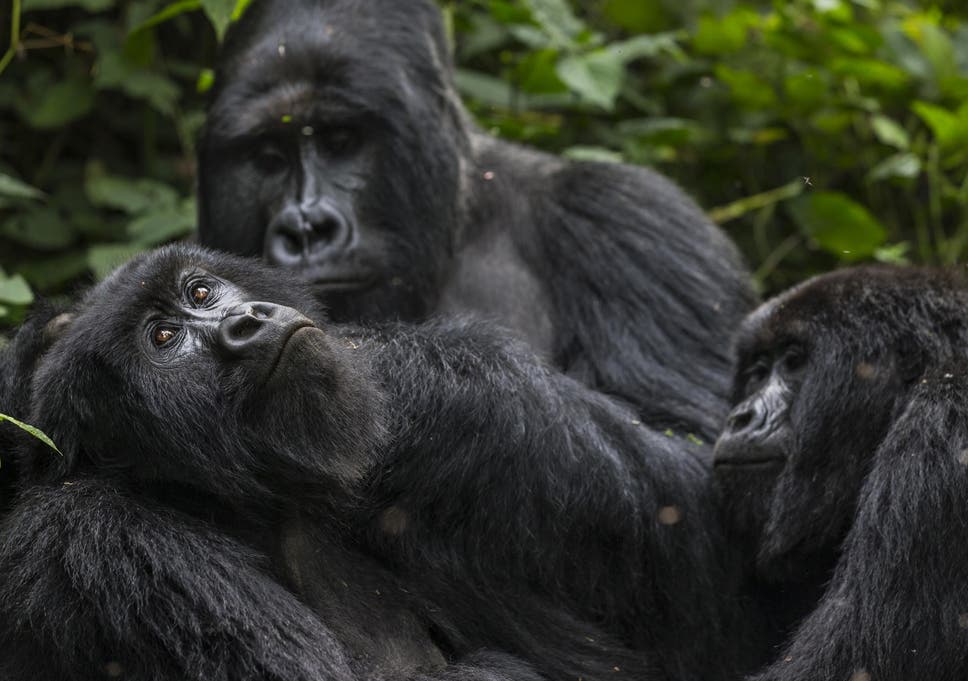
Anti-poaching efforts have helped boost mountain gorilla numbers by hundreds in recent decades

Anti-poaching efforts have helped boost mountain gorilla numbers by hundreds in recent decades ( Getty )

There is hope for the survival of fin whales and mountain gorillas after conservationists announced both species have been pulled back from the brink of extinction.

After decades of persecution by whaling vessels and poachers, modern efforts to protect these mammals appear to be working as their numbers have started to recover.

The International Union for Conservation of Nature (IUCN) maintains a “red list” to monitor the status of the world’s wildlife, and in its latest update both whales and gorillas have shifted one step further away from becoming new entries on the long list of species wiped out by humanity.

After a recent WWF report revealed 60 per cent of monitored animal populations had been obliterated in the space of decades, the announcement shows concerted international action can yield results.

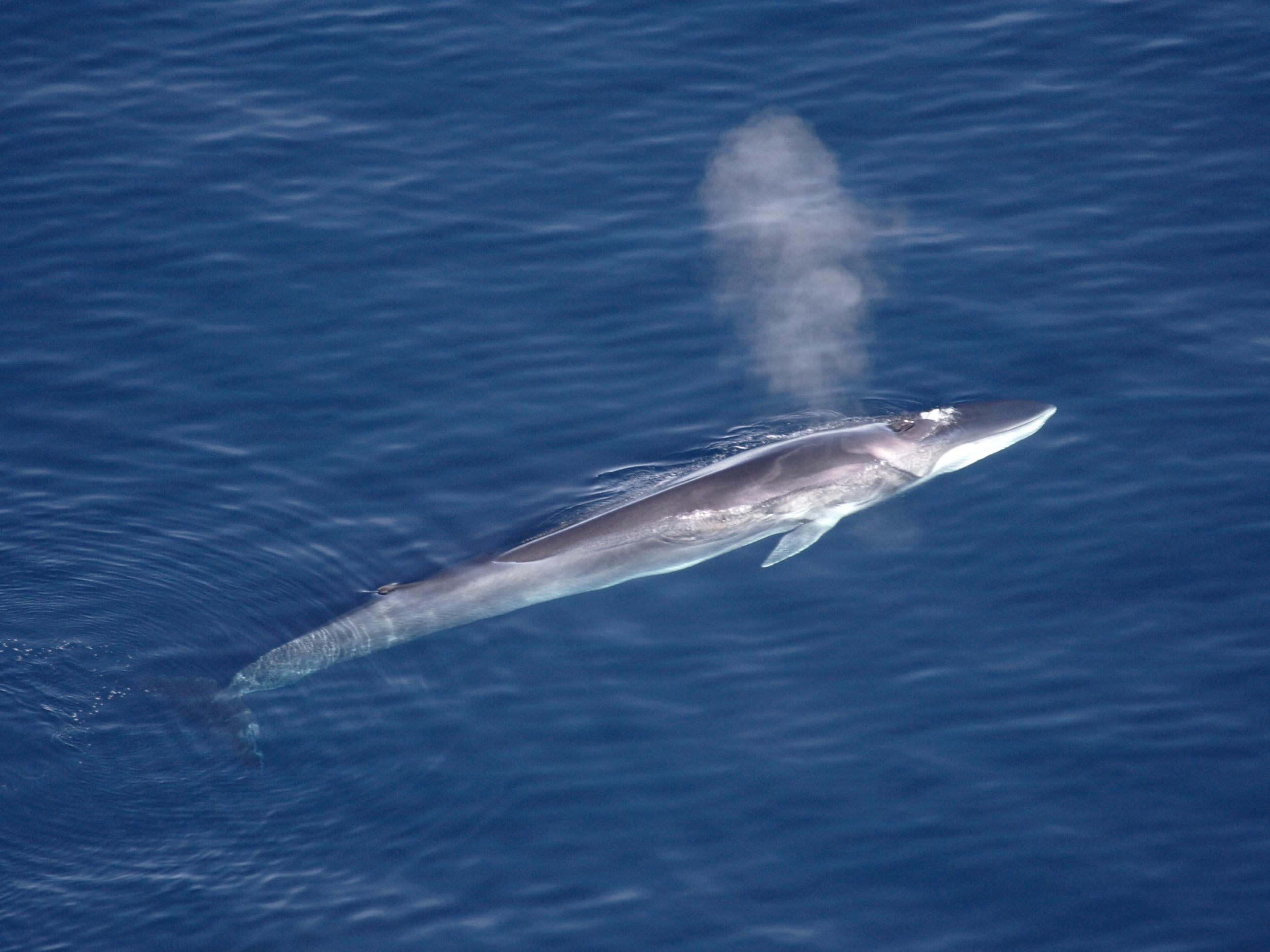
Previously listed as endangered, fin whale numbers have roughly doubled since the 1970s when an international ban on commercial whaling was introduced. The population now stands at 100,000 mature individuals.

There has also been a marked improvement in western populations of grey whales, which are no longer considered critically endangered.

Fin whales numbers have doubled since an international ban on whaling was introduced (Aqqa Rosing-Asvid)

Dr Randall Reeves, chair of the IUCN cetacean specialist group, said it was “a relief” to finally see these populations on the rise.

“These whales are recovering largely thanks to bans on commercial hunting, international agreements and various protection measures. Conservation efforts must continue until the populations are no longer threatened,” he said.

In central Africa, anti-poaching patrols and the concerted removal of snares has helped boost mountain gorilla numbers from 680 individuals a decade ago to over 1,000 now, the highest figure ever recorded.

The IUCN has therefore reclassified the apes from critically endangered to endangered, crediting this small but significant victory to collaborative efforts that have spanned the nations where they reside.

However, they noted that despite the success of this subspecies, the eastern gorilla species to which it belongs remains critically endangered, and the future survival of these apes is still on a knife edge.

“Coordinated efforts through a regional action plan and fully implementing IUCN best practice guidelines for great ape tourism and disease prevention, which recommend limiting numbers of tourists and preventing any close contact with humans, are critical to ensuring a future for the mountain gorilla,” said Dr Liz Williamson of the IUCN primate specialist group.

However, the good news from the IUCN was tempered by reports that overfishing and illegal logging are sending species in parts of the developing world spiralling into decline.

Lack of sustainable fisheries and a boom in demand mean that 13 per cent of the world’s grouper fish are now threatened with extinction, and 9 per cent of the fish in Lake Malawi, according to the IUCN’s latest assessment.

Meanwhile illegal logging has fuelled a 15-fold increase in trade in the Vene timber tree, which the IUCN says is now endangered.

With some nations still holding out on a total whaling ban, and companies accused of fuelling the destruction of rainforests home to orangutans, tigers and rhinos, conservationists are clear that despite some successes urgent international action is needed to end the mass extinction of wildlife.

https://players.brightcove.net/624246174001/SydS6Pxaf_default/index.html?videoId=5837728067001&customParams=videoID%253D5837728067001%2526articleId%253D8633211%2526gs_channels%253Desi_safe%2Csafe_from_harvey_weinstein%2Cshadow9hu7_safe_from_nestle_blacklist%2Csafe_from_emirates_blacklist%2Cgv_safe%2Cgv_safe_adult%2Cgv_safe_arms%2Cgv_safe_crime%2Cgv_safe_death_injury%2Cgv_safe_download%2Cgv_safe_drugs%2Cgv_safe_hatespeech%2Cgv_safe_military%2Cgv_safe_obscenity%2Cgv_safe_terrorism%2Cgv_safe_tobacco%2Cpos_animal_cruelty%2Cpos_castrol_blacklist%2Cpos_microsoft_blacklist_microsoft%2Cpos_microsoft_blacklist_wildfire%2Cpos_society_lgbt%2Cpos_terrorism_blacklist%2Cpos_ubs_tax_evasion%2Csafe_from_aegis_blacklist%2Csafe_from_castrol%2Csafe_from_collective_landrover%2Csafe_from_emirates_crew_incident%2Csafe_from_emirates_pg%2Csafe_from_facebook_blacklist%2Csafe_from_fas_blacklist%2Csafe_from_halifax_misc_blacklist%2Csafe_from_instagram-mobkoi%2Csafe_from_mobkoi-celine%2Csafe_from_mobkoi_facebook_keyword%2Cshadow9hu7_safe_from_essence_blacklist%2Clner_block%2Cshadow9hu7_safe_from_asda%2Cshadow9hu7_safe_from_workdayh2%2Cgs_science%2526playertype%253Dclicktoplay%2526topictags%253Dgorillas%2Cwhales%2Cendangeredspecies%2Ciucn%2526permutive%253D3446%2C3448%2C3449%2C3507%2C7064%2C7065%2C3478%2C3487%2C3492%2C3499%2C3500%2C3527%2C3705%2C3737%2C3738%2C3748%2C3750%2C3751%2C3762%2C3763%2C3769%2C3783%2C3785%2C3795%2C3800%2C3812%2C3817%2C3821%2C3828%2C3845%2C3847%2C3850%2C3853%2C3881%2C3891%2C3899%2C3910%2C3915%2C3916%2C3937%2C3940%2C4052%2C4071%2C4076%2C4093%2C4104%2C4105%2C4155%2C4174%2C4183%2C4185%2C4187%2C4194%2C4203%2C4204%2C4208%2C4249%2C4298%2C4299%2C4306%2C4325%2C4327%2C4328%2C4336%2C4337%2C4342%2C4349%2C4359%2C4360%2C4363%2C4395%2C4482%2C4488%2C4489%2C4495%2C4496%2C4510%2C4511%2C4512%2C4559%2C4577%2C4742%2C4743%2C4844%2C4845%2C4961%2C4970%2C5061%2C5062%2C5064%2C5065%2C5067%2C5068%2C5074%2C5103%2C5266%2C5340%2C5455%2C5574%2C5596%2C5700%2C5702%2C5706%2C5707%2C5757%2C5776%2C5790%2C6116%2C6117%2C6164%2C6251%2C6252%2C6685%2C6750%2C6751%2C6762%2C6824%2C6833%2C7033%2C7066%2C7078%2C7312%2C7395%2C7440%2C7496%2C4554%2C6238%2C7609%2C7610%2C7612%2C3601%2C7667%2C7668%2C8022%2C7839%2C4670%2C8272%2C6207%2C8269%2C3563%2C4248%2C7693%2C8799%2C9895%2C9918%2C9954%2C10067%2C10141%2C10142%2C10143%2C10427%2C10491%2C3542%2C10936%2C11235%2C11301%2C11302%2C11303%2C11304%2C11305%2C11306%2C11307%2C11315%2C11317%2C11320%2C11329%2C11335%2C11338%2C11342%2C11351%2C11356%2C11358%2C11362%2C11363%2C11364%2C11368%2C11371%2C11372%2C11373%2C11374%2C11375%2C11379%2C11383%2C11384%2C11387%2C11389%2C11398%2C11402%2C11404%2C11406%2C11409%2C11410%2C11411%2C11413%2C11415%2C11491%2C11593%2C3482%2C5138%2C5476%2C5477%2C11625%2C11751%2C11788%2C11789%2C11794%2C11795%2C11798%2C11801%2C11832%2C11833%2C11834%2C11836%2C11837%2C11841%2C11844%2C11845%2C11856%2C11857%2C11858%2C11859%2C11860%2C11862%2C11863%2C11881%2C11897%2C11898%2C11899%2C11900%2C3701%2C12026%2C12028%2C12029%2C12128%2C12191%2C3557%2C3720%2C11835%2C12254%2C12256%2C12258%2C3460%2C3461%2C3508%2C3509%2C3510%2C3535%2C3660%3B&customTargeting=%2F71347885%2F_main_independent%2Fin_environment%2Fin_environment_article&playsinline=true

Support free-thinking journalism and subscribe to Independent Minds

WWF has called for a “global deal” in the mould of the Paris climate agreement to save nature, and an ongoing UN biodiversity summit in Egypt presents an opportunity for decisive action.

“The recovery of species like mountain gorilla, fin whale and Rothschild’s giraffe demonstrates once again that with sustained, long-term conservation action, we can not only prevent extinctions, but also achieve considerable population recoveries,” said Dominic Jermey, director general of the Zoological Society of London.

“As the world’s governments convene in Egypt to continue discussions around forging a new and ambitious strategic plan for biodiversity, we hope that these examples will embolden countries to make strong commitments that will put the world’s wildlife on a path to recovery.”

Upstate NY man faces 3 charges after shooting a bald eagle over deer carcasses

https://www.newyorkupstate.com/outdoors/2018/12/upstate_ny_man_faces_3_charges_after_shooting_a_bald_eagle_over_deer_carcasses.html

A mature bald eagle up close and personal on the western shore of Owasco Lake.
A mature bald eagle up close and personal on the western shore of Owasco Lake. (Paul Pflanz)
4
8.3kshares

A Tompkins County man has been charged with three violations of state Environmental Conservation Law after he shot an adult bald eagle Saturday, using deer carcasses as bait.

The DEC said Donald N. Mix, of Caroline, N.Y. shot the protected bird in the Town of Caroline. Bald eagles are listed as a “threatened species” in New York.

According to the DEC, Environmental Conservation Officer Ozzie Eisenberg responded to a complaint Saturday from a town resident who “who heard a shot and then spotted a large bird round in a nearby field.”

The conservation officer found a dead adult bald eagle at the scene, and “a subsequent interview with a neighbor revealed that the man had placed deer carcasses in the field to shoot coyotes and turkey vultures, another protected species.” It is legal to shoot coyotes over bait. Read more about hunting coyotes.

According to the complainant, the neighbor found the eagle “still breathing slowly,” and was with the bird as it died while she awaited the DEC officer’s arrival.

The DEC said Mix “thought the bird was a turkey vulture and was unaware that he had killed a threatened bald eagle.”

The man is due to return to Town of Caroline Court on Jan. 22.

According to the DEC, Mix faces the following charges and penalties: 

Illegal taking of protected wildlife ECL 11-0107 (1) – “No person shall, at any time of the year, pursue, take, wound or kill in any manner, number or quantity, any fish protected by law, game, protected wildlife, shellfish, harbor seals, crustacea protected by law, or protected insects, except as permitted by the Fish and Wildlife Law.”

The fines and punishment can range from up to $250 and up to 15 days in jail or both.

Illegal taking of wild birds ECL 11-0901 (9) – “No protected wild bird for which no open season is established by law or fixed by regulation shall be taken.”

The fines and punishment can range from up to $250 and up to 15 days in jail or both.

Illegal taking of a bald eagle ECL 11-0537 –  “It shall be unlawful to knowingly or with wanton disregard for the consequences of this act to take, possess, sell, purchase, barter, offer to sell, purchase or barter, transport, export or import, at any time or in any manner, any bald eagle commonly known as the American eagle, or any golden eagle, alive or dead, or any part, nest, or egg thereof of the foregoing eagles without a permit from a lawful authority. ”

The fines and punishment can range from, in the case of a first violation, up to $5,000 and up to 90 days in jail or both.

For more Upstate New York outdoors on Facebook, go to Upstate NY Outdoors on NYup.com. We’d appreciate a “like.”

Bowhunters on Binghamton University campus can kill up to 50 deer in 'controlled hunt'

Bowhunters on Binghamton University campus can kill up to 50 deer in ‘controlled hunt’

The entrances and exits of the school’s Nature Preserve will be cordoned off to stop anyone from entering the area during the “controlled hunt.”

Question to deer hunters: Could you -- should you shoot a coyote?

Question to deer hunters: Could you — should you shoot a coyote?

“They bring out more hatred and passion in us than any other animal species,” Frair said.

Message for the next World Wildlife Conference – CITES CoP18

Ivonne Higuero, CITES Secretary-General

The 18th meeting of the Conference of the Parties to the Convention on International Trade in Endangered Species of Wild Fauna and Flora (CITES) will take place at the Bandaranaike Memorial International Conference Hall in Colombo, Sri Lanka from 23 May to 3 June 2019. This will be the first meeting of the Conference of the Parties to CITES in South Asia since CoP3 held in New Delhi, India way back in 1981.

All of us at the CITES Secretariat are very much looking forward to this important meeting of the Convention and it is our pleasure to work with the Government of Sri Lanka during this preparatory period. I wish to take this opportunity to express our gratitude to the Government of Sri Lanka for their generous support and commitment to hosting this meeting.

The agenda for the meeting will cover a great number of CITES issues for discussion by the Parties under the headings of strategic matters, implementation and interpretation matters, species specific matters and proposals for amending the CITES Appendices. These discussions will have a significant impact on the conservation and sustainable use of biodiversity, especially when viewed in the context of the implementation of the UN 2030 Agenda for Sustainable Development, achievement of the Sustainable Development Goals, and the preparations for the post 2020 biodiversity framework.

Sri Lanka is privileged with great natural beauty, abundant wildlife and rich land and marine biodiversity in its extensive protected area system. This is the second time for a meeting of the Conference of the Parties to CITES to take place in an island country. It promises to be the perfect setting for the critical global discussions on the conservation and sustainable use of wild animals and plants under CITES for both people and the planet.  We sincerely hope to have the pleasure of welcoming you in Colombo next May and supporting all stakeholders to achieve progress in meeting global biodiversity commitments.

Ayubowan!

See you in Sri Lanka!

https://cites.org/eng/news/message_for_the_next_world_wildlife_conference_cites_cop18_05122018

Endangering wildlife in the name of traditions

As China lifted a 25-year ban on the trade of tiger bones and rhino horn last month, sale of endangered wild animal parts remains rife on and off the Chinese internet

This story is part of the ‘Reporting the Online Trade in Illegal Wildlife’ programme, a joint project of the Thomson Reuters Foundation and The Global Initiative Against Organized Crime funded by the Government of Norway.

Tiger bone, bear bile, deer musk and pangolin scales are all prized ingredients in traditional Chinese medicine. They also come from some of the most endangered species of animals on earth, whose international trade is protected by the Convention on Illegal Trade in Endangered Species of Wild Fauna and Flora (CITES). But on Chinese social media and e-commerce platforms, their sale is still rife.

For instance, deer musk, an odorous secretion from the male musk deer, is believed by the Chinese to be of high medicinal value. Over the past 50 years, the poaching of musk deer has been so rampant in China that their population has shrunk by more than 90 per cent. Although the government gave the species class I protection status in 2003, it is still allowing more than 10 pharmaceutical companies to legally use natural musk – either from their own stockpiles or farmed musk deer – in nearly 20 products.

It is easy to buy illegal raw musk on the internet too. On Alibaba’s 1688.com and Taobao, at least a dozen postings can be found offering to sell raw musk pods or powders – ostensibly from Qinghai or Tibet – all without proper documentations, including a special label required to be displayed on the packaging of legal products. Most of the sellers are based in Bozhou, Anhui, which is dubbed one of the “four medicinal capitals of China”. Advertised as “healthy and nourishing,” these items have been sold to at least 5,000 people according to the number of reviews left by buyers.

These online transactions are illegal and completely “off the books”, admits one seller. “Products with proper documents cost twice as much,” he says. “They are only crude drugs. I don’t need a licence to sell farm produce,” another trader argues, before abruptly hanging up when questioned about musk deer being a Class I protected species.

1
2
3

According to officials at the Chinese State Forestry Administration, Anhui Forestry Department and Bozhou Forestry Bureau, it is illegal to trade raw musk without approval or to sell it to retail customers, while legal pharmaceutical products that contain deer musk must bear a special label issued by the government. Alibaba has now removed listings that mention natural musk in their descriptions from 1688.com and Taobao following an enquiry from FactWire. “We will also continue to take action against sellers who violate laws or our product-listing policy,” a spokesperson says.

Relentless online sales

In November last year, Chinese internet giants Baidu, Alibaba and Tencent joined forces with eight other e-commerce companies to launch a massive campaign, vowing to curb the rampant online sales of endangered wildlife. But its effectiveness is questionable.

On Baidu Tieba, a Chinese discussion platform similar to Reddit, keywords such as rhino horns, antelope horns and bear gile, which are banned from sale in China, are directly blocked from appearing in search results, but adverts for endangered wildlife parts can still be found by adding words like curio or crude drugs, or using their homophonic characters or pinyin.

Buyers and sellers typically hide their identity by only leaving their usernames on Wechat in the adverts and transacting through online payment methods and courier services. One seller on Wechat can offer deer musk, bear bile, tiger bones and antelope horns, while flaunting them as a cure for everything; Another seller claims to be a wooden furniture merchant but is able to source frozen or live pangolins and their scales from Vietnam and Laos. “They are all freshly killed,” he boasts on the messaging app.

4
微信截圖
微信截圖

Voracious appetite

Thanks to an insatiable demand for wild animals in China, illegal poachers, traffickers, smugglers and sellers from all corners of the country have formed a powerful supply chain. The trafficking of pangolins, for example, is very difficult to track. In one case that happened between 2013 and 2014, the defendant paid three groups of smugglers to move 2,200 pangolins from Vietnam across the border into Guangxi using boats and motorcycles, and then delivered them to Guangdong using private vehicles.

The habit of eating wild animals stretches back centuries in China and is very much part of the Cantonese cuisine. After the 2003 SARS outbreak, which was initially thought to originate from exotic animals – such as palm civets and raccoon dogs – the provincial government stepped up its efforts to curtail wildlife consumption by banning party members and officials from eating them. But such discouragement has so far proven to be futile.

“The culture of eating rare species spreads from the top to bottom,” says a wildlife volunteer, who has only given his name as Yiyun for fear of his safety. “People think eating them is a status symbol and good for their health. In every Chinese city there is always a street full of restaurants where you can pre-order wild animal meat.”

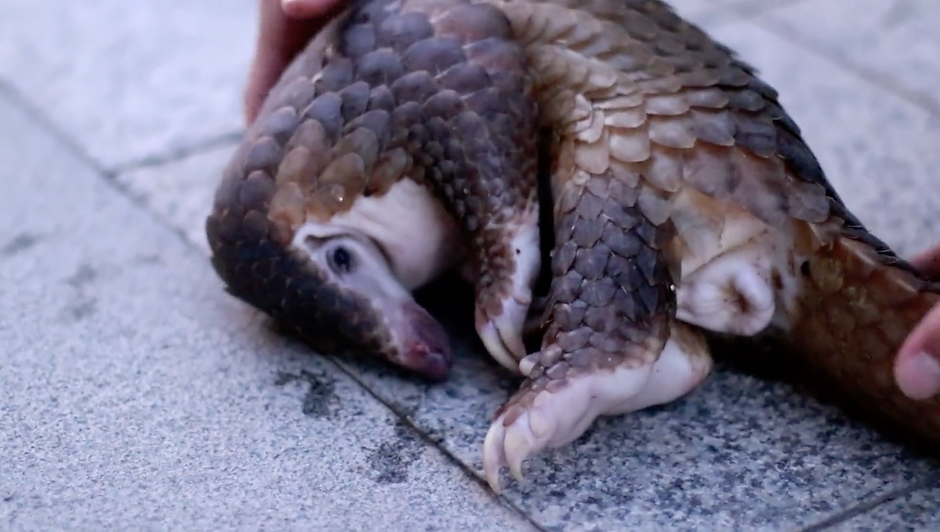
For many years Yiyun has teamed up with other volunteers, going undercover as diners and reporting these restaurants to authorities. In one operation in March they found two ailing pangolins, which were believed to have been force-fed water to increase their weight, in order to fetch a higher price. “It was upsetting, I was still holding it in my hand… The pangolin is a slow and shy species. it will just curl up into a ball when it is attacked, so its life is very fragile,” he laments.

6
7

Underground trade

According to the observations of Yiyun and another volunteer who goes by the name Yuexin, in every Chinese city there are at least 10 black markets that supply wild animal parts to nearby restaurants. These marketplaces are typically used for legal agricultural wholesale in daytime but are converted into seedy wildlife markets at night.

Last year, volunteers successfully tracked down pangolin traffickers to a poultry trading market in Guangzhou, which has since been shut down following media reports. But some appear to have stayed behind. In dark and empty streets, a few mini lorries typically used for transporting wild animals can still be seen parked next to what used to be wildlife shops. Within minutes, one lady has turned up in her motorcycle in suspicion.

More than an hour’s drive away is another market called the Furong agricultural wholesale market. At midnight, the air reeks of animal flesh and feces; wild sounds echo through dimly lit shops. Inside cages lining the corridors are live wild animals like porcupines and masked palm civets – both are protected species but can be legally sold with licences – and many more that are indistinguishable in the dark.

These shops only display legal wild animals at the front and keep endangered species like pangolins hidden. To conduct a trade, buyers often place an order on Wechat first. They will then park deep inside the market at night and directly transfer the animals from one vehicle to another.

8
9
10

Bitter pills, unproven remedies

For years activists in China has been promoting the message that “when the buying stops, the killing can too”, but many now fear that the government’s recent reboot of its wildlife law in 2017, which has provisions that allow for endangered animal farming and trading for medicinal use, has left loopholes for the use of wild animal parts that were originally tightly restricted to thrive again.

For example, although in 2016 the critically endangered pangolin was elevated to CITES Appendix I – the highest protection status, the use of pangolin scales is still legal in 700 Chinese hospitals and around 70 medicines manufactured by authorised drug companies. Activists have criticised the lack of transparency about their sales volume and inventory, which enables smuggled scales to enter the market easily.

Processed pangolin scales are also still commonly sold in pharmacy chains in China. In a chemist in Guangzhou, a salesperson says these scales not only can reduce swelling, but also help with lactation and blood circulation.

11
12

However, according to Professor Lao Lixing, director of the School of Chinese Medicine at the University of Hong Kong, many animal-based remedies were historically only based on the shapes and behaviours of the animals. “For example, people used to believe pangolins, which dig through the ground using their claws, can help blood circulate; Or since tigers are strong, they must have extraordinary health benefits too,” he says.

Lao, who has also studied western physiology, believes that animal parts should no longer have a place in traditional medicine. “First, there are many substitutes for animal parts. Second there is no proof that animal-based remedies are better than other methods. Third, even if animal parts are proved to be useful, human beings should not put their self-interest above the welfare of animals,” he says, adding that the perceived health benefits of pangolin scales, for instance, can be replaced by more than 20 medicinal herbs.

Lao lambasts that traffickers would exaggerate the benefits of wild animal parts in order to extract higher prices, for example by concocting folk remedies like pangolin meats and pangolin blood with rice, which have no medical evidence.


Trafficking and enforcement

According to the International Union for Conservation of Nature, a total of one million wild pangolins were poached and illegally traded globally between 2004 and 2014. Trafficking of pangolin parts has remained rampant despite repeated crackdowns, with Hong Kong being an important port in the entire value chain.

According to government data, between 2015 and August 2018, Hong Kong customs officials seized over 45 tonnes of pangolin scales estimated to be worth more than HK$80m – meaning that at least 22,000 pangolins were slaughtered in three years, given that one can produce about 500g of scales. The smuggling of pangolins has shown no sign of abating: in the first eight months of 2018 alone, Hong Kong has seized a total of 16 tonnes – the highest figure in five years – including 11.7 tonnes found hidden in several 40-foot shipping containers originated from Nigeria in three separate seizures.

“Demand for pangolin scales is low in Hong Kong, so these specimens were probably destined for neighbouring areas such as mainland China,” says Chan Tsz-tat, head of the Customs and Excise Department’s ports and maritime command.

14
15
16

These successful seizures and convictions only represent the tip of the iceberg, considering the scale of the illegal wildlife trade. In Hong Kong, for instance, only 20 cases involving the smuggling of pangolins were successfully prosecuted between 2014 and early 2018, with the most severe penalty being two months of imprisonment. Taking a stronger stance against endangered wildlife trafficking, the Hong Kong government has recently updated its law to increase the maximum penalties from a fine of HK$5m to HK$10m and from two years of imprisonment to 10 years.

Meanwhile in China, the government has finally upped the ante against the booming online wildlife trade. For example in last year’s revision of the wildlife protection law, e-commerce platforms were for the first time made liable for any illegal wild animal goods sold by vendors on their websites. These platforms and online traffickers were also targeted earlier this year in a nationwide enforcement campaign, which, in one case, saw a man in Guangzhou arrested for allegedly selling 168 protected wild animals online, including a globally threatened rhinoceros iguana.

But for the volunteer groups that investigate the illegal sales of wild animals – both on or off the internet – it remains dangerous work. Both Yiyun and Yuexin have received threatening calls and messages, so they must be careful in every operation. “The truth is, some government officials don’t like us, the public don’t understand us. There is pressure everywhere,” Yuexin says.

This story was produced by FactWire written as part of the ‘Reporting the Online Trade in Illegal Wildlife’ programme. This is a joint project of the Thomson Reuters Foundation and The Global Initiative Against Organized Crime funded by the Government of Norway. More information at http://globalinitiative.net/initiatives/digital-dangers. The content is the sole responsibility of the author and the publisher.

Tags:

Court Victory: Wild Red Wolves Get a Chance at Survival

https://www.southernenvironment.org/news-and-press/press-releases/court-victory-wild-red-wolves-get-a-chance-at-survival

CHAPEL HILL, N.C. – The U.S. District Court for the Eastern District of North Carolina today issued an order declaring that the U.S. Fish and Wildlife Service violated the Endangered Species Act and the National Environmental Policy Act in its rollback of protections for the world’s only wild population of red wolves living in eastern North Carolina.  On behalf of Defenders of Wildlife, the Animal Welfare Institute and the Red Wolf Coalition, the Southern Environmental Law Center initiated the lawsuit in 2015.

Examining the agency’s decisions to allow private landowners to shoot and kill non-problem red wolves, to end releases of red wolves, and to end active management of coyotes, the court found that “taken together, these actions go beyond the agency’s discretion and operate to violate [the Service’s] mandate to recover this species in the wild.”  The court also made permanent its September 29, 2016, order stopping the service from capturing and killing, and authorizing private landowners to capture and kill wild red wolves.

“For four years now, the U.S. Fish and Wildlife Service has been dismantling one of the most successful predator reintroductions in U.S. history,” said Sierra Weaver, senior attorney for the Southern Environmental Law Center. “The service knows how to protect and recover the red wolf in the wild, but it stopped listening to its scientists and started listening to bureaucrats instead.  The law doesn’t allow the agency to just walk away from species conservation, like it did here.”

The groups brought the federal court action over the Fish and Wildlife Service’s decision to allow red wolves that were not causing any problems to be shot and killed by private landowners, at the same time as it rolled back conservation measures that had helped red wolves grow from four pairs released in 1987, to over 100 animals in eastern North Carolina from 2002-2014. Since those management changes were made, the red wolf population has plummeted over the past four years to as few as 24 known red wolves in the wild today.

“Support for red wolf protection has been overwhelming,” said Jason Rylander, Senior Staff Attorney for Defenders of Wildlife. “But, the U.S. Fish and Wildlife Service has ignored public support and moved forward with a proposal that will doom the species to extinction. Today’s decision by the court to protect red wolves from being shot and killed offers a glimmer of hope for species recovery and new energy to make this program successful once again.”

USFWS attempted to avoid a ruling in Conservation Groups’ lawsuit by proposing on June 27, 2018, a new rule to restrict wild red wolves to one National Wildlife Refuge and a bombing range in eastern North Carolina, while allowing the immediate killing of any wolves that live on or wander onto non-federal lands in what previously had been a designated 1.7 million acre five-county Red Wolf Recovery Area.

Conservation groups opposed this proposal, arguing instead for an alternative that would reinstate previous successful management measures.  “Rolling back protections is the opposite of what this species needs,” said Kim Wheeler, executive director of the Red Wolf Coalition. “The court’s ruling today makes clear that the USFWS must recommit to red wolf recovery and resume its previously successful management policies and actions.”

The USFWS proposal would reduce the recovery area by almost 90 percent, eliminating protections for endangered red wolves from 1.5 million acres.  In 2016, a group of 30 scientists condemned such a scenario because the limited area proposed by USFWS could not support a viable population of red wolves and its proposal was inconsistent with the best available science.

“The District Court’s ruling today makes it clear that USFWS’s recent management decisions have failed to protect the red wolf population,” said Johanna Hamburger, wildlife attorney for the Animal Welfare Institute.  “Scientists have warned that if USFWS continues to ignore the recovery needs of the red wolf, these animals may once again be extinct in the wild by 2024. The court has ruled that this is unacceptable and that USFWS has a duty under the ESA to implement proactive conservation measures to achieve species recovery.”

According to the conservation groups, 99.9 percent of the 108,124 comments that the agency received on its proposed rule supported red wolf recovery in the wild.  Only 19 comments—with 13 of these coming from a single real estate developer—supported USFWS’s proposal to restrict red wolves to only federal lands in Dare County.

The red wolf recovery program served as a model for reintroduction efforts and was widely celebrated as a success for 25 years before the service began ending its successful conservation actions.  Once common throughout the Southeast, intensive predator control programs and loss of habitat drove the red wolf to extinction in the wild in the late 1970s. Later, red wolves bred in captivity were reintroduced on a North Carolina peninsula within their native range in the late 1980s.

###

About the Red Wolf Coalition
The Red Wolf Coalition (www.redwolves.com) advocates for the long-term survival of red wolf populations by teaching about the red wolf and by fostering public involvement in red wolf conservation.

About the Animal Welfare Institute
The Animal Welfare Institute (awionline.org) is a nonprofit charitable organization founded in 1951 and dedicated to reducing animal suffering caused by people. AWI engages policymakers, scientists, industry, and the public to achieve better treatment of animals everywhere—in the laboratory, on the farm, in commerce, at home, and in the wild.

About Defenders of Wildlife
Defenders of Wildlife is dedicated to the protection of all native animals and plants in their natural communities. With more than 1.8 million members and activists, Defenders of Wildlife is a leading advocate for innovative solutions to safeguard our wildlife heritage for generations to come. For more information, visit www.defenders.org.

About the Southern Environmental Law Center
For more than 30 years, the Southern Environmental Law Center has used the power of the law to champion the environment of the Southeast. With over 70 attorneys and nine offices across the region, SELC is widely recognized as the Southeast’s foremost environmental organization and regional leader. SELC works on a full range of environmental issues to protect our natural resources and the health and well-being of all the people in our region. www.SouthernEnvironment.org
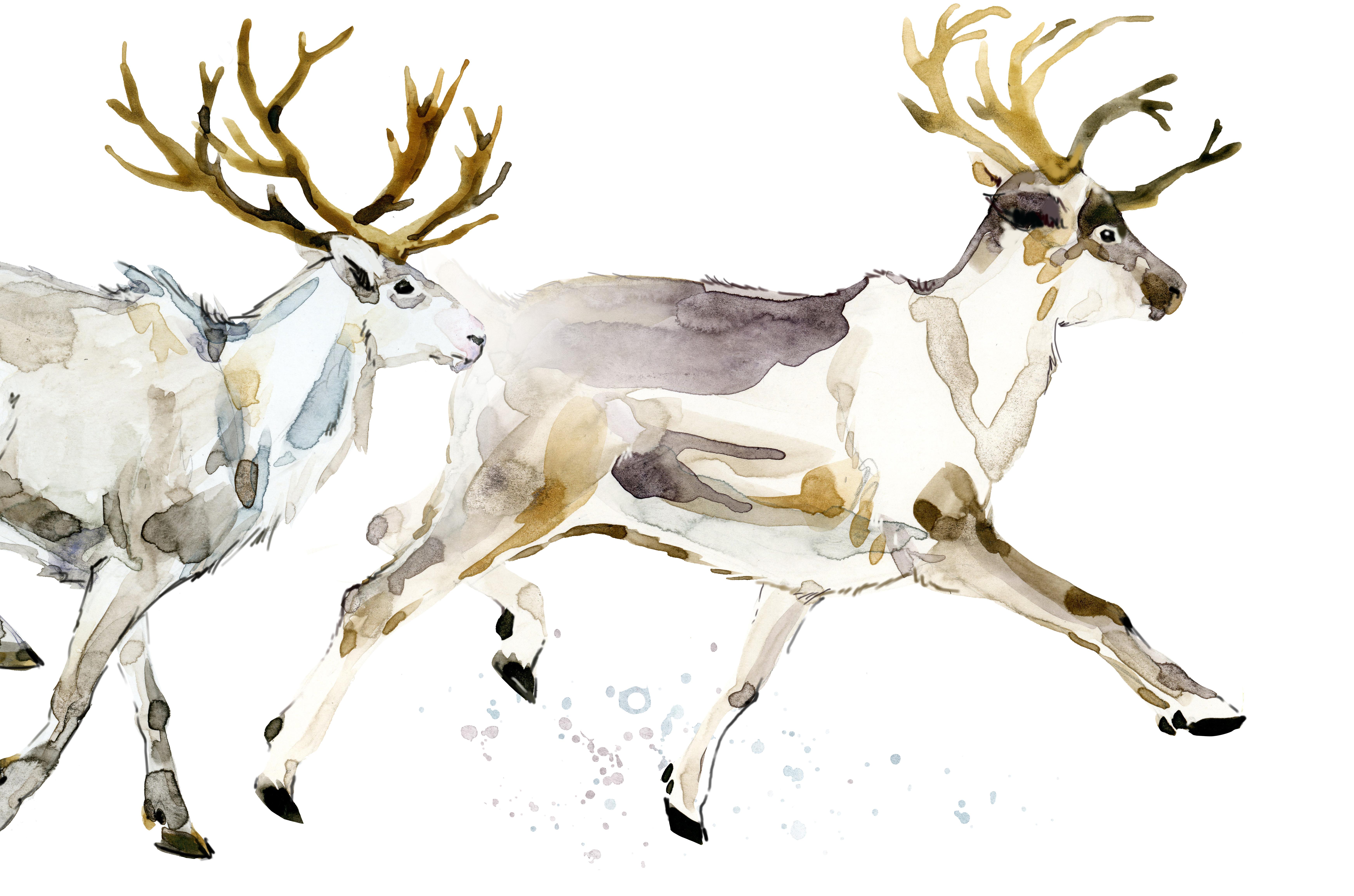
Six caribou in North Idaho and Washington – the last in the continental U.S. – will be relocated to Canada

Sat., Nov. 3, 2018

 (Shutterstock)
(Shutterstock)

Caribou, the Grey Ghosts of Idaho and Washington’s forests, will no longer roam the Lower 48.

After decades of work reintroducing the large ungulates into Idaho and Washington, Canadian wildlife officials decided to relocate the six remaining survivors in the United States farther north into Canada.

There, Canadian biologists hope to breed the animals in captivity at a pen north of Revelstoke, British Columbia, deep in the Canadian brush, the Canadian Broadcasting Corporation reported Friday.

Bart George, a wildlife biologist for the Kalispel Tribe, hopes the breeding project is successful and that the caribou population grows to a point where it could “spill over into the U.S.”

In 2009, George said the South Selkirk caribou herd had 46 animals and was “climbing at a pretty good rate every year.”

But wolves started to filter onto the landscape about that time, George said.

“That’s been our primary source of mortality that we’ve known about,” George said.

Logging roads and increased snowmobiling access also played a role . But in terms of direct mortality, cougars and wolves were the primary culprits.

“Predation is obviously the No. 1 factor,” George said. “That was kind of the straw that broke the camel’s back at this point. All those other issues are concerns, but we don’t really understand how snowmobiling would affect the animals in the long term, other than we know it disrupts animals in the winter.”

He added, “Of the six collared animals that we collared in 2013, two were killed by wolves, one killed by cougars and one by an unknown mortality.”

In April, an aerial survey of the South Selkirk Mountain caribou herd found only three surviving members, all female. Over the summer one of those animals was killed by a cougar, George said.

Biologists and managers have known the animals were in trouble since 2012, George said. However, little was done.

“We really didn’t mobilize until it was too late,” he said.

Other herds in the range have “blinked out” in recent years. Full-scale recovery efforts began only recently, with Canada starting to control its wolf population in 2014 and maternal pen projects and population augmentation efforts starting only a year ago.

Canadian wildlife agencies have removed about 20 wolves since 2014.

Deep snow delayed the Kalispel Tribe’s maternal pen project and the enclosure was never used.

“We could potentially use that site in the future as a release site,” George said.

Although mountain caribou were listed as an endangered species in the U.S. in 1983, the U.S. Fish and Wildlife Service and the states of Washington and Idaho are not actively involved in the maternal pen project or controlling the caribou predators even though the caribou range extended south into Idaho and Washington.

“This is what extinction looks like, and it must be a wake-up call for wildlife and habitat managers in both Canada and the United States,” said Joe Scott, Conservation Northwest’s international programs director, in a news release. “While it comes as no surprise given the long decline of the only caribou herds that still roamed into northeast Washington and northern Idaho, today’s news marks the tragic end of an era.”

The South Selkirk caribou herd was the only one living in both the United States and Canada. It ranged through the high country along the crest of the Selkirk Mountains near the international border. The remaining 14 or so herds are all in Canada. It’s estimated that fewer than 1,400 mountain caribou are left in North America.

Known as Grey Ghosts because of how rarely they are seen, the South Selkirk caribou differ from caribou that wander the tundra farther north. These caribou use their wide feet to stand on top of deep snow and eat lichen that grows high in old-growth forests.

The mountain caribou have struggled as old growth forests have been thinned by logging and other industrial activities, George said. With thinner forests, the caribou have become more susceptible to predation.

Thinned forests have led to other problems, including vehicle strikes on Highway 3 in British Columbia.

The U.S. Fish and Wildlife Service wrote its first recovery plan for mountain caribou in the early 1980s and it was reworked in 1994. Working with Canadian agencies and First Nations, caribou from other regions were trapped and released in the area with some positive results.

But those positive results didn’t last, and, despite the Kalispel Tribe’s efforts, starting in 2012 the population has only declined.

“We talked about it, and we did a bunch of hand-wringing for the next six years until we ended up this position,” George said.