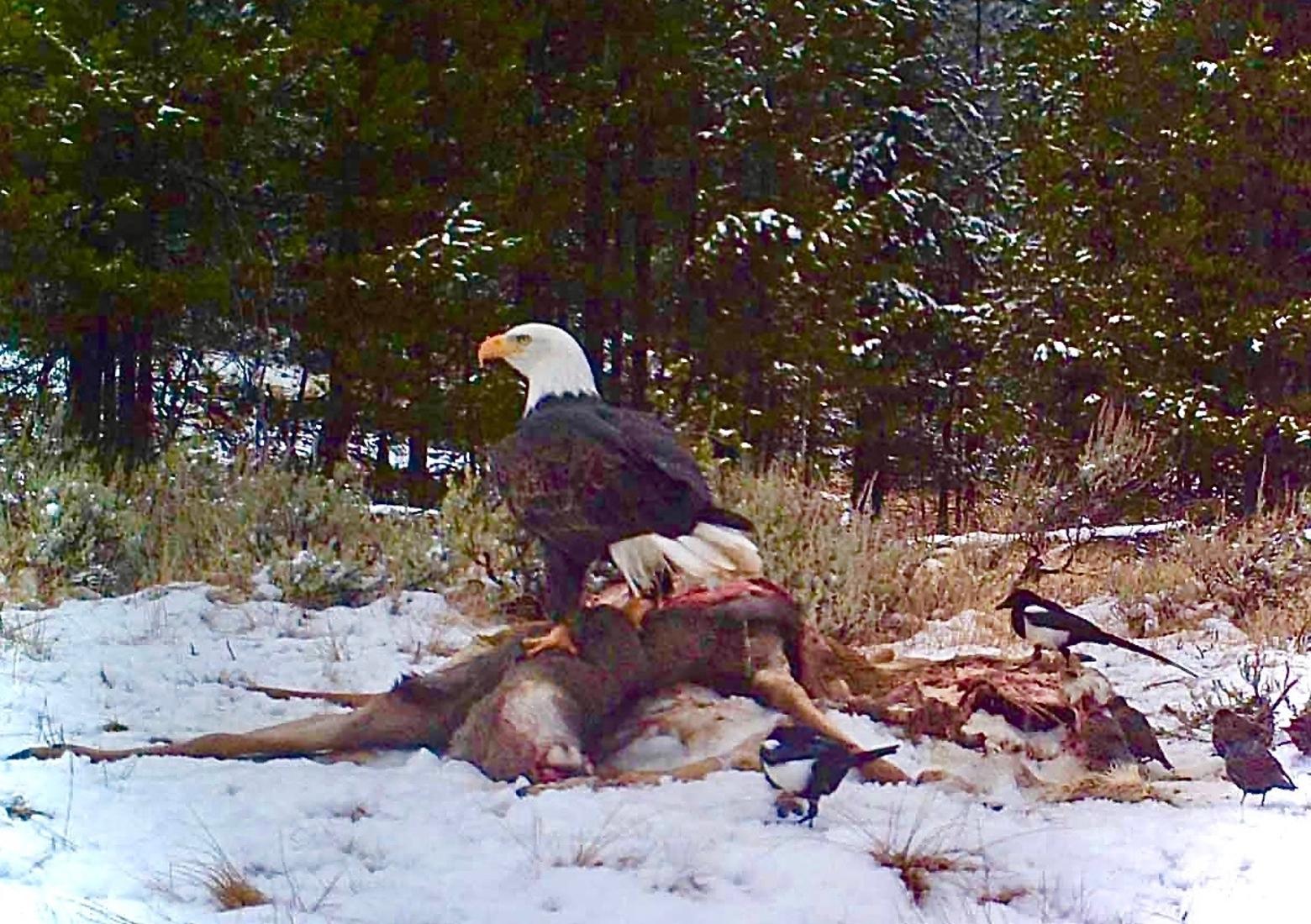
A bald eagle and other avian scavenger feast upon a deer wounded by a hunter’s bullet that later died. If any of these birds ingests lead, chances are high it could get sick or die. Every year, bald eagles, America’s national wildlife symbol, die from exposure to lead ammo. Photo courtesy Craighead Beringia South in Jackson Hole
How many times have we used the phrase “get the lead out” to encourage action on this or that issue? Well, it’s time to take these words literally and get the lead out of our hunting ammunition; hunters, it’s time to go lead-free.
Why? The following words from a Yellowstone National Park press release makes this call to arms tragically clear: “A golden eagle was found dead on December 6, 2018, near Phantom Lake in the northern section of Yellowstone National Park. A recent lab necropsy indicated the cause of death was lead poisoning.”
Yellowstone’s 2018 resource report states that 20 of its 28 known golden eagle territories were located in the northern range. This was likely one of those eagles; a territorial bird that along with her mate, should have raised young this year. Instead she is dead, poisoned- likely from eating fragments of lead bullets embedded in gut piles found just beyond the park’s northern boundary. So concludes the press release.
Her body may never have been found were it not for the radio transmitter, which begs the question: what are the odds that this one dead eagle is the only one so struck down?
And more recently, an immature bald eagle was found dead in Glacier Park. Cause of death: lead poisoning.
THE VICTIMS AND THE MAGNITUDE
Eagles are not alone when it comes to suffering the ill effects of lead poisoning. The World Health Organization (WHO) estimated that in 2016, the worldwide human death toll attributed to all lead exposures was 540,000. Both the WHO and the Center for Disease Control (CDC) state unequivocally that there is no level of lead exposure that is considered safe for humans. The same can be said for our wildlife.
Lead is one of first the most studied, naturally occurring toxins. In the past century, hundreds of papers have been published describing the deadly hazards imposed by the tons of lead recklessly flung into the environment by hunters, recreational shooters and fishing enthusiasts. The U.S. Geological Survey recently estimated that figure to be between 6,000 and 10,000 tons annually—that’s 12 to 20 million pounds of lead that enters our nation’s uplands, wetlands and waterways each year.
The U.S. Geological Survey recently estimated that between 6,000 and 10,000 tons annually—that’s 12 to 20 million pounds of lead related to hunting ammo and fishing tackle— enters our nation’s uplands, wetlands and waterways each year.
From a hunting perspective, it is impossible to estimate the tonnage break down between small caliber-recreational shooters, lead shot by upland game bird hunters and the amount of large caliber lead bullets used by big game hunters. What matters is where the lead ends up.
What we know is that along with humans, upwards of 130 species of wildlife, including at least 75 bird species are susceptible to lethal and sub-lethal doses of lead. And to that point, there are reliable estimates that spent lead ammunition kills between 10 and 20 million animals annually in the United States. That’s in addition to what hunters kill outright.
Scavenging birds, such as bald and golden eagles are particularly vulnerable to lead poisoning. Of the 130 bald and golden eagles tested from Washington, Oregon, Idaho, Montana and Alaska at the Washington State University’s Raptor Rehabilitation Center, 48 and 62 percent respectively had blood lead levels (BLLs) considered toxic.
Staff at the Raptor Center in the University of Minnesota’s College of Veterinary Medicine, estimate that90 percent of the 120 to 130 bald eagles they receive each year have elevated BLLs. Of these, 20-25 percent either die or are euthanized, and over the course of 24 years, the staff reports that well over 500 eagles have met that fate.
Scavengers suffer lead poisoning by ingesting the offal left from big game hunters, as well as from the remains of the countless ground squirrels, prairie dogs and coyotes killed with lead ammunition and left in the field to be fed upon by every hungry scavenger.
For example, “recreational” shooters reported killing an estimated two million black-tailed prairie dogs per year in just three of the eleven states in which they occur. Undoubtedly, the majority was shot with lead bullets and left where they fell. At 2.5 pounds per prairie dog, potentially 5 million pounds of lead-contaminated carcasses were left on the killing fields for scavengers to unwittingly ingest.
“Recreational” shooters reported killing an estimated two million black-tailed prairie dogs per year in just three of the eleven states in which they occur. Undoubtedly, the majority was shot with lead bullets and left where they fell. At 2.5 pounds per prairie dog, potentially 5 million pounds of lead-contaminated carcasses were left on the killing fields for scavengers to unwittingly ingest.
This does not include the unknown number of white-tailed prairie dogs shot each year in the name of recreating.
THE PATHWAY TO LETHAL POISONING
Why is lead so easily and routinely ingested by man and beast alike?
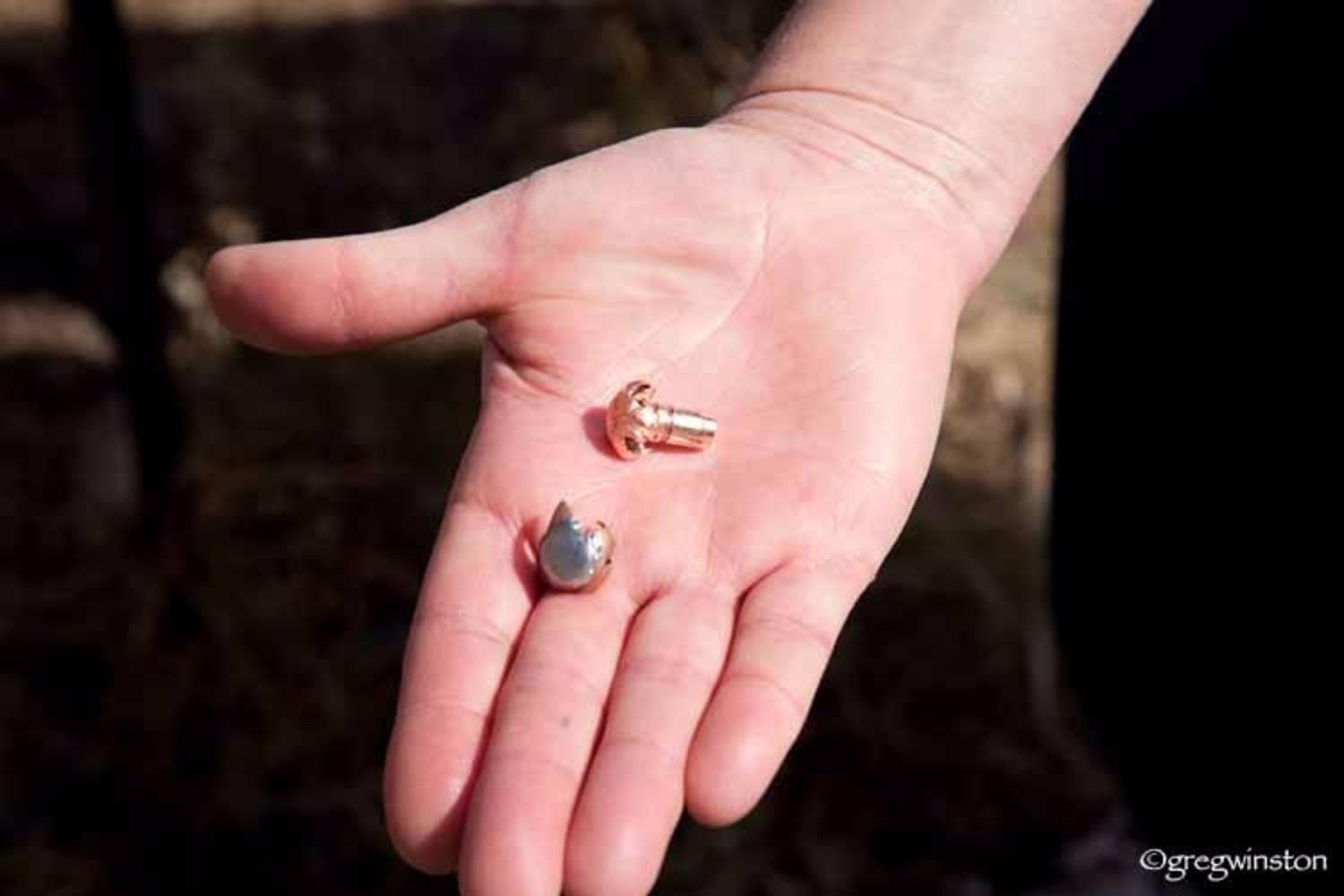
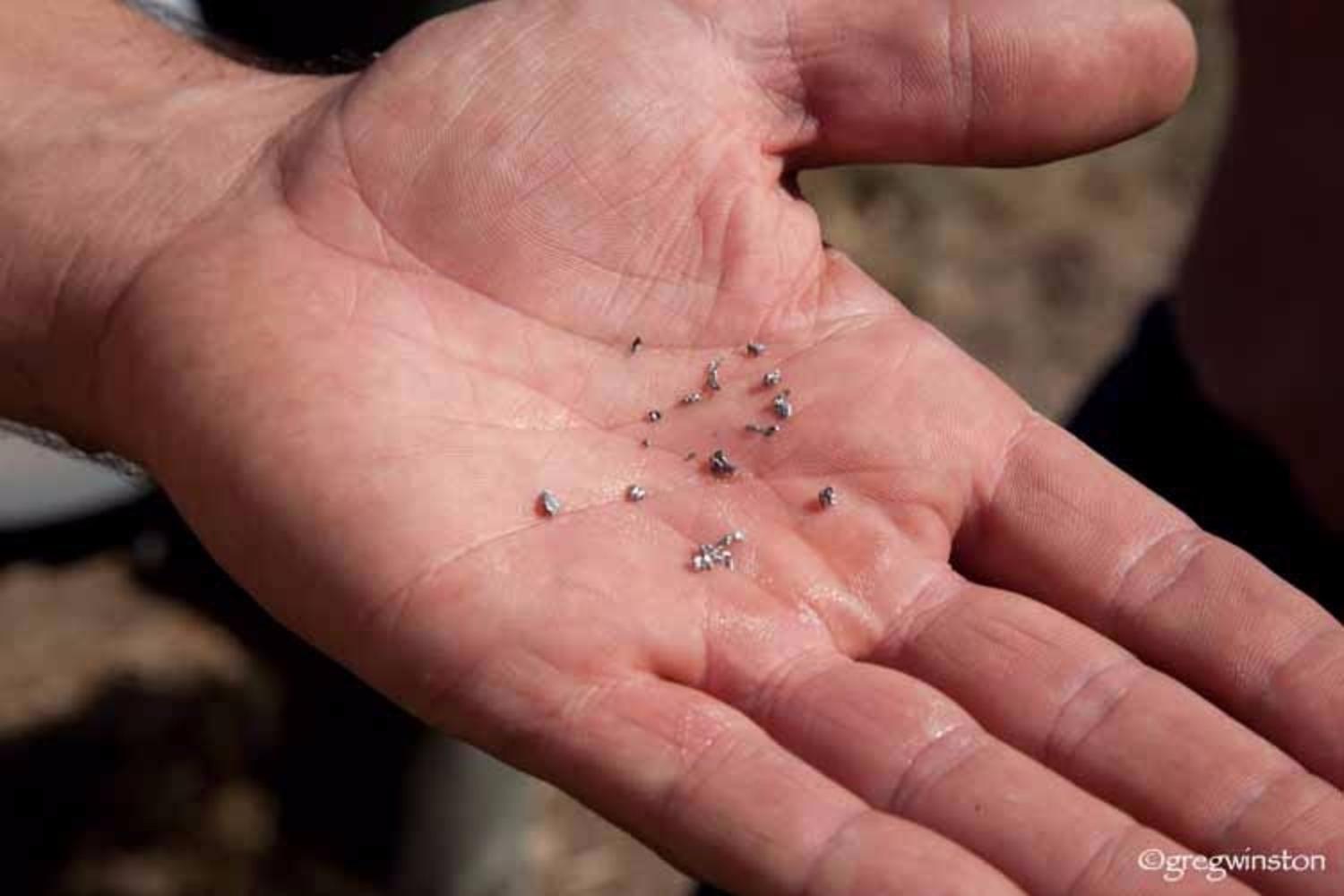
Lead bullets, whether pure or copper jacketed have a nasty habit of fragmenting upon impact, sending upwards of hundreds of pieces of lead into the surrounding tissue, sometimes radiating six or more inches from the bullet’s path. These fragments are often too small to be seen with the unaided eye. Unfortunately, the smaller the fragments, the more apt they are to be ingested and the faster they are to dissolve and enter the blood stream, be it animal or human.
Once in the blood, lead finds its way into the lungs, liver, kidneys, central nervous system and the brain. It can also settle in the bones where it may remain for years. With single or intermittent low doses, victims may eventually rid their blood of much of the lead, but permanent organ and neurological damage may have already occurred.
Non-lead, copper and copper alloy bullets rarely fragment upon impact, and even then, the metals are not nearly as toxic.
Visible symptoms of lead poisoning include general listlessness, gastrointestinal distress leading to a loss of appetite and weakness, lack of muscle coordination and blindness. And for an adult bald eagle, a BLL of one part per million is considered lethal.
At sub-lethal levels, lead can inflict long-term impacts including impaired vision, weakness and diminished coordination. Any of these conditions can render the victim prone to injuries and fatal accidents, or simply reduce their ability to successfully compete in the wild.
For example, the University of Minnesota’s Raptor Center found that 85 percent of the injured eagles that came into their facility had elevated BLLs.
These sub-lethal levels may not appear to be the cause of death, but it is clearly a contributing factor– much as low alcohol levels may not kill humans, it can result in accidents that do.
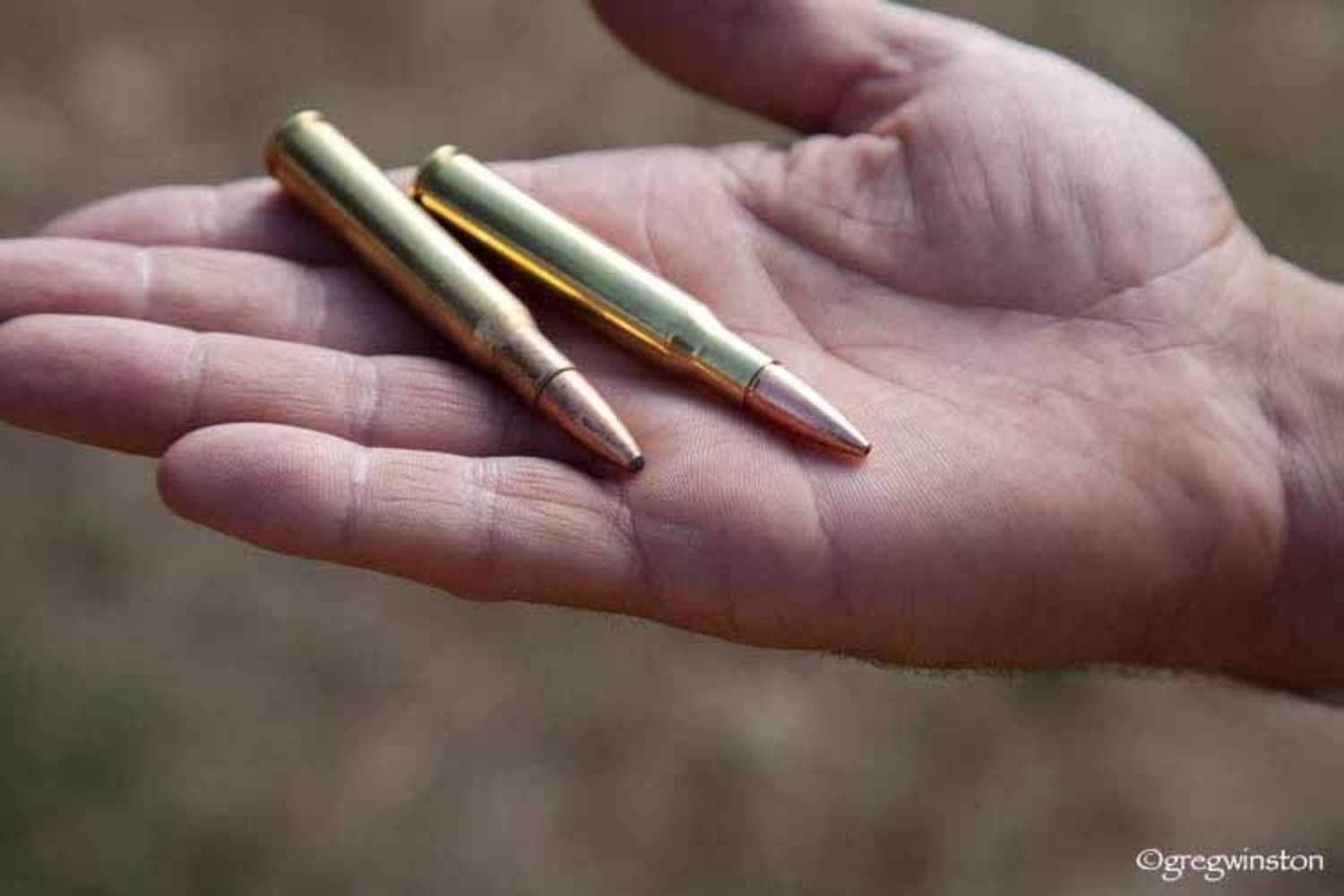
Lead ammunition often fragments upon impact when a bullet hits its big game target. This results in more lead in carrion tissue, increasing the likelihood it will be ingested by a wide range of avian and mammal scavengers, from bald and golden eagles to ravens, wolves, foxes, coyotes, grizzly bears and, of course, people eating game meat on the dinner table. Lead is toxic and exposure has been known to negatively affect learning in children. Photos courtesy Greg Winston (
http://www.gregwinstonphoto.com/about) and Craighead Beringia South in Jackson Hole
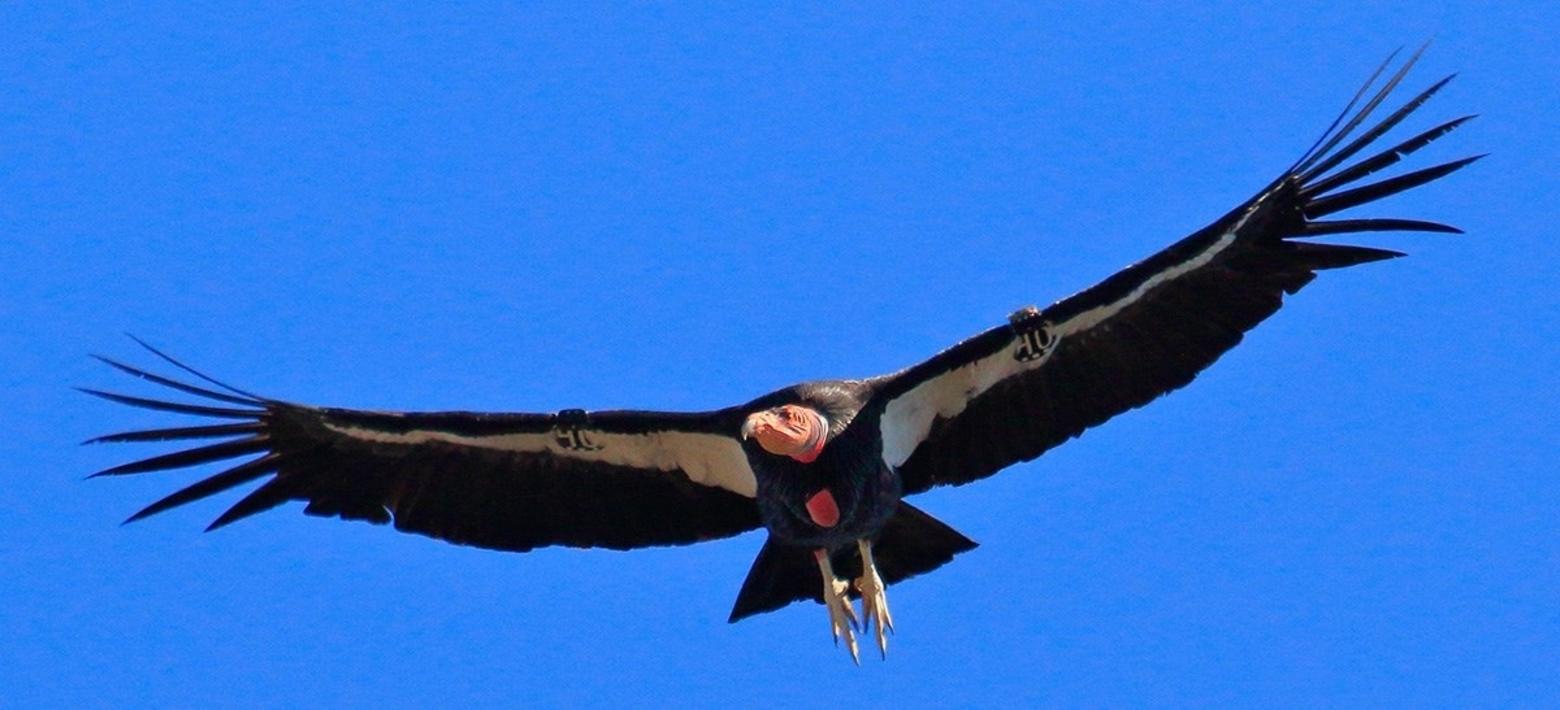
Eagles are not the only victims of lead poisoning. For decades, hunters’ lead has spelled trouble for one of America’s most endangered animal: the California Condor. By the mid-1980’s, the entire population of our continent’s largest flying land bird was reduced to a precarious 22 individuals. Literally teetering on the brink of extinction, the very controversial decision was made to capture all the wild condors and place them into captive breeding facilities.
Due to the success of that effort, today’s condor population numbers nearly 500- half of which are now flying free over northern Arizona and southern Utah, and along the California coast. The rest remain in captivity.
As pure scavengers, condors, like vultures, feed on what is already dead, including hunter–killed carcasses and gut piles, most of which harbor lead bullet fragments. Just a few years ago, 50 percent of all known wild condor deaths were attributed to lead poisoning. And as one biologist warned, lead poisoning: “continues to preclude recovery”– meaning long-term survival in the wild remains in doubt.
The survival of critically-endangered California condors remains threatened due to lead ammo in the environment. Photo courtesy Gavin Emmons/National Park Service
The vice-president of the American Bird Conservancy added, “In all likelihood, many more condors would likely have died from lead poisoning had it not been for the fact that wild condors in California are normally captured twice each year, tested for lead poisoning and then treated if necessary.”
The treatment for extreme lead poisoning in man or beast is Chelation therapy. It’s a lengthy process requiring the administration of edetate calcium disodium orally or subcutaneously over several weeks. The drug binds with blood stream lead and is then expelled as bird excrement, or in the case of mammals as urine. It does not however, reverse organ damage.
RESEARCH IN GREATER YELLOWSTONE PUTS LEAD IN CROSSHAIRS
In the Yellowstone Ecosystem, several studies have addressed the occurrence of lead in the blood of avian scavengers associated with the region’s fall big game hunting season. It is estimated that as many as 500 tons of biomass are left on the landscape each hunting season as a result of un-retrieved game and gut piles. This becomes a major attractant for eagles, ravens, crows and magpies, plus the full contingent of mammalian scavengers including grizzly and black bears, wolves, coyotes and fox.
Blood samples were taken from 81 bald eagles over the course of five seasons and not surprisingly, BLLs were significantly higher during the fall-winter big game hunting season then before or after.
As of 2013, the researchers attributed the death of at least two resident adult bald eagles to lead poisoning, no doubt resulting from feeding on lead infused gut piles- much as was the fate of golden eagle in Yellowstone. They also reported that many of the eagles tested were migrants, meaning that the impacts of the toxic feast were being exported throughout the region and beyond.
A follow-up study of before, during and after hunting season involving over 300 blood samples from common ravens- another bona fide scavenger, found that the seasonal fluctuations of BLLs were identical to those for the bald eagles.
A separate study of 178 golden eagles captured during the fall migration in the western flyway, found that 72 percent had measurable levels of lead in their blood. Fourteen percent were considered either “clinically poisoned,” or “lethally exposed” to lead.
Just because eagles and ravens “fly off” and expel lead in their excrement doesn’t mean they’ve dodged the bullet. They might still be dealing with sub-lethal organ damage. What is their long-term prognosis, particularly recognizing that these tests are just momentary snap-shots of their health and it is highly likely that the eagles will continue to be exposed to the hunter’s lead?
A 2009 study found that samples from all 30 of the white-tailed deer killed by hunters in Wyoming using lead-core, copper-jacketed bullets contained metal fragments, 97 percent of which were lead. Further analysis found metal fragments in 324 ground meat packages randomly sampled from 24 of the 30 carcasses- 93 percent were lead. One package alone contained 168 lead fragments.
LEAD IN HISTORY AND ITS IMPACT ON PEOPLE
The biocidal nature of lead and the impact of lead poisoning on humans can be traced back to the Roman Empire. Researchers examining Roman archeological sites have identified lead in the pottery frequently used in wine making and its transport, in the lining of aqueducts, and in the cosmetics of the day.
Many historians believe that this broad, consistent exposure to lead eventually impaired the mental capacity of the ruling class in particular and
may have contributed to the eventual downfall of the Roman Empire.
Fast-forward to the industrial age and the subsequent invention of the automobile and the use of leaded gasoline. With that combination of technologies, atmospheric lead suddenly became one of the primary sources of lead poisoning. (Diesel fuel does not contain lead.)
As a result of the 1963 Clean Air Act and its subsequent amendments, automakers were required to install catalytic converters in all cars manufactured after 1975. For the converters to function properly, only lead-free gasoline could be combusted.
Since the removal of lead from gasoline, it’s estimated that the average atmospheric lead level in the United States has dropped nearly 99 percent. The WHO lists lead as “a cumulative toxicant that affects multiple [human] body systems and is particularly harmful to young children.” Adverse health impacts include lower mental function, convulsions, coma, anemia, and even death. Studies have shown that children with moderate to severe lead poisoning may be left with behavioral disorders, lowered I.Q. and mental retardation.
Elevated juvenile BLLs have been associated with antisocial behaviors including increased risk for adjudicated delinquency. Numerous studies have also demonstrated a strong correlation between childhood exposure to lead and higher rates of violent crime.
The US military has an active program aimed at reducing exposure to lead, especially for kids, for whom the negative effects of lead are irreversible. States one advisory, citing a wide range of risks, “Those who work in battery and bullet productions, home renovations, auto repair shops and firing ranges are at a higher risk of lead exposure.”
Pregnant women with high BLLs may experience miscarriages, stillbirths, premature births and low birth weights, and infertility (a condition that can also affect men).
The CDC recommends that when an 80-pound child’s BLL exceed 5 micrograms per deciliter, that action be taken. This may consist of nothing more then removing all sources of lead from the victim’s environment. But here is the kicker; 5 micrograms of lead per deciliter of blood in an 80-pound child is equivalent to approximately 0.000005 of an ounce of lead in all of his or her blood.
And when the blood level reaches 45 micrograms per deciliter- the level where Chelation therapy is recommended, the total lead in the child’s blood is about 0.00004 of an ounce.
Likewise, a 180-pound adult hunter with 5 micrograms per deciliter will have approximately 0.00001 of an ounce in his or her blood. Take this to the level where Chelation therapy is recommended (45 micrograms lead per deciliter), the same adult will have about 0.00009 of an ounce of lead in his or her’s blood.
By any measure, these are truly miniscule amounts, yet this is all that’s required to bring on long-term health problems, or even death. For reference, a 150-grain, 30.06 lead bullet weighs about 0.34 of an ounce. Even with minimal fragmentation, there is enough lead in one bullet to pose serious health risks for all consumers of the meat.
Unlike the ubiquities nature of atmospheric lead, lead bullets poison a relatively select group: the families and friends who hunt and consume the earth’s bounty, and the wildlife that clean up after the killing.
PROPOSED REGULATIONS AND RESISTANCE FROM NRA AND OTHERS
Lead shot is regulated to differing degrees in 23 European countries. Only Germany bans lead bullets for big game hunting and then, only in certain regions.
Closer to home, in March of 2009, then Acting National Park Service Director Dan Wenk (recently retired Superintendent of Yellowstone National Park), sent a memorandum to his senior leadership team, “require[ing] the use of non-lead based ammunition and fishing tackle in NPS units where those activities are authorized” by the end of 2010—“or sooner.”
The push back was immediate–within days the National Rifle Association (NRA) and its hunting allies claimed the “announcement demonstrated either complete ignorance or complete arrogance,” and a deliberate attempt to reduce the number of people wanting to hunt. The U.S. Sportsmen’s Alliance and the National Shooting Sports Foundation (NSSF) (the trade association for the ammunition and firearms industry) both jumped on the anti-ban wagon, as did numerous other sportsmen’s groups.
The pressure was so intense that just 14 days after sending the directive, the National Park Service issued a “clarification” that walked back the ban and vowed to work more closely with appropriate stakeholders and interest groups in a more public process.
Now, a decade later the National Park Service has still not managed to institute a service-wide ban on lead ammunition and fishing tackle. This, in our national parks and monuments where picking a wild flower can bring a considerable, and appropriate citation.
Now, a decade later, the National Park Service has still not managed to institute a service-wide ban on lead ammunition and fishing tackle. This, in our national parks and monuments where picking a wild flower can bring a considerable, and appropriate citation.
In what was seen by some as a last-minute effort by the Obama administration, then Director of the Fish and Wildlife Service, Dan Ashe signed Director’s Order No. 219 that established a timeline to phase out the use of toxic, lead-based ammunition and fishing tackle on Service land and waters by the year 2022. He did this on his last day in office.
Ashe’s Order was not two months old when summarily overturned by Montana’s own, and President Donald Trump’s newly appointed Interior Secretary Ryan Zinke, who has since resigned his position under a storm of investigations stemming from alleged illegal activities while in office.
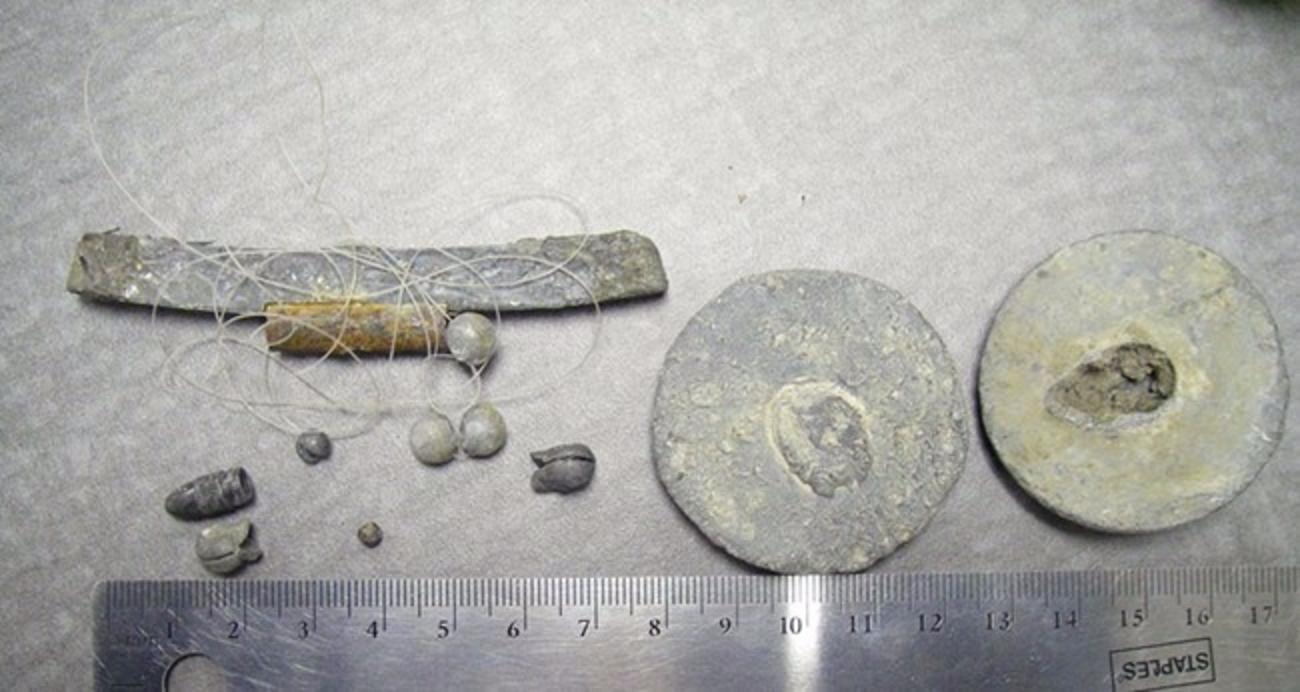
As part of a monitoring program, lead sinkers, weights and lead shotgun shot were found in a bald eagle nest over the course of 10 years. Photo courtesy National Park Service
Before he left, the NRA thanked Zinke “on behalf of the five million members of the NRA and tens of millions of American sportsmen.” Even the National Wildlife Federation: “America’s largest and most trusted conservation organization,” disagreed with the Secretary Ashe’s order and tacitly supported Zinke’s action.
To the Federation’s credit, they have since walked back their position. They are now calling for “Reducing the use of lead shot and tackle and replacing it with increasingly available copper, steel, and tungsten alternatives.”
Unfortunately, the Federation seems unable to muster the metal to call for an outright ban on the use of lead in hunting and fishing activities. They prefer to work collaboratively and have “an honest conversation” “with sportsmen, wildlife professionals, government agencies and industry about the science of how lead continues to afflict wildlife.”
Similarly, The Wildlife Society, the august fraternity of wildlife professionals is only able to support a phasing in of nontoxic ammunition and fishing tackle. They don’t dispute the toxic nature of recreational lead, in fact, many of their members have documented that very fact in peer reviewed articles. Yet, the Society, like the Federation avoids asking for an immediate, national ban on lead–not even a phased in ban with a firm deadline.
On August 13, 2019, the organization, Public Employees for Environmental Responsibility released the following statement: “Under orders from the Trump Administration, the National Park Service is reviewing all hunting and fishing restrictions that are stricter than state game laws.”
This is driven in part by a 2018 Memorandum from then-Interior Secretary Zinke to compile all hunting and fishing orders that differ from state game laws for all lands under Interior’s purview. His order is considered as a “commitment to defer” to “State fish and wildlife management” for all lands within agency authority “except as otherwise required by Federal law.”
Clearly, this could place the management of lead ammunitions in state hands where the history of positive action is dismal.
In the absence of a national lead ban, the California legislature in 2008 passed a law prohibiting the use of lead bullets for most hunting activities within the range of the California Condor. Five years later, the state’s Governor, Jerry Brown signed a comprehensive bill phasing in a complete ban on lead ammunition used for the taking of any wildlife for any purpose in the entire state. This ban took effect on July 1 of this year, making California the only state to institute a statewide ban on lead bullets and shot for all hunting pursuits.
At least 30 states have various bans on the use of lead ammunitions. Some ban lead shot for specific upland species, or at specific locations. Only a few states actively “encourage” or “recommend” the use of non-lead bullets for big game hunting.
Neither Idaho nor Montana has state-level restrictions on the use of lead shot or bullets. Wyoming bans the use of lead shot on two of its state wildlife management areas.
Regionally, Grand Teton Park requires that non-lead bullets be used for its elk reduction program, while the adjacent National Elk Refuge only encourages hunters to use non-lead ammunition during its annual elk and bison hunts.
Regionally, Grand Teton Park requires that non-lead bullets be used for its elk reduction program, while the adjacent National Elk Refuge only encourages hunters to use non-lead ammunition during its annual elk and bison hunts.
In 1991, a federal ban was placed on the use of lead shot for all waterfowl hunting. Fortunately, this nation-wide ban remains in place.
Because of the random nature in which restrictions are applied, it is incumbent upon every hunter to check with the appropriate agencies for the most current information. Of course, the safest route is to go lead-free.
With thousands of technical and popular articles describing the toxic nature of lead and its health implications for wildlife and humans alike, why haven’t we mustered the forces to do the right thing? The answer is clear; every effort to do so has been met with incomprehensible resistance from the hunting community–lead by their friends at the NRA, Safari Club International and the NSSF.
Fanning the flames is the unjustified claim that it is yet another ploy by the animal rights activists and anti-hunting, anti-gun folks to limit gun rights and erode hunting opportunities. They all argue that the science isn’t definitive–conveniently ignoring the super abundance of evidence to the contrary–and the absence of evidence to support their own erroneous claims.
Lead bullet fans also argue that non-lead bullets don’t preform as well as the leaded counterparts, and that the non-leads cost more then the leaded equivalents.
Numerous articles have appeared in hunting magazines making the case that modern, non-lead bullets preform as well as the lead versions, and in some cases even better.
Ironically, in 2012, the NRA publication, American Hunter awarded the Barnes VOR-TX lead-free bullets, the “Ammunition Product of the Year Award.” Coming from the NRA, this is viewed as the best endorsement non-lead ammunition can receive.
And yet, the NRA vigorously resists every effort to ban lead ammunitions.
And in the past decade, the Army and Marines have “gone green;” swapping their small caliber lead bullets for a “copper slug and steel penetrator” version. After many years and tens-of-millions of dollars on research and testing, both services emphatically claim that the new “green” ammunition out performs traditional lead bullets in every aspect.
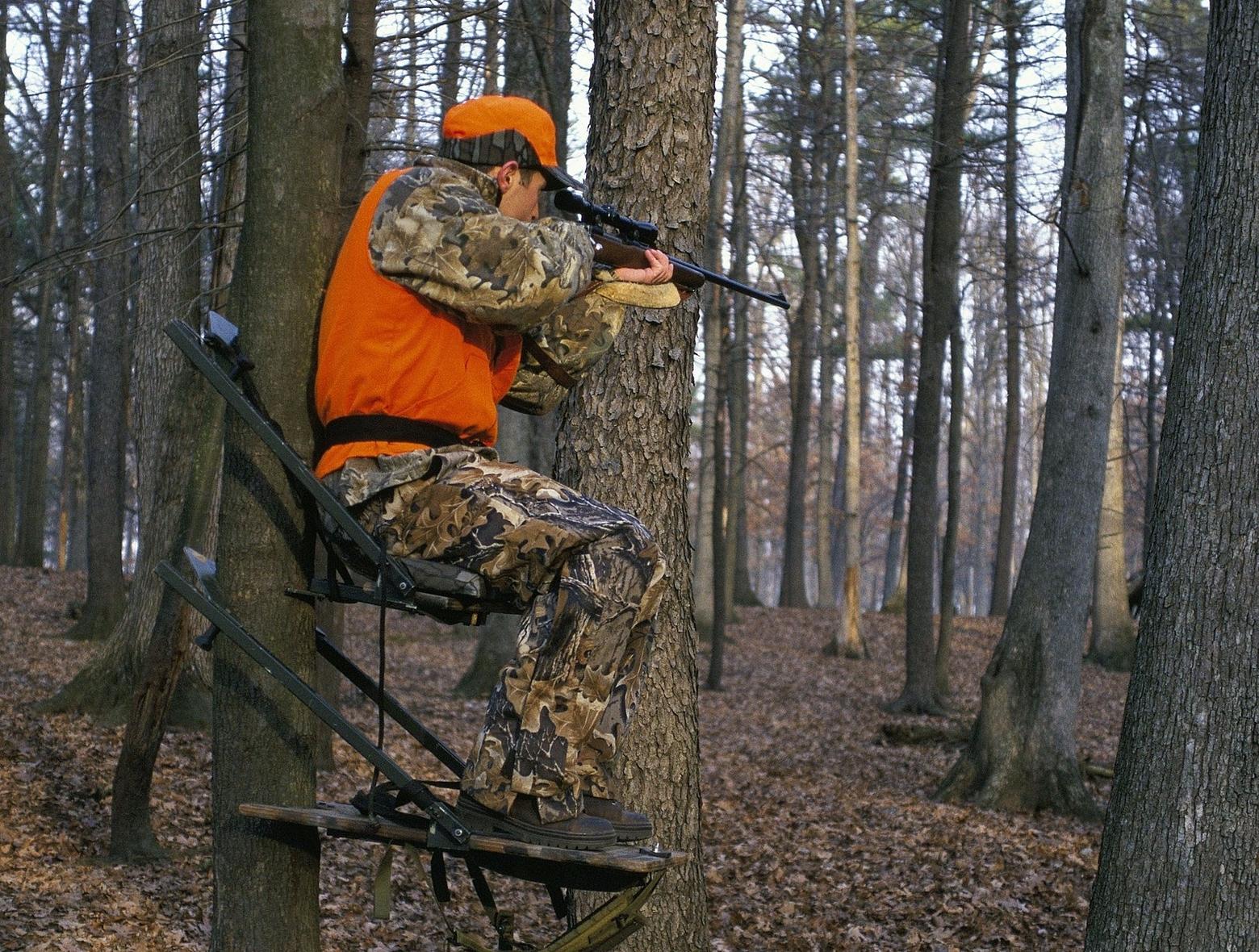
A hunter in the deer stand. Photo courtesy Steve Maslowski/US Fish and Wildlife Service
When it comes to costs, yes, non-lead bullets can cost more then traditional leaded versions. However, in many ways, it comes down to what is being compared to what. Currently, the cheapest lead bullets will certainly cost less then the best non-leaded versions. However, numerous professional hunters and sports writers state that when comparing similar high quality bullets, the price difference is minimal.
Even if $50 were spent for ammunition, it is arguably a small percentage of the overall outlay for a typical big game hunting experience, recently estimated to be between $1,500 and $2,100.
There are at least 28 manufactures producing lead-free rifle bullets in upwards of 35 calibers, including Barnes, Hornadys, Remington, Winchester and Federal. And as the technology improves and the demand grows, competition between manufacturers will likely close whatever cost gap that currently exists.
Likewise, many articles have been published in sporting magazines touting the health and environmental benefits of switching to non-lead bullets. The good news is that a growing number of hunters are opting for non-lead alternatives. It seems the organizations that claim to represent the sporting community may not be keeping up with their own members.
Many articles have been published in sporting magazines touting the health and environmental benefits of switching to non-lead bullets. The good news is that a growing number of hunters are opting for non-lead alternatives. It seems the organizations that claim to represent the sporting community may not be keeping up with their own members.
To understand how domineering these special interests are, consider that four decades ago we succeeded in getting the nation’s paint industry to get the lead out of its household products. And three decades ago we rid lead from new domestic water pipes. And 25 years ago we got the lead out of highway gasoline- imposing our collective will upon some of the largest corporations in the world.
And yet, we have not been able to ban lead ammunitions.
Are our elected officials and wildlife agencies so intimidated by, or be-holding to the NRA and their like-minded accomplices that they are afraid to step up and protect the well-being of our wildlife and the public? Is the NRA more intimidating then some of the world’s largest corporations? Or, are our agencies and elected officials simply not up to doing what is right?
With the hunting season upon us and in the absence of agency and legislative leadership, it’s up to each hunter to go lead-free. To help make the switch happen, spouses, parents and loved-ones; buy a box of non-lead ammunition for the hunter in your life. Tell them it’s for their own health, for the health of your family, and for the health of our beloved wildlife.
And agencies, it’s time to at least actively promote the use of non-lead ammunition. And electeds, it’s time to pass legislation banning lead ammunitions.
“Wild” and “natural” means little if the game meat we put on our tables contains toxic lead.
EDITOR’S NOTE: What are the arguments against bans on lead ammunition? Two workers at a gun shop hold forth in the video below making assertions that Camenzind addresses in his piece above.




 Exposing the Big Game