Exposing the Big Game

Forget Hunters' Feeble Rationalizations and Trust Your Gut Feelings: Making Sport of Killing Is Not Healthy Human Behavior

Exposing the Big Game

Coronavirus: China’s poultry, eggs supply under pressure as frozen pork, chicken, beef pile up at ports

  • Restrictions on moving livestock and extended holidays have paralysed supply chains, leaving farmers stuck with large inventories of birds and eggs
  • Thousands of containers of frozen pork, chicken and beef are also piling up at some of China’s major ports as transport disruptions and labour shortages slow operations
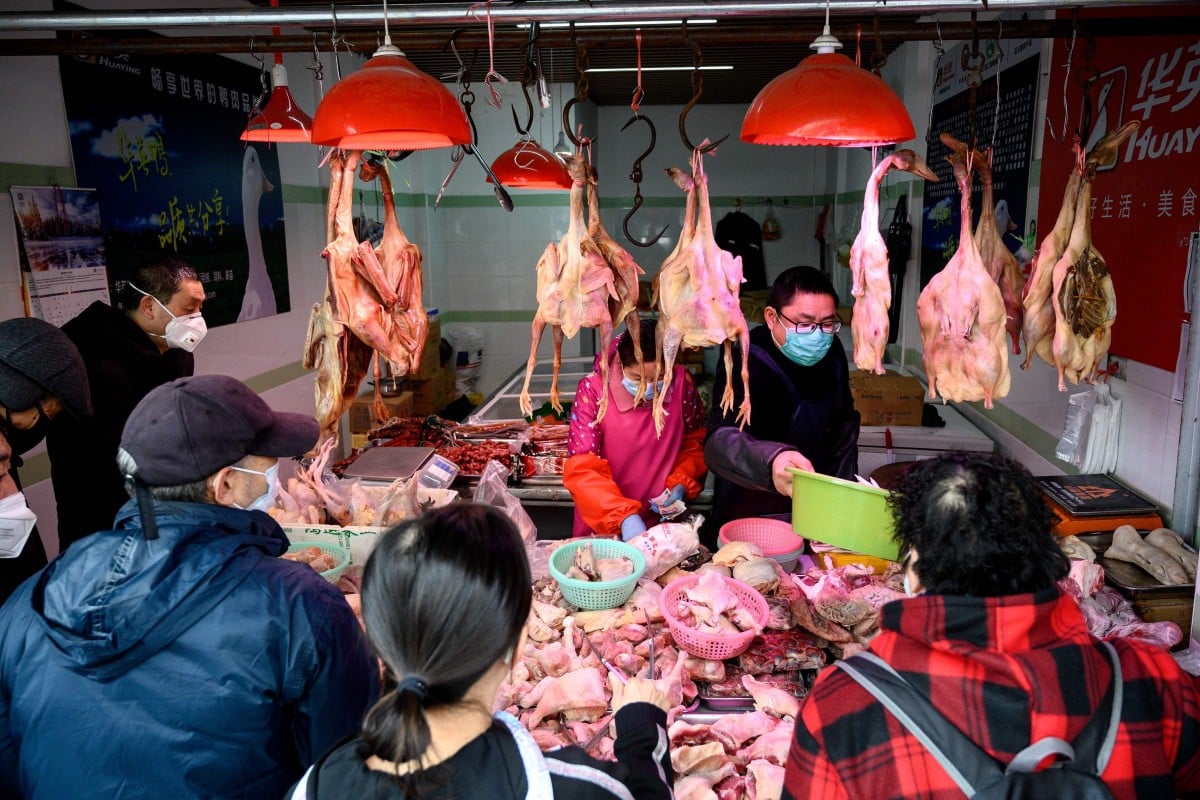
China is the world’s second-largest poultry producer and has been ramping up output to fill a huge meat shortage after an African swine fever epidemic decimated its pig herd. Photo: AFP

China’s supply of poultry and egg products may be hurt in the second and third quarter of 2020 as the country tackles the coronavirus outbreak, agriculture ministry official Yang Zhenhai said at a State Council briefing on Tuesday.

China is the world’s second-largest poultry producer and has been ramping up output to fill a huge meat shortage after an

African swine fever

epidemic decimated its pig herd.

Poultry prices have plunged in recent weeks and restrictions on moving livestock and extended holidays in many areas have paralysed the supply chain, leaving farmers stuck with large inventories of birds and eggs even as demand plunged as restaurants and canteens stay shut.

Yang said that since the coronavirus outbreak, which has led to more than 1,800 deaths, live poultry markets have been closed, transport of baby and live poultry has been curtailed and slaughterhouses have been shut down.

The loss of the entire poultry industry would be very seriousYang Zhenhai

He said one company had reported losses of more than 100 million yuan (US$14.3 million), but did not give further details.

“The loss of the entire poultry industry would be very serious,” Yang said.

China’s agriculture and transport ministries have told local authorities to allow companies involved in feed-production and poultry-slaughtering to resume work as soon as possible and overcome disruptions caused by the coronavirus outbreak.

The state planner has also sold 1.32 million tonnes of corn to feed-processing firms in southern provinces to ensure their raw material supply.

China scrambles to deliver food to coronavirus epicentre Wuhan amid lockdown
Meanwhile, according to Bloomberg,

thousands of containers

of frozen pork, chicken and beef are also piling up at some of China’s major ports as transport disruptions and labour shortages slow operations, people familiar with the matter said.

Deliveries are piling up at ports including Tianjin, Shanghai and Ningbo because there are not enough truck drivers to collect the containers due to

travel restrictions

around the country, according to the people, who asked not to be identified because they are not authorised to speak publicly.

Ports are also starting to run out of electricity points to freeze the containers and some ships have been told to divert to other destinations in mainland China and Hong Kong, the people said.

China is a massive importer of meat from South America, Europe and also the United States, and has been boosting purchases to help ease shortages caused by African swine fever. The country increased imports of meat and offal by almost 50 per cent in 2019 to a record of about 6.2 million tonnes, customs data showed.

It remains unclear when port operations will return to normal as truck drivers returning from other cities are quarantined for 14 days and other transport restrictions on trucks remain in place, the people said.

The government encouraged factories to ramp up production this week after extended New Year holidays. Outbreaks of the virus have infected more than 70,000 and killed over 1,800 in China.

More than 220 million migrant workers have also not returned on time and may travel in late February or March, Liu Xiaoming, the transport minister, said on Saturday.

The office of the spokesman for the General Administration of Customs in Beijing did not answer phone calls seeking comment from Bloomberg.

On Sunday, China also announced that it would remove the import ban on all

US poultry products

with its own farms under threat from the deadly H5N1 bird flu.

Purchase the China AI Report 2020

 brought to you by SCMP Research and enjoy a 20% discount (original price US$400). This 60-page all new intelligence report gives you first-hand insights and analysis into the latest industry developments and intelligence about China AI. Get exclusive access to our webinars for continuous learning, and interact with China AI executives in live Q&A. Offer valid until 31 March 2020.

The coronavirus could cripple China’s economy for longer than Wall Street wants to believe

Coronavirus, China, security guard in a face mask stands in a glass cubicle on an empty street in Beijing.
The coronavirus’ effects could last longer than expected. 
AP

Opinion banner

  • Wall Street is convincing itself that China will bounce back relatively quickly around the end of the first quarter, when it expects the coronavirus’ spread to be contained.
  • This is banker delusion. China’s economy is growing much more slowly than it was in 2003, when the SARS outbreak hit.
  • Plus, the financial sector is in much worse shape. It’s loaded with debt, and credit conditions are still deteriorating from bailouts last year. This will all make it much harder to fund struggling businesses and local governments.
  • This is an opinion column. The thoughts expressed are those of the author.
  • Visit Business Insider’s homepage for more stories.

The thinking goes like this: China will slowly get back to work by the end of the first quarter. Investors will stay fairly steady throughout this period knowing that coronavirus will result only in a temporary knock on corporate profits and general economic activity. Ultimately, like in 2003 when SARS gripped the nation, China will rally to a V-shaped recovery — that is, a quick fall in economy activity followed by a sharp return to normalcy soon after. Markets are overreacting.

This consensus is wrong. And it’s wrong not just because we don’t know if the consensus timeline is even remotely accurate — but also because the Chinese economy, and especially its banking system, is completely different now than it was in 2003.

The country’s economy is growing much more slowly now (GDP growth has recently been about 6%, according to the government, compared with 10% in 2003), and the banking system is far more fragile and laden with debt.

China debt 2019, 2003

Autonomous Research

“There’s no reference point at all for what it feels like when China is truly in a recession across the board because they’ve been on a 30-year growth binge,” Charlene Chu, a senior analyst at Autonomous Research, said. “The world is underplaying what’s going on in China.”

Who will think of the banks?

To understand the economic predicament the country finds itself in, you have to remember what was happening in China about a year ago completely aside from the trade conflict with the US. Last winter, you may recall, it seemed the Chinese economy might come apart at the seams, as credit had dried up for the private sector — which is where most of the country’s growth comes from — and consumers dramatically slowed spending.

Then in May, Chinese regulators had to bail out a bank, Baoshang Bank, for the first time in decades. A few more bailouts followed, and suddenly banks became scared to lend to each other. By June, the Chinese Communist Party was forced to gather all the banks, tell them to get their acts together, and demand that they take haircuts on their investments in each other (a concept the bankers had lost familiarity with during the state’s post-crisis credit spree).

It is no surprise, then, that the creditworthiness of the Chinese banking system has been trending downward, especially at the lower end.

The PBOC ratings of China Chinese banks are migrating downward

Autonomous Research

Because of the coronavirus, this weakened banking system — less than one year out from being on a bit of a brink — will now have to forgive loans for companies large and small and continue financing local governments dealing with the fallout from stagnating economies and the effort to fight the coronavirus. S&P research estimated that if this crisis is prolonged, bad debt in the banking system could increase from 2% at the end of last year to over 6%.

In this environment, some kind of liquidity event could be even more disruptive than it was in the summer.

“Banks will all be more sensitive to their exposure to each other. And they don’t really know each other’s risk,” Dinny McMahon, the author of “China’s Great Wall of Debt: Shadow Banks, Ghost Cities, Massive Loans and the End of the Chinese Miracle,” told Business Insider. “If there was a liquidity event, you might see a flight to safety very quickly, and how the banks define safety may be a bit more severe than it was last year.”

And then, of course, even if the banks could forgive loans and ease credit conditions, that would only do so much. Some businesses simply may not be creditworthy after this economic shock.

“Much of the talk right now is about forcing banks to cut rates, but lower rates won’t solve the problem if firms are insolvent,” Leland Miller, the founder of the business surveyor China Beige Book, said. “So the issue isn’t cost of capital, it’s whether the underlying firms are ultimately creditworthy. Depending on how long it takes the economy to get back chugging, that number now may be substantially lower than what it was before the outbreak.”

Then there’s the private sector

China’s other financial-system struggle over the past year was ensuring that private-sector companies, mostly small and medium-size enterprises (SMEs), were getting adequate funding. A lot of these companies used to get financing from China’s shadow-banking system, so when authorities cracked down on that in 2017 and 2018, they got squeezed.

“I think they know they’re still going to have an issue getting funding to these guys,” Chu said of the SMEs. “They are looking at the bond market … but they had issues with SMEs and bank problems last summer so that isn’t straightforward.”

SME default rates China

Autonomous Research

Of course, if you’re an SME that has no relationship with a bank, credit relief might not help you much, McMahon told Business Insider.

That is why China announced last week measures to support SMEs that have nothing to do with the banks, including asking local governments to waive taxes and administrative fees.

“This isn’t something the banks can necessarily fix, which is new,” McMahon said. “You’ve got a big part of the economy that’s sort of out there on its own.”

Pangolin Says It Has More Viruses Where That Came From If People Don’t Leave It The Fuck Alone

pangolin
The ground pangolin stopped in the long, swaying grass of the African veld, and turned to face a visiting reporter who had just asked him if he was aware that a virus that appears to have originated in his species has infected tens of thousands of humans, and may yet infect countless more.

“Oh yes,” he said scratching his long nose in what is generally considered to be the universal pangolin signal that it would like some space, “And there’s a lot more where that came from if you and the rest of your horde of hairless planet destroyers don’t leave us, and all of the other animals: The fuck. Alone.”

Prized for being trapped on this planet with us, pangolins are like all creatures that have come into direct contact with human beings: immediately and horribly exploited.

Researchers say they wouldn’t test the armoured mammals.

“Or eat them. It really isn’t worth it,” says Dr. Haffa Napal, at the Kenyan Center For Not Devouring Everything You Voracious Psychopaths.

“Apart from the possibility of contracting an exotic disease, when thinking about chewing a pangolin you have to ask yourself, really? The first clue that these guys probably don’t want to be consumed is that they are covered in hundreds of tiny shields. Which sort of screams, ‘Find something else to eat. Have you tried the cassava?’”

Equipped with a tongue that is longer than its body, the pangolin is considered especially well-equipped to spread diseases that will make the entire human race wish they’d listened to Joaquin Phoenix, and become vegans while they had the chance.

Speaking on the condition of anonymity, the pangolin said that he’d prefer to not go into the specifics of the diseases his species stands ready to unleash on a particular predator with a penchant for cruise ships and living in extremely close proximity to one another.

“But let’s just say they’ll make that relatively benign respiratory disease that you are all hopelessly trying to quarantine right now look like a sniffle. You think coronavirus is bad? Wait until you find out about Pangola.”


For more satire that is either out there, or about there, follow  The Out And Abouter on Facebook, or @OutAndAbouter on Twitter.

img_0035-1

Japanese Couple Tests Positive for Virus After Hawaii Visit: NYT

Coronavirus: A Cell Biologist Explains How a Virus Mutates and Spreads

A married Japanese couple in their 60s tested positive for the coronavirus after returning home from a Hawaiian vacation, health officials said Saturday, according to the New York Times.

The couple had returned to Nagoya, Japan’s fourth-largest city, on Feb. 7, and a day later he visited a hospital with a fever but was turned away. He was back after two days when he learned he had pneumonia, but he was then released. On Thursday, the man went by ambulance to a hospital.

His wife checked into the hospital Friday with a fever. Both now have the virus.

The disclosure of the post-visit infection has caused concern among Hawaii health officials, the Times reported. “All of the state agencies have been preparing for exactly this scenario, where someone visits the island and the virus is present,” Governor David Ige said at a news conference.

The Japanese man grew ill on the second week of his vacation while the couple was in a time-share in Honolulu, authorities said. Before that, the couple was in Maui, but showed no symptoms.

The husband started showing signs of illness on Feb. 3 and wore a mask when he went outside the Grand Waikikian by Hilton Grand Vacations in the Waikiki neighborhood of Honolulu, officials said.

Letter: Animal pandemic strikes again

Letters to the editor

50 million Chinese locked down. 15 countries affected. Five confirmed cases in the U.S. These dramatic headlines announce one more pandemic caused by our abuse of animals.

Indeed, 61 percent of the 1,415 pathogens known to infect humans originate with animals. These so-called zoonetic diseases claiming millions of human lives include Asian flu, Hong Kong flu, West Nile flu, bird flu, swine flu, dengue fever, Ebola, HIV, SARS, and yellow fever. The pandemic “Spanish” flu of 1918 may have killed as many as 50 million people worldwide.

Western factory farms and Asian street markets are virtual breeding grounds for infectious diseases. Sick, crowded, highly stressed animals in close contact with raw flesh, feces, and urine provide ideal incubation media for viruses. As these microbes reach humans, they mutate to defeat the new host’s immune system, then propagate on contact.

Each of us can help end these deadly pandemics by replacing animal products in our diet with vegetables, fruits, and whole grains. These foods don’t carry flu viruses, or government warning labels, are touted by every major health advocacy organization, and were the recommended fare in the Garden of Eden. The internet offers ample recipes and transition hints.

Tate Harringer

Tillamook

The coronavirus is already hurting the world economy. Here’s why it could get really scary

London (CNN Business)Nearly two decades have passed since a coronavirus known as SARS emerged in China, killing hundreds of people and sparking panic that sent a chill through the global economy. The virus now rampaging across China could be much more damaging.

China has become an indispensable part of global business since the 2003 SARS outbreak. It’s grown into the world’s factory, churning out products such as the iPhone and driving demand for commodities like oil and copper. The country also boasts hundreds of millions of wealthy consumers who spend big on luxury productstourism and cars. China’s economy accounted for roughly 4% of world GDP in 2003; it now makes up 16% of global output.
SARS sickened 8,098 people and killed 774 before it was contained. The new coronavirus, which originated in the central Chinese city of Wuhan, has already killed more than 700 people and infected over 34,400 across 25 countries and territories. Chinese officials have locked down Wuhan and several other cities, but the virus continues to spread.
“The outbreak has the potential to cause severe economic and market dislocation. But the scale of the impact will ultimately be determined by how the virus spreads and evolves, which is almost impossible to predict, as well as how governments respond,” said Neil Shearing, group chief economist at Capital Economics.
Compounding the risk is the fact that the world outside China has also changed since 2003.
Globalization has encouraged companies to build supply chains that cut across national borders, making economies much more interconnected. The major central banks have used up much of the ammunition they would typically deploy to fight economic downturns since the 2008 financial crisis, and global debt levels have never been higher. Rising nationalism may make it harder to coordinate a worldwide response, if that’s required.
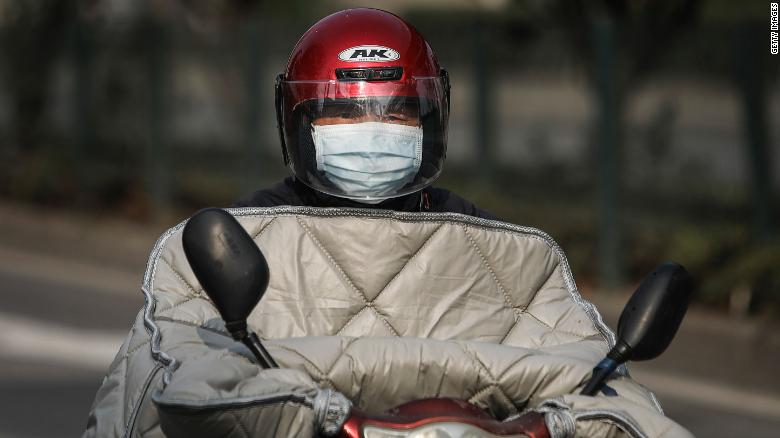
A resident wears a protective mask while riding a scooter on February 5, 2020, in Wuhan.

The virus is snarling supply chains and disrupting companies.
Car plants across China have been ordered to remain closed following the Lunar New Year holiday, preventing global automakers Volkswagen (VLKAF), Toyota (TM), Daimler (DDAIF), General Motors (GM), Renault (RNLSY), Honda (HMC) and Hyundai (HYMTF) from resuming operations in the world’s largest car market. According to S&P Global Ratings, the outbreak will force carmakers in China to slash production by about 15% in the first quarter. Toyota said on Friday it would keep its factories shut at least until February 17.
Luxury goods makers, which rely on Chinese consumers who spend big at home and while on vacation, have also been hit. British brand Burberry (BBRYF) has closed 24 of its 64 stores in mainland China, and its chief executive warned Friday that the virus is causing a “material negative effect on luxury demand.” Dozens of global airlines have curtailed flights to and from China.
Even more troubling is the threat to global supply chains. Qualcomm (QCOM), the world’s biggest maker of smartphone chips, warned that the outbreak was causing “significant” uncertainty around demand for smartphones, and the supplies needed to produce them. Already, auto parts shortages have forced Hyundai (HYMTF) to close plants in South Korea and caused Fiat Chrysler (FCAU) to make contingency plans to avoid the same result at one of its plants in Europe.
Economists say the current level of disruption is manageable. If the number of new coronavirus cases begins to slow, and China’s factories reopen soon, the result will be a fleeting hit to the Chinese economy in the first quarter and a dent in global growth. If the virus continues to spread, however, the economic damage will increase rapidly.
An employee works on an assembly line at Dongfeng Honda in Wuhan.

Mohamed El-Erian, chief economic adviser to Allianz (ALIZF), told CNN Business that he was most worried about the potential cascading economic effects.
“They first paralyze the region of the virus outbreak,” he said. “Then they gradually spread domestically, undermining internal trade, consumption, production and the movement of people. If the virus is still not contained, the process spreads further, including regionally and internationally by disrupting trade, supply chains and travel.”

Epidemic risk

Economists have a hard time working out the potential costs of epidemics because of their unique characteristics.
Yet diseases can be far more damaging than natural disasters such as hurricanes or a tsunami, or other unpredictable events known as “black swans.” According to a study by the World Bank, a severe pandemic could cause economic losses equal to nearly 5% of global GDP, or more than $3 trillion. Losses from a weaker flu pandemic, such as the 2009 H1N1 virus, can still wipe 0.5% off global GDP.
“A severe pandemic would resemble a global war in its sudden, profound, and widespread impact,” the World Bank assessed in a report on pandemics from 2013. (The Wuhan coronavirus has not been declared a pandemic by the World Health Organization.)
The virus is not the driving factor behind those losses, however. Instead, it’s the way consumers, businesses and governments respond to an outbreak that matters most.
People are more likely to stay home during an outbreak to avoid getting sick, preventing them from traveling, shopping and working. Doing so limits demand for consumer goods and energy. Decisions by companies and governments to close shops and idle factories, meanwhile, curtail production.
“This is continuing to grow in scope and magnitude. It could end being really, really big, and really, really serious. We can’t project that now,” said William Reinsch, a senior adviser at the Center for Strategic and International Studies who spent 15 years as president of the National Foreign Trade Council.
According to Shearing, past epidemics show that China’s economy is likely to take a significant hit in the first quarter. But that will quickly fade from memory if the virus is contained.
“As long as factory closures don’t lead to job losses, by this time next year the level of GDP is unlikely to be very different from what it would have been without the virus,” he said.

What can be done?

China’s government has moved quickly to counter the economic fallout from the coronavirus and the measures taken to contain it.
The People’s Bank of China cut a key interest rate this week and injected huge amounts of cash into markets in order to help take the pressure off banks and borrowers. Officials have also announced new tax breaks and subsidies designed to help consumers.
Yet China is also more vulnerable to a crisis than it was 17 years ago when SARS broke out.
“It has much higher debt, trade tensions with a major trading partner and its growth has been steadily slowing down for a number of years, which gives a weak starting point to face such a crisis,” said Raphie Hayat, a senior economist at Dutch bank ING.
Analysts at Capital Economics expect the government to announce additional measures in the coming days. If the virus keeps spreading, they believe that Beijing will have to abandon its long-running efforts to get its debt under control and pump money directly into the economy.
Chinese President Xi Jinping attends a meeting in Beijing.

Central banks in neighboring countries including Sri Lanka, Malaysia, Thailand and the Philippines have cut interest rates in recent weeks. South Korea and Taiwan could be next.
But the big powers of the financial world are exhausted from a decade fighting anemic growth since the global financial crisis. The European Central Bank introduced negative interest rates in 2014 and hasn’t been able to increase them since, while the Bank of Japan is in a similar position. The US Federal Reserve already cut interest rates three times last year; Chair Jerome Powell has said he’s carefully monitoring the situation.
Meanwhile, debt levels have soared in the United States, Japan and key European countries including Italy, limiting the scope for a big fiscal stimulus if the world economy goes into another tailspin. Global debt, including borrowing by households, governments and companies, has jumped to more than three times the size of the global economy, the highest ratio on record, according to the Institute of International Finance.
Also critical is whether governments are able to coordinate their response to the outbreak, ideally with help from multinational institutions. This is especially true because, according to the World Bank, preparedness for a potential pandemic is low. But coordination may prove difficult in a increasingly fractured world where nationalism is often prized over cooperation.
“It’s quite clear that multinational institutions are under more pressure, and have less teeth on day to day issues than 10 years ago,” Shearing said. “But the optimist in me would like to think that in the face of a global pandemic, global institutions are still in a position to respond.”

Pangolins may have spread coronavirus to humans: What to know about the Wuhan virus

USA TODAY

A Chinese university says scientists identified the heavily trafficked pangolin as a possible intermediary host of the new coronavirus.

The coronavirus from China is believed to have originated in bats and transferred to humans through some other animal, health officials say. The pangolin may be that key link, researchers at South China Agricultural University said Friday.

“This latest discovery will be of great significance for the prevention and control of the origin of the new coronavirus,” South China Agricultural University said in a translated statement.

The research team tested more than 1,000 samples from wild animals and a found a 99% match between the genome sequences of viruses found in pangolins and those in human patients, the AFP reported, citing Chinese state media.

Coronavirus, explained:Everything you need to know about coronavirus, the deadly illness alarming the world

James Wood, a veterinary medicine professor at the University of Cambridge, told the French news agency that more data is needed and showing similarity between the genome sequences alone is “not sufficient.”

“You can only draw more definitive conclusions if you compare prevalence (of the coronavirus) between different species based on representative samples, which these almost certainly are not,” Dirk Pfeiffer, professor of veterinary medicine at Hong Kong’s City University, told Reuters.

Pangolins, the world’s only scaly mammal, have long been valued for their meat, viewed as a delicacy in some Asian countries, and scales, used for traditional medicine, according to the World Wildlife Fund.

Recent conservation efforts have worked to protect the eight pangolin species found in Asia and Africa and threatened by illegal international trade. More than 100,000 pangolins are poached every year, according to WildAid, a nonprofit that works on illegal animal trade.

Inside quarantined coronavirus cruise:61 cases onboard; room service, TV and spotty WiFi

New coronavirus cases decline

News of the possible pangolin link to the coronavirus outbreak comes as the World Health Organization cautioned Friday against too much optimism after a decline in new cases over recent days.

“The numbers could go up again … but the last two days were showing a declining trend,” said WHO’s director-general Tedros Adhanom Ghebreyesus.

China reported 31,161 cases in mainland China in its update Friday. The rise of 3,143 was the lowest daily increase since at least Tuesday.

According to data collected by Johns Hopkins University as of Friday, 31,523 people have been infected and 638 killed from the outbreak that first appeared late last year.

The outbreak may have emerged from a market selling seafood and meat in Wuhan. Researchers theorize that someone bought contaminated meat at the market, ate it, got sick and infected others, creating a ripple effect around the world.

However, research in the British medical journal The Lancet suggests the outbreak started earlier than December and casts doubt on the market connection.

While the majority of cases and deaths have been in China, the virus has spread across continents, prompting the WHO to declare a “public health emergency of international concern.”

In the United States, 12 people have been infected, per Johns Hopkins. Federal health officials confirmed last week the first U.S. case of person-to-person spread of the virus.

Trump, President Xi talk coronavirus

President Donald Trump tweeted Friday he “had a long and very good conversation by phone with President Xi of China” on the country’s response to the coronavirus.

“He will be successful, especially as the weather starts to warm & the virus hopefully becomes weaker, and then gone,” Trump tweeted.

China’s state media said President Xi Jinping urged the U.S. to “respond reasonably” to the virus outbreak in a phone call with President Donald Trump.

“A people’s war against the virus has been launched,” Xi was quoted as saying by broadcaster CCTV, using timeworn communist terminology, according to the Associated Press. “We hope the U.S. side can assess the epidemic in a calm manner and adopt and adjust its response measures in a reasonable way.”

Beijing has complained that the U.S. was flying its citizens out of Wuhan but not providing any assistance to China.

Chinese Officials Announce “Highly Pathogenic” Strain Of Bird Flu That Can Spread To Humans

After the deadly coronavirus, China is now reporting an outbreak of a dangerous strain of H5N1 bird flu. The outbreak was reported at Shaoyang city in Hunan province and has already killed 4000+ chickens. And, in the wake of the outbreak, Chinese authorities have culled over 17,000 chickens.

People can get infected by coming in to close contact with infected live or dead chickens or through H5N1-contaminated environments and the rate of mortality is about 60%, according to the WHO. They also added that spread of the virus from person to person is unusual.

The farm that saw the outbreak is just south of Wuhan, the epicentre of the coronavirus which has now claimed hundreds of lives and spread to other countries, including India, Thailand, South Korea, Japan, Singapore, France, the United States and Canada. Experts say that meat from wildlife trade may be where the virus originated and a temporary ban has been placed on wild animal trade.

The epidemics also highlight the root of the problem: industrialized animal agriculture. Chickens, cows, pigs and other animals are bred in close quarters with little or no ventilation, living in their own filth, all to cater to our appetite for meat. Now, more than ever, governments and citizens need to take note of how and what we eat is affecting the planet in more ways than one. By simply choosing to go plant-based, one can help reduce the demand for farmed meat worldwide.

*Feature image courtesy Moving Animals Archive

Like this?

Read: What Is Animal Farming And How Does It Affect Us?

Read more: Watch The End Of Meat – A Hard-Hitting Documentary That Reveals The Real Impact Of Meat Consumption

Coronavirus: Why are we catching more diseases from animals?

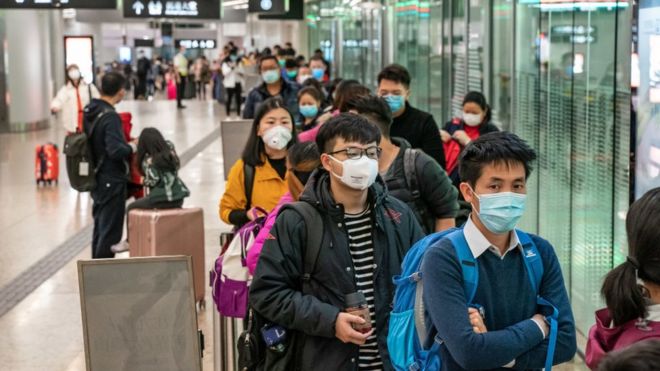
Passengers at a Hong Kong railway stationImage copyrightGETTY IMAGES
Image captionPassengers at a Hong Kong railway station

The world is grappling with the new coronavirus, which has spread from China to at least 16 other countries, including the UK.

Outbreaks of new infectious diseases are typically seen as a “one off”.

But the new virus – thought to have stemmed from wildlife – highlights our risk from animal-borne disease. This is likely to be more of a problem in future as climate change and globalisation alter the way animals and humans interact.

How can animals make people ill?

In the past 50 years, a host of infectious diseases have spread rapidly after making the evolutionary jump from animals to humans.

The HIV/Aids crisis of the 1980s originated from great apes, the 2004-07 avian flu pandemic came from birds, and pigs gave us the swine flu pandemic in 2009. More recently, it was discovered severe acute respiratory syndrome (Sars) came from bats, via civets, while bats also gave us Ebola.

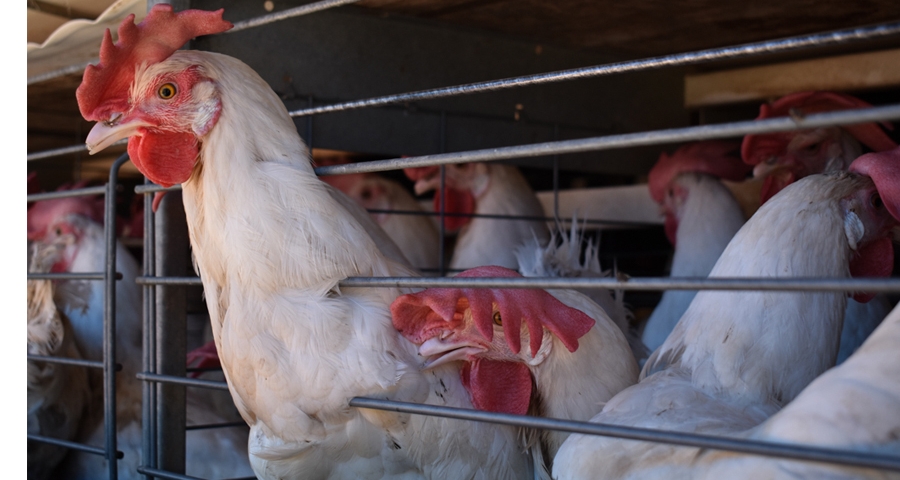
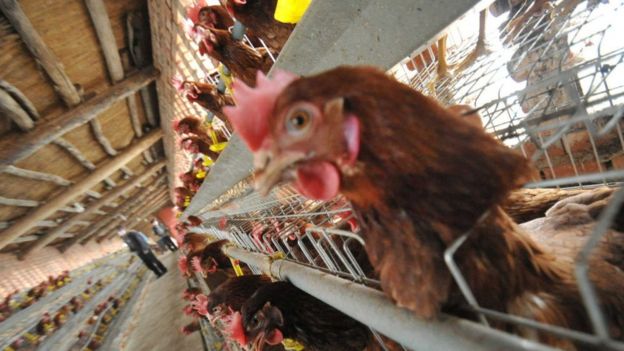
Chickens in cages, ChinaImage copyrightGETTY IMAGES
Image captionChickens in cages, China

Humans have always caught diseases from animals. In fact, most new infectious diseases come from wildlife.

But environmental change is speeding up this process, while increased city living and international travel mean when these diseases emerge, they can spread more quickly.

How can diseases jump species?

Most animals carry a range of pathogens – bacteria and viruses that can cause disease.

The pathogen’s evolutionary survival depends on infecting new hosts – and jumping to other species is one way to do this.

The new host’s immune systems try to kill off pathogens, meaning the two are locked in an eternal evolutionary game of trying to find new ways to vanquish each other.

For example, about 10% of infected people died during the 2003 Sars epidemic, compared with under 0.1% for a “typical” flu epidemic.

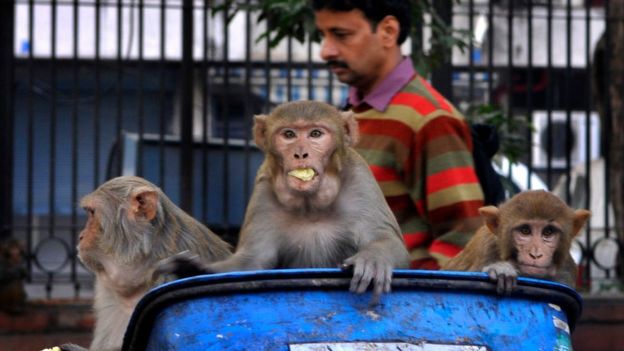
Monkeys in a rubbish binImage copyrightGETTY IMAGES
Image captionCity-dwellers and animals live alongside each other

Environmental and climate change are removing and altering animals’ habitat, changing how they live, where they live and who eats whom.

The way humans live has also changed – 55% of the global population now live in cities, up from 35% 50 years ago.

And these bigger cities provide new homes for wildlife – rats, mice, raccoons, squirrels, foxes, birds, jackals, monkeys – which can live in the green spaces such as parks and gardens, off the waste humans leave behind.

Often, wildlife species are more successful in cities than in the wild because of the plentiful food supply, making urban spaces a melting pot for evolving diseases.

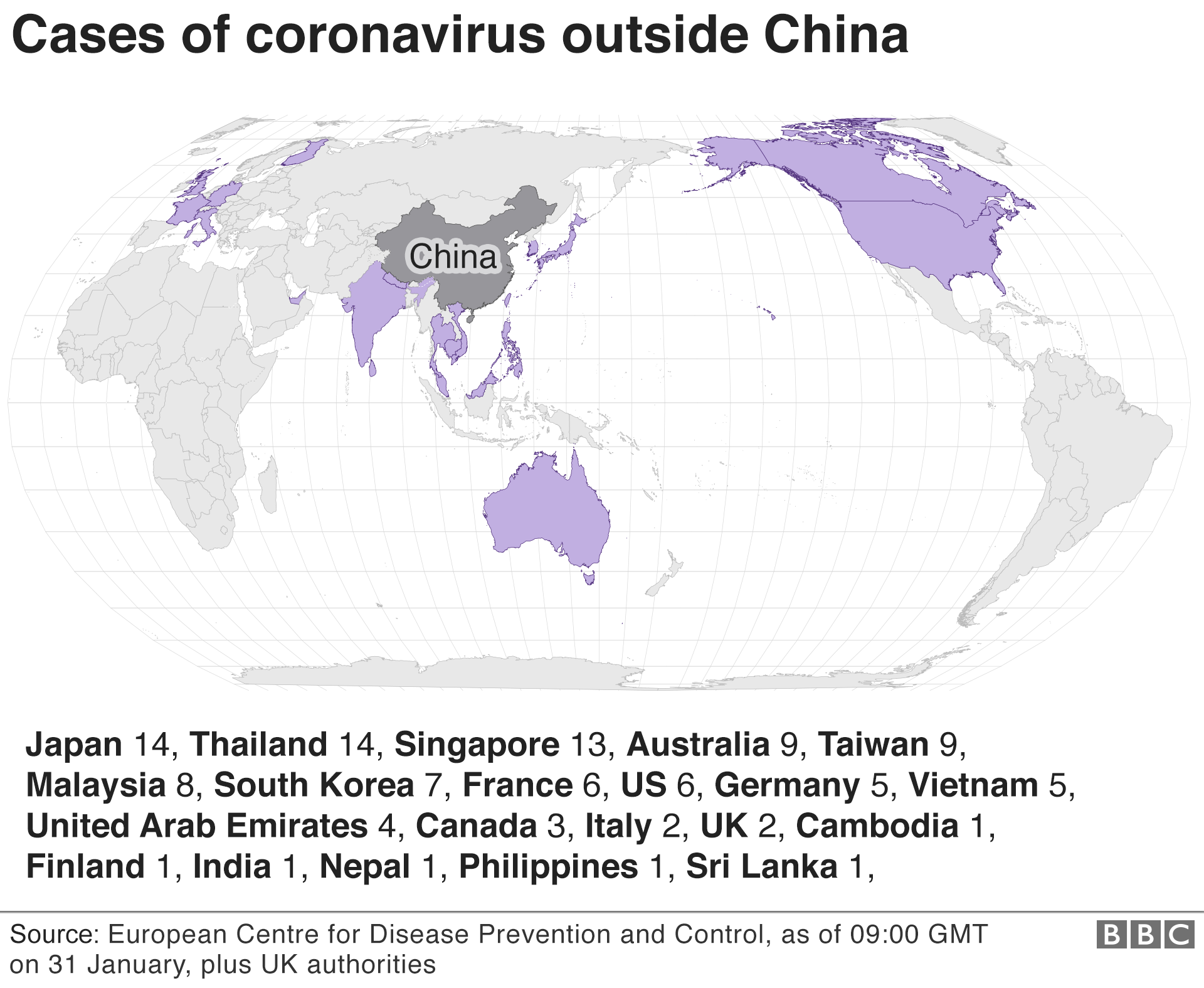
Cases of coronavirus outside China
Presentational white space

Who is most at risk?

New diseases, in a new host, are often more dangerous, which is why any emerging disease is concerning.

Some groups are more vulnerable to catching these diseases than others.

Poorer city-dwellers are more likely to work in cleaning and sanitation, boosting their chances of encountering sources and carriers of disease.

They may also have weaker immune systems because of poor nutrition and exposure to poor air or unsanitary conditions. And if they fall ill, they may not be able to afford medical care.

New infections can also spread rapidly in big cities as people are packed so tightly – breathing the same air and touching the same surfaces.

In some cultures, people also use urban wildlife for food – eating animals caught within the city or bushmeat harvested from the surrounding area.

How do diseases change our behaviour?

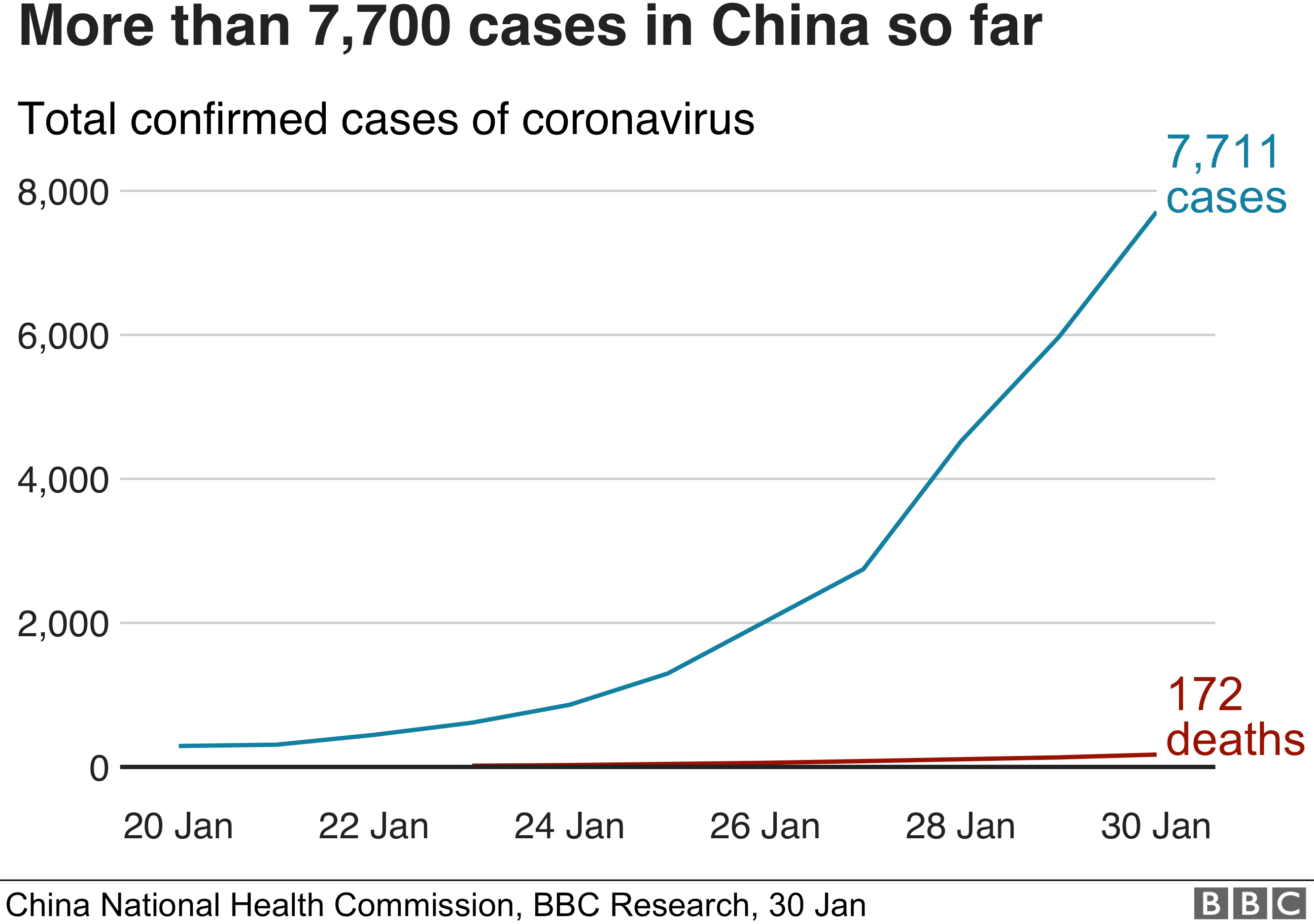
To date, almost 8,000 cases of the new coronavirus have been confirmed, with 170 people thought to have died.

With countries taking steps to stem this outbreak, the potential economic consequences are clear.

Chart showing the rise in the number of confirmed cases of coronavirus

Travel bans are now in place and, even without them, people are scared of interacting in case they catch the virus, changing their behaviour. It becomes harder to cross borders, seasonal migrant workers can’t relocate and supply chains become interrupted.

This is typical of an outbreak of this nature. In 2003, the Sars epidemic cost the global economy an estimated $40bn (£30.5bn) in six months. This was partly because of the cost of treating people but also dips in economic activity and movement of people.

What can we do?

Societies and governments tend to treat each new infectious disease as an independent crisis, rather than recognising they are a symptom of how the world is changing.

The more we change the environment, the more likely we are to disrupt ecosystems and provide opportunities for disease to emerge.

Only about 10% of the world’s pathogens have been documented, so more resources are needed to identify the rest – and which animals are carrying them.

For example, how many rats are there in London and what diseases do they carry?

Many city-dwellers value urban wildlife but we should also recognise some animals carry potential harms.

It makes sense to keep track of which animals are newly arriving in cities and whether people are killing or eating wildlife or bringing it to markets from the surrounding area.

Improving sanitation, waste disposal and pest control are ways to help stop these outbreaks emerging and spreading. More widely, it is about changing the way our environments are managed and the way people interact with them.

Presentational grey line

More like this:

Presentational grey line

Pandemics are part of our future

Acknowledging new diseases are emerging and spreading in this way puts us in a stronger position to fight new pandemics, which are an inevitable part of our future.

A century ago, the Spanish flu pandemic infected about half a billion people and killed 50-100 million people worldwide.

Scientific advancement and huge investments in global health mean such a disease would be better managed in future.

However, the risk remains real and potentially catastrophic – if something similar were to happen again, it would reshape the world.

By the middle of the last century, some in the West claimed infectious diseases were conquerable.

But as urbanisation and inequality grow and climate change further disturbs our ecosystems, we must recognise emerging diseases as a growing risk.


About this piece

This analysis piece was commissioned by BBC News from an expert working for an outside organisation.

Prof Tim Benton is research director of the Emerging Risks team at Chatham House, where he leads the Energy, Environment and Resources programme.

Chatham House, the Royal Institute of International Affairs, describes itself as an independent policy institute helping to build a sustainably secure, prosperous and just world.


Edited by Eleanor Lawrie

Chinese Live Animal ‘Wet’ Markets Blamed For Coronavirus

https://www.plantbasednews.org/opinion/chinese-wet-markets-coronavirus

We’ve been here before – viruses jumping from animals to people – but we don’t seem to have learnt anything
Live animals are normally slaughtered in front of each other at wet markets (Photo: Adobe. Do not use without permission)

Live animals are normally slaughtered in front of each other at wet markets (Photo: Adobe. Do not use without permission)

On New Year’s Eve last year, the World Health Organisation (WHO) was informed of a cluster of cases of pneumonia of unknown cause in Wuhan City in the Hubei Province of China.

In January of this year, the Wuhan novel coronavirus (WN-CoV) was identified as a new respiratory illness, previously unseen in humans.

To try and contain this outbreak, over 20 million people in Wuhan and other cities have been placed on lock-down, with public transport being closed.

What is the situation internationally?

Most people affected are in China, but cases have been reported from other countries: Thailand, USA, Australia, Singapore, Taiwan, Malaysia, South Korea, Japan, France, Vietnam, Nepal, Canada, Cambodia, Sri Lanka, Germany and Bavaria.

The number of total cases confirmed by China rose to 4,515 as of 27 January, up from 2,835 a day earlier. At the time of writing, 106 people have died, but if the virus is able to spread before symptoms show, it seems likely the death toll will rise considerably.

UPDATE: 29 January, the outbreak has killed 132 people in China and infected close to 6,000.

What are coronaviruses?

Coronaviruses are a common type of virus that cause mild illnesses, such as the common cold, but can cause more serious problems like severe acute respiratory syndrome (SARS).

Where did it come from?

The new virus is thought to have originated in a crowded so-called ‘wet market’ in Wuhan, selling marmots, birds, dogs, pigs, badgers, rabbits, bats, snakes, wolf pups, cicadas, scorpions, bamboo rats, squirrels, foxes, salamanders, turtles, crocodiles and civet cats.

Live wild and farmed animals are packed into crowded cages alongside each other – think of it as an all-you-can-eat smorgasbord of infectious diseases.

The outbreak has so-far killed 132 people in China and infected close to 6,000 (Photo: Adobe. Do not use without permission)

The outbreak has so-far killed 132 people in China and infected close to 6,000 (Photo: Adobe. Do not use without permission)

Previous outbreaks

We’ve seen it before with HIV/AIDS, Ebola, Zika, avian influenza (bird flu) and SARS – all originating in animals. Ebola came from monkeys, infected by bats, then eaten by villagers living in the African bush.

The 2003 SARS outbreak, which killed 774 people, was thought to be caused by an animal virus, again maybe from bats, which spread to civet cats and infected humans in the Guangdong province of southern China.

Following this, there was a temporary ban on wild animal markets. However, these markets are trading again.

Repulsive places filled with caged, frightened souls

Juliet Gellatley, founder of Viva! and zoologist said: “Wet markets are called ‘wet’ because animals are often slaughtered in front of customers. They are repulsive places filled with caged, frightened souls – many captured illegally in the wild.

“We reap what we sow. The world must wake up and shun meat and all animal flesh and instead eat vegan. No cruelty. No cages. No fear. No blood. And no zoonoses. No brainer.”

A bat-snake hybrid

The new coronavirus may also have originated in bats, but then transferred to snakes (both sold in the market) before jumping species to humans.

Viruses from different species can combine when animals are kept in close proximity. Wet markets put a wide variety of live animals alongside large numbers of people – a ripe breeding ground for emerging viruses.

Exposure to respiratory droplets, faeces or body fluids from animals, or from carcasses and raw meat, provides plenty of opportunity for new strains of viruses to infect humans. It is a perfect storm – a disaster of our own making.

The H5N1 bird flu virus that kills 60 percent of those it infects, thankfully has a low infection rate – it’s hard to catch. This new coronavirus appears to be spreading relatively easily, but does not have such a high mortality rate. If the next virus to jump from animals to humans has a high mortality rate and is easily spread, we will be in big trouble.

Time to ban wildlife markets

Experts are now calling for the banning of wild animal markets worldwide – the sale of sometimes endangered species for human consumption is the cause of this new coronavirus outbreak and many other past epidemics.

Of course it’s not just meat-eaters that are affected. Dr Jonathan Quick, Adjunct Professor of Global Health at the Duke Global Health Institute, says: “Traditional Chinese wet markets remain a threat to global health.”

There are currently no known cases of the virus in the UK, but it’s probably only a matter of time. Public Health England has issued a guide to hospitals on symptoms and how to handle the virus and the NHS has been put on high alert as the country braces for the outbreak to hit.

Time to go vegan

Back in 2004, following the SARS outbreak, Professor Diana Bell from the University of East Anglia’s School of Biological Sciences warned: “A major lesson from SARS is that the underlying roots of newly emergent zoonotic diseases [from animals] may lie in the parallel biodiversity crisis of massive species loss as a result of overexploitation of wild animal populations and the destruction of their natural habitats by increasing human populations.”

We are decimating wild landscapes, killing wild animals or caging them and sending them to market. Invading and disrupting ecosystems will inevitably shake viruses loose from their natural hosts.

It’s high time we listened to the warnings and put a halt to wildlife markets. It’s time to go vegan.