Yet another elephant injured in trap in Riau

  • Rizal HarahapThe Jakarta Post
Pekanbaru   /   Tue, January 28, 2020   /   02:56 pm

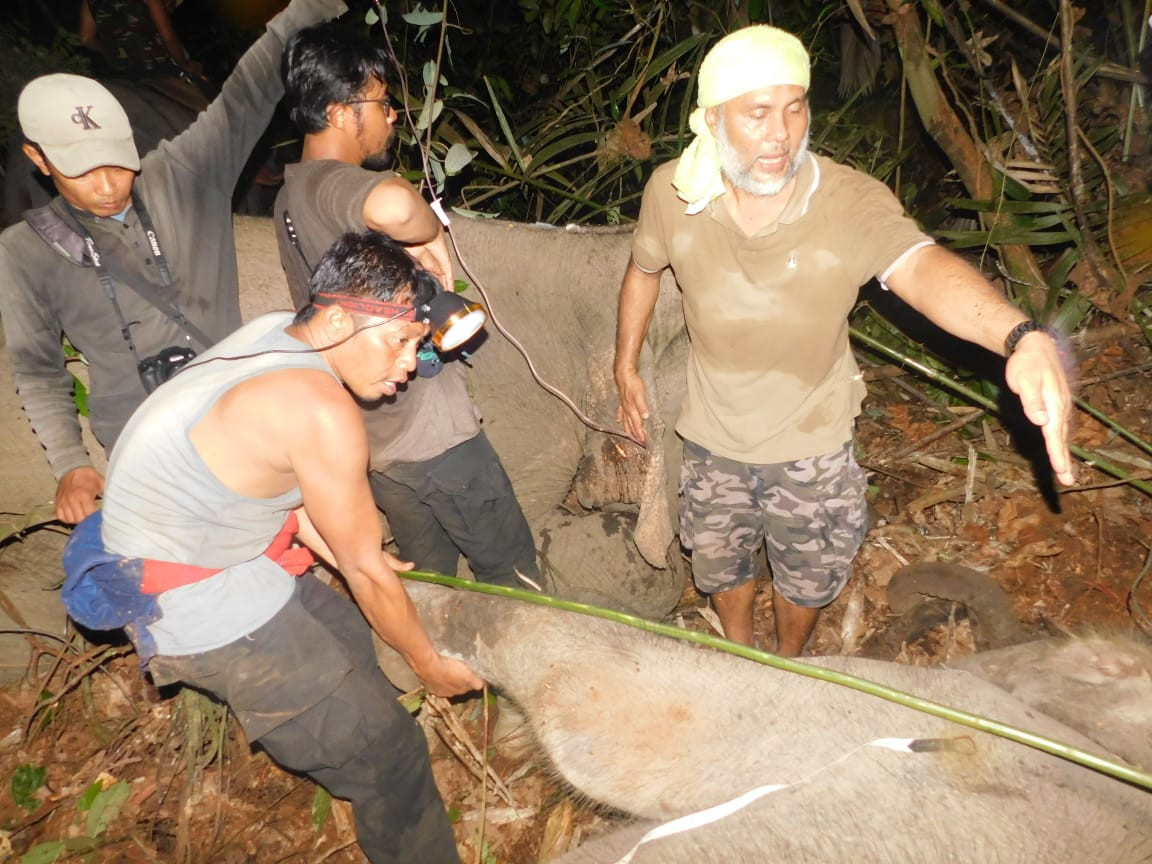
Yet another elephant injured in trap in RiauA team of staff and volunteers from the BBKSDA, the Tesso Nilo National Park Foundation, the Leuser Conservation Forum and other wildlife protection organizations help an injured elephant that fell into a trap in Bengkalis regency, Riau. (BBKSDA Riau/-)

https://www.thejakartapost.com/news/2020/01/28/yet-another-elephant-injured-in-trap-in-riau.html

A 5-year-old male elephant was wounded in Bengkalis regency of Riau after stepping into a trap.

Riau Natural Resources Conservation Agency Center (BKSDA) spokesperson Dian Indriati said the agency had yet to find where exactly the trap had been set up.

“We learned about the incident after an employee of PT Arara Abadi spotted the elephant, as well as 30 other elephants of the same herd, walking around the company’s concession area on Jan. 21,” Dian said.

A joint team comprising of staff and volunteers of the BBKSDA Riau, the Tesso Nilo National Park Foundation, the Leuser Conservation Forum as well as other wildlife protection organizations went to the location where the injured elephant was last seen following the employee’s report.

After tailing and observing the elephant herd for days, they finally found the injured elephant on Sunday.

“We shot him with a tranquilizer dart at 5:45 p.m. after he was separated from his herd,” Dian said.

After the elephant fell unconscious, the team extracted the nylon trap quickly to treat his injured right foot.

“We finished treating his injury at 8:45 p.m,” she said, adding that the team released the elephant at the same location where he had been found.

“His herd members were around when we treated his injury. He rejoined them after he awoke,” Dian added.

According to the conservation agency, hunters and local residents often set up traps to catch wild animals, which many locals consider pests.

In a bid to curb illegal hunting and protect wildlife, BKSDA Riau personnel dismantled 170 traps in November last year set up around conservation areas in the province.

Prior to the operation, at least 11 wild animals — including four elephants, three Sumatran tigers, two bears and two tapirs – were killed or injured by the traps set up at several wildlife reserves, including Giam Siak Kecil, Kerumutan and Zamrud National Park, according to the agency’s data. (dpk)

Bird flu. SARS. China coronavirus. Is history repeating itself?

HONG KONG — Sometimes history seems to unspool in a continuous playback loop. That is the feeling I get from watching Hongkongers donning face masks, dousing hands with sanitizer, and once again bracing for the possibility that a deadly new coronavirus outbreak originating in mainland China will spread here.

Chinese authorities’ delayed response, the secrecy breeding mistrust, the lack of full transparency, and efforts to control the narrative by downplaying the seriousness — it all rings sadly familiar.

Public health emergencies should be handled quickly, transparently, and devoid of political considerations. But public health is inherently political and, with anything involving China, politics can never be fully excised. For Chinese Communist officials, particularly at the provincial level, there is an innate tendency to cover up and conceal, their long-imbued penchant for secrecy always taking precedence over trifling concerns like promoting public awareness and advocating proper precautions.

ADVERTISEMENT

That was certainly the case in late 1997, just after China’s assumed sovereignty over Hong Kong, when the territory was hit by an outbreak of the H5N1 virus known as “bird flu.” Well into the outbreak, with people sick and some dying, Hong Kong officials were reluctant to finger China as the source, even though 80% of the territory’s poultry came from the mainland. Hong Kong ordered the slaughter of more than 1.3 million chickens, ducks, pigeons, and other birds, but officials were still nonsensically hesitant to point to China as the culprit behind the contagion out of fear of contradicting Beijing, which insisted — wrongly — that all its chickens were healthy.

The same obfuscation and denial came from China’s Communist authorities in reaction to the severe acute respiratory syndrome (SARS) epidemic, also caused by a coronavirus, in late 2002 and 2003. Even as the virus spread, Chinese officials continued to undercount cases and delay reporting information to the World Health Organization.

The government did not warn the public for months, allowing people carrying the virus to migrate freely, and did not alert the WHO until February 2003. China finally began concerted action in the summer of 2003 and SARS was quickly brought under control. But the inadequate reporting and delayed response led to a public health trust deficit that persists today.

Like bird flu in 1997 and the SARS epidemic of 2002 to 2003, the newest coronavirus has originated in the mainland, this time in Wuhan, most likely in a market where exotic wild animals are sold. Like before, there are suspicions that in these early stages the number of confirmed cases were undercounted, underreported, or both. Like before, there were delays and denials, with Wuhan officials initially downplaying the virus as mild, treatable, and contained while dismissing the likelihood of human-to-human transmission. Those who disagreed online were questioned by police for spreading “false rumors.”

But 2020 is not 1997, nor even 2003. China’s public health infrastructure and reporting system have become more reliable. Most importantly, internet use and penetration in China today makes it virtually impossible for a cover-up to last for long. Despite censorship of some news about the coronavirus — including blocking foreign media websites — social media platforms have been filled with debate, discussion, and questions from citizens asking what precautions they should take.

State media has also made much of President Xi Jinping’s instruction to local officials to open up about the number of cases and the severity of the epidemic or risk consequences. And WHO investigators and Hong Kong specialists have been allowed to visit Wuhan.

Does this signal that Beijing is opting for a new policy of transparency this time?

“It’s still very mixed,” said my colleague, King-wa Fu, who studies Chinese censorship patterns at the University of Hong Kong. “We see censorship. But we also see a lot of discussion online. We’ll have to wait and see.”

The rapid spiral in the number of identified cases of infection with the coronavirus, and the new draconian measures taken, like effectively quarantining Wuhan at the start of the busy Lunar New Year travel period, breeds suspicion that the real picture may be far worse than officials even now admit.

Even the quarantine smacks of too little, too late. It seems ill-planned, and likely to be largely ineffective. First there is the near impracticality of sealing off a city of 11 million people, larger than the populations of Hong Kong or New York City. The move was taken the day before the New Year’s Eve travel period, when many people would have already started on their journeys. Planes, trains, and buses were halted, but it was unclear what provisions would be made for private cars. Perhaps most inexplicably, the ban was announced to take effect at 10 a.m. on a Thursday, creating an early-morning crush of travelers trying to get out ahead of the quarantine.

Then there’s the matter of whether such a closure of Wuhan could even be effective. Some public health experts I spoke with said there seems to have been no provision made for getting food, fuel, and critical supplies like medicine into the city, or how investigators, decision-makers, or even journalists would enter — and whether they would then be permitted to leave. And while the closure might temporarily tamp down the geographical spread of the coronavirus — apart from those residents who have already left — it could also have the unintended effect of turning Wuhan into an incubator of infection.

Both the Hong Kong and Chinese central governments are facing crises of confidence.

The Hong Kong government was already facing a loss of public confidence after months of protests sparked by Chief Executive Carrie Lam’s botched extradition bill. Some pro-democracy lawmakers and ordinary citizens are accusing the government of dragging its feet on the virus crisis for fear of offending Beijing — for example, not shutting down the West Kowloon rail terminus, and not immediately demanding arriving mainland train passengers fill out health declaration forms.

Bird flu redux.

For the Chinese Communist Party, which just celebrated 70 years in power, its legitimacy derives not from any election but from its performance. China’s leaders base their right to rule on how effectively they have managed what is soon to be the world’s largest economy.

One may have thought China’s leaders had learned from their errors handling SARS. Unfortunately, history teaches us otherwise, and seems to be repeating itself again.

Keith B. Richburg, a former Washington Post correspondent, is director of the University of Hong Kong’s Journalism and Media Studies Centre. This article was originally published in The South China Morning Post’s This Week in Asia.

China’s Unregulated Wild Animal Trade May Lead To More Future Pandemics: Scientists

https://www.republicworld.com/world-news/rest-of-the-world-news/china-animal-trade-may-lead-to-more-viral-infections-scientists.html

Scientists have said that China’s animal trade can bring in more viral outbreaks, international media said, while referring to the illegal wild animal trade

Written By Riya Baibhawi | Mumbai | Updated On: 

China


International media has reported that according to scientists have said that China’s animal trade can bring in more viral outbreaks. Talking about the illegal animal trade, researchers said that the recent outbreak of Coronavirus epidemic indicates that the practice remains widespread and is a growing risk to human health.

Originated in animal meat

According to international media reports, the deadly Coronavirus which has killed 56 people and infected nearly 2,000 people has originated from animals trafficked for food. The final findings are yet to be announced but the Chinese health officials believe that coronavirus originated from wildlife sold illegally at the meat market in Wuhan.

Read: Virus Death Toll In China Rises To 56 With About 2,000 Cases

The central animal market in Wuhan offers everything from rats to wolf puppies and giant salamanders. The scientists have claimed that more than 60 per cent of viruses reach human via animals. Previously, it was discovered that SARS-like Ebola traced its origins from bats while HIV has been traced back to African primates.

Peter Daszak, president of EcoHeakth Alliance, a global NGO focussed on infectious disease prevention said that the new normal is that the pandemics are going to happen more frequently. He added that humans are increasingly somehow engaging in contact with the animal that carry these viruses.

Read: Afghan Official Says Taliban Killed Intel Officer In Helmand

Scientists have warned that even familiar menu items like poultry and cattle whose pathogens humans have adapted over millennia sometime hit hard with diseases like bird flu or mad cow disease. Diana Bell, wildlife disease and conservation biologist said that at least for the sake of these wild species’ future and for human health, humans need to reduce consumption of these wild animals.

As the death toll has risen to 56, China has started taking drastic measures to contain the spread of the disease. Earlier today, China announced a temporary ban on the trade of all wild animals. In a joint directive from three agencies including the Ministry of Agriculture, authorities ordered that raising, transporting, or selling all wild animal species has been banned with immediate effect until the national epidemic situation is over.

CDC is monitoring 110 possible coronavirus cases across 26 states in US

KEY POINTS
  • U.S. health officials are currently monitoring 110 people across 26 states for the coronavirus, including the five patients who contracted the deadly infection in China and brought it back to America.
  • The disease isn’t spreading within the community in the U.S. and the risk to the public right now is still considered low, the CDC says.

VIDEO02:58
CDC: 110 people under investigation for coronavirus, no new confirmed cases

U.S. health officials are currently monitoring 110 people across 26 states for the coronavirus, including the five patients who contracted the deadly infection in China and brought it back to America.

The disease, which has killed at least 81 people in China and sickened more than 2,800 worldwide, isn’t spreading within the community in the U.S. and the risk to the public right now is still considered low, Dr. Nancy Messonnier, director of the National Center for Immunization and Respiratory Diseases, told reporters on a conference call Monday.

“We understand that many people in the United States are worried about this virus and how it will affect Americans,” Messonnier said. “Every day we learn more, every day we assess to see if our guidance or our response can be improved.”

The number of “patients under investigation” in the U.S. has almost doubled from the 63 the Centers for Disease Control and Prevention said were under surveillance on Thursday. The CDC says 32 people have tested negative for the virus.

“While that number is 110, we are certainly prioritizing based on [patients under investigation] that might be at higher risk,” Messonnier said.

The CDC confirmed Sunday a fifth U.S. case of the virus — a patient in Maricopa County, Arizona, who recently traveled to Wuhan, China, the epicenter of the disease’s outbreak and where the majority of cases have been reported.

Messonnier said the CDC has screened roughly 2,400 people flying from Wuhan to five major U.S. airports and is considering expanding its screening. The agency increased its travel warning for all of China, asking people traveling to practice “enhanced precautions.”

“This outbreak is unfolding rapidly and we are rapidly looking at how that impacts our posture at the border. We’re certainly considering broadening of that screening,” she said.

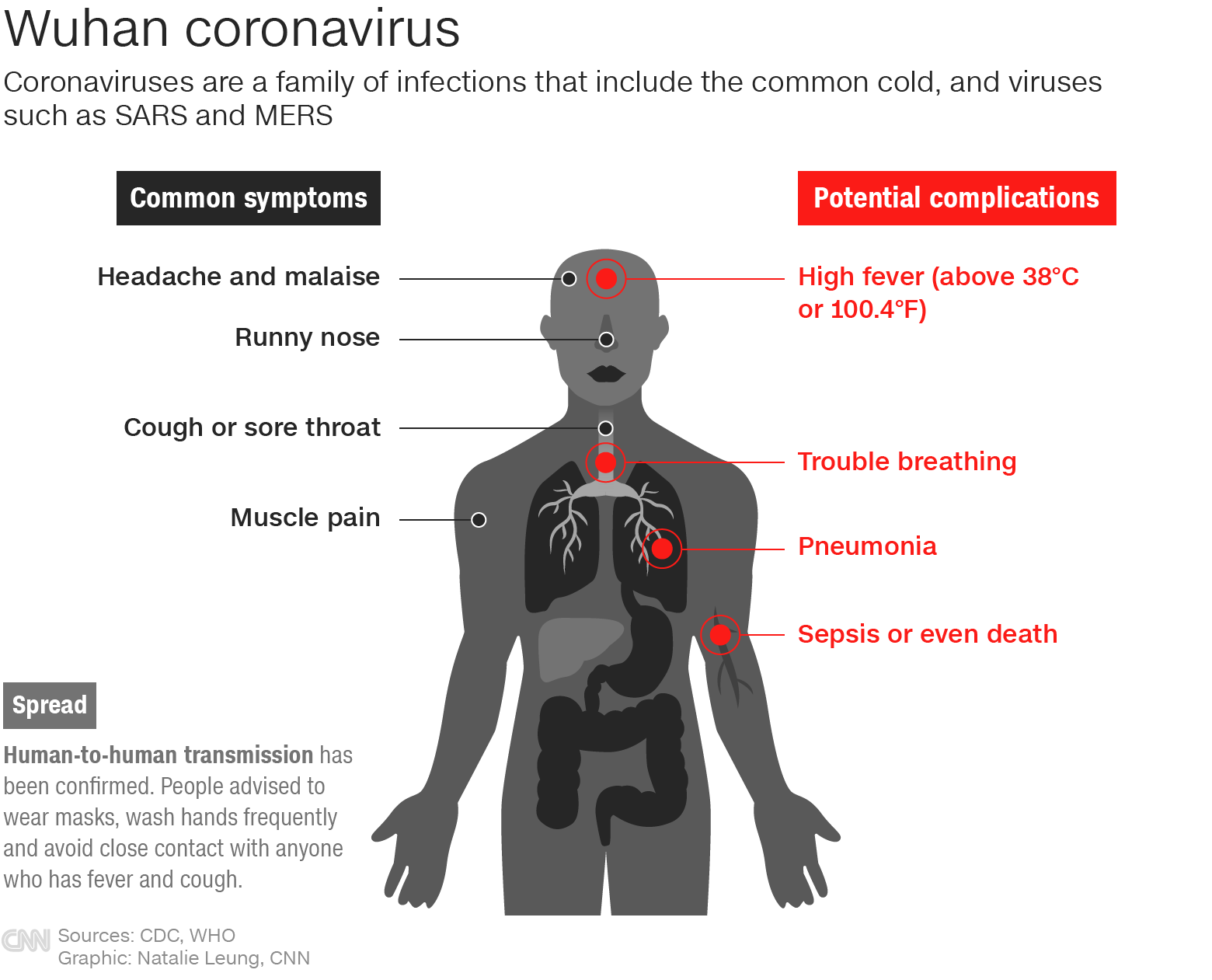
Coronaviruses are a large family of viruses that usually infect animals but can sometimes evolve and spread to humans. Symptoms in humans include fever, coughing and shortness of breath, which can progress to pneumonia. Physicians have compared it to the 2003 outbreak of SARS, which had a short incubation period of two to seven days.

China’s National Health Commission minister, Ma Xiaowei, said on Sunday that the incubation period could range from one to 14 days, and the virus was infectious during incubation, unlike the outbreak of severe acute respiratory syndrome, Reuters reported.

On Monday, the CDC said it hasn’t seen “any evidence of patients being” infected “before onset.”

Messonnier said the incubation period for the new virus is somewhere between two and 14 days. There’s been some debate over how contagious the disease is and she said it may not be known for a while.

“This outbreak is really unrolling in front of our eyes,” she said.

The so-called R naught, a mathematical equation that shows how many people will get an illness from each infected person, is somewhere around 1.5 to 3, she said. Measles, which is one of the most contagious infections in the world, has an R naught of around 12 to 18, by comparison, she said.

The CDC is trying to speed up testing and to get the tests in the hands of state health officials. It currently takes the CDC about four to six hours to make a diagnosis once a sample makes it to its lab.

U.S. health officials have warned that the flu or other respiratory illnesses could complicate identifying more cases. They recommend that people call a health-care provider before seeking treatment so the appropriate measures can be put in place.

In China, some 50 million people are now under travel restrictions. Shanghai Disney is closing until further notice at a time when the theme park would normally be packed with tourists during the Lunar New Year holiday. Starbucks and McDonald’s also closed stores in Hubei province where Wuhan is located.

The WHO’s director-general, Dr. Tedros Adhanom Ghebreyesus, is traveling to Beijing to meet with government and health officials. According to the organization, more data needs to be collected before the virus, which can spread through human-to-human contact, is declared a global health emergency. The WHO declined at two emergency meetings last week to say it was a worldwide emergency.


The outbreaks of both the Wuhan coronavirus and SARS started in Chinese wet markets. Photos show what the markets look like.

china wet marketchina wet market
Customers in a Chinese wet market on January 22, 2016. 
Edward Wong/South China Morning Post/Getty

The coronavirus spreading in China and the SARS outbreak of 2003 have two things in common: Both are from the coronavirus family, and both started in wet markets.

At such markets, outdoor stalls are squeezed together to form narrow lanes, where locals and visitors shop for cuts of meat and ripe produce. A stall selling hundreds of caged chickens may abut a butcher counter, where uncooked meat is chopped as nearby dogs watch hungrily. Vendors hock skinned hares, while seafood stalls display glistening fish and shrimp.

Wet markets put people and live and dead animals — dogs, chickens, pigs, snakes, civets, and more — in constant close contact. That makes it easy for a virus to jump from animal to human.

On Wednesday, authorities in Wuhan, China — where the current outbreak started — banned the trade of live animals at wet markets. The specific market where the outbreak is believed to have begun, the Huanan Seafood Market, was shuttered on January 1. The coronavirus that emerged there has so far killed 26 people and infected more than 900.

“Poorly regulated, live animal markets mixed with illegal wildlife trade offer a unique opportunity for viruses to spillover from wildlife hosts into the human population,” the Wildlife Conservation Society said in a statement.

Coronaviruses are zoonotic diseases, meaning they spread to people from animals. In the case of SARS, and likely this Wuhan coronavirus outbreak as well, bats were the original hosts. The bats then infected other animals, which transmitted the virus to humans.

Here’s what Chinese wet markets look like.

The Huanan Seafood Market in Wuhan closed on January 1 after it was found to be the most likely starting point for the outbreak of this coronavirus, also called 2019-nCov.

wuhan wet market
Huanan Seafood Market in Wuhan, China, on January 12, 2020. 
NOEL CELIS/AFP via Getty Images

A 61-year-old man was the first person to die from the virus. According to Bloomberg, he was a regular shopper at the Huanan wet market, which sold more than seafood.

Reports indicated that before the Huanan market closed, vendors there sold processed meats and live animals, including chickens, donkeys, sheep, pigs, foxes, badgers, bamboo rats, hedgehogs, and snakes.

wet market fish
A wet market in Beijing on July 3, 2007. 
Teh Eng Koon/AFP via Getty

Wet markets like Huanan are common around China. They’re called wet markets because vendors often slaughter animals in front of customers.

“That means there’s a lot of skinning of dead animals in front of shoppers and, as a result, aerosolizing of all sorts of things,” according to Emily Langdon, an infectious disease specialist at University of Chicago Medicine.

On Wednesday, Wuhan authorities banned the trade of live animals at wet markets.

china wet market
A wet market in Guilin, China, on June 19, 2014. 
David Wong/South China Morning Post/Getty

Police in Wuhan began conducting checks to enforce the rule among the city’s 11 million residents, the BBC reported, citing state media reports.

This type of intervention could help stop the spread of zoonotic viruses like the Wuhan coronavirus.

wet market china chicken
A wet market in Beijing on July 3, 2007. 
Teh Eng Koon/AFP/Getty

“Governments must recognize the global public health threats of zoonotic diseases,” Christian Walzer, executive director of the Wildlife Conservation Society’s health program, said in a statement. “It is time to close live animal markets that trade in wildlife, strengthen efforts to combat trafficking of wild animals, and work to change dangerous wildlife consumption behaviours, especially in cities.”

The close proximity of shoppers to stall vendors and live and dead animals in wet markets make them prime breeding grounds for zoonotic diseases.

china wet market
A Chinese wet market. 
Felix Wong/South China Morning Post/Getty

Between 2002 and 2003, SARS killed 774 people across 29 countries. It originated in wet markets in the province of Guangdong.

civet
An Asian palm civet. 
Oleksandr Rupeta/NurPhoto/Getty

But the civets weren’t the original hosts of the disease.


Researchers figured out that SARS originally came from a population of bats in China’s Yunnan province.

horseshoe bat
A greater horseshoe bat, a relative of the Rhinolophis sinicus species from China that was the source of the SARS virus. 
De Agostini/Getty

“Coronaviruses like SARS circulate in bats, and every so often they get introduced into the human population,” Vincent Munster, a virologist at the Rocky Mountain Laboratories, told Business Insider.

Bats can pass along viruses in their poop: If they drop feces onto a piece of fruit that a civet then eats, the civet can become a disease carrier.

Experts haven’t yet confirmed the animal species that enabled the Wuhan coronavirus to spread to people.

pig wet market
A worker with a slaughtered pig at a wet market in Manila, Philippines. 
Romeo Ranoco/Reuters

“There’s an indication that it’s a bat virus, spread in association with wet markets,” Munster said.

But according to a group of scientists who edit the Journal of Medical Virology, the culprit in this case could be the Chinese cobra.

chinese cobra
A Chinese cobra. 
Thomas Brown

Scientists in China have figured out the genetic code of the Wuhan coronavirus. When researchers compared it with other coronaviruses, they found it to be most similar to two bat coronavirus samples from China.

But further analysis showed that the genetic building blocks of the Wuhan coronavirus more closely resembled that of snakes. According to the researchers, the only way to be sure of where the virus came from is to take DNA samples from animals sold at the Huanan market and from wild snakes and bats in the area.

The H7N9 and H5N9 bird flus — also zoonotic viruses — were likely transmitted to humans in wet markets, too.

wet market ducks china
Ducks on top of chickens at a wet market in Shanghai. 
In Pictures Ltd./Corbis/Getty

According to the World Health Organization, people caught those bird flus via direct contact with infected poultry in China. The diseases killed 1,000 people globally.

Bats and birds are considered reservoir species for viruses with pandemic potential, according to Bart Haagmans, a virologist at the Erasmus Medical Center in Rotterdam, Netherlands.

wet market china chicken
A chicken vendor on top of chicken cages at a wet market in Kowloon City, China. 
Dickson Lee/South China Morning Post/Getty

“Because these viruses have not been circulating in humans before, specific immunity to these viruses is absent in humans,” Haagmans told Business Insider.

“There have been plenty of eminent epidemiologists predicting ‘pandemic X’ for a number of years now,” Adrian Hyzler, the chief medical officer at Healix International, told Business Insider.

wet market china chicken
Live chickens in a wet market in Guangzhou, China. 
K. Y. Cheng/South China Morning Post/Getty

These pandemics “are more likely to originate in the Far East because of the close contact with live animals [and] the density of the population,” Hyzler added. His firm offers risk-management solutions for global travelers.

The Wuhan coronavirus outbreak isn’t considered a pandemic, however.

wet market china
A seafood stall in a wet market in Hong Kong. 
Isaac Lawrence/AFP/Getty

Since December 31, more than 900 cases of the Wuhan coronavirus have been reported across 10 countries, including the US. Symptoms include sore throats, headaches, and fevers, as well as pneumonialike breathing difficulties.

Haagmans said one of the challenges in containing this outbreak was that a substantial portion of infected people show only mild symptoms.

These people “may go unnoticed in tracing the virus and fuel the outbreak,” he said. “It seems that this actually may be the case now.”

Aria Bendix contributed reporting to this story.


What it will take to stop the Wuhan coronavirus

Laurie Garrett is a Pulitzer Prize-winning writer and policy analyst, and the author of “The Coming Plague: Newly Emerging Diseases in a World Out of Balance.” The views expressed in this commentary belong to the author. View more opinions at CNN.

(CNN)On this date 17 years ago, I was covering the severe acute respiratory syndrome (SARS) virus for several months as it spread across Asia, eventually reaching 37 countries, sickening 8,098 people and killing 774 of them.

So, as I read the first reports of a cluster of animal-market related illnesses, with the first patient exhibiting symptoms of pneumonia as early as December 12, 2019, I had a chilling sense of déjà vu. By New Year’s Eve, it was obvious something akin to SARS — as it turns out, the Wuhan coronavirus is in the same family of viruses as SARS and MERS (Middle East respiratory syndrome) — was unfolding in China.
The mysterious pneumonia virus that emerged from a live animal market in China’s central city of Wuhan last month has now infected far too many people, over far too vast a geographic area, to be easily controlled.
The Wuhan coronavirus — part of a family of viruses that are common among animals and can cause fever as well as respiratory symptoms when transmitted to humans — has been found in cities all over China, and travelers have since spread the virus to several countries, including Singapore, Japan, Vietnam, Taiwan and South Korea as well as Hong Kong and Macau.
The first American case — involving a man in his 30s who recently traveled to Wuhan — was confirmed outside Seattle on January 21, before the Centers for Disease Control and Prevention announced on Friday a second case in Chicago. As of Friday, at least 41 people have died from the illness.
close dialog
Smart takes from sharp minds
I warned that China appeared to be taking more aggressive steps shutting down social media posts, arresting people accused of spreading “rumors” and capping the flow of information about the outbreak than it was halting the transmission of the virus. For more than a week, the reported number of cases barely changed after local authorities shut down the Huanan Wholesale Seafood Market, the putative source of the virus. And authorities insisted the cause was neither SARS, nor similar viruses like the flu, avian flu, or MERS.
They also repeatedly stated that there was no evidence of human-to-human spread of the disease (which turned out to be false), leading the World Health Organization and outside world to believe that closing the live animal market effectively brought the outbreak to a halt.
As recently as January 18, the Chinese Center for Disease Control and Prevention posted stern warnings against paying heed to “rumors” and insisted there were no cases of the disease in hospitals outside of Wuhan, adding that the outbreak was “preventable and controllable.”
But we now know that was far from true.
Officially, there are more than 1,000 cases of the Wuhan coronavirus. Unofficially, however, the toll is likely to be far higher, and more than 20 Chinese cities have reported cases of the coronavirus.
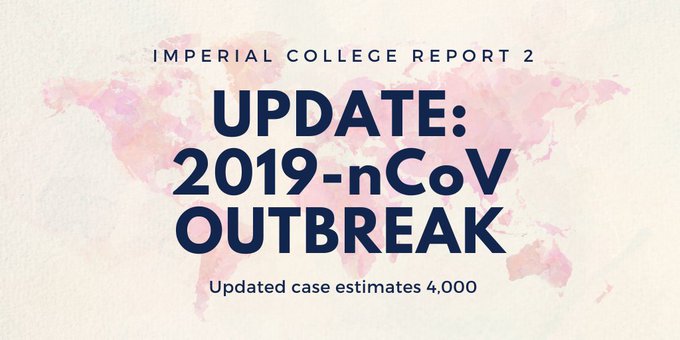
Separate studies from London’s Imperial College and Hong Kong University Medical School estimated that some 1,300 to 1,700 people were infected during the first week of January, when Chinese officials reported just a handful of cases and downplayed the epidemic’s severity. This week, the Imperial College team estimated that there were a total of 4,000 cases (with the possibility of up to 9,700 cases in the worst-case scenario) by January 18, when the official tally was still at 62 cases.
Using a different statistical method, scientists at Northeastern University in Boston reckon that 5,900 were infected by January 23.
Despite the wide disparity in the figures, this new epidemic seems poised to eclipse the scale of the 2003 SARS epidemic, and is already well outside of the reach of simple control measures.
Hong Kong University virologist Guan Yi, who was part of the team that discovered the SARS virus, tells the Washington Post that the epidemic is so out of control now that “a bigger outbreak is certain.” He said that even with a conservative estimate, the outbreak could be 10 times bigger than the SARS epidemic — with a reach of more than 80,000 cases.
Speaking on background, other SARS veterans tell me there may already be “many thousands” of infected individuals in China.
Because authorities initially downplayed the seriousness of the outbreak instead of implementing swift control measures, people have traveled to and from Wuhan — a major transportation hub with a population of 11 million people — and unwittingly carried the virus with them.
Chinese authorities have shut down flights, ferries, highways, and trains leaving Wuhan, as well as public transportation within the city. Twelve other cities in China have issued travel restrictions in an unprecedented move to contain the virus just days before the Lunar New Year on January 25, which usually ushers the largest human migration on earth, with hundreds of millions of people traveling to see relatives.
Following my January 8 claim that the Chinese government was covering up a significant epidemic, pressure mounted from United Nations agencies, Ministries of Health worldwide and the scientific community. Finally, Wuhan provincial communist party chief Jiang Chaoliang, and his counterparts in neighboring districts, came under veiled criticism from President Xi Jinping who ordered Party leaders to “put people’s safety and health as the top priority and take effective measures to curb the spread of the virus.”
On January 20, China’s National Health Commission designated the new disease a Class B infection, although it was treating the virus as a Class A infection — meaning mandatory quarantines and community lockdowns may be used to stop its spread.
And the following day, the Central Political and Legal Affairs Commission posted on social media that, “Anyone who puts the face of politicians before the interests of the people will be the sinner of a millennium to the party and the people.” The commentary also warned that “anyone who deliberately delays and hides the reporting of cases out of his or her own self-interest will be nailed on the pillar of shame for eternity” and stressed that transparency was the best defense against rumors and widespread fear.
Not surprisingly, reported numbers of cases from all over China jumped dramatically after Xi’s speech and subsequent pressure from Beijing. This has confused matters considerably, making it impossible to tell how much of the soaring epidemic toll is due to a surge in actual new infections, versus release of case numbers that local authorities had been covering up.
Worse, despite calls for openness, SARS hero Dr. Zhong Nanshan, who was celebrated for his 2003 efforts, gave a televised interview on January 20 in which he warned that 14 healthcare workers were infected in Wuhan, the risk to medical personnel is acute, and severity of threat will rise if the virus mutates. Zhong, who had initially made several appearances on Chinese television, has not been featured on broadcasts in recent days, with some speculating that the government is now silencing him.
But Zhong’s warning represented sound science. As the leading Chinese virology team wrote, after comparing the genetics and proteins of the new virus and SARS, “the Wuhan nCoV poses a significant public health risk for human transmission,” because it — like SARS — has the ability to bind to a protein found on the surface of most human lung cells. “People also need to be reminded that risk and dynamic of cross-species or human-to-human transmission of coronaviruses are also affected by many other factors,” like the host’s immune response, the speed with which the viruses can multiply inside human lungs, and the potential mutations that might make the virus more virulent or transmissible.

In 2003, a fresh food market continues to trade despite the threat of the SARS virus in Guangzhou, the capital of Guangdong province, China.

Regardless of how transparent Beijing may now become, what I witnessed tracking SARS across Hong Kong and China, and subsequent investigations of sites hit by the disease in Hanoi, Bangkok, Singapore, Toronto and Hong Kong augurs poorly for this new viral epidemic and China’s ability to bring it to a rapid resolution.
While 17 years has brought significant improvements in virology, diagnostics development, international health regulations and the WHO, and we know more today about the nCoV2019 virus (as the Wuhan coronavirus is awkwardly dubbed) than we did one month into the SARS epidemic, there is no magic wand that can wave this highly dispersed, airborne-spread, human-to-human transmitting microbe away.
After the initial coverup, Beijing is now executing the playbook that ultimately stopped SARS. The city of Wuhan is now on lockdown and fever checkpoints are operating in most major transit hubs across the country while Lunar New Year celebrations have been canceled. Instant contagious quarantine 1,000-bed facilities are under construction, with one due to open next week outside Wuhan. One key step — closing all live animal markets nationwide — has not yet been implemented.
I discovered in 2003 that wildlife dealers and animal breeders sell their living creatures all over the country, so that an infected animal in one city’s market may well have a counterpart from the same dealer, on sale in another market hundreds of miles away. It is not yet known what beast was the source of nCoV2019, though one study suggests, based on genetic analysis of the virus, that it came from a snake. The SARS virus was transmitted to restaurant workers who bought and slaughtered live civets — raccoon-like animals in a Guangzhou live animal market, which I investigated before authorities shut it down.
Like the Guangzhou market, Wuhan’s Huanan Wholesale Seafood Market sells a vast range of animals, including civets as well as other exotic wild animals. All live animal markets throughout China and neighboring Asian countries should be shut down immediately, and not reopen until the source of the nCoV2019 epidemic is identified. Until then, it should be assumed that any live animals sold in markets from Hanoi, Vietnam, to Ulan Bator, Mongolia, might be dangerous to hold, slaughter or consume.
To stop the SARS epidemic in 2003, governments, hospitals and public health authorities resorted to measures that mirrored infection control in the early 20th century, focusing on taking temperatures to find individuals with fevers, and then placing those people — regardless of the causes of their febrile states — in mandatory quarantine. Eventually, with the feverish souls separated from the rest of humanity, the virus stopped spreading. By June 2003 the Chinese government was able to declare victory over SARS, eight months after the virus first emerged.

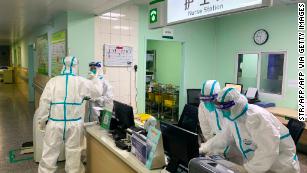
This photo taken on January 22, 2020 shows medical staff members wearing protective suits at the Zhongnan hospital in Wuhan in China's central Hubei province.

Here is what it will take, then, to stop the Wuhan virus.
First, the flow of people who are infected has to stop and transportation across the entirety of China must be monitored or restricted. The Wuhan animal market from which nCoV2019 arose is located less than 0.5 miles from one of the city’s train stations, where several high-speed rails stop. It must be assumed that people, and their live animals, walked that short distance earlier this month to take the trains — possibly carrying the virus with them to cities across China.
A post from Wuhan Railway that has since been deleted said 300,000 people traveled out of Wuhan by train on Wednesday. It is imperative that the tough lockdown measures unfolding this week presage nationwide travel restrictions.
During the SARS epidemic, a brave military physician leaked medical documents to Time magazine, providing proof that SARS patients were secretly being treated in People’s Liberation Army facilities in Beijing. Once word was out, I watched as tens of thousands of Beijing residents climbed onto trains, fleeing the city — and taking SARS to every corner of the country.
After the exodus from Beijing in 2003, authorities erected fever check stations in every air, bus and train terminal in China, and placed policed health stations along the nation’s highways. Fever-check stations were so abundant that I was typically tested 10 to 12 times a day in Beijing, and every 10 to 20 miles while driving on major highways.
The Chinese government has started erecting a network of fever stations in transit hubs, and I expect this will ramp up considerably over the coming week. Social media posts already show several photos and videos of officials erecting roadblocks, barricades, and traffic diversions to police-manned fever stations and similar measures reminiscent of what I witnessed in 2003.
Currently, family members of known nCoV2019 patients are tested for infection and placed under surveillance. Chinese authorities are already tracking hundreds of close contacts of known patients, and this will escalate radically over coming days. Apartment complexes and hotels that are known to have housed a nCoV2019-infected person will also be scoured.

Medical staff wearing protective gear go about their duties in the Alice Ho Miu Ling Nethersole Hospital in Tai Po where seven hospital workers have gone down with flu-like symptoms on August 27, 2003.

There must also be a safe place to quarantine people who are running temperatures. In 2003 I watched in frank astonishment as teams of Chinese workers erected entire hospitals — complete with air filters, special sewage systems and electricity — in just days, province-by-province. A similar effort is now underway in Wuhan.
By far the most important measures to stop the Wuhan coronavirus will be those related to hospitals and how well medical teams can contain the virus. Both MERS and SARS spread like wildfire through unprepared medical facilities, regardless of the comparative wealth and sophistication of the hospitals. Most of the SARS cases in Hong Kong went to two hospitals: one had just a single healthcare worker infected, while the other suffered terrible losses in both health workers and patients who were being treated for other medical ailments.
The key difference? The teams in the better hospital had years of infection control training, which taught staff to work in teams and make sure that any contaminated protective gear was safely removed without contact with the skin, face, eyes or hands.
Over the last few days, many Chinese social media users have posted dramatic videos and photos of over-crowded hospital emergency room facilities, in which frantic patients and family members are crammed together and healthcare workers are hard-pressed to control the influx, as the infectious spread of the virus is surely occurring. In the SARS epidemic, hospitals eventually realized the need to set up fever check stations outside the facilities, screening would-be patients, and ushering febrile individuals into an entry separate from other hospital admissions.
In Toronto and Singapore, which have remarkably good healthcare systems and state-of-the-art facilities, hospital workers struggled mightily to stop spread of SARS, and healthcare workers who were infected died. In some of my discussions with physicians and nurses that went through the SARS nightmares, I have learned that the wealthier facilities were, perhaps, at greater risk because they had more equipment and procedures to apply to patients, including intubation and lavage, which was used to remove fluids from the lungs that built up in response to infection.
Get our free weekly newsletter

Sign up for CNN Opinion’s new newsletter.

Join us on Twitter and Facebook

When SARS hit Hanoi, patients were originally taken to the prestigious French Hospital, where modern interventions were used, but the virus readily spread, taking the lives of doctors and nurses. When patients were moved to the far less sophisticated Bach Mai Hospital, which lacked some of the more advanced equipment, windows were open due to a lack of air conditioning.
According to some of the doctors, this slowed the spread of the virus by preventing it from adhering to surfaces and people in the hospital.
China is likely to take a serious economic hit as a result of the nCoV2019 virus. The SARS epidemic cost the global economy $54 billion, according to a World Bank estimate, and the Wuhan coronavirus is likely to affect Chinese tourism and trade. Seventeen years after SARS, China — now the second largest economy in the world — is likely to experience a higher scale of costs and burdens to execute nationwide containment strategy. But Beijing has no choice. The virus is already everywhere.

China-19 Academics and Scholars call for eradication of illegal consumption and trading of wild animals

Original article in Chinese

https://mp.weixin.qq.com/s/T81AxgAkHIvRwdslPQ574g

Nineteen academicians and scholars jointly called for the eradication of illegal consumption and trading of wild animals and the control of a major public health crisis Original Shanshui Nature Conservation Center fighting with you Yesterday

There were 639 confirmed diagnoses nationwide, 422 suspected and 17 deaths. We don’t know how much these numbers will turn into when we wake up, but apart from anxiety and fear, how much we want to do something.

Following the initiative 1.0 proposed by Professor Lu Zhi the day before yesterday (→ Lu Zhi | Raising the wildlife trade to public safety for management), Professor Lu Zhi took the lead in one day to complete and improve, and recruited nineteen national universities, Academicians and scholars of scientific research institutes jointly sign the initiative.
Again, we look forward to your support as you read this initiative. In addition, the “Specific Suggestions on Managing Wildlife Utilization from the Source” drafted by Professor Lu Zhi has also been completed.
You can read the QR code at the end of the article or check out the two articles of Shanshui Company today.

Here is the full text of the initiative

👇

The epidemic of the new coronavirus pneumonia that originated in Wuhan is a new round of public health crisis after SARS in 2003. Preliminary information from national disease control agencies and professional researchers have shown that the source of the new coronavirus this time points to the wildlife trade market just like SARS.

In fact, scientific research shows that new infectious diseases such as Hendra, Nipah virus, H7N9 avian influenza, Ebola, Middle East respiratory syndrome and so on, which have appeared in recent years all over the world, are related to animals. Statistics show that more than 70% of new infectious diseases originate from animals. These viruses originally exist in nature, and wildlife hosts do not necessarily cause disease and death. However, because humans eat wild animals or erode wildlife habitats, the contact surface between these viruses and humans has greatly increased, giving viruses from wild animals to humans.
Transmission creates conditions that endanger public health. Coupled with the convenience of transportation and the movement of population, the probability of an epidemic outbreak has greatly increased.

It can be seen that controlling or even eliminating wild animal food and related trade is not only necessary for ecological protection, but also of great significance for public health risk control. In view of this, we call on wildlife supervisors and law enforcement departments, as well as market supervision departments, to play a greater role in a timely manner, manage the illegal wildlife trade from the source, and completely eliminate illegal wildlife consumption.

Our recommendations are as follows:

1. As soon as possible across the country, the local wildlife authorities, market supervision departments and disease quarantine departments shall jointly enforce law, strictly inspect the status of wild animals and their products currently traded on the market, and ban and severely crack down on illegal wildlife markets and trade. As well as the illegal operation of restaurants and public release of relevant information, creating public and social pressure.

2. In the long run, it is necessary to consider and manage the risks posed by wildlife trade and consumption as public safety issues. The People’s Congress and the competent government departments should establish more comprehensive regulations and management mechanisms.
Consumers are educated on health, safety and ecological protection.
details as follows:

a) Establish a long-term mechanism for reviewing and supervising the operation of wild animal domestication, breeding, and production and operation license units by the competent wildlife department. Any illegal acts shall be banned, especially those named domestication and reproduction, which are illegal acquisitions and hunting. Anyone who catches wild animals for trade must be punished severely. This incident should be used as an opportunity to rectify the chaos in the wildlife domestication, breeding, production and operation industries, comprehensively clean up irregular and illegal production and operation activities, and strictly prohibit the use of the state’s key protection of wild animals and rare and endangered animals. The contents of the legal business license approved by the competent authority shall be made public and subject to public supervision at any time.

b) The National People’s Congress urgently revised the “Chinese Wildlife Protection Law” to include public health and safety content into the provisions on the use of wild animals. According to China’s “Wildlife Protection Law” and “Regulations on the Implementation of Terrestrial Wildlife Protection”, there are no direct regulations on the prohibition and restriction of eating wild animals. At present, there are loopholes in the procedures and management of the approval and approval of domestication and breeding of wild animals by the forestry department.
Often there are cases of protection, domestication or breeding, which are illegal purchases, sales and consumption of wild animals, and lay the ground for the trade and consumption of wild animals. Hidden danger.
The relevant legislation should be revised and improved as soon as possible, and the consumption of wild animals should be banned, the law enforcement department and its duties of market supervision related to wildlife management should be clarified, and the punishment for illegal use of wild animals should be increased, and illegal consumption should also be included in the scope of management and punishment.

c) Advocate to change the narrow concept of “Wildlife Protection Is For Utilization” in the whole society, strengthen publicity efforts to protect wild animals and their habitats, explain the relationship between human survival and ecosystem service functions, and protect nature protection The association with public safety risks and everyone makes the bad habits of wild animals that have become a luxury rather than a necessity gradually fade out of people’s living habits, makes wildlife protection deeply rooted in the hearts of the people, becomes the mainstream of society, and implements the concept of ecological civilization to everyone In action.

d) Value 2020 When the 15th Conference of the Parties to Biodiversity is convened in Kunming, the media should emphasize the protection of native wildlife populations and habitats, and the government strongly supports research in the wild.

We solemnly call for an end to the illegal trade and consumption of wild animals and control of major public health risks from the source. It is hoped that the competent government departments, academics and the general public will work together to transform the crisis into actions to protect ecology and public safety in a timely and effective manner!

Snohomish County man with Wuhan coronavirus is being treated largely by a robot

Data pix.

43 people being monitored for possible exposure to coronavirus

v

EVERETT — The first person diagnosed with the Wuhan coronavirus in the United States is being treated by a few medical workers and a robot.

The robot, equipped with a stethoscope, is helping doctors take the man’s vitals and communicate with him through a large screen, said Dr. George Diaz, chief of the infectious disease division at the Providence Regional Medical Center in Everett.

Image of the robot caring for a Snohomish County man with coronavirus (CNN photo)


The man, who is in his 30s, was diagnosed with the virus on Monday. He initially went to an urgent care clinic on January 19 and told the staff that he was concerned about possibly having symptoms of the novel coronavirus because he recently traveled to Wuhan, China, Diaz said.

He arrived at Seattle-Tacoma International Airport on January 15, before any health screenings began at US airports, the US Centers for Disease Control and Prevention has said.

The Snohomish County resident was in stable condition Thursday and remains in isolation, Diaz said.

Washington state health officials confirmed Thursday that they have reached out to 43 people considered “close contacts” of the 30-year-old man, who identified the people he had interacted with since returning from Wuhan, China. Those contacts will be called daily and actively monitored for signs of any illness.

He arrived at the hospital in a special isolated gurney called an ISOPOD and has been treated in a two-bed isolated area away from busy sections of the hospital, the doctor said.

The gurney that brought in the Snohomish County man who has Wuhan coronavirus (CNN photo)

“The nursing staff in the room move the robot around so we can see the patient in the screen, talk to him,” Diaz said, adding the use of the robot minimizes exposure of medical staff to the infected man.

It’s unclear when the patient will be released because the CDC, which is set to provide the discharge details, has recommended additional testing.

“They’re looking for ongoing presence of the virus,” Diaz told CNN on Thursday. “They’re looking to see when the patient is no longer contagious.”

About two weeks ago, the hospital tested its protocol for treating patients with highly contagious diseases such as MERS and Ebola. The hospital made changes after the Ebola outbreak.

“That’s why we set up protocols that will allow us to treat patients with infectious diseases in a way that we can isolate them without spreading the virus to anyone,” Diaz told CNN en Español.

Washington state health officials confirmed Thursday they have been reaching out to 43 people considered to be “close contacts” of the patient.

The department defined “close contacts” as anyone who interacted with the patient and came within 3 to 6 feet of the infected person, for a prolonged period of time while infectious or had direct contact with his secretions.

The virus has killed at least 25 people in China, seven of whom did not have preexisting conditions before they contracted the illness, and sickened more than 800, as far afield as the US.

The true extent of the Wuhan coronavirus is unclear, however, and official figures may be an underestimation as mild symptoms and delayed onset mean cases are likely to have been undetected, a team of scientists have said.

The World Health Organization’s (WHO) emergency committee has said it’s too early to declare the outbreak an international public health emergency.

Coronavirus: How worried should we be? Which animal?

  • 22 January 2020


Which animal?

Once the animal reservoir (where the virus normally camps out) is detected, then the problem becomes much easier to deal with.

The coronavirus cases have been linked to the South China Seafood Wholesale Market, in Wuhan.

But while some sea-going mammals can carry coronaviruses (such as the Beluga whale), the market also has live wild animals, including chickens, bats, rabbits, snakes,  [ALL BEING HELD CAPTIVE!], which are more likely to be the source.

WuhanImage copyrightGETTY IMAGES
Image captionThe outbreak occurred in the city of Wuhan, south of Beijing

A virus – previously unknown to science – is causing severe lung disease in China and has also been detected in other countries.

At least 17 people are known to have died from the virus, which appeared in the Chinese city of Wuhan in December.

There are already hundreds of confirmed cases, and experts expect the number will keep rising.

A new virus arriving on the scene, leaving patients with pneumonia, is always a worry and health officials around the world are on high alert.

But is this a brief here-today-gone-tomorrow outbreak or the first sign of something far more dangerous?

What is this virus?

Officials in China have confirmed the cases are caused by a coronavirus.

These are a broad family of viruses, but only six (the new one would make it seven) are known to infect people.

Severe acute respiratory syndrome (Sars), which is caused by a coronavirus, killed 774 of the 8,098 people infected in an outbreak that started in China in 2002.

“There is a strong memory of Sars, that’s where a lot of fear comes from, but we’re a lot more prepared to deal with those types of diseases,” says Dr Josie Golding, from the Wellcome Trust.

How severe are the symptoms?

It seems to start with a fever, followed by a dry cough and then, after a week, leads to shortness of breath and some patients needing hospital treatment.

But most of our knowledge is based on the severe cases that end up in hospital. It is unknown how many mild or even symptomless cases are out there.

The coronavirus family itself can cause symptoms ranging from a mild cold all the way through to death.

“When we see a new coronavirus, we want to know how severe are the symptoms. This is more than cold-like symptoms and that is a concern but it is not as severe as Sars,” says Prof Mark Woolhouse, from the University of Edinburgh.

The World Health Organization (WHO) is considering declaring an international public health emergency – as it did with swine flu and Ebola.

How deadly is it?

Seventeen people are known to have died from the virus – just over 3% of the known cases.

But the infection seems to take a while to kill, so more of those patients may yet die.

And it is unclear how many unreported cases there are.

Where has it come from?

New viruses are detected all the time.

They jump from one species, where they went unnoticed, into humans.

“If we think about outbreaks in the past, if it is a new coronavirus, it will have come from an animal reservoir,” says Prof Jonathan Ball, a virologist at the University of Nottingham.

Sars started off in bats and then infected the civet cat, which in turn passed it on to humans.

And Middle East respiratory syndrome (Mers), which has killed 858 out of the 2,494 recorded cases since it emerged in 2012, regularly makes the jump from the dromedary camel.

Which animal?

Once the animal reservoir (where the virus normally camps out) is detected, then the problem becomes much easier to deal with.

The coronavirus cases have been linked to the South China Seafood Wholesale Market, in Wuhan.

But while some sea-going mammals can carry coronaviruses (such as the Beluga whale), the market also has live wild animals, including chickens, bats, rabbits, snakes, which are more likely to be the source.

Why China?

Prof Woolhouse says it is because of the size and density of the population and close contact with animals harbouring viruses.

“No-one is surprised the next outbreak is in China or that part of the world,” he says.

How easily does it spread between people?

At the beginning of the outbreak, the Chinese authorities said the virus was not spreading between people – but now, such cases have been identified.

“It is crystal clear there is human-to-human transmission,” says Prof Peter Horby, from the University of Oxford.

“The critical question is how transmissible is it. Is this going to be sustainable?”

Sars spread between people but Mers finds it quite difficult and requires close contact.

The new virus infects the lungs, so coughs and sneezes are a likely route of transmission.

It will also be important to find out whether some people are more vulnerable to infection or likely to transmit the virus.

When the virus is infectious is also unknown.

Is it before symptoms appear, which is when flu spreads, or when they are most severe?

How fast is it spreading?

It might appear as though cases have soared, from 40 to more than 500 in less than a week. But this is misleading.

Most of the “new” cases were already out there but have only just been detected as China steps up its surveillance.

There is actually very little information on the “growth rate” of the outbreak.

But experts say the number of people becoming sick is likely to be far higher than the reported figures.

A report by the MRC Centre for Global Infectious Disease Analysis at Imperial College London said: “It is likely that the Wuhan outbreak of a novel coronavirus has caused substantially more cases of moderate or severe respiratory illness than currently reported.”

While the outbreak is centred on Wuhan, there have been cases reported in Thailand, Japan, South Korea and the US.

All but one of those cases had travelled from Wuhan – but one, in Thailand, was due to local spread there.

There are concerns that the virus could be spread by the hundreds of millions of people travelling for Chinese New Year later this month.

Could the virus mutate?

Yes, you would expect viruses to mutate and evolve all the time. But what this means is harder to tell.

The novel coronavirus has jumped from one species to another. It could mutate to become easier to spread from one person to another or to have more severe symptoms.

This is something scientists will be watching closely.

How can the virus be stopped?

There is no vaccine, so the only way of stopping the virus spreading is to diagnose people early and treat them in isolation.

Tracing and monitoring people who have come into contact with patients can help prevent further spread.

Further measures could include travel restrictions and banning mass gatherings.

How have Chinese authorities responded?

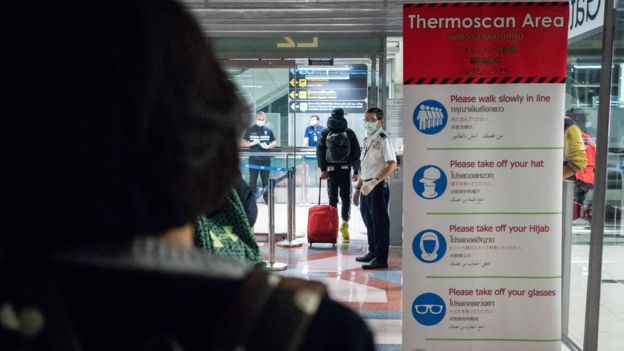
Public health checksImage copyrightGETTY IMAGES
Image captionTemperature screening can help identify people who have been infected

China’s National Health Commission said travellers should avoid Wuhan and residents should not leave the city.

Infected people have been treated in isolation to minimise the risk of the bug spreading.

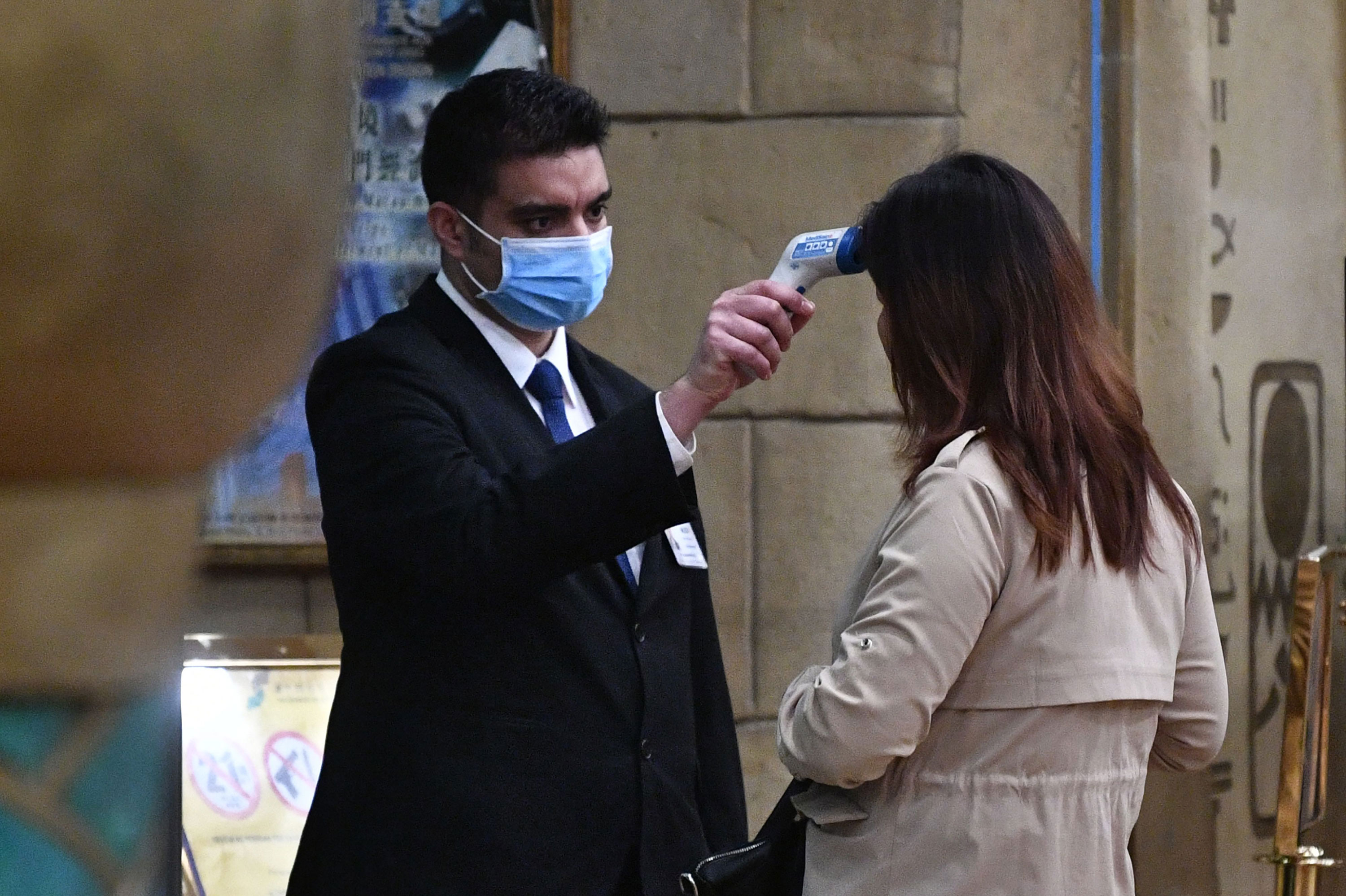
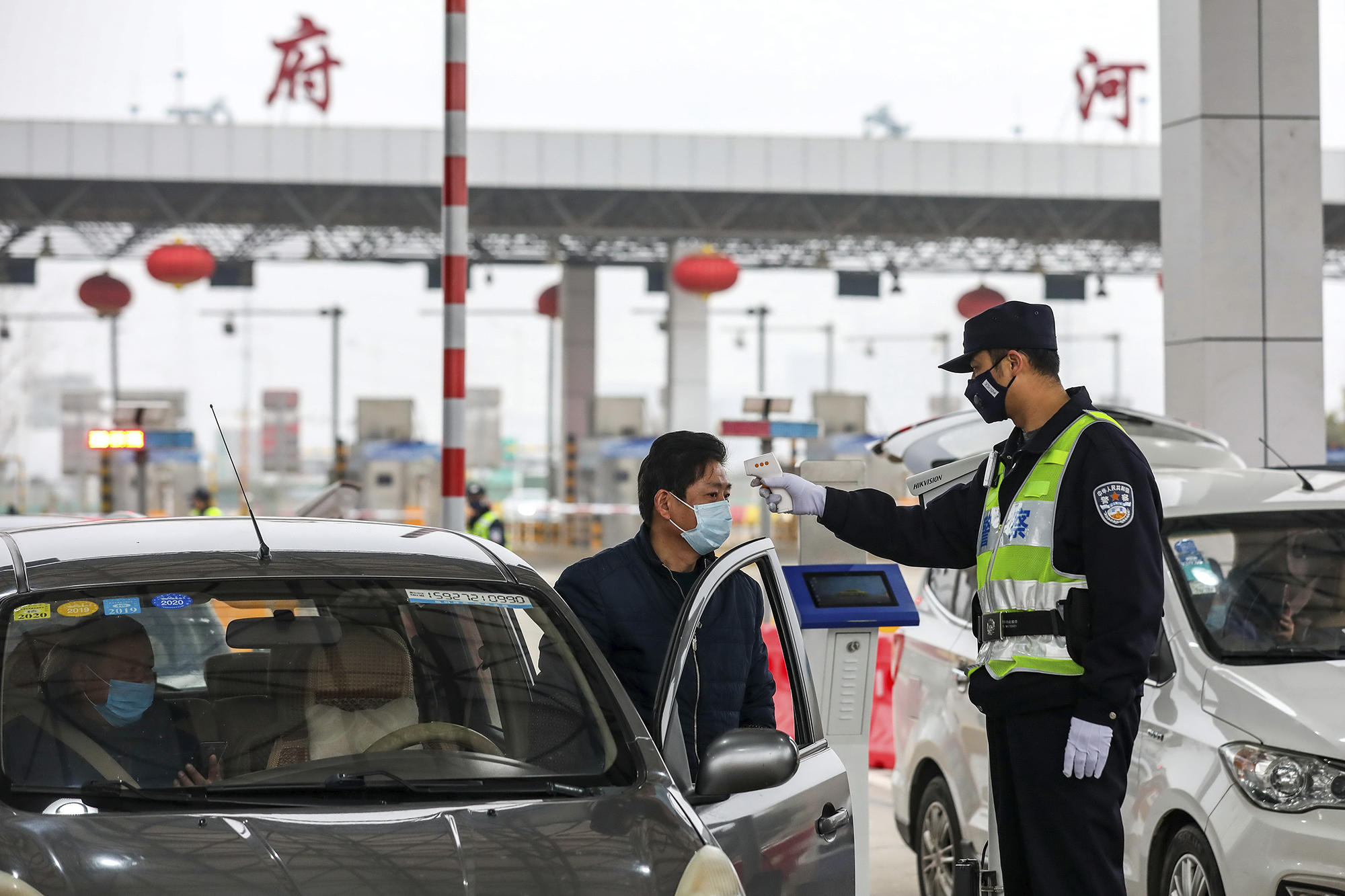
Extra checks such as temperature scans have been put in place to screen travellers.

And the seafood market was closed for cleaning and disinfection.

How is the world responding?

Most Asian countries have stepped up screenings of travellers from Wuhan and the WHO has warned hospitals worldwide a wider outbreak is possible.

Singapore and Hong Kong have been screening air passengers from Wuhan and authorities in the US and the UK have announced similar measures.

However, questions remain about the effectiveness of such measures.

If it takes five days for symptoms to appear, then someone could easily be halfway round the world and have passed through any screening checks before starting to feel ill.

How worried are the experts?

Dr Golding says: “At the moment, until we have more information, it’s really hard to know how worried we should be.

“Until we have confirmation of the source, that’s always going to make us uneasy.”

Prof Ball says: “We should be worried about any virus that explores humans for the first time, because it’s overcome the first major barrier.

“Once inside a [human] cell and replicating, it can start to generate mutations that could allow it to spread more efficiently and become more dangerous.

“You don’t want to give the virus the opportunity.”

Wuhan under lockdown as coronavirus outbreak kills 17 in China

6 hr 37 min ago

Coronavirus spreads more easily from person to person than previously thought, says WHO official

Anthony Wallace/AFP/Getty Images

The Wuhan coronavirus that has killed at least 17 people and infected more than 600 spreads more easily from person to person than previously thought, according to a World Health Organization (WHO) official.

“We are now seeing second and third generation spread,” said Dr. David Heymann, the chairperson of a WHO committee that is gathering data on the virus.

Third generation means that someone who became infected after handling animals at the market in Wuhan, China, spreads the virus to someone else, who then spreads it to a third person.

The virus initially appeared to spread only by very close contact that would typically occur within a family, such as hugging, kissing, or sharing eating utensils, Heymann said.

Now, he says evidence is accruing that shows more distant contact could spread the virus, such as if a sick person were to sneeze or cough near someone else’s face.

He said there is no evidence at this point that the virus is airborne and could be spread across a room, as happens with the flu or measles.

6 hr 41 min ago

How coronavirus affects your body

3 hr 32 min ago

Travel restrictions placed on third Chinese city

Travel restrictions have been put in place in Ezhou, the third Chinese city to be affected by measures aimed at controlling the spread of coronavirus.

Ezhou’s railway station has been closed “in order to fully conduct prevention and control of the new type of pneumonia causing coronavirus, effectively cut off the transmission of the virus, resolutely curb the spread of the epidemic, and ensure the safety and health of the people,” according to a Thursday statement from the Ezhou City Coronavirus Disease Prevention Control Headquarters.

Earlier in the day public transport and long distance transport networks were suspended in nearby Huanggang, according to its municipal government.

Huanggang’s central market is temporarily closed, as well as all entertainment venues, public halls, movie theaters and tourism centers.

Cars coming in and out of the city will be checked and searched, and people will have their temperatures taken.

7 hr 2 min ago

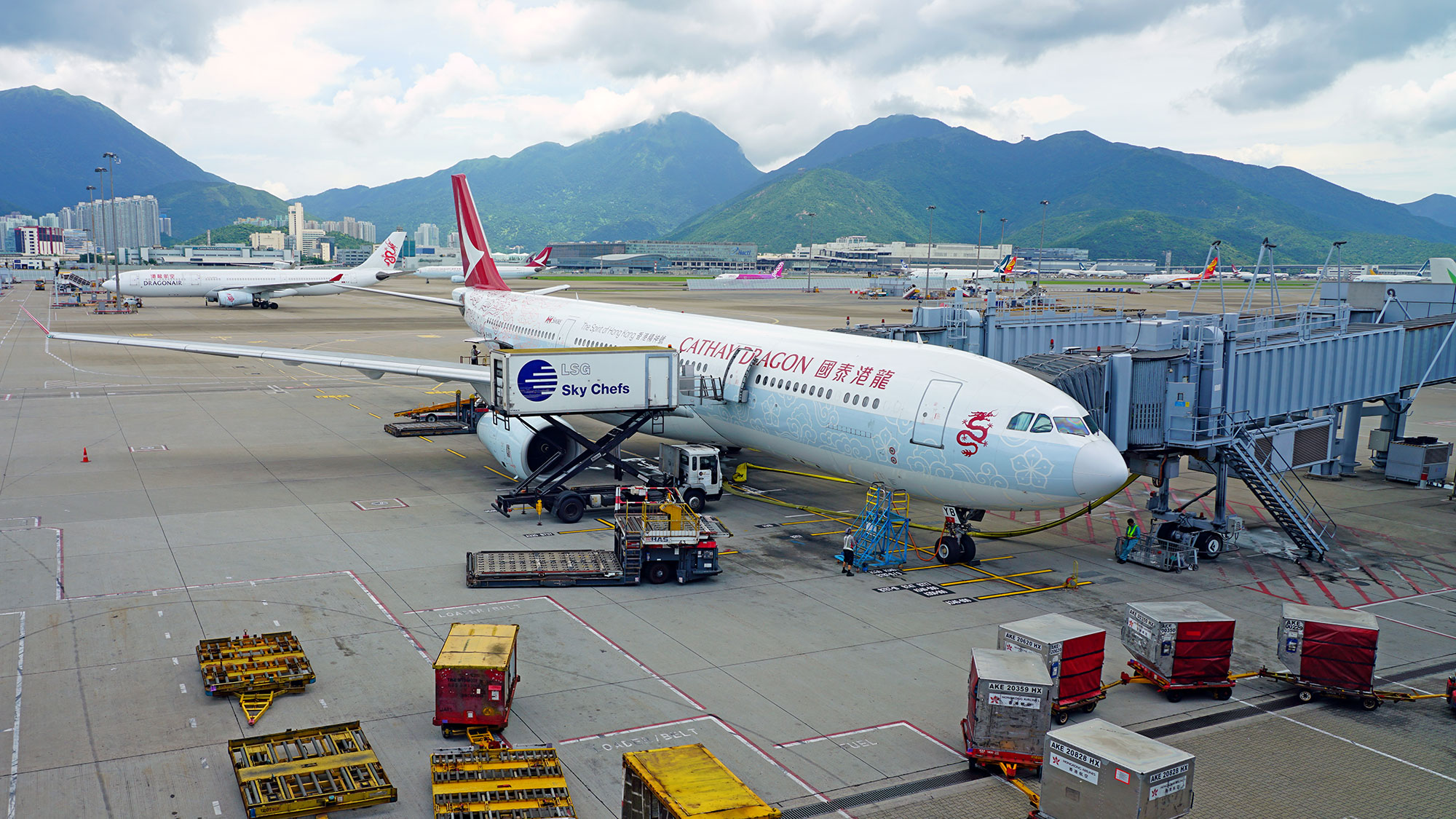
Cathay Dragon suspends flights to and from Wuhan amid deadly coronavirus

Shutterstock
Shutterstock

Airline Cathay Dragon announced Thursday it is suspending flights to and from Wuhan amid the deadly coronavirus outbreak.

“In light of the evolving situation in Wuhan, Cathay Dragon is temporarily suspending flights to and from Wuhan effective January 24, 2020 until 29 February, 2020,” said the company in a statement.

“We are monitoring the situation closely and will continue to coordinate with the health authorities in Hong Kong and in all the ports to which we operate flights.”

Cathay Dragon is a subsidiary of Hong Kong’s flag carrier, Cathay Pacific.

Cathay Pacific stock declined 2.1% in Hong Kong Thursday as the aviation sector comes under pressure amid the spread of the coronavirus.

3 hr 37 min ago

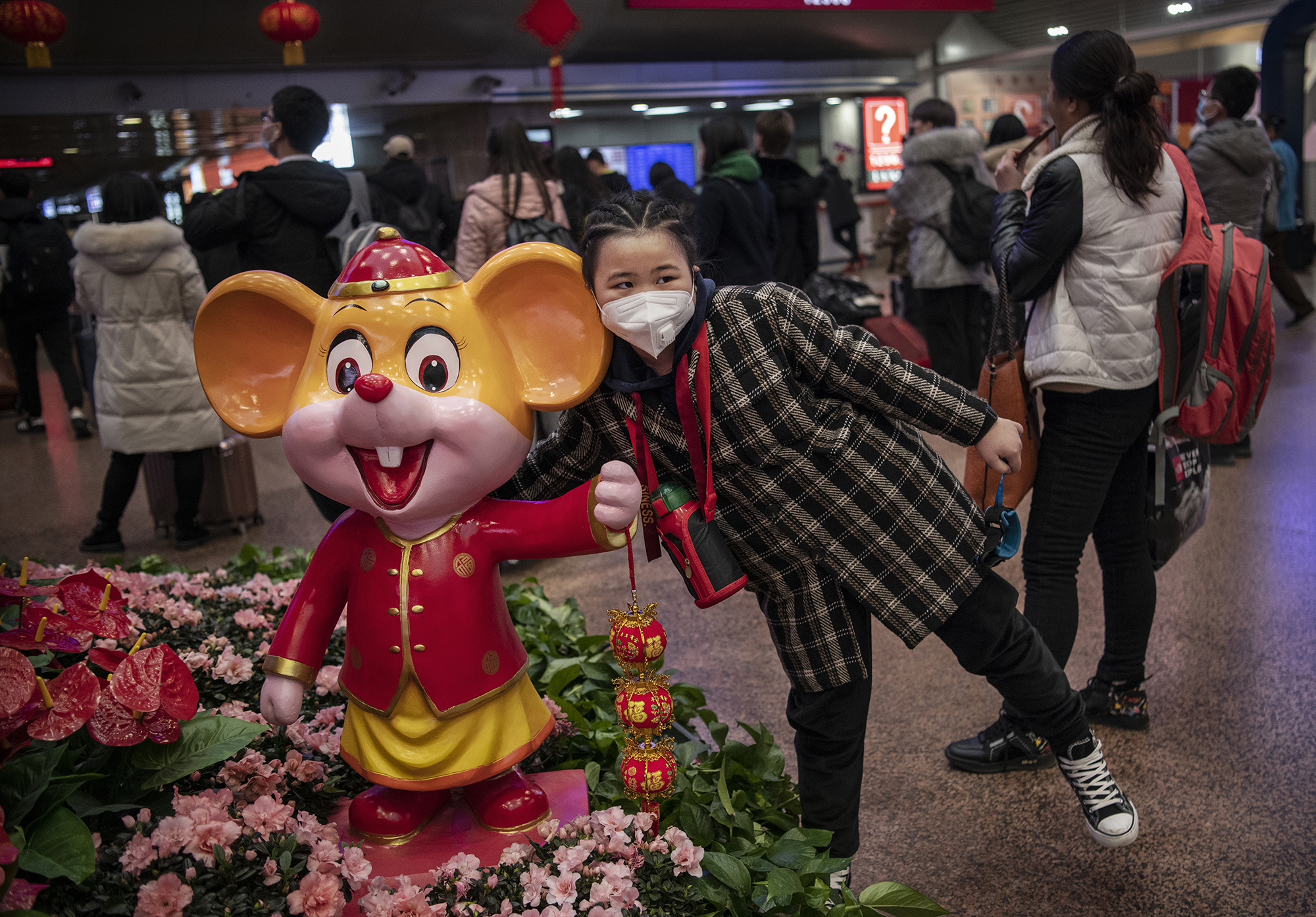
Beijing scraps all large-scale New Year Celebrations

Kevin Frayer/Getty Images

Authorities in Beijing have canceled all large-scale Chinese New Year celebrations in an effort to contain the growing spread of Wuhan coronavirus.

“In order to control the epidemic, protect people’s lives and health, reduce the mass gathering and ensure people to have a harmonious and peaceful Spring Festival, it is decided to cancel all the large-scale events, including temple fairs, in Beijing as of today,” read a Thursday statement from the governmental Beijing Culture and Tourism Bureau.

“Citizens shall strengthen the preventative measures and support the decision. We will notify the policy changes with the epidemic development … And wish all citizens a happy Spring Festival,” the statement continued.

Chinese New Year 2020 runs from Saturday 25 through February 8.

7 hr 47 min ago

What do we know about Wuhan?

Shutterstock
Shutterstock

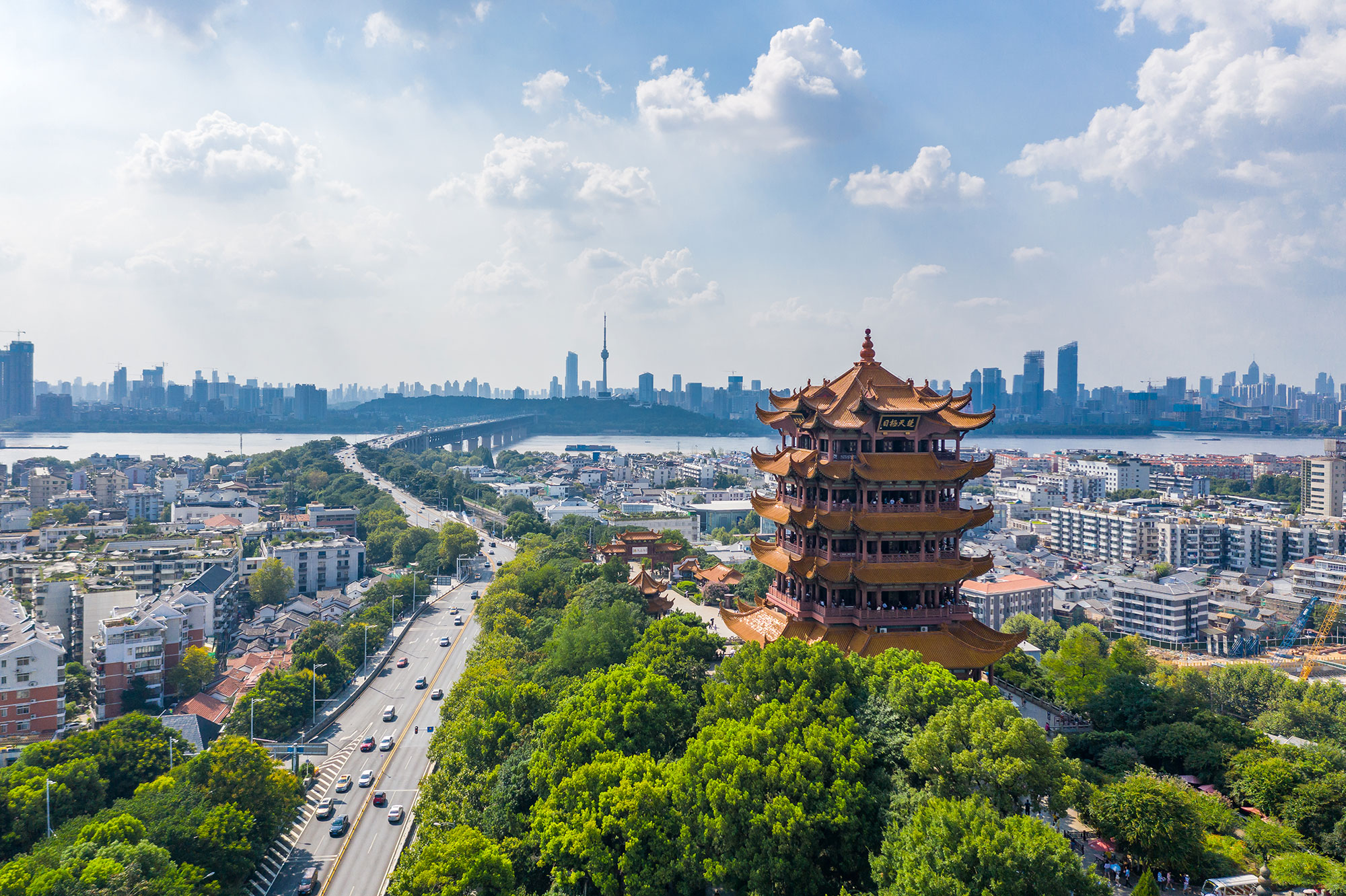
Wuhan, where the coronavirus outbreak originated, is the capital city of Hubei province in Central China.

It is the 10th most populated city in China, with 8,837,300 residents in 2018, according to the National Statistics Bureau.

The city is widely referred to as having a population of 11 million. This includes migrant workers and other residents who do not have Wuhan residency registration, and who are hence not included in the national census.

The city is home to some of the top universities in China, including Huazhong University of Science and Technology (ranked ninth in the country), Wuhan University (ranked 12th) and China University of Geosciences (23rd in China).

Tennis player Li Na hails from the city, which is also famous as the birthplace of the 1911 armed uprising that eventually overthrew China’s last imperial dynasty.

In 2018 the city had 398 hospitals and 17 centers for disease control and prevention out of a total 6,340 medical institutions.

Wuhan has a total number of 95,300 beds in hospitals and community clinics, and 136,300 people are employed in its medical institutions.

The average life expectancy in the city is 81.29 years.

8 hr 2 min ago

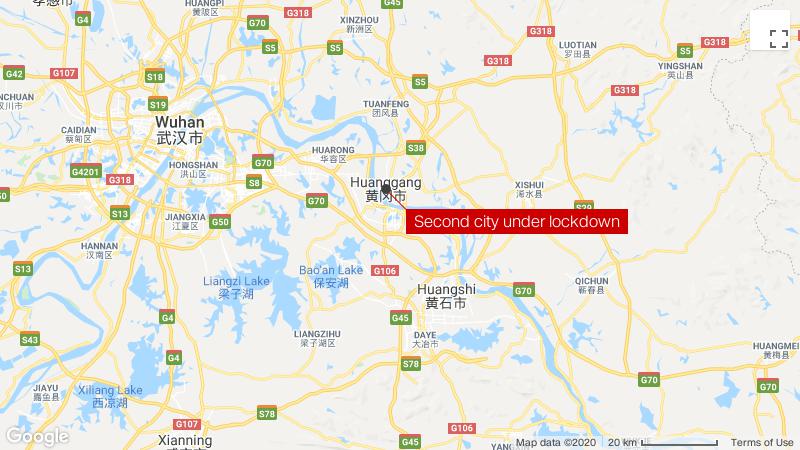
A second city has been placed under lockdown

Huanggang, a neighboring city about 80 kilometers (50 miles) east of Wuhan, will be effectively locked down due to risks associated with the spread of the Wuhan coronavirus, Chinese state media reported.

The Hubei Huanggang New-type Coronavirus Pneumonia Prevention and Control Command, a task force set up to deal with the crisis, said in a statement that at midnight, the city’s subway and train stations will close, per a report in the People’s Daily, a state-run newspaper. All theaters, internet cafes and indoor public culture, tourism and entertainment facilities in the city will also stop business, People’s Daily reported.

Like Wuhan, Huanggang is located on the banks of the Yangtze River. The entire administrative area of Huanggang has a population of 7.5 million, but People’s Daily reported that the lockdown only applies to the urban area, which is only a part of the total population.

9 hr 7 min ago

More cases confirmed throughout China

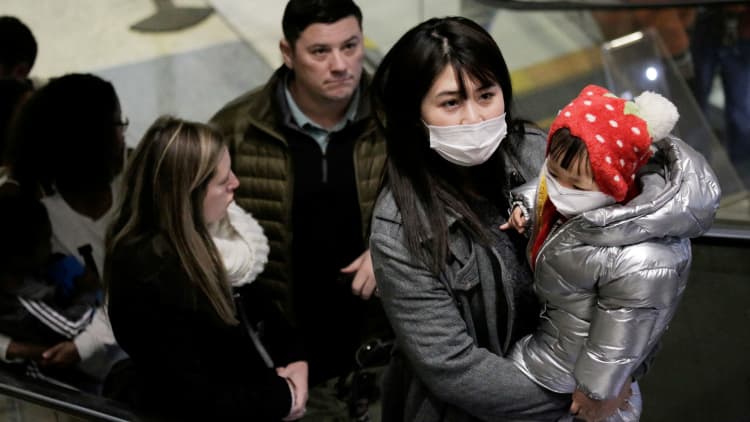
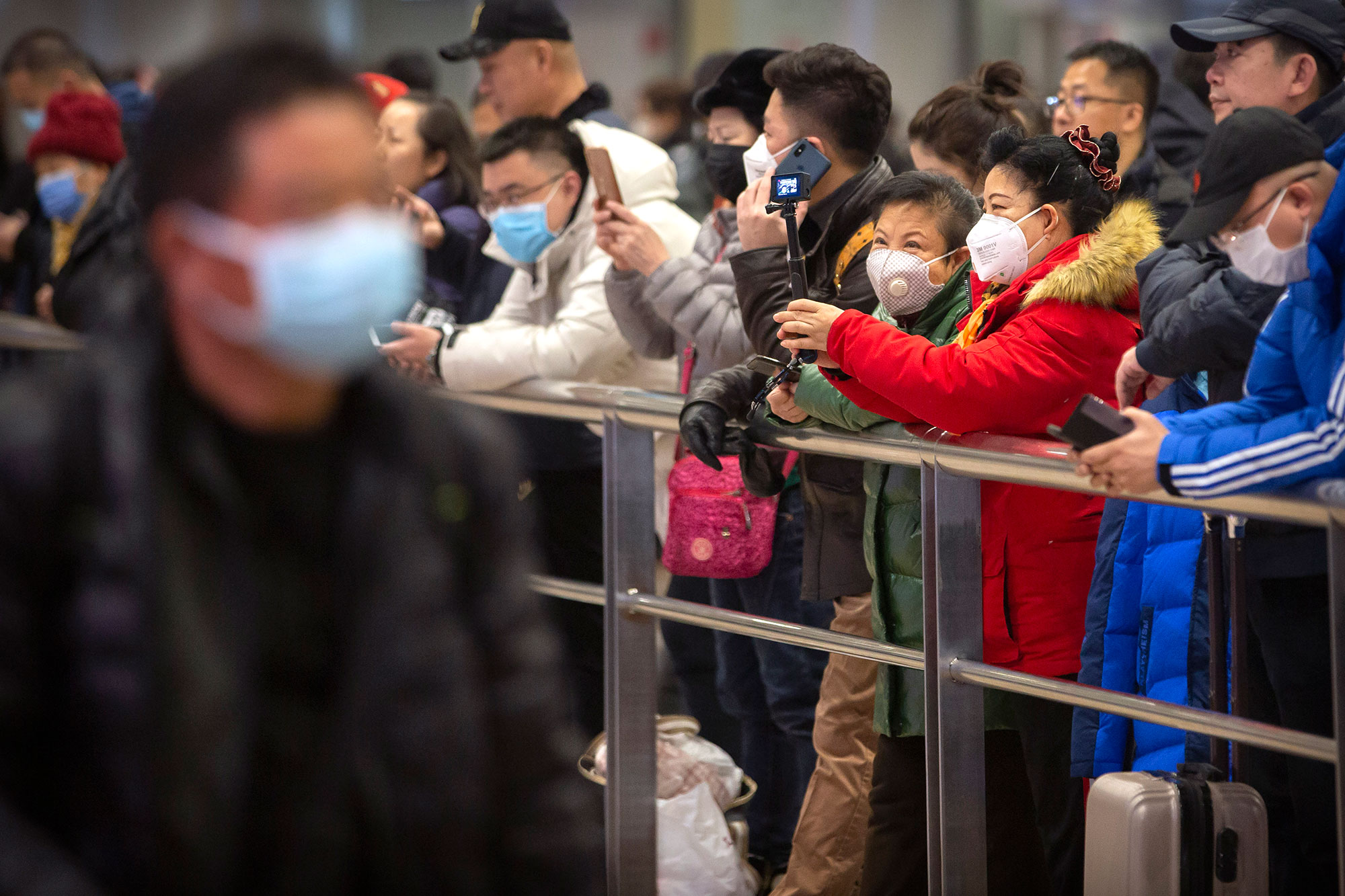
People wear face masks as they wait for arriving passengers at Beijing Capital International Airport in Beijing on January 23.
People wear face masks as they wait for arriving passengers at Beijing Capital International Airport in Beijing on January 23. Mark Schiefelbein/AP

Regional health authorities in China have confirmed 13 new cases of the Wuhan coronavirus, bringing the total number of cases in mainland China to 611.

Eight more cases were confirmed in Beijing. Shaanxi Province and the Xinjiang Autonomous Region confirmed three and two cases, respectively.

Those are the first cases that have been confirmed in Xinjiang and Shaanxi — meaning that of the 22 provinces, five autonomous regions, two special administrative regions and four municipalities under the control of the People’s Republic of China, only five have not reported confirmed cases of the Wuhan coronavirus as of midday Thursday.

They are:

  • Inner Mongolia Autonomous Region
  • Tibet Autonomous Region
  • Gansu Province
  • Qinghai Province
  • Hong Kong

The Hong Kong government has not formally confirmed the presence of the virus in the city, but said it is investigating two “highly suspected” cases. Preliminary tests of the first individual were positive for the virus.

The self-governing island of Taiwan has reported a confirmed case of the coronavirus.

9 hr 38 min ago

“People aren’t sure when shops will be going back to normal,” Wuhan resident says

The Wuhan New-type Coronavirus Pneumonia Command — a task-force set up to deal with the crisis — said in a statement that Wuhan has a sufficient supply and reserve of food, medical supplies and commodities.

“There is no need for the general public of the city to panic or hoard in order to prevent unnecessary wastes,” the command said.

However, there is still unease among many in the city.

Jan Renders, a 29-year-old PhD student in Wuhan, told CNN that many shops are closing for the Lunar New Year holiday, so many people had already been stocking up on supplies. Renders, who has lived in Wuhan for the last two and a half months, said he was able to stock up on food for at least a week.

“But of course people aren’t sure whether shops will be going back to normal soon,” he said.

Another man in Wuhan sent CNN a picture inside a grocery store Thursday morning that showed several empty shelves. The man, who asked not to be identified, said most of the food was sold out.

This photograph taken Thursday morning shows inside a grocery store in Wuhan.
10 hr 2 min ago

Wuhan is a London-sized city

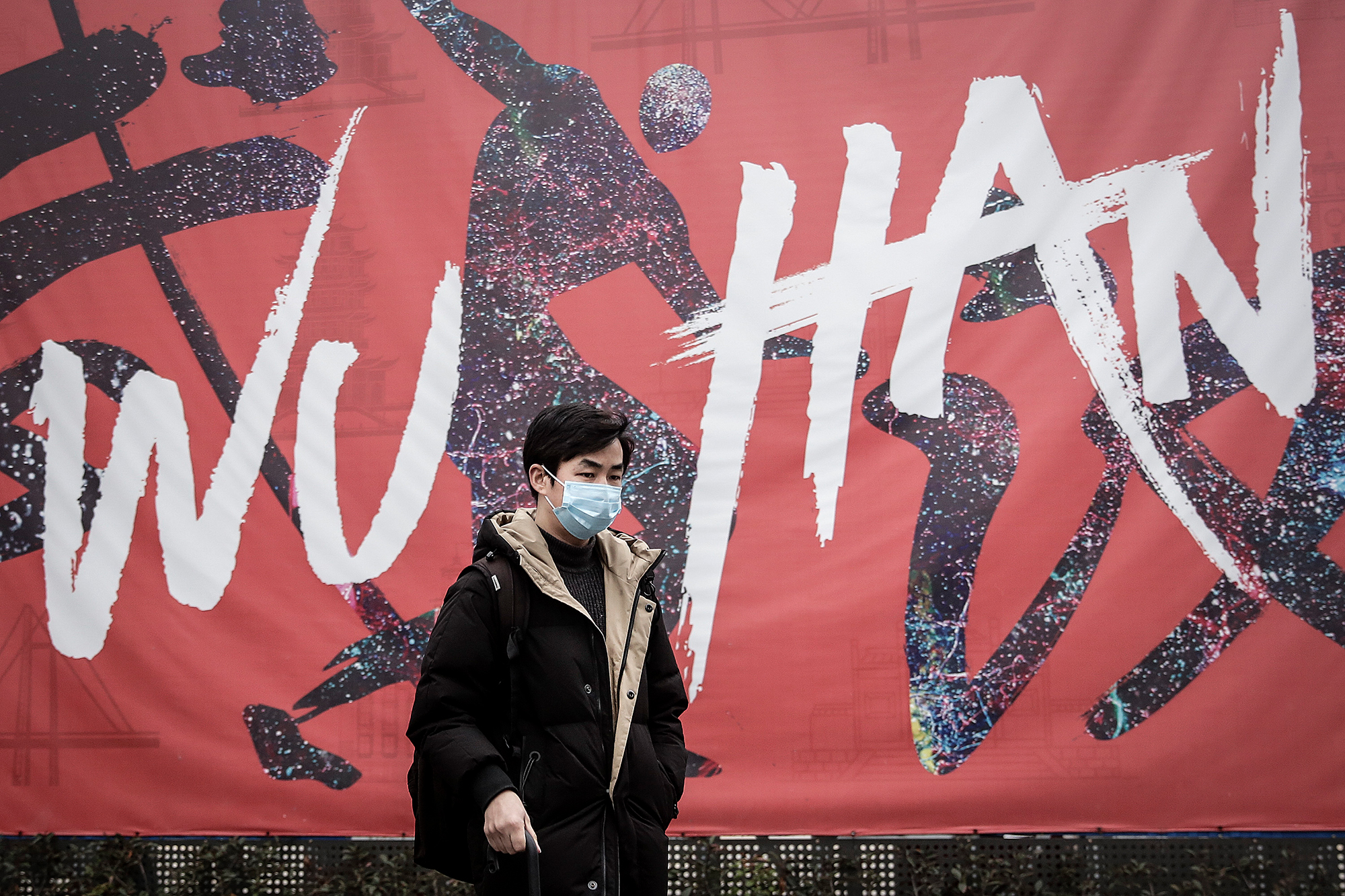
A man wears a mask while walking in the street on Wednesday in Wuhan
A man wears a mask while walking in the street on Wednesday in Wuhan Getty Images

Wuhan, the city where the outbreak originated, is home to more than 11 million people — that’s as big, or bigger than London, the largest city by population in the European Union.

It’s the biggest city in all of central China — and unsurprisingly, is considered the political, economic and transport capital of the region.

Located in Hubei province on the confluence of the Yangtze River and its largest tributary, the Han River, the city is often referred to as “jiu sheng tong qu,” meaning it’s considered the main thoroughfare of nine provinces.

In other words, Wuhan is huge and densely populated, with people coming and going every day — making the outbreak and lockdown a nightmare for authorities, especially ahead of Lunar New Year this weekend.

To put it in perspective: The lockdown is like closing down all transportation for a city more than three times the size of Chicago, two days before Christmas.

More about Wuhan: Wuhan is a major manufacturing city with a heavy focus on automobile and medical equipment: Bosch and PSA both relocated their China headquarters to Wuhan recently.

The city, spanning 8,494 square kilometers, has played a major role in the government’s plan to rejuvenate the nation’s central region for more than a decade.

But the city’s historical importance can be traced back more than 3,000 years. Wuhan is listed as one of the Famous Historical and Culture Cities by the state and is home to the ruins of Panlong City.

Read more about Wuhan here.

3 hr 39 min ago

The Chinese government announced the highways out of Wuhan are closed

Chinatopix/AP
Chinatopix/AP

The Wuhan New-type Coronavirus Pneumonia Command — a Chinese task-force set up to deal with the crisis — has announced the closure of highways out of the city, a move it called a “necessary act to stop the spreading of the epidemic.”

However, minutes later the announcement was removed from the website. It’s unclear why.

The decision to effectively cut off Wuhan from the rest of the world has sparked fears among some on social media about the availability of food and medicine inside the city.

Flights out of Wuhan had already been suspended and public transport in the city has stopped.

10 hr 41 min ago

People are apparently trying to get out of Wuhan — and Chinese social media users are not happy about it

Workers use infrared thermometers to check the temperature of passengers arriving from Wuhan at a train station in Hangzhou on Thursday, January 23.
Workers use infrared thermometers to check the temperature of passengers arriving from Wuhan at a train station in Hangzhou on Thursday, January 23. Chinatopix via AP

Fear and anxiety is mounting in China, with controversy on social media over residents who apparently fled Wuhan ahead of the partial lockdown enforced on Thursday.

On the microblogging platform Weibo, people shared their fears over the virus, as well as cautionary warnings. “Don’t panic and try not to go out,” one person warned.

Another person posted they had thought about fleeing Wuhan. “I was thinking about my parents and children — if I bring them, where can we escape to?” read the post.

“Tomorrow will there be a line to snatch supplies? Will the next step be to send troops here to maintain order? By spring, will this explode into an epidemic? Or by May, will Wuhan have been restored to peace and goodness?”

Controversy over evacuees: On early Thursday morning, train stations in Wuhan were packed with people trying to get out of the city before the blockade went into effect. Crowds jammed together, trying to get on the last few trains out of the city of 11 million people.

The rush to get out has even got its own hashtag on Weibo — #EscapeFromWuhan.

But the mass exodus has been met with anger from many Weibo users, who accused people leaving Wuhan of being selfish and irresponsible as they could then potentially spread the virus.

“Wuhan people, get out of Shanghai,” one person posted. “Don’t sneak in and spread chaos.”