Bird flu: What is avian influenza, how does it spread, which viruses infect humans and should we be worried?

ABC Science / By science reporter Belinda SmithPosted Mon 22 Nov 2021 at 10:00amMonday 22 Nov 2021 at 10:00am

https://www.abc.net.au/news/science/2021-11-23/bird-flu-avian-influenza-disease-chickens-poultry-animals-humans/100627498

A close-up of a brown chicken with a red comb
Avian influenza is often lethal to chickens and other poultry and is spread by their wild cousins.(Unsplash: Max Kleinen)

Help keep family & friends informed by sharing this articleabc.net.au/news/bird-flu-avian-influenza-disease-chickens-poultry-animals-humans/100627498COPY LINKSHARE

The COVID-19 pandemic may have crushed seasonal flu to historically low levels, but another type of flu — avian influenza or bird flu — has showed no signs of slowing.

In the past month, severe bird flu has popped up in poultry farms across Europe and Asia, with Japan confirming its third outbreak for the winter season so far.

The outbreaks follow Japan’s worst winter for bird flu yet. More than 3 million chickens were destroyed in 2020-21.

Closer to home, six Victorian farms, including an emu farm, culled hundreds of thousands of birds in 2020 and early 2021 after multiple outbreaks involving three different strains of the virus.

Coronacast: Don't be scared of bird flu headlines ... yet
Coronacast: Don’t be scared of bird flu headlines … yet

While bird flu viruses do generally stick to infecting birds, they occasionally make the potentially deadly leap to other animals, including humans.

In May, for instance, the first confirmed human case of a rare bird flu subtype was reported in China.

Ricardo Soares Magalhães, an infectious disease epidemiologist at the University of Queensland, says this recent spate of new bird flu strains that can hop to humans is unusual.

“Usually, you’d see these viruses just affecting the poultry population, and very few human cases, or none at all,” Dr Soares Magalhães said.

“But most of the different examples we’ve had in the last year-and-a-half have been viruses that had some human transmission.”

And despite the COVID-19 pandemic being driven by a coronavirus, epidemiologists are “very wary” when it comes to emerging flu strains, he added, with influenza still at the top of pandemic-potential diseases.

What is bird flu and where does it come from?

Bird flu is caused by a handful of influenza viruses, just like the seasonal flu that circulates each winter.

ABCs of Hs and Ns:

  • Influenza A viruses, which infect humans and animals, are classified into subtypes depending on two spike proteins that cover their surface:
    • haemagglutinin
    • neuraminidase
  • There are 18 different haemagglutinin (H1 to H18) and 11 neuraminidase (N1 to N11) proteins
  • Each virus has one type of H and one type of N (such as H1N1 and H3N2)

But while seasonal flu infections rise in cool weather, drop off in spring and spread easily in human populations, bird flu — with the odd exception — is transmitted only between animals or from animals to humans.

It mostly circulates in wild birds, and spreads when migratory waterfowl fly between their summer and winter homes.

Larger birds, such as ducks and geese, tend to ferry bird flu viruses around the world, said Frank Wong, a CSIRO Australian Animal Health Laboratory microbiologist and World Organisation for Animal Health reference expert for highly pathogenic and low pathogenic avian influenza.

(Generally, if smaller migratory birds such as shorebirds are infected with bird flu, they’re more likely to delay their migration, or not set out on their journey at all.)

And now, it’s peak autumn waterfowl migration time in the northern hemisphere, which is why European and Asian countries are seeing an uptick in bird flu outbreaks, Dr Wong added.

A black swan close up
Three black swans at Beijing’s Old Summer Palace were infected with H5N8 avian influenza at the start of the year.(Unsplash: Bruce Jastrow)

“When the birds congregate [to feed and breed] … mixing of birds also results in mixing of viruses, including influenza viruses. Then when the birds fly south or westwards for the winter, they carry those viruses with them.

“If those wild birds interact with domestic birds, the viruses they’re carrying might spill over and cause outbreaks in domestic poultry.”

Free-range farming may increase spillover odds too.https://www.youtube.com/embed/aPWJAozO4tY?feature=oembedYOUTUBEVictoria’s worst outbreak of bird flu is raising questions about free-range farming.

Most bird flu viruses out there are low pathogenic strains, causing little to no disease to the wild birds that carry them.

But the problem is they can quickly become highly pathogenic, incredibly contagious and lethal.

Once a highly pathogenic bird flu virus has made its way into a poultry farm, it can spread rapidly and devastate entire flocks.

What’s the bird flu situation in Australia?

Australia is in a pretty good place when it comes to bird flu.

There have been only eight outbreaks of the disease in Australia since the 1970s, with the biggest happening in Victoria last year.

Unlike Europe and Asia, Australia has no large waterfowl seasonal migrations from abroad, which bring in new viruses each year, Dr Wong said.

“Australian wild ducks are different species to migratory ducks and geese up in the northern hemisphere.

“Our endemic species of ducks are what we call nomadic. They don’t travel according to the seasons — they mainly stay within the Australo-Papuan region — and they move according to drought and rain cycles.”

Australia also has stringent controls around how poultry is shuttled into and around the country.

What are the symptoms of bird flu?

  • Sudden death
  • Difficulty breathing, such as coughing, sneezing, or rasping
  • Swelling and purple discolouration of the head, comb, wattles and neck
  • Rapid drop in eating, drinking and egg production
  • Ruffled feathers, dopiness, closed eyes
  • Diarrhoea

And the National Avian Influenza Wild Birds surveillance programme analyses bird poo and the like to keep tabs on the low-pathogenic H7 strains circulating in the wild, Dr Wong said.

Among other biosecurity measures, local regulations state that poultry farms cannot be located near lakes or other bodies of water, Dr Soares Magalhães said: “Just being a few kilometres away can be a risk factor.”

That’s because the virus doesn’t always need direct contact or faeces to spread between birds.

“Because it’s a respiratory virus, it can be aerosolised at very large distances. So having those water bodies nearby will attract wild birds, and that means you will have a greater chance of transmission through the air.”

Still, these measures aren’t completely watertight. And if bird flu is detected in an Australian poultry farm, the policy is clear.

People in white hazmat suits with large plastic bags
Because some bird flu subtypes have been known to infect humans, any culling or depopulation is conducted in full PPE.(Getty Images: The Asahi Shimbun)

“In Australia, we don’t want these viruses around, so regardless of if it’s a low pathogenic strain or a high pathogenic strain, depopulation is the way to go,” Dr Soares Magalhães said.

Depopulation — or culling — may seem an extreme measure, but the disease can quickly cause debilitation and death, especially if it’s a highly pathogenic strain.

“The best strategy from an animal welfare perspective is to depopulate the flock,” Dr Soares Magalhães said.

“That happens on a radius of 3 kilometres around the affected zone, and then we impose a surveillance zone out to another 7km.”

So that’s birds. What about humans?

For a human to get bird flu, they need direct contact with infected birds, or contaminated feathers or faeces. It can’t be passed on by eating eggs and cooked meat.

So far, there’s been very little human-to-human bird flu transmission, but that doesn’t mean new strains won’t gain that ability, Dr Soares Magalhães said.

“COVID [which probably originated in bats] is a good example of that.”

Pigs can be infected with more than one flu virus, and if that happens, they can act as a virus mixing vessel of sorts to produce new viruses.

Golden ring-shaped virus particles in larger green cells
Avian Influenza H5N1 virus particles (depicted in gold), grown in kidney cells (green), as seen using an electron microscope.(Supplied: CDC/Cynthia Goldsmith)

Influenza’s genetic code, which dictates qualities such as the animals it infects and its contagiousness, is stored as a strand of RNA. If two (or more) influenza viruses meet in a pig’s body, they can swap sections of that RNA strand.

Most of the time, these mutations die out. Occasionally, they might spawn a particularly pathogenic strain.

“The H5N1 virus is a good example of a virus that emerged through the interaction of a poultry virus with a swine virus, and has elements of a human virus,” Dr Soares Magalhães said.

“But there are some exceptions to that rule.

“H7N9 is a virus that did not need a pig at all. It came straight from chickens to human beings.”

Which are the viruses to watch?

Of the different bird flu viruses, H5 and H7 subtypes have the propensity to mutate from low to high pathogenic strains.

The H5N1 subtype, for instance, was first detected in a human in Hong Kong in the 1990s and, in 2003, kicked off a major bird flu outbreak, killing at least 280 people.

There have been more than 860 confirmed cases of H5N1 in humans to date, 456 of whom died.

“The current lineage of highly pathogenic H5 that’s causing outbreaks in the northern hemisphere has adapted to be more amenable for infection in many different wild bird species, including ducks and geese,” Dr Wong said.

“This has allowed it to have this rapid seasonal spread, when the conditions are right.”

Then there’s H7N9, which was first reported in humans in China in 2013. It has been reported in more than 1,500 people since and can cause severe disease.

People in full white hazmat suits throwing dead chickens in a bin
In January 2014, Hong Kong temporarily banned live chicken sales after a supplier tested positive for H7N9 bird flu.(Getty Images: Lam Yik Fei)

What makes this virus trickier to contain is that it doesn’t produce many symptoms in birds.

“That virus is actually a little more insidious,” Dr Wong said.

“When a low-pathogenic H7N9 circulates in chickens or ducks, it’s harder to spot because the chickens or ducks may not show signs of disease.

“And the right interplay of genes that virus carried [allowed] multiple spillovers into humans.”

Just recently, a third H type was found in humans. China reported that a H10N3 virus hospitalised a 41-year-old man.

When it was detected in birds, epidemiologists weren’t overly concerned about it spilling over into humans, because there’s no history of H10 viruses infecting us, Dr Soares Magalhães said.

“But then there was a human infection as a result of that virus, and the mechanism of transmission was similar to H7N9, whereby there was no indication of pig involvement.”

So how worried should we be about a bird flu pandemic?

The COVID-19 pandemic has seen more funding made available for surveillance programs for diseases such as bird flu.

But even before the pandemic, regions where most bird flu strains first popped up — such as China — really stepped up their poultry farm biosecurity strategies, Dr Soares Magalhães said.

“China will perhaps be the location where new viruses emerge, but they will stop it very quickly.”

So it’s very much a watch and wait scenario, but we might not have to wait too long.

Dr Soares Magalhães’s spatial epidemiology group is helping a World Health Organization program rank countries in South-East Asia according to their capabilities to control diseases that, like bird flu, can jump from animals to humans.

A man in a white coat and face mask vaccinating a baby chicken
Poultry can be vaccinated against bird flu,  but it’s expensive, and means the birds cannot be traded as they may be infected but asymptomatic.(Getty Images: China Photos)

But the part of the world he has an eye on is further afield.

“It’s very likely that new viruses will start to emerge; not in the traditional countries where that has happened, but in [what was known as] the Eastern Bloc,” Dr Soares Magalhães said.

Even though the biosecurity of farms in the region has been scaled up in the past couple of decades, it “still tends to be suboptimal”, he said.

Neighbouring Poland is currently grappling with multiple outbreaks of highly pathogenic H5N1 bird flu.

“Poland is the largest poultry producer in Europe, so they have the largest at-risk population.

“No wonder Poland is bearing the brunt of this.”

Climate change could encourage new strains of bird flu to emerge too. As the world warms, migratory birds may spend winter elsewhere, and mix with different bird populations — and viruses.

“Every single year, we will have wildlife-originated influenza viruses in the poultry population, and I’m sure there will be a time when a virus similar to H5N1 will pop up,” Dr Soares Magalhães said.

“There’s a lot of naive poultry populations out there, and this gives a lot of opportunities for these new emerging viruses to really be devastating.

“Everyone is expecting a big resurgence in the next few years.”

[So much for free range]: Czech poultry flocks to be kept indoors to reduce bird flu risk

November 23, 20216:02 AM PSTLast Updated a day agoEurope

https://www.reuters.com/markets/commodities/czech-poultry-flocks-be-kept-indoors-reduce-bird-flu-risk-2021-11-23/

Reuters

1 minute read

A worker throws a turkey into a container at a farm in Tisova 160 km (99 miles) east of Prague June, 21, 2007. REUTERS/Petr Josek

A worker throws a turkey into a container at a farm in Tisova 160 km (99 miles) east of Prague June, 21, 2007. REUTERS/Petr Josek

Register now for FREE unlimited access to reuters.com

Register

PRAGUE, Nov 23 (Reuters) – The Czech State Veterinary Administration will force the country’s poultry farms to keep flocks indoors, with some exceptions, to cut the risk of bird flu outbreaks.

The nationwide measures come after detection of a growing number of cases of the H5N1 strain of bird flu in the Czech Republic and elsewhere in Europe.Report ad

The restrictions will limit movement of those working on poultry farms and force farms to move flocks into buildings, except for birds such as pigeons or ostriches.

“The aim of the measures is to minimise the risk of introducing infections,” the veterinary office said.Report ad

The Czech Republic has detected five outbreaks on poultry farms since the end of September and further cases in several wild birds.

The Agriculture Ministry said the measures mean that consumers do not need to worry about buying poultry and eggs.

Scientist predicts Earth will develop rings like Saturn

Exposing the Big Game's avatarThe Extinction Chronicles

“Earth is on course to have its own rings. They’ll just be made of junk.” ByShirin Ali | Nov. 23, 2021https://imasdk.googleapis.com/js/core/bridge3.489.0_en.html#goog_4666543610 seconds of 2 minutes, 44 secondsVolume 20% 

https://thehill.com/changing-america/resilience/smart-cities/582777-scientist-predicts-earth-will-develop-rings-like

Story at a glance

  • NASA says that there are more than 27,000 pieces of space junk being tracked by the Department of Defense.
  • Space junk travels at extremely high speeds, which equals approximately 15,700 mph in low Earth orbit.
  • With a growing commercial space industry, the volume of space junk is expected to grow significantly.

As more and more debris accumulates in space and surrounds Earth’s orbit, one researcher believes our planet will eventually develop rings made completely of space junk.

Jake Abbott, a robotics professor at the University of Utah,told The Salt Lake Tribunethat “Earth is on course to have its own rings. They’ll just be made of junk.”

Abbott was part of a team of researchers…

View original post 384 more words

Fears of Christmas turkey shortages loom as bird flu found on Monaghan farm

Exposing the Big Game's avatarThe Extinction Chronicles

https://www.independent.ie/business/farming/news/fears-of-christmas-turkey-shortages-loom-as-bird-flu-found-on-monaghan-farm-41078339.html

Bird flu outbreaks could cause a shortage of turkeys this Christmas. Photo: Declan Cahill


Bird flu outbreaks could cause a shortage of turkeys this Christmas. Photo: Declan Cahill

Tamara Fitzpatrick

November 23 2021 02:30 AM


There’s a real possibility of turkey shortages this Christmas, according to Nigel Reneghan, Chair of the IFA’s Organics Project Team and former IFA Poultry Chair.

It comes after the Department of Agriculture confirmed a case of avian flu in a Monaghan turkey flock over the weekend.

“If there’s more cases of the highly pathogenic H5N1 strain, it’s going to result in massive losses. The last thing anyone wants is to be left without a turkey dinner on Christmas Day, so my advice is to order from your butcher or supplier this week,” Mr Reneghan said.

“I do feel we have a very high level of biosecurity here, but even with that, it could be difficult to curtail the spread. It’s an airborne disease, like any virus, so it’s…

View original post 195 more words

Bird flu outbreak on aristocrat’s country estate puts Christmas dinner turkeys at risk

Exposing the Big Game's avatarThe Extinction Chronicles

This is the third outbreak of the highly-contagious H5N1 strain of avian flu in the East Anglia region recorded by the Department for Environment Food and Rural Affairs in recent days

https://www.mirror.co.uk/news/uk-news/bird-flu-outbreak-aristocrats-country-25519971

This is the third outbreak of the highly-contagious H5N1 strain of avian flu in the East Anglia region in recent days

This is the third outbreak of the highly-contagious H5N1 strain of avian flu in the East Anglia region in recent days(Image: East Anglia News Service)

ByAlahna KindredNews Reporter

  • 17:02, 22 Nov 2021

A bird flu outbreak has been confirmed on an aristocrat’s estate in an area where millions of turkeys are being raised forChristmas dinner.

The disease is carried by migrating birds and has been found in a small flock of pet birds including chickens and turkeys on the Holkham Estate in Norfolk.

The small flock on the Holkham Estate is being culled to prevent the spread of the disease.

Temporary control zones have been set to restrict…

View original post 141 more words

Minnesota man dies in apparent hunting accident in Wisconsin

Exposing the Big Game's avatarCommittee to Abolish Sport Hunting Blog

Associated Press NOVEMBER 24, 2021 — 11:58AMTEXT SIZEEMAILPRINTMORE

https://www.startribune.com/minnesota-man-dies-in-apparent-hunting-accident-in-wisconsin/600120384/?refresh=true

SAXON, Wis. — Authorities say a Minnesota man was shot and killed in an apparent hunting accident in northwestern Wisconsin.

The Iron County Sheriff’s Office says dispatchers received a call just before 5 p.m. Tuesday in the town of Saxon. The caller reported an accidental discharge of a firearm, which left one man with serious injuries.

When responders arrived on the scene, they tried to revive the 65-year-old man but were unsuccessful. The victim was pronounced dead at the scene, KBJR-TV reported.

Saxon is about 95 miles (153 kilometers) east of Duluth, Minnesota.

The incident remains under investigation.

View original post

All about animal awareness …links!

marina kanavaki's avatarMarina Kanavaki

This is a page dedicated to links about animal awareness.

By clicking on an image or logo, you’ll be directed to each site.

The Wolf Conservation Center

WWF [World Wildlife Fund]

Wildlife Conservation Society

PeTA [People for the Ethical Treatment of Animals]

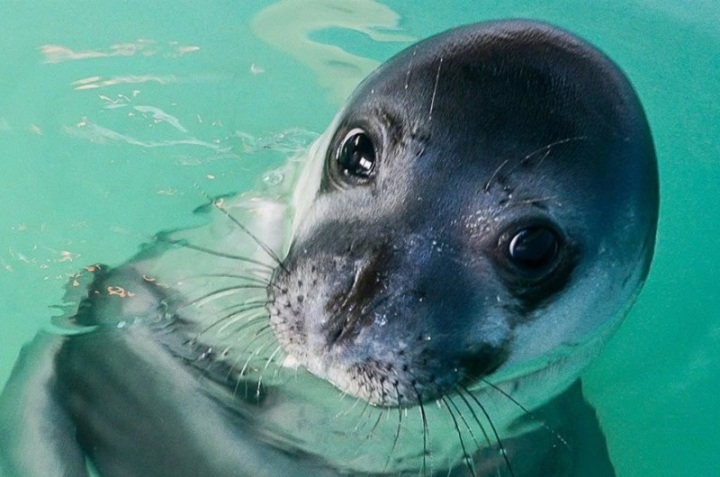
MOm [Hellenic Society for the Study and Protection of the Monk Seal]

The Animal Rescue Site [Click to Feed – It’s Free!]

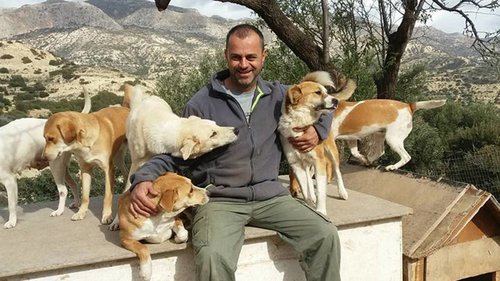
Takis Shelter

Bill of Rights

Pitbull Awareness

Animal Legal Defense Fund

International Fund for Animal Welfare

The American Society for the Prevention of Cruelty to Animals®

Pitbull Rescue Greece

The Vegan Society

The Leaping Bunny

Humane Society International

The Political Animal Lobby (PAL)

The Nonhuman Rights Project

Network for Animals

National Anti-Vivisection Society

World Animal Protection!

Polar Bears International

Arcturos Bear Sanctuary

ARCHELON [The Sea Turtle Protection Society of Greece]

Soi Dog Foundation

Adopt Don’t Shop.eu

Searchable database of companies that do and that…

View original post 40 more words

WHO warns about unintended effect of vaccines

24 Nov, 2021 16:29Get short URL

WHO warns about unintended effect of vaccines

WHO’s director general Tedros Adhanom Ghebreyesus © Russian Foreign Ministry / Handout via REUTERS

https://www.rt.com/news/541216-who-head-covid-vaccines/

Follow RT onThe World Health Organisation (WHO) chief has warned vaccinated people to remain cautious when it comes to catching Covid-19 and not fall into a “false sense of security.”READ MORE: Stark new projections for Europe’s winter Covid deaths revealed

“In many countries and communities, we are concerned about the false sense of security that vaccines have ended the pandemic and that people who are vaccinated do not need to take any other precautions,” the WHO’s director general, Tedros Adhanom Ghebreyesus, said Wednesday at a press conference on the Covid-19 crisis in Europe.

Tedros warned that “no country or region is out of the woods” and underlined the importance of making sure that the “right measures are in place to avert the worst consequences of any future waves.” He also called for proper sharing of the “fruits of science.”

On Tuesday, the WHO starkly predicted that more than 2 million people might die of Covid-19 in Europe over the coming winter and that most of the countries could see their health systems overwhelmed by the surge.

In light of coronavirus numbers spiraling across the region, the European Centre for Disease Prevention and Control (ECDC) made the decision to change its previous stance on booster vaccines, now recommending them for all adults.

Austria has already entered a new national 10-day lockdown while other countries, including Germany, are mulling new restrictive measures and even mandatory vaccination. This week, the US Centers for Disease Control and Prevention (CDC) issued travel advisories telling Americans to avoid travel to Germany and Denmark due to the high-risk Covid situation.

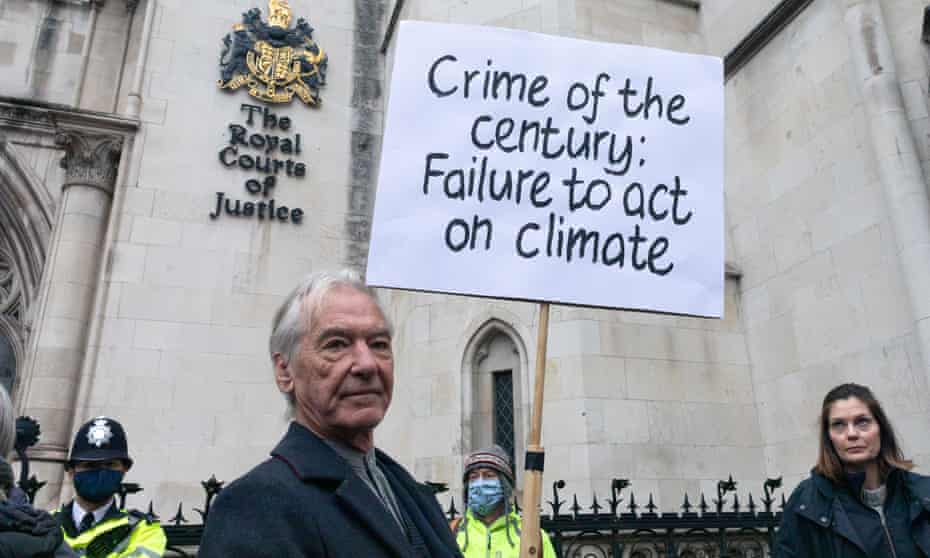
Want to fight for climate action but feel daunted or powerless? Try this

Exposing the Big Game's avatarThe Extinction Chronicles

Tayo Bero

https://www.theguardian.com/commentisfree/2021/nov/23/want-to-fight-for-climate-action-but-feel-daunted-or-powerless-try-this

The scale of the crisis is intimidating. But most people are already members of organizations – like our employers, universities, unions or religious groups – that are great avenues to fight for concrete climate results

‘When the staff of Amazon took to the streets to join the global climate strike in September 2019, the company agreed to buy 100,000 electric delivery vans and committed to meeting Paris goals 10 years early.’
‘When the staff of Amazon took to the streets to join the global climate strike in September 2019, the company agreed to buy 100,000 electric delivery vans and committed to meeting Paris goals 10 years early.’Photograph: Belinda Jiao/Sopa Images/Rex/Shutterstock

Tue 23 Nov 2021 06.30 EST

198

For anyone hoping for some optimism about our dying planet, the recent Cop26 climate summit leftmuch to be desired. Developing countries wereseverely underrepresentedat the conference, and only a third of the usual number of delegates from those countries was able to attend, due to Covid restrictions, a lack of affordable accommodation and accessibility issues.

As the race to save the planet continues…

View original post 625 more words

WI: Deer Harvest down, two firearm-involved hunting accidents in Door County

Exposing the Big Game's avatarCommittee to Abolish Sport Hunting Blog

https://doorcountydailynews.com/news/605689

Deer Harvest down, two firearm-involved hunting accidents in Door County

Posted Less Than An Hour AgobyPaul Schmitt

The deer kill numbers for the 2021 Deer Hunt are lower so far and Door County had two of the reported three gun-related accidents in the state. The overall harvest of deer was down 14 percent statewide as the Wisconsin Department of Natural Resources released the numbers from the opening weekend of gun deerhunting.

In Door County, a total of 1106 were harvested with 607 of those being antlered and 499 antlerless. Kewaunee County had 806 deer registered with 376 bucks and 430antlerless. As of midnight Sunday, sales of gun deer licenses were at 551,809. The year-to-date sales for deer licenses are down 1.5 % from last year at this time.

On opening morning at 6:45 Saturday, a 40-year-old man in the town of Brussels suffered a self-inflicted wound to the left…

View original post 929 more words