


Yelena DzhanovaSat, October 23, 2021, 12:05 PM·2 min read
https://news.yahoo.com/people-whove-had-covid-19-190550841.html

People who’ve recovered from the coronavirus are experiencing problems with their memory, new research and data reveal.
A study,publishedFriday in medical journal JAMA Network Open, says nearly a quarter of individuals who’ve been infected with the coronavirus have problems retaining information and focusing months after contracting the disease. Researchers, examining…
View original post 315 more words
By FELICIA FONSECAyesterday
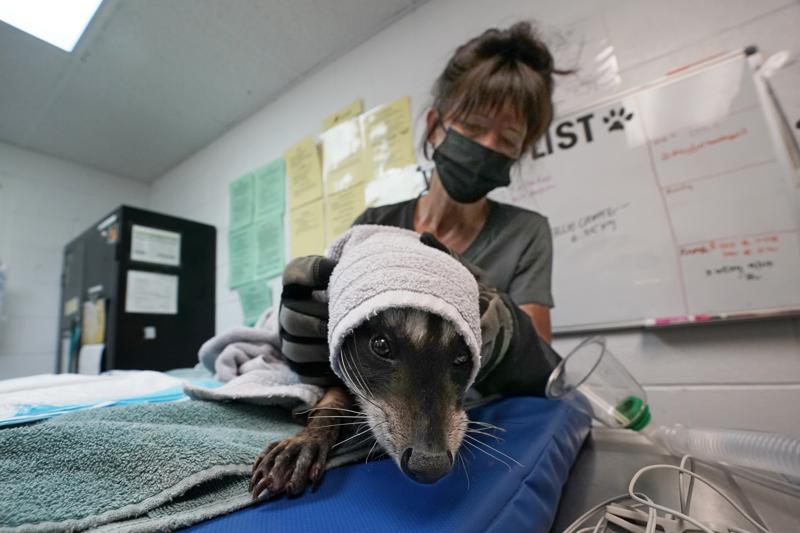
1 of 10Dana Fasolette uses a towel to hold a raccoon under treatment for burns at the Gold Country Wildlife Rescue in Auburn , Calif., Saturday, Oct. 2, 2021. As wildfires die down in the far western United States, wildlife centers are still caring for animals that were injured or unable to flee the flames.(AP Photo/Rich Pedroncelli)
FLAGSTAFF, Ariz. (AP) — The porcupines were walking slow and funny, more so than they usually do.
Their stride concerned some residents in a South Lake Tahoe neighborhood who called a rehabilitation center. Turns out, the porcupines had extensive burns to their paws, fur, quills and faces after a wildfire burned through the area.
Wildlife centers in the U.S. West are caring for animals that weren’t able to flee the flames or are looking for food in burned-over places.
An emaciated turkey vulture recently found on the Lake Tahoe shore couldn’t fly, likely because food isn’t as plentiful in burned areas, said Denise Upton, the animal care director at Lake Tahoe Wildlife Care.
“That’s what we’re seeing in the aftermath of the fires — just animals that are having a hard time and being pushed into areas they are not traditionally in,” she said.


FILE PHOTOPostedWednesday,October 20, 20215:40 pm

https://www.timberjay.com/stories/feds-face-lawsuit-over-lynx-trapping,18282
Marshall Helmberger
REGIONAL— The USDA’s Animal Services division killed just over 1.5 million wild creatures last year, which ranged from 8,524 common ravens to 626 great blue herons, to 13 northern cardinals, to 707 river otters.
Most of the killings were intentional, undertaken by federal trappers, although thousands of birds and mammals are unintentionally killed by the service each year as well. That has included threatened and endangered species, like the Canada lynx, and it’s those deaths that appear likely to land the federal agency in court.
The Center for Biological Diversity has filed a notice of intent to sue the agency over the deaths of several lynx in Minnesota over the past several years. In a press statement, the CBD says it plans to sue over Animal Services’ inadequate analysis of the risks to lynx as a result of the agency’s wolf-trapping program…
View original post 192 more words
By: David Peck, Lovell Chronicle via Wyoming News Exchange – Updated: 1 day ago
Posted Oct 22, 2021
https://pinedaleroundup.com/article/ambushed-hunter-kept-his-composure-after-grizzly-mauling
LOVELL — Jeremy Dickson is known for his calm demeanor. Wife Carmen says he’s even analytical in histhought processes.Even after being mauled by agrizzly bear.
Dickson was one of a party of four hunting, fittingly, on Grizzly Ridge near Wapiti on the morning of Saturday, Oct. 2, when the bear came out of nowhere and attacked. He and his hunting partner killed the attacking bear, but only after the bear tore his thumb from his left hand.
But Dickson kept his composure, called for help and rode out to an awaiting air ambulance – almost as if itwas no big deal.
Before the attack, itwas a typical huntingmorning for the experiencedhunter and guide.
A 1995graduate of Lovell HighSchool who is well familiarwith the Northwest Wyomingbackcountry, Dickson wasn’t guiding that…
View original post 1,817 more words
Vaagisha Singh1 week agoFacebookTwitterLinkedInPinterest
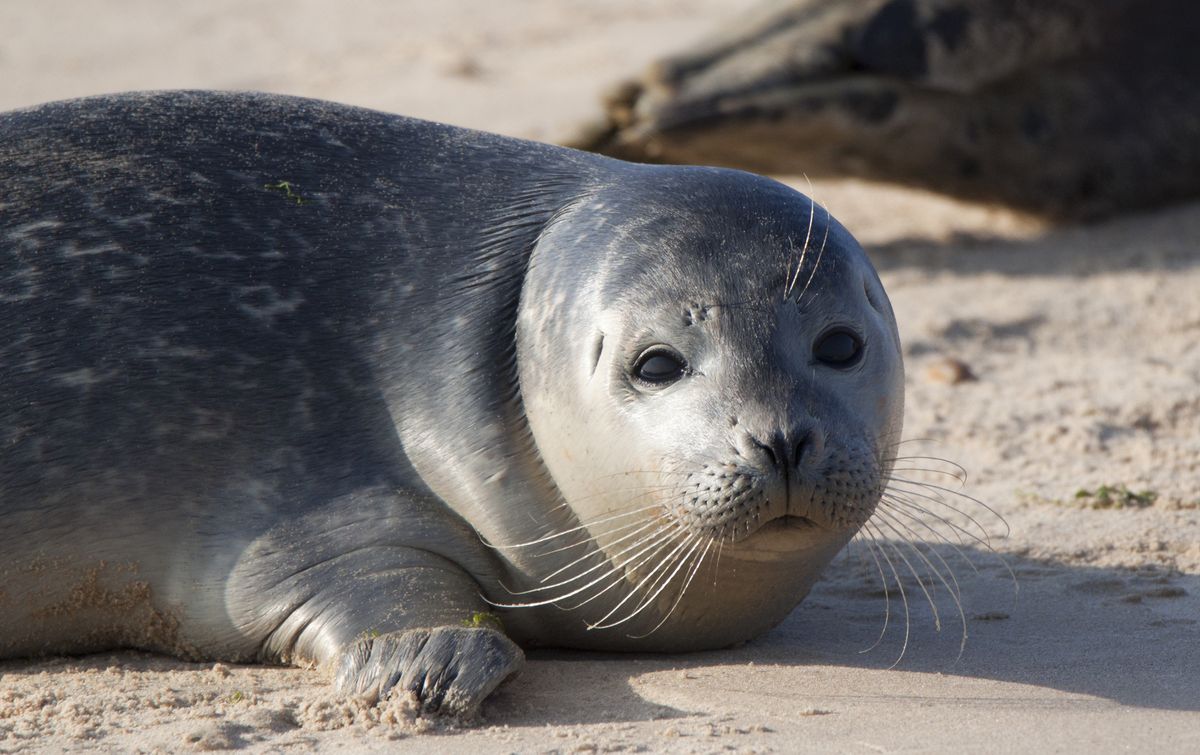
An unusual bird flu outbreak in the United Kingdom has killed five swans. seal According to a new report, the fox at the Wildlife Rehabilitation Center.
Outbreaks in late 2020 surprised researchers for birdsInfluenza virusIt rarely “spreads” to infect mammals. However, in this case, two different mammalian species were infected and developed a serious illness.
Genetic analysis revealed a single mutation in the avian influenza strain known as H5N8, which could allow the virus to fly from birds to mammals, the authors said. However, the mutation itself is not strongly associated with human transmission, and the authors determined that the strain in this case does not appear to pose a risk of transmission to humans. In addition, no human cases were identified in relation to development.
Nonetheless, “genetic analysis did not show an increased risk of human transmission…
View original post 739 more words
byRomina Castagninoon 22 October 2021
Camera trapsbring you closer to the secretive natural world and are an important conservation tool to study wildlife. This month we’re meeting the world’s most trafficked mammal: the Sunda pangolin.https://www.youtube.com/embed/toxC22tM6Zg
The Sunda pangolin (Manis javanica), also known as the Malayan or Javan pangolin, is a unique mammal native to Southeast Asia. Pangolins are covered by many rows of overlapping scales, which are made from keratin, the same protein that forms human hair and fingernails. The scales never stop growing and are constantly filed down as the animals dig burrows and forage for insects. Pangolins use…
View original post 225 more words
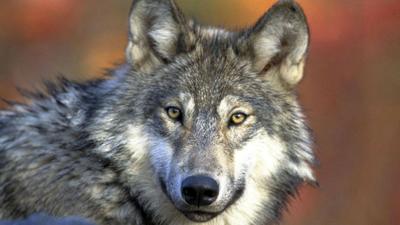
HELENA, Mont. – At its Oct. 28 meeting, the Montana Fish and Wildlife Commission is considering adjustments to wolf trapping regulations for the 2021 season.
The changes are aimed at minimizing the possibility of non-target capture of lynx and grizzly bears. Both species are protected under the Endangered Species Act.
The proposed changes look at more clearly identifying occupied grizzly bear habitat and adjusting the season dates for trapping and snaring in these areas.
The proposed default opening day in areas likely to have grizzly bears would be Dec. 31, according to a release. However, this date could move earlier if the department determines most grizzly bears are denned for the winter.
The proposal would also close snaring for wolves on public land within Lynx Protection Zones. These zones have long been established in state…
View original post 91 more words
HELENA, Mont. – At its Oct. 28 meeting, the Montana Fish and Wildlife Commission is considering adjustments to wolf trapping regulations for the 2021 season.
The changes are aimed at minimizing the possibility of non-target capture of lynx and grizzly bears. Both species are protected under the Endangered Species Act.
The proposed changes look at more clearly identifying occupied grizzly bear habitat and adjusting the season dates for trapping and snaring in these areas.
The proposed default opening day in areas likely to have grizzly bears would be Dec. 31, according to a release. However, this date could move earlier if the department determines most grizzly bears are denned for the winter.
The proposal would also close snaring for wolves on public land within Lynx Protection Zones. These zones have long been established in state trapping regulations and are generally in the greater Yellowstone area and northwest Montana.
Montana Fish, Wildlife & Parks took public comment on wolf regulations during this past summer. The commission then set the current season dates and regulations in August.
The public can comment on these potential adjustments during the Oct. 28 meeting, which will be held at the Montana State Capitol, room 303, and through Zoom.
To testify on items on the commission agenda, you must sign up by Oct. 27 at 12 p.m. You can sign up here.


