Hunters average 9 birds per person during South Dakota’s 2024 pheasant season; Conservation efforts by farmers and ranchers contribute to successful season
Reply

Posted by Angela Montana on June 4, 2025

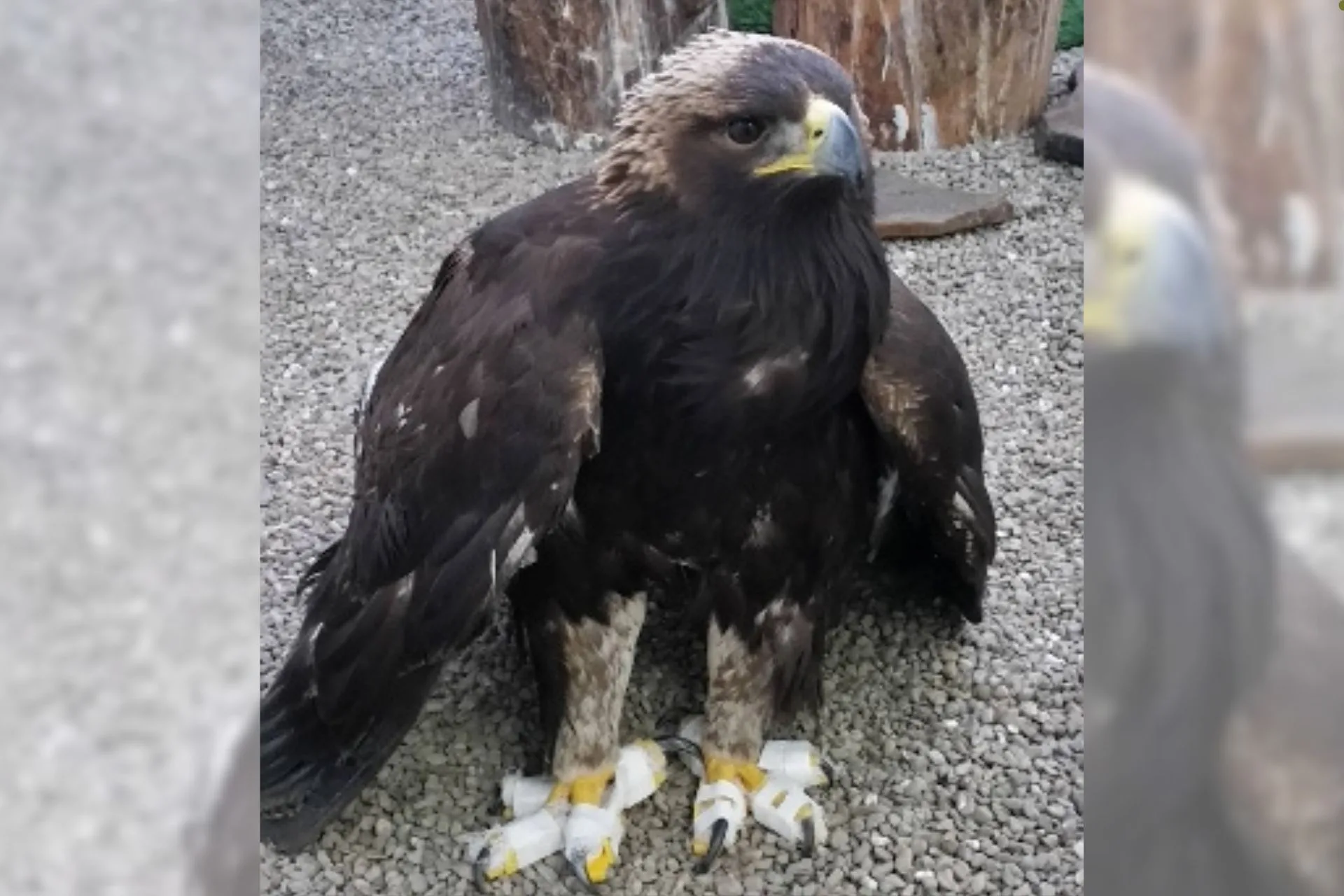
Montana Wild Wings Recovery Center in Kalispell has treated six bald eagles and one golden eagle with elevated lead levels in 2025.
Of those, one bald eagle and the golden eagle succumbed to lead poisoning, one bald eagle remains in treatment, and four bald eagles have been successfully rehabilitated and released.
Lead poisoning is a common cause of death for eagles in northwest Montana, following vehicle collisions. Of the 45 eagles tested at the center from 2017 to 2025, 55 percent showed lead levels above normal environmental levels. This year, two eagles had lead levels so high they were unreadable. Even low-level lead exposure can impair coordination for eagles, increasing the risk of fatal accidents, such as vehicle strikes.
Eagles are exposed to lead primarily by scavenging carcasses and gut piles containing fragments from lead-based ammunition. Spikes in lead poisoning occur during and after the fall rifle hunting season, when lead-shot deer and elk remains are prevalent, and to a lesser extent in spring, when Columbian ground squirrels are targeted with lead bullets. Hunters can help reduce eagle deaths by switching to nonlead ammunition, such as copper.
Please report any dead, injured, or sick eagles to the FWP Region 1 office at 406-752-5501.
Date: May 14, 2025
Author(s): Kitty Block, Sara Amundson
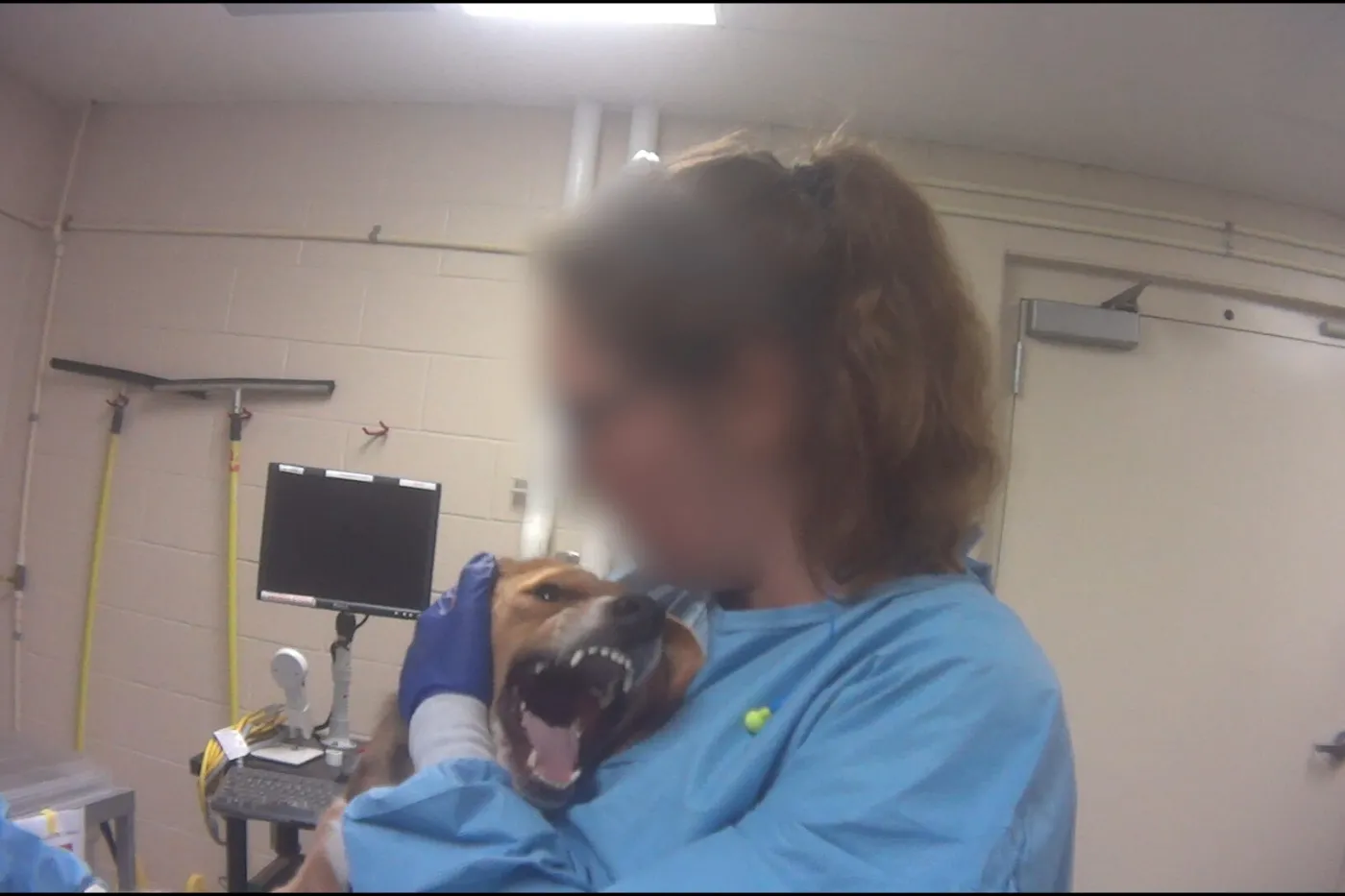
The things that make beagles wonderful companion animals are also the things that have led to their extensive use as laboratory test subjects: They are friendly, good-natured and easy to handle. U.S. laboratories use more than 40,000 of these gentle animals in experiments every year. But we are continuing to advocate for a fundamental shift that would result in a steep decline in the number of dogs and other animals in laboratories.
Last week, National Institutes of Health director Dr. Jay Bhattacharya revealed that the agency had shuttered the last beagle laboratory on its campus—a lab that carried out experiments on thousands of dogs. This does not mean that NIH has stopped funding dog tests entirely, nor does it end the continued use of dogs in experiments that are not funded by NIH. But it’s a step forward, and it’s one we are determined will be a sign of a larger change.
This news comes, too, as we approach the one-year anniversary of the largest Animal Welfare Act fine in U.S. history. The fine was levied against Inotiv—one of the biggest animal testing companies in the world and the parent company of Envigo RMS, a company that breeds and sells animals to laboratories. Dozens of shocking violations at an Envigo dog breeding facility in Virginia led to a federal investigation and resulted in our team’s historic transport of more than 4,000 beagles, who were placed into loving homes with the help of our invaluable shelter and rescue partners. The Virginia facility was closed and the plea agreement ensured that no Inotiv entities, including Envigo, will be able to breed or sell dogs again.
Over the last few months, we’ve seen still more good news for dogs and other animals in labs, with NIH, the U.S. Food and Drug Administration and the U.S. Environmental Protection Agency all announcing plans to replace animal tests and experiments with sophisticated non-animal alternatives.
On average, more than 60,000 dogs are used in experiments each year in the United States. Stand with us and call on state and federal governments to end experiments on dogs and invest in science that doesn’t cause animal suffering.
And we have also seen wins on this issue at the state level across the U.S. In Pennsylvania, state lawmakers and advocates gathered in support of bipartisan legislation nicknamed the Beagle Bills; this legislation would protect both dogs and cats bred for and used in experiments and also require institutions to use non-animal alternative methods to test products such as chemicals, drugs and pesticides whenever possible. Many Pennsylvania families who had adopted an Envigo beagle were present and eager to share touching stories about their dogs.
In Colorado, we worked closely with legislators to ensure that a bill was signed into law giving dogs and cats the chance to be adopted into a home after they leave the laboratory. Colorado is now the 17th state to enact such a law. These adoption measures are important because they give dogs and cats the opportunity to have loving lives after being used in experiments, rather than being euthanized.
These developments can’t come soon enough for animals in laboratories, who are locked in small barren cages and subjected to horrifying experiments, like the ones documented in our 2021-2022 undercover investigation at an Inotiv laboratory in Indiana and our 2019 undercover investigation at a Charles River laboratory in Michigan.
Although NIH has ended all dog experiments conducted at its in-house laboratories, it still spends tens of millions in taxpayer dollars each year to fund dog experiments at laboratories across the U.S. and around the globe. Some of the tests carried out on dogs include inducing heart failure, force-feeding them large doses of human drugs daily over a series of weeks or months until they die or are killed, and inducing airway collapse to test new devices. In a series of experiments that has been funded for nearly 50 years, dogs are starved for hours and immobilized for up to five hours at a time while multiple catheters monitor their fluids. These experiments at Vanderbilt University, in the service of investigating glucose metabolism, have cost taxpayers more than $20 million.
One particularly distressing and unnecessary test that, for most cases, could be avoided is the 90-day pesticide test on dogs. This experiment involves forcing dozens of dogs to ingest pesticides every day for 90 days, then killing them if they have not already died from the toxic effects of the pesticides. The EPA and other international government agencies currently require pesticide companies to carry out this test, resulting in the suffering and death of hundreds of dogs every year worldwide. Our in-depth analysis, co-authored by Science Advisor Patricia Bishop and published in a peer-reviewed scientific journal in 2023, demonstrates that, in nearly all cases, the 90-day test on beagles provides no added value in assessing pesticide risks to humans.
The work to eliminate the 90-day dog test follows on our 10-year campaign to remove requirements for the one-year dog test, which was finally eliminated from global pesticide regulations in 2018 after years of work with multinational companies and other groups.
Although we’ve made strides in the last year, we clearly still have work to do before we can celebrate the end of dog experiments in the U.S. We are calling on NIH, the FDA and the EPA to take immediate steps to replace experiments on dogs and other animals with non-animal alternatives in alignment with their recent announcements. We have been pushing these federal agencies to end experiments on dogs and other animals for decades, and we are excited to work with them to achieve our shared goal of transitioning toward better science focused on human biology. This transition will not only save animal lives but will lead to better outcomes for human health.
As science advances and sophisticated alternatives to animal experiments are developed, we owe it to dogs and other animals in laboratories to ensure that these experiments are ended as quickly as possible. Join us in speaking up for beagles by signing our petition to end dog experiments.
Sara Amundson is president of Humane World Action Fund.
News brief
June 3, 2025
Avian Influenza (Bird Flu)Share
The US Department of Agriculture (USDA) Animal and Plant Health Inspection Service (APHIS) has confirmed a third H5N1 avian flu outbreak at a large layer farm in Arizona, affecting nearly 1.4 million birds.
%20(2).jpg)
Since the middle of May, the virus has hit three of the state’s large layer farms, all in Maricopa County, leading to a loss of more than 5 million birds. The outbreak wiped out about 95% of the birds at Hickman Family Farms’ facilities, and has shuttered all of the company’s West Valley farms, according to a local media report.
Ostriches at a farm in British Columbia embroiled in a controversy over culling were infected with a novel H5N1 reassortant that included the D1.3 genotype, according to a recent statement from the Canadian Food Inspection Agency (CFIA). The reassortant hadn’t been detected before in Canada, but was identified in March in a serious infection in an Ohio poultry worker.
The outbreak at the ostrich farm was initially reported earlier this spring, and the company has not adhered to Canada’s rules about culling and quarantine, amid a public uproar over the federal laws that require that the birds be destroyed.

