What is H5N1? Experts warn new virus spreading across all 50 states, fears of new pandemic
Reply

ON 04-30-2025
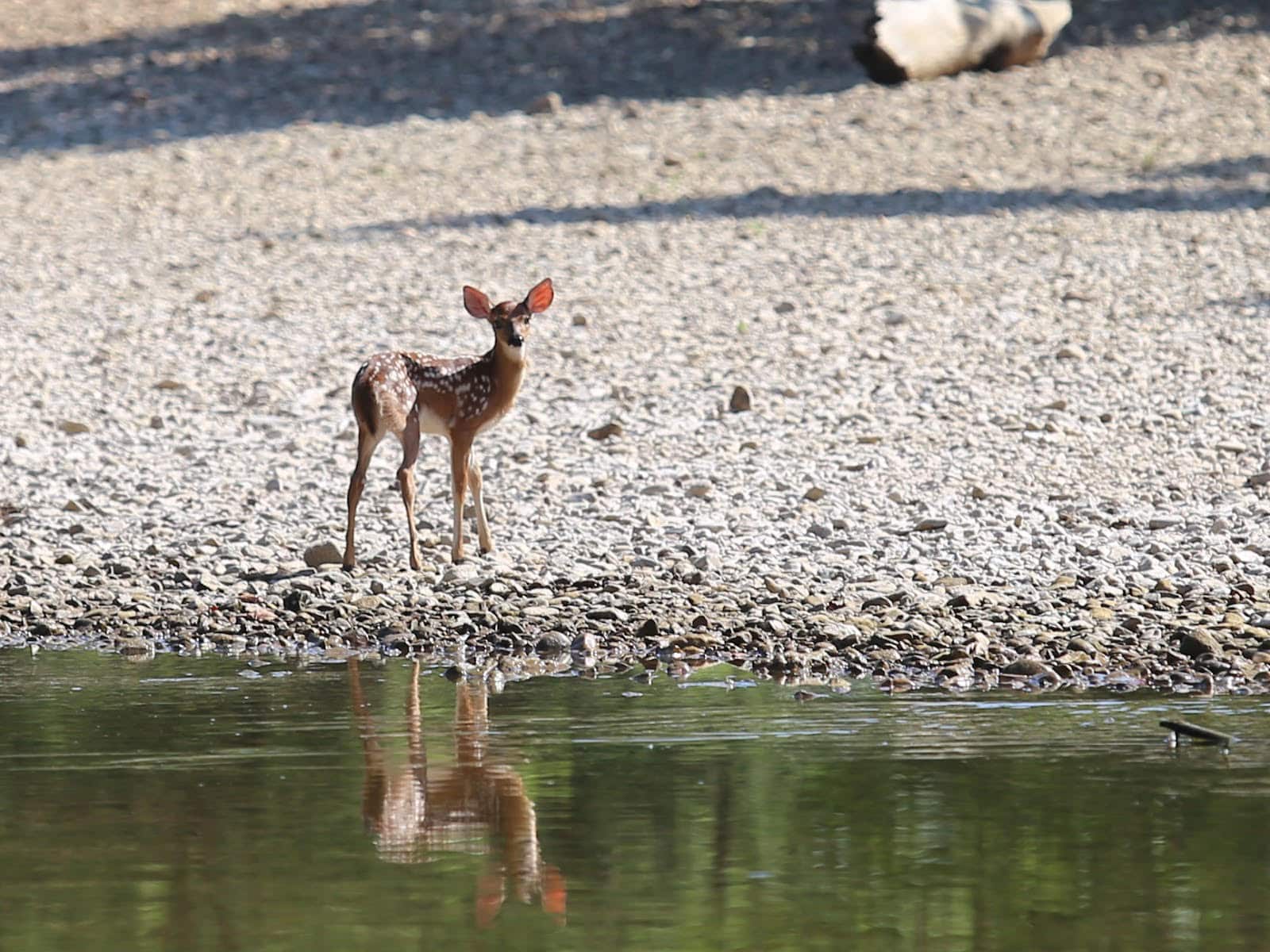
LITTLE ROCK — Arkansas is blessed with abundant wildlife and their offspring. As the green march of spring continues to increase outdoor recreation opportunities, many landowners and outdoor adventurers are likely to come across unattended baby wild animals. Offering a helping hand is not only a recipe for disaster; in some cases, it can be illegal.
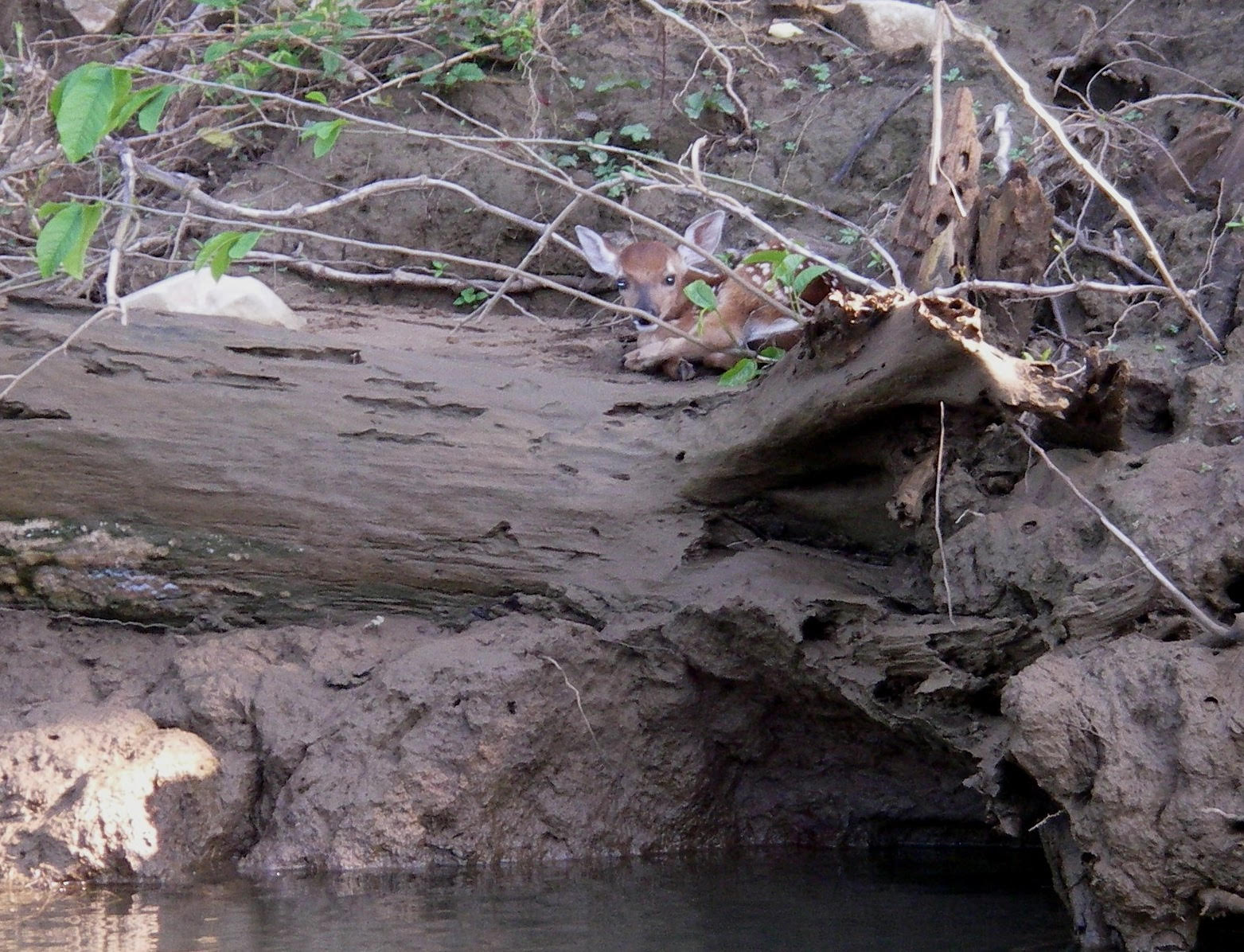
First and foremost, don’t assume that these animals have been abandoned. One or both parents may be out of sight, waiting for you to leave. The spots on a fawn are nature’s version of camouflage; their strategy to avoid predators is to stay perfectly still and let the danger pass. The mother leaves the fawn alone for much of the day to feed and build up her milk supply for her young. Deer aren’t the only animals that use the stay away, stay safe strategy. A female rabbit only spends about one hour out of every 36 with her young. Many well-meaning good Samaritans have picked up a helpless baby deer only to have inadvertently stolen it from its mother.
Concerns over chronic wasting disease have made it illegal to rehabilitate deer in Arkansas because the removal of the infectious agent once a facility is exposed to the disease has proven impossible. As a result, taking an abandoned fawn also leaves the well-intentioned person in a sticky situation with no one to take it in and no way to care for it themselves.
Many landowners call the Arkansas Game and Fish Commission in spring when they see baby birds that have fallen from their nest. Some may want to put the bird back in the nest, but, again, the best course of action is often to leave things be and let nature take its course. Baby birds almost ready to fly often will hop around in the tree branches, exercising their wings and fall out of the tree. Parents will feed these youngsters where they find them on the ground.
In some cases, the young animal may have a disease or some other issue that led to being abandoned by its mother on purpose. Trying to place this bird back in the nest may cause the problem to spread and create a complete nest failure.
Even in the best-case scenario, the young of such prolific species as rabbits, mice, songbirds and other small species have a 20 percent chance of survival through their first year. The survival strategy for these animals is to simply reproduce more young than will die from predation, disease and environmental causes.
It’s best to observe the young animal from a distance and prevent any unnecessary danger from pets and children. Housecats and feral cats are by far the biggest predators of songbirds in the United States, so keeping your cat away from the backyard birds is a good practice, no matter the time of year.
In addition to the baby deer mentioned earlier, federal laws may make it illegal to possess other animals. Migratory birds such as cardinals, mockingbirds and other songbirds fall into this category, as do hawks and owls. Even possessing the feathers of these birds requires a special permit issued by the U.S. Fish and Wildlife Service, and rehabilitating them also requires special training and permitting.
The AGFC lists licensed rehabilitators on its website at www.agfc.com/rehab to help connect people with these resources when they don’t heed the warning to leave abandoned wildlife alone. These rehabbers are not paid for their services and only do it as a labor of love. Please contact the rehabber before taking the animal from its setting, as they have space limitations and can only take in so many animals at a time.
####
CUTLINES:
FAWN STANDING BY WATER
Deer are nearly impossible to rehabilitate for release into the wild. Rehabbing them or keeping them as pets is illegal.
FAWN HIDING
A fawn’s instinct is to lie perfectly still and let its camouflage hide it from predators. AGFC photo by Jeff Williams.
“What is happening at La Jolla?”
by Michelle RochniakApril 26, 2025

Photo Credit: iStock
While it might be fun to think about petting a sea lion, it’s important to keep your distance if you see one in the wild.
TikTok user Lenny (@lenny_lop) was outraged to see people in San Diego harassing sea lions on the beach of La Jolla Cove.
The video shows people getting within reach of the sea lions. A few people recorded them as they try to relax on the rocks and sand. “This is actually sad,” text on the screen reads. “Poor babies.”
The animals in the video are clearly distressed. One lunges at a person as they step very close.
According to the National Oceanic and Atmospheric Administration, sea lions are protected under the Marine Mammal Protection Act. In addition to not harming, capturing, or feeding marine wildlife, this legislation also says the public must view marine wildlife with respect.
NOAA says that people should keep a distance of at least 50 yards, which is half a football field, from most marine wildlife, which includes sea lions. Whales require at least a full football field (100 yards). Laws can also vary depending on your state, your viewing location (sea, land, or air), and the species.
0 seconds of 14 secondsVolume 0%
Staying away from sea lions is also important for the sea lions’ health and your own. According to Sea Grant California, sea lions can carry illnesses that harm humans. Petting or interacting with a wild sea lion can also cause stress, which can weaken its immune system.
Many people were disappointed to see this interaction.
“And then the animals are considered ‘dangerous’ when it’s defending itself,” one user said.
“What is happening at La Jolla?” another person asked. “I remember visiting the seals there years ago and ppl would respect their space. Now I see so many tiktoks of ppl messing with them.”

