Man sentenced for assault and theft at illegal hunt
Reply

Published Mon, Feb 24 20252:35 PM ESTUpdated Mon, Feb 24 20253:42 PM EST
ShareShare Article via FacebookShare Article via TwitterShare Article via LinkedInShare Article via Email
Key Points
In this article
Follow your favorite stocksCREATE FREE ACCOUNT

A sign is posted in front of a Denny’s restaurant in Emeryville, California, on Feb. 13, 2023.
Justin Sullivan | Getty Images
Denny’s will temporarily add surcharges to meals that contain eggs as Americans contend with a shortage of the staple food item, the restaurant chain said Monday.
The South Carolina-based company said the size of the surcharge will vary across its approximately 1,500 locations. It marks the latest shift for consumers and businesses alike as they grapple with the bird flu’s effects on egg availability and costs.
“Due to the nationwide egg shortage and increased cost of eggs, some of our restaurant locations will need to temporarily add a surcharge to every meal that incudes eggs,” the company said in a statement. “This pricing decision is market-by-market, and restaurant-by-restaurant due to the regional impacts of the egg shortage.”
Denny’s said it would not share which specific regions or locations would see surcharges due to the situation being “fluid.”
The bird flu has resulted in the death of millions of hens, which has led to a shortage of eggs on grocery store shelves and for restaurants across the country. With supply depleted, wholesale egg prices have reached new records.
In its weekly crop report, the U.S. Department of Agriculture on Friday characterized wholesale egg prices as “firm to higher with a higher undertone” and supply as “very light to light with little chance of improvement in the near-term” due to bird flu.
Prices for white eggs rose to $8.07 per dozen last week, an increase of 33 cents or 4.7%. Inventories fell 2% overall and were off 3.5% for cage-free products and 12.5% for nutritionally enhanced eggs.
Denny’s is not the only restaurant to lay price hikes on consumers as a result. Waffle House opted to institute a surcharge of 50 cents per egg earlier this month.
Grocery store chains ranging from Trader Joe’s to Walmart, meanwhile, have placed limits on the number of eggs that can be purchased by shoppers.
Bloomberg News was first to report the Denny’s surcharge.
— CNBC’s Jeff Cox contributed to this report.
As H5N1 spreads rapidly, wild bird populations remain at risk. Here’s what to know about the outbreak and how to keep your birds safe.
https://www.audubon.org/magazine/what-does-recent-avian-flu-surge-mean-your-feeders
Associate Editor, Audubon magazine
Published February 24, 2025
Key points:
__________
Wild birds are facing a dangerous moment for avian influenza. Since late 2024, wildlife agencies and rehabilitators across the U.S. have reported major die-offs of birds linked with the highly pathogenic avian influenza virus H5N1: Snow Geese falling out of the sky in Pennsylvania, Red-breasted Mergansers washing ashore in Chicago, Eared Grebes piling up around Utah’s Great Salt Lake. Meanwhile, outbreaks have torn through poultry and dairy farms, infected a range of mammals from pet cats to elephant seals, and raised the concerns for a potential crossover to a human pandemic.
“We’re in the throes—or maybe at the end of the throes—of a pretty active period for avian influenza,” one possibly spurred by fall migration, says Richard Webby, a virologist at St. Jude Children’s Research Hospital who focuses on influenza.
So what does this surge mean for people who feed birds? Feeders don’t currently present a major risk of spread, experts told Audubon, especially as the virus doesn’t commonly infect the songbirds that visit feeding stations. Still, to protect avian life—along with people and other animals—it’s important to stay up to date with the latest guidance from local, state, and federal wildlife authorities. As officials monitor the virus, they may recommend temporarily removing feeders, avoiding certain habitat areas, reporting sick or dead birds, or taking other precautions. Audubon, for its part, recommends removing feeders if at least one of your local agencies advises taking them down.
Scientists have been on high alert about avian flu since 2020, when a new, “supercharged” lineage of the virus—known as clade 2.3.4.4b—started to take off, says Webby. After exploding in Europe, this version of the virus showed up in Canada in 2021 and quickly worked its way down through the Americas, eventually reaching all the way to Antarctica.
Versions of avian influenza have long circulated in bird populations, but in the past, they mainly cropped up in domestic poultry and transferred from farm to farm, says Johanna Harvey, a wildlife disease ecologist at the University of Rhode Island. With this latest version, though, the virus has been infecting a broad variety of wild birds, spreading far and wide along their migratory routes. “Now, wild bird migration is really what is driving the persistence of this disease, and the geographic spread and range,” Harvey says. “And the scale of the mortalities is larger than we’ve ever seen before.”
The virus doesn’t commonly infect the songbirds that visit feeding stations.
The virus has ebbed and flowed in recent years, often seeing an uptick after fall migration. Much of last year saw a slight reprieve in infections, which Harvey attributes to some birds having immunity: “A lot of birds got infected early on,” she says. “If they survived, it means they were able to mount an immune response, and then they have antibodies.” But infections and deaths in wild birds came roaring back at the end of 2024, possibly because migrating populations included birds with waning antibodies and juveniles that had never been exposed to the virus, she adds.
Recent months have also seen the rise of a new genotype of the virus, D1.1, which quickly became the dominant version spreading along the flyways. Though Webby says it’s hard to draw direct comparisons to earlier years, since birds’ levels of immunity have changed, this genotype seems to be well adapted to infecting wild birds and caused significant die-offs during fall migration.
The USDA’s Animal and Plant Health Inspection Service, which tracks highly pathogenic avian influenza across the country, has reported more than 12,000 cases detected in wild birds since 2022. And this is probably a small fraction of the true toll, Harvey points out, since disease surveillance of wild bird populations remains limited.
Follow these easy steps to prevent any type of disease spread.
1.) Dispose of uneaten seed rather than dumping it on the ground. Leftovers can attract pests.
2.) Scrub with soap and water (for hummingbird feeders, skip the soap), followed by a 15-minute soak in a 50-50 vinegar-and-water solution to sanitize.
3.) Remove any residue with a thorough water rinse. If your feeder is dishwasher-safe, let your appliance’s soap and hot water do the work.
4.) No matter how you clean, let the feeder completely dry before refilling it with food. Moisture is a sure way for fungus or bacteria to flourish.
Read more feeder safety tips here.
Birds like ducks, geese, and gulls, which are historically the main hosts for avian flu, are still heavily impacted: Some of the latest USDA reports include Blue-winged Teals in Louisiana and Mallards in Indiana. Raptors, seabirds, and corvids are increasingly becoming victims—including Bald Eagles, Turkey Vultures, and American Crows. Cases in songbirds, though, are still uncommon. These kinds of species probably have less exposure to the virus—which often spreads via the feces of an infected bird—compared to waterfowl that gather and forage in large flocks, Harvey says. Raptors can also pick up the virus when they prey on infected birds.
That’s why bird feeders are not a top concern at the moment, though experts emphasize that cleaning feeders regularly is crucial to prevent the spread of all kinds of avian disease. It’s also worth weighing what kind of environment your feeders are in, Harvey says, and their possible proximity to the species that are most impacted by avian flu—like poultry if you live near a farm, or shorebirds if you’re on the coast. The USDA recommends that anyone who cares for poultry “should prevent contact between wild birds and poultry by removing sources of food, water, and shelter that attract wild birds,” according to a USDA spokesperson.
If you see potential signs of illness—like “birds that are acting weirdly with a head tilted back, or walking in circles, or look disoriented”—you should keep your distance, Webby says, and wear protective equipment like gloves and a mask if you need to handle them. “Treat anything that’s sick as if it could be positive,” he suggests, even though “there’s a good chance it’s not.”
As birds gear up for another round of migration, scientists will be paying close attention to avian flu activity, though Webby says spring migration historically doesn’t bring major surges like in the fall. Looking ahead, experts say there’s a lot of work to do to better understand H5N1—including ramping up surveillance in wild bird populations and getting to the bottom of basic questions about how the virus works. This work could be crucial to the future of bird conservation, Harvey says, since it’s likely that avian flu will pose a long-term problem for wild populations. “I think that the virus is not leaving us anytime soon,” she says. “It is embedded in migratory birds.”
Webby agrees that, while the details may differ from year to year, avian flu outbreaks will probably become an annual post-migration pattern. “What we’re seeing now, unfortunately, might very much be the new norm,” he says.
USA TODAY
0:48
/
0:55
It’s not exactly a compliment to be called a vulture.
They circle overhead when disaster or death is imminent. They scavenge and scrounge, feeding on things killed by nature or man, feasting on the leftovers of other animals.
With their long necks and sparse feathering on their heads, vultures can be downright scary looking, lacking the majesty of the bald eagle, the sleek style of ravens, or the beauty of hawks.
Vultures are a Halloween and horror movie staple, symbolizing death and decay. Even when they’re portrayed sympathetically − like the Liverpool-accented foursome Buzzie, Flaps, Ziggy and Dizzy in Disney’s “The Jungle Book” − they’re bumbling, unloved, hapless creatures.
When they gather as a committee when resting, a kettle when flying, or somewhat disturbingly, a wake when feeding on a carcass, vultures can be a bit unnerving.
Just ask residents in one small Northeast Pennsylvania town. Denise Ackerman told the Honesdale town council at a recent meeting: “These vultures are turning our sweet little town into a horror movie!”
Ackerman said she wasn’t anti-vulture; she understands that living in a rural area, they’re basically her neighbors along with other wildlife. But “when I wake up in the morning there are 20-30 vultures in a tree… or descended into the grass,” Ackerman said, according to the Tri-County Independent.
Honesdale’s Mayor Derek Williams acknowledged that vultures are a protected species and suggested vulture effigies to scare the real ones off. He even compared black vultures to humans, saying he learned they are “very social, mate for life, and hold strong family bonds.
Get the Daily Briefing newsletter in your inbox.
The day’s top stories, from sports to movies to politics to world events.
Delivery: DailyYour Email
“My guess is they want a similar quality of life as we do and that we could all figure something out,” Williams said.
So why should we be glad when vultures do show up on our rooftops and light poles? Lots of reasons, according to wildlife experts.

Vultures are “nature’s influencers, curating cleaner ecosystems, building their networks and teaching us how to improve conservation practices,” according to an October 2024 story on the World Wildlife Fund website.
The conservation nonprofit calls vultures “nature’s dedicated waste management specialists.” The world’s 23 vulture species, including turkey vultures, black vultures and California condors (which are endangered) here in the U.S., have sharp vision to help them spot carrion from high above.

Vultures not only consume dead animals that might otherwise remain out in the elements to decompose, according to the Wildlife Center of Virginia, but they also help stop the spread of disease by consuming the bacteria and other germs the carcass might give off. Vultures’ stomachs have enzymes in them to kill off toxins and microorganisms they ingest when they feed on carrion.
Unlike raptors such as eagles and hawks, vultures don’t have the kind of strong talons needed for hunting. Instead, their long toes and blunt talons are better suited for walking or standing while they feed.
Long, hooked bills help vultures tear at muscle and other tissue; the lack of feathers on their heads helps them stay clean as they eat somewhat, uh, messy meals.
In the U.S., there are three species of vultures: turkey vultures, black vultures and California condors. According to Audubon.org, turkey vultures are the most common, found throughout the continental U.S., while black vultures are found mostly in the nation’s Southeast regions.
Black vultures, as their name indicates, have black coloring on their heads, while turkey vultures’ heads are bright red (like wild turkeys). Their wings differ as well, with turkey vultures’ longer, narrower wings black and gray and black vultures having black wings with silver tips. Wingtips, if you will, for added style.

The California condor, like the sprawling state it’s named for, is huge, weighing as much as 25 pounds and with 10-foot wingspans.
Though endangered, they are now found in parts of California, Utah, Arizona and Mexico. The California Condor Recovery Program, led by the U.S. Fish and Wildlife Service and working with zoos, the National Park Service, state and tribal governments, the Bureau of Land Management and other agencies, has helped bring condor populations back from the brink of extinction, according to the U.S. Fish and Wildlife Service.
Williams, the Honesdale, Pennsylvania, mayor, offered another idea for coexistence: “Maybe someday a bunch of us can all get together for an outdoor movie night to watch ‘The Birds,’ ” he said, referring to the classic 1963 Hitchcock thriller about birds taking over a village, “and afterward take a walk over to a committee of vultures to say thanks for not attacking us and for being good neighbors.”
There’s nothing scary about that.
Do you want to share a slice of Americana with USA TODAY? Contact Phaedra Tretthan by email at ptrethan@usatoday.com, on X (formerly Twitter) @wordsbyphaedra, on BlueSky @byphaedra, or on Threads @by_phaedra

Over environmental advocates’ objections, a panel of judges ruled the U.S. Forest Service didn’t violate federal law by failing to consider the effects of livestock on the endangered Mexican gray wolf population.
Matt Simons / February 11, 2025
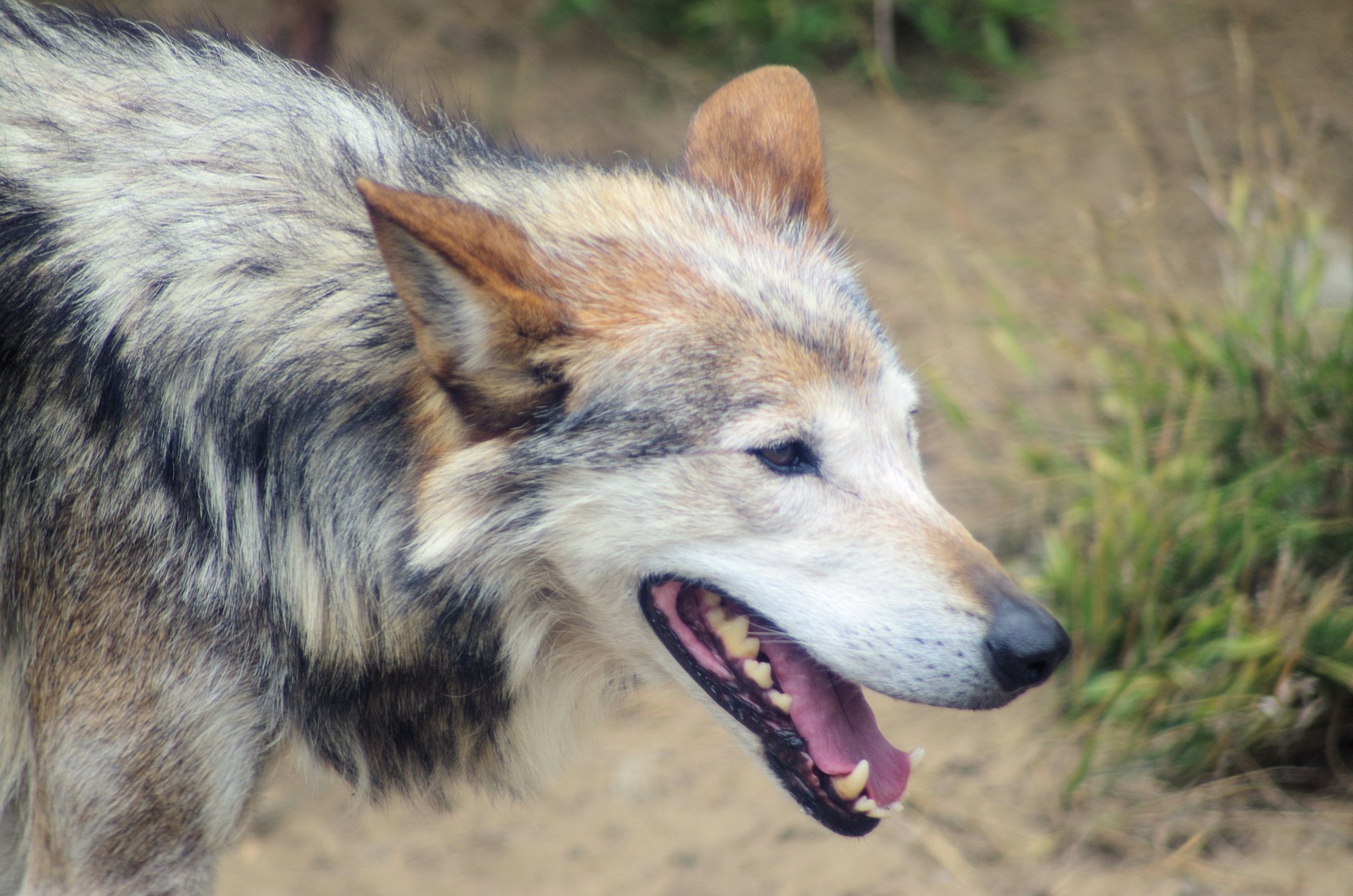
(CN) — The U.S. Forest Service acted lawfully when it authorized a cattle grazing project in New Mexico and Arizona, despite activists’ claims that it could impact the endangered Mexican gray wolf population in the area, the Ninth Circuit ruled Tuesday, upholding a lower court decision.
The three-judge panel rejected claims by the Western Watershed Project that the Forest Service didn’t look hard enough at the effects of the livestock grazing on the Mexican gray wolf, whose wild population is just over 250 in the United States.
Rather, the panel said in its unsigned opinion, the federal agency thoroughly considered those issues and “reasonably concluded” that the proposed grazing was “not likely to adversely affect the subspecies.”
For one, the judges said, the proposed grazing area did not have documented Mexican gray wolf packs, dens, rendezvous sites or territories, and nearly all the grazing allotments had no reported wolf sightings or instances of wolf-livestock conflict.
Additionally, the Mexican gray wolf population within the area nearly doubled between 2016 and 2020, despite higher levels of grazing than those authorized by the Stateline Project — a fact the Forest Service’s attorneys leaned on during oral arguments a week before the decision.
“Given these facts, plaintiffs have not shown that Forest Service’s conclusions were ‘unreasonable,’” the panel wrote.
Cindy Tuell, the Arizona and New Mexico director for Western Watersheds Project, called the court’s decision disappointing.
“Mexican gray wolves are one of the most endangered species that we have in southern Arizona and New Mexico. They desperately need more protections, and one of the biggest threats to the wolf is livestock grazing,” Tuell told Courthouse News.
The nonprofit environmental conservation group is concerned that increased grazing in the area could threaten the recovery of the endangered Mexican gray wolf by disrupting the populations of its prey, which depend on the same grass for food. The group sued the Forest Service in 2021 over the grazing plan, known as the Stateline Project, which was approved in 2019 and began in 2020. After losing summary judgment in late 2023, it appealed to the Ninth Circuit.
Western Watersheds, Tuell said, was suing over the Forest Service’s lack of action just as much as it was grazing land’s approval.
The conservationists say the Forest Service violated the National Environmental Policy Act by failing to produce an environmental impact statement that fully analyzed the effects grazing might have on the fledgling wolf population in the Greater Gila Bioregion — an area spanning the central portion of the Arizona-New Mexico border that is home to at least 26 sensitive species.
“It’s the Forest Service’s job to tell the public and the judges what the threat is. It’s not the public’s job to do that science,” Tuell said.
Because the current population is descended from just seven wolves, the group says any potential removals or killings due to conflict with grazing livestock would be devastating to the species’ genetic diversity, which is already dangerously low.
Though Western Watersheds lost its appeal, Tuell found a silver lining. “You know, the Forest Service started doing a much better job at this right after we filed our first lawsuit on this case,” she said.
The U.S. Forest Service declined to comment on the lawsuit.
The panel of judges behind the decision included U.S. Circuit Judge Bridget Bade, a Donald Trump appointee, as well as U.S. Circuit Judges Richard Clifton and Jay Bybee, both George W. Bush appointees.

