California suspends Raw Farm raw milk products amid bird flu concerns
Reply

News
Hunters will now be able to kill the large cats in Cypress Hills. Critics say the latest move to expand hunting came with little to no rationale or consultation
Dec. 2, 2024 4 min. read
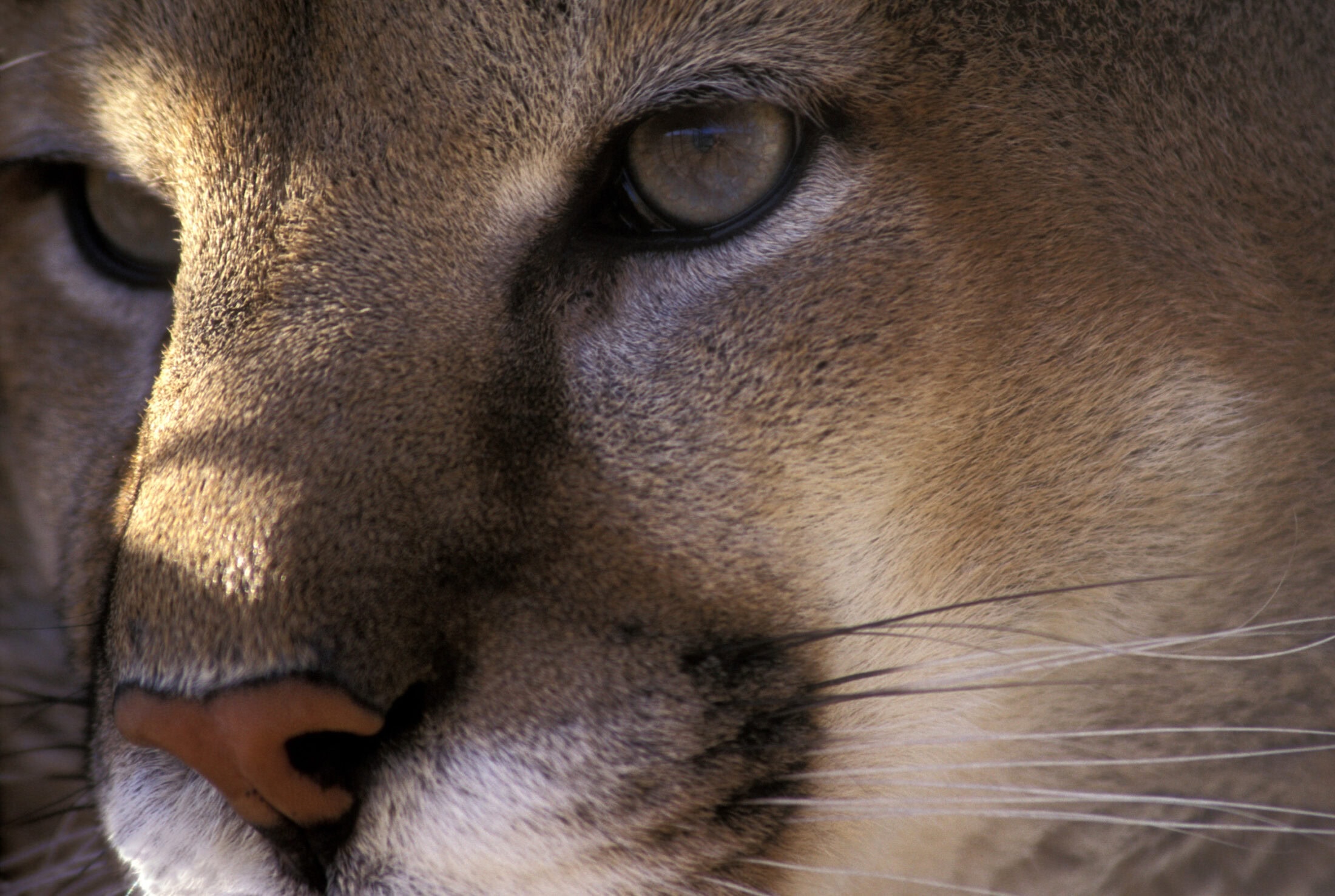
Alberta Parks and Forestry Minister Todd Loewen — who is a hunter and whose family owns a hunting business — has overseen numerous changes to Alberta hunting regulations since he took over in 2023. As of Dec. 1, cougar hunting is now allowed in Cypress Hills Provincial Park.
Photo: Peter Dennen / Cavan
Hunters can now kill cougars in a provincial park in Alberta.
The move to allow a cougar hunt in Cypress Hills Provincial Park, along the border with Saskatchewan, is part of a trend in Alberta to open more land and more species to hunting, under the direction of Alberta Parks and Forestry Minister Todd Loewen — who is a hunter and whose family owns a hunting business.
The provincial government started a program earlier this year to allow private citizens to shoot what it deems “problem” grizzly bears. It also removed trapping limits on wolverines — and other species — arguing it’s needed to get a better idea of how many wolverines there are.
Cypress Hills, which is an isolated patch of forested hills in an ocean of prairies, is now covered under a new cougar management area, which will allow the species to be hunted using hounds.
“This is a change that encourages hunting of a species that is isolated, has declined, and is maybe just starting to recover, but there’s no evidence that we need a hunt or that this will in any way manage the population,” Ruiping Luo, a conservation specialist with the Alberta Wilderness Association, said in an interview.
The season for hunting cougars in the park officially opened on Dec. 1. Cougar licences are sold by the province for $20.31.
The quota for the number of cougars that can be killed in the province has increased from 106 in 2022-2023 to 132 as of Dec. 1, 2024. The increase is due exclusively to an increase in the number of female cougars that can be hunted — from 42 to 68. In 2019, the government estimated there were approximately 2,050 cougars in Alberta.
In Cypress Hills, one female and one male can be killed between Dec. 1 and March 31, 2025, or until the quota has been met.
SUBSCRIBE
We’re covering energy on the Prairies
The Narwhal’s Prairies bureau is here to bring you stories on energy and the environment you won’t find anywhere else. Stay tapped in by signing up for a weekly dose of our ad‑free, independent journalism.
Luo said her organization only found out about an expanded cougar hunt after it was put into place and said there’s a clear pattern of the government making announcements without consultation or warning.
“We haven’t received any scientific evidence that justifies any of this,” she said of the cougar hunt. “We’ve also been trying to get a meeting more broadly with some of the ministers and have been struggling to get into contact with them.”
She said the population of cougars in Cypress Hills is low, so even two animals being killed will have a significant impact.
According to the government’s website, “there are hunting opportunities on more than 85 per cent of the land base in Alberta’s parks system.” This includes all ecological reserves, wildland provincial parks and wilderness areas.
Loewen, who became minister in 2023, has been criticized for his motives for expanding hunting in the province.

The minister, who has previously declared income from Red Willow Outfitters in his ethics disclosures, hasn’t listed any income in his latest filing. Registry documents show the company, previously named Todd Loewen Outfitting Ltd., is now run by family members, including his wife.
Loewen’s office did not respond to a request for an interview. The Narwhal has also reached out to hunting and trapping organizations but did not hear back by publication time.
“Alberta is proud of our hunting heritage, unique culture and way of life,” Loewen said in an introduction to the 2024 hunting regulations guide. “We are home to over 150,000 resident hunters who enjoy a broad and generous diversity of hunting experiences and species. Our province is also happy to share these experiences, hosting hunters from across the country and around the world.”
Luo said hunting regulations tended to be based on managing animal populations, particularly prey animals, but said the latest provincial moves don’t appear to have “any reason behind them.”
“This is the latest in several changes to the hunting and trapping regulations in Alberta that allow hunting or expand the range of hunting,” she said. “I guess my question is, ‘Where does it stop?’ ”
Some claim traps should be checked more often to save pets and wildlife that get caught in them. But one experienced trapper says they already do that, and freeing a mistakenly trapped grizzly isn’t a DIY job.
December 01, 20245 min read

Trappers should be required to check their lines every 24 hours to prevent the accidental deaths of mountain lions and pets, a trapping reform group claims.
But some Wyoming trappers said they’re already doing that.
Unchecked traps account for numerous deaths of mountain lions, dogs and other “non-target” animals, Lisa Robertson, spokeswoman for Wyoming Untrapped, told Cowboy State Daily.

In one instance that the group holds up an example, a young mountain lion died slowly in the freezing Little Laramie River in December 2023 after it got caught in a trapper’s snare.
That’s why there should be regulations across Wyoming and other Western states requiring trappers to check their lines at least once every 24 hours, Robertson said.
But most trappers do that anyway, seasoned trapper Scott Weber of Cody told Cowboy State Daily.
There’s no reason to create a new regulation to enforce what’s already standard procedure, he said.
“I run my traps every day. Every trapper I know runs their traps every day, for 100 reasons,” Weber said.
Leaving traps unattended for too long not only increases the risk of catching animals that the trappers didn’t intend to, it also exposes trappers to the risk of their equipment being vandalized or stolen, or furbearing animals ruining their pelts through prolonged struggling, he said.

Even other wildlife can ruin a trapper’s catch if it’s left unchecked for too long, he said.
“Eagles and hawks and swoop down” and eat a catch, he said.
Retired federal trapper Carter Niemeyer of Idaho told Cowboy State Daily that checking traps at least every 24 hours is good ethics.
Most animals can survive being caught for a short period without suffering debilitating injuries, he said.
So a trapper can free a dog or another relatively small animal that was unintentionally caught, and the critter should be fine in most cases, he said.
“Those animals, just being caught overnight, can be released with minimal injuries,” he said.

But what if a trapper walks up on an irritated mountain lion, or worse yet, a grizzly that’s been caught by accident?
That’s definitely not a do-it-yourself job, Niemeyer said.
“I would just get on the phone and call the game warden immediately,” he said.
Wildlife agents can tranquilize a bear or mountain lion so nobody risks getting torn to pieces trying to set it free, he said.
Robertson said her group doesn’t want to ban trapping in Wyoming, and they appreciate ethical trappers.
However, there’s evidence the traps being left unattended to too long is killing too many animals, she said.
Wyoming Game and Fish reports obtained by Wyoming Untrapped indicate that in 2022, eight mountain lions died in the state after getting caught in snare traps.
Traps can also be a hazard for deer, moose and other wildlife, Robertson said.
“It’s just about every animal out there that at some point is going to encounter traps on public land,” she said.
Wyoming Untrapped supports a bill, expected to go before the Wyoming Legislature in 2025, establishing mandatory setback distances for traps near public trails and recreation areas.
That move was inspired by the death last year of an English bull terrier named Jester, who was caught in a beaver trap near Afton.
There currently aren’t any plans to introduce a bill making it mandatory to check traps every day, Robertson.
But she thinks that eventually, such regulations should be put in place across the West.
From a humane standpoint, it’s important to get to traps at least once every 24 hours, Niemeyer said.
In most instances, traps won’t crush animals’ bones and snares won’t strangle them, he said.
But restricting or cutting off the animal’s blood flow to paws or other extremities can inflict fatal damage on them, he said.
Paws can start to rot from a loss of blood or freeze solid, Niemeyer said.
And in the case of wildcats like mountain lions or lynx, that’s a death sentence.
“With cats especially, if you damage their front feet – that’s what they catch their prey with,” he said.
Neimeyer said he trapped wolves for decades in Montana and other states, mostly so federal wildlife agents could outfit them with radio collars.
In nearly all instances, if the wolf was freed from a trap within a few hours, it remained healthy, he said.
As to whether 24-hour checks should be mandated by law, Niemeyer said he can see the wisdom in it.
“I’m a firm believer that people do not police themselves worth a darn,” he said.
But on the other hand, it might be nearly impossible to enforce such a regulation, he added. Wildlife agents would have a difficult time establishing when traps were set.
Also, trapping frequently happens on private land, where game wardens might not have permission to go monitor traplines, Niemeyer added.
Weber said he doesn’t believe that groups such as Wyoming Untrapped aren’t out to try banning trapping altogether.
So, he doesn’t support the trapping reform bill that is going before the 2025 Legislature, or any others that might follow.
“It’s a slippery slope. Don’t give them an inch. They’ll take 10 miles, not 1 mile,” he said.
He added that the Legislature this year will be focused property tax reform and other such matters, so he doesn’t see trapping reform gaining much traction.
And Wyoming is also an agriculture-friendly state, where trapping is seen as a vital method of predator control, Weber added.
“In Wyoming, we trap to protect agriculture,” he said.

