Opinion: let CPW manage cats through hunting
Reply


Updated: 4:58 PM CDT Sep 27, 2024Infinite Scroll Enabled
Digital EditorPauseUnmute
Loaded: 100.00%
Remaining Time -0:06Picture-in-PictureFullscreen
The latest breaking updates, delivered straight to your email inbox.Your Email AddressSubmitPrivacy Notice
OMAHA, Neb. —
Nebraska Wildlife Rehab said a coyote was found trapped in an illegal snare trap in Omaha.
The animal was rescued from the trap that was described as “a wire loop that tightens around an animal’s neck or leg as they struggle to free themselves.”
Advertisement
The coyote was found with the wire around his abdomen.
The wildlife team was able to cut the wires and stabilize the coyote in the ICU.
He will stay at the rehab for several weeks and will continue to treat the coyote for its injuries it sustained in the trap.
By Mikaela Thom
Published: Sep. 27, 2024 at 2:00 PM PDT
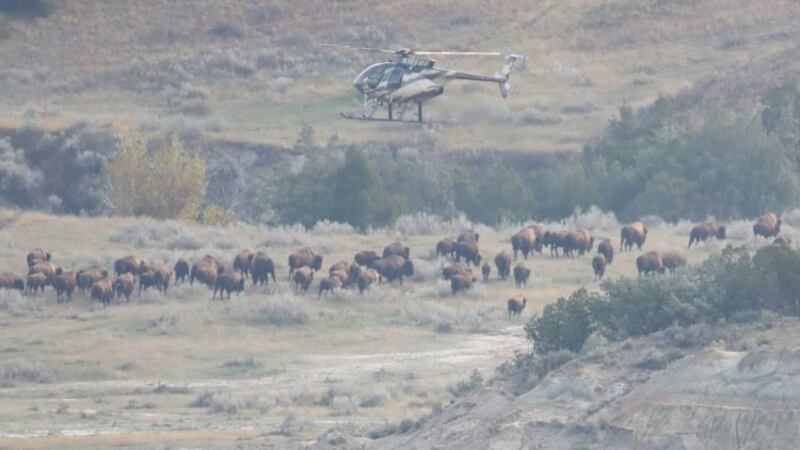
MEDORA, N.D. (KFYR) – Theodore Roosevelt National Park says the National Park Service (NPS) will begin rounding up bison and horses on the park to move around 200 bison and 15 horses to Tribal lands or new homes.
The first roundup will be on Oct. 5 to bring around 400 bison to the North Unit corralls. NPS will transfer about 200 bison out of the park, with most going to Tribes.
The second roundup will be on Oct. 18 to bring around 200 horses to the South Unit corrals. Up to 15 horses will be proposed for donation to Tribes and/or nonprofits or auctioned through the General Services Administration.
Both the bison and the horses will be examined for health and population demographics.
Some horses will be fitted with GPS collars for research.
The NPS says the roundups are necessary to make sure the population remains an appropriate size for the park since it is a fenced area.
It says the timing for the roundups is ideal because the cooler weather and the optimal health after a long grazing season will lead to less stress for the animals.
The park will use helicopters for both roundups and says they will work with “livestock veterinarians and subject matter experts to conduct these operations safely and humanely.”
The roundups are not open to the public.

