Burrow hunting – legal animal cruelty in the name of hunting tradition
Reply

Since September, turkey and egg farms have lost millions of birds, renewing pressure on food prices and biosecurity
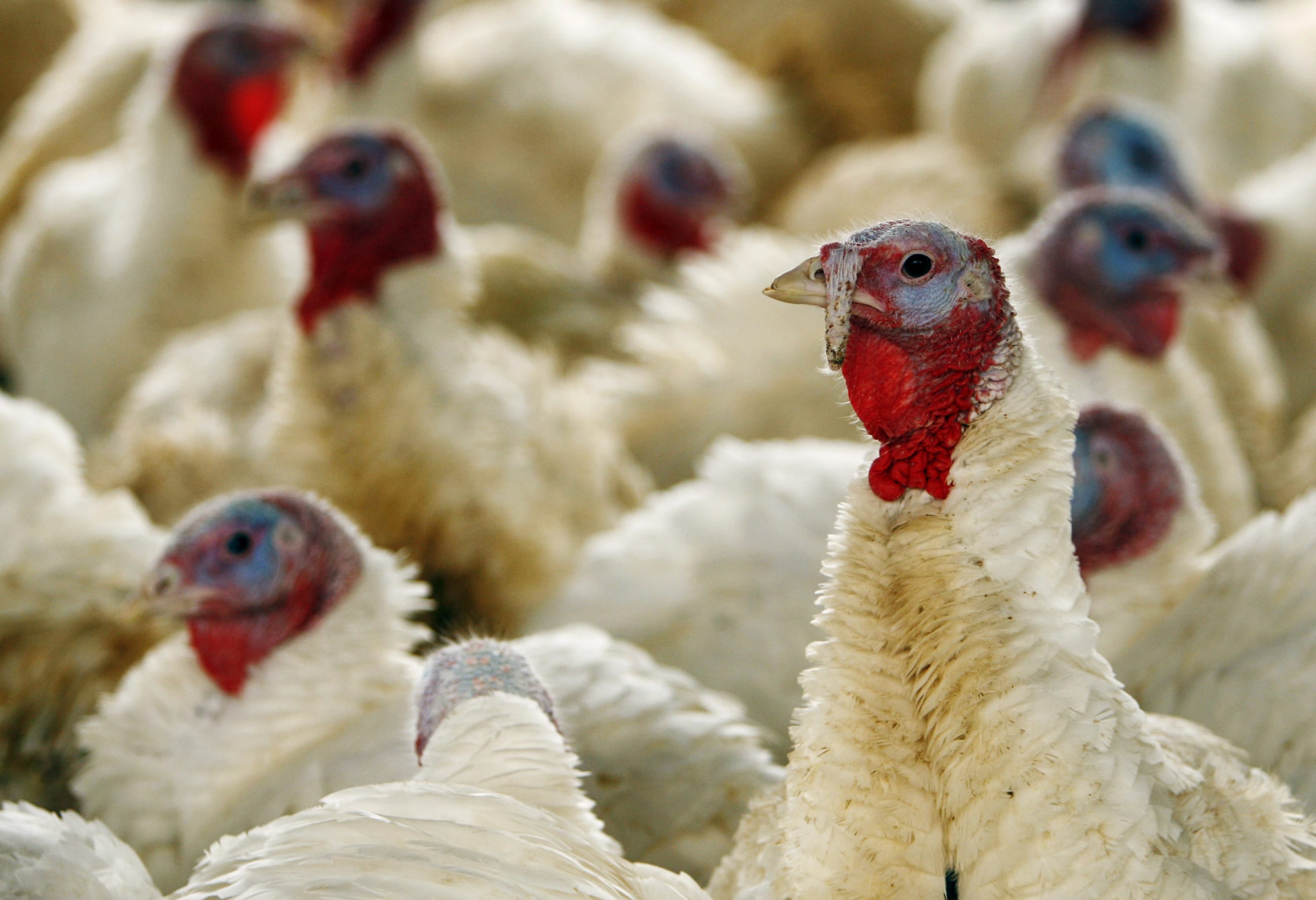
Turkeys stand in their pen at the Seven Acres Farm in North Reading, Massachusetts, on November 21, 2007, one day before the Thanksgiving holiday in the United States. REUTERS/Brian Snyder
by Nsikan Akpan
October 24, 2025
Another bird flu season has arrived for North America’s poultry farms, and the early signs do not look promising.
Since September 1, an early start for flu season, outbreaks have wiped out 1.2 million turkeys from farms supplying meat for delis and dinner tables. This toll is nearly 20 times more than what occurred during the same time frame in 2024. Likewise, chicken farms producing consumer eggs have lost 5.5 million hens, or twice as many as at the beginning of last year’s severe run of bird flu.
The timing is unfortunate as the United States approaches Thanksgiving, a period of communal feasts when consumer shopping for turkeys and eggs rises. Turkey inventories are already strained because of bird flu-related losses that have accumulated this calendar year.
“Over 2.2 million turkeys have been affected by HPAI [highly pathogenic avian influenza] so far in 2025,” said Bernt Nelson, an economist with American Farm Bureau Federation, who, in early October, released a market analysis about the U.S. turkey industry. Citing the U.S. Department of Agriculture (USDA), Nelson reports that farmers have raised 195 million turkeys in 2025—the lowest tally in 40 years.
Meanwhile, estimates released in August showed that U.S. egg-laying flocks were on the cusp of recovering from the devastation wrought during the beginning of 2025.
October’s human case in Mexico, potentially contracted via a chicken roaming a courtyard, underscores the risks farmers face if exposed to infected fowl. The 23-year-old woman was hospitalized.
The famous bird may be a bigger chunk of your holiday budget this year. Here’s what you can expect to pay for your Thanksgiving turkey.
Oct. 25, 2025 4:00 a.m. PT
2 min read

Your Thanksgiving turkey dinner will have a significantly higher price tag this year, as a worsening bird flu epidemic threatens US flocks and turkey supplies.
CNET received data from industry watchdog Farm Forward that reveals the scale of the crisis. Approximately 3 million turkeys have died due to Highly Pathogenic Avian Influenza, or HPAI, so far this year. That’s already more than double the total bird flu deaths in 2024 (1.25 million), but still far less than the furious 2022 epidemic that killed over 9 million.
According to government data, this loss — representing roughly 1.45% of the total US turkey flock — is driving wholesale turkey prices up more than 26% from last year. Other projections, including from Bernt Nelson, an economist at the American Farm Bureau Federation who spoke to The New York Times, have the jump in turkey prices closer to 40%.
As reported by Axios, the US turkey flock is at a 40-year low. According to the USDA, just 4.8 billion pounds of production is expected, down 5% from 2024.
The spread of HPAI has accelerated dramatically in recent months, just ahead of the critical holiday season:
While the immediate crisis affects consumers’ wallets, Farm Forward argues that long-standing federal policies, maintained across multiple administrations, have enabled conditions conducive to the massive and persistent spread of HPAI.
The organization contends that the federal government and poultry industry have prioritized profits over public health by allowing the operation of crowded concentrated animal feeding facilities, resisting mandatory HPAI testing protocols and declining to implement vaccination programs for poultry, despite their effectiveness in other countries.
Friday 24 October 2025 16:58 BST
https://www.independent.co.uk/news/science/bird-flu-hn51-seal-pups-heard-island-australia-b2851746.html
Close
https://imasdk.googleapis.com/js/core/bridge3.728.0_en.html#deid=%22%22&eventfe_experiment_ids=%5B%5D&fid=%22goog_443009715%22&genotype_experiment_data=%7B%22experimentStateProto%22%3A%22%5B%5B%5B45713128%2Cnull%2Cnull%2C%5B%5D%5D%2C%5B803064088%2Cnull%2Cnull%2C%5B1%5D%5D%2C%5B45681221%2Cnull%2Cnull%2C%5B1%5D%5D%2C%5Bnull%2C749060184%2Cnull%2C%5Bnull%2C100%5D%5D%2C%5B45722344%2Cnull%2Cnull%2C%5B%5D%5D%2C%5B45706017%2Cnull%2Cnull%2C%5B%5D%5D%2C%5B45668885%2Cnull%2Cnull%2C%5B%5D%5D%2C%5B45685340%2Cnull%2Cnull%2C%5B%5D%5D%2C%5B45734716%2Cnull%2Cnull%2C%5B%5D%5D%2C%5B45663239%2Cnull%2Cnull%2C%5B%5D%5D%2C%5B45715032%2Cnull%2Cnull%2C%5B1%5D%5D%2C%5B45661356%2Cnull%2Cnull%2C%5B%5D%5D%2C%5B45676441%2Cnull%2Cnull%2C%5B%5D%5D%2C%5B45675307%2Cnull%2Cnull%2C%5B1%5D%5D%2C%5B45675308%2Cnull%2Cnull%2C%5B1%5D%5D%2C%5Bnull%2C45645574%2Cnull%2C%5B%5D%5D%2C%5B45688859%2Cnull%2Cnull%2C%5B%5D%5D%2C%5B45656766%2Cnull%2Cnull%2C%5B%5D%5D%2C%5B45710689%2Cnull%2Cnull%2C%5B%5D%5D%2C%5B45710688%2Cnull%2Cnull%2C%5B%5D%5D%2C%5B45685601%2Cnull%2Cnull%2C%5B%5D%5D%2C%5Bnull%2C45685602%2Cnull%2C%5Bnull%2C500%5D%5D%2C%5B775241416%2Cnull%2Cnull%2C%5B%5D%5D%2C%5B781107959%2Cnull%2Cnull%2C%5B%5D%5D%2C%5B781107958%2Cnull%2Cnull%2C%5B%5D%5D%2C%5B792614055%2Cnull%2Cnull%2C%5B%5D%5D%2C%5B781107957%2Cnull%2Cnull%2C%5B%5D%5D%2C%5B45658982%2Cnull%2Cnull%2C%5B%5D%5D%2C%5B45725657%2Cnull%2Cnull%2C%5B%5D%5D%5D%2C%5B%5B16%2C%5B%5B1%2C%5B%5B31089630%5D%2C%5B31089631%2C%5B%5B45668885%2Cnull%2Cnull%2C%5B1%5D%5D%5D%5D%5D%5D%2C%5B1000%2C%5B%5B95332046%5D%5D%5D%2C%5Bnull%2C%5B%5B95332047%5D%5D%5D%2C%5B10%2C%5B%5B95333808%5D%2C%5B95333809%2C%5B%5B635466687%2Cnull%2Cnull%2C%5B1%5D%5D%5D%5D%5D%5D%2C%5B10%2C%5B%5B95338769%2C%5B%5Bnull%2C45645574%2Cnull%2C%5Bnull%2C1%5D%5D%5D%5D%2C%5B95338770%2C%5B%5Bnull%2C45645574%2Cnull%2C%5Bnull%2C2%5D%5D%5D%5D%5D%5D%2C%5B10%2C%5B%5B95345206%5D%2C%5B95345207%2C%5B%5B45661356%2Cnull%2Cnull%2C%5B1%5D%5D%5D%5D%5D%5D%2C%5Bnull%2C%5B%5B95351425%5D%2C%5B95351426%2C%5B%5B45676441%2Cnull%2Cnull%2C%5B1%5D%5D%5D%5D%5D%5D%2C%5B10%2C%5B%5B95356068%5D%2C%5B95356069%2C%5B%5B45685601%2Cnull%2Cnull%2C%5B%5D%5D%2C%5Bnull%2C45685602%2Cnull%2C%5B%5D%5D%5D%5D%2C%5B95356070%2C%5B%5B45685601%2Cnull%2Cnull%2C%5B1%5D%5D%2C%5Bnull%2C45685602%2Cnull%2C%5B%5D%5D%5D%5D%2C%5B95356071%2C%5B%5B45685601%2Cnull%2Cnull%2C%5B1%5D%5D%2C%5Bnull%2C45685602%2Cnull%2C%5Bnull%2C100%5D%5D%5D%5D%5D%5D%2C%5B100%2C%5B%5B95365753%2C%5B%5B45710689%2Cnull%2Cnull%2C%5B1%5D%5D%5D%5D%2C%5B95365754%2C%5B%5B45710688%2Cnull%2Cnull%2C%5B1%5D%5D%5D%5D%5D%5D%2C%5Bnull%2C%5B%5B95370402%5D%2C%5B95370403%2C%5B%5B45722344%2Cnull%2Cnull%2C%5B1%5D%5D%5D%5D%5D%5D%2C%5B10%2C%5B%5B95372277%5D%2C%5B95372278%2C%5B%5Bnull%2C745150931%2Cnull%2C%5Bnull%2C1%5D%5D%5D%5D%5D%5D%2C%5B1%2C%5B%5B95373378%2C%5B%5B792614055%2Cnull%2Cnull%2C%5B1%5D%5D%5D%5D%2C%5B95373379%2C%5B%5B781107959%2Cnull%2Cnull%2C%5B1%5D%5D%2C%5B792614055%2Cnull%2Cnull%2C%5B1%5D%5D%2C%5B781107957%2Cnull%2Cnull%2C%5B1%5D%5D%5D%5D%5D%5D%2C%5B10%2C%5B%5B95375243%5D%2C%5B95375244%5D%5D%5D%2C%5B50%2C%5B%5B95375505%5D%2C%5B95375506%2C%5B%5Bnull%2C749060184%2Cnull%2C%5B%5D%5D%5D%5D%5D%5D%2C%5B100%2C%5B%5B95375625%5D%2C%5B95375626%2C%5B%5B45706017%2Cnull%2Cnull%2C%5B1%5D%5D%5D%5D%5D%5D%2C%5Bnull%2C%5B%5B95375930%5D%2C%5B95375931%2C%5B%5B45734716%2Cnull%2Cnull%2C%5B1%5D%5D%5D%5D%5D%5D%5D%5D%5D%2Cnull%2Cnull%2C%5Bnull%2C1000%2C1%2C1000%5D%5D%22%7D&imalib_experiments=%5B95322027%2C95331589%2C95332046%5D&is_eap_loader=false&managed_js_experiment_id=0&pvsid=3200967832768363&top_accessible_page_url=%22https%3A%2F%2Fwww.independent.co.uk%2Fnews%2Fscience%2Fbird-flu-hn51-seal-pups-heard-island-australia-b2851746.html%22Bird flu outbreak causing devastation on Farne Islands, National Trust warns
From reproductive rights to climate change to Big Tech, The Independent is on the ground when the story is developing. Whether it’s investigating the financials of Elon Musk’s pro-Trump PAC or producing our latest documentary, ‘The A Word’, which shines a light on the American women fighting for reproductive rights, we know how important it is to parse out the facts from the messaging.
At such a critical moment in US history, we need reporters on the ground. Your donation allows us to keep sending journalists to speak to both sides of the story.
The Independent is trusted by Americans across the entire political spectrum. And unlike many other quality news outlets, we choose not to lock Americans out of our reporting and analysis with paywalls. We believe quality journalism should be available to everyone, paid for by those who can afford it.Your support makes all the difference.Read more
Hundreds of seal pups have been discovered dead on Heard Island in the sub-Antarctic, with Australian scientists investigating whether a destructive bird flu that has swept the globe is responsible.
The virulent H5N1 strain has caused millions of deaths among wild birds and mammals since 2021, also affecting poultry and dairy farms and infecting some farmworkers.
While “not a confirmed detection” at this stage, Australia’s agriculture department is sending samples from the dead seals for urgent testing.
The ministry added that symptoms consistent with H5 bird flu on Heard Island were “not unexpected,” as the virus has already been found on the nearby French Kerguelen and Crozet islands.
Off the migration routes of big birds such as geese that spread infection, Australia is the only continent free of the highly contagious virus. But further spread through Antarctica could eventually raise the risk of infection from the south.
RECOMMENDED
Woman dies after Cape Cod boat fire left her stranded on island with family
911 Nashville actor’s cause of death revealed as Charcot-Marie-Tooth disease
Costco Shoppers Say This Fat-Burning Patch Triggers Weight Loss “Unlike Any Other”Health Advice Today|
Dementia Has Been Linked To a Common Habit. Do You Do It?Memory Health|
Heard Island would be the farthest the flu has reached in the Antarctic since arriving from South America in 2023.
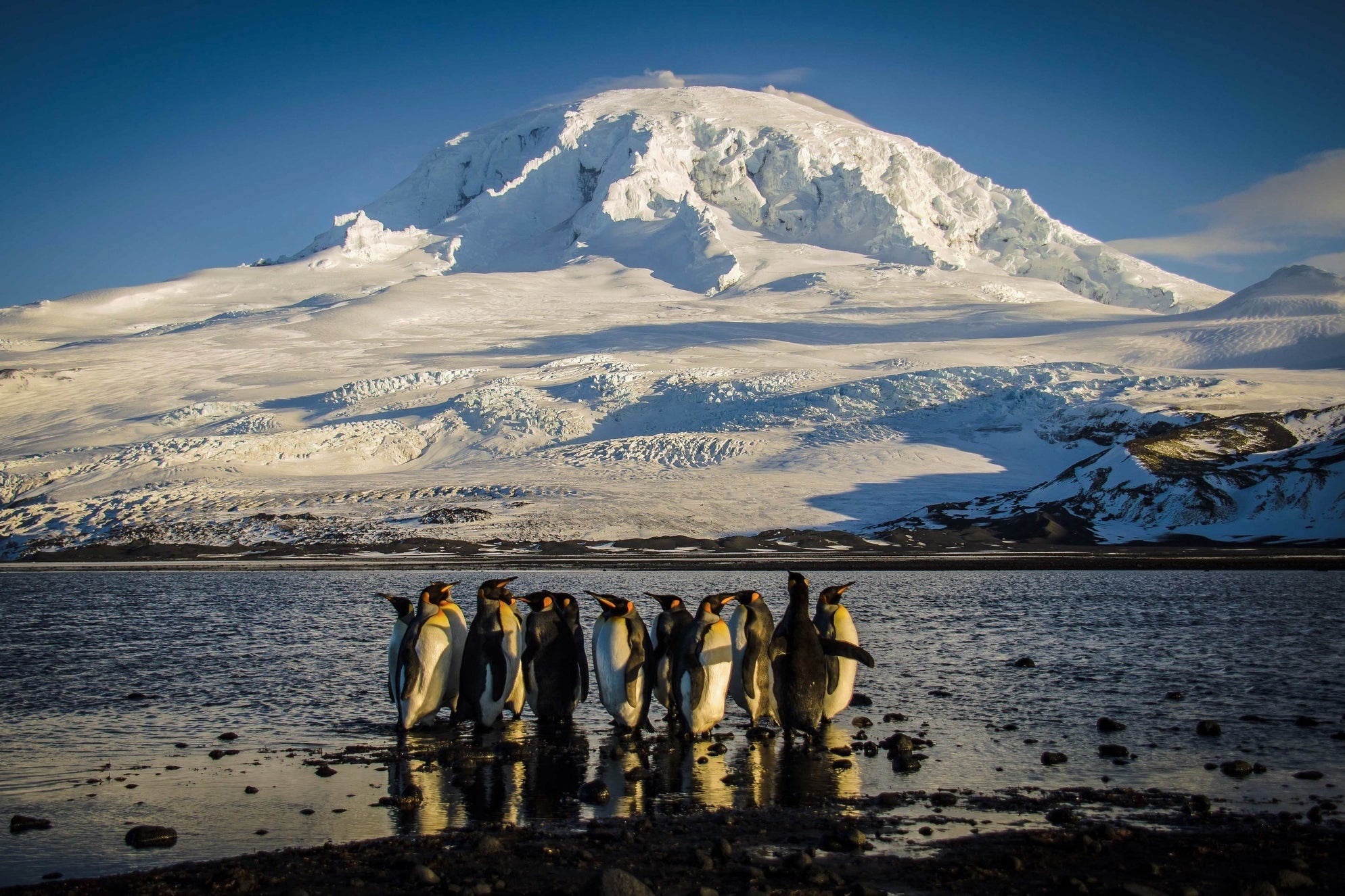
Formed by a 2,745-meter (9,006-foot) volcano that rears up from the sea more than 4,000 km (2,486 miles) southwest of Perth and 1,700 km (1,060 miles) north of Antarctica, it is a breeding ground for large populations of penguins, seals and seabirds.
Scientists of Australia’s Antarctic Division who spent 10 days there found healthy animals until late in their trip when they encountered hundreds of dead elephant seal pups, said Julie McInnes, one of its ecologists.
“It was a significant proportion of the pups in that section (of beach),” said McInnes, who was on the trip.
It was unclear whether the virus will spread to other areas or species on the island and researchers will visit again around year-end, she added.
The agriculture ministry said the confirmation of bird flu would not substantially increase the risk of its spread to Australia.
Australia has been bracing for the arrival of H5N1 bird flu, tightening biosecurity at farms, testing shore birds for disease, vaccinating vulnerable species and war-gaming response plans.
From: Emplify Health by Gundersen
ADVERTISING
Treestands have been popular with deer hunters for decades. In fact, more than 80% of firearm hunters and 90% of archery (bow) hunters hunt from a treestand or elevated position. That increase has led to a worrying trend. According to the Wisconsin Department of Natural Resources (DNR), falls from treestands are now the leading cause of injury among deer hunters, even exceeding the risk of gunshot wounds.
The risk of injury increases with the frequency of treestand use, but statistics show a trend. According to the DNR, for serious hunters who use treestands from late summer through early winter each year, the lifetime risk over a 50-year hunting career is approximately 1 in 20 (5%) for requiring medical attention due to a fall.
Megan Anderson, trauma injury prevention coordinator at Emplify Health by Gundersen, says there is an impact of these injuries on emergency rooms.
“Falls from treestands place a significant burden on emergency medical services and trauma centers, often resulting in serious injuries that require extensive treatment and rehabilitation,” she said. “These incidents not only affect the health and well-being of hunters but also strain health care resources during peak hunting seasons.”
Anderson also stresses the importance of prevention.
“The good news is that many treestand falls are preventable,” she added. “Hunters can reduce their risk by using proper safety equipment, such as full-body harnesses, and by following safe climbing and hunting practices. Education and awareness are key to ensuring hunters return home safely each season.”
To help hunters stay safe, Anderson recommends the following tips:
As treestand hunting remains popular, these findings underscore the urgent need for increased safety measures and hunter education to reduce the risk of falls and related injuries.
For more information on treestand safety and injury prevention, hunters are encouraged to consult local wildlife agencies and safety organizations.
 Exposing the Big Game