Kristi Noem describes killing dog after bad hunting trip in new book
Reply

Published April 27, 2024 11:48am EDT
Fox News’ Lawrence Jones sat down with South Dakota Republican Gov. Kristi Noem at the Sturgis motorcycle rally to discuss her take on the 2024 race and various issues plaguing Biden’s presidency.
Social media users expressed shock and disapproval after a story of Gov. Kristi Noem, R-S.D., putting down her own dog because she was deemed “untrainable” went viral on X this week.
British outlet The Guardian published a report on the story Friday, which is an excerpt from her new memoir “No Going Back,” which is set to be released on May 7.
According to the report, Noem wrote that she took her 14-month-old female dog “Cricket” to a “gravel pit” near her farm and shot it dead because it was “less than worthless” and “untrainable.”
KRISTI NOEM SHARES VISION FOR AMERICA IN NEW BOOK AMID SPECULATION ABOUT RUNNING AS TRUMP’S VP

South Dakota Governor Kristi Noem is being criticized for an excerpt from her upcoming book that details how she killed one of her hunting dogs for being “untrainable.” (Anna Moneymaker/Getty Images)
Noem explained to the outlet how the dog had ruined a pheasant hunt, going “out of her mind with excitement, chasing all those birds and having the time of her life.”
The governor also noted that Cricket went AWOL and ate several of the chickens on her farm.
About the killing, Noem’s book reportedly added, “It was not a pleasant job, but it had to be done. And after it was over, I realized another unpleasant job needed to be done.”
Additionally, Noem’s memoir recounted taking a family goat to the gravel pit where it suffered the same fate as Cricket. Noem justified the killing saying the goat was “nasty and mean.”
Taking to the social media platform X, Noem specifically replied to the Guardian story.
“We love animals, but tough decisions like this happen all the time on a farm. Sadly, we just had to put down 3 horses a few weeks ago that had been in our family for 25 years,” the governor admitted.
She also added a plug for her book, stating, “If you want more real, honest, and politically incorrect stories that’ll have the media gasping, preorder ‘No Going Back.’”
TRUMP REVEALS VP SHORTLIST INCLUDES DESANTIS, SCOTT, RAMASWAMY, NOEM, DONALDS, GABBARD

“This book has got some stories that reflect that of people that the readers will know, but it’ll also give a lot of examples of things and action plans that they can take to really move the needle on resetting our country back on its foundation,” Noem told Fox News Digital about her upcoming book in February. (Kristi Noem, Getty Images)
Noem’s post received nearly six million views in only a day, and courted a wave of horrified reactions on the social media platform, even from among her conservative fans.
Perplexed at why she shared the story, independent journalist Tim Pool asked, “did she just intentionally end her career?”
Conservative influencer duo The Hodge Twins remarked, “Telling everybody you shot your young dog and promoting your book at the same time? wtf, this is wild.”
Popular pro-Trump account “Catturd” seemed to take the story personally, posting, “Omg – now my blood is boiling. Remember, I’m a country boy who lives on a ranch . There’s a huge difference between putting an old horse down who is suffering, than shooting a 18 month dog for being untrainable. But then to plug your book at the end.”
“Seriously, is it just me? [I’m[sic] have no words,” he added.
New York Post columnist Miranda Devine commented, “No. Not normal. Shameful.”
“Florida’s Voice News” CEO Brendon Leslie let Noem have it, writing, “Kristi Noem should be criminally charged for animal abuse – this is vile and disgusting. It’s one thing to put a dog down that is sick – it’s totally unacceptable to put a puppy down because it wasn’t a good hunting dog. Put it up for adoption!”
Independent reporter “Publius” made a pun out of the anecdote, posting, “@KristiNoem just SHOT her political career in the head at point blank range. Absolute Psycho. And of course Trump is considering her for VP!”
April 25, 2024 at 1:36 PM
Share
News reporting
We’ve opened this article to everyone as a public service. Please consider supporting our work. View subscription offers
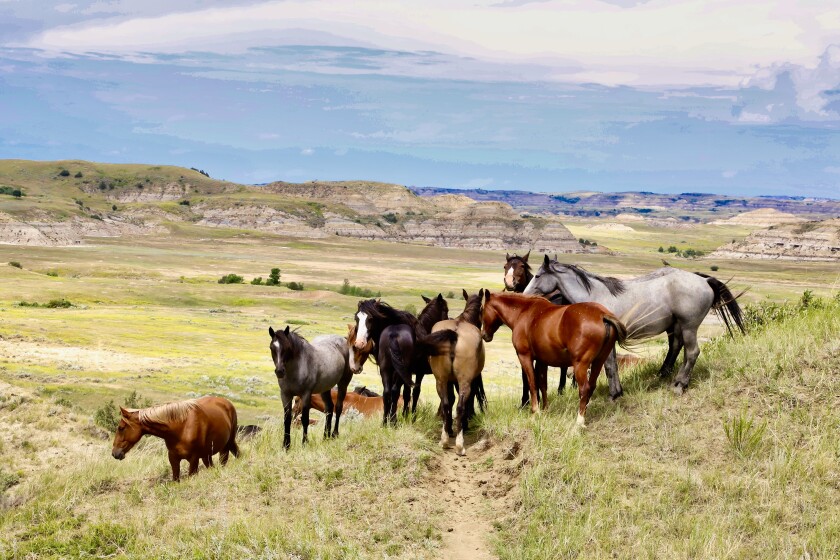
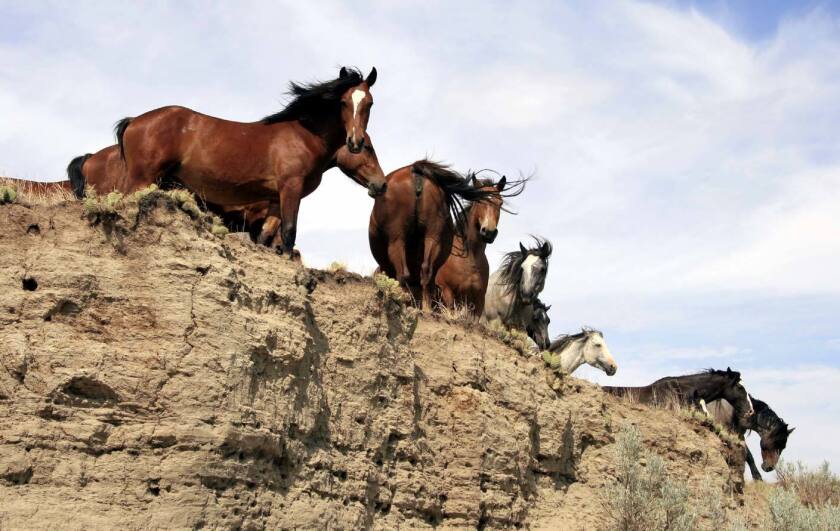
MEDORA — The fate of the wild horses at Theodore Roosevelt National Park, which have been at risk of removal, has been resolved after more than two years of uncertainty: The horses will stay.
Sen. John Hoeven, R-N.D., announced Thursday, April 25, that he has “secured a commitment” from the National Park Service to maintain the wild horses in the park.
The park service will “immediately terminate its proposed removal of horses” at the park under an environmental assessment process started in 2022, according to Hoeven.

As a result, Hoeven said, the existing management plan for the horses will remain in place.
“It is a big deal that they’ve now committed to having horses in the park, permanently,” Hoeven told The Forum.
The commitment to keep the horses came from officials including Herbert Frost, the park service’s regional director, and Angela Richman, the park superintendent, Hoeven said.
“This will allow for a healthy herd of wild horses to be maintained at the park, managed in a way to support the genetic diversity among the herd and preserve the park’s natural resources,” according to a statement from Hoeven’s office.
Join the conversation
What are your thoughts on the wild horses staying at the park?Share your comments below.
Now that the park service has committed to keeping the horses, there will be a public discussion about how to manage the herd and what constitutes a genetically healthy herd, Hoeven said.
That must be a “very thoughtful, deliberative, inclusive process,” he said. “There’s no time limit on this.”
Public opinion, not only in North Dakota but around the country, has been overwhelmingly in support of keeping the horses in their home in the rugged badlands of the park, the senator said.
“People love not only horses, but wild horses,” Hoeven said, noting the horses are accessible to the public in the park. “Where do they have an opportunity?”
“I’m shocked,” said Chris Kman, founder of Chasing Horses Wild Horse Advocates, a group in Dickinson that has been working to keep the horses. “It’s excellent news. I’m very happy about this. I just hope they keep a genetically viable herd.”
The horses have been managed under a 1978 environmental assessment that horse advocates say isn’t a true management plan.
That study set the goal of maintaining a herd of 35 to 60 wild horses. The size of the herd has routinely far exceeded that number and recently has been estimated at 200 horses, divided among about 15 bands, each led by a dominant stallion.
The number of horses required to maintain a genetically viable herd with healthy diversity varies, but experts have said that number ranges anywhere from 100 to 240. The higher the number of reproductive horses, the greater the degree of genetic diversity.
The number of reproductive horses is in question because some mares have not returned to fertility after years of administering a birth-control drug, researchers found.
The park has been giving the drug by darting mares of reproductive age since experiments started in 2009.
Researchers at Colorado State University, who conducted the study, notified federal officials in 2020 that 19 of 24 mares, or 79%, that were initially given the vaccine in 2009 had not regained fertility following a booster dose given in 2013.
Under the environmental assessment process that has now been scrapped, the park’s preference was to remove the horses, either gradually, allowing horses to live out their days in the park, or quickly through helicopter roundup removals.
Another option was to keep the horses under current management policy.
Hoeven has been a leading advocate for maintaining the horses in the park at numbers that would ensure the herd’s genetic viability.

As a member of the Senate Appropriations Committee, Hoeven inserted a provision in annual funding legislation directing the park service to maintain “the historic scene commensurate with the historic herds during the period when President Theodore Roosevelt was a rancher in the area.” Roosevelt raised cattle and hunted in the Little Missouri Badlands near Medora during the open-range ranching era in the 1880s, an experience that inspired him to be what many regard as the greatest conservation president.
“These wild horses are emblematic of President Theodore Roosevelt’s time in North Dakota, a formative experience that shaped his presidency and lasting legacy,” Hoeven said. “Given the broad public support for maintaining the wild horses at Theodore Roosevelt National Park, as well as the measure we passed through Congress, this is the right call by NPS.”
WANT TO READ MORE? SUBSCRIBE FOR THESE AND OTHER EXCLUSIVE STORIES
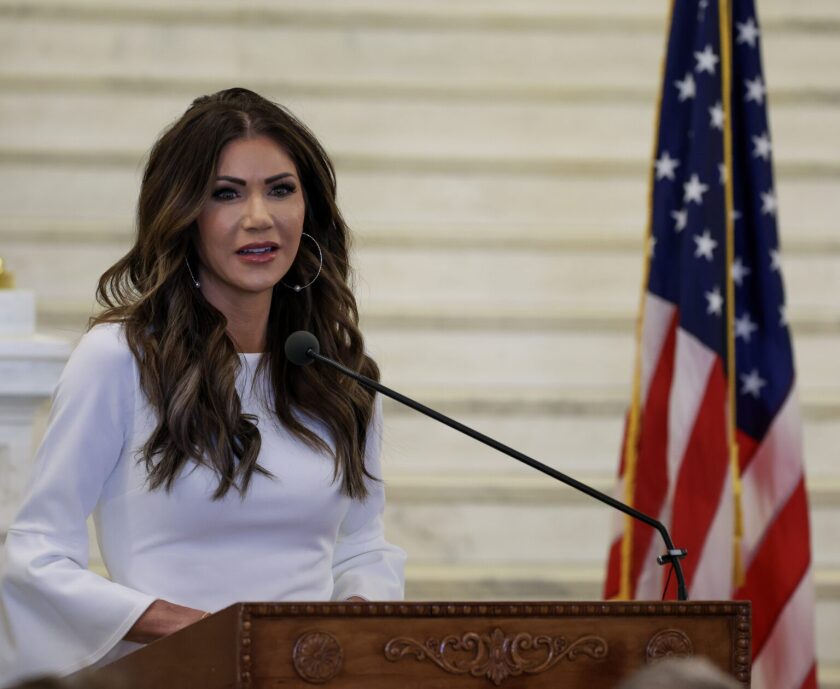
McFeely: Noem executes a puppy and brags about it, which is exactly the point


McFeely: Charisma was the big loser in debate between Armstrong, Miller
Zandbroz Variety, home to whimsy and charm in downtown Fargo for 33 years, will close in June

McFeely’s Tip Sheet: Prime Time treatment means NDSU-Colorado could draw 10M TV viewers

Home movie from 1917 shows Fargo-Moorhead amid patriotic fervor
Entrepreneur hopes to bring THC-infused frozen treats to Moorhead area

Workers at Moorhead Starbucks first in F-M area to unionize

Drawing Room Fargo promises to bring speakeasy vibe to downtown Fargo
Now that the decision has been made to keep the horses, it will be critical to ensure that the herd is genetically healthy, Kman said.
The horses should have a true management plan, one that is shaped with input from the public, she said. The environmental assessment examined only whether the horses should be removed, not how they should be managed and how big the herd should be.
Richman was not immediately available for comment. In a news release, the park confirmed that it has terminated the environmental assessment.
“The park appreciates the comments and public engagement over the last three years. Information gathered will be used to inform future efforts to manage livestock, horse and cattle herds,” the park’s news release said.

Wild and feral horses were inadvertently fenced into the south unit when the park erected a fence before reintroducing bison to the park in the 1950s. Since the park was established in 1947, park officials had been trying to remove the horses until the early 1970s, when the decision was made to keep horses to depict the open range era of Roosevelt’s time in the Badlands.
Documents show that back in the 1990s, then Superintendent Noel Poe, after consulting with an equine geneticist, decided to keep a herd of 140 horses, in spite of the 1978 goal of maintaining a herd of 35 to 60 horses.
“He said there was currently no policy, no document, that they were using,” Kman said, referring to a memo Poe wrote in the 1990s. “Poe said they weren’t managing the horses under anything.”
Now that the decision has been made to keep the horses, Kman and others will push to provide federal protection for the horses, a process she said likely will take years to pass Congress.
Hoeven said he will wait and see to decide whether to push for federal protection of the horses.
As long as park officials live up to their commitment to permanently keep the horses in the park, and to maintain the herd at a size that is a genetically viable, that might not be necessary “as long as they’re doing that and doing that well,” he said.
Even though some details remain to ensure the herd’s long-term protection, “It’s a good day for the horses,” Kman said.
10 hours ago
By India Bourke,Features correspondentShare https://www.bbc.com/future/article/20240425-how-dangerous-is-bird-flu-spread-to-wildlife-and-humans
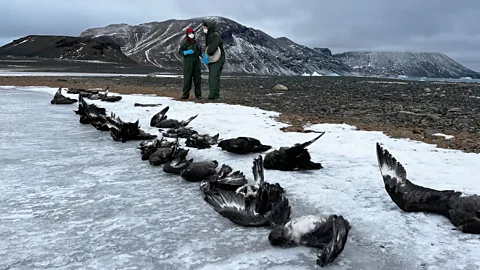 Ben Wallis(Credit: Ben Wallis)
Bird flu is decimating wildlife around the world and is now spreading in cows. In the handful of human cases seen so far it has been extremely deadly.
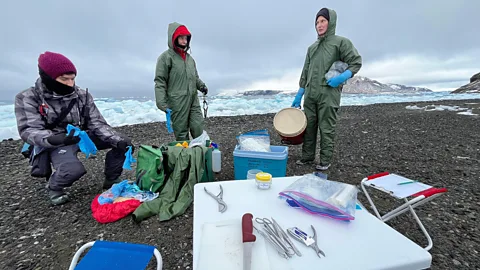
The tips of Lineke Begeman’s fingers are still numb from a gruelling mission. In March, the veterinary pathologist was part of an international expedition to Antarctica’s Northern Weddell Sea, studying the spread of High Pathogenic Avian Influenza (HPAI), the virus that has now encircled the globe, causing the disease known as bird flu.
Cutting into the frozen bodies of wild birds that the team collected, Begeman was able to help establish whether they had died from the disease. The conditions were harsh and the location remote, far from her usual base at the Erasmus Medical Centre in the Netherlands. But systematic monitoring like this could provide a vital warning for the rest of the world.
“If we don’t study the extent of its spread now, then we can’t let people know what the consequences are of having let it slip through our fingers when it began,” Begeman tells BBC Future Planet. “I imagine the virus as an explorer going through the world, to new places and bird species, and we’re following it along.”
Relatively few people have caught the virus so far, but it has had a high mortality rate in those that do: more than 50% of people known to become infected have died.
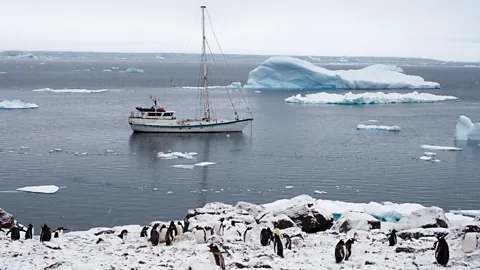 Antonio AlcamíAn expedition to the Antarctic’s Northern Weddell Sea has systematically studied bird flu’s spread in this remote, wildlife-rich region (Credit: Antonio Alcamí)
Moreover, the impact on animals has already been devastating. Since it was first identified, the H5 strain of avian influenza and its variants have led to the slaughter of over half a billion farmed birds. Wild-bird deaths are estimated in the millions, with around 600,000 in South America since 2023 alone – and both numbers potentially far higher due to the difficulties of monitoring. At least 26 species of mammals have also been infected.
In Antarctica’s Northern Weddell Sea, Begeman and her colleagues sampled around 120 carcasses from different species, including several Antarctic fur seals. The virus was detected at four of the 10 sites they visited.
It was not the first time bird flu had been detected on this remote continent. That first case was a month prior, in February 2024. But theirs was the first confirmation from this particular region, and the first time, Begeman believes, that a multidisciplinary team had set out to systematically determine its Antarctic spread.
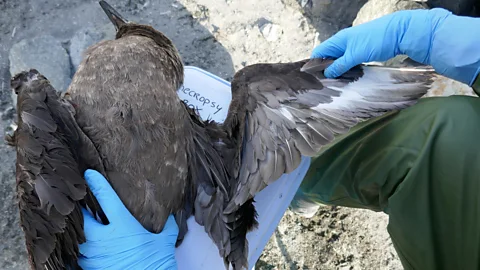 Matteo LervolinoMillions of wild birds are estimated to have died from the spread of high pathogenic avian influenza (Credit: Matteo Lervolino)
“The moment we found the first evidence of that destructive serial killer virus amidst such a bird-rich, pristine area, we realised what disaster is about to happen and it became sickening indeed,” says Begeman.
Already the worst bird flu outbreak in wildlife on record, scientists like Begeman are now racing to track its journey – and so better understand how its further spread among humans might be stopped.
China’s southern Guangdong region is a mosaic of lakes, rivers and wetlands. These watery habitats are well suited to aquatic birds, who are natural hosts for low pathogenic avian flu. And it was here, in 1996, that a farmed goose became the world’s first bird to be diagnosed with a new, highly pathogenic strain of the virus, known as H5N1.
The categorisation of bird flu as low or high pathogenic was established in relation only to chickens, not to other bird (or mammal) species. But whereas low-path avian influenza is non-fatal in wild birds and only causes mild disease in chickens, in poultry, low path strains can mutate into fatal high-path ones, causing severe illness and often death.
People are the real problem – Thijs Kuiken
It should be no surprise that the highly pathogenic virus’s first case was detected on a poultry farm, says Thijs Kuiken, a comparative pathologist at Erasmus University Medical Centre in the Netherlands. “High pathogenic avian influenza is typically a poultry disease, which doesn’t occur in the wild. What’s unusual now, is this particular type has spilled into wild birds and this has allowed it to spread worldwide.”
Although wild birds have now helped the virus reach far beyond China, “people are the real problem”, Kuiken warns. And in particular, humanity’s ever-rising demand for farmed meat.
When this outbreak started in 1996, there were around 14.7 billion poultry birds in the world, mostly chickens. Now there’s double that number. “Biomass-wise, poultry currently forms over 70% of all avian biomass worldwide,” Kuiken notes.
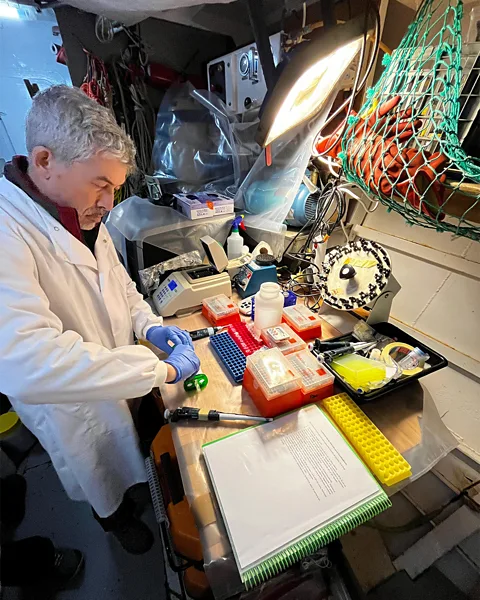 Ben WallisAn on-board laboratory allowed a scientific expedition to Antarctica to test and confirm bird flu’s presence in situ (Credit: Ben Wallis)
If the current poultry farming trends don’t change, then “other highly infectious pathogens will continue to spread into the few wild birds remaining,” Kuiken says. House finches, for instance, are proving particularly susceptible to a bacterial poultry disease, Mycoplasma gallisepticum. Virulent strains of Newcastle disease are also crossing over into multiple species, including parrots and macaws. “HPAI [high-pathogenic bird flu] is only one threat.”
By 2005-06 the virus had spilled over into wild birds and was travelling as far as Europe, Africa and the Middle East, but it was disappearing in these populations after only a few months – likely a combination of not spreading well enough in wild birds, not surviving well enough in water, and some birds developing immunity, says Kuiken. This helped to limit the extent of its impact and its ability to further mutate.
H5N1 timeline
1996: detected in poultry in Guangdong, China
1997: first human deaths in Hong Kong
2005: Spilled over into wild birds in a major way. New strains emerge.
2020: A strain emerges that can sustain in wild bird populations year-round
2020-22: Becomes endemic in wild bird populations
2021: Arrives in North America
2022: Detected in South America
2024: Confirmed in Antarctica
That relative containment changed in 2020, however, when a new strain of H5N1 emerged. Though it’s not known exactly why, the strain could maintain itself in wild bird populations year-round. Now able to spread during springtime when birds gather in high densities to breed, the virus rapidly became endemic in wild bird populations.
In late 2021, the virus arrived in the New World via Canada’s eastern Newfoundland province. A black-backed gull, found sick in a pond, was taken to a wildlife rehabilitation centre where it died the following day. It was later found to be positive for H5N1. Days after its death, a poultry farm started reporting increased mortality rates and autopsies also confirmed presence of the virus.
The fact there was no evidence this farm had imported poultry from Europe helped to confirm scientists’ theories that wild birds’ migration routes are the key long-distance carrier, explains Kuiken. There have been some exceptions, however, such as the transport of infected turkeys from the UK to Europe.
It’s like avoiding getting into a packed metro when you’re already sick – Gregorio Torres
By 2022, birds in colonies from the UK to Israel were dying in their thousands. In October 2022, the virus was detected in wild birds on the west coast of Peru and Chile. After travelling down the coast, it then returned up the east, spreading to the Falkland Islands and South Georgia – the stepping stones to the Antarctic.
Along this route, the virus has diverged to infect a wide variety of mammals – including 21 species in the US alone. And with such cross-over, the opportunity for both human contact and mammal-to-mammal spread has increased.
By 16 April 2024, HPAI was confirmed in dairy cows on 26 farms in the US, from Texas to Michigan. Some of these may have been infected through wild birds, but other cases have been connected to cows’ long-distance transport. So far, only one case of cow-to-human infection is thought to have occurred, and the virus may require several more mutations beforeit can spread easily between people.
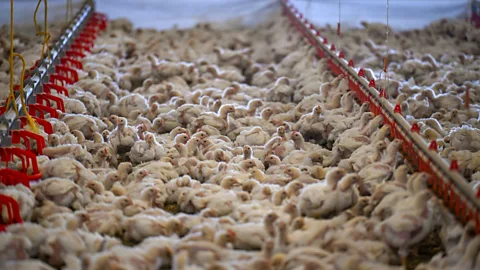 Getty ImagesFarms are being urged to deploy biosecurity measures in the wake of bird flu’s spread (Credit: Getty Images)
But farms can create conditions that allow disease to spread more easily, offering new pathways for adaptation. “Wild birds can transmit the virus, but domestic farms can amplify it,” says Gregorio Torres, head of the science department at the intergovernmental body the World Organisation for Animal Health, of the need for farmers to be especially cautious. “It’s like avoiding getting into a packed metro when you’re already sick.”
One bright spot is that birds in New Zealand and Australia have so far been spared. The countries are part of the East Asian-Australian migration route, but their visiting birds are mostly shorebirds or waders, rather than more-susceptible waterfowl like ducks or geese, Kuiken notes.
The current outbreak of H5N1 bird flu has also hopped species numerous times to infect various mammals, including humans. So far, however, the virus is not thought to have evolved or mutated sufficiently to jump easily between the mammals it infects. The first human cases were reported in Hong Kong in 1997, and the global spread of the virus was relatively slow: during its first 13 years only 800 people were reported infected, with poultry and slaughterhouse workers at greatest risk.
Contact with sick birds – or with their droppings, saliva or feathers – was found to be the biggest risk factor for contracting the virus, though the exact mechanism by which the virus jumps species is not yet known.
In March 2024, a new, rare form of the virus was detected in cattle. By April, a farm worker in Texas became the second human in the US to ever contract H5N1 – in what it thought to be the first instance of mammal-to-human transmission.
Cow-to-cow transfer has since been confirmed, with “anything that comes in contact with unpasteurised milk” potentially spreading the disease, according to the US Department of Agriculture.
Every time there’s a jump between species, it’s a signal of potential increased risk – Gregorio Torres
Scientists cannot yet predict if bird flu will become the next global human pandemic, says Torres. Yet what is clear is that the disease is here to stay – and we need to be prepared. “Every time there’s a jump between species, it’s a signal of potential increased risk,” says Torres. “That’s why we’re quickly acting to try to understand and anticipate its evolution.”
Torres adds: “The worst case is it adapts to mammals, with a greater risk of human-to-human transmission.”
Diana Bell, a conservation biologist at the University of East Anglia in the UK, says when people ask her what the next pandemic in humans will be, bird flu immediately comes to mind. “I say we already have a pandemic in animals and birds [a panzootic].”
So can bird flu be stopped? Not in wildlife, experts say; transmission is too hard to prevent. But there are still things we can do to limit the harm to both wild and farmed mammals – as well as humans.
Dead wild birds should be left untouched and reported to authorities, experts encourage. Meanwhile, farms are also being urged to deploy biosecurity measures, from covering waste to reporting illnesses. And the World Organisation for Animal Health (WOAH) is pressing to ensure compensation schemes are in place for all farms that undergo mandatory culling.
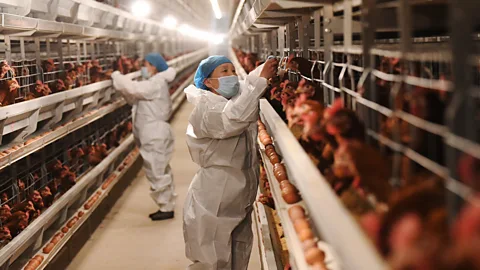 Getty ImagesFarms are being urged to deploy biosecurity measures in the wake of bird flu’s spread (Credit: Getty Images)
More controversial is the question of vaccinating poultry. Preventative vaccination in the most high-risk species and areas has been shown to minimise outbreaks, and WOAH advises this. Some nations, like China, already vaccinate routinely, but others have been more reluctant. Not least due to trade barriers which restrict the import of poultry and eggs from vaccinated flocks.
“When you vaccinate poultry, it’s harder to demonstrate absence of disease and early-detect its presence. So it’s posing a challenge for international trade, as everyone wants trade to be safe,” says Torres. But better surveillance can offset this risk, he adds.
Future outbreaks of HPAI could also be controlled and even prevented via reforms to global meat production, Kuiken says. A more sweeping approach could include a cap on the global poultry population size and more equitable consumption – Europe currently eats twice as much meat as global health authorities advise, Kuiken notes. (Read BBC Future’s article on sustainable sources of protein.)
HPAI is already a pandemic in global wildlife. “With this virus, the conservation impact is already unprecedented,” says Marcela Uhart, a veterinarian at UC Davis. “It’s on a scale we’ve never seen: in terms of the number of species and regions affected, we’ve never seen anything like it.”
Of particular concern in Uhart’s home nation of Argentina, has been the virus’s spread in wild mammals. Her study into its adaptation to such mammals showed the same virus was nearly identical in fur seals and sea lions, and that many of the adaptations they detected were also present in a human case in Chile. “For all we know it could already be further adapting to spread between mammals – and we need to detect that as quickly as possible.”
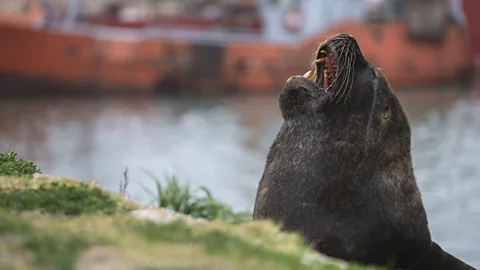 Getty imagesSea lions are among the mammals badly hit by avian influenza (Credit: Getty images)
And while this is worrying in terms of the future impact on humans, it is also already proving devastating to other mammals: more than 17,000 elephant seals are thought to have died from the virus during the 2023 breeding season, including 70% of all the season’s pups. Since no one knows how many adults went on to die at sea from the virus, Uhart and her colleagues are now waiting apprehensively for the creatures return from the ocean this spring. If enough pregnant females come back, there will be capacity for recovery, Urhart says. If not, or if the virus hits again this year, “the impact could be major”.
“We’re all feeling very anxious about this,” Urhart says. There is pressure to keep monitoring the population-level impact on wildlife, though she says there is inadequate funding. “Everything we’re doing now is on a shoestring,” she says.
But the need to keep monitoring is key. “The removal of these species from the food chain could disrupt the whole ecosystem,” Urhart says. “A lot of what’s coming into the future is just so uncertain.”
Reducing other pressures on wildlife could aid their survival as H5N1 becomes a new pressure on bird and mammal species. Climate change, habitat loss, bycatch in fisheries, overfishing, invasive species and pollution – via everything from plastics to pesticides – are all reducing global biodiversity. Easing those human pressures could help give populations infected by HPAI more scope to recover, says Richard Phillips, a seabird ecologist at the British Antarctic Survey.
Phillips’ work on albatrosses has shown that fishing vessels that use mitigation methods (such as not discarding fish at the same time as trawling, and using bird-scaring lines) can reduce the amount of seabird bycatch. With bird flu already hitting the vulnerable wandering albatross, Phillips fears the species’ outlook is “bleak” unless the threat from fisheries is addressed.
In the meantime, scientists will continue to track HPAI’s spread in wild populations, and find new ways to do so.
 Ben WallisMonitoring bird flu’s spread across wildlife populations is key to understanding this human-derived disaster (Credit: Ben Wallis)
Begeman’s expedition, for the first time, set up an entire testing laboratory on an Antarctic-bound ship. Wildlife biologists would scout sampling areas on foot for dead birds, while others would sample apparently healthy animals, she explains. Her role was to cut into the carcasses to investigate, shoo-ing away curious sheathbills as they went. “We were really like detectives, able to get to sites where people had never visited.”
The hope is that by collecting this information from the most far-flung places on the planet, scientists can inform the choices we make closer to home. For Kuiken, policy changes to reduce risk in the poultry industry are high on his list. Meanwhile, vaccination, preventative measures and conservation could all be crucial to help birds and mammals through this outbreak.
https://www.unilad.com/technology/saturn-moon-enceladus-science-report-habitable-822889-20230615

Published 12:13 15 Jun 2023 GMT+1
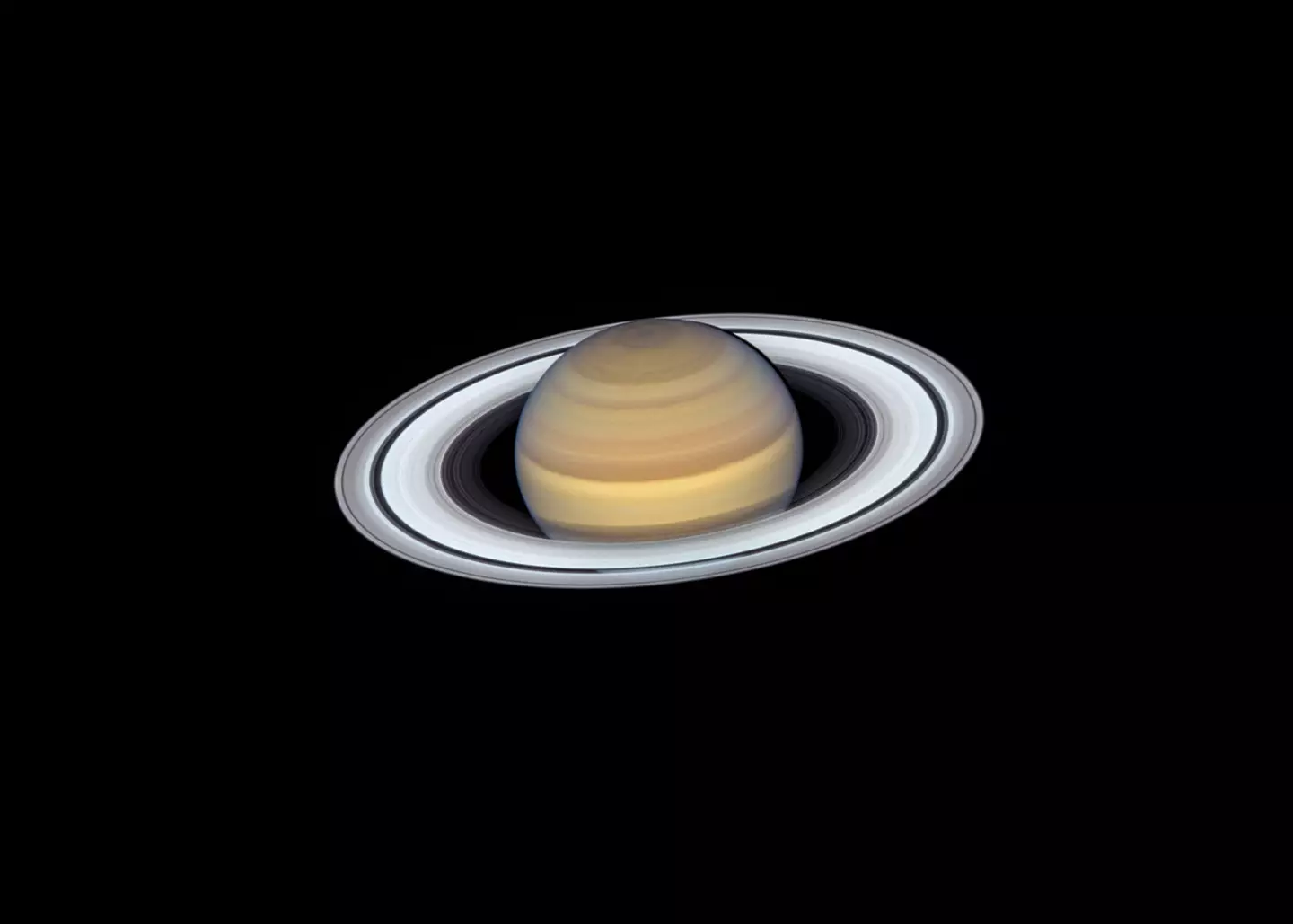
A new study has revealed that Saturn’s moon could support life, due to crucial materials found to be residing within its ‘ice-covered water ocean’.
On Wednesday (14 June), a study was published in the scientific journal Nature, titled Detection of phosphates originating from Enceladus’s Ocean.
The subject of the study was Enceladus — a moon off of Saturn which roughly measures 300 miles across and is made of ice — which is often cited as our best chance of finding extraterrestrial life in our solar system.
NASA says Saturn’s rings are ‘acting strange’
Credit: NASA
https://imasdk.googleapis.com/js/core/bridge3.637.1_en.html#goog_1306679102
0 seconds of 2 minutes, 38 secondsVolume 90%
In the report, a research team led by Frank Postberg, the Head of Planetary Sciences and Remote Sensing Professorship Planetary Sciences at Freie Universitat Berlin, said they’d found high levels of phosphorus salts residing on the moon.
Known also as sodium phosphates, scientists have revealed that these concentrations are ‘100-fold higher’ in Enceladus’ ‘plume-forming ocean waters’ than in ‘Earth’s oceans’.
The recent phosphate discovery confirms that all six essential elements of life are present on Saturn’s sixth-largest moon, thus potentially making it habitable.

NASA/JPL/Space Science Institute
The elements in question are carbon, hydrogen, nitrogen, oxygen, sulphur, and phosphorus.
Speaking to Motherboard, Professor Postberg said environments that feature the six key essentials can support life, despite being far away from the sun.
He said: “Enceladus was already considered a pretty habitable place before this.
“The conditions in the ocean seem to be good for life. There are very likely hydrothermal vent systems at the bottom of the ocean that would be an energy source, so you don’t need sunlight.”
Space Telescope Science Institute
He continued to say that on Enceladus, there is also a variety of ‘organic compounds’ that a previously-conducted study had already detected.
The study concludes that Enceladus has satisfied ‘what is generally considered to be the strictest requirement of habitability’.
The findings also suggest that the moon’s ocean ‘could be a harbinger of high phosphorus availability in subsurface oceans across most of the outer Solar System’.
Following the publication of his team’s findings, Professor Postberg said we could investigate Enceladus with the technology currently available to us.
Tornado spotted on sun
Credit: NASA
https://imasdk.googleapis.com/js/core/bridge3.637.1_en.html#goog_1306679103
0 seconds of 20 secondsVolume 90%
“This was basically the last piece that was needed to finally, now, deem Enceladus’ ocean to be habitable without any doubt,” he said.
“Of course, habitable does not mean inhabited. This phosphorus is not something that comes from any life form.
“It’s not produced by life. It’s just an ingredient that, at least for Earth, was essential for the emergence of life.”
He then went on to state: “We could build a spacecraft with today’s technology and send it to Enceladus to answer the question: is this habitable place actually inhabited or not?
“So with the next mission, we will very likely get an answer to that question.”
Forbes Staff
Sara Dorn is a Forbes news reporter who covers politics.Follow
https://www.forbes.com/sites/saradorn/2024/04/26/trump-vp-prospect-kristi-noem-shot-and-killed-her-family-dog-and-goat-she-reportedly-writes-in-new-book/?sh=62e1d3bf2ffa
Apr 26, 2024,11:07am EDT
South Dakota Gov. Kristi Noem, floated as a top pick for a potential Trump running mate, wrote in graphic detail about the day she shot and killed her family’s “untrainable” dog and an errant goat in her new book—acknowledging the political imprudence of the bizarre admission, according to The Guardian, which obtained an advance copy of the book.

Noem decided to put down the dog, a 14-month-old wirehair pointer named Cricket, after determining it was “untrainable . . . dangerous” and “aggressive,” she reportedly wrote in “No Going Back: The Truth on What’s Wrong with Politics and How We Move America Forward,” set to be published in the U.S. next week.
Noem “realized [she] had to put [Cricket] down” after it misbehaved on a pheasant hunt, then attacked and killed a family friend’s chicken on the way home before attempting to bite Noem when she intervened.
Noem then took Cricket to a gravel pit and shot her, she reportedly wrote.
Cricket was “the picture of pure joy,” but “dangerous to anyone she came in contact with . . . untrainable” and “less than worthless . . . as a hunting dog,” Noem wrote, adding that she “hated that dog.”
After killing Cricket, Noem “realized another unpleasant job needed to be done” and she turned her gun on one of the family’s goats, who she said was “nasty and mean,” smelled “disgusting, musky, rancid” and “loved to chase” her children.
Noem reportedly wrote that she included the graphic story in her book as an example of the “difficult, messy and ugly” jobs she’s willing to do—but acknowledges “I guess if I were a better politician I wouldn’t tell the story here.”

00:22
03:12
Read More
https://imasdk.googleapis.com/js/core/bridge3.637.1_en.html#goog_1022860369
https://imasdk.googleapis.com/js/core/bridge3.637.1_en.html#goog_1022860370
https://imasdk.googleapis.com/js/core/bridge3.637.1_en.html#goog_1022860371
Noem was raised in northeastern South Dakota, where she worked on her parents’ farm and cattle ranch prior to her entrance into politics. In her second term as governor, Noem served in the South Dakota state legislature before she was elected to Congress in 2010. Noem has been floated by pundits and media as a potential pick for Trump’s running mate, and he acknowledged to Fox News in February she was one of at least half a dozen contenders on his short list. The two appeared alongside each other at the Ohio rally in March for GOP Senate nominee Bernie Moreno, where Trump told the crowd Noem is “doing an incredible job in South Dakota.”
In another questionable move, Noem shot a testimonial for a Texas cosmetic dental clinic, Smile Texas, that recently gave her veneers. “They wanted to make sure that I was happy with my smile. Not only that the the bite was correct and that I liked the shape, the color, but that it was going to work for me for the rest of my life, and that it was something I could be proud of,” Noem explained in the five-minute video posted last month to her account on X, formerly known as Twitter. Noem has refused to say whether she paid for the dental work. The makeover has raised questions that she’s prepping for prime-time and changing her look in accordance with Trump’s preference for hires that look like they come from what he calls “central casting.” “The whole teeth thing almost looks like it was done for Trump to see. She is showing him she works well in front of the camera, that she has that star power he wants onstage with him, while fitting into the mode of women in the Trump universe,” Republican strategist Ron Bonjean told the New York Times. Trump himself has made allusions to Noem’s appearance, calling her “hot as a politician” during a rally in Ohio last month and telling the crowd “you know you’re not allowed to say she’s beautiful, so I’m not going to say that.”

