Bird flu is decimating seal colonies. Scientists don’t know how to stop it
Reply

Posted: Mar 22, 2024 / 06:30 AM CDT
Updated: Mar 22, 2024 / 11:36 AM CDT
SHARE https://kfor.com/news/local/five-tribes-speak-out-against-poultry-bill-to-protect-oklahoma-farmers/
OKLAHOMA CITY (KFOR) — Oklahoma’s Five Civilized Tribes are asking state lawmakers to not move forward with a bill they believe would harm the state’s water quality.
House Bill 4118 says if companies or famers are following state laws then they can’t be sued, even if their actions caused harm.
“It’s a multibillion dollar industry that’s wanting to get away with polluting the water,” said former Oklahoma Attorney General Drew Edmondson.
ADVERTISING
The issue started more than 20 years ago when Edmondson filed a lawsuit against several poultry companies accusing them of polluting the Illinois River with chicken waste. Then last year a judge ruled in favor of Oklahoma.
“It’s not a surprise that the poultry industry is looking for any way to get around the judge’s opinion based on that litigation,” said Edmondson.
But the bill’s author, Representative David Hardin (R-Stilwell), said it wouldn’t protect companies who don’t follow environmental protection rules.
“The state can still be sued, the Department of Ag(riculture) can be sued, if you are not in compliance. If you have an approved nutrient management plan and you are not in compliance, then this bill will not cover you,” said Hardin.Poultry companies ask judge to dismiss ruling that they polluted an Oklahoma watershed
Opponents still see the bill as a way to protect farmers who could be polluting water with fertilizer run off.
That includes Oklahoma’s Five Civilized Tribes, who released the following joint statement:
As the Inter-Tribal Council of the Five Civilized Tribes (ITC), an organization that unites the tribal governments of the Cherokee, Chickasaw, Choctaw, Muscogee (Creek) and Seminole Nations, we strongly oppose House Bill 4118.
Poultry farmers and the agriculture industry are essential to our economy, but they also have a responsibility to be good neighbors who avoid polluting the community’s drinking water and recreational areas. That is why current Oklahoma law prohibits the discharge of poultry waste into the waters of the state.
MORE
OKLAHOMA NEWS
Rep. Cole announces House Appropriations Chairman bid
Sources: Chief of Staff joins list of OSDE resignations
Oklahoma County Jail introduces “taser gloves”
By removing this common-sensical prohibition, shielding polluters from liability, and replacing these protections with vague rules to be developed by a relatively small state agency, HB 4118 could damage Oklahoma’s ability to keep our waters clean.
The State Department of Agriculture lacks the capacity to protect water quality and ensure best practices across Oklahoma on its own.
We are united in opposition to a bill that threatens to undermine safe drinking water and healthy environments across our Reservations. We ask that House Bill 4118 not advance in the Oklahoma Senate.
Default Mono Sans Mono Serif Sans Serif Comic Fancy Small CapsDefault X-Small Small Medium Large X-Large XX-LargeDefault Outline Dark Outline Light Outline Dark Bold Outline Light Bold Shadow Dark Shadow Light Shadow Dark Bold Shadow Light BoldDefault Black Silver Gray White Maroon Red Purple Fuchsia Green Lime Olive Yellow Navy Blue Teal Aqua OrangeDefault 100% 75% 50% 25% 0%Default Black Silver Gray White Maroon Red Purple Fuchsia Green Lime Olive Yellow Navy Blue Teal Aqua OrangeDefault 100% 75% 50% 25% 0%Investigators say somebody tried to smuggle 27 Amazon parrots into Arizona but was stopped at the Arizona crossing.
By Ben Bradley
Published: Mar. 20, 2024 at 3:00 PM PDT
https://www.azfamily.com/2024/03/20/over-25-amazon-parrots-found-hidden-car-arizona-border
NOGALES, AZ (3TV/CBS 5) — Over two dozen protected birds were seized from a car driven by someone attempting to smuggle them across the southern border into Arizona.
Earlier this week at the Port of Nogales, U.S. Customs and Border Protection (CBP) officers found 27 Amazon parrots hidden in a passenger car trying to enter the U.S. through the Mariposa Crossing. CBP says two lilac-crowned Amazon parrots and 25 white-fronted Amazon parrots were found in a crate that was covered by a dark cloth on a passenger seat.

The birds are protected by the Convention on International Trade in Endangered Species (CITES) of Wild Fauna and Flora and are valued at $800-3,000 each.
The investigation has been turned over to the U.S. Fish and Wildlife Service for prosecution. No suspects have been identified.
ByABC7.com staff 
Thursday, March 21, 2024 9:20AM
about:blank
Action News, AccuWeather and Entertainment
Action News, AccuWeather and Entertainment
A frightening moment for a group of tourists in South Africa was caught on camera when an elephant approached their safari truck and partially lifted it up into the air.
The incident happened March 18 in Pilanesberg National Park, northwest of Johannesburg.
The group of local South Africans were touring the area when they got too close to the elephant bull to take pictures. That’s when the large animal became aggressive and approached the safari truck.
Video from the scene shows the elephant lifting the front portion of the vehicle with its tusks before letting it drop to the ground. Screaming can be heard in the video.
The guide backed up the vehicle and slammed his hand against what appears to be the door in attempt to convince the elephant to stop.
The tour operator Mankwe Game Trackers told ABC News they understand the elephant was in musth, a periodic state of the bull elephant characterized by aggressive behavior and a surge of testosterone levels.
Nobody was hurt in the encounter, but the park offered counseling for those who were the most rattled.
Wildlife officials in Missouri capped the season harvest at 40 black bears, but hunters killed less than a third despite good conditions.
bear huntingblack bearsPredator XtremeAlan Clemons
Join other outdoor enthusiasts who already get great content delivered right to their inbox.
If you don’t want to bring your iPad into the bathroom, we can send you a magazine subscription for free!
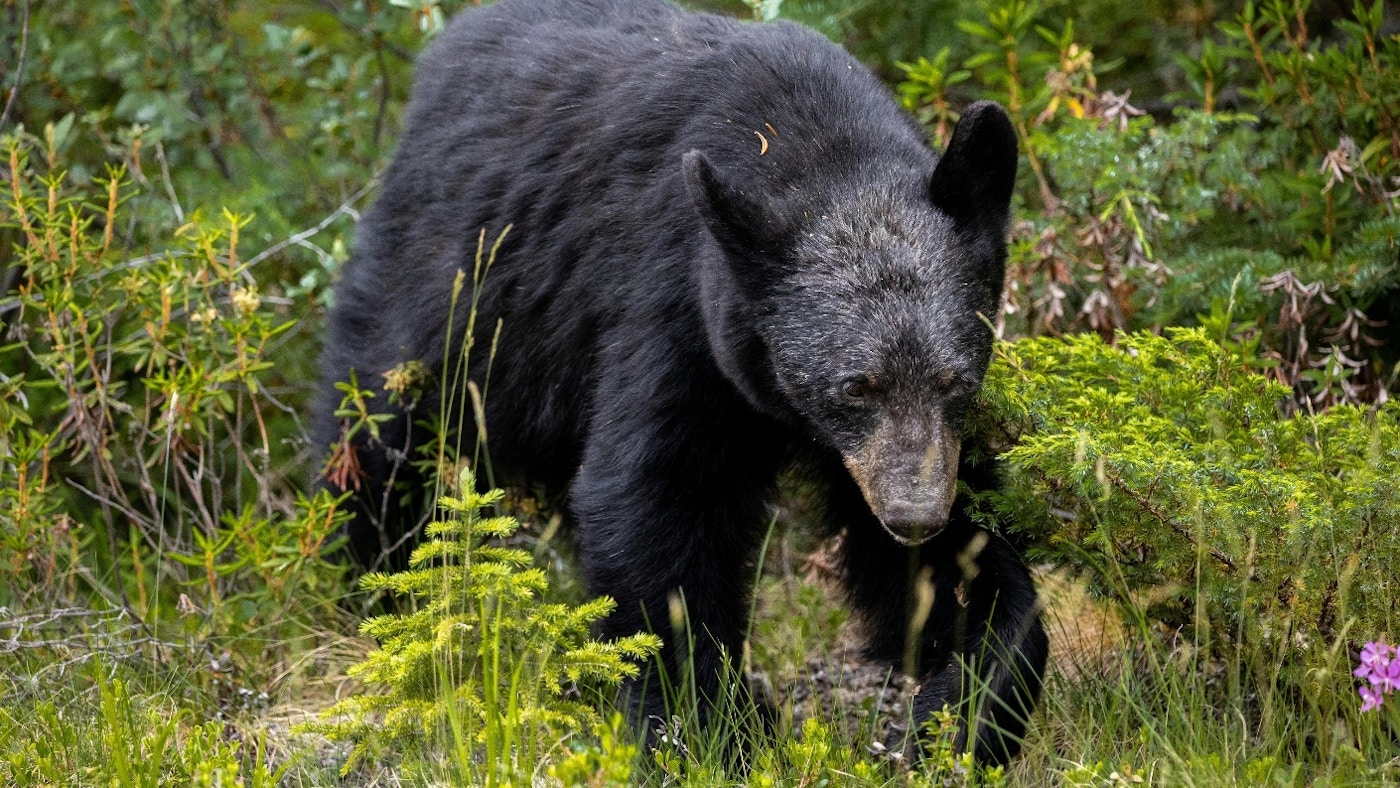
Twelve black bears were killed by hunters during Missouri’s third season, far below the maximum quota cap of 40 bears.
The Missouri Department of Conservation (MDC) said 5,370 hunters applied during May 2024 for 400 permits. The maximum total harvest was capped at 40 bears for the short October 16-25 season. Of the 400 hunters selected through a random drawing of all applicants, 342 hunters purchased bear season permits.
“We had another successful black bear hunting season this year and saw bears harvested in four new counties where bears had not been previously harvested,” said MDC Bear Biologist Nate Bowersock. “Conditions this season couldn’t have been much better for hunters. We look forward to hearing from hunters about their experiences through our annual post-season survey.”
Bear hunting in Missouri is limited to Missouri residents. It is restricted to three designated areas of the southern region of the state called Bear Management Zones (BMZ). Each permit issued is for a specific BMZ. Hunting is limited to public or private property within the BMZ.
Nine bears were killed in BMZ 1 out of a maximum of 20, with 173 hunters purchasing permits to hunt the zone. Three bears were harvested in BMZ 2 out of a maximum of 15, with 125 hunters purchasing permits to hunt the zone. No bears were harvested in BMZ 3 out of a maximum of five with 44 hunters purchasing permits to hunt the zone. All bears were killed using firearms. Of the 12 bears, three were boars and nine were sows.
Following a similar ruling in Montana, wolf trapping in Idaho was restricted Tuesday over concern that grizzly bears could get caught in wolf traps. Wyomingites are worried it could happen here.
March 21, 20244 min read
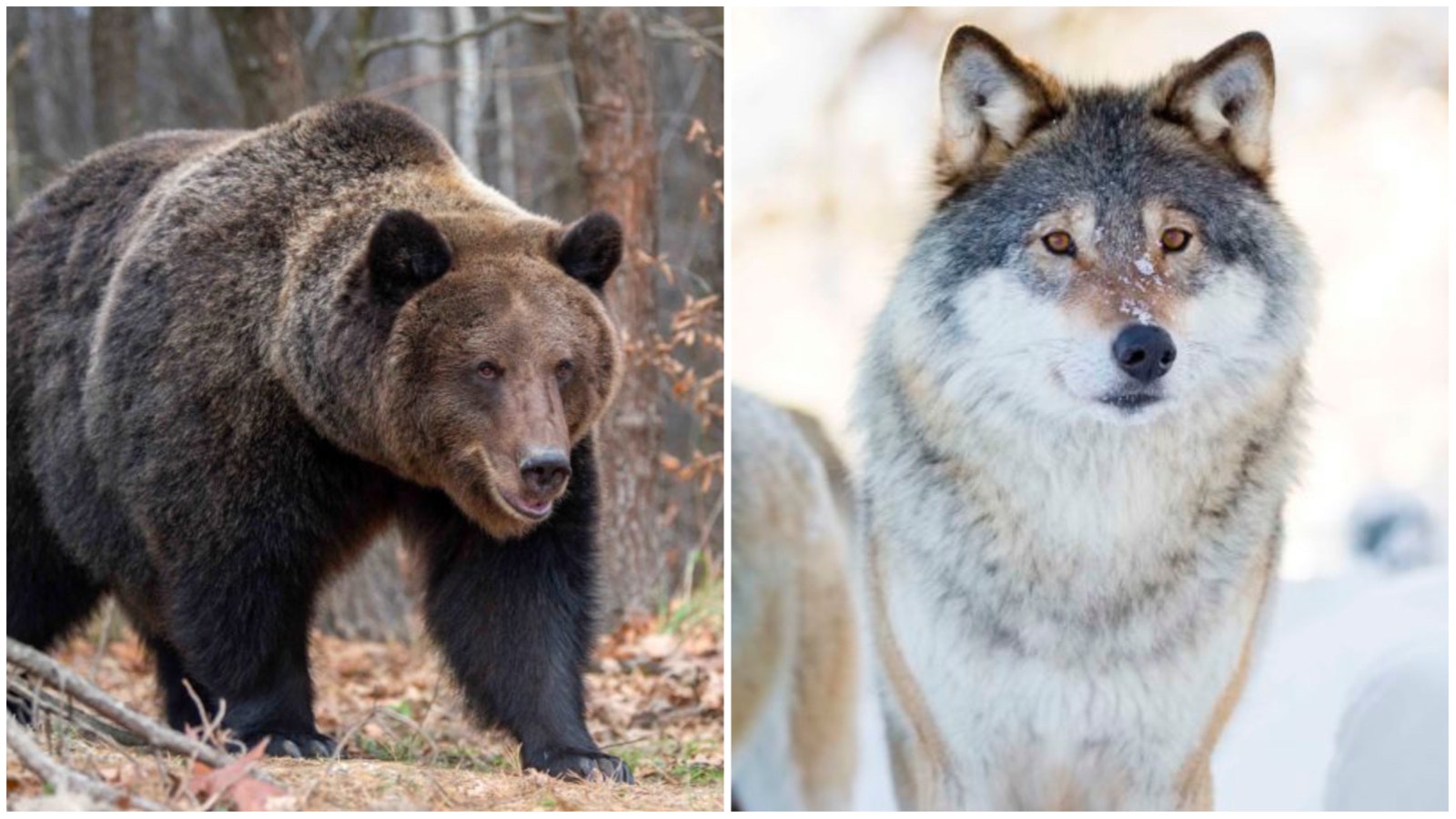
After Montana restricted trapping wolves under the auspices of protecting grizzly bears, Idaho followed suit this week leaving many in Wyoming wondering if the Cowboy State could be next.
Maybe, some Wyoming outdoorsmen said, though they oppose the idea.
John Eckman of Greybull said he’s heard of only one verified incident of a grizzly getting caught in a trap in Wyoming, and to his knowledge that bear was released without incident or injury to the bear.

Considering the number of bears that get accidentally struck and killed on highways, or are killed by game agents because of conflicts with humans, concern over grizzlies possibly getting caught in traps seems misplaced, said Eckman, who is vice president of the Wyoming State Trappers Association.
“Trapping in grizzly country doesn’t seem to be a problem, does it?” he said. “There’s more grizzlies killed on highways than have ever been accidentally killed by trapping.”
Mike Schmid of La Barge, a former member of the Wyoming Game and Fish Commission, said circumstances in Wyoming are different than those in Idaho and Montana when it comes to wolf traps in grizzly county.
In the Wyoming’s “trophy hunting zones” for wolves, trapping wolves isn’t allowed, Schmid said. Hunters with wolf licenses must use firearms or archery equipment to bag their game.
And outside of those trophy hunting zones in areas of Wyoming where wolves may be legally trapped, there are few — if any — grizzly bears, Schmid said.
Following similar successful legal actions in Montana, a coalition of environmental groups successfully sued to have year-round wolf trapping on private land in Idaho restricted. Idaho’s public-land wolf trapping season was also shortened by federal judge’s decision on Tuesday.

In both states, the restrictions were implemented over concerns that grizzlies could get injured or killed by being caught in wolf traps.
Eckman said he questions whether the legal actions were truly prompted by concern over grizzlies or were just a step toward banning trapping altogether.
The traps used for wolves or other species might hurt a younger grizzly, but probably wouldn’t be a threat to an adult bear, he said.
He also said that the federal judge’s order not only undermines Idaho trappers, but the will of most people in that state.
“The state of Idaho is pro-predator control, pro-hunting and pro-conservation,” he said. “There’s a lot of people who are really deflated over this thing. How can this be?”
Schmid said he also wonders about the wider implication of the Montana and Idaho wolf trapping restriction.
While there’s been a push to get grizzlies in Wyoming, Montana and Idaho delisted from Endangered Species Act protection, there’s been a simultaneous effort to get wolves re-listed.
So, Schmid wonders if the trapping restrictions are part of a wider push to block the delisting of grizzles.
There was considerable chatter about desisting grizzlies last year among political leaders in Wyoming, Montana and Idaho, but things have since quieted down.
However, the U.S. Fish and Wildlife Service is still considering the matter, an agency spokesman told Cowboy State Daily.
“The service is working to complete an in-depth status review and analyses using the best available science and information to determine whether removing ESA protections and designating distinct population segments for grizzly bears in the Northern Continental Divide and Greater Yellowstone Ecosystems is warranted,” Joe Szuszwalak stated in an email.
There was no specific time frame for how much longer the analyses might take, he added.

