Avian flu: More than 3M birds affected in Canada amid global outbreak

By Saba Aziz  Global News

Posted February 16, 2024 12:55 pm

 Updated February 16, 2024 3:28 pm

 3 min read

Click to play video: 'Bird flu among concerns as B.C. respiratory illness season ramps up'
WATCH: Bird flu among concerns as B.C. respiratory illness season ramps up – Dec 11, 2023

LEAVE A COMMENT

SHARE THIS ITEM ON FACEBOOKSHARE THIS ITEM ON TWITTERSEND THIS PAGE TO SOMEONE VIA EMAILSEE MORE SHARING OPTIONSDESCREASE ARTICLE FONT SIZEINCREASE ARTICLE FONT SIZE

Ahead of Easter, an “unprecedented” global outbreak of avian flu is ruffling feathers in Canadian poultry, with millions of birds affected across the country in the past five months.

The Canadian Food Inspection Agency (CFIA) told Global News it is responding to the presence of highly pathogenic avian influenza (HPAI), subtype H5N1, in small flocks and commercial and non-commercial farms with birds across Canada.

Since the beginning of the fall migration period in September 2023, an estimated 3,358,547 birds in flocks have been impacted by avian flu, Dr. Cathy Furness, deputy chief veterinary officer at the CFIA, said in an email Friday. This does not include wild birds.

“The current global avian influenza outbreak has been unprecedented,” she said, adding that other countries are also grappling with the spread.

Click to play video: 'Avian flu raises concerns of another Christmas turkey shortage'

4:25Avian flu raises concerns of another Christmas turkey shortage

Typically, the CFIA responds to avian flu outbreaks on a seasonal basis, during bird migratory periods in spring and fall.

STORY CONTINUES BELOW ADVERTISEMENT

“The ongoing response is unique in the number of detections, the geographical distribution of outbreaks and its long duration, which has extended beyond typical migratory periods,” Furness said.

Avian influenza can infect multiple species of domestic chickens, turkeys, quails and guinea fowl as well as wild and pet birds, according to the CFIA.

Get the latest Health IQ news. Sent to your email, every week.

The turkey industry was one of the hardest hit by the avian flu in 2022, Agriculture and Agri-Food Canada says, and that disrupted holiday supply in the country that year.

What are the risks of avian flu?

Avian flu can impact both the poultry industry and wildlife.

In Kingston, Ont., avian flu killed roughly 30 Canada geese that were found along the Lake Ontario Park waterfront earlier this month.

STORY CONTINUES BELOW ADVERTISEMENT

The virus was also confirmed in dead Canada geese in Belleville, Ont., public health officials said on Monday.

So far this year, more than 200 Canada geese as well as gulls, crows and a Bald Eagle have been found sick or dead from HPAI in southern Ontario, according to Environment and Climate Change Canada (ECCC). Most of these cases – roughly 150 – have been detected in the Kingston area, said Hannah Boonstra, a spokesperson for ECCC.

This number however is much lower than the “significant mass mortality” in Canada geese and swans in southern Ontario that was reported in March 2023, she said.

“The number of reported sick or dead birds has now slowed, suggesting that the current outbreaks are largely over, but it is possible that we will see additional mortality in Ontario as we progress into the spring,” Boonstra told Global News in an email Friday.

Click to play video: 'Why avian flu spread has some experts cautioning need for human vaccine'

1:55Why avian flu spread has some experts cautioning need for human vaccine

The virus is spread through contact with an infected bird or poultry products. Although rare, humans and non-avian species can also get infected.

STORY CONTINUES BELOW ADVERTISEMENT

In Canada, there have also been some sporadic bird flu cases detected in raccoons, striped skunks, red foxes, cats and dogs.

However, avian flu does not pose a food safety concern, the CFIA says.

“There is no evidence to suggest that eating cooked poultry or eggs could transmit HPAI to humans,” the agency states on its website.

To keep the virus in check, the CFIA, in collaboration with the industry, has surveillance programs in place that target wild birds and domestic flocks.

Biosecurity measures involve maintaining good hygiene practices and limiting exposure to external sources of contamination, the agency says.

“The continued detections of HPAI in both wild and domestic birds in Canada is a strong reminder for anyone raising birds to remain vigilant of HPAI and ensure they have effective biosecurity measures in place,” Furness said.

Canada has also placed restrictions on imports of poultry, poultry products and live birds from other countries affected by a bird flu outbreak.
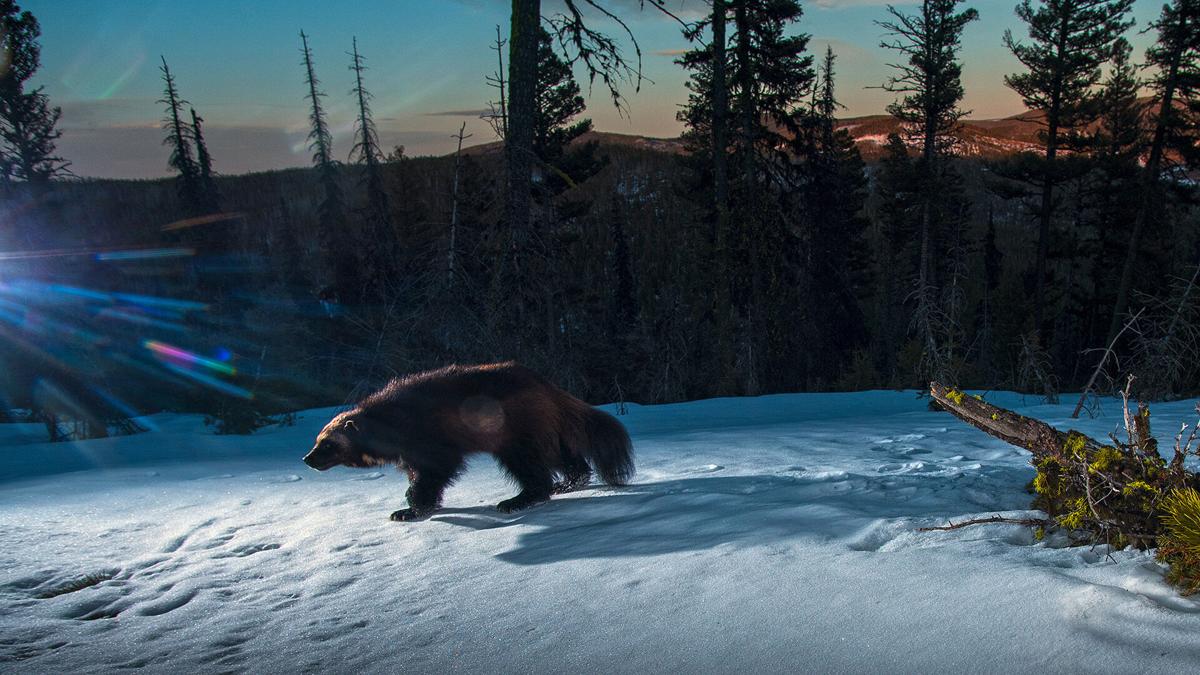
Montana continues to kill wolverines despite Endangered Species listing

JF23 - Wolverine in the High Country
A wolverine triggers a remote camera in the Helena National Forest. The elusive carnivore depends on deep snow for breeding and scavenging food. Climate change and habitat fragmentation have made it a candidate for listing under the Endangered Species Act on its 50th anniversary. KALON BAUGHAN

https://trinitymedia.ai/player/trinity-player.php?pageURL=https%3A%2F%2Fbillingsgazette.com%2Fopinion%2Fcolumn%2Fkc-york-montana-continues-to-kill-wolverines-despite-endangered-species-listing%2Farticle_6da727e8-cc2d-11ee-a1f5-b7117582f1f6.html&partner=Flex&FAB=1&textSelector=I2FydGljbGUtYm9keQ%3D%3D&unitId=2900013015&userId=d87d6c70-698d-425c-a490-50e59507f6c4&isLegacyBrowser=false&isPartitioningSupport=0&version=20240216_92692bcb78b5b53981ff7cc9c8bcad4f6261f5a2&useBunnyCDN=0&abTestAlias=weights+1+byComprehensiveContextPerformance&themeId=140

KC YORK

There are only about 300 wolverine remaining in the entire contiguous U.S. But finally, after many years of effort by conservationists the U.S. Fish and Wildlife Service listed wolverines as “threatened” under the Endangered Species Act which now requires government agencies to implement policies to recover the species before they go extinct.

Given that most of the remaining wolverine are in Montana, it’s clear the state’s policies on trapping should be changed to protect and restore wolverine, which are caught, maimed, and killed in traps legally set for other species.

Instead, not only has Montana’s Governor Gianforte announced he intends to sue the Fish and Wildlife Service over the Endangered Species Act listing, his Department of Fish, Wildlife and Parks is using a loophole in the federal agency’s interim rule that allows wolverines to be trapped, injured, and killed in traps set for other species, including wolves, bobcat, marten, fox, and coyote.

People are also reading…

The Fish and Wildlife Service says the loophole, known as the 4(d) rule, only provides the wolverine trapping exemption if the trapping is being legally done using best trapping practices and all wolverine incidental trapped must be reported.

The problem is Montana’s trapping regulations are lax and riddled with loopholes and allow unregulated year-round legal trapping for predatory animals. Being scavengers, wolverine are very attracted to bait, gut piles, and carcasses. The old-time trappers despised them for robbing their trap lines.

Under Montana’s current trapping regulations, unlimited snares, massive leghold traps, and body crushing conibears can be set, baited, secreted, and left unattended. There is no required trap check time. Trapped animals can be left for days or weeks, injured, exposed to the elements, dehydrated, and at risk of predation and death.

https://embed.audiocdn.com/?feed=aHR0cHM6Ly9mZWVkLmNkbnN0cmVhbTEuY29tL3pqYi9mZWVkL2Rvd25sb2FkLzE2L2U3L2ZiLzE2ZTdmYjUyLTczNjItNGVhMC05YTJjLWE1NjdkMDk5NzU5Yi54bWw=&pbg=EFEFEF&lbg=F9F9F9&pt=353D58&st=676E85&bbg=FFFFFF&bi=353D58&limit=10Listen now and subscribe: Apple Podcasts | Google Podcasts | Spotify | Stitcher | RSS Feed | SoundStack | All Of Our Podcasts

Only traps set for bobcat in lynx protection zones and for wolves require a 48-hour visual check. But there is virtually no monitoring for compliance and, according to experts, this is double the recommended time to reduce injury and increase potential survival of animals that have been trapped, such as lynx or wolverines, that must be released.

Wolves are now the primary target for incidental trappings in Montana. While regulations require 10-pound tension, the pressure for trap to close on larger leghold traps, it has proven ineffective at avoiding incidental trapping of wolverine. Three of four wolverine reported trapped early 2023 in Montana were caught in legal traps set for wolves.

https://8fc5663060a529031cbb43a45284ff00.safeframe.googlesyndication.com/safeframe/1-0-40/html/container.html

Yet, Montana Fish Wildlife & Parks defended the regulations at a recent legislative oversight committee hearing and the agency’s Director, Dustin Temple, testified that no wolverine had been inadvertently trapped since 2012, the year legal trapping of wolverine was halted.

According to FWP’s records, however, 10 wolverine were reported trapped in Montana from 2013-2023. Half were dead and since there’s no monitoring of those released it’s impossible to determine their fate.

The Fish and Wildlife Service’s 2023 wolverine summary cited Montana’s report of only three wolverine deaths — not five as listed in the state agency’s own records. That means neither the federal agency nor the public can accurately assess the impacts on wolverine trapping based on state information.

Furthermore, the loss of any individual in a low population is significant since it compromises the health, genetic variation, and the wolverine’s ability to survive and withstand environmental changes over time. Studies on trapper-killed female wolverine report pregnancy rates ranging 70-90%.

Considering a mere 0.3% of Montanans bought a trapping license in 2023, the real question is why trappers should take precedence over protecting and conserving the rare wolverine for present and future generations as legally required under the Endangered Species Act.

Up Next – RELATED NEWS: – Chris Makes Fried Fish Sandwiches

Ministry of Health announces H5N1 bird flu in a 16-year-old boy in Kratie City

Click here to get Khmer Times Breaking News direct into your Telegram

FacebookTwitterEmailShare

The Ministry of Health on February 12, 2024, issued a press release on the case of bird flu (H5N1) in a 16-year-old boy living in Orussey commune, Kratie city, Kratie province.

The ministry confirmed that the boy had no respiratory symptoms and was the brother of another child who died on February 8, 2024.

The emergency response teams of the Ministry of Health at the national and sub-national levels have been cooperating with the working groups of the Ministry of Agriculture, Forestry, and Fisheries and the Ministry of Environment to investigate the outbreak of bird flu, respond to methods and technical protocols to find sources of transmission in both animals and humans, and continue to search for suspected and affected cases to prevent transmission to others in the community, distribute Tamiflu medicine to those affected, and conduct a health education campaign in the affected villages.

The Ministry of Health also advised residents to take precautionary measures to prevent the spread of bird flu, such as washing their hands frequently with soap and water before eating and after contact with birds, keeping children away from animals, and keeping birds away from living. Do not eat the meat of sick or dead birds; all birds made for eating must be cooked well.

Cambodia reports a new bird flu case, the brother of a 9-year-old who died of the virus

Local boys drive a motorcycle passing a grilled chickens are on sale in a shop outside Phnom Penh, Cambodia, Monday, Feb. 12, 2024. Cambodia reports a new bird flu case, the brother of a 9-year-old who died of the virus last week. (AP Photo/Heng Sinith)

1 of 3 | 

Local boys drive a motorcycle passing a grilled chickens are on sale in a shop outside Phnom Penh, Cambodia, Monday, Feb. 12, 2024. Cambodia reports a new bird flu case, the brother of a 9-year-old who died of the virus last week. (AP Photo/Heng Sinith)

Grilled chickens display for selling in a shop outside Phnom Penh, Cambodia, Monday, Feb. 12, 2024. Cambodia reports a new bird flu case, the brother of a 9-year-old who died of the virus last week. (AP Photo/Heng Sinith)

2 of 3 | 

Grilled chickens display for selling in a shop outside Phnom Penh, Cambodia, Monday, Feb. 12, 2024. Cambodia reports a new bird flu case, the brother of a 9-year-old who died of the virus last week. (AP Photo/Heng Sinith)

Farm geese walk across a road outside Phnom Penh, Cambodia, Monday, Feb. 12, 2024. Cambodia reports a new bird flu case, the brother of a 9-year-old who died of the virus last week. (AP Photo/Heng Sinith)

3 of 3 | 

Farm geese walk across a road outside Phnom Penh, Cambodia, Monday, Feb. 12, 2024. Cambodia reports a new bird flu case, the brother of a 9-year-old who died of the virus last week. (AP Photo/Heng Sinith)

BY SOPHENG CHEANGUpdated 5:07 AM PST, February 12, 2024Share

https://apnews.com/article/cambodia-bird-flu-avian-influenza-virus-4795dcb690b4bb449e4c26a3b49e77dc

PHNOM PENH, Cambodia (AP) — The brother of a boy who died last week from bird flu has tested positive for the virus, Cambodia’s Health Ministry said Monday.

The 9-year-old’s death in the northeastern province of Kratie was the first from bird flu in Cambodia this year, after four were reported last year by the World Health Organization.

Bird flu, also known as avian influenza, normally spreads in poultry and wasn’t deemed a threat to people until a 1997 outbreak among visitors to poultry markets in Hong Kong. Most human cases have involved direct contact with infected poultry, but there have been concerns that the virus could evolve to spread more easily between people.

ADVERTISEMENT

The WHO and the U.N.’s Food and Agriculture Organization this month warned that Lunar New Year festivities celebrated in much of Asia posed an increased risk of spreading the virus.

In a statement, Cambodia’s Health Ministry said the 16-year old brother tested positive for the virus on Sunday but exhibited no symptoms. The boy was undergoing medical treatment, and officials are investigating who had contact with the brothers and how and where they contracted the virus.

The Health Ministry said the boy who died last week fell ill with fever, shortness of breath, coughing and fainting after eating a meal his parents had cooked from chicken and ducks they raised.