Wolf hunting and trapping regulations finalized

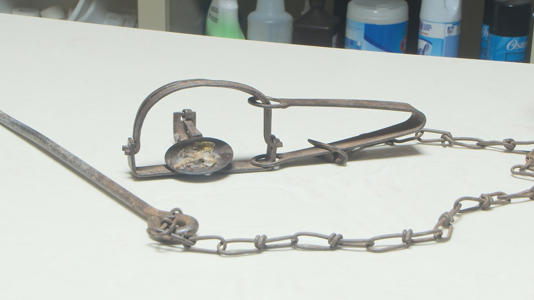
The Montana Fish and Wildlife Commission finalized wolf hunting and trapping regulations during a lengthy meeting Aug. 21 where commissioners heard passionate comments from people around the country.

The Commission debated several amendments to the 2025/2026 Furbearer and Wolf Hunting and Trapping Regulations proposal that FWP released in early July. Though the regulations cover all furbearer trapping and wolf hunting and trapping, the central focus of the discussion was crafting a new set of wolf regulations.

For the 2025/2026 wolf hunting and trapping season the Commission approved a 452 statewide wolf quota, which includes a sub-quota of 60 wolves in Region 3, and separate quotas of three wolves each in Wolf Management Units 313 and 316.

The Commission established that a person may harvest 15 wolves via trapping and 15 wolves via hunting, provided that five wolves from each method of take are harvested in FWP Region 1 or Region 2. Hunters must purchase a wolf license for each wolf they harvest via hunting, but they may purchase up to 15 licenses before going afield.

The Commission approved a regulation allowing a trapper to gain prior authorization from FWP to temporarily leave the live wolf in the trap for the purpose of radio collaring by FWP. In this circumstance the wolf would not be harvested, but the trapper would immediately notify FWP, per the prior authorization arrangement, and a FWP official would radio collar the wolf and release it from the trap.

The Commission approved regulation changes to require that all harvested wolves must be presented to FWP for inspection within 10 days of harvest for pelt tagging, tissue sampling, and tooth extraction. A trapper must present the hide and skull for tagging and sampling within 10 days of harvest. It is now illegal to leave a wolf hide and skull in the field after harvest, even if the hunter or trapper doesn’t want to keep the animal.

The Commission removed trapping setbacks on roads closed to motor vehicle and OHV traffic (except snowmobiles and unless in a designated no trapping area) in Mineral County and on the Spotted Bear Ranger District in northwest Montana.

FWP staff will finalize the regulations and release them online in the coming days. Printed regulations will be available later this summer.

Archery wolf season opens Sept. 6. Trapping season will open Dec. 1, except within the geographic area identified by federal court order. Just like last season, trapping within the geographic area will be limited to Jan. 1 to Feb. 15. The geographic area is all of FWP regions 1, 2 and 3, and portions of regions 4 and 5. This area, with limited trapping dates, is the same as last year, according to the FWP proposal.

Outside this geographic area, wolf trapping closes March 15, 2026, or when a quota is met.

Editor’s note: for those who aren’t familiar with the regions in Montana they are: Region 2, west-central; Region 3, southwest; Region 4, north-central; Region 5, south-central; and Region 6, northeast.

Police carry out bird trapping raid

Cyprus Mail

1.9K Followers

4d • 

1 min read

Bird trapping equipment was confiscated by the police on Sunday after a raid on the property of a 55-year-old in Larnaca.

During a search of the confined space in Larnaca, police found and seized three bird trapping nets, one of which was set up for use.

In addition they uncovered four megaphones, four sound decoy devices and a dead wild bird.

Members of the game and wildlife service called to the scene freed six trapped wild birds.

The 55-year-old, who was called to the scene, is expected to be served an out of court settlement.

The Zygi police station is investigating.

Provided by SyndiGate Media Inc. (

Syndigate.info

).

Opinion: Jane Goodall helped humans understand their place in the world

October 4, 20258:00 AM ET

Heard on Weekend Edition Saturday

Scott Simon

2-Minute Listen

Transcript

Jane Goodall kisses a chimpanzee baby on Dec. 20, 2004. (AP Photo/Bela Szandelszky, File)

Primatologist Jane Goodall kisses a chimpanzee baby on Dec. 20, 2004.

Bela Szandelszky/AP

Outside the Field Museum in Chicago, a bronze sculpture by artist Marla Friedman captures a moment a friendship was made.

It’s called “The Red Palm Nut.” A young woman sits barefoot on the ground, reaching out her hand to a chimpanzee, who sits about a yard away. And he lightly, seemingly shyly, takes her human fingers into his own. A bright, red palm nut has dropped on the soil between them.

The woman in the sculpture is the great primatologist and conservationist Jane Goodall, at the moment she first earned the trust of a wild chimp. “He reached out and he took and dropped that palm nut,” she later remembered. “But then very gently squeezed my fingers and that’s how chimpanzees reassure each other. So in that moment we understood each other without the use of human words, the language of gestures.”

Sponsor Message

Jane Goodall called the silvery-chinned chimp David Greybeard. She met him when she was in her 20s, a former secretary from Bournemouth, England, who saved cash tips she’d earned as a waitress to journey to Africa, where she talked herself into a job as assistant to the famed anthropologist Louis Leakey.

She had no college experience. But Jane Goodall convinced Leakey she would be just the person to live among and study a group of chimpanzees he had discovered on the shores of Lake Tanganyika.

And on what she recalled was a rainy morning, November 4, 1960, she saw David Greybeard and other chimps take twigs from a tree, pluck their leaves, and use them as sticks to pierce a termite mound and slurp the insects off the end — almost like how those primates called human beings might lick peanut butter off a spoon.

What she saw and documented was startling: the chimps had made the twigs into tools. When she wrote about it to Louis Leakey, he famously replied, “We must now redefine man, redefine tools, or accept chimpanzees as humans.”

By the time Jane Goodall died this week, at the age of 91, she’d been honored around the world for her work with chimps and people, and established animal sanctuaries and forest conservation programs.

Sponsor Message

David Greybeard, I think she’d want us to note, died in 1968. Jane Goodall and her friend saw strangers in a jungle, reached out their hands, and began a friendship that changed how humans understood our place in the world.

‘A long time to die’: Wildlife advocates spar with hunters over unsuccessful petition to regulate trapping guidelines

KVVU Las Vegas

24.7K Followers

Story by Sean Dowling

 • 8mo • 

2 min read

Rules for trappers in Nevada are not changing

Rules for trappers in Nevada are not changing© Credit: KFDA

LAS VEGAS, Nev. (FOX5) – It’s business as usual for trappers in the state, but animal advocates aren’t happy about it.

Especially when they say animals are dying slow, unnecessary deaths.

That’s because a recent decision denies their petition to change regulations.

Animal lovers are mad because they say the state’s current window allowing trappers 96 hours to check traps instead of 24 hours allows for the unintentional trapping of mountain lions, which is illegal. That decision stayed in a unanimous vote in a recent meeting with the Board of Wildlife Commissioners with the Nevada Department of Wildlife.

about:blank

Because of a recent decision denying their petition to change

Current Time 0:02

/

Duration 2:22

KVVU Las Vegas

Rules for trappers in Nevada are not changing

0

View on Watch

One woman who saw images explains how seeing them made her feel during the public comment portion.

“I was shown a picture of a mountain lion hanging by his paw from a trap in a tree. We used to use crucifixion as a punishment, and it took a long time to die.”

A rebuttal from the other side, condemns that notion.

call to action icon
more

“This latest effort is just another attempt, again by the Donate Now organizations to present old arguments to new faces on this commission.”

This back and forth in front of the Board of Wildlife Commissioners went on for about three hours.

Time is what this petition is all about. Trappers say changing the regulations to 24 hours would disrupt their way of life.

“Trapping is causing unnecessary injury and death to these animals. Ninety-six hours just laying in agony is horrific to think about.”

Then someone from the other side of the aisle addressed how this affects trappers themselves.

“If you go to 24 hours, he’s going to go daily. He’s going to do that for about two days and then he’s broke. The daily drive would be more than he (the trapper) could do.”

One supporter of the petition had this to say about trappers checking in more frequently.Mens Flip Flops Outdoor Thong Sandals Beach Sports Flats Slingbacks

Ad

Mens Flip Flops Outdoor Thong Sandals Beach Sports Flats Slingbacks

eBay

call to action icon
more

“I don’t really have a lot of sympathy for people who are complaining that this would lead to them having to spend more money in gas. Hunting is not a necessity.”

But it is for some residents, who have been hunting for several years around the state.

“I’d like to be able to pass on this legacy to my children. Taking this away, making this go away like they did in California like they did in this last election in Colorado, trying to get rid of it is just isn’t fair to me and my family.”

One of the lead petitioners with the Nevada Wildlife Alliance tells FOX5 meeting with the commissioners was a necessary stopping point on the way to taking it up with legislators who might be able to help the cause. But he adds that’s not going to happen this session.

Instead, he says animal rights groups are waiting for, “more sympathetic” leadership at the top.“

For animals captured for management or research purposes, the American Veterinary Medical Association recommends checking traps at least once every 24 hours.

Maine to implement new online system to help deer hunters register kills


by WGME StaffMon, October 6th 2025 at 3:49 PM

UserWay icon for accessibility widget
A new system is being introduced in Maine to help hunters streamline registering their kills. (WGME)

A new system is being introduced in Maine to help hunters streamline registering their kills. (WGME)Comment on this storyComment

0Share storyShare

chevron right arrow icon

PORTLAND (WGME) — A new system is being introduced in Maine to help hunters streamline registering their kills.

It will let hunters electronically register deer that they’ve shot, and it’ll also help biologists collect deer hunting data.

Maine already has an online system for turkey registration.

https://imasdk.googleapis.com/js/core/bridge3.723.0_en.html#deid=%22%22&eventfe_experiment_ids=%5B%5D&fid=%22goog_903858721%22&genotype_experiment_data=%7B%22experimentStateProto%22%3A%22%5B%5B%5B45713128%2Cnull%2Cnull%2C%5B%5D%5D%2C%5B803064088%2Cnull%2Cnull%2C%5B1%5D%5D%2C%5B45681221%2Cnull%2Cnull%2C%5B1%5D%5D%2C%5B45722344%2Cnull%2Cnull%2C%5B%5D%5D%2C%5B45706017%2Cnull%2Cnull%2C%5B%5D%5D%2C%5B45668885%2Cnull%2Cnull%2C%5B%5D%5D%2C%5B45685340%2Cnull%2Cnull%2C%5B%5D%5D%2C%5B45663239%2Cnull%2Cnull%2C%5B%5D%5D%2C%5B45715032%2Cnull%2Cnull%2C%5B1%5D%5D%2C%5B45661356%2Cnull%2Cnull%2C%5B%5D%5D%2C%5B45676441%2Cnull%2Cnull%2C%5B%5D%5D%2C%5B45675307%2Cnull%2Cnull%2C%5B1%5D%5D%2C%5B45675308%2Cnull%2Cnull%2C%5B1%5D%5D%2C%5Bnull%2C45645574%2Cnull%2C%5B%5D%5D%2C%5B45702384%2Cnull%2Cnull%2C%5B%5D%5D%2C%5B45726365%2Cnull%2Cnull%2C%5B1%5D%5D%2C%5B45692337%2Cnull%2Cnull%2C%5B1%5D%5D%2C%5B45688859%2Cnull%2Cnull%2C%5B%5D%5D%2C%5B45656766%2Cnull%2Cnull%2C%5B%5D%5D%2C%5B45710689%2Cnull%2Cnull%2C%5B%5D%5D%2C%5B45710688%2Cnull%2Cnull%2C%5B%5D%5D%2C%5B45685601%2Cnull%2Cnull%2C%5B%5D%5D%2C%5Bnull%2C45685602%2Cnull%2C%5Bnull%2C500%5D%5D%2C%5B775241416%2Cnull%2Cnull%2C%5B%5D%5D%2C%5B781107959%2Cnull%2Cnull%2C%5B%5D%5D%2C%5B781107958%2Cnull%2Cnull%2C%5B%5D%5D%2C%5B792614055%2Cnull%2Cnull%2C%5B%5D%5D%2C%5B781107957%2Cnull%2Cnull%2C%5B%5D%5D%2C%5B45658982%2Cnull%2Cnull%2C%5B%5D%5D%2C%5B45725657%2Cnull%2Cnull%2C%5B%5D%5D%5D%2C%5B%5B16%2C%5B%5B1%2C%5B%5B31089630%5D%2C%5B31089631%2C%5B%5B45668885%2Cnull%2Cnull%2C%5B1%5D%5D%5D%5D%5D%5D%2C%5B50%2C%5B%5B31092099%5D%2C%5B31092100%2C%5B%5Bnull%2C749060184%2Cnull%2C%5Bnull%2C100%5D%5D%5D%5D%5D%5D%2C%5B1%2C%5B%5B31094192%5D%2C%5B31094193%2C%5B%5B775241416%2Cnull%2Cnull%2C%5B1%5D%5D%5D%5D%5D%5D%2C%5B1000%2C%5B%5B95332046%5D%5D%5D%2C%5Bnull%2C%5B%5B95332047%5D%5D%5D%2C%5B10%2C%5B%5B95333808%5D%2C%5B95333809%2C%5B%5B635466687%2Cnull%2Cnull%2C%5B1%5D%5D%5D%5D%5D%5D%2C%5B10%2C%5B%5B95338769%2C%5B%5Bnull%2C45645574%2Cnull%2C%5Bnull%2C1%5D%5D%5D%5D%2C%5B95338770%2C%5B%5Bnull%2C45645574%2Cnull%2C%5Bnull%2C2%5D%5D%5D%5D%5D%5D%2C%5B10%2C%5B%5B95345206%5D%2C%5B95345207%2C%5B%5B45661356%2Cnull%2Cnull%2C%5B1%5D%5D%5D%5D%5D%5D%2C%5B10%2C%5B%5B95356068%5D%2C%5B95356069%2C%5B%5B45685601%2Cnull%2Cnull%2C%5B%5D%5D%2C%5Bnull%2C45685602%2Cnull%2C%5B%5D%5D%5D%5D%2C%5B95356070%2C%5B%5B45685601%2Cnull%2Cnull%2C%5B1%5D%5D%2C%5Bnull%2C45685602%2Cnull%2C%5B%5D%5D%5D%5D%2C%5B95356071%2C%5B%5B45685601%2Cnull%2Cnull%2C%5B1%5D%5D%2C%5Bnull%2C45685602%2Cnull%2C%5Bnull%2C100%5D%5D%5D%5D%5D%5D%2C%5B100%2C%5B%5B95364127%5D%2C%5B95364128%2C%5B%5B45706017%2Cnull%2Cnull%2C%5B1%5D%5D%5D%5D%5D%5D%2C%5B100%2C%5B%5B95365753%2C%5B%5B45710689%2Cnull%2Cnull%2C%5B1%5D%5D%5D%5D%2C%5B95365754%2C%5B%5B45710688%2Cnull%2Cnull%2C%5B1%5D%5D%5D%5D%5D%5D%2C%5Bnull%2C%5B%5B95366606%5D%2C%5B95366607%2C%5B%5B45713128%2Cnull%2Cnull%2C%5B1%5D%5D%5D%5D%5D%5D%2C%5Bnull%2C%5B%5B95370402%5D%2C%5B95370403%2C%5B%5B45722344%2Cnull%2Cnull%2C%5B1%5D%5D%5D%5D%5D%5D%2C%5B5%2C%5B%5B95371971%5D%2C%5B95371972%2C%5B%5B45725657%2Cnull%2Cnull%2C%5B1%5D%5D%5D%5D%5D%5D%2C%5B10%2C%5B%5B95372277%5D%2C%5B95372278%2C%5B%5Bnull%2C745150931%2Cnull%2C%5Bnull%2C1%5D%5D%5D%5D%5D%5D%2C%5B1%2C%5B%5B95373378%2C%5B%5B792614055%2Cnull%2Cnull%2C%5B1%5D%5D%5D%5D%2C%5B95373379%2C%5B%5B781107959%2Cnull%2Cnull%2C%5B1%5D%5D%2C%5B792614055%2Cnull%2Cnull%2C%5B1%5D%5D%2C%5B781107957%2Cnull%2Cnull%2C%5B1%5D%5D%5D%5D%5D%5D%5D%5D%5D%2Cnull%2Cnull%2C%5Bnull%2C1000%2C1%2C1000%5D%5D%22%7D&imalib_experiments=%5B95322027%2C95331589%2C95332046%5D&managed_js_experiment_id=0&pvsid=479629851435280

It is unclear when the registration system will go online, but the Department of Inland Fisheries and Wildlife, which is expected to create the pilot program, will report their work to the legislature’s committee in late January.

PETA sharply criticizes hunting fair in Neuburg

This weekend, the “International Hunting and Shooting Days” are taking place at Grünau Castle. The fair attracts hobby hunters and interested parties with hunting dog demonstrations, birds of prey displays, and numerous exhibitors. The animal rights organization PETA is sharply criticizing the event and calling for an end to so-called hobby hunting.

By IG Wild beim WildEditorial staff of IG Wild at Wild October 7, 2025

FacebookTwitterEmail

Follow Us

FacebookInstagramYouTube

PETA sharply criticizes hunting fair in Neuburg

According to the organization, hunters in Germany kill more than five million wild animals every year, as well as an estimated 200,000 cats and numerous dogs – mostly for recreational purposes or under the slogan “closeness to nature.”

According to PETA, hunting fairs like the one in Neuburg trivialize the violent treatment of wild animals and serve to promote a “deadly hobby.”

PETA is particularly critical of the participation of Bavaria’s Minister of Economic Affairs, Hubert Aiwanger , who is announced with a welcoming address on the fair’s website.

State Minister Hubert Aiwanger’s lobbying for a bloody and cruel hobby is shameful, said PETA expert Peter Höffken. Furthermore, numerous dogs and wild birds are exposed to the stress of exhibitions.

To justify its call for a ban on recreational hunting, the organization points to scientific findings that animal populations regulate themselves without human intervention. They argue that hunting destroys social structures in animal populations and can have the opposite of the desired effect. PETA also points to the risk of hunting accidents.

The trade fair organizers, however, regularly emphasize the contribution of hunting to species conservation and the maintenance of the cultural landscape.

Hunting Association Urges Reporting of Every Wildlife Accident

Mon 6th Oct, 2025

The German Hunting Association is calling on motorists to report every wildlife accident to the authorities. According to the association, such incidents occur on average every two and a half minutes. This alarming frequency highlights the importance of proper reporting to ensure that injured animals receive the help they need.

Helmut Dammann-Tamke, the president of the association, emphasized that injured wildlife often retreats into dense underbrush, making it difficult for them to be found without assistance. Trained hunting dogs can play a crucial role in locating these animals, allowing for timely intervention to alleviate their suffering.

Statistics provided by the association indicate that wild animals will not learn traffic rules in the foreseeable future. Dammann-Tamke pointed out that simply reducing driving speed from 100 km/h to 80 km/h can significantly decrease stopping distances, potentially saving lives. He urges all drivers, particularly those traveling on rural roads and through wooded areas, to remain vigilant.

These environments are commonly inhabited by wildlife, which can lead to higher chances of accidents. The association’s initiative aims to raise awareness about the dangers faced by both drivers and animals, encouraging a culture of responsibility and care on the roads.

2025 alligator season sets harvest record 

BY Randy Zellers

ON 10-03-2025

ALLIGATOR 2

LITTLE ROCK — Arkansas’s two-weekend alligator season wrapped up in the predawn light Monday morning, and when the last harvested alligator was checked, hunters had tallied 205 alligators, narrowly edging out the previous record of 202 harvested in 2023.

According to AGFC Herpetologist Amanda Bryant, hunters surpassed the initial quota of 204 with one additional harvest.

“We’re really happy with the outcome this year. We always want 100 percent of the quota to be filled so it’s great when that happens,” Bryant said. “The quota is exceeded when multiple hunters take an animal in the same night and only one or two animals remain to close the season. It’s pretty common. We set the quota a few animals short of the total needed harvest with this in mind.”

Hunters on public land filled 26 of the 38 drawn public land tags available. The success rate of 68 percent was an improvement over last year’s 58 percent hunter success on public land.

“Almost every hunter who puts in some time on the water in Arkansas’s public alligator hunting areas will see a legal alligator to harvest. Getting within snare or harpoon range can be tricky, especially with some of the larger ones,” Bryant said. “And a lot of unfilled tags are the result of hunters holding out for a larger alligator and running out of time; but hunters were actually more successful this year than last year.”

This year’s Millwood Lake hunt totaled seven checked alligators, leaving two tags open at the end of the first year of this area’s quota hunt.

“We tried to get the harvest a little higher there with the addition of the quota, hoping more hunters would mean people wouldn’t pass up on opportunities,” Bryant said. “Seven of the nine possible checks is slightly better than last year, but we’d really like to see that harvest goal reached in the future.”

On private land, Alligator Management Zone 3 in southeast Arkansas had the most successful hunters, with 106 checked during the two weekends of the hunt. Hunters in Alligator Management Zone 1 in southwest Arkansas checked 69 alligators, and hunters in south-central Arkansas (Alligator Management Zone 2) harvested four.

“Zone 2 doesn’t have as much habitat for alligators and has a smaller quota for private land hunters,” Bryant said. “It was the only zone to remain open on the last night of the hunt. Zone 3 closed two days before the end of the hunt, and Zone 1 closed with one night remaining in the scheduled hunting season.”

####

CUTLINES:

ALLIGATOR
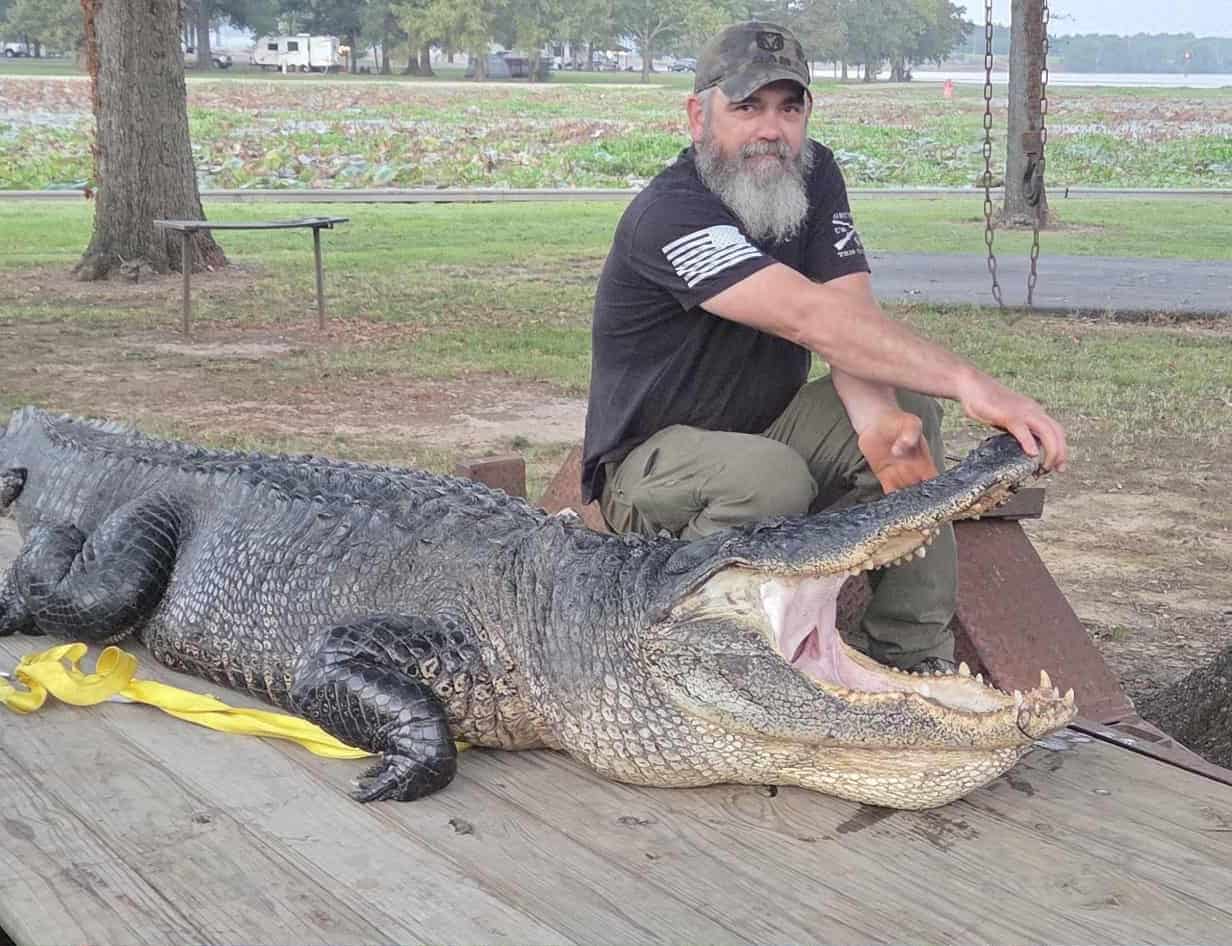
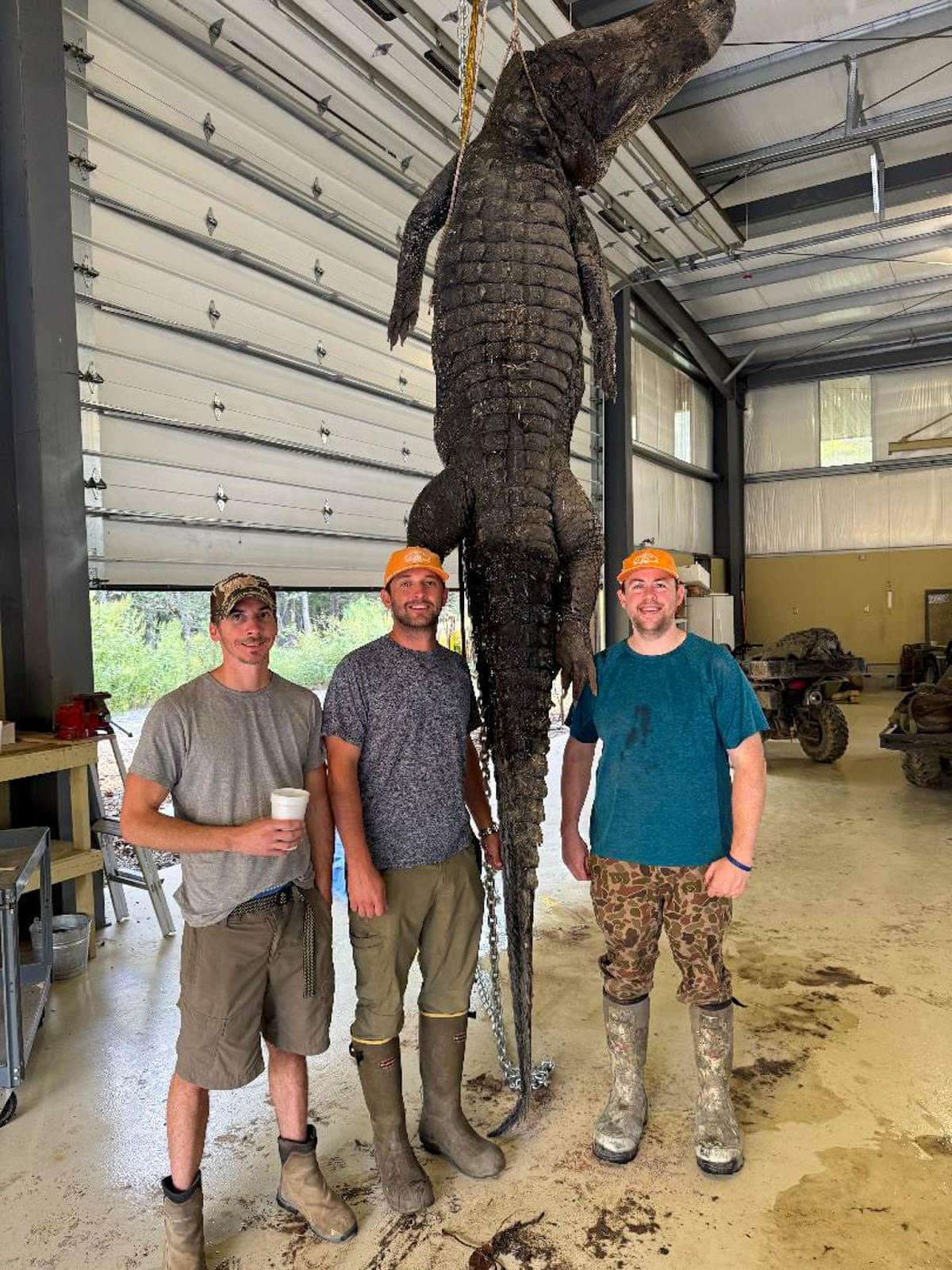
David Snowden’s 13-foot, 1-inch alligator taken during the first weekend of the 2025 Arkansas alligator hunting season was the largest of the season. Pictured from left to right: Jordan Tortorich, Grant Wynne and David Snowden. Photo courtesy of David Snowden.

GATOR ON TRAILER
The largest alligator taken on public land in 2025 was 13 feet long and taken by Terry Crafton from the Lower Arkansas Wetland Complex in southeast Arkansas. Photo courtesy Terry Crafton.

Wear Bright Colors In Wooded Areas

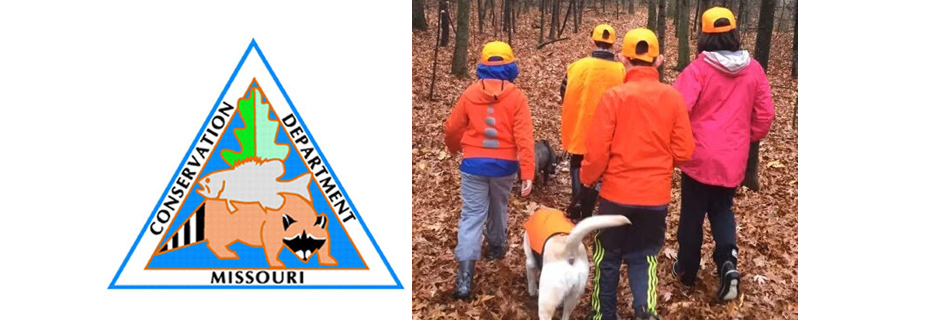
If you plan to spend time in or along a wooded area, you want to be seen.  Missouri deer and turkey hunting seasons are underway, and the Missouri Department of Conservation (MDC) reminds non-hunters to practice safety measures when afield during hunting seasons.

MDC Hunter Education Coordinator Justin McGuire says, “Safety while hunting is ultimately the responsibility of the hunter.” He says, “Hunters must clearly identify their targeted game animals before even putting their fingers on the triggers of their firearms or before drawing their bows when archery hunting. They must also be aware of what is behind their targets and should never shoot at movement or sound.”

MDC offers these safety tips for non-hunters:

  • Wear bright clothing to be more visible, such as a bright orange hat, jacket, or pack.
  • Place a bright orange vest or bandana on the canines who join you and keep them leashed.
  • Avoid earth-toned or animal-colored clothing.
  • Be aware that hunters are often most active during the early morning and late afternoon, when game animals are most active.
  • Stay on designated trails.
  • Whenever venturing into the outdoors, let someone know where you are going and when to expect your return.
  • Make yourself known. If you hear shooting, raise your voice, and let hunters know you are in the area.
  • Be courteous. Once a hunter is aware of your presence, don’t make unnecessary noise to disturb wildlife.

Archery deer and turkey hunting runs through Nov. 14 and opens again Nov. 26 through Jan. 15, 2026.

Firearms turkey hunting is open Oct. 1-31.

Firearms deer hunting opens with the early antlerless portion Oct. 10-12, followed by several other portions through Jan. 6, 2026.

Learn more about deer and turkey hunting online at mdc.mo.gov/hunting-trapping/species/deer and mdc.mo.gov/hunting-trapping/species/turkey.

Climate crisis trapping migratory species in habitat gridlock: UN

Migratory species from elephants to snow trout face shrinking habitats as climate change drives them into ecological bottlenecks, warns a UN report urging urgent global conservation action.

Follow us

https://googleads.g.doubleclick.net/pagead/ads?gdpr=0&client=ca-pub-4270059383020130&output=html&h=280&adk=3544012801&adf=3787017365&pi=t.aa~a.2033695895~rp.1&w=1152&fwrn=4&fwrnh=100&lmt=1759522312&rafmt=1&to=qs&pwprc=3409139841&format=1152×280&url=https%3A%2F%2Fnewsarenaindia.com%2Fnation%2Fclimate-crisis-trapping-migratory-species-in-habitat-gridlock-un%2F58236&fwr=0&pra=3&rpe=1&resp_fmts=3&wgl=1&fa=40&uach=WyJXaW5kb3dzIiwiMTkuMC4wIiwieDg2IiwiIiwiMTQwLjAuMzQ4NS45NCIsbnVsbCwwLG51bGwsIjY0IixbWyJDaHJvbWl1bSIsIjE0MC4wLjczMzkuMjA4Il0sWyJOb3Q9QT9CcmFuZCIsIjI0LjAuMC4wIl0sWyJNaWNyb3NvZnQgRWRnZSIsIjE0MC4wLjM0ODUuOTQiXV0sMF0.&abgtt=6&dt=1759520377996&bpp=3&bdt=7274&idt=3&shv=r20251001&mjsv=m202509240101&ptt=9&saldr=aa&abxe=1&cookie=ID%3D5f0ef78f8d2b700e%3AT%3D1759520376%3ART%3D1759520376%3AS%3DALNI_MZ4I_F6l56lCmGkFtqjvzQJtW2A4A&gpic=UID%3D000012858b539b2e%3AT%3D1759520376%3ART%3D1759520376%3AS%3DALNI_MZJKTmia1WzjXgzn4QDkXoxpFw5fA&eo_id_str=ID%3D84341555b9eda8cf%3AT%3D1759520376%3ART%3D1759520376%3AS%3DAA-AfjZbRwa7m1J6TJiYFvgd4Bcl&prev_fmts=0x0%2C1229x571&nras=3&correlator=4063072795963&frm=20&pv=1&u_tz=-420&u_his=1&u_h=864&u_w=1536&u_ah=816&u_aw=1536&u_cd=24&u_sd=1.25&dmc=8&adx=192&ady=598&biw=1536&bih=714&scr_x=0&scr_y=0&eid=95370628%2C95372358&oid=2&pvsid=4292056815170142&tmod=914888532&uas=0&nvt=1&ref=https%3A%2F%2Fwww.google.com%2F&fc=1920&brdim=0%2C0%2C0%2C0%2C1536%2C0%2C1536%2C816%2C1536%2C714&vis=1&rsz=%7C%7Cs%7C&abl=NS&fu=128&bc=31&bz=1&td=1&tdf=2&psd=W251bGwsbnVsbCxudWxsLDNd&nt=1&pgls=CAk.&ifi=3&uci=a!3&fsb=1&dtd=M

News Arena Network – New Delhi – UPDATED: October 3, 2025, 05:24 AM – 2 min read

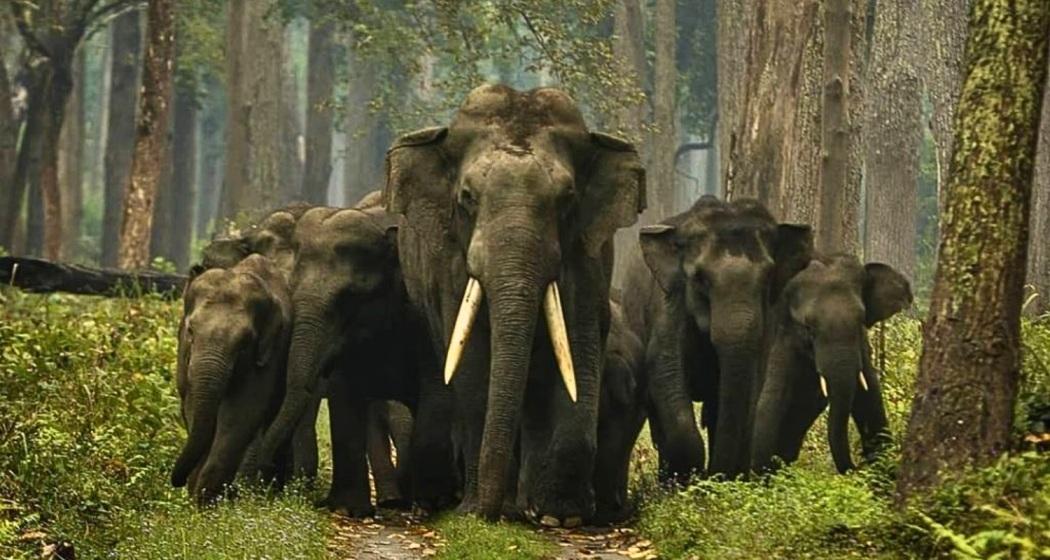
Asiatic elephants face shrinking habitats and rising human-elephant conflicts as climate change forces them into fragmented corridors. Representative image.


Cold-adapted migratory species, from musk deer in the Himalayas to snow trout in mountain rivers, are being forced into ever-shrinking habitats as global temperatures continue to climb, a new international report has warned.

Released on Friday by the UN Convention on the Conservation of Migratory Species of Wild Animals (CMS), the study draws on the findings of an expert workshop held earlier this year in Edinburgh. It concludes that climate-induced shifts in habitats are now colliding with existing human pressures, leaving vulnerable species with dwindling options for survival.

https://platform.twitter.com/embed/Tweet.html?dnt=true&embedId=twitter-widget-0&features=eyJ0ZndfdGltZWxpbmVfbGlzdCI6eyJidWNrZXQiOltdLCJ2ZXJzaW9uIjpudWxsfSwidGZ3X2ZvbGxvd2VyX2NvdW50X3N1bnNldCI6eyJidWNrZXQiOnRydWUsInZlcnNpb24iOm51bGx9LCJ0ZndfdHdlZXRfZWRpdF9iYWNrZW5kIjp7ImJ1Y2tldCI6Im9uIiwidmVyc2lvbiI6bnVsbH0sInRmd19yZWZzcmNfc2Vzc2lvbiI6eyJidWNrZXQiOiJvbiIsInZlcnNpb24iOm51bGx9LCJ0ZndfZm9zbnJfc29mdF9pbnRlcnZlbnRpb25zX2VuYWJsZWQiOnsiYnVja2V0Ijoib24iLCJ2ZXJzaW9uIjpudWxsfSwidGZ3X21peGVkX21lZGlhXzE1ODk3Ijp7ImJ1Y2tldCI6InRyZWF0bWVudCIsInZlcnNpb24iOm51bGx9LCJ0ZndfZXhwZXJpbWVudHNfY29va2llX2V4cGlyYXRpb24iOnsiYnVja2V0IjoxMjA5NjAwLCJ2ZXJzaW9uIjpudWxsfSwidGZ3X3Nob3dfYmlyZHdhdGNoX3Bpdm90c19lbmFibGVkIjp7ImJ1Y2tldCI6Im9uIiwidmVyc2lvbiI6bnVsbH0sInRmd19kdXBsaWNhdGVfc2NyaWJlc190b19zZXR0aW5ncyI6eyJidWNrZXQiOiJvbiIsInZlcnNpb24iOm51bGx9LCJ0ZndfdXNlX3Byb2ZpbGVfaW1hZ2Vfc2hhcGVfZW5hYmxlZCI6eyJidWNrZXQiOiJvbiIsInZlcnNpb24iOm51bGx9LCJ0ZndfdmlkZW9faGxzX2R5bmFtaWNfbWFuaWZlc3RzXzE1MDgyIjp7ImJ1Y2tldCI6InRydWVfYml0cmF0ZSIsInZlcnNpb24iOm51bGx9LCJ0ZndfbGVnYWN5X3RpbWVsaW5lX3N1bnNldCI6eyJidWNrZXQiOnRydWUsInZlcnNpb24iOm51bGx9LCJ0ZndfdHdlZXRfZWRpdF9mcm9udGVuZCI6eyJidWNrZXQiOiJvbiIsInZlcnNpb24iOm51bGx9fQ%3D%3D&frame=false&hideCard=false&hideThread=false&id=1973734121760346275&lang=en&origin=https%3A%2F%2Fnewsarenaindia.com%2Fnation%2Fclimate-crisis-trapping-migratory-species-in-habitat-gridlock-un%2F58236&sessionId=d82878b0bfc9f1463869ac7afd376b1642e69c9d&siteScreenName=newsarenaindia&theme=light&widgetsVersion=2615f7e52b7e0%3A1702314776716&width=550px

Full Story: https://newsarenaindia.com/nation/climate-crisis-trapping-migratory-species-in-habitat-gridlock-un/58236