Multiple hunting, trapping seasons begin
Reply

Julie E. Greene, The Herald-Mail
Mon, September 29, 2025 at 8:20 AM PDT
4 min read

The Washington County Health Department is cautioning residents not to handle dead or sick birds after some dead vultures in a Boonsboro residential area were found to be “presumptively positive for avian influenza” according to preliminary test results.
A Sept. 27 statement from the health department says it will post the findings once health officials receive confirmation of the test results. The preliminary results were received Friday evening, Sept. 26.
“The risk to the public is LOW; however, you should not handle dead or sick birds,” the release states. “If you believe you have been in direct contact without PPE (i.e. gloves) with dead birds in this area, please reach out to the WCHD Division of Nursing at 240-313-3210.”
Advertisement
In January, the Centers for Disease Control and Prevention reported the first human death from severe avian influenza A(H5N1) when a Louisiana patient died.
“As with the case in Louisiana, most H5 bird flu infections are related to animal-to-human exposures,” the CDC said in a Jan. 6 statement.
People rarely contract bird flu and in most cases when it happens it is after “close, unprotected exposure (without wearing respiratory or eye protection) to birds or other animals infected with avian influenza A viruses,” according to online CDC information about how bird flu spreads.
According to the U.S. Department of Agriculture’s website, there have been confirmed detections of highly pathogenic avian influenza (HPAI) in Charles and Anne Arundel counties in September. Both cases were detected in vultures.
Advertisement
“Avian influenza is a highly contagious airborne respiratory virus that spreads quickly among birds through nasal and eye secretions and droppings. The virus can be spread from flock to flock, including flocks of wild birds, through contact with infected poultry, equipment, and the clothing and shoes of caretakers,” the release states.
The virus can affect poultry, including chickens, ducks and turkeys. It also can affect some wild bird species, including ducks, geese, shorebirds and raptors such as vultures.
Anyone encountering a dead wild bird should call the USDA’s Animal and Plant Health Inspection Service at 1-877-463-6497. If you have a phone number outside of Maryland, call 410-349-8055.
The Animal and Plant Health Inspection Service and the Maryland Department of Natural Resources are coordinating “collection and disposal efforts,” the release states.
Advertisement
Washington County elementary races: Here are videos and top-30 results from the six WCPS Elementary Cross Country Run races
Commercial poultry producers who notice signs of the disease should follow protocols for notifying the company for which they grow poultry.

 CNN
CNN

 The Cool Down

 People
1K
4 Cards Now Charging 0% Interest Until Nearly 2027The Motley Fool
Marylanders with backyard flocks and who notice any signs of highly pathogenic avian influenza (HPAI) in their flock should contact the Maryland Department of Agriculture Animal Health team.
“Do not take dead or sick birds to a lab to be tested to move them off-site,” the release states.
The agriculture Animal Health team can be reached by emailing md.birdflu@maryland.gov or animalhealth.mda@maryland.gov or calling 410-841-5810. You will need to provide contact information, the size of the flock, location and concerns.
Advertisement
Backyard flock owners are required to register their flocks with the state ag department to help protect the state’s poultry industries from diseases like HPAI, the release states.
Washington County high school sports: Who were the county’s top performers for the week of Sept. 22-27?
The county health department release notes that the Maryland Department of Natural Resources urges waterfowl hunters to take precautions to prevent the spread of avian influenza.
According to DNR’s fact sheet for hunters about avian influenza, the recommendations for hunters include:
More recommendations can be found at DNR’s website.
This article originally appeared on The Herald-Mail: Preliminary avian flu tests in Western Maryland positive in vultures

16.9K Followers
Story by Laura Simmons
• 7mo •
3 min read
The D1.1 genotype of the virus was also the one associated with the only human death from H5N1 in the USA to date. – Image credit: Aleksandar Malivuk/Shutterstock.com© IFL Science
Avian flu first made the jump from birds into dairy cows on farms in a number of US states in spring 2024. Until now, all such cases of the H5N1 virus have been ascribed to a genotype called B3.13, but the US Department of Agriculture (USDA) has just announced the detection of a second genotype, D1.1, in milk samples.


“This is the first detection of this virus genotype in dairy cattle,” confirmed the USDA’s Animal and Plant Health Inspection Service (APHIS) in a statement. “Genotype D1.1 represents the predominant genotype in the North American flyways this past fall and winter and has been identified in wild birds, mammals, and spillovers into domestic poultry.”
The detection was confirmed on January 31 in milk samples collected in Nevada as part of the USDA’s National Milk Testing Strategy (NMTS). This is part of the agency’s surveillance measures as it tracks the ongoing H5N1 situation on farms across the country. At the time of writing, 38 states were enrolled in the program. A positive detection of the virus is one step on a five-stage roadmap produced by APHIS to help states work towards elimination of the virus from their dairy herds.
As reported by the University of Minnesota’s CIDRAP, Nevada cows first tested positive for H5N1 in December 2024. State officials leveled some of the blame at a “nuisance population” of non-native European starlings across three counties, including Churchill County where the affected cattle were. These migratory birds can spread infection and have also been seen to outcompete native birds for nesting sites, so state and federal officials have begun enacting plans to remove them.
That H5N1 would continue to be a major story in 2025 was predicted by many, and close surveillance and monitoring will continue. According to the Centers for Disease Control and Prevention (CDC), at time of writing there have been 67 confirmed human cases of the infection in the US during this outbreak and one death – that case, in Louisiana, was also put down to the D1.1 genotype.
Speaking to CIDRAP about the latest spillover event, epidemiologist Michael Osterholm said, “We shouldn’t be surprised about a new spillover to cattle, given the very significant activity in waterfowl across much of the United States.”
Experts have continued to stress that the risk to the general public remains low. Dr Robert Murphy, executive director of the Robert J. Havey Institute for Global Health at Northwestern University, recently told IFLScience, “You don’t really have to worry today unless you have a chicken farm or raise cattle.”
Innovative 24Hr Dental Implant
But Murphy also said that viral spread between humans – something we haven’t seen so far – is most likely on the cards: “It’s basically one or two mutations away.”
The situation is fast-moving, which is why programs like the NMTS are so important for detecting these spillover events and helping keep tabs on how the virus is mutating. It’s also why clear, uninterrupted communication of scientific information to the public is so vital – perhaps now more than ever.
[H/T: CIDRAP]

A whooping crane. (File photo)
HEALTH
BY Rachel Ryan Wisconsin
PUBLISHED 10:52 AM ET Sep. 29, 2025
WISCONSIN — Avian flu has reached the endangered whooping cranes in Wisconsin.
The International Crane Foundation confirmed that an endangered whooping crane named “Ducky” died earlier this month due to the bird flu, marking the first confirmed death of a whooping crane to the virus.
The foundation said veterinary and animal care teams attempted to provide emergency care to the crane, but it died on Sept. 18.
Officials said they believe the virus was given to “Ducky” by a wild bird or through the environment.
“We are deeply saddened by the loss of Ducky,” said Kim Boardman, curator of birds at the International Crane Foundation. “Each Whooping Crane is invaluable—not only to our organization, but to the survival of the entire species.”
“Ducky” was part of the foundation’s breeding and reintroduction program, and was slated for direct release this fall at Horicon National Wildlife Refuge.
There are other whooping cranes expected to be released in the same cohort. Those seven cranes may have been exposed, but officials said they haven’t shown symptoms. They’ll remain under observation, and the foundation is also raising its biosecurity protocol to the highest level to protect its flock and staff.
“We continue to monitor every crane in our care and will adjust protocols as needed in consultation with state and federal partners,” the foundation said in a release.
Bird flu is highly contagious and often deadly to affected birds. It can be spread when coming in contact with an infected bird or “commingling with wild birds or their droppings, equipment, or clothing worn by anyone working with the animals.”
Whooping cranes are endangered because there are only about 700 left in the wild in North America, according to the International Crane Foundation.
“Each crane lost is a call to action for all of us,” said Boardman. “Together, we must ensure that Whooping Cranes not only survive but thrive for generations to come.
“It is always difficult to lose a bird, especially a young chick, but these experiences strengthen our resolve to safeguard these cranes and the landscapes they depend upon.”
News | Sep 28, 2025
Share this story
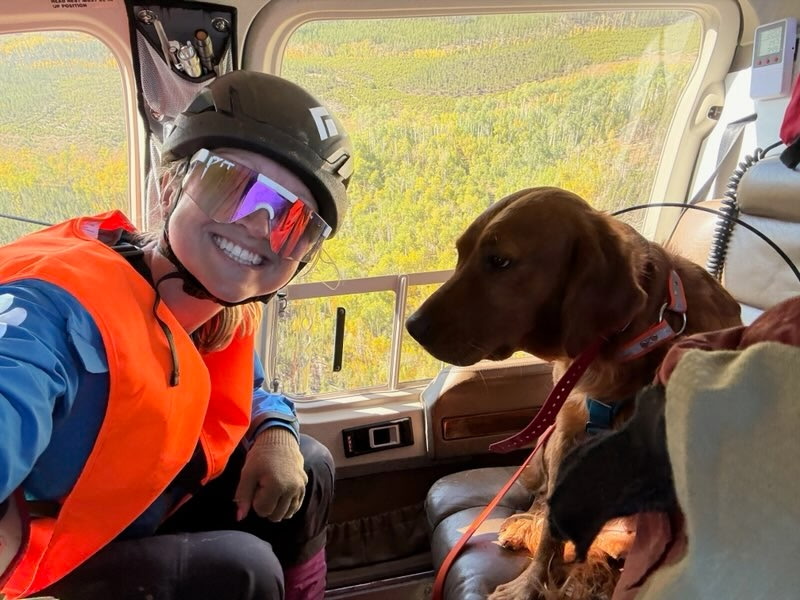
On Tuesday, Sept. 23, the Jackson County Sheriff’s Office, Jackson County Search and Rescue, and nearly 20 other agencies headed to the Rawah Wildnerness area, on a mission to find a lost hunter.
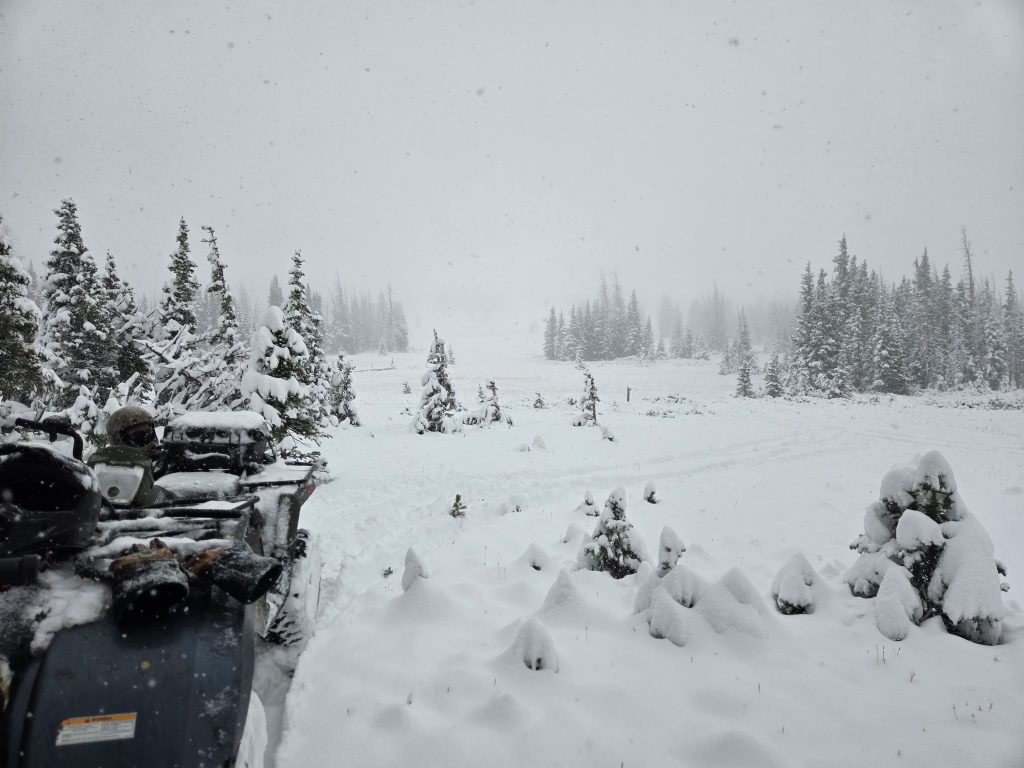
First responders faced snow and winter-like storm conditions during the mission before successfully finding the hunter on the afternoon of Wednesday, Sept. 24.
Grand County Search and Rescue and the Grand County Sheriff’s Office assisted during this multiagency mission.
The Jackson County Sheriff’s Office stated that on evening of Monday, Sept. 22, deputies were notified a hunter had gone missing near the Jack Dickens Trail off Jackson County Road 12E, close to the Three Sisters Trailhead.
According to a Facebook post from the sheriff’s office, the hunter had become separated from his group earlier that afternoon.
The missing hunter, a 57-year-old man from Illinois, had previous military experience, the reporting party told the sheriff’s office.
The last communication the reporting party had received from the man was a text message at 3:21 p.m., indicating he was lost, the sheriff’s office stated. However, he was well-prepared with warm clothes, water and a sleeping bag.
The sheriff’s office attempted to use a cellphone ping to determine a location, but were unable to due to either to his phone being out of service or off.
“With deteriorating weather conditions and darkness approaching, it was unsafe for rescuers to deploy that evening,” the sheriff’s office stated.
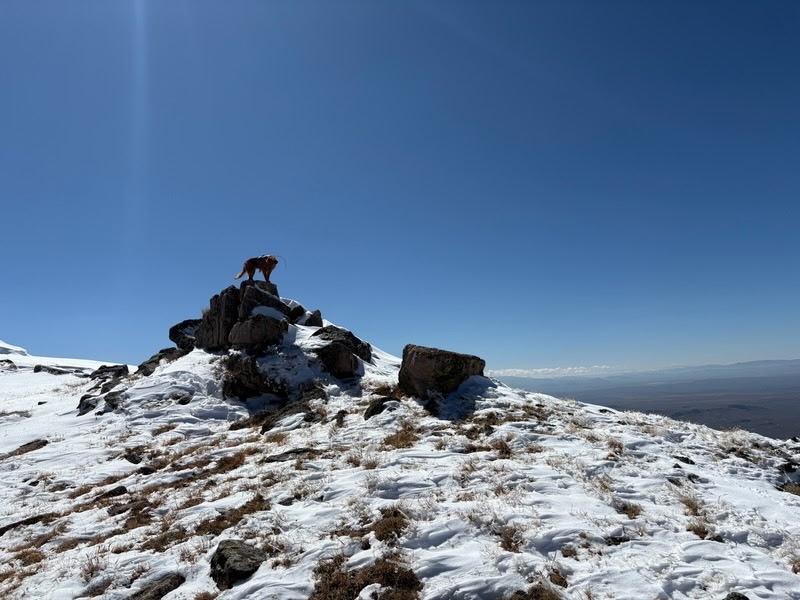
On Sept. 23, Jackson County Search and Rescue and Colorado Parks and Wildlife began a full search effort.
“Searchers faced snowy, cold, and windy conditions, and air support was unavailable due to the weather,” the sheriff’s office stated.
After 10 hours, the search was suspended at nighttime. The following morning on Sept. 24, multiple agencies stepped up to assist the search effort, including those in Grand County. Members on the ground were assisted by search dogs. Air support was also used to bring members into and out of the backcountry.
The harsh, snowy weather and rugged terrain made operations difficult, but members persevered.
Earlier that afternoon, the missing hunter had been to able to place several 911 calls, which were routed to surrounding agencies. This helped narrow down his location. At 1 p.m., the hunter was finally found by air support.
“He was found to be in good health and credited his survival to staying calm, starting a fire, and using his sleeping bag and clothing to stay warm. The hunter ultimately survived two nights in the Rawah Wilderness during winter storm conditions,” the sheriff’s office stated.
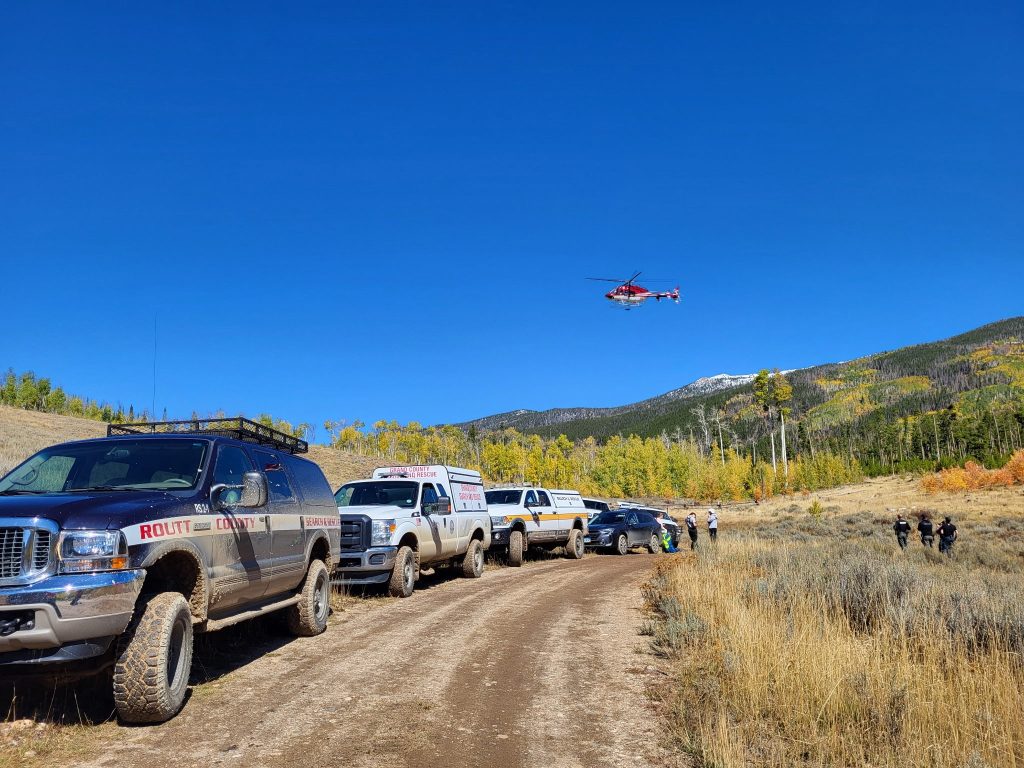
The Jackson County Sheriff’s Office stated it is grateful to all the agencies who assisted in this successful search and rescue effort, including Routt County Search and Rescue, Grand County agencies, Front Range Rescue Dogs and many others.

 Exposing the Big Game