Over 400,000 turkeys killed in response to SD’s bird flu outbreak; ducks identified as carriers
Reply


Daily Voice Northampton County, PA
4K Followers
Story by Jillian Pikora
• 7mo •
2 min read
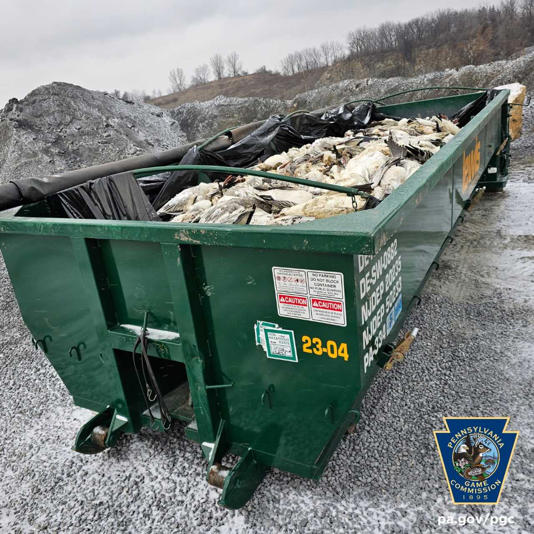
A dumpster filled with thousands of snow geese impacted by avian influenza in southeastern Pennsylvania.© PA Game Commission
Shocking images show a dumpster filled with thousands of dead snow geese, as the Pennsylvania Game Commission races to contain a devastating avian influenza (AI) outbreak across southeastern Pennsylvania.
The Pennsylvania Game Commission released the photos on Wednesday, Jan. 24, highlighting the grim reality of the highly pathogenic avian influenza (HPAI) resurgence among wild birds. Snow geese have been particularly hard-hit by the disease.
Walking shoes for elderly people with poor balance

Partnering with the Pennsylvania Department of Health, U.S. Department of Agriculture, and the University of Pennsylvania School of Veterinary Medicine’s Wildlife Futures Program, teams have been working to remove and safely dispose of infected birds.
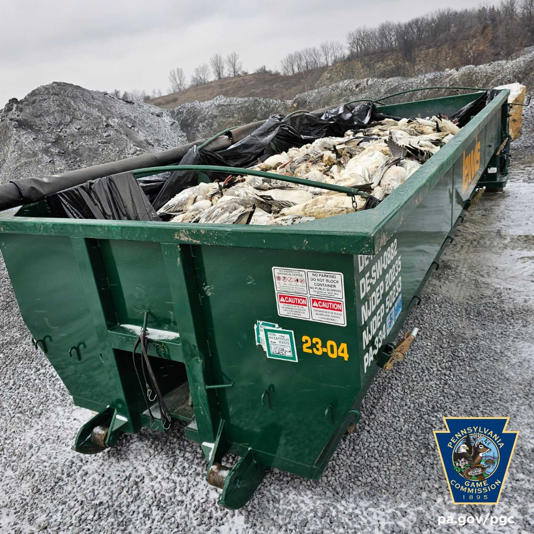
One of the images shows a dumpster filled to the brim with carcasses, a stark reminder of the outbreak’s impact.
A dumpster filled with thousands of snow geese impacted by avian influenza in southeastern Pennsylvania.© PA Game Commission
The disposal process follows strict biosecurity protocols designed to prevent the disease from spreading to humans, domestic animals, and other wildlife.
Reports of sick and dead birds have overwhelmed the Game Commission’s dispatch center. Priority is being given to cases involving large numbers of birds or those posing significant risks to public and animal health.
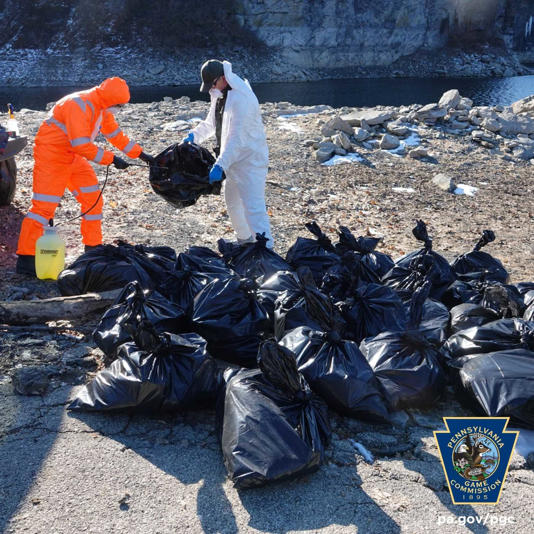
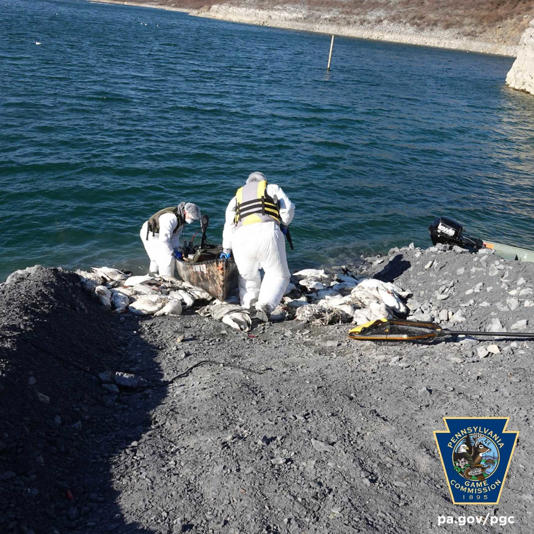
Another photo highlights the challenging conditions faced by trained personnel as they work to contain the outbreak.
Trained personnel safely disposing of carcasses under biosecurity protocols to curb the spread of avian flu.© PA Game Commission
Trained personnel safely disposing of carcasses under biosecurity protocols to curb the spread of avian flu.© PA Game Commission
Trained personnel safely disposing of carcasses under biosecurity protocols to curb the spread of avian flu.© PA Game Commission
The Game Commission continues to monitor and test susceptible bird species in areas beyond the current epicenter to track the spread of the disease as geese migrate throughout the tristate area.
Residents are urged to report sick or dead wild birds to the Game Commission by calling 1-833-PGC-WILD (742-9453), emailing pgc-wildlifehealth@pa.gov, or submitting information online here.
🔸 Watch wildlife from a distance.
🔸 Avoid contact with bird feces.
🔸 Do not feed or handle wildlife.
For more information, visit here.
Published 2025-09-20 by Cory Allen Heidelberger
South Dakota’s bird flu outbreak is getting worse. Since two outbreaks at commercial farms around Labor Day, six more instances of avian flu in South Dakota factory turkey facilities have been reported, leading to the snuffing out of 419,650 turkeys:
The bird flu depopulation process is federally mandated and involves killing all birds at affected sites to prevent the virus from spreading to nearby farms. [State Veterinarian Beth] Thompson said “foaming” is the most common method in turkey barns, where foam is sprayed atop turkeys inside the barn to suffocate them [Joshua Haiar, “Over 400,000 Turkeys Killed in Response to SD’s Bird Flu Outbreak; Ducks Identified as Carriers,” South Dakota Searchlight, 2025.09.20].
The prime culprit: blue-winged teal!
…South Dakota State Veterinarian Beth Thompson said blue-winged teal, a species of duck, have been identified as carriers of this season’s virus. John Cooper, a former U.S. Fish and Wildlife Service agent and former state Game, Fish and Parks secretary, said it makes sense that the state would find itself combating bird flu early this year if teal are carrying it.
“Teal are traditionally our first migrators,” Cooper said [Haiar, 2025.09.20].
Better call Homeland Security and send ICE to round up ducks. Or instead of storming D.C., Memphis, and Chicago, maybe we need to deploy the National Guard along Highway 12 to shoot down all those migrating teal before they come fraternizing with our good wholesome turkeys.
The teal connection fits research from the United States Geological Survey and partners including Environment and Climate Change Canada:
Research finds that facilities in northern states may be at higher risk for potential transmission during the ducks’ fall migration from mid-September through mid-November, as that is when blue-winged teal are in the closest proximity to domestic poultry facilities. Research also finds that commercial chicken operations in southern states may be at higher risk of disease transmission during the duck’s spring migration from March through April. In contrast to chicken operations, contact probabilities with commercial turkey facilities were found to be relatively low in the spring [USGS: Easter Ecological Science Center, press release, 2021.09.21].
Whether USGS and other American scientists can continue to collaborate with Canadian researchers and other international partners to research bird flu is uncertain: in February, the American autocrat ordered NOAA scientists to seek permission to communicate with Canadian researchers.

 Exposing the Big Game