The answers to 10 popular questions all Pennsylvania deer archers need to know

Brian Whipkey

Pennsylvania Outdoors Columnist

  • The statewide fall archery season opens Oct. 4, with specific dates and Sunday hunting rules varying by location.
  • Hunters must follow regulations regarding shooting hours, baiting, safety zones, and the placement of tree stands on public land.
  • Crossbows, legalized in 2009, now account for over 65% of deer harvested with archery equipment in the state.

With archery season slated to open Oct. 4 across Pennsylvania, here are the answers to 10 questions all archers should know before they head to the woods.

Archery deer hunting in Pennsylvania is growing more popular in Pennsylvania. During the 2024-25 hunting year, archers actually put more tags on more bucks than rifle hunters did.

The Pennsylvania Game Commission estimates archers got 87,540 bucks and 90,600 antlerless deer. During firearms season, hunters got 86,530 bucks and 197,230 does and bucks without antlers.

The change makes sense as archery hunters during the fall season have six or seven weeks each year to enjoy warmer weather with colorful fall foliage. By the time Thanksgiving arrives, those going with a firearm endure a myriad of weather patterns including snow and freezing rains.

Also, since Pennsylvania legalized crossbows in 2009, additional younger and older hunters are finding ways to archery hunt. According to the Game Commission, crossbows account for more than 65% of the deer harvests taken by those using archery gear including long bows, recurves and compounds.Looking for a free mini puzzle? Play the USA TODAY Quick Cross now.

In 2024, archers harvested more bucks than rifle hunters. However rifle hunters shot more antlerless deer than archers.

If you are planning to head to the woods with bow in hand this fall, here are the answers to 10 questions every Pennsylvania archer should know.

When does archery season begin?

The statewide fall archery season begins Oct. 4 and runs through Nov. 21, including all Sundays. The late season is Dec. 26 to Jan. 19. As of Sept. 12, no Sundays have been added to hunting seasons after Dec. 7 and the remainder of the 2025-26 license year. In Wildlife Management Units 2B near Pittsburgh, and 5C and 5D near Philadelphia, the seasons are Sept. 20-Nov. 28 and Dec. 26-Jan. 24. For archery hunting in state parks, only Nov. 26 is open to Sunday hunting. The park system plans to include more Sundays during the 2026-27 license year.

What are the shooting hours to hunt and can I track my deer after dark?

Hunting is permitted one-half hour before sunrise and one-half hour after sunset. Hunters who shoot a deer close to dusk and wait until dark to track the deer are required to call the Game Commission first at 833-PGC-HUNT so dispatchers can notify the appropriate game warden that tracking is taking place.

Get the Go Outdoors PA newsletter in your inbox.

Join Brian Whipkey in new adventures every Thursday.

Delivery: THURSYour Email

Can you use bait for deer hunting in Pennsylvania?

For the vast majority of Pennsylvania, it’s illegal to hunt in or around any area where artificial or natural bait, food, hay, grain, fruit, nuts, salt, chemicals or minerals have been used within the past 30 days as an enticement to lure wildlife. However, baiting is conditionally allowed on private property in the Southeast Special Regulations Area.

Many archers prefer to hunt from an elevated tree stand to hunt for deer. The Pennsylvania Game Commission urgers archers to wear a safety harness when hunting from a tree.

Where can you hunt in Pennsylvania?

Pennsylvania has more than 300 state game lands properties, about 2.2 million acres of state forest and 99 of 124 state parks have sections that allow hunting. The Game Commission and DCNR websites provide maps and directions for finding public lands to hunt.

Hunting is also permitted on private land where permission is granted. In addition to removing the ban on Sunday hunting this summer, the legislature also approved new penalties for hunters who trespass on private land. The penalty for trespassing while hunting has increased to a second-degree summary offense, in most cases. Trespassers who refuse to leave a property when asked, if convicted, will lose their hunting privileges for three years, while those convicted of a second or subsequent offense within seven years will lose their hunting privileges for five years.

How many deer can archers shoot?  

Hunters with a general hunting license and archery stamp are permitted one buck each license year. Hunters can use as many antlerless tags as they have in their possession. The limit for hunters is six antlerless licenses at any one time in most of the state. However, hunters in WMUs 5C and 5D can purchase up to nine additional antlerless licenses on top of their personal limit of 6 for all other WMUs for a total of up to 15. Antlerless deer licenses are still available in many regions of the state.

Do archers have to wear orange clothing in Pennsylvania?

Archers are not required to wear fluorescent orange clothing when hunting during an archery season. However, if they choose to use archery gear in a rifle season for deer or bear, they are required to wear the minimum 250 square inches like other hunters.

With the statewide archery season opening on Oct. 4, hunters should be checking their bows and tree stands to make sure their gear is ready for their next adventure.

Can hunters place tree stands on state property?

Tree stands and portable hunting blinds are permitted on Game Commission properties as long as they don’t damage trees. Portable stands and blinds left on state game lands and other Hunter Access Properties need to be marked with a durable identification tag that includes the owner’s first and last name and legal home address or bears the CID number that appears on the owner’s hunting license or a number issued by the Game Commission to the stand or blind owner. The Game Commission notes that placing a stand on public land does not reserve that spot for the owner; other hunters can hunt that location as well. Stands and blinds must be moved no later than two weeks after the final deer season in that area.

How close to a home or building can archers hunt in Pennsylvania?

The safety zone for archery hunting is at least 50 yards from occupied buildings and at least 150 yards from schools, nursery schools and daycare centers.

How many points are bucks required to have?

In Pennsylvania, junior archers, mentored youth and disabled hunters with a permit to use a vehicle as a blind, and resident active duty U.S. Armed Services personnel can harvest antlered deer with two or more points on one antler, or a spike that’s at least three inches long. Adult hunters in most of the state are required to have at least three points on one antler. On the western fringe of Pennsylvania in WMUs 1A, 1B, 2A, 2B and 2D, hunters are required to see three up points on one side, excluding the brow tine.

Archers should practice with their hunting broadheads before season to make sure they fly like their field tips.

Do broadhead tips fly like field tips?

When getting your archery gear ready for the season, make sure you shoot your broadheads at a target to ensure they fly like your field point tips. Sometimes a bow needs to be tuned or have the rest adjusted to make your arrows fly true. Mechanical broadheads work well to help fine tune arrow flight because they have a slimmer design than fixed blade tips. Shoot both designs to see which option works best for your setup. Also be sure to sharpen or replace dull blades on your hunting tips before your first hunt of the year.

Good luck hunting this fall, don’t forget your harness when climbing in a tree stand, and most of all, have fun enjoying time outdoors.
USDA Confirms Highly Pathogenic Avian Influenza in Dairy Herd in Nebraska

Print

Milk Supply Safe; Considered Low Risk to Human Health and Safety

Contact: aphispress@usda.gov

WASHINGTON, D.C., September 15, 2025—Today, the USDA Animal and Plant Health Inspection Service (APHIS) National Veterinary Services Laboratories (NVSL) confirmed a detection of highly pathogenic avian influenza (HPAI) H5N1 clade 2.3.4.4b, genotype B3.13 in a dairy cattle herd in Nebraska. This confirmation was a result of State tracing and investigation, following an initial detection from pre-movement surveillance milk samples required under USDA’s April 2024 Federal Order.

This marks the first known case of HPAI in cattle in Nebraska. While dairy cattle in a total of 17 states have been infected since the start of the outbreak in March 2024, APHIS has seen cases in only a small number of states this year. APHIS is working closely with the Nebraska Department of Agriculture to conduct additional on-farm investigation, testing, and gathering of additional epidemiological information to better understand this detection and limit further disease spread. 

The detection does not change USDA’s HPAI eradication strategy. Biosecurity is still key to mitigate the risk of disease introduction or spread between premises; APHIS recommends enhanced biosecurity measures for all dairy farms, particularly as we enter fall migratory bird season. Producers should immediately report any livestock with clinical signs, or any unusual sick or dead wildlife, to their state veterinarian.

There is no concern that this circumstance poses a risk to consumer health, or that it affects the safety of the commercial milk supply. The U.S. Food and Drug Administration (FDA) is confident that pasteurization is effective at inactivating H5N1, and that the commercial, pasteurized milk supply is safe. Dairies are required to send only milk from healthy animals into processing for human consumption; milk from impacted animals is being diverted from the commercial milk tank or destroyed so that it does not enter the human food supply.

According to the U.S. Centers for Disease Control and Prevention (CDC), H5N1 viruses circulating in birds and U.S. dairy cattle are believed to pose a low risk to the general public in the United States. However, people who have job-related or recreational exposures to infected birds or mammals are at higher risk of infection and should take appropriate precautions outlined in CDC guidance.

Photographer Captures Pictures of World’s Happiest Elephant Herd (LOOK)

By

 Good News Network

 https://www.goodnewsnetwork.org/photographer-captures-pictures-of-worlds-happiest-elephant-herd-look/

Sep 14, 2025

FacebookTwitterEmailPinterestWhatsAppShare

Andy Rouse captured antics of Kenyan family of elephants – SWNS

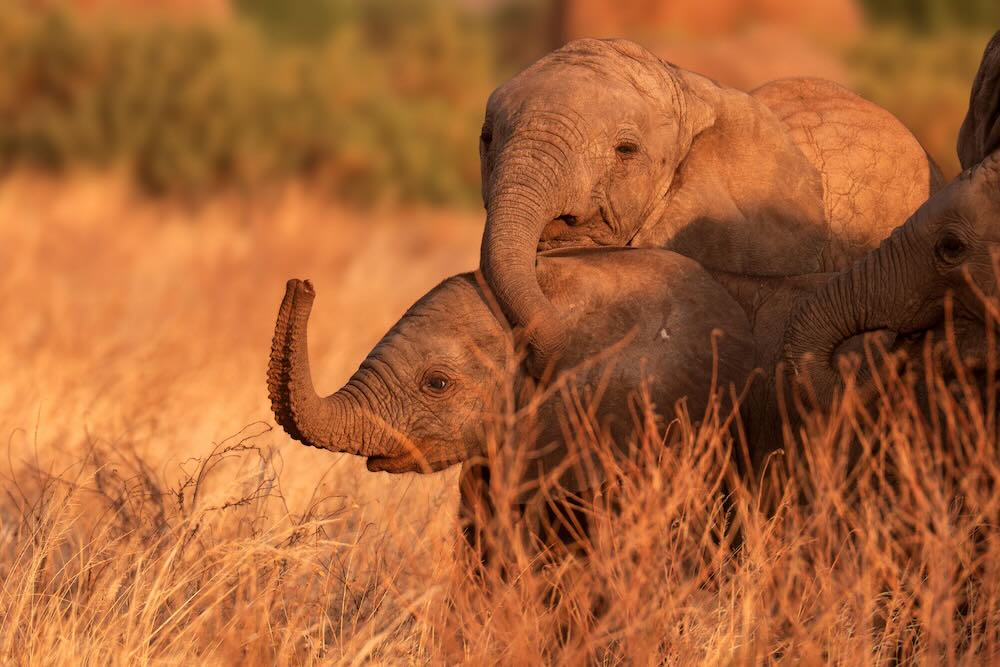
An award-winning wildlife photographer believes he may have found the world’s happiest elephant family—and his pics will make you feel all warm inside.

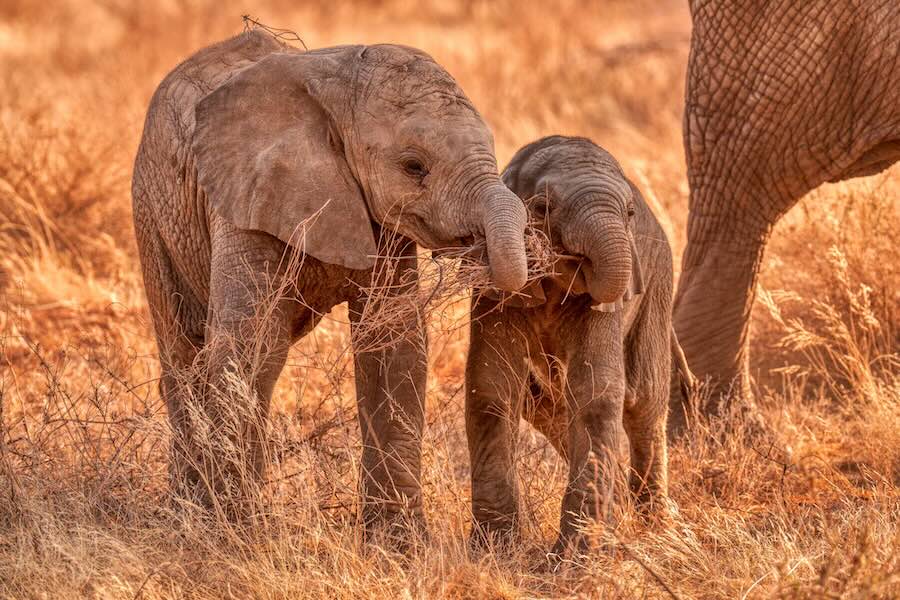
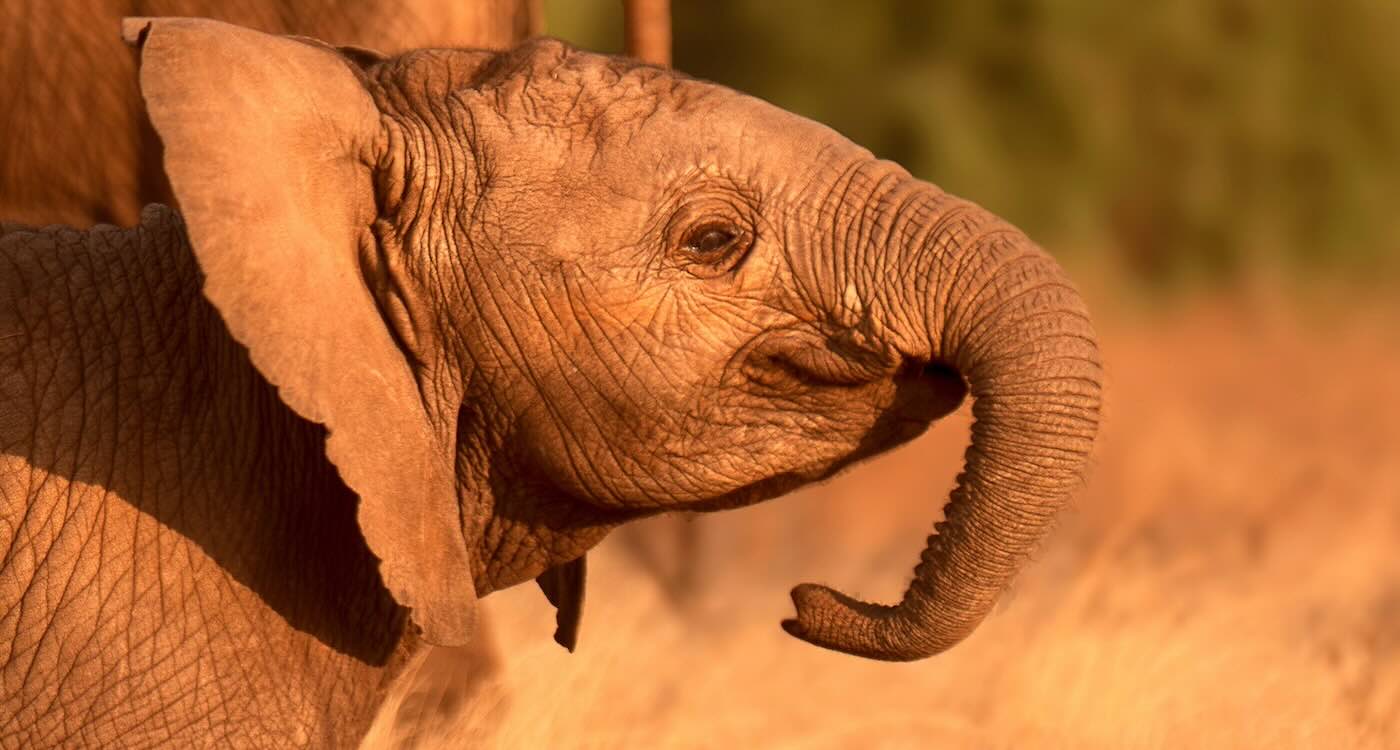
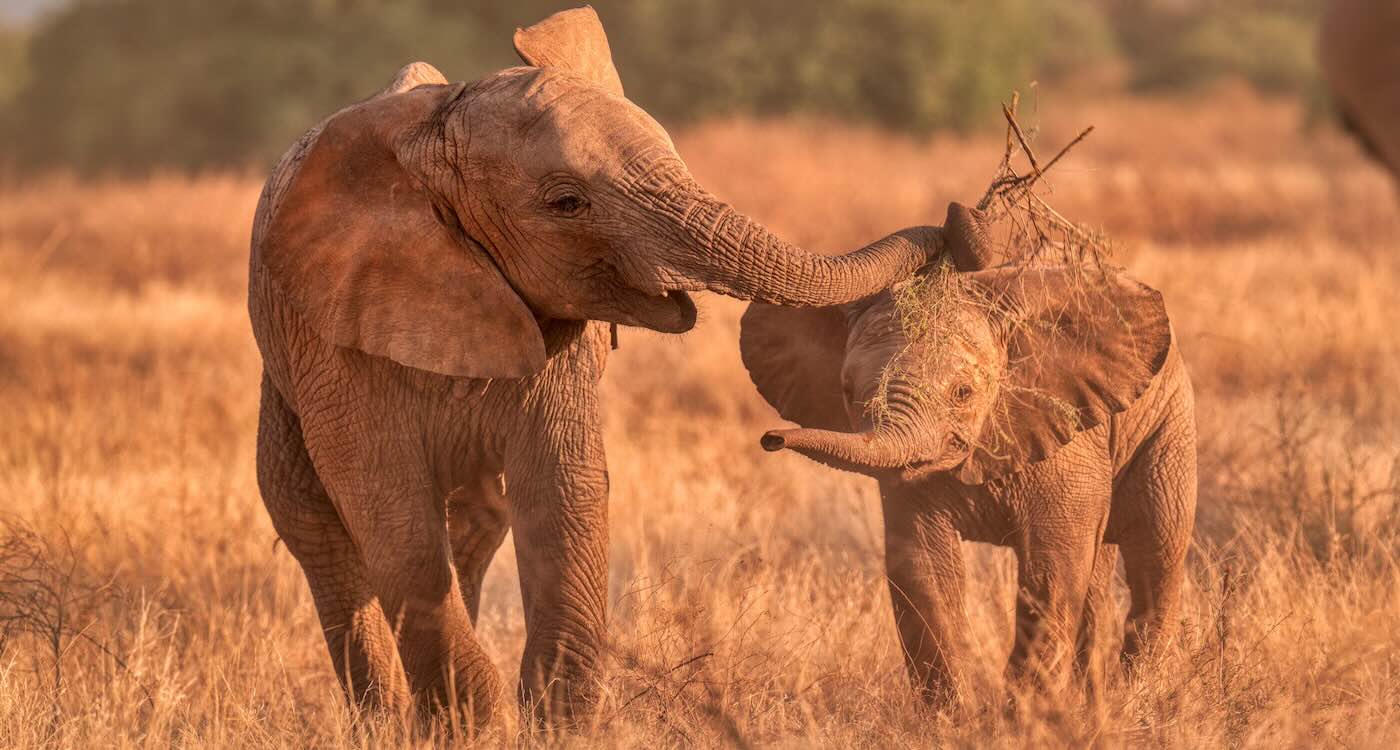
Andy Rouse documented the African herd in Kenya and described the playful young calves that were fascinated with branches.

In the setting sun, the British tour guide shot pics of the small elephants while they played tug-of-war and ran toward Andy’s vehicle pretending to charge it.

“I lead safari tours several times a year and love going to Samburu in Kenya because the elephants there are special,” he told SWNS news agency.

“They are very very relaxed and, because of this, the herds will let you get very close to them and will pass close to vehicles without any issues.

“I am completely relaxed with the incredible elephants of Samburu. On this occasion we found a large breeding herd with several youngsters less than 3 months old, who were very playful.

Andy Rouse / SWNS

“We positioned the vehicle well ahead of them so the matriarch had time to get used to us and felt comfortable.

“It’s so important when you work with elephants—as I have done for all of my 25-year career—that you understand them and work within their tolerances.

“The female and the herd settled around us grazing. The calves took it upon themselves to create havoc, chasing birds, doing mock charges to our vehicle and playing tug-of-war with branches.

“Their antics made us laugh out loud.”

Andy Rouse / SWNS

“Young elephants are lovable idiots and I so love working with them.

“The thirty minutes that we spent with this herd was all the more special as I had my 10-year-old daughter on her first safari.

ELEPHANT HEROES CAUGHT ON VIDEO:
• Quick-Thinking Zoo Elephant Rescued a Drowning Gazelle with its Trunk (WATCH)
• Zoo Camera Captures Elephants Protecting Their Young During San Diego Earthquake
• Clever Elephant Returns Visitor’s Shoe After it Fell into his Enclosure – Watch

Andy Rouse / SWNS

“To dictate to her about the wonder of elephants, the dangers saving them and the need to conserve them was a special thing indeed.”

PEOPLE NEED SOME GOOD VIBES NOW So Share This on Social Media…

Get Ready For The Upcoming Waterfowl Hunting Seasons

Two individuals in camouflage hunting gear wading through a marshy area carrying decoys.Prepare for the Wisconsin waterfowl seasons opening soon.Photo credit: Wisconsin DNR

MADISON, Wis. – The Wisconsin Department of Natural Resources (DNR) reminds hunters to prepare for the opening of the regular goose and duck hunting seasons in September.

Regular Goose Season

The regular goose season opens on Sept. 16 statewide, and the daily bag limit is three Canada geese for the first portion of the season. During the holiday hunt, the daily bag limit increases to five birds in the Southern and Mississippi zones. Wisconsin’s regular goose season dates vary by zone, so hunters should know which zone they plan to hunt

If hunting Canada geese during the regular Canada goose season, a Regular Canada goose permit is required.

The regular Canada goose season structure is as follows:

  • Northern Zone – Sept. 16 to Dec. 16
  • Southern Zone – Sept. 16 to Oct. 12, Oct. 18 to Dec. 7 and Dec. 20 to Jan. 2, 2026
  • Mississippi Zone – Sept. 16 to Oct. 12, Oct. 18 to Dec. 7 and Dec. 20 to Jan. 2, 2026

Regular Duck Season

The regular duck season structure is as follows:

  • Northern Zone – Sept. 27 to Nov. 25
  • Southern Zone – Oct. 4 to 12 and Oct. 18 to Dec. 7
  • Open Water Zone – Oct. 18 to Dec. 16

The daily bag limit statewide is six ducks, including no more than:

  • Four mallards, of which two may be hens.
  • Three pintail
  • Three wood ducks
  • Two black ducks
  • Two redheads
  • Two canvasbacks
  • For species of ducks not listed, such as teal and ring necks, the combined total with all other species may not exceed six ducks. Hunters are allowed five mergansers, of which two may be hooded mergansers.

Per U.S. Fish and Wildlife Service regulations, the daily scaup bag limit by zone is as follows:

  • Northern Zone – 2 scaup/day, Sept. 27 to Nov. 10 and 1 scaup/day, Nov. 11-25
  • Southern Zone – 1 scaup/day, Oct. 4 to 12, Oct. 18 to 23 and 2 scaup/day, Oct. 24 to Dec. 7
  • Open Water Zone – 2 scaup/day, Oct. 18 to Dec. 1 and 1 scaup/day, Dec. 2 to Dec. 16

License Requirements

Licenses and stamps required for duck hunting include a Wisconsin small game license, a Wisconsin waterfowl stamp and a federal migratory bird stamp. The federal duck stamp costs $25 and can be purchased at a U.S. Post Office or via Go Wild or a DNR license vendor for an additional $3.50 surcharge. The purchase will be noted on their license, but the stamp itself will arrive in the mail later.

Harvest Information Program (HIP)

Waterfowl and other migratory bird hunters must register each year with the federal Harvest Information Program and may receive a survey regarding their harvests. HIP registration is free and can be done at the time of license purchase or added later if a hunter decides to pursue migratory game birds.

State licenses and stamps, permits and HIP registration are all available through Go Wild.  

Highly Pathogenic Avian Influenza (HPAI)

Waterfowl can be infected with the avian influenza virus without showing signs of disease. The DNR recommends the following precautionary measures:

  • Avoid handling sick or found dead birds.
  • Prevent dogs from contacting sick or found dead birds.
  • Wear rubber gloves when handling game.
  • Field dress in ventilated areas.
  • Always wash hands and equipment thoroughly with soap and water.

This strain of HPAI has not been shown to pose a food safety risk. However, hunters should always ensure proper handling of game meat, and harvested birds should be cooked to an internal temperature of 165 degrees Fahrenheit. Do not let hunting dogs consume any raw game meat or found dead birds.

Per- And Polyfluoroalkyl Substances (PFAS)

The DNR also reminds hunters who hunt on Green Bay that a new PFAS advisory is in place for harvested mallards and wood ducks. More information on current PFAS advisories can be found on the DNR’s PFAS Consumption Advisory webpage

More information on waterfowl hunting, including how to find places to hunt, Learn To Hunt opportunities and regulations, can be found on the DNR’s Waterfowl Hunting webpage

Poisoning crisis could drive vulture extinction in South Africa’s Kruger region

Sean Mowbray

16 Sep 2025Africa

CommentsShare article https://news.mongabay.com/2025/09/poisoning-crisis-could-drive-vulture-extinction-in-south-africas-kruger-region/

  • More than 400 vultures died in a spate of poisoning events in and near South Africa’s Kruger National Park in May and June this year.
  • André Botha, co-chair of the Vulture Specialist Group at the IUCN, says more than 2,000 vultures have been poisoned in the wider Greater Limpopo Transfrontier Conservation Area (GLTFCA) since 2015, and other raptors and predators have also died.
  • Observers have noted an increase in hunting and snaring of species such as impala for the bushmeat trade, with poachers frequently leaving poison-laced carcasses behind to deliberately kill carnivores or vultures.
  • Botha and others stress that urgent action is needed to rein in poisoning and wildlife crime in the GLTFCA, particularly preventative engagement with communities.

See All Key Ideas

A spate of poisoning events this year has killed more than 400 vultures in and near South Africa’s Kruger National Park.

In May, 49 vultures died after feasting on a poisoned giraffe carcass. A similar incident soon afterward killed 123 vultures, the vast majority critically endangered white-backed vultures (Gyps africanus). Later that same month, another incident, in the nearby Lionspruit Game Reserve, claimed the lives of more than 100 vultures. In late June, a further 127 vultures along with seven crocodiles and a black-backed jackal died after a buffalo was laced with poisoned in Kruger.

These events caused a media stir, but they also only tell part of the story, says André Botha, co-chair of the Vulture Specialist Group at the IUCN, the global wildlife conservation authority. Since 2015, more than 2,000 vultures have been poisoned in Kruger National Park and the wider Greater Limpopo Transfrontier Conservation Area (GLTFCA).

“The media spin placed on the most recent of these incidents seems to totally ignore this fact and the lack of coordinated action to address this challenge by the statutory institutions, especially on the South African side,” Botha says.

A mass poisoning incident claimed the lives of 120 vultures in Kruger National Park in May this year.
A mass poisoning incident claimed the lives of 120 vultures in Kruger National Park in May this year. Image courtesy of the Endangered Wildlife Trust.

The GLTFCA spans a conservation area of roughly 35,000 square kilometers (13,500 square miles) — an area that straddles the borders of South Africa, Mozambique and Zimbabwe, and includes protected areas like Kruger, Limpopo and Gonarezhou national parks.

Data from the African Wildlife Poisoning Database, operated by the Endangered Wildlife Trust and the Peregrine Fund, suggest around 2,410 vultures have died from poisoning in the GLTFCA in the past decade — 1,928 of those in the South African side of the area. Data from SANParks, the government agency that manages South Africa’s national parks, suggest approximately 694 vultures have been killed by poisoning in Kruger National Park since 2017.

Botha says the largest concentration of incidents has occurred in the northern part of Kruger, and that the true number of vultures killed over the past decade may be even higher.

Poaching and poisoning are not new to the area, which has been beset by both rhino and elephant poaching. But recent trends suggest increased targeting of vultures, according to multiple experts.

Another vulture poisoning incident in May killed more than 100 vultures.
Another vulture poisoning incident in May killed more than 100 vultures. Image courtesy of Vulpro.

Kerri Wolter, CEO of Vulpro, a vulture conservation nonprofit, says these events are part of an organized strategy by poachers to rid the landscape of vultures as they can act as an early warning for rangers. “What’s alarming about these incidents that have happened of late is that there were no body parts removed,” she says. “One has to assume that it’s related to the poachers actually trying to get rid of and eradicate vultures in our skies.”

This poisoning also affects numerous other species, with experts noting a shift toward carnivore poisoning and poaching in recent years in Kruger and the wider GLTFCA.

Across the GLTFCA, approximately 53 lions have been killed by poison since 2015, compared to 12 the previous decade. According to data from the Endangered Wildlife Trust, 30 lions died from human-linked causes in Kruger in the last two years alone; 10 were caught in snares and 14 poisoned. Other species swept up in this crisis include numerous species of raptors, hyenas and leopards.

Experts underline that the ripple effects of such events across the ecosystem can be large, as vultures play a key role as scavengers in the region, cleansing the landscape of carcasses. This year’s vulture poisoning incidents occurred during the breeding season, which means the true number of casualties is likely higher, Wolter says: “Vultures are late to mature and only lay one egg a year, so to lose breeding pairs is catastrophic.”

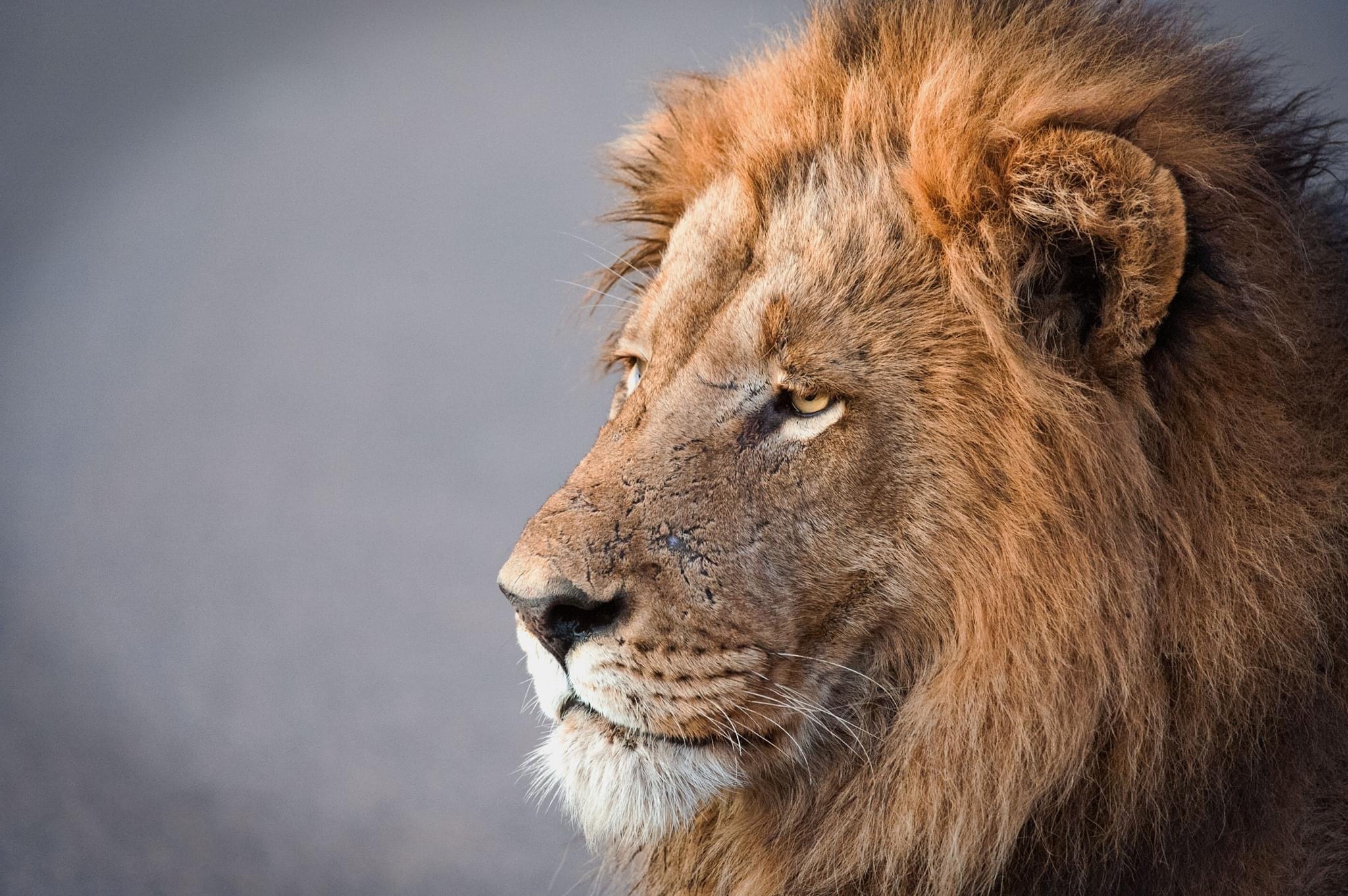
A male lion in Kruger National Park. Carnivores are also impacted by poisoning in Kruger and the wider GLTFCA.
A male lion in Kruger National Park. Carnivores are also impacted by poisoning in Kruger and the wider GLTFCA. Image courtesy of Marnus Roodbol/Endangered Wildlife Trust.

Rising carnivore casualties

Commercial hunting of species such as impala or bushbuck for the bushmeat trade has led to increasing numbers of carnivore casualties, with experts noting an uptick in hunting and snaring since the COVID-19 pandemic. After harvesting a carcass for meat, poachers often lace it with poison to deliberately kill carnivores or vultures, Botha says. “That’s sort of what’s been going on the last five years.”

That’s played a part in a notable decline in lion populations in the northern part of Kruger, according to research by EWT. “You have two scenarios with lion poisoning. You have a direct targeting of lions, and then you have almost like the bycatch or by accident,” says Marnus Roodbol, EWT’s lion project manager.

“The most mortalities we’ve had the last couple of years has been through snaring, where they put out snares to catch bushmeat.”

When hunters find a lion in their traps, he says, they harvest the body. Multiple lion parts — including stomach fat, claws, teeth, tails and paws — are taken for the local and international wildlife trade, where they’re often used in traditional medicine.

“Poisoning is not a new trend. It’s been ongoing for quite some time,” says Annette Hübschle, a researcher at the University of Cape Town. In 2018, she carried out a baseline assessment of poisoning in the GLTFCA that identified key drivers of poisoning. Back then, her finding was that human-wildlife conflict was one of the biggest issues, often in reaction to carnivores preying on livestock. At the time of her research, vultures were rarely targeted deliberately, but were among the worst-hit species.

Hübschle urges caution in attributing the recent vulture poisoning in Southern Africa to traditional medicine. While in some cases vulture parts have been harvested, likely for muthi, the local practice of traditional medicine, her research hasn’t found that this plays a significant role in this region.

She also points out that ready access to   pesticides facilitates the poisoning. This makes it not only a wildlife conservation issue, but also something that directly impacts human health. Last year, nearly two dozen schoolchildren  died in South Africa and hundreds more people fell ill due to food contaminated with pesticides, including aldicarb, an agricultural pesticide frequently detected at vulture poisoning incidents.

“These horrendous [vulture] poisonings in the last few weeks are also shining a limelight on this intersection that it’s not just wildlife that are impacted, but usually people are involved, and there are impacts on humans and their livelihoods as well,” Hübschle says, adding there’s little knowledge of poison supply chains and how they operate across Southern Africa.

An impala in Kruger National Park. Since the COVID-19 pandemic, experts note an increase in bushmeat hunting that’s having a knock-on effect as snares and poisons target other species, including big cats.
An impala in Kruger National Park. Since the COVID-19 pandemic, experts note an increase in bushmeat hunting that’s having a knock-on effect as snares and poisons target other species, including big cats. Image courtesy of the Peace Parks Foundation.

Raising alarm on vulture poisoning

In some ways the poisoning incidents this year are outliers, as in the previous 12 months or so, it seemed as though there was a shift away from targeting birds in the Greater Kruger area, according to John Davies, project coordinator of raptor conservation and research at EWT. “If a trend goes one way, it doesn’t mean that trend doesn’t reverse back again.”

In some parts of Southern and West Africa, demand for vulture parts is a driver of poisoning, but no evidence has emerged that hunting the raptors for traditional medicine was behind the recent spate of incidents. This is alarming for some observers trying to understand what else could have prompted a wave of targeted poisonings.

The primary reason is most likely poachers’ efforts to evade detection by law enforcement officials, according to Isaac Phaahla, communications manager at Kruger National Park.

“It is still uncertain as to whether this is being done to distract the rangers from other illegal activities (such as syndicated and commercial wildlife meat poaching), or to get access to body parts and derivatives from poisoned scavengers for selling,” he wrote in an email. “In these cases, the vulture carcasses have been left intact, leaving one to assume that the primary reason is most likely evading detection from law enforcement officials.”

Vultures in Kruger National Park. As scavengers, vultures are greatly impacted by poisoning. They’re also targeted in what is known as sentinel poisoning, as they can alert rangers to poaching activity. Since 2015, more than 2,400 vultures have died due to poisoning in the GLTFCA.
Vultures in Kruger National Park. As scavengers, vultures are greatly impacted by poisoning. They’re also targeted in what is known as sentinel poisoning, as they can alert rangers to poaching activity. Since 2015, more than 2,400 vultures have died due to poisoning in the GLTFCA. Image by David Berkowitz via Flickr (CC BY 2.0).

If it’s not yet certain what’s caused a spike in vulture poisoning deaths, it is clear that if the trend continues, it will be catastrophic. In 2018, Campbell Murn, head of conservation, research and education at the Hawk Conservancy Trust, and others modeled the impacts on vultures of low and high levels of poisoning associated with poaching in Kruger National Park. The worst-case model — based on a major incident that causes levels of mortality seen in the Kruger poisonings this year occurring once every two years — would see populations of vultures plummet to local extinction in as little as five decades.

The poisoning situation today is far worse than that worst-case model, Murn says. “The next six months are going to be really telling in terms of what happens with this trajectory,” he adds.

Botha says he’s hopeful that the high profile of poisoning created by the recent incidents will result in concrete action from the authorities. But experts also underline that urgent action is needed to rein in poisoning and wildlife crime in the GLTFCA, moving beyond the reactive response that prevails today. “The biggest thing that’s lacking is the preventative engagement with communities,” Botha says.

Banner image: A white-backed vulture in Kruger National Park. This critically endangered species is often a victim of poisoning incidents. Image by Brendan Ryan via Flickr (CC BY-NC-SA 2.0)https://news.mongabay.com/2024/11/vulture-poisonings-in-the-serengeti-alarm-conservationists/embed/#?secret=u41xjvigik#?secret=K2QOlqLEkp https://news.mongabay.com/2024/02/endangered-vulture-species-nesting-in-ghana-is-rare-good-news-about-raptors/embed/#?secret=x0PwjZFeoE#?secret=uIBxtM3eIQ https://news.mongabay.com/2024/06/action-plan-to-save-west-african-vultures-targets-threat-from-belief-based-use/embed/#?secret=SeLdzj4T1x#?secret=n16IiEp0HJ

Citation:

Ogada, D., Botha, A., & Shaw, P. (2015). Ivory poachers and poison: Drivers of Africa’s declining vulture populations. Oryx50(4), 593-596. doi:10.1017/S0030605315001209

Mashele, N. M., Thompson, L. J., & Downs, C. T. (2021). Uses of vultures in traditional medicines in the Kruger to Canyons Biosphere Region, South Africa. Journal of Raptor Research55(3), 328-339. doi:10.3356/JRR-20-36

Murn, C., & Botha, A. (2017). A clear and present danger: Impacts of poisoning on a vulture population and the effect of poison response activities. Oryx52(3), 552-558. doi:10.1017/S0030605316001137

Wisconsin DNR Warns Hunters on Deer Feeding and Baiting

Wisconsin DNR Warns Hunters on Deer Feeding and Baiting

Monday, September 15, 2025

FacebookXEmailPrint

By Blake Jackson

The Wisconsin Department of Natural Resources (DNR) is reminding hunters and residents to help protect the state’s deer herd by following baiting and feeding bans. Even in counties without restrictions, the agency urges the public to avoid these practices to reduce the risk of spreading disease.

Baiting refers to placing substances such as food, grains, salts, minerals, or scented materials to attract wild animals for hunting. Feeding is defined as placing materials to attract or feed wildlife for non-hunting purposes, including recreational or supplemental feeding, except for what is allowed for birds and small mammals.

Both activities cause deer to gather in unnatural numbers at concentrated sites, which can accelerate the spread of chronic wasting disease (CWD). The disease is passed through direct contact between infected and healthy deer or indirectly through contaminated environments.

CWD is an incurable neurological disease affecting deer, elk, moose, and caribou. It is caused by abnormal proteins, called prions, that damage the nervous system. Infected animals shed these prions in saliva, urine, feces, and blood. Once present, the prions can persist in the soil for years, making it easy for healthy deer to become exposed and difficult to contain outbreaks.

To reduce these risks, state law requires the DNR to enact baiting and feeding bans in any county where CWD has been confirmed in wild or captive deer, as well as in neighboring counties within 10 miles of a positive case. By statute, bans remain in effect for three years when CWD is found within a county and two years in adjoining counties.

If additional cases are detected during that period, the ban resets, extending restrictions another two to three years.

Exceptions are allowed for feeding birds and small mammals, provided feeders are placed within 50 yards of a home and designed to prevent deer access.

For details on current regulations and a county-by-county map of active bans, visit the DNR’s Baiting and Feeding Regulations webpage.

Photo Credit: pexels-jim-fawns