Policymakers, farmers and consumers face ‘deeply uncomfortable choices’, says author of report advising urgent reduction of unsustainable livestock sector
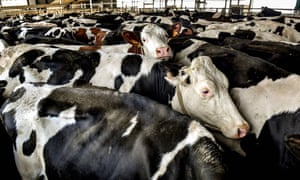
Study advises that the livestock industry needs to achieve a 74% drop in greenhouse gas emissions by 2050. Photograph: Philippe Huguen/AFP/Getty Images
Pressure on livestock farmers is set to intensify this century as global population and income growth raises demand for meat-based products beyond the planet’s capacity to supply it.
The paper’s co-author, Professor Allan Buckwell, endorses a Greenpeace call for halving meat and dairy production by 2050, and his report’s broadside is squarely aimed at the heart of the EU’s policy establishment.
Launching the report, the EU’s former environment commissioner Janez Potocnik said: “Unless policymakers face up to this now, livestock farmers will pay the price of their inactivity. ‘Protecting the status quo’ is providing a disservice to the sector.”
The study calls for the European commission to urgently set up a formal inquiry mandated to propose measures – including taxes and subsidies – that “discourage livestock products harmful to health, climate or the environment”.
Europeans already eat more than twice as much meat as national dietary authorities recommend – far beyond a “safe operating space” within environmental limits, says the Rise foundation study.
As a result, huge sectoral “adjustments” will be needed by 2050 to rebalance the sector, including a 74% drop in greenhouse gas emissions and a 60% cut in nitrate-based fertiliser use, it finds.
Long before then, policymakers, farmers and society as a whole face “deeply uncomfortable choices”, according to Buckwell.
“We’re talking about fewer meat meals, less meat portions and moving to flexitarian diets without being dogmatic about it,” he said. “There is a role for softer public health messaging but harder messages are necessary too.”
Such a transformation “won’t happen spontaneously”, he added. “It requires strong signals from government so the policy proposal must include measures to discourage consumption of livestock products harmful to public health and the environment.”
Buckwell called for targeted taxes on harmful practices, with subsidised meat for low-income consumers, and a realignment of funding regimes to advise, retrain and hire more farmers for work in rural landscape management and animal welfare.
The hope is that consumers will eventually pay more for high quality meat produced in environmentally safe conditions, where countryside protection and animal welfare have been guaranteed.
Addressing the launch in a video message, the EU’s agriculture commissioner, Phil Hogan – who dismissed the sector’s emissions footprint earlier this year – said that he too wanted it to become “smarter, greener and cleaner, and do so fast”.
But his claim that more farm efficiency was the answer was slammed as “inherently contradictory” by BirdLife Europe’s policy chief, Ariel Brunner. The most sustainable farms are often less “efficient” in narrow terms of profit and loss, he argued, unless broader questions of energy and nutritionare considered.
One of the largest barriers to this sustainable food vision is Europe’s farmers themselves, still reeling from the financial blow dealt by this year’s drought.
Liam MacHale, the secretary-general of the Irish Farmers’ Association, told the Guardian that farmers were “an easy target” for environmentalists.
“Don’t single out our sector,” he warned the report’s authors. “Look at greenhouse gas emissions. Agriculture is blamed but look at consumer behaviour in the transport sector. They need to fly abroad to relax [despite] the emissions associated with that. The airlines are not being closed down, yet you’re talking about possibly eliminating the livestock sector.”
Buckwell told the Guardian he envisaged a contraction of the sector of between 40%-50%. “We have to contract consumption by roughly half to come within the safe operating space – a big change, in other words.”
A&W offering of Beyond Burger exceeded expectations, CEO says
More consumers seeking alternatives for health, environment
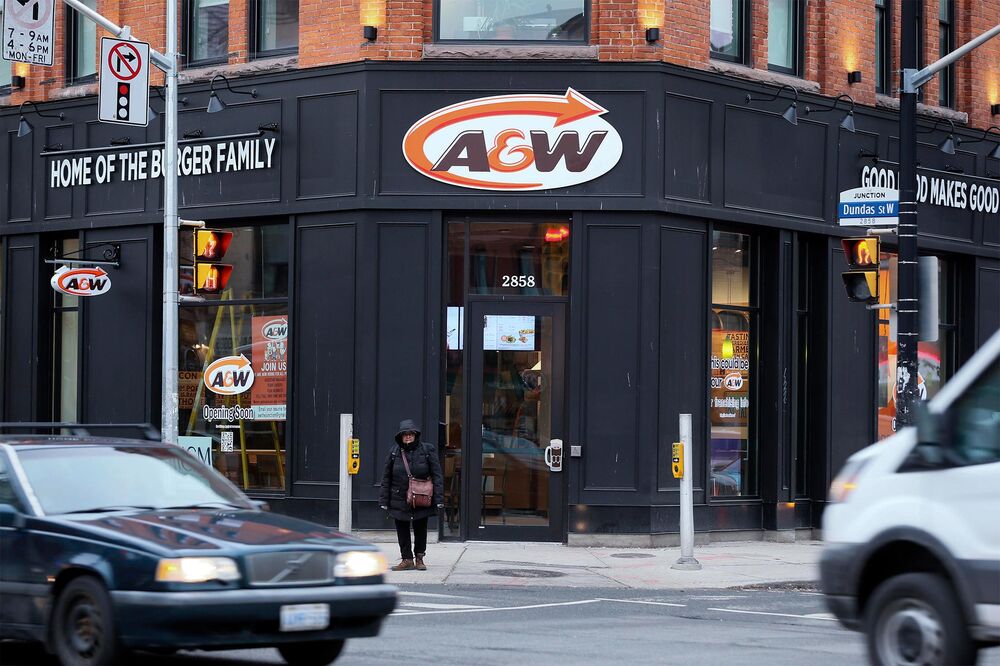
An A&W restaurant in Toronto.
Photographer: Andrew Francis Wallace/Toronto Star via Getty Images
After more than 60 years of dishing out beef burgers, a Canadian fast-food chain has found new success in an unexpected product: a patty made from peas, mung beans and beets.
A&W Food Services of Canada Inc., the country’s second-largest hamburger chain, is tapping into growing demand for plant-based protein by becoming the first national burger chain to offer California-based Beyond Meat’s burger on its menu in July.
The Beyond Meat burgers sold out nationwide in a matter of weeks, said Chief Executive Officer Susan Senecal. The veggie burgers will be back in stock across Canada Oct. 1.
“It became even more popular than we had expected,” Senecal said in a telephone interview from Vancouver. “Plant-based protein has gained in popularity and it really is something people are very interested in.”
A&W is the latest meat-focused company that sees growing opportunities in plants as some consumers turn away from traditional protein amid concerns about environmental impact, animal welfare and maintaining a healthy diet. Tyson Foods Inc., the largest U.S. meat producer, in 2016 acquired 5 percent of Beyond Meat, which has also gotten the backing of billionaire investor Bill Gates. Maple Leaf Foods Inc., Canada’s largest packaged meat company, is now stocking shelves with plant-based imitators after acquiring vegetarian producer Lightlife Foods.
Five years ago, A&W started to home in on growing consumer demand for more information and transparency about their food, said Senecal, noting the chain now offers beef raised without any added hormones or steroids and chicken raised without antibiotics. The plant-based burger builds on consumer desire for more natural foods and the company is constantly monitoring how the trend develops, she said.
ILLUSTRATION FOR COUNTRY GENTLEMAN MAGAZINE, 1915/ALAMY
Peter Singer is a professor of bioethics at Princeton University, laureate professor at the University of Melbourne and founder of the non-profit organization The Life You Can Save. His books include Animal Liberation, The Ethics of What We Eat: Why Our Food Choices Matter (with Jim Mason) and The Most Good You Can Do: How Effective Altruism Is Changing Ideas About Living Ethically.
Vegans are suddenly everywhere. Restaurants that serve meals completely free of all animal products have opened all over New York, San Francisco and Los Angeles, and in Britain, the number of vegans more than tripled in the decade from 2006 to 2016. But most surprisingly, Germany – where not so long ago, meat-heavy cuisine made the country a hostile terrain even for vegetarians – has Berlin showcasing itself as the European center of vegan fine dining.
Canadian consumption of beef and pork peaked in the 1980s, and has dropped sharply since. For a time, this drop seemed to indicate nothing more dramatic than a preference for chicken, but Canadian consumption of all meats has been falling since 2007. Today, restaurants that fail to offer animal-free meals risk losing millennials as customers.
The business pages, too, signal that meatless is the future: Canada’s biggest meat producer, Maple Leaf Foods, has bought plant-based food company Field Roast, known for its vegan sausages and vegan cheeses, for $120-million. Investors are flocking to startups developing plant-based alternatives to meat and other animal products. Fast-food restaurant A&W is aggressively pushing its plant-based burger, struggling to keep up with intense Canadian demand. Other companies are putting money into cellular agriculture, which produces cultured meat, fish, dairy and other animal products, all grown from animal cells but not involving the raising and slaughtering of a living animal.
With celebrities such as Beyoncé, Oprah and Pink, all singing the praises of reducing or eliminating meat consumption, veganism is undoubtedly having a moment.
There are two distinct threats that could indicate that yes, meat is on the way out. One is that a continuation of present trends against consuming meat will make it socially unacceptable for a large segment of society, as tobacco is today. The other is that a technological revolution will make producers of live cattle, pigs and chickens as irrelevant as Kodak became when the once-dominant camera and film manufacturer failed to embrace the digital revolution.
Meat – or at least meat as we have known it – may be cooked.
Total meat consumption in Canada
kg per capita (eviscerated and carcass weight)
859095100105110198819931998200320082013199099.60
THE GLOBE AND MAIL, SOURCE: AGRICULTURE AND AGRI-FOOD CANADA (INCLUDES CHICKEN, BEEF, PORK, FISH, FOWL, TURKEY, LAMB AND MUTTON)
If large-scale, commercial raising of animals for food is on the way out, that will be a very good thing for our climate and for our environment more generally. Livestock’s Long Shadow, a report from the United Nations Food and Agriculture Organization, found that livestock are responsible for more greenhouse gas emissions than the entire transport sector – all the cars, trucks, planes and ships put together – and second only to the burning of fossil fuels to produce electricity.
Modern meat production typically involves growing grains or soybeans – crops that we could eat directly – and feeding them to animals. The animals then need to burn much of this food energy simply in order to live and keep their bodies warm. The proportion of the nutritional value of the crops that we get back from eating the animals, or their eggs and milk, varies with the food and the species of animal. For beef, it is less than one-10th, but even for the more efficient food converters, such as laying hens and dairy cows, it is no more than one-third.
Loss of the energy from plant food is the most basic reason why meat creates more emissions per unit of food energy than plant-based foods, but the methane produced by cattle and sheep is another significant factor. Methane is a greenhouse gas that, tonne for tonne, warms the planet about 30 times as much as carbon dioxide. Ruminant animals produce it as part of their digestive process. Moreover, the idea that grass-fed beef is more sustainable than beef from animals fattened in a feedlot is a myth – in fact, as far as climate change is concerned, grass-fed beef is the worst meat you can eat. That’s because cattle fed on a rich diet of grains and soybeans put on weight faster than cattle fed on grass, and so do less digesting per kilogram of meat produced.
Global emissions by livestock species
In megatonnes of C02 equivalent
Other poultrySmall ruminantsBuffaloChickensPigsCattle825967667908195,02482
THE GLOBE AND MAIL, SOURCE: FAO,GLOBAL LIVESTOCK ENVIRONMENTAL ASSESSMENT MODEL
Some people believe that eating locally produced food is the best way to make their diet sustainable. If they are eating meat, it isn’t. One study found that the average American would do more for the planet by going vegetarian just one day a week than they would by eating an entirely local diet.
Another study compared the climate impacts of what we drive with those of what we eat. It found that by switching from a standard North American car, such as a Toyota Camry, to a fuel efficient hybrid, such as a Toyota Prius, the average American driver would save about one ton of carbon emissions a year. But anyone changing from the average American diet to a vegan diet would, over a year, save about 1.5 tons of carbon equivalent. Moreover, that change needs no new technology and, in contrast to buying a new car, installing solar panels, or building wind farms, it has no upfront costs. On the contrary, plant foods such as dried beans and lentils are, per unit of protein, cheaper than meat. It is something we could all do, now.
Lentils are a rich source of protein, and they’re cheaper than meat.
GETTY IMAGES
If, however, we maintain our current levels of meat consumption while people in newly prosperous countries in Asia continue to narrow the gap between their lower levels of meat consumption and ours, we can abandon all hope of meeting the climate goals set at the United Nations Climate Change Conference in Paris in 2015. Changing Climate, Changing Diets, a report from the highly respected London-based Royal Institute of International Affairs summarized the situation this way: “Even with best efforts to reduce the emissions footprint of livestock production, the sector will consume a growing share of the remaining carbon budget. This will make it extremely difficult to realize the goal of limiting the average global temperature rise to 2 degrees Celsius above pre-industrial levels.”
That goal, remember, was considered necessary to implement what every major country, including the United States, pledged to do at the 1992 Earth Summit held in Rio de Janeiro: to stabilize greenhouse gases at a level low enough to prevent “dangerous anthropogenic interference with the climate system.” Some scientists, as well as the leaders of low-lying Pacific island nations, argued at the Paris conference that a temperature rise of 2 C was already too high. The conference resolved to seek to limit temperature rises to as close as possible to 1.5 C. There is general agreement that a rise exceeding 2 C could lead to feedback loops such as the release of additional large quantities of methane from the thawing Siberian permafrost. That will cause still more warming and release yet more methane. Global warming will then be beyond human control and unpredictably dangerous to the future of humanity and the other beings with whom we share this planet.
Climate change is the greatest environmental harm for which meat consumption must bear a significant share of responsibility, but there are many others. The concentrated manure of tens of thousands of intensively farmed animals pollutes rivers. People living near factory farms suffer from odours and flies. Crops fed to cattle compete for water with crops eaten directly by humans, and the need for water for cattle, for drinking, cleaning and other uses, has led to the severe depletion of underground aquifers that took millennia to accumulate.
The eminent Canadian scientist Vaclav Smil has written that for everyone in the world to eat as much meat as people in the affluent world now eat would require 67 per cent more agricultural land than the world possesses. It is difficult to justify a wasteful diet that demands so much agricultural land and water that it necessarily denies the majority of the world’s population the opportunity to eat a diet that is anywhere close to what we are eating.
ILLUSTRATION BY BRYAN GEE (SOURCE IMAGE: ISTOCKPHOTO)
When I became a vegetarian in 1970, I was a graduate student in philosophy at the University of Oxford, with a particular interest in ethics. But I had never thought that, by eating meat, I might be complicit in a moral atrocity on a gigantic scale. Today, such ignorance may seem culpable, but it was shared by almost everyone. The term animal rights did not exist, and very few would have known what vegan meant. There were so few ethical vegetarians that I had never met one until that fateful day when I chanced to have lunch with a Canadian graduate student in philosophy, Richard Keshen. As we entered Balliol College dining hall, Richard asked the person presenting the food if the sauce on the spaghetti had meat in it. When told that it did, he took a salad plate. I took the spaghetti, and later asked Richard why he was avoiding meat. He answered that he didn’t think we ought to be treating animals in the way that the animal whose flesh I was now eating had been treated.
That simple response, along with some things Richard told me about the development of intensive animal raising, or factory farming, led me to consider, for the first time, the moral status that we should accord to animals, and whether the various uses we make of them, including raising them for food, are defensible. I decided that I ought to stop eating meat, at least from animals raised in the usual commercial systems, and before long, I became a vegetarian.
In Animal Liberation, published five years later, I set out the basis for this decision. The boundary of ethical concern, I argued, ought not to determined by the boundary of our species, any more than it ought to be determined by the boundary of our race or sex. There are, of course, differences between humans and members of other species, especially in the capacity of normal humans beyond infancy to reason and to use a complex language. But a being does not have to be capable of reasoning to be able to suffer, as anyone who has spent time with an infant knows. There is good evidence that cows, pigs, chickens and fish are all capable of suffering, and so, most probably, are some invertebrates, such as the octopus.
Factory farming inflicts severe suffering on a staggering number of animals. The United States alone produces more than nine billion factory-farmed animals each year. Professor John Webster, formerly head of the school of veterinary science at the University of Bristol and a towering figure in animal-welfare science, has described the industrial raising of chickens as “the single most severe, systematic example of man’s inhumanity to another sentient animal.”
There are many grounds for this dire judgment. To anyone entering a chicken shed, the overcrowding is obvious, as is the polluted air, which contains enough ammonia from the accumulated bird droppings to sting the eyes and burn the throat. Only a more expert eye would know, however, that these birds have been bred to grow so fast that their immature legs cannot support their grotesquely large bodies, with the result that, Mr. Webster says, a third of them show signs of arthritis-like pain for the final weeks of their lives. They cannot sit down on the litter that covers the floor, however, because it contains so much ammonia that it burns their thighs. Some birds suffer the still-worse fate of having their legs collapse under them. Then, unable to move to water, they slowly die from thirst. (The birds are not worth enough to justify the extra cost of hiring sufficient staff to pay attention to individual birds.)
I could describe equally bad conditions for other industrially raised animals, but you can find plenty of videos on the websites of animal-advocacy organizations. It is no wonder, then, that one powerful motive for going vegan is the desire to cease supporting the factory farming of animals. One could decide instead to be an “ethical omnivore,” eating animal products only when one has adequate assurance that they were raised under conditions that gave them good lives. There are also fish: They, if not raised in confined aquaculture tanks or nets, lead natural lives until they are caught. Horrible as their deaths usually are, that might be a lesser evil than a lifetime of miserable confinement. But many of those who become aware of our ruthless exploitation of animals find it simpler and better to make a clean break with all animal exploitation.
March 24, 2010: Pedestrians and media react to nude PETA protesters in downtown Vancouver’s Victory Square, where they used a makeshift shower stall to make the case for a vegan diet as an environmentally responsible act.
SIMON HAYTER/THE GLOBE AND MAIL
It is a sad but true commentary on human nature that if the vegan movement were driven solely by ethical considerations, it would not be as large as it is today. When Bill Clinton appeared on television in 2010, looking trimmer and fitter than he had for years, and attributed the change to going vegan, people paid attention. Beyoncé recently invited her 112 million Instagram followers to join her in going vegan for 44 days as she prepared for the Coachella festival. Oprah Winfrey isn’t vegan, but has pledged to observe Meatless Mondays and urges her tens of millions of followers to do the same. In the sports world, too, proof of veganism’s health effects are rampant: Novak Djokovic, winner of this year’s men’s Wimbledon championship, is vegan, except for some occasional fish. Venus Williams went vegan after she was diagnosed with an autoimmune disease, and Serena joined her in sisterly support and has since become passionate about vegan eating. English footballer Jermain Defoe says his vegan diet has helped him keep his career going at 35, when most other footballers have retired.
When movie stars, actors and pop singers talk about how great they feel on a vegan diet, and vegan athletes win tennis championships, boxing titles and long-distance races, many more people are motivated to cut out animal products.
Once people appreciate that they don’t need to eat animal products, and that they feel better without them, they will be more receptive to the ethical arguments against eating meat. Scientists told some subjects that they were about to be given a consumer test that required them to eat beef, while other students were told that the test required them to eat an apple. Both before and after they were given this information, all the subjects were asked to rate the mental capacities of cows. Those who had been told that they would be eating beef rated the mental capacities of the cows lower after they received this information than they had rated them before receiving it. Subjects who were told they were about to eat an apple did not change their rating of the mental capacities of cows. In other words, it’s easier to see cows for the sensitive beings they are when you are not about to eat one of them. And the same goes, I expect, for seeing the strength of an ethical argument against eating cows.
So will meat go the way of tobacco? If you associate a vegan diet with activism for animals or for the environment, you may think that drawing an analogy between meat and tobacco is a stretch. After all, the campaign against smoking was based on the truth that smoking sharply increases the risk of dying from lung cancer or other smoking-related diseases. Although the consumption of processed meat and red meat is associated with higher levels of colorectal cancer, this does not apply to all forms of meat, and the health risk appears to be lower than it is with smoking. If, however, people find that they feel good on a vegan diet, the ethical arguments will be more widely accepted, and it could become unacceptable, at least in some circumstances, to eat animals.
In 2015, Charles Krauthammer, the conservative Washington Post columnist who died earlier this year, asked, in one of his columns, what present practice, universally engaged in and accepted by people of great intelligence and moral sensitivity, will be seen by future generations as abominable, in the way that we now see slavery as abominable? Mr. Krauthammer’s answer was: our treatment of animals. “I’m convinced,” he wrote, “that our great-grandchildren will find it difficult to believe that we actually raised, herded and slaughtered them on an industrial scale – for the eating.”
Perhaps it won’t take three generations for people to see the industrial raising of animals as an abomination. That day may be closer than we think.
Animal rights vegan activist and parent, JoAnn Farb, has written a
compelling
article, including her own experience relating to why some ethical vegans
are
not comfortable with their ethics in the company of people who are not or
are
not yet vegan. Why, she asks, do “some vegans join the oppressive class and
throw vegan *activists* under the bus”? Should we make a point of “not
pushing our
values,” or is this more about social anxiety than a gesture of civility?
*JoAnn Farb is a former microbiologist, national speaker, and publisher of
the*
*FEAST Lawrence Newsletter. She uses big picture holistic thinking to
connect*
*social justice with environmental sustainability and health. She is
working on*
*her third book, “GLUTEN – The Science that Explains the REAL Reason Paleo
is So*
*Popular.” She and her husband live in Kansas and have two grown life-long
vegan*
*daughters.*
This is a statement that I have heard a few times recently.
As veganism has become more popular, it has triggered pushback. When I began
doing vegan activism in the 1990s, vegans weren’t seen as a threat to animal
agriculture or to people’s coveted family or religious traditions. Grocery
stores, hospitals, and local TV news welcomed me and repeatedly provided
venues
for me to criticize animal exploitation while encouraging people to give
veganism a try. Some were inspired or motivated to change as a result of
this.
Those who didn’t “get” my message or disagreed, ignored me and moved on.
Since
vegans were so rare, this message was a curiosity not a threat.
But now, almost everyone in America knows there are millions of vegans.
Veganism
is a viable lifestyle AND growing in popularity! Vegans are setting athletic
records, running successful companies, and birthing and raising healthy
vegan
families. This changes everything. Conscious of it or not, those who are
not yet
vegan live with the continuous discomfort that they are participating in
*unnecessary* violence against other beings. Unlike the 1990s, now simply
saying,
“I am vegan” reminds non-vegans that they are not living consistent with
one of
their own values – in fact a widely held value. Most of us agree: *It is
wrong to*
*unnecessarily harm animals.* Just BEING vegan around some people feels to
them
like they are being attacked, because it’s reminding them of this painful
fact.
But those who DO embrace veganism struggle with a different discord –
feeling
like an outcast from their tribe, family, or social group. Any choice that
sets
us apart from our group can expose us to “change back.” Pressure.
In order to help you understand why saying “*I am not that kind of vegan*”
is
problematic, I will share with you what happened to me as a child.
I grew up next door to the best grade school in one of the top rated school
districts in the entire country. Most all of us who went to that school had
parents who grew up poor during the depression. The combination of
affordable
higher education along with an expanding job market is what allowed my
parents
and other parents in their neighborhood to do so well economically that they
seem rich when compared to how they grew up.
The children in my neighborhood wore the trendiest clothes and enjoyed the
latest, greatest toys and gadgets provided in mind-numbing abundance at
least
twice each year. Their pantries were stocked with an array of seductive junk
food.
But that was not how it was at my house.
My parents were frugal, and didn’t even try to keep up with the neighbors.
That
made fitting in hard for me. But I had an even bigger obstacle socially: I
was
one of the only two fat kids in my entire grade. Though my parents weren’t
really status conscious, they were fat-phobic and tried hard to make me lose
weight. Sugary treats were kept under lock and key at my house, though I had
access to cheese wheels, meat and eggs. I remember being ecstatic when I
learned
to fry hamburgers in butter on the stove, and make omelets that oozed with
melted cheese.
Grade school was hell for me. I was taunted for being fat and for not
dressing
fashionably. “Highwaters!” my classmates shrieked as they pointed at my
too-short jeans before running away. Everyone knew I was part of a small
group
of outcasts. We were the “untouchables” of our grade. Included with me was
the
other heavy girl, a thin shy girl with terrible acne, a white-haired, poorly
coordinated boy, and a scary boy who hit and never followed directions. Just
above us in the hierarchy were a handful of students who although not as
openly
shunned were still avoided. The hierarchy was made visible and reinforced
through the act of picking teammates or partners for activities.
You might think those lower down in this hierarchy, experiencing this
injustice
would be the first to challenge it or at least not do the very same thing to
others. But in fact the opposite happened. The more oppressed one of us
felt,
the more intensely we distanced ourselves from anyone with low status. We
feared
more oppression if associated with any of the other victims.
My observations are consistent with what’s been documented in other cases of
oppressed groups. Time and again, those concerned with their own inclusion
contribute to the victimization of others – be it the class system of India,
oppressed US minorities trying to better their own lot (and being called
“uppity” by others likewise oppressed), or some women struggling for
position in
male dominated arenas.
One common way this pressure can be managed is to distance ourselves from
those
the dominant group find *most* problematic. Supporting the oppressor’s
perspective
– even just in a tiny way, can ease some of the pressure by aligning us, at
least in part, with those who hold the power. In other words, some vegans
join
the oppressive class and throw vegan *activists* under the bus, to help
insulate
themselves from the “change back” pressure of the dominant paradigm.
This is what is happening when you hear someone say, “I’m not THAT kind of
vegan.” Though this may make it easier for the person expressing this
sentiment
to comfortably mingle with and feel more accepted by those who are still
enabling the oppression, it works against our cause. We NEED people willing
to
speak out about injustice. When vegans say to others, “I am not THAT kind of
vegan,” it is a clear expression of judgment against people speaking out. It
isolates activists. It makes other vegans contemplating speaking up feel
shamed
into silence. It supports and empowers the oppressive mindset. If *our*
people –
that is, those choosing to abstain from intentional violence against other
beings – think we are wrong for daring to raise awareness of violence
against
animals, that plays right into and reinforces the oppressive paradigm. It
also
provides additional justification for non-vegans to disregard veganism
altogether.
Can you think of a single example of progress made on any social justice
issue
that was NOT the result of someone trying to push their values? That is why
I
continue to speak out and raise awareness however I can.
I will not apologize for speaking up when I see injustice, and the more
people
who join me in this, the better I believe our world will be.
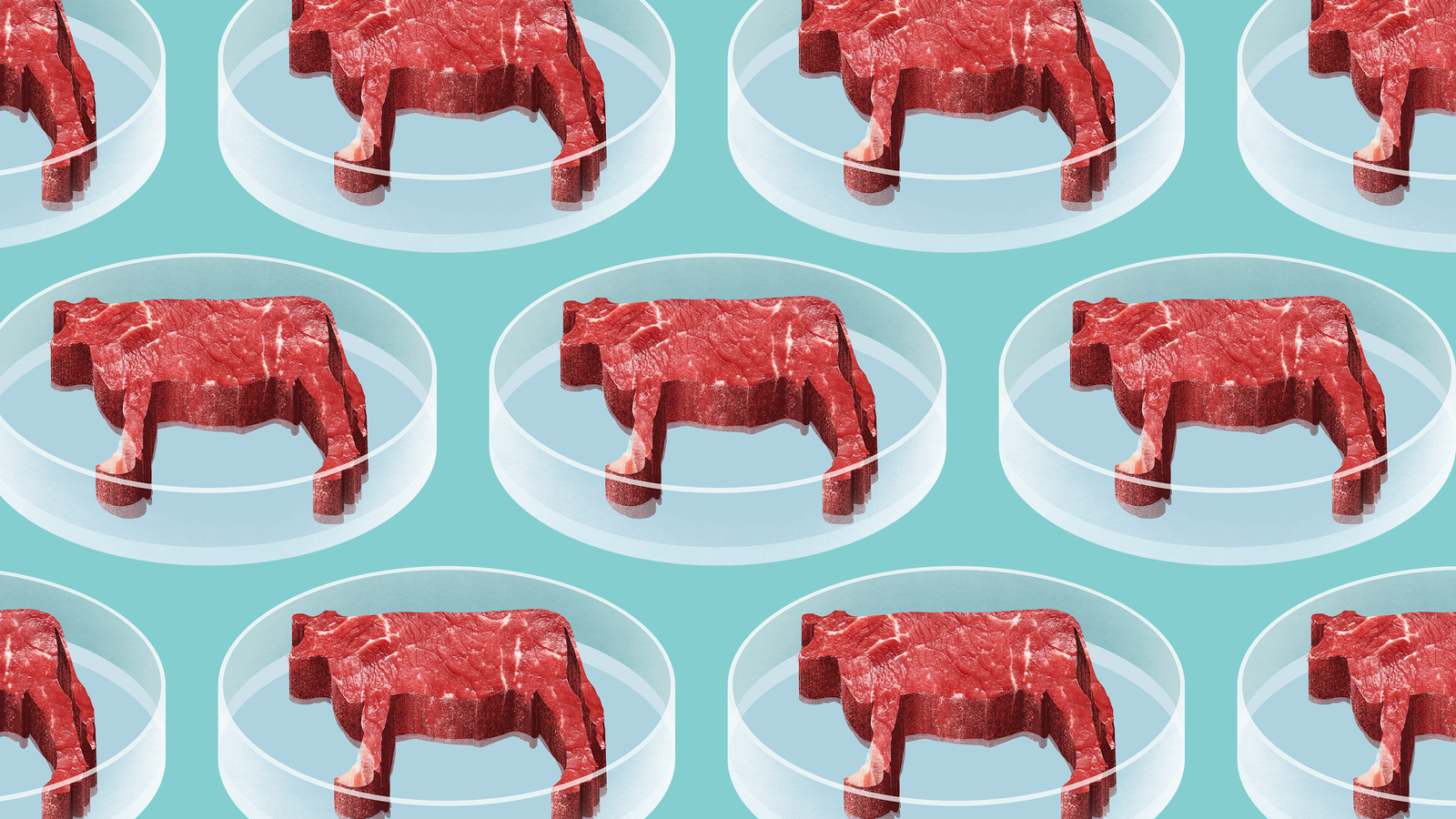
Would you be willing to give up ice-cream and hamburgers if it saved the environment? Good news: lab-grown meat is set to hit shop floors this year, so you don’t have to.
A 2017 study showed that if all Americans substituted beans for beef, the USA would come close to meeting its 2020 greenhouse gas goals originally set by the Obama administration in 2009.
Perhaps spurred on by shocking polemical documentaries like Cowspiracy and the UN’s reportthat showed that processed meat is as carcinogenic as cigarettes, veganism is on the rise. Lately, veganism has risen from its grassroots origins and become a widespread form of eco-activism.
Believe it or not, the meat and dairy industries are starting to listen and lab-grown meat is set to become a reality.
The Dark Truth Behind the Veganism fad
Is veganism just another bandwagon? Or, do these almond-milking vegaholics know what they’re talking about?
“What’s so wrong with eating meat?”, you may ask.
As all of the current U.S. generations currently alive have enjoyed, we no longer have to go out and hunt for animals when we want to eat meat. In fact, we don’t even have to go to the grocery store. We can order 24 chicken nuggets from the driver seat or have groceries delivered by an Amazon contractor.
Our lifestyles have changed drastically, but we still claim that we need to eat like our hunter-gatherer ancestors. The sheer numbers involved with keeping everyone fed on steak and cheese are causing a lot of problems behind the scenes.
The brutality of the meat and dairy industries have been exposed in documentaries you may have come across on Netflix. Vegecated,Forks Over Knives and Earthlings are cited as contributing factors by many vegan converts.
However, critics question the validity of the facts provided in these “life-changing” documentaries.
Perhaps it was because the revelations of what has become normal were so shocking or maybe because people aren’t ready to face the consequences of their lifestyles. But, Cowspiracy, in particular, got a bad rap for using questionable statistics in the original version.
Although such advocacy documentaries still have their value and are worth watching if you want to get informed, they should be taken with a pinch of salt.
A more reliable source of facts about veganism and the environment are reviewed research papers and official reports. Although these reports may not have the same drama, the facts are clear-cut. The environmental impact of animal agriculture and it’s contribution to greenhouse gas emissions, deforestation, and water waste is extreme.
Here’s the impact that meat and dairy have on the environment explained in facts and figures:
Animal agriculture accounts for 70% of global freshwater consumption.
In 2016 the UN reported that the livestock sector is one of the most significant contributors to environmental degradation, both locally and globally.
A UN report that followed this in 2010 warned that rising meat and dairy consumption combined with a population set to be 9.1 billion by 2050, meant a shift towards veganism was vital. It stated that only a major change in the human diet could save the world from climate catastrophe and major food shortages.
Cows produce 150 billion gallons of methane gas a day. What most don’t realize is that this greenhouse gas’s alleged effect on climate change is much greater than C02 which usually steals the spotlight.
Numerous reports have claimed that methane is up to 100 times more harmful than C02.
14.5% of global greenhouse gas emissions are generated by raising livestock for meat, eggs, and milk. That’s more than all transportation, including planes combined.
Raising livestock also uses 70% of all agricultural land, making it the leading cause of deforestation, water pollution and loss of biodiversity.
It’s estimated that it takes 2,500 gallons of water to produce one pound of beef.
One-third of the world’s grain is now fed to animals.
Antibiotic use in animals is a major contributor to rising levels of antibiotic resistance in the human population
A 2017 study showed that meat manufacturers JBS, Cargill, and Tyson (All giants in the meat industry) emitted more greenhouse gases in 2016 than all of France.
What would Happen if we all Went Vegan?
A study carried out by Dr. Marco Sprinmann at the University of Oxford attempted to estimate what the world would be like if we all went vegan in 2050.
The results are astonishing and show that in one single year greenhouse emissions would be cut by two thirds. $1.5 trillion would be saved in climate damages and healthcare expenditure. He also estimated that global mortality would be reduced by 10%, with 8 million fewer deaths caused by chronic disease.
Springmann also emphasized that these figures are probably an underestimation.
Could Lab Grown Meat Save the World?
Veganism doesn’t have to be all granola and lettuce.
As consumers become more aware of the extent of the current sustainability crisis, eating habits have begun to change. This move towards more plant-based diets has had repercussions in the food production industry. Big names have started to invest in meat and dairy alternatives.
We saw the first synthetic burger make its debut in 2013. It quite literally took to the stage and was eaten in front of an amazing audience. T
he fact that humans could grow real meat without harming animals or the Earth left us in awe. Although the lab grown meat cost thousands to make at the time, now it can be produced cheaply on a commercial scale. Just five years later, the race is on to get it on the shelves.
Something that we wouldn’t have believed to be possible is fast becoming a reality. Could synthetic meat replace traditional meat completely?
A startup called Memphis Meats is currently developing “clean meat” with investors like Bill Gates and Richard Branson. Just For All is another major player in the synthetic meat industry who promises to launch their products in supermarkets by the end of the year. Even the some of the world’s biggest meat companies like Tyson and Kraft are attempting to reinvent carnivorous staples.
Real Meat Without Slaughtering Animals
Most successful lab grown meat products are created using cell proliferation.
Let’s say we want to create a cruelty-free, eco-friendly chicken nugget. No tempeh, no tofu–we want the real deal.
As chickens have an unlimited source of cells that are constantly regenerating and regrowing, the scientists figured that they could take a handful and continue to grow them infinitely. All that is needed from the animal is a cell sample. This could be a feather for example.
This feather is then taken to the lab where it is provided with plant-based nutrients. Just as the cells would grow in the animal, they multiply quickly in the lab turning into a high-density food source–a.k.a. meat.
And it’s not just chicken, any kind of animal protein can be grown from a single cell in the lab. Synthetic meat is estimated to be 10 times more efficient than the world’s highest volume slaughterhouse.
This cutting-edge technology that is used to re-create food is going to drastically change the meat and dairy industries. Just for all’s products range from cookie dough to mayonnaise. Other companies are producing scrambled “eggs” from mung beans and brewing cow’s milk from yeast.
In the current world we live in, it is unlikely that everyone will go vegan. Meat is the centerpiece of our plates and ingrained in most cultures. However, synthetic meat offers another solution to the major problems mass-production of meat and dairy pose.
A recent Ketchum survey shows signs of an optimistic response to lab grown meat. 62% of Americans are likely to try synthetic animal products, which rises to 71% among millennials.
Lab Grown Meat is Not a Miracle Fix
Synthetic meat is also seen as a threat to the animal agriculture industry. The UN Food and Agriculture Organisation states that livestock supports the livelihoods and food security of almost a 1.3 billion people.
Farming still employs over 26% of workers globally. That’s not accounting for those working along with other parts of the meat-supply chain like in processing and packaging.
Additionally, synthetic meat is still meat. Although Lab-grown meat is dubbed “clean meat”, as it lowers the risk of microbial and antibiotic contamination.
Eating too much of it is still detrimental to human health. It increased our risk of heart disease, type 2 diabetes, obesity, and cancer. Synthetic meat can ease the negative impact on the environment but at the end of the day, processed meat is still carcinogenic.
The power to reconsider what we consume is in our hands. This choice empowers us to choose what the future of our planet will be. We can choose to cut down our meat and dairy consumption, become a vegetarian or take the plunge and go vegan.
With the current state of our environment, we need to consider every option possible. Yes, food choices come down to personal circumstances. But, simply eating less meat and dairy could help us prevent negative environmental impacts to the Earth.
Clearly, vegan sausage–just like any other type of meat (animal-death) replacement or “substitute”–is far healthier than the rotting flesh it replaces. So why do so many people still choose the “real” thing?
Perhaps there’s something else wrong with the majority of people, besides their outward appearance or cholesterol level. There’s certainly something wrong with the way they think if they would willingly ask that animals be caged and trucked to slaughterhouses because they imagine they taste better than some plant-based “imitation”.
Worse yet, they think it’s wierd that we care that:
Starting today, White Castle will serve the vegan Impossible Burger in 140 locations. Cookbook author Alison Roman tried it out, along with ‘shrimp’ made from fungi, ‘salmon’ made from algae and more
When I was in high school, I made the bold and noble choice to become a vegetarian for the rest of my life (or as it happened, about three years). I loved vegetables, so a meatless diet wasn’t that daunting, with one unfortunate exception: the tacos at Jack in the Box.
Around this time, I caught wind of a rumor that the meat in those tacos was being cut—and possibly even replaced by vegetable protein. Imagine my teenage delight upon learning that my guilty pleasures were basically vegetarian.
Spoiler alert: They were not.
But that rumor was partially true: For years, Jack in the Box has added vegetable protein to its famous tacos (the company won’t say exactly how much), and meat-loving Americans still consume 554 million each year.
Turns out Jack in the Box was ahead of its time.
Today, 140 White Castle locations began serving the vegan Impossible Burger, part of a new wave of plant-based proteins that taste, cook and, in some cases, bleed like the animal version. Unlike tofu dogs and Boca Burgers, these products are aimed squarely at carnivores. The goal isn’t to placate your vegan cousin at family barbecues. The goal is to save the planet—or at least mitigate the damage that commercial fishing and cattle farming are doing to the environment. To persuade red-blooded Americans to pack their grills with pea protein, these plant-based substitutes will have to taste good—and I’m happy to report that many do. Some, however, are still in beta when it comes to flavor. Does “shrimp” made from algae taste better than shrimp? Not yet, but it’s still better than overfished oceans. I’ll take it. You should too.
The Product: Beyond Sausage
WHAT IT IS: Pea, fava and rice protein in an alginate (derived from algae) casing
WHAT IT’S IMITATING: Ground-pork sausage
WHERE TO FIND IT: Select grocery stores beginning in mid-April
ILLUSTRATION:NICHOLAS SLATER
THE VERDICT:If you’re like me, you have no idea what’s actually in your kielbasa or Italian hot links. And generally speaking, you’re OK with that. But Beyond Meat wants you to know how its sausage, pictured above, is made. The company spent a year and a half developing the world’s first plant-based version. The results? Pretty great. The pleasantly springy texture is spot on; the flavor is passably porky. The sausages come in Original Bratwurst, Sweet Italian and Hot Italian (my favorite); it turns out that both pork and pea protein taste better when seasoned with fennel seeds and chili flakes. Substitute these for some these some honest-to-God pork links, and add a smear of yellow mustard and a side of grilled onions. No one will be the wiser.
Pro Preparation Tip: The alginate casing tends to split if your skillet or grill is too hot, so rotate frequently to promote even browning and prevent breakage.
The taste and texture of shrimp are difficult to imitate. Fried panko bread crumbs, lemon and tartar sauce help complete the illusion. PHOTO: AMANDA RINGSTAD FOR THE WALL STREET JOURNAL; SET STYLIST: GOZDE EKER; FOOD STYLIST: MICHELLE GATTON/HELLO ARTISTS
The Product: New Wave Foods Shrimp
WHAT IT IS: Algae extract, micro algae and other plant-based protein
WHAT IT’S IMITATING: Frozen shrimp of the plain and fried variety
WHERE TO FIND IT: Select restaurants on the West Coast and in New York City
THE VERDICT: The taste of a shrimp is determined by that shrimp’s diet, generally a mix of sea plants and algae. So it stands to reason that “shrimp” synthesized from sea plants and algae should taste like the real thing, right? The answer is: sort of. New Wave offers its plant-based shellfish in two forms: Plain (think boiled and peeled) and Crispy (pictured here; think breaded and fried). The Crispy version—coated in delicious panko bread crumbs—tastes like delicious, salty bread crumbs. The Plain ones, however, have a way to go before they can pass as the genuine article. With their squishy texture and too-bright reddish-pink hue, they more closely resemble crawfish tails than shrimp. To their credit, they do taste faintly of the sea without being overly fishy, which is no easy feat.
ILLUSTRATION:NICHOLAS SLATER
A SHRIMP FOR THE MASSES: Commercially caught shrimp are as fraught as they are popular, thanks to environmentally devastating trawling practices and the slave-labor scandals plaguing the industry. “In addition to solving a sustainability problem,” says New Wave Foods co-founder Dominique Barnes, “we’re trying to make a shrimp that everyone can love.” While her product contains 100% less shrimp than the leading shrimp, Barnes hopes it will reach a wider audience, including people with shellfish allergies and high cholesterol, vegans and those keeping kosher.
This fluffy scramble never saw the inside of shell.PHOTO: AMANDA RINGSTAD FOR THE WALL STREET JOURNAL; SET STYLIST: GOZDE EKER; FOOD STYLIST: MICHELLE GATTON/HELLO ARTISTS
The Product: Just Scramble
WHAT IT IS: Mung bean protein
WHAT IT’S IMITATING: Raw, beaten eggs
WHERE TO FIND IT: Select San Francisco and Hong Kong restaurants; select grocery stores starting later in 2018
THE VERDICT: “Eggs” from a plastic bottle? Believe me, I fully expected to dislike this product. But in reality, it’s kind of good. Texturally speaking, Just Scramble is a dead ringer for the real thing when cooked properly (low and slow). But under the surprisingly eggy flavor is a faint and unfortunate sweetness. This comes from the mung beans, which are full of polysaccharides—a complex carbohydrate that reads sweet on our tongues. Ben Roche, the director of product development at Just and the developer of Just Scramble, is the first to admit that these “eggs” are a work in progress. “We are constantly tinkering, improving the flavors and textures,” says Roche, who also created the company’s sorghum-containing cookie dough. The sweetness of Just Scramble is hardly a deal breaker and is easily fixed with a few dashes of your preferred hot sauce.
The Product: Terramino Salmon
WHAT IT IS: Cultured fungi protein and algae for natural color and flavor
WHAT IT’S IMITATING: Salmon burgers and, later, fillets
WHERE TO FIND IT: Select restaurants and grocery stores in 2019
THE VERDICT: The “salmon” from Terramino Foods is still in beta, but in the year since the company launched, its co-founders—two 20-somethings fresh out of Berkeley—have managed to imitate the pale-pink color and flaky texture of America’s favorite fish. They’re still dialing in the flavor, exploring the fine line between something that tastes like fish and something that tastes fishy, but when it comes to sustainable seafood, this is a company to watch.
ILLUSTRATION:NICHOLAS SLATER
FISH MADE FROM FUNGI? Terramino Foods uses koji—a mold that’s a key ingredient in soy sauce, miso and other fermented foods—to culture its protein. “Unlike animal cells, fungal cells are able to synthesize their own protein out of really basic nutrients,” Terramino co-founder Josh Nixon says. “You have to feed an animal a lot of protein to get a small amount out.” The fungi generate protein from almost nothing, which is unquestionably more sustainable than fishing or even fish-farming.
Terramino Foods‚ the maker of this ‘salmon’ burger‚ recently completed the SOSV-funded accelerator program at IndieBio. SOSV‚ a venture-capital firm‚ has also mentored companies like New Wave Foods and Memphis Meats. The hearty, woodsy version of the Impossible Burger—with mushroom purée, sherry onions and truffle cream—is on the menu at Saxon & Parole in New York City. PHOTO: AMANDA RINGSTAD FOR THE WALL STREET JOURNAL; SET STYLIST: GOZDE EKER; FOOD STYLIST: MICHELLE GATTON/HELLO ARTISTS
The Product: The Impossible Burger
WHAT IT IS: Wheat, soy and potato protein
WHAT IT’S IMITATING: The classic ground-beef patty
WHERE TO FIND IT: More than 1,000 U.S. restaurants, including national chains Bareburger, Umami Burger, Fatburger, White Castle and the Counter
THE VERDICT: This isn’t the only plant-based patty shipped raw and intended for cooking, but it’s the best known and the best by a mile. And don’t call it a veggie burger. Impossible Foods has imitated the true-blue look, smell, taste and texture of a ground-beef patty in a way that is almost unsettling in the uncanny-valley sense. Their secret is an oxygen-carrying compound called heme, which makes blood appear red and makes meat taste, well, meaty. It is heme that gives the burger that I-can’t-believe-it’s-not-beef flavor and bloodiness (yes, this patty even bleeds). All this flavor and bleeding comes at a price, which for now is on par with premium ground beef. And the burger is available only in restaurants where the kitchen has been trained to prepare it—not exactly a meal for the masses. But if and when the price comes down, this is the product to give ground beef a run for its money and cut the planet a break.
ILLUSTRATION:NICHOLAS SLATER
THE IMPOSSIBLE EFFECT: In February, the U.S. Cattlemen’s Association filed a petition with the Department of Agriculture to limit “beef” products to those that “come from cattle that have been born, raised and harvested in the traditional manner.” Their proposed definition would keep the term off alternatives made from “plants, insects or other nonanimal components.” Pat yourself on the back, plant-based burger makers. When the cattlemen are panicking, you’re doing something right.
UP NEXT: LAB-GROWN MEATS
ILLUSTRATION: MICHELE MARCONI
Just, the maker of Just Scramble, is growing a variety of test-tube meats. To do this, scientists extract stem cells from an animal—such as a pig or a cow—and cultivate them into muscle tissue in a lab. The result not only resembles pork or beef but is genetically identical to the stuff in your butcher’s case, with almost no environmental impact. But “clean meat” won’t catch on unless it can compete in taste and price with the conventional stuff, says Josh Tetrick, the CEO and co-founder of Just. Tetrick describes the current price per pound of his product as “unnecessarily high” and hopes to reduce it substantially before his company launches a ground lab-grown meat at the end of 2018. And the taste? To be determined. No samples were available at press time.
The new wave of plant-based “meat” is going mainstream — and straight into one of America’s most iconic fast-food burgers, the White Castle slider.
White Castle is announcing it is introducing a vegetarian fake-meat version of its famous mini-burgers. The burger uses a patty made by a California-based start-up, Impossible Foods, which is one of several scientifically engineered products made to make plant-based ingredients taste uncannily like juicy ground beef.
Called the Impossible Slider, it will be initially sold at 140 White Castle eateries in the New York, New Jersey and greater Chicago areas with the potential for a nationwide rollout.
The White Castle Impossible Slider — made with smoked cheddar cheese, pickles, onions and a bun — features a 2-ounce patty and costs $1.99. That compares to the chain’s traditional 0.9-ounce mini-cheeseburger at about 94 cents, depending on the store location.
The new choice might come as a surprise to White Castle devotees, especially since the fake-beef burgers have largely been confined to more highbrow burger chains and restaurants until now. But White Castle executives figured it was time to give fake beef a try.
“Plant-based proteins are growing. We felt it was a good opportunity to test it with our customers,” CEO Lisa Ingram said. “We think it will appeal to a broad range of customers — those that are meat eaters who want to try something different and non-meat eaters who want this.”
She also said the new sliders might bring in new customers, too.
This isn’t White Castle’s first foray into meatless. It has been selling a Veggie Slider since 2015.
The new Slider is bigger, because “the new taste comes through more fully” when that size patty is on the regular 2-inch-squared bun, according to the company.
Until now, Impossible Foods’ faux meat was served in more upscale chains, such as Fatburger, Umami and actor Mark Wahlberg’s Wahlburger restaurant.
Competitor Beyond Meat’s Beyond Burgers joined the TGI Friday’s menu in January and can be found on shelves of large stores such as Kroger and Target.
Animal-protein titan Tyson Foods, which acquired a 5% ownership stake in Bill Gates-backed Beyond Meat in 2016, increased its investment in December to an undisclosed amount. Last fall, Nestle announced plans to acquire Sweet Earth, a plant-based foods manufacturer.
The Impossible Slider represents what few in the traditional beef industry thought possible — that cowless meat would be a hit in a country known for its meat-and-potatoes diet and love of burgers.
Plant-based meat alternatives are growing at rate of about 11% a year, according to the research firm Acosta. The market isn’t just vegetarians: Some 71% of people who buy plant-based meat also eat the real thing.
The meat imitators present enough of a threat that in February, the U.S. Cattlemen’s Association filed a petition with the U.S. Department of Agriculture, asking that the terms “meat” and “beef” be applied only to food made directly from animals. Impossible Foods’ burger is made of water, wheat protein, potato protein, coconut oil and heme, an iron-heavy molecule that gives it its meaty taste.
“Interest in meat alternatives seems to be driven by consumers at large, not just those looking for vegetarian lifestyles, but looking for diversification of tastes and health benefits,” said Billy Roberts, senior food and drink analyst at the global market research firm Mintel.
“Our business is a growth business. There’ll be increased demands for products like the Impossible Burger,” Impossible Foods Chief Operating Officer David Lee said. “People are increasingly asking about what impact food has on the environment and our health.”
His company recently expanded its manufacturing facility in Oakland and can produce 1 million pounds of its meat alternatives a month. That’s what will enable Impossible Foods to produce all the patties White Castle needs, though the privately-held Columbus, Ohio-based 376-unit chain declined to say how many it needs to sell to say the new product is a success.
People who consume the highest amounts of red and processed meats have a 50-percent increased risk of developing non-alcoholic fatty liver disease, according to new study by the Journal of Hepatology. Buzz60
I have seen the steady evolution of veganism in my lifetime. In the Seventies we had vegetarians but practically no one had ever heard of a vegan.
As a vegetarian in 1979, I was hard pressed to find a decent meal and at dinners I would find myself ordering an omelette for lunch or dinner which actually was considered somewhat unusual. Finding a vegetarian meal was possible but almost always restricted. Finding a vegetarian restaurant was more of a challenge but there was always Indian and Japanese vegetable sushi.
But I have seen the movement grow and although it began slowly, in recent years it has accelerated rapidly to the point where traditional meat venues like MacDonald’s and others have seen the writing on the wall and now are offering vegan burgers and the dairy industry is totally freaking out over coconut, soy, almond, hemp, oat and pea milk.
Vegan scarcity has evolved into a cornucopia of vegan alternatives. The movement has exploded and due to many considerations like animal rights, health, the environment etc, the movement is becoming stronger with each passing day.
My prediction is that by 2030, western society will be predominantly vegetarian and veganism will be the norm and not the exception.
Being a vegan sometimes appears to be a complicated affair. People seem to be vegans for different reasons and there does seem to be a bit of bickering amongst vegans on just how vegan one should be.
The only negative aspect of veganism is intolerance. And it’s not just intolerance by vegans towards meat eaters and vegetarians but intolerance of other vegans.
Sea Shepherd ships have been vegan since 2000 and we have had thousands of crew participate in campaigns so we have had plenty of opportunity to see the various factions of veganism in relationship to each other.
People do not have to be vegan to be crewmembers but they must be vegan on the ship as crewmembers. Because of this over the years we have introduced hundreds of meat eaters to veganism and as a result many have made the decision to adopt veganism as a life style.
Given the opportunity to eat real vegan meals by excellent vegan cooks it is amazing how many people have discovered veganism as a real option – healthy, delicious and easy to do.
But we have also discovered a major obstacle to people embracing veganism and that obstacle is vegans with hostile, holier than thou, angry and judgemental proselytizing attitudes.
I tend to look at this from the point of view of both the animals and eco-systems which really means I do not give a damn why anyone is vegan. The motivations to me are irrelevant. Anyone who is vegan is good for animals and for the environment. Vegetarians are also good for animals and the environment and even people who refrain from eating meat once or twice a week or who cut down on their meat consumption are good for animals and the environment.
Abstaining 100% is wonderful. Abstaining 50% is good. Abstaining 25% is helpful.
Most vegans were once vegetarian and/or meat eaters. People can change but they change best by seeing examples from others. Those who lead by example are helping to recruit more people to a vegan life style than those who try to recruit though shaming, anger and ridicule.
Every vegan meal consumed is a bonus for animals and for the environment.
It’s easy to tell when someone is a vegan because they will damn well tell you but it is somewhat more difficult to determine what kind of vegan a person might be.
Just for fun, I thought I would prepare my 50 Shades of Veganism to illustrate the wide diversity within this thing we call veganism.
VEGANISM
“A philosophy and way of living which seeks to exclude—as far as is possible and practicable—all forms of exploitation of, and cruelty to, animals for food, clothing or any other purpose; and by extension, promotes the development and use of animal-free alternatives for the benefit of humans, animals and the environment. In dietary terms it denotes the practice of dispensing with all products derived wholly or partly from animals.” Definition of veganism by the Vegan Society in 1979.
1. True vegan – Absolutely no animal products used in any manner without the need for any justification, explanation, defensiveness or offensiveness.
2. Level 5 Vegan. … A Level 5 Vegan was defined as someone who never eats anything that casts a shadow. While this definition is nonsensical the Level 5 term as it’s used today is a mostly tongue-in-cheek reference to someone who refuses to make any compromises at all in their vegan lifestyle.
3. Paleo-vegan – The Paleo diet without the meat – unprocessed foods.
4. Compassionate vegan – does not consume animal products out of a deep love for animals.
5. Compassionate Ethical vegan – does not consume animal products out of a deep love for animals and a deep concern for the lives and welfare of animals.
6. Compassionate Ethical Health vegan – does not consume animal products out of a deep love for animals and a deep concern for the lives and welfare of animals and sees veganism as a healthy life style.
7. Compassionate Ethical, Health, Environmentalist vegan – does not consume animal products out of a deep love for animals and a deep concern for the lives and welfare of animals, sees veganism as a healthy life styleand is concerned about the impact of the meat and fishing industry on the environment and climate change.
8. Activist vegan – a vegan who is an actual activist for animals. An on-the-ground-gets-things-done-in the-face-of-the-enemy-vegan.
9. Enemy Identification Confused vegan. A vegan who is unable to actually identify the real enemy i.e. the animal abusers, meat producers, hunters, and abusers and instead sends time and energy attacking vegetarians and other vegans.
10. Ethical Environmentalist vegan – does not consume animal products out of concern for the lives and welfare of animals and because they are concerned about climate change and the environment.
11. Ethical Environmentalist Health vegan – does not consume animal products out of concern for the lives and welfare of animals and because they are concerned about climate change and the environment and they also want to have a healthy lifestyle.
12. Raw vegan – A vegan who only consumes raw fruits, nuts and vegetables.
13. Raw till 4 vegan – Raw until 4 and cooked vegan after.
14. Raw Ethical vegan – A raw vegan who adopts a raw vegan diet out of concern for animals,
15. Fruitarian – Vegans who eat only fruits and nuts.
16. Raw Environmental vegan – a raw vegan who adopts a raw vegan diet out of concern for ecology and climate change.
17. Raw health vegan – a raw vegan who adopts a raw vegan diet for health reasons.
18. Organic vegans – only organic vegan foods
19. Organic Raw vegans – only raw organic fruits and vegetables.
20. Home Grown Vegans – Vegans who only eat food locally grown and preferably organic.
21. Competitive Purist Vegan – An ethical vegan who is constantly comparing themselves to other vegans and pointing out how they are better vegans than other vegans.
22. Veggie Jesuit – An ethical competitive purist vegan whose mission is to convert all of humanity to veganism through intimidation, shaming and bullying.
23. Proselytizing vegan – They just really have to preach – all the damn time.
24. Angry vegan – Constantly angry with anyone who is not a vegan.
25. Health Vegan – A vegan because it is healthier but could not give a damn about the environment or animal rights or welfare.
26. Annoying vegan – a person whose advocacy is just damn annoying.
27. Celebrity vegan – Promotes veganism in an attempt to be cool.
28. Compassionate celebrity vegan – Promotes veganism because they are actually cool.
29. Athletic vegan – A vegan who sees veganism as providing their body with more endurance, stamina and overall health.
30. Ethical Athletic vegan – An athlete who embraces veganism and promotes it because of concern for the lives and welfare of animals.
31. Environmental vegan – A vegan who is vegan because they are concerned about the impact of the meat industry and fishing on the environment and climate change.
32. Trendy vegan – A vegan who is a vegan because it’s like – well, trendy to be vegan.
33. Straight Edge vegan – A vegan who does not smoke or drinks alcohol but loves coffee.
34. Plant based vegans – These are vegans who do not like to be called vegans primarily because they are environment or health motivated vegans. Like it or not they are still vegans.
35. HCLF vegans – High Carb low fat vegans.
36. Honey eating vegan – A vegan who for different reasons justifies the consumption of honey. One reason put forward is that there is a need to support bee colonies for pollination.
37. Non-Face Eating vegans – People who view themselves as vegans but will eat animals without faces like oysters, clams and scallops for example and will insist it is still a vegan lifestyle.
38. Leather wearing vegans – People who refrain from eating animals but continue to wear leather clothing like belts and shoes.
39. Flexitarian – A person who is a vegan sometimes but not always depending upon circumstances.
40. A Freegan vegan – A person who views themselves as vegan but eats anything as long as it is free.
41. Fall off the Wagon vegan – a vegan who decides to no longer be a vegan but intends to become vegan again. ]
42. Revengeful ex-vegan – a vegan who now eats meat and passionately embraces carnism.
43. Goth vegans – Goths who practise veganism. It’s kind of their thing.
44. Nazi vegans – Yes there are indeed vegan Nazi cults because they claim Hitler was a vegan.
45. Hindu vegans – Not all Hindu’s are vegan but there is a movement to embrace veganism in Hinduism.
46. Krishna vegans – Hari Krishna, hare veganism.
47. Infiltrating vegan – someone who nefariously pretends to be a vegan for the purpose of infiltrating vegan activist groups.
48. Pervy vegans – Males who pretend to be vegan in order to pick up vegan females.
49. Norvegans – not real vegans just Nor vegans.
50. VEGANS – aliens from the star system Vega.
Vegan and vegetarian diets are not just the latest trend. According to climate experts, these diets could actually help mitigate the effects of climate change.
“From a greenhouse gas standpoint and a climate standpoint, there are many advantages to a vegetarian diet and a vegan diet,” Rob Jackson, chair of the Department of Earth System Science at Stanford, said.
Transitioning towards a more plant-based diet could reduce food-related greenhouse gas emissions by up to 70 percent, according to the Proceedings of the National Academy of Sciences of the United States of America.
The agriculture industry has major anthropocentric impacts, which are impacts originating in human activities. Reduction of greenhouse gases is the most prominent effects of vegan and vegetarian diets; others include reduced destruction of rain forests, increased efficiency of food production and cleaner, more abundant water.
Reduction of greenhouse gases
Methane is generated in the guts of animals, according to Rob Jackson. The livestock sector of agriculture emits 37 percent of anthropogenic methane, which has 23 times the global warming potential of carbon dioxide, according to the Food and Agriculture Organization of the United Nation’s “Livestock’s Long Shadow” report.
The livestock sector is also responsible for 64 percent of anthropogenic ammonia emissions, which contribute to acid rain and acidification of ecosystems.
Agriculture’s effect on land
According to the Food and Agricultural Organization of the United Nations (FAO), the livestock sector is the single largest anthropogenic user of land. Livestock production accounts for 70 percent of all agricultural land and 30 percent of the land surface of the planet.
According to Jackson, the most extreme example of animal agriculture’s effect on land is tropical deforestation. Chopping down forests, and especially rain forests, releases carbon dioxide from the trees and soil into the atmosphere.
The greatest amount of deforestation is occurring in Latin America, where 70 percent of previous forested land in the Amazon is occupied by pastures, according to the FAO. About 20 percent of these pastures and rangelands have been degraded through overgrazing, compaction and erosion created by the livestock sector.
A bull stands in its paddock in Neu Anspach, Germany, Tuesday, Nov. 7, 2017. Cattle produce methane gas, which is a potent greenhouse gas. (AP Photo/Michael Probst)
Efficiency of food production
This effect boils down to the logic that we can feed the animals the food we would have eaten or we can eat that food directly, which saves resources and reduces emissions during production.
In addition, a plant-based diet would reduce the amount of land used and the amount of food needed to be produced.
Cleaner, more abundant water
According to the FAO, freshwater shortage, scarcity and depletion are becoming an increasing world problem. Accounting for over 8 percent of global human water use, the livestock sector plays a key role in increasing water use.
In addition to water use, the livestock sector also is a huge source of water pollution. Pollutants come in the form of animal wastes, antibiotics and hormones, chemicals, fertilizers and pesticides and sediments from eroded pastures.
In the United States, livestock are responsible for an about 55 percent of erosion and sediment and 37 percent of pesticide use, according to the FAO.
“Even as we green up our energy use, which we’re doing with solar and wind, one area where we are going to massively increase both greenhouse gas emissions and water use is from our diet,” Dana Hunnes, assistant professor in the Community Health Sciences Department, said.
Some argue that other dietary changes, such as purchasing only locally sourced food, can reduce one’s carbon footprint but only to some extent.
According to a Carnegie Mellon study, greenhouse gas emissions associated with food are mainly created by the production phase which contributes 83 percent of a U.S. household’s carbon footprint for food consumption. Transportation as a whole represents on 11 percent of life-cycle greenhouse gas emissions.
The authors of the study suggest that a plant-based diet can be a more effective dietary shift compared to “buying local.”
“Shifting less than one day per weeks’ worth of calories from red meat and dairy products to chicken, fish, eggs or a vegetable-based diet achieves more GHG reduction than buying all locally sourced food,” the study says.
“People are better off eating meat if they can’t get what they need from a vegan diet, but certainly in a country like the U.S. that’s not really the issue,” Jackson said.

/arc-anglerfish-tgam-prod-tgam.s3.amazonaws.com/public/AK2M76HMERFMPDS3CF7JME6AHU.jpg)


/arc-anglerfish-tgam-prod-tgam.s3.amazonaws.com/public/2ONY2TEET5GQXI3RVXCYM2CG6I.JPG)
/arc-anglerfish-tgam-prod-tgam.s3.amazonaws.com/public/77CONDQ4XVHYJEKOFSXXEOOTQA.jpg)
/arc-anglerfish-tgam-prod-tgam.s3.amazonaws.com/public/HZ4WSFFQMFE6BHBEPHXH5ZJOUY.JPG)
/arc-anglerfish-tgam-prod-tgam.s3.amazonaws.com/public/SS5VIUBZ75MU7IGOGOP6M7I5QE.JPG)


 Exposing the Big Game


