The second of three Asiatic cheetah cubs born in captivity in Iran has died in a blow to conservation efforts for the critically endangered subspecies, state media reported Wednesday.
“The cause of death of the cub is being investigated and the result will be announced after the post mortem,” environment department official Hassan Akbari told state news agency IRNA.
The announcement came just two weeks after a first cub from the litter died.
The cause of death was established as congenital malformation of the left lung, an environment department statement said.
The cubs were born in the Touran Wildlife Refuge by caesarean section on May 1, in what the department said was the first birth of an Asiatic cheetah in captivity.
The world’s fastest land animal, capable of speeds of up to 120 kilometres (75 miles) per hour, cheetahs once stalked habitats from the eastern borders of India to the Atlantic coast of Senegal.
They are still found in parts of southern Africa, but have practically disappeared from North Africa and Asia.
The Asiatic subspecies -– Acinonyx jubatus venaticus—is critically endangered, according to the International Union for Conservation of Nature.
Iran is the last country in the world where the Asiatic cheetah can be found in the wild. Authorities launched a United Nations-supported protection programme in 2001.
In January, deputy environment minister Hassan Akbari said only a dozen individuals were left in the wild—down from an estimated 100 in 2010.
Their situation “is extremely critical”, Akbari said, adding that animals had been lost to drought, hunters and car accidents.
Default Mono Sans Mono Serif Sans Serif Comic Fancy Small CapsDefault X-Small Small Medium Large X-Large XX-LargeDefault Outline Dark Outline Light Outline Dark Bold Outline Light Bold Shadow Dark Shadow Light Shadow Dark Bold Shadow Light BoldDefault Black Silver Gray White Maroon Red Purple Fuchsia Green Lime Olive Yellow Navy Blue Teal Aqua OrangeDefault 100% 75% 50% 25% 0%Default Black Silver Gray White Maroon Red Purple Fuchsia Green Lime Olive Yellow Navy Blue Teal Aqua OrangeDefault 100% 75% 50% 25% 0%
Since the first case of avian flu was confirmed at the end of April, the state has now confirmed more than a dozen additional cases.
Published: May. 17, 2022 at 6:39 PM PDT|Updated: 20 hours ago
ANCHORAGE, Alaska (KTUU) – Since the first case of avian flu was confirmed at the end of April, the state has now confirmed more than a dozen additional cases.
Those cases confirmed by the state include bald eagles in the Aleutians Islands, Canada geese in Fairbanks and Anchorage, and an entire flock of domestic poultry in the Matanuska-Susitna Borough.
State Veterinarian Bob Gerlach said that he expects case numbers to rise throughout the summer.
“I think our detections in wild birds will probably going to go ahead and continue,” Gerlach said. “I think that’s going to be what everybody’s expecting. Our response to the poultry I think has been really good and people are protecting their poultry.”
The virus has proved particularly deadly to poultry in the Lower 48, with a mortality of 70-90% according to Gerlach. So far, he said, Alaskans with backyard flocks seem to be taking precautions to limit interactions with wild birds or their droppings, which can spread the disease.
But the concern isn’t just for domestic poultry. Places like the Alaska Zoo are worried about their captive birds getting infected by wild birds. Rehab centers have similar concerns, some have even temporarily stopped taking in wild birds.
“The particular problem is for facilities that do both rehabilitation of wild birds and have educational ambassador birds on the premises, ” said Executive Director of the Bird Treatment and Learning Center Laura Atwood.
The center has responded by moving education birds out of the clinic into covered mews outside. They’ve also implemented strict protocols for the people who work with birds to minimize the chance that the virus will spread.
“So that we can remain open to taking in wild birds, we want to be able to do that throughout the summer here,” Atwood said. “With that said, we are constantly reevaluating, but as of right now, we are still taking in wild birds.”
Dr. Gerlach said that people shouldn’t be fearful of the virus, which is not considered a big risk to humans. Even so, Gerlach said that people should take some precautions around wild birds.
“The risk to people is low and we want people to go ahead and enjoy the outdoors and not be restricted, but just go and use common sense with respect to that,” Gerlach said. “You don’t want your kids coming up and touching birds, and even with wildlife that’s generally the recommendation, is that we don’t want people approaching wildlife or getting too close.”
The Office of the State Veterinarian website has current case counts of Avian Flu in Alaska as well as where they’ve been found. Gerlach said people who encounter wild birds that are dead or appear ill should report them to the U.S Fish and Wildlife Service at 1-866-527-3358 or email ak_mbm@fws.gov.
The virus was confirmed in a wild owl that was found dead in Cache County last month.
(Leah Hogsten | The Salt Lake Tribune) Winston, the great horned owl, on display as owl educators talk about his species during an Earth Day celebration at the Ogden Nature Center on Saturday, April 20, 2019. A case of avian influenza was confirmed by the Utah Division of Wildlife in May 2022 after a dead great horned owl was discovered in Cache County.
The Utah Division of Wildlife Resources confirmed a case of avian flu in a wild bird last week, and officials are urging Utahns who have birds or interact with them to take precautions.
The virus was found in a dead great horned owl in April, and the case was recently confirmed at the National Veterinary Services Laboratory, located in Ames…
May 17—A hunter accused of illegally shooting a Prince William Sound harbor seal in 2017 and then lying about it was sentenced Friday to two years of probation and community service related to marine conservation.
Paul Gil, 41, last month entered a guilty plea to one count of violating the Marine Mammal Protection Act’s prohibition on hunting, harassing or killing seals, according to documents filed in U.S. District Court in Anchorage.
Gil, on a deer hunting trip with two companions, shot the seal with his AR-15 rifle and then took the dead animal to his Anchorage home where he skinned it, federal prosecutors say. He was also accused of lying last year to federal law enforcement agents about killing the seal.
U.S. Magistrate Judge Kyle F. Reardon sentenced Gil to two years of probation and…
Last month a man in Colorado became thefirst humanknown to have contracted a new, highly infectious strain of avian flu.
The man — a prisoner culling infected poultry while on a work-release program — only experienced a case of mild fatigue.
The birds contracting this new version of the H5N1 flu have not been so lucky.
Since it first turned up, this highly transmissible and lethal new strain of avian flu has circulated at high rates among domestic fowl on backyard and commercial farms, resulting in the deaths of a reported 37 million birds on farms in the United States alone. Some died directly from…
Brad Moline, a fourth-generation Iowa turkey farmer, saw this happen before. In 2015, a virulent avian flu outbreak nearly wiped out his flock.
Barns once filled with chattering birds were suddenly silent. Employees were anguished by having to kill sickened animals. The family business, started in 1924, was at serious risk.
His business recovered, but now the virus is back, again imperiling the nation’s poultry farms. And this time, there’s another pernicious force at work: a potent wave of misinformation that claims the bird flu isn’t real.
“You just want to beat your head against the wall,” Moline said of the Facebook groups in which people insist the flu is fake or, maybe, a bioweapon. “I understand the frustration with how COVID was handled. I understand the lack of trust in the media today. I get it. But this is…
The “exceptional” 130-million-year-old fossilized remains of a pregnant ichthyosaur with several fully intact embryos have been unearthed in Chile, a first-of-its-kind prehistoric discovery on the planet.
A melting glacier in Torres del Paine National Park in the Patagonia region slowly revealed the treasure: A 13-foot-long fossilized marine creature, nicknamed Fiona by scientists.
The fossil dates to the Early Cretaceous Period, between 129 million and 139 million years ago, when the mighty brachiosaurus roamed the Earth. Fiona is the only pregnant female ever recorded from the Valanginian-Hauterivian geologic era.
“So it’s incredibly important,” said paleontologist Judith Pardo-Pérez, who discovered the ichthyosaur and led the expedition for the University of Magallanes.
Pardo-Pérez first discovered the fossil in 2009 deep in the Tyndall Glacier area. However, it would take her more than a decade to actually carry out the arduous task of retrieving the fully preserved species due to the fossil’s remote location and the challenging terrain as well as the rather harsh climate.
A close-up of one of the fossilized intact embryos of the ichthyosaur unearthed in Chile in March-April 2022. (Photo via Reuters)
But the mission finally got underway in March of this year with the help of the Chilean National Agency for Research and Development, and an international team of paleontologists was assembled from Chile, Argentina, Germany and the United Kingdom.
The researchers called it an “intense” 31 days that wrapped up in April as a helicopter carefully lifted Fiona from her ancient seabed.
“In a month of fieldwork, we managed to get the most complete ichthyosaur from the southern tip of America to the world in two helicopter flights,” said paleontological excavator Héctor Ortiz, of the Chilean Antarctic Institute and the University of Chile, who, along with the other scientists, discussed details of the expedition last week.Story continues
In what seemed like an instant, COVID-19 became an inevitable aspect of everyday life more than two years ago — with no signs to suggest that we’ll ever see otherwise again.
As we look at our lives ahead with waves of new variants and “stealth” sub-variants, and seasonal vaccine boosters to match, it begs the question: Should we fear reinfection?
Doctors have recently confirmed that those infected with an earlier Omicron variant, which first appeared and spread rapidly last summer, can indeed test positive again for the new sub-variant.
Last week, as the latest strain — BA.2 or BA2.12.1 — made its presence known in New York City and clusters throughout the Northeast and Midwest, the US crossed a grim milestone: 1 million COVID deaths. Globally, we’ve lost more than 6 million.
The Post spoke to NYU Langone Health infectious diseases expert Dr. Michael Phillips about what we can expect from life with COVID as we know it.
Can you get infected with COVID twice — and who’s at risk?
There is no such thing as perfect immunity from COVID. Regardless of severity or immunization, someone who tests positive for the virus can become infected again at some point.
“Our hospitalizations have crept up over the past several weeks, particularly with this newer variant of Omicron,” Dr. Phillips told The Post. “But thankfully, the vast majority of people [who] get the infection tend to recover without too much problems.”
But there’s more at stake for some. People who have not received two doses of the mRNA vaccine, as well as those with weakened immune systems due to age, medications, preexisting illness or other clinical factors, such as poor physical fitness, are at a higher risk of reinfection and becoming severely sick with COVID-19.
Phillips warns against us “develop[ing] a laissez faire attitude about it.” While some relatively young, healthy and vaccinated individuals may become reinfected with only a mild case, the person they pass it to — potentially, someone with a weakened immune system due to age, medications, preexisting illness or other clinical factors, such as poor physical fitness — may not fare so well.
Omicron is “very, very different from prior waves of Delta,” Phillips added. “I think it shifted our game plan for sure.” Now more than ever the focus of prevention efforts is on protecting the ones at a greater risk of severe illness — and protecting yourself from COVID reinfection means also “protect[ing] the vulnerable.”
Can you be reinfected with the same COVID variant?
It’s certainly possible, particularly in those who are not vaccinated. Unlike earlier variants, Omicron has rapidly evolved into several sub-types, prompting simultaneous localized outbreaks. Meanwhile, there’s no telling how many positive cases of COVID-19 go unreported, whether due to lack of testing or absence symptoms warranting alarm. So whether to fear reinfection with the same niche strain may not be a pragmatic question to ask — because, by the time it’s answered, a new strain may already be here.
“There are so many of these other variants within that big family of coronaviruses, and we’re typically infected with three to four a year,” Phillips explained, most of which present as a mild cold.
Ideally, SARS-CoV-2 could fade into coronavirus obscurity like many of the others — but we aren’t there yet, and it’s too soon to say whether that’s a feasible outlook. “It’s still severe enough that that we have to be pretty mindful about,” said Phillips. “We just don’t know enough about future variants for us to take our guard down yet.”
New York City residents are currently on “high alert” as of Wednesday, May 18, 2022.
How long after getting COVID can you be reinfected?
This is another complicated question — especially for sufferers of long COVID, who appear to harbor low, even undetectable levels of the virus for weeks and months. For mild to moderate cases, people who test positive for COVID can expect their infection to clear within five to 10 days after their symptoms arose, or since their confirmed test result.
Nascent research suggests that the average immune system can fend off COVID reinfection for three to five months after the previous bout. That’s why, according to the Centers for Disease Control and Prevention, people who had a confirmed infection within the previous 90 days are not expected to quarantine after coming in contact with another infected individual.
But all bets are off about six months later, when antibodies are known to start waning — regardless of vaccination.
Experts don’t know exactly. While those who survive COVID appear to be largely protected from repeat or severe illness for up to five months after the previous infection, there isn’t enough data available yet to be certain how long those COVID-specific antibodies linger, or even to confirm that the presence of antibodies guarantees immunity, according to the Food and Drug Administration.
Immune system B cells give rise to COVID-specific antibodies, designed to attack the virus on sight, before it can penetrate tissue cells and reproduce. They begin to form within the first few days infection or vaccination, and continue to build for several weeks until they peak at around three months thereafter — when your COVID defenses are at their strongest.
The good news is that waning antibodies doesn’t mean we’re totally defenseless, as some B cells will remember the steps it previously took to create COVID antibodies during re-invasion. (Boosters, furthermore, help our immune system remember how to fight.) Meanwhile, our killer T-cells, the immune system’s backup line of defense, may not be so good at preventing the virus from entering the body, but they can spot an infected host cell — and destroy it before it multiplies to another cell. And while they’re more difficult to track, they do appear to be more faithful than fleeting antibodies.
“Those appear to stay much more robust,” said Phillips, adding, that “the T-cell response is probably more important for response to viral infections” in the long run.
Are COVID vaccines still effective?
“We don’t have to be paranoid about the emergence of a new strain … but we have to be thoughtful and ready for that.”
Dr. Michael Phillips, NYU Langone Health
Vaccines remain the best way to build up antibodies, the body’s primary line of defense against severe COVID-19 illness. While allowing oneself to become infected can also give rise to antibodies, it’s not worth the risk.
“I’m strongly pro vaccine, because of the problems that happen when you don’t get it,” said Phillips, who hinted at alternative forms of vaccination technology on the horizon as well.
Regardless of type, antibodies are known to wane after about six months since last infection or booster, making reinfection more likely to occur.
How often can you get a COVID booster?
For those on the two-dose vaccine regimen, a second round should be completed about six weeks after the first. However, it’s been well over a year since the vaccine was introduced, which means many patients completed those two rounds back in 2021.
Doctors expect that annually, even seasonally redesigned boosters against COVID-19 could become the norm — kind of like influenza, only different, and more troubling: One flu season sees just one or two major strains globally, allowing researchers time to prepare vaccines. “It’s not this, sort of, constant changing during a ‘season,’ ” said Phillips, like COVID-19 has done.
Currently, only those who have a weakened immune system and people age 50 or older who got their first booster four months ago are being recommended for a second booster by the CDC — which is, altogether, a good sign.
Said Phillips, “We don’t have to be paranoid about the emergence of a new strain … but we have to be thoughtful and ready for that.”
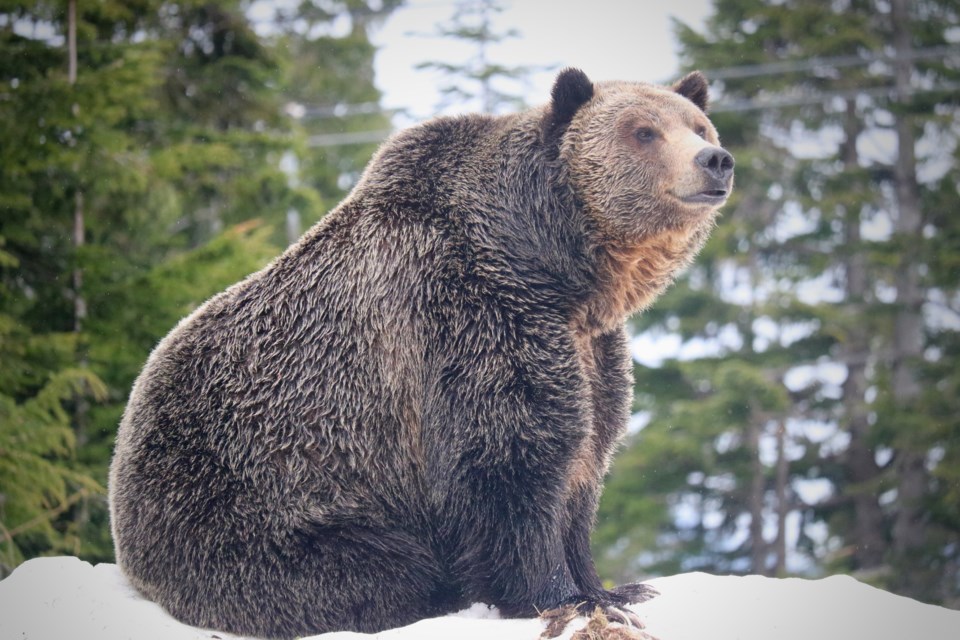
Grizzly bears in B.C. can only be shot with a camera….and a telephoto lens.Marcus Timms/Moment/Getty Images
B.C. professional hunting guides and outfitters are in court to challenge a provincial ban on grizzly bear hunting they say was purely political and not based on sound wildlife conservation science.
B.C. hunting guides and outfitters, led byRon Fleming and his wife, Brenda Nelson, of Love Bros. & Lee, areseeking certification of a class action lawsuit against the government, arguing the ban has caused them undue financial harm and was not warranted by conservation concerns.
In their petition to the BC Supreme Court, they argue that the decision to outlaw the grizzly bear hunt in B.C. has been devastating to the more than 100 guide outfitters in B.C. that relied on grizzly bear hunting as part…
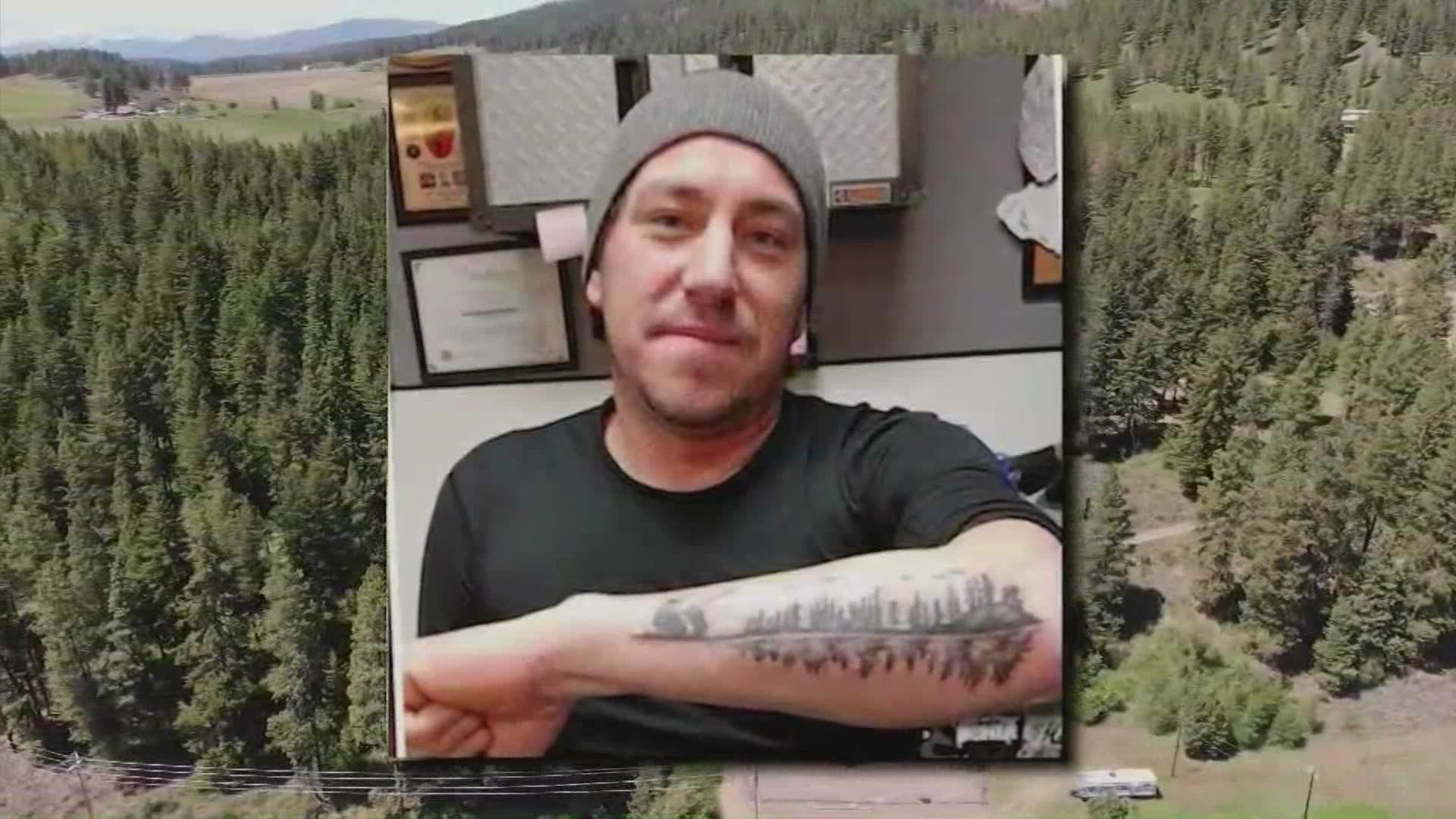
Investigators found evidence indicating Ian Eckles was killed but his body was never found. His family’s top priority is laying him to rest with respect.
SEATTLE — Two years after a Kent mandisappeared near Cle Elum, his family is still looking for answers and hoping for closure.
“Life goes by and you kind of feel stuck in the same moment,” said Nate Eckles, whose younger brother Ian Eckles was reported missing May 18, 2020. “Every day that passes, you just don’t know where he is or if we’ll ever be able to bring him home.”