Pennsylvania Game Commission: No charges in separate hunting-related accidents.

Exposing the Big Game's avatarCommittee to Abolish Sport Hunting Blog

The Pennsylvania Game Commission won’t file charges in connection with a fatal November hunting-related shooting in Warren County nor in a separate hunting accident earlier this month in Crawford County.

Investigations into the separateincidents have been completedwith no chargesfiled, Jason Amory told the Tribune. Amory is theinformation and education officer with the Pennsylvania Game Commission’s Northwest Regional Office in Franklin.

Gary Hunt, 64, of Corry, died after he was shot fatally in the abdomen byhis hunting companion’s .270-caliber rifleas the two men were crossing a creek around noon Nov. 20 in western Warren County. The two men were bear hunting onState Game Lands 197 in Columbus Township, west of Corry.Hunt’s companion slipped or tripped as the two crossed the stream with an unintentional discharge of the companion’s rifle.

“There was no way to tell whether the safety (on the rifle) was…

View original post 191 more words

Mass koala deaths bring animal cruelty charges

10h agoFollowReact|72

Regulators in Australia have issued hundreds of animal cruelty charges over the deaths of dozens of koalas in the state of Victoria.© Getty ImagesKoalas are a protected species in the state of Victoria

The animals were found dead at a partially cleared timber plantation at Cape Bridgewater last year.

More were later euthanised because of dehydration and injuries sustained during the incident.AIOps Platform – Analyze Root Cause In MinutesAdhttp://www.logicmonitor.com/aiops-platform

A landowner and an earthmoving business are accused of harming and killing the animals by clearing the area.

They face 126 charges each. A second firm, a contractor, faces one charge of animal cruelty for disturbing the koala population.

They have yet to enter pleas. Victoria state’s Conservation Regulator did not name the accused.

Each charge can carry a large fine or a maximum 12-month jail sentence, BBC Sydney correspondent Shaimaa Khalil reports.

Blue gum trees – an important koala habitat – were harvested from the plantation, leaving only a few isolated pockets.

Some koalas had starved to death in the remaining trees. Others were apparently killed by bulldozers.

According to Australian broadcaster ABC, 21 koalas were found dead at the site and 49 more were euthanised.

The Victorian Conservation Regulator estimates that 200 koalas were affected by the incident.

Koalas are a protected species in Victoria.

Local resident Helen Oakley came across the dead animals and posted a video of herself sobbing and relaying the news, prompting the investigation.

She told ABC that she was “ecstatic” that charges had finally been brought after so long.

“I still think about the koalas every day,” she said.

Court Backlog Ends Any Hope of Wisconsin Wolf Hunt This Winter

Exposing the Big Game's avatarCommittee to Abolish Sport Hunting Blog

    a picture of a gray wolf in winter

    Three still-unresolved lawsuits will determine the fate of Wisconsin’s wolf hunt.Josef Pittner / GettySHARE

    Wisconsin hunters who were hoping to put a tag on a timber wolf this past November were stymied when Dane County Circuit Judge Jacob Frost issued a temporary injunction on October 22, blocking the hunt just weeks before the season was to open. Now, those left hoping that the injunction would be temporary enough to allow a hunt before the end of February are stymied again, as a backlog of court cases will postpone final rulings until spring, effectively ending any hope of a wolf hunt this winter.Top Articlesby Field & StreamNew York Records Second-Highest Number of Gun Sales Ever For 2021READ MORE“Like a Little Bear!” Man Kills Giant Possum Trying to Raid His Chicken CoopSecond Largest Gun Auction Ever Brings In $25 Million. See the Incredible Top 5 SellersVideo: Massive Crocodile Gulps Down Small Shark in AustraliaA Christmas Story: Boots Like the Old Timers at DeerCamp Worehttps://imasdk.googleapis.com/js/core/bridge3.493.0_en.html#goog_244791518https://imasdk.googleapis.com/js/core/bridge3.493.0_en.html#goog_1764875882https://imasdk.googleapis.com/js/core/bridge3.493.0_en.html#goog_1589586539javascript:falsejavascript:falseA Christmas Story: Boots Like the Old Timers at Deer Camp Wore

    Animal-advocacy groups that sued to block the hunt are celebrating the delay. According theSheehafer News, executive director of Friends of the Wisconsin Wolf and Wildlife…

    View original post 389 more words

    Famed scientist Jane Goodall warns against charitable Christmas gifts

    “Farm animals are bought in great numbers by generous donors. Unfortunately, this can result in unintended consequences.”ByBrooke Migdon | Dec. 22, 2021https://imasdk.googleapis.com/js/core/bridge3.493.0_en.html#goog_4129378252 seconds of 15 secondsVolume 20%This video will resume in 12 seconds

    https://thehill.com/changing-america/sustainability/environment/586903-famed-scientist-jane-goodall-warns-against 

    Famed scientist Jane Goodall warns against charitable Christmas gifts

    “Farm animals are bought in great numbers by generous donors. Unfortunately, this can result in unintended consequences.”ByBrooke Migdon | Dec. 22, 2021https://imasdk.googleapis.com/js/core/bridge3.493.0_en.html#goog_4129378253 seconds of 1 minute, 46 secondsVolume 20% 

    Story at a glance

    • Jane Goodall is warning people against giving live animals to communities or individuals in developing countries this year, arguing that these gifts can strain the areas’ water supply.
    • Several charitable organizations encourage donors to give animals like goats, pigs, sheep or heifers to people in developing countries.
    • Goodall says donors’ money would be better spent on initiatives like seed hubs, water irrigation systems and soil regeneration.

    Pioneering scientist and conservationist Jane Goodall has joined a number of others in warning against gifting animals like goats or cows this holiday season to people in developing countries.

    The popularity of charity gifts has been growing in recent years, and some organizations allow donors to give livestock to communities in areas like Sub-Saharan Africa. One organization, Heifer International, based in Arkansas, encourages the gifting of live animals like goats, pigs, sheep, alpacas and heifers, or young female cows.

    Heifer International argues that animal gifts are a sustainable way to feed hungry families.

    “Giving an animal gift at the holidays is like giving someone a small business, providing wool, milk, eggs and more,” reads a portion of its website.


    America is changing faster than ever! Add Changing America to your Facebook or Twitter feed to stay on top of the news.


    But Goodall says these gifts can do more harm than good because an influx of live animals can put pressure on an already-strained water supply in many developing countries.

    “In the lead-up to Christmas, many people are feeling generous and want to help those less fortunate than themselves. There are a number of organizations that have launched campaigns, suggesting that one way to help those suffering poverty and hunger is to gift them an animal, such as a heifer,” she says in a YouTube video uploaded this week.

    “As a result, farm animals are purchased in great numbers by generous donors. Unfortunately, this can result in unintended consequences. The animals must be fed and they need a lot of water, and in so many places water is getting more and more scarce thanks to climate change,” she says, adding that “veterinary care is often limited or totally lacking.”

    As an alternative, Goodall in the video recommends donors invest in community seed hubs, water irrigation systems and soil regeneration.

    “It will be ever so much better to help by supporting plant-based projects and sustainable irrigation methods, regenerative agriculture to improve the soil. Well this means charities must develop plans to create a gift package that will appeal to the generosity of those who want to help those less fortunate than themselves,” she says.


    READ MOR

    Five hunters charged with poaching waterfowl in Narragansett Bay. Here’s what we know.

    Exposing the Big Game's avatarCommittee to Abolish Sport Hunting Blog

    Jack PerryThe Providence Journal0:003:51ADhttps://imasdk.googleapis.com/js/core/bridge3.493.0_en.html#goog_1637781644

    https://www.providencejournal.com/story/news/crime/2021/12/20/narragansett-bay-ri-hunters-accused-poaching-ducks-geese-hunting-violations-jamestown/8966182002/

    Five hunters face criminal and civil penaltiesafterthe Rhode Island Department of Environmental Managementreceived a report of hunters poaching ducks.

    The DEM also seized five guns from the huntersand at least a dozenbirds, according to information in aDEM Facebook post.

    The investigation started last weekend when the DEM received a complaint of “poachers shooting ducks while their boat was still under power in lower Narragansett Bay,” the DEM said.

    On Saturday morning, a DEM officer patroling Jamestown saw “a boat matching the description and the hunters onboard shoot several ducks while under power,” the DEM statesin the Facebook post.

    View original post

    15 Wolves Hunted Directly North of Yellowstone National Park This Winter

    Exposing the Big Game's avatarCommittee to Abolish Sport Hunting Blog

    • By Helena Dore Chronicle Staff Writer
    • Dec 18, 2021UpdatedDec 19, 2021

    Alpha Male Wolf Howling (copy)
    An alpha male wolf howls in the Lower Geyser Basin at Yellowstone National Park.Jim Peaco/National Park Service

    urn:uuid:654737a8-ccea-cd7a-3bb1-cd7accea6547urn:uuid:65473f96-ccea-cd7a-339f-cd7accea6547TownNews.com Content Exchange

    Fifteen wolves have been hunted in two wolf management units directly north of Yellowstone National Park so far this winter, and wolf trapping there hasn’t begun yet.

    The numbers from Montana Fish, Wildlife and Parks have some worrying about how the state’s wolf trapping season will impact populations in Yellowstone. Several packs are concentrated at the northern end of the park, and the animals often wander over the border into Montana.

    In past years, annual quotas prevented hunters and trappers in Montana from taking more than two wolves in wolf management units 313 and 316, which border Yellowstone to its north.urn:uuid:2cd42617-da80-b55b-2634-b55bda802cd4

    The quotas were lifted this August at a Montana Fish and…

    View original post 592 more words

    ‘Antiquated and cruel’ snares are trapping pet dogs and cats – must be banned

    SNARES are “antiquated, cruel and hideous”, Chris Packham said as he backed a new petition calling for the animal traps to be banned.

    By KATIE HARRIS10:30, Sun, Dec 19, 2021 | UPDATED: 12:20, Sun, Dec 19, 202135Copy link

    Animal Aid raise awareness of campaign to ban use of snares

    Sign up to receive our rundown of the day’s top stories direct to your inbox SUBSCRIBE

    We use your sign-up to provide content in ways you’ve consented to and to improve our understanding of you. This may include adverts from us and 3rd parties based on our understanding. You can unsubscribe at any time. More info

    The TV presenter and conservationist is backing Animal Aid’s petition to make snares illegal. The wire nooses – which are banned throughout most of Europe – are used to catch animals such as foxes and rabbits viewed as pests.

    The Countryside Alliance said they are an “important tool in wildlife management”.

    But campaigners argue they cause huge suffering and catch other animals such as protected badgers and even pet dogs and cats.

    Mr Packham told Express.co.uk the use of snares was “antiquated, cruel and hideous”.

    He added: “There’s no room for snares in the UK countryside in the 21st century.”

    snare

    Campaigners are calling for a ban on snares (Image: HIT)

    cat snare

    Snares can trap pet dogs and cats (Image: NC)

    Jessamy Korotoga, head of campaigns at Animal Aid, said: “Many people can’t believe that snares are still legal.

    “These cruel and indiscriminate traps can, and do, catch foxes, cats, dogs, deer and badgers, leading to excruciating injuries and prolonged deaths.

    “Animals who are caught can struggle to escape – the wire snare is capable of cutting through flesh and bone. Even if an animal escapes, they can die later of their injuries.

    “This is why Animal Aid, along with many other animal protection groups and their millions of supporters, are calling for a ban on snares.”

    READ MORE: Rescue dog finds his voice to save two men from drowning

    chris packham

    Chris Packham has been campaigning against snares for years (Image: GETTY)

    Snares should be regularly checked and animals humanely killed, but Mr Packham said this does not always happen in practice. 

    He said: “The animals die of starvation, they die of dehydration, they die in excruciating pain, often they break their limbs.

    “The other thing is that if you have a small animal that’s trapped, then a larger animal will come and eat it.”

    Hunting guides turn to ecotourism as COVID-19 keeps American hunters away

    Hunting guides adapt

    The Canadian Press – Dec 19, 2021 / 6:36 am | Story: 355013Photo: The Canadian PressDominic Dugre, President of the Canadian Federation of Outfitter Associations.

    https://www.castanet.net/news/Canada/355013/Hunting-guides-turn-to-ecotourism-as-COVID-19-keeps-American-hunters-away

    Hunting guides, hit hard by COVID-19 restrictions on travel keeping foreign customers out of the country, are turning to ecotourism, including wildlife viewing, snowmobiling and guided hikes, to keep their business alive during the pandemic.

    The body representing Canada’s outfitters says far more of their members have been opening up their cabins and lodges in Canada’s backcountry — as well as transport by small plane and horseback — to people who want to enjoy the outdoors and view wild animals but not hunt them.

    The COVID-19 pandemic has also seen a rising number of licences reserved for hunters from outside Canada made available to Canadians, some of whom have taken up hunting for the first time.

    Some outfitters say they have not had a single client from outside Canada since March 2020 until recently, after the border reopened to vaccinated Americans in August.

    With thousands of American hunters who usually come to Canada to shoot big game forced to stay away during COVID-19, some outfitters say there also are hundreds more bears in their areas.

    COVID-19 has led some provinces, including Saskatchewan, to try to bolster the hard-pressed outfitting industry by offering bear-hunting licences usually reserved for non-residents to local Canadians.

    Dominic Dugre, president of the Canadian Federation of Outfitter Associations, said COVID-19 has had a devastating impact on Canada’s guided hunting industry, though less so in Quebec where most hunting is local.

    He said some outfitters, catering to hunters from abroad, “have lost 99 per cent of their clients.”

    COVID-19 benefits, including wage subsidies, have helped hard-pressed hunting guides. But many have branched out into ecotourism to survive, catering to the rising number of Canadians enjoying outdoor pursuits such as snowmobiling during the pandemic.

    “It’s a trend to diversify right now because of COVID. Many outfitters have opened up their cabins for people. There are more and more outfitters offering (guided) wildlife viewing. Hunters have changed too. We have seen more and more women and families taking up hunting and fishing,” Dugre said.

    Gudie Hutchings, the federal rural economic development minister, who was involved in the formation of the Canadian Federation of Outfitting Associations, said the guided hunting industry catering to Americans and Europeans was “totally decimated” last year.

    But she said the government provided emergency help including wage subsidies, which have just been extended.

    “Some provinces did pivot to allow Canadians to apply for licences,” she said, adding that in Newfoundland and Labrador where she lives, there was “a half-decent hunting season this year.”

    Mike McIntosh, founder of Bear With Us, an Ontario centre which rescues orphaned bear cubs and injured bears, said he feared Canadians who have taken up bear hunting may be killing more bears than Americans who hire professional guides directing and witnessing hunts.

    Most licences only allow a hunter to kill a single bear, and this must be reported.

    “The fact that we have had a COVID situation and we have fewer non-resident hunters hasn’t affected bear numbers in Ontario. There’s still just as many bears being killed, if not more, by resident hunters who have taken up bear hunting during COVID,” Macintosh said.

    Ontario’s Natural Resources Ministry said it had deferred its usual surveys of black bear populations for 2020 and 2021 until 2022 due to COVID-19.

    Most outfitters guide hunters from outside Canada, with many buying packages including lodge accommodation and transport by small plane, worth thousands of dollars. Canadian hunters tend to go it alone, or with friends or family.

    Scott Ellis, chief executive of the Guide Outfitters Association of B.C., and vice-president of CFOA, said each province was a little different when it came to the number of non-resident hunters, but overall outfitters had seen a 75 per cent to 85 per cent decline in the number of hunters from outside Canada since the start of the pandemic, with a 100 per cent decline in some cases.

    He said that B.C.’s 180,000-strong bear population had not seen a noticeable increase without American hunters, but said “in localized spots if you have 2,200 less guided clients, there are going to be 2,200 more bears.”

    Ellis said outfitters have been catering to the rising numbers of Canadians seeking safe outdoor leisure pursuits during the pandemic.

    “Where they have no clients, some are renting out cabins for people to do fishing or nature viewing, or fat-biking, which you can do in the snow,” he said.

    Darrell Crabbe, executive director of the Saskatchewan Wildlife Federation, which manages land used for hunting, said during COVID-19 he had seen outdoor activity exponentially increase on land the federation manages, including wildlife viewing and an explosion in geocaching where people use a GPS system to hide and seek containers containing treasure, trinkets or notes in remote locations.

    Crabbe added that, without the American hunters, there were now “more bears around.”

    “Most Saskatchewan residents don’t hunt bear. We know the population is rising based on the counts, but we have not had a problem,” he said.

    In Saskatchewan, there was a huge drop in the number of Americans buying licences for guided hunts. But many of the bear-hunting licences reserved for non-residents have now been taken up by people who live in Saskatchewan.

    Val Nicholson of the Saskatchewan Ministry of Environment said in a normal year, approximately 1,800 guided bear licences are sold, mainly to American hunters.

    “Even if all were successful, this harvest would not significantly affect overall populations,” Nicholson said.

    Alberta Environment and Parks said in a statement it did not expect changes in hunting pressure to affect overall wildlife populations.

    “Alberta resident hunters make up the majority of hunters in the province and have increased during COVID,” it added.

    In Nova Scotia, where most people hunt deer, more local people have also taken up hunting as a pastime during the pandemic, the wildlife division of the provincial government said.

    Ellis said COVID-19 would be a catalyst for the outfitting industry to pivot and offer more guided outdoor pursuits as well as hunting in future. Many had already started offering snowshoeing, wildlife viewing and trips to watch the Northern Lights, he said.

    The experience would not appeal to everybody, though, as cabins and lodges are set deep in the backcountry in remote areas, only accessible by horse, plane or helicopter, he said.

    “They may have a couple of cabins that sleep four but it could be a three-day hike to get there,” he said. “Some want to watch animals. In the spring, you can see the bears which come out to the grass and clover in some spots.”

    “Some people are going there to ski, snowmobile or just do nothing, say if they are from Toronto and just want to watch the Northern Lights or listen to nature sounds.”

    When humans are gone, what animals might evolve to have our smarts and skills?

    Exposing the Big Game's avatarThe Extinction Chronicles

    ByJoanna Thompsonpublished1 day ago

    Is this a “Planet of the Apes” situation?

    https://www.livescience.com/what-animals-will-fill-human-niches

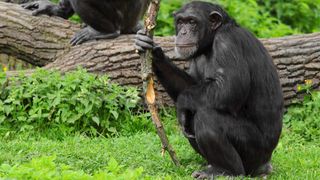
    Chimpanzees are adept at using tools in the wild

    Chimpanzees are one of nature’s most adept tool-users(Image credit: Getty Images)

    Humans are pretty unique among life on Earth. As far as we know, we’re the only living species to evolve a higher intelligence, wear clothes, cook our food, invent smartphones and then get locked out of them when we forget our passwords.

    But what if humans suddenly went extinct? What other animals might evolve to have the smarts and skills to create large, complex societies like we have?

    With modern gene-sequencing technology and our understanding ofevolution, “we’re pretty good at making short term predictions,” Martha Reiskind, a molecular ecologist at North Carolina State University, told Live Science. For example, we can predict that if humans were to suddenly go extinct tomorrow,climate changewould continue to drive many species toward drought resiliency…

    View original post 1,247 more words

    No criminal charges expected for deer hunter death

    Exposing the Big Game's avatarCommittee to Abolish Sport Hunting Blog

    BY:JARED STRONG– DECEMBER 14, 20215:14 PM

     (Photo courtesy of National Park Service)

    The person who shot and killed a fellow deer hunter near Knoxville this month will not be charged with a crime, according to the Iowa Department of Natural Resources.

    Nathan Allen Sharpnack, 37, of Winterset, was shot about 2:45 p.m. on Dec. 4 as he sought to push deer in the direction of fellow hunters who were part of a 20-person group. It was the first day of the state’s shotgun deer season.

    The group was hunting in a public area near Lake Red Rock north of Knoxville that is mostly wooded with rolling hills. The person who shot Sharpnack was about 150 yards from him. A shotgun slug struck Sharpnack in the torso.

    None of the hunters had consumed alcohol, said Mick Klemesrud, a DNR spokesperson.

    “Based…

    View original post 157 more words