DAVID UNWIN/STUFFPalmerston North writer Mervyn Dykes in 2018 with his just realised book Polio and Me.
OPINION:If you think we are hard done by with all the Covid restrictions, have a chat with your parents and grandparents, if you are lucky enough to have them still around.
In terms of case numbers and deaths, Covid is just a beginner.
Of course much can be made of the brilliant efforts to produce effective vaccines in a startlingly short time, but the figures from earlier disease outbreaks make us realise just how fortunate we are.
No, we are not talking of the Black Death here – as horrifying as it was. We are talking of two recent pandemics – the “Spanish” flu and Poliomyelitis, or polio for short.
To date we have had 28 Covid-19 deaths in New Zealand, though no doubt others are on the…
These particular killings are even more heartbreaking because this pack had been studied by students from the nearby high school for nearly 20 years. Timberline High students were shocked to learn that federal agents had killed the pups, and said they planned to…
Mother black bears emerge from their dens in the spring with their newborn cubs. Trophy hunting bears at this vulnerable time is exceptionally cruel. George Sanke/Alamy Stock Photo
For all of us, fall is a time for winter preparation. For black bears, that means packing on the pounds to build a fat layer robust enough to withstand months of winter hibernation without eating, and even more so for female bears who will birth and care for newborn cubs during their denning season. But black bears are not the only ones looking forward to spring when they can finally emerge from their slumber—trophy hunters are also loading their guns, stocking their bait and readying their hounds for the chase.
A handful of state wildlife agencies in the western U.S. are currently planning their spring black bear hunting seasons, when trophy hunters will be allowed to target bears soon after these iconic and beloved animals emerge from hibernation. When they come out of their dens, black bears are malnourished, lethargic and vulnerable, which makes hunting them at this time exceptionally cruel. Hunters also put newborn cubs at risk of being orphaned, and cubs under nine months (or more) cannot survive without their mother. If a trophy hunter kills a mother bear, her orphaned cubs of the year will die from starvation, predation or exposure to the elements. And in some states, like Washington, Nevada and Arizona, trophy hunters are even allowed to kill the newborn cubs themselves. In the worst iteration of this cruelty, Alaska allows the killing of bears and their cubs while they are still in the shelter of their den.
Even if hunters tried to avoid killing mother bears with nursing cubs, it still happens far too frequently, since a mother bear often keeps her cubs in a tree while venturing off to forage for food. And trophy hunters are notoriously bad at identifying the sex of a bear before the killing.
The HSUS
The Oregon Fish and Wildlife Commission recently approved a proposal to allow spring bear hunting in 2022, authorizing the sale of more than 10,000 bear hunting tags for the spring season. The Washington Fish and Wildlife Commission is currently considering its own 2022 spring bear hunting season, and will vote in November on whether or not to allow it to move forward. And the Arizona Game and Fish Department is currently working on an update to hunt guidelines, including those dealing with spring black bear hunting.
We continue to push back against spring bear hunts and the killing of cubs in states that still allow these exceptionally cruel practices. Black bears should be regaining their strength after months in hibernation and caring for their newborn cubs rather than trying to escape from trophy hunters. Certainly, no hunter can justify the killing of newborn cubs who cannot defend themselves or outrun packs of dogs in states where bear hounding is permitted, such as Arizona and Nevada.
A recent poll conducted by hunting groups shows that a majority of people in western states oppose spring bear hunting. The very least wildlife agencies can do is prohibit spring hunts that tear bear families apart and leave cubs to starve. Most states—even those that allow black bear hunting at other times of the year—prohibit the killing of bears during spring and the killing of cubs. There is no reason the remaining states can’t follow suit. These practices are not supported by public values or science.
Multiple Coronaviruses Found in Animals Around Utah Mink Farms
Release Date: OCTOBER 7, 2021https://www.usgs.gov/news/multiple-coronaviruses-found-animals-around-utah-mink-farms
Scientists detected six types of coronaviruses in numerous wild and domestic mammals sampled on and near mink farms in Utah, according to a U.S. Geological Survey-led study available today.
An image of a wild mink. (Credit: Tom Koerner, USFWS. Public domain.)
The USGS and federal and state partners investigated Utah mink farms where SARS-CoV-2, the coronavirus that causes COVID-19, was discovered in farmed mink in August 2020. In this follow-up study, the scientists examined a variety of mammals living on and near the farms to determine if other species were infected with the virus. They found coronaviruses in 72% of the 365 animals studied, including rodents, raccoons, skunks, mink and domestic cats.
“We did not expect to find such a high prevalence and diversity of coronaviruses in so many animals,” said Hon Ip, a USGS scientist and the lead author of the study. “These findings provide insights into the potential for coronaviruses to recombine and evolve.”
There are two major categories, or genera, of coronaviruses known to infect people: alpha and beta. SARS-CoV-2 is a betacoronavirus. Within these two genera are multiple groups of coronaviruses. The study identified at least three groups of alphacoronaviruses and four groups of betacoronaviruses in the mammals, including 74 detections of SARS-CoV-2 in mink. Over 10% of the animals were infected with more than one coronavirus.
“This research addresses a pressing need, highlighted by the emergence of SARS-CoV-2, to better understand the kinds of coronaviruses that wildlife and other animals can carry,” said Jonathan Towner, a disease ecologist at the Centers for Disease Control and Prevention and a co-author on the paper.
The USGS partnered with the CDC, the U.S. Department of Agriculture, the Utah Department of Health and the Utah Department of Agriculture and Food on the study. It is published in the journal Viruses.
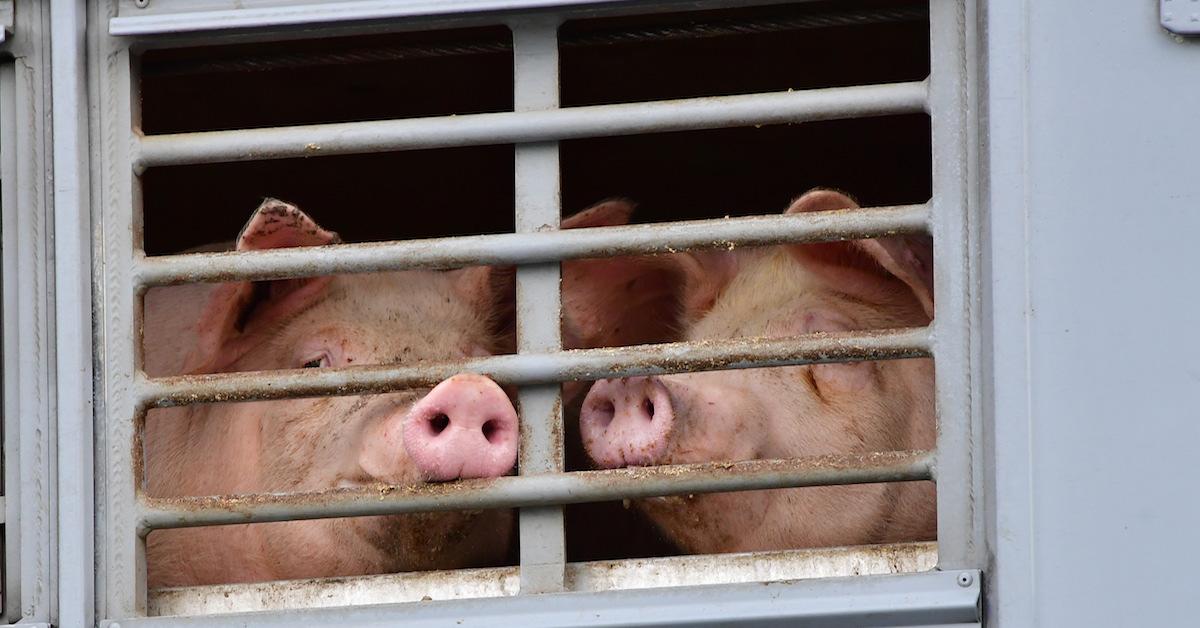
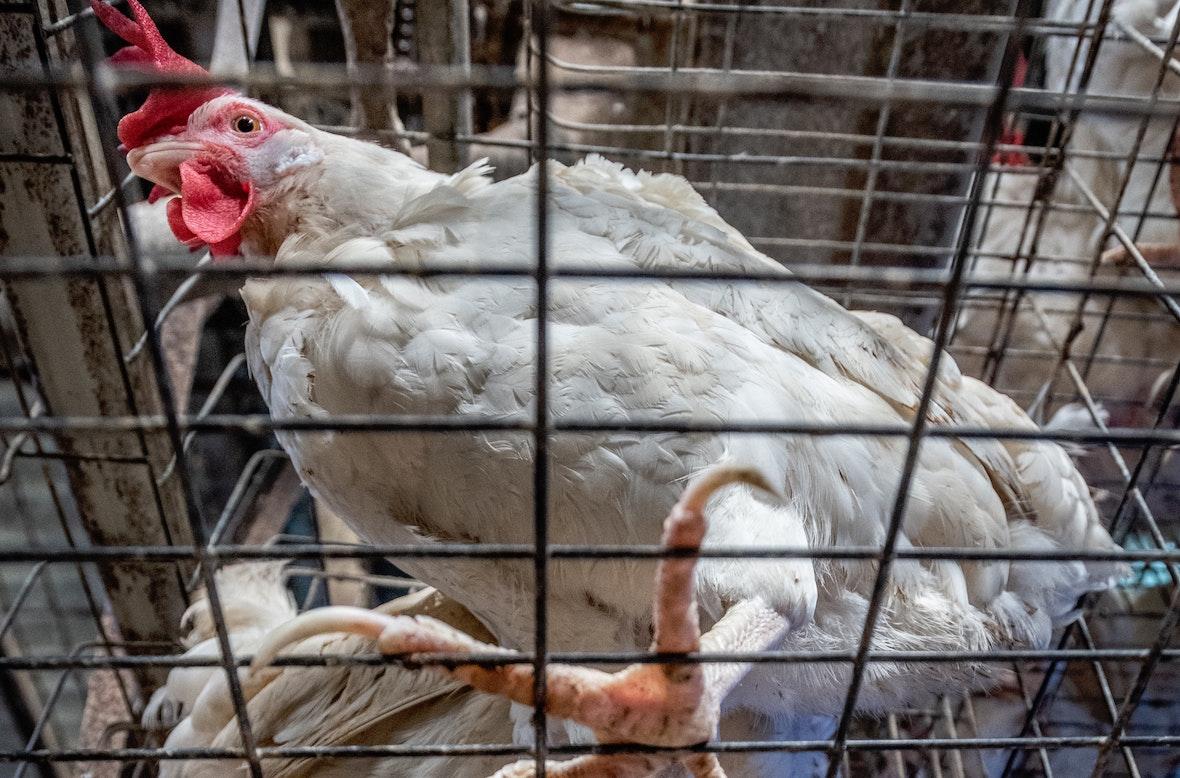
When you walk into a grocery store and buy a product made from an animal, chances are good that it was produced through factory farming. Even if you don’t know what factory farming is, you’ve likely heard tales about the horrific conditions that animals on industrial farms are made to endure. Nevertheless, you might not be aware of all the destructive ways that factory farming affects the environment, the public health, and the rural communities that rely on it for their livelihoods.Article continues below advertisement
What is factory farming?
According to The Humane League, factory farming is an industrial method of raising livestock, whether it’s for food, leather, wool, or any other use. In a given year, about 10 billion animals in the U.S. are raised and killed for meat, dairy, and eggs. The idea behind factory farms is simple; use the least amount of resources that you can, in order to maximize your profits. Most of the time, this involves cutting corners.
Animals are confined to smaller living spaces, fed food that is less nutritious and more fattening, and kept in close proximity to maximize production. It is not a good life for the animals, some of whom are never allowed to see the light of day nor tread upon actual earth. But neither is it a good vocation for the individuals who work on the farms.Article continues below advertisementhttps://f2661f139900f3dbedf8e4af2f7b5224.safeframe.googlesyndication.com/safeframe/1-0-38/html/container.html
The people who run these facilities are forced to witness or deliver cruelty unto their charges, or else risk losing their livelihood in a sea of demanding investors and hungry Americans. In the clip below, comedian John Oliver discusses the inherent cruelty of the factory farming industry, as well as the emotional and economic plight of those whose jobs and families depend on it.https://www.youtube.com/embed/X9wHzt6gBgISOURCE: LASTWEEK TONIGHT/YOUTUBEArticle continues below advertisementhttps://f2661f139900f3dbedf8e4af2f7b5224.safeframe.googlesyndication.com/safeframe/1-0-38/html/container.html
How does factory farming affect the environment?
Factory farming is terrible for a great many reasons, but as far as the environment is concerned, the most egregious sin has to do with pollution.
Factory farming greatly contributes to global warming.
Factory farming is one of the biggest contributors of greenhouse gas emissions on the planet. According to Do Something, it accounts for 37 percent of all global methane emissions, and methane warms the planet about 20 times faster than CO2. Hydrogen sulfide and ammonia are also emitted by factory farms and contribute to the greenhouse effect.Article continues below advertisementhttps://f2661f139900f3dbedf8e4af2f7b5224.safeframe.googlesyndication.com/safeframe/1-0-38/html/container.html
That doesn’t even count the amount of fossil fuels that are burned to feed, house, and transport the animals and subsequent animal products themselves. Fertilizer, which is used to grow feed crops for livestock, is also produced by burning fossil fuels. A whopping 41 million tons of CO2 are emitted each year in order to create this fertilizer.
Factory farming pollutes local habitats, water sources, and surrounding areas.
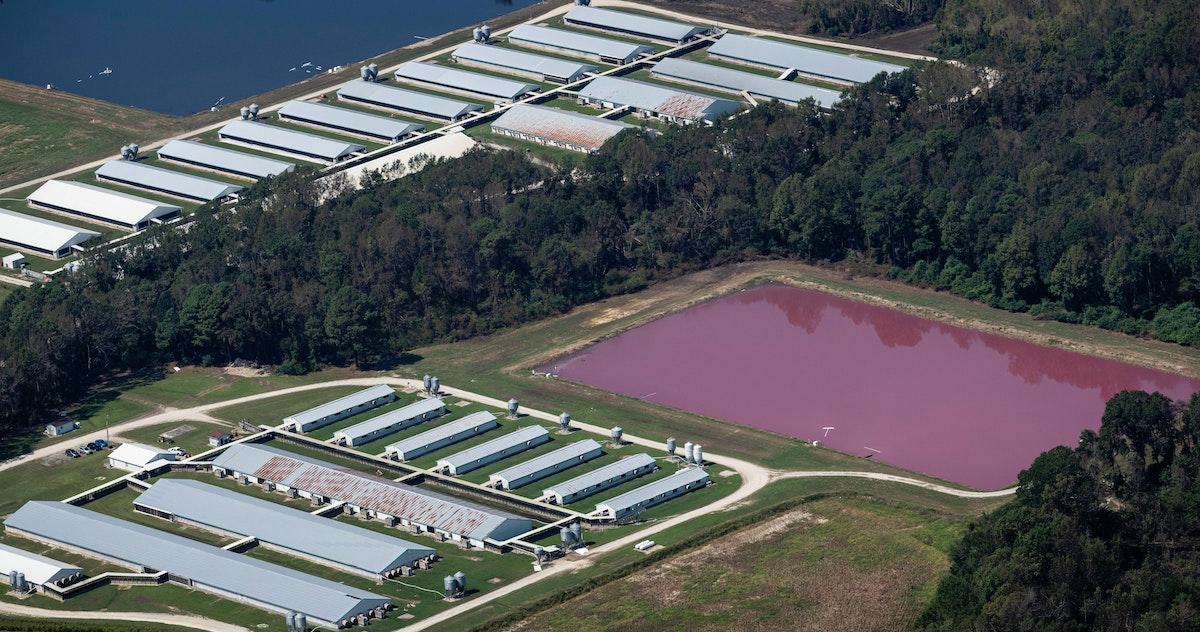
Water and soil pollution is also fairly prevalent in industrial farming areas. 10 billion animals produce an awful lot of manure — approximately 1 million tons or more, according to Pace University. That waste doesn’t just contain traces of salt and heavy metals which can accumulate in water and affect the food chain. It also contains dangerous amounts of phosphorus and nitrogen, the latter of which can cause water to become anoxic and unable to support life.
In addition, animal waste from factory farms contains trace amounts of undigested antibiotics, which are given to the animals to prevent bacteria and disease from spreading in such confined, filthy, overcrowded spaces. When that waste makes it into the water table, whole ecosystems are affected from the bacterial level up, eventually breeding new and dangerous zoonotic bacteria that go on to affect humans as severely as the swine flu, bird flu, or the Nipah virus.Article continues below advertisementhttps://f2661f139900f3dbedf8e4af2f7b5224.safeframe.googlesyndication.com/safeframe/1-0-38/html/container.html
Factory farming leads to deforestation.
In order to make room for the animals, feed crops, and the farm locations themselves whole swaths of land need to be clear cut out of the way. According to Mala Forest, factory farming in the U.S. has resulted in more than 260 million acres of forested land being cleared away to make room for feed crops alone. In the same way, whole rivers and reservoirs need to be repurposed for use by these massive farms.Article continues below advertisementhttps://f2661f139900f3dbedf8e4af2f7b5224.safeframe.googlesyndication.com/safeframe/1-0-38/html/container.html
Factory farming needs to change.
Until the world starts adopting a more sustainable, plant-based lifestyle, the mass production of animal-based food sources is going to continue to be a necessary evil. That said, the only thing stopping the industrial farm industry from being safer, more eco-friendly, and more humane, is ultimately money — something which the majority of factory farm owners have more than enough of, in large part thanks to government agricultural subsidies.
If that mindset does not change, nothing else will either. In the meantime, the best we, as individuals can do is to make dietary changes in our own lives and continue to fight for the rights of animals and our own rights as fellow citizens of the planet that these monstrous industrial farm owners are currently polluting.
WARNING: This article contains images of dead birds.
An unprecedented number of seabirds have been found dead or starving on the Northumberland coast.
Hundreds of guillemots and razorbills – and smaller numbers of puffins and kittiwakes – have been affected.
But the cause of their demise is unknown. Why might these precious be creatures dying in such large numbers?
There’s more dead birds than plastic bottles. It’s horrible. It’s actually soul destroying. It’s upsetting. You close your eyes to go to sleep and I can just see the beach littered with dead birds. The poor things. You just think: ‘What’s happened? What have we done?” Jane Hardy, marine wildlife rescue volunteer on Warkworth Beach
Lack of food
At this time of year, the birds should be out at sea – plumping up for the winter months ahead.
Instead, they are showing up emaciated on the beach. Could the birds be starving to death due to a lack of fish – possibly the result of overfishing and climate change?
Dr Francis Daunt from UK Centre for Ecology and Hydrology says sightings of feeding birds bring this “obvious explanation” into question.
We’re seeing a lot of feeding by sea birds just close to our coasts, which suggests there is food. And that’s why it’s making us think about this alternative possibility, which is about toxic poison. Dr Francis Daunt, UK Centre for Ecology and Hydrology
Blue algae
Are the birds ingesting poison?
Blooms of blue algae – a bacteria which can produce toxins that are harmful to pets and wildlife – have recently appeared off the Scottish coastline.
Blue algae off the coast of Scotland
There have currently been no confirmed cases of bird deaths in Northumberland due to blue algae poisoning.
Avian flu
The Department for Environment, Food and Rural Affairs (DEFRA) has been made aware of the deaths and has tested some of the birds for avian flu.
The coastal area is home to auk birds such as guillemots. Picture: North Wales Police Rural Crime Team/Twitter 16 comments
The arrival of the guillemots took many frequenters of the east coast shoreline by surprise this year. These are relatively unfamiliar visitors, wary of coming too close to humans, yet here they were, far from their normal feeding grounds, some of them even paddling, unusually, up rivers. Worse still was the dead bodies and sick birds found on the sands. One birdwatcher on Leven beach in Fife reported finding 23 of the birds dead, and the beach “covered with feathers”. A thousand guillemots, according to news reports, have been found dead on the coast of Scotland, as well as many razorbills, but why?Which Travel Card Has The Most Valuable Miles?NERDWALLET|SPONSORED Winthrop, Washington Discover great mortgage rates in 2021NERDWALLET NMLS ID# 1617539|SPONSORED by Taboola
Were they poisoned? The victims of plastic pollution? A disease? Or starved?
Various possibilities were proposed, bird flu being one of them – but when birds were tested for the virus the results were negative. What was striking though was how emaciated the birds were. Many weighed half their normal body weight of just over a kilogram. Researchers at the Centre for Ecology and Hydrology have confirmed that the birds had indeed died of starvation. As Dr Francis Daunt, seabird ecologist at the centre, has put it, “these birds seem desperate. They are calling, sitting on the river shore, not really doing anything because they are probably starving and they’re not able to find food”.
So, the problem is not enough food source? The fish population, on which they depend, has been overfished, or declined?
That theory has been proposed by some, particularly given there is a fishery around sandeels, but it doesn’t seem to be what the experts are going for – even though, as Daunt puts it, “the most logical explanation is that there is a problem with their food supply”.
One of the reasons this theory is being taken so seriously is the fact the deaths have only occurred in two bird species – and that, as Daunt describes, “the effects of toxins are species specific”.
RSPB Scotland has also said that the algal bloom off the north-east coast is close to some key seabird feeding hotspots, and beached birds may have been feeding there and picking up algal toxins via the food chain.
Might this be related to climate change?
Research has shown that climate change is likely to cause an increase in frequency of algal blooms.
Should we be worried?
Any sudden death of seabirds like this should be a cause of concern, particularly given that, in Scotland, according to the Scottish Seabird Indicator, which tracks 11 seabird species, there has been a decline of 49 per cent since 1986.
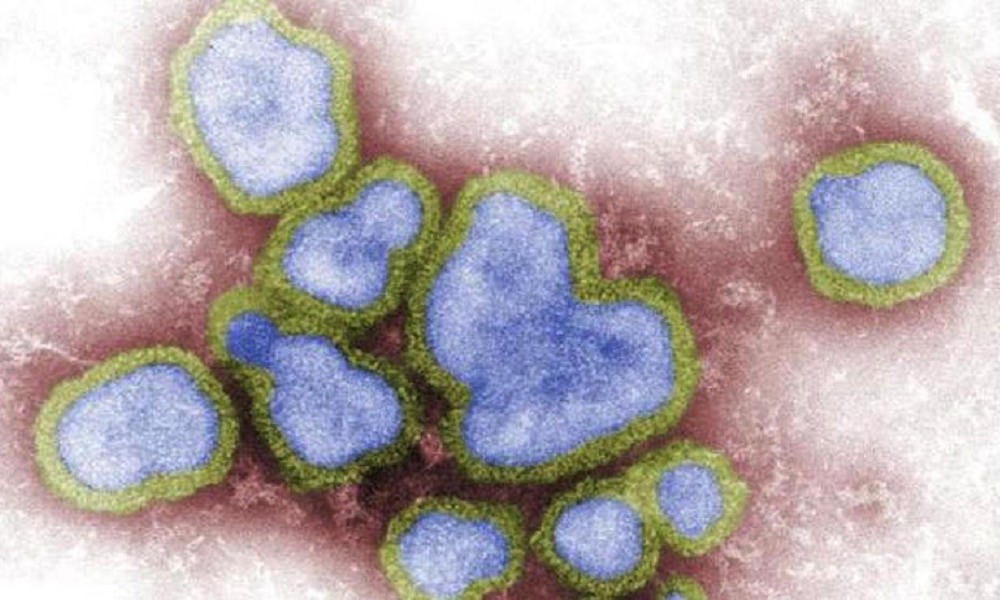
Micrograph of avian influenza, also known as bird flu (Credit: CDC/F.A. Murphy)
Two more people in mainland China, including a man who died, have tested positive for H5N6 bird flu, health officials announced on late Thursday. A rise in isolated cases has worried some researchers who have called for increased surveillance.
The first of the two new cases involved a 55-year-old man from Guilin, a city in the Guangxi Zhuang Autonomous Region, who visited a live poultry market before developing symptoms on August 23. He was hospitalized on August 30 and remains in serious condition.
Another case was reported in the same city on Wednesday, when health officials confirmed the death of a 26-year-old woman who reported having contact with live poultry. She developed symptoms on August 14 but the case was not publicly reported until this week.
The second case on Thursday involved a 72-year-old man from Chongqing who developed symptoms on September 16 after contact with sick poultry, according to officials in Hong Kong, who are monitoring cases on the mainland. The man was hospitalized after three days and has since died.
Only 48 people have been infected with H5N6 bird flu since the first confirmed case in 2014, but a third of those have been reported during the last 2.5 months. Half of all cases were reported during the last year.
H5N6 bird flu is known to cause severe illness in humans of all ages and has killed more than half of those infected, according to WHO. There are no confirmed cases of human-to-human transmission but a 61-year-old woman who tested positive in July denied having contact with live poultry.
Earlier this month, a study published by China’s Center for Disease Control identified several mutations in two recent H5N6 cases.
“The increasing genetic diversity and geographical distribution of H5N6 pose a serious threat to the poultry industry and human health,” the researchers said. “The increasing trend of human infection with avian influenza virus has become an important public health issue that cannot be ignored.”
The World Health Organization (WHO) did not respond to requests for comment about the new cases.
“While recently-identified avian influenza viruses do not currently transmit easily from person to person, the ongoing circulation of these viruses in poultry is concerning, as these viruses cause severe disease in humans and have the potential to mutate to become more contagious between people,” WHO says on its website. “WHO’s Health Emergencies Programme therefore monitors human cases of avian influenza on an ongoing basis.”
(CNN) —You’re out for a hike on a glorious fall day. Suddenly, you spot a bear. And the bear has spotted you, too. Would you know what to do next?Beth Pratt sure would.She was once on the Old Gardiner Road Trail in Yellowstone National Park, enjoying her run in wild nature. Her reverie came to an end when she came upon a grizzly bear eating flowers.”I stopped. It stood on its hind legs and looked at me. I knew that wasn’t a threatening gesture,” she toldCNN Travel. “I’m not kidding, it waved its paw at me as if to say, ‘just go on your way,’ and went back to eating.””And I walked slowly away and put some distance between us, and the encounter ended fine.”When it comes to dealing with bears, Pratt does have a thing or two on almost all…
Whether it’s a bluff or a genuine threat of invasion, the increase in Chinese military activity in Taiwan over the last few months has caused global concern.
At the heart of the divide is that the Chinese government sees Taiwan as a breakaway province that will, eventually, be part of the country again.
Many Taiwanese people disagree. They feel they in effect have a separate nation – whether or not independence is ever officially declared.
What is the history of this tension?
Going back to the beginning – the first known settlers in Taiwan were Austronesian tribal people, who are thought to have come from modern day southern China.
The island seems to have first appeared in Chinese records in AD239, when an emperor sent an expeditionary force to explore the area – something Beijing uses to back its territorial claim.