Bear capture case illuminates dark side of pursuing wildlife with dogs for ‘sport’

https://www.sltrib.com/news/environment/2021/06/07/bear-capture-case/

Parowan man who pleaded guilty wants his hunting privileges restored, while a dog trainer is headed to trial on felony charges.

(Utah Division of Wildlife Resources) Utah law allows hunters to pursue black bears with dogs, but a case involving a Florida dog trainer shows how this "sport" can veer off into criminality.

(Utah Division of Wildlife Resources) Utah law allows hunters to pursue black bears with dogs, but a case involving a Florida dog trainer shows how this “sport” can veer off into criminality.By Brian Maffly  | June 7, 2021, 5:00 a.m.| Updated: 6:26 a.m.

They chased a bear with dogs for at least 90 minutes before it collapsed from exhaustion and cowered in fear, then they put the dehydrated animal in a cage when it became unresponsive and appeared to be dying.

According to court records, William “Bo” Wood kept the bear at his hunting camp in Grand County for two days. After the bear recovered he released the animal to pursue it again, in violation of Utah hunting regulations that prohibit capturing bears and other protected wildlife.

While using dogs to pursue bears is legal and growing in popularity in Utah, the 2018 incident in the La Sal Mountains resulted in felony charges against Wood, 31, a Florida dog trainer who has been arrested for allegedly abusing bears in his home state, and his Utah companion Clifford Stubbs of Parowan.

The incident shines a light into the little-known and ethically suspect practice of pursuing wild animals for sport. Critics say such pursuits harass wildlife, which is not legal in any other context, and could endanger anyone coming upon a bear that had been traumatized by dogs.

Such concerns were front and center in this case, according to evidence presented Thursday to the Utah Wildlife Board as it weighed the fate of Stubbs’s hunting privileges.

Stubbs told the board he knew nothing of his friend’s crimes and condemned Wood’s alleged abuses. A 48-year-old concrete contractor, Stubbs did plead guilty to reduced misdemeanor wildlife violations, but asked the board to drop the three-year suspension imposed by the Division of Wildlife Resources, known as DWR. Stubbs claimed he acted to save the bear, which had collapsed beside a road near homes in a place called Willow Basin near Moab.

“The division wants to use wildlife conservation laws to punish Cliff for conserving wildlife,” his lawyer Brent Ward told the Wildlife Board. ”He had a humane interest in preserving the bear. He did not want a dead bear on his hands. There’s nothing illegal or inappropriate in wanting to keep a bear from dying. Surely that was a greater good than letting the bear die.”(Screen shot courtesy of Utah Division of Wildlife Resources)
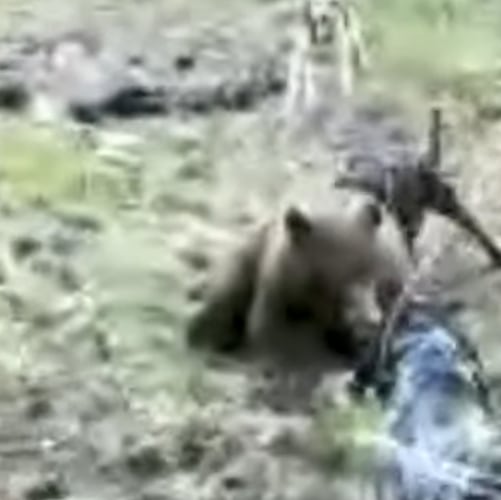
This video image depicts several dogs cornering a female black bear during a pursuit on May 19, 2018 in Grand County. The video was found on the phone of William "Bo" Wood, a Florida dog trainer now awaiting trial on felony charges stemming from the incident.

(Screen shot courtesy of Utah Division of Wildlife Resources) This video image depicts several dogs cornering a female black bear during a pursuit on May 19, 2018 in Grand County. The video was found on the phone of William “Bo” Wood, a Florida dog trainer now awaiting trial on felony charges stemming from the incident.

During the three-hour hearing, some board members agreed there were mitigating factors weighing in Stubbs’s favor, but following two hours of deliberation in 4-3 vote, the board upheld Stubbs’s suspension, which doesn’t affect Stubbs’s ability to hunt animals other than bears and cougars.

The decision pleased DWR officials.

“This type of behavior is not representative of the vast majority of people and was not only unsportsmanlike, but it is also illegal,” said Justin Shirley, DWR’s chief of law enforcement. “We always encourage people to contact DWR officials rather than take matters into their own hands. Our agency is committed to enforcing and promoting legal hunting, and this did not fit that description.”

DWR lawyer Kyle Maynard argued Stubbs knowingly violated statutes intended to protect not only wildlife, but also preserve hunting.

“Mr. Stubbs and his hunting party pursued a bear to the point of exhaustion and became concerned the bear may die, something not allowed under a bear pursuit permit. In an attempt to avoid one violation, they committed another. Mr. Stubbs and his party at this point deliberated and made a choice to pick the exhausted bear up, bring it into their possession, locking in a dog box,” Maynard told the board. “He wasn’t acting to save the bear. He was acting to save himself from what he believed was a more serious violation.”(Screenshot via Zoom) Clifford Stubbs testifying before the Wildlife Board on June 3, 2021 in an effort to get his hunting privileges restored following his conviction in a bear pursuit gone bad.

(Screenshot via Zoom) Clifford Stubbs testifying before the Wildlife Board on June 3, 2021 in an effort to get his hunting privileges restored following his conviction in a bear pursuit gone bad.

Stubbs, who has pursued hundreds of bears in his 22 years in the sport, had never run afoul of wildlife rules before May 19, 2018, when he and Wood chased the female bear in circles. Video Wood shot at the chase’s conclusion shows the barely mobile bear under attack by nine baying dogs. The two-minute clip, which DWR attorneys showed the Wildlife Board, indicates the bear is so spent it can’t move its hind legs as it moans in fear, with the dogs barking and nipping at it. Yet no one is shown in the video trying to restrain the dogs, although Wood can be heard shooing the bear away from a tree it was trying to climb.

Stubbs said he immediately pulled his dogs away from the bear when he arrived on the scene as his companions discussed killing it. He knew that killing the bear would be illegal and would require a report to DWR.

But leaving the bear was not a good option either because the spot was near homes, he said. A curious passerby was liable to get injured if they startled the bear. So Stubbs reasoned the best option was to take the bear to camp, but on Thursday he acknowledged the better move would have been to call DWR for help.

The men put the bear into a box built for dogs, loaded it into a pickup and drove to camp and provided it with water and Gatorade.

Stubbs went home about an hour later while the caged bear was still unresponsive, he told the board. Wood led him to believe the animal recovered and was released later that day without incident. He claimed he didn’t learn of the bear’s prolonged incarceration and second chase until he was criminally charged the following year.(Marion County Sheriff's Office) William "Bo" Wood faces felony charges in Utah for allegedly capturing a black bear during a 2018 hunt that went bad.

(Marion County Sheriff’s Office) William “Bo” Wood faces felony charges in Utah for allegedly capturing a black bear during a 2018 hunt that went bad.

The case came to light after Florida wildlife officials began investigating Wood in response to social media posts depicting what appeared to be illegal bear hunts. They seized his phone which they discovered contained images of a bear confined in a truck registered to Stubbs, according to Utah DWR conservation officers Kody Jones and Adam Wallerstein. The officers testified the phone contain 30 videos showing the Utah bear’s chase, capture and captivity—all of which will likely be used as evidence against Wood at his trial.

Bear hunting and pursuits are two distinct activities in Utah. Hunters bagged 443 bears last year, an increase from 369 bears harvested in 2019, according to DWR data.

Bear chases are the subject of a different permit system in which permits are awarded for spring, summer and fall seasons. Statewide 557 permits were awarded in 2018 and the La Sal Mountains are a popular place in Utah to chase bears.

Under Utah’s hunting regulations, bear pursuers, known as houndsmen, are not allowed to target cubs or mothers with cubs. They may use no more than 16 dogs in a single pursuit, or eight during the summer. Once a bear is treed, it must be allowed a pathway to escape and the pursuit may not be resumed. The spring pursuit season this year ran from April 3 to May 31.

Many aspects of that first pursuit were problematic, but where it crossed the line into criminality was when they put the animal in a box and held it captive, Maynard said.

Ward argued that Stubbs could not have “captured” the bear because if was so incapacitated it could not even walk. But Stubbs had participated in the underlying chase that resulted in the animal’s collapse, and whether the bear could escape was irrelevant, Maynard said.

The agency “places an emphasis on respecting wildlife we hunt. The act of hunting is a form of appreciation for wildlife and the opportunities they provide,” he told the board. “We have rules to preserve our opportunity to hunt and enjoy wildlife. This is not what bear pursuit is about and the longevity of this sport depends on upholding the legal and ethical obligations of houndsmen.”

For his criminal conviction, Stubbs was given a one-year suspended jail sentence, paid $1,500 fine and performed 52 hours of community service.

Wood, meanwhile, faces serious legal jeopardy in Florida, where authorities have seized his dogs and filed charges of racketeering, animal abuse and wildlife violations stemming from a series of illegal bear hunts, some of which Wood allegedly celebrated on social media with video posts showing dogs assaulting prone bears.

Wood is free on bail awaiting trial in Florida, then later in Moab’s 7th District Court.

The pig whisperer: the Dutch farmer who wants to end factory farming

https://www.theguardian.com/environment/2021/jun/07/the-pig-whisperer-the-dutch-farmer-who-wants-to-end-factory-farming

Kees Scheepens and his two favourite pigs: Borough, left, and Oma.
Kees Scheepens and his two favourite pigs: Borough, left, and Oma. Photograph: Judith Jockel/The Guardian

A unique ‘pig toilet’ and a diet of organic leftovers are part of former vet Kees Scheepens’ plans to put animal welfare and sustainability first
Animals farmed is supported by

Animals farmed

About this contentSenay BoztasMon 7 Jun 2021 01.30 EDT

“Oma, hoi! Hier! Hallooo,” Dr Kees Scheepens, a Dutch farmer known as the “pig whisperer”, is calling his two oldest pigs for some apricot snacks.

Oma or “granny”, a seven-year-old sow, lives with a Berkshire boar called Borough, who’s nine, off a quiet lane in the town of Oirschot, in the south of the Netherlands, on a farm called Hemelrijken – Dutch for “the realms of heaven”.

Scheepens, 61, says he is the 19th generation of farmers in his family, and that after years practising as a vet, he is driven by an unusual set of ambitions: “emancipating” farm animals, putting animal welfare first, and eating far less, far happier meat.

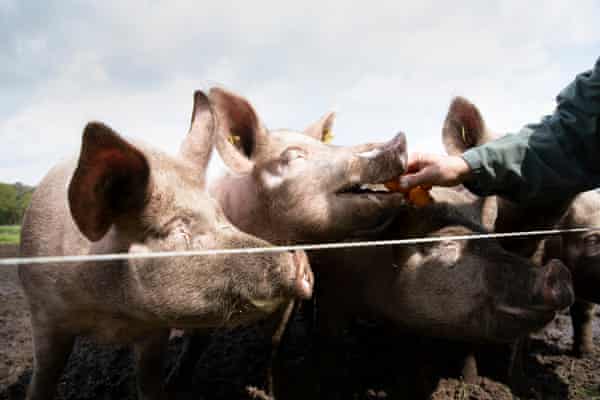
Kees Scheepens feeds pigs outside at his farm in Oirschot, the Netherlands.
Kees Scheepens feeds pigs with leftovers from the local organic supermarket. Photograph: Judith Jockel/The Guardian

“Borough and Oma are here to stay,” he says, squelching to his farthest field, where the two 400kg-plus animals squeeze into their shed. “I’ve given them a name and when you give a name to a pig, I cannot butcher it any more. I had three boars, David, Att and Borough. David and Att are already in heaven but ‘Bro’ is still here.”Advertisement‘Truly an emergency’: how drought returned to California – and what lies aheadClimate crisis to shrink G7 economies twice as much as Covid-19, says researchIdaho’s Republicans in political civil war as state lurches further rightUS reputation as leading global power harmed by Covid response, poll shows – liveFDA approves first new Alzheimer’s drug in almost 20 yearsBoko Haram leader killed on  direct orders of Islamic StateClimate crisis to shrink G7economies twice as much asCovid‑19, says researchhttps://imasdk.googleapis.com/js/core/bridge3.463.0_en.html#goog_887211358https://imasdk.googleapis.com/js/core/bridge3.463.0_en.html#goog_223764651https://imasdk.googleapis.com/js/core/bridge3.463.0_en.html#goog_1184734078Climate crisis to shrink G7 economies twice as much as Covid-19, says research

As he walks around feeding and talking a little French to his 28 sows (according to Scheepens, “neuf”, is their grunt of confirmation, and “huit, huit” is them asking for more) the place seems idyllic. The pigs are fed on produce being thrown away by organic supermarket Ekoplaza: boxes of white cabbages, slightly wilted beans, veggie-balls, 500kg of Canadian lentils, overripe mangoes from Burkina Faso, hundreds of tubs of peach mango soy yoghurt, and boxes of apricots. A couple of cats and dogs wander around. Meanwhile, in a forested nature reserve area, 45 Angus cows have just calved.

Scheepens primarily raises a breed he calls the “Duke of Berkshire”, a cross of the hairy Berkshire pig and white sow, named with a nod to his years working in England. Although he raises them for meat, he is passionate about animal welfare. “Am I rich in money? No, but I’m primarily motivated by emancipating farm animals.”

He started his pig project almost a decade ago, aiming to help bring open-air farming back to the muddy Netherlands, and pioneer a new type of barn farming.

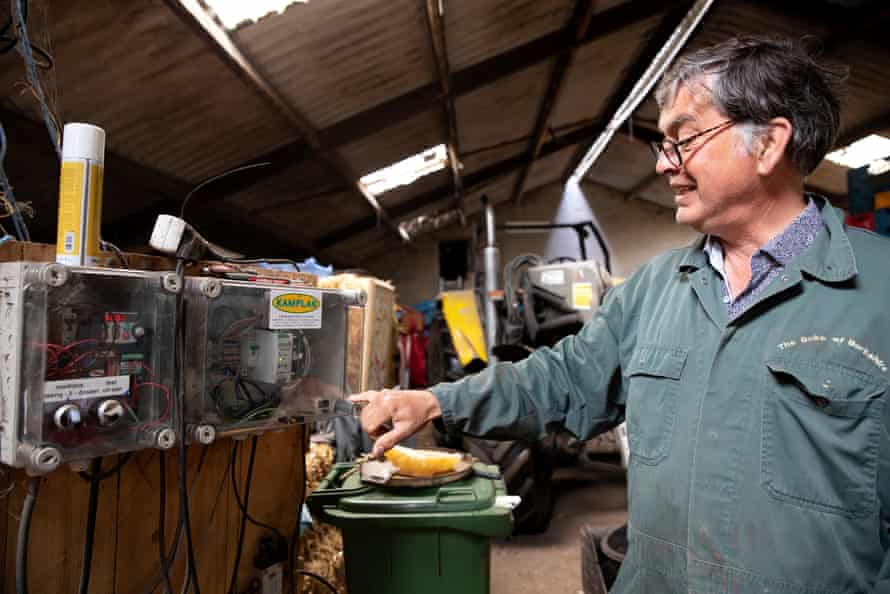
‘I would say pigs are the most hygienic animals we have on the farm,’ says Kees Scheepens, seen here explaining the pig toilet, which encourages pigs to separate urine and poo in order to reduce the production of ammoniac.
‘Pigs are the most hygienic animals we have on the farm,’ says Scheepens, seen here explaining his system for encouraging pigs to separate their urine and poo to reduce ammonia production. Photograph: Judith Jockel/The Guardian

“Factory farming of pigs in the Netherlands is a dead end,” he says. “We now know that a pig is not a thing: it is a sentient being with a high level of intelligence, comparable with the intelligence of a child. What I see worldwide is that many pig farmers don’t know any more what pigs are about. They just don’t have the skills to know what’s right and what’s wrong.”

What’s wrong, he believes, is factory farming where cannibalistic “vices” such as tail biting replace normal pig behaviour such as rooting around for food. This leads to widespread “tail docking” in many parts of Europe to stop animals eating each other’s tails, even though the practice is banned.

Instead, Scheepens argues, pigs need a more natural environment, to be able to root around in beds of straw or wood chips and have outdoor access, with a special toilet replacing slatted floors (where urine and faeces fall through and mix).

“I would say pigs are the most hygienic animals we have on the farm,” he says. “They will not poo or pee in their nest. Pooing always goes well: their noses are so sensitive, they recognise the smell.”

Meat has become a throwaway product, where the true value is not seen any more

Kees Scheepens

To encourage them to urinate separately, he has created a reward system: a machine delivering lemon sour candies when their urine goes through a special floor membrane in an outside “toilet” area.

Why is peeing important for sustainable farming? “When I reward them for correct urinating, there will not be the contact between a nitrogen compound found in urine and an enzyme in the manure: that creates ammonia, and that’s one of the main factors in the [excess] nitrogen discussions [taking place] in the Netherlands.”

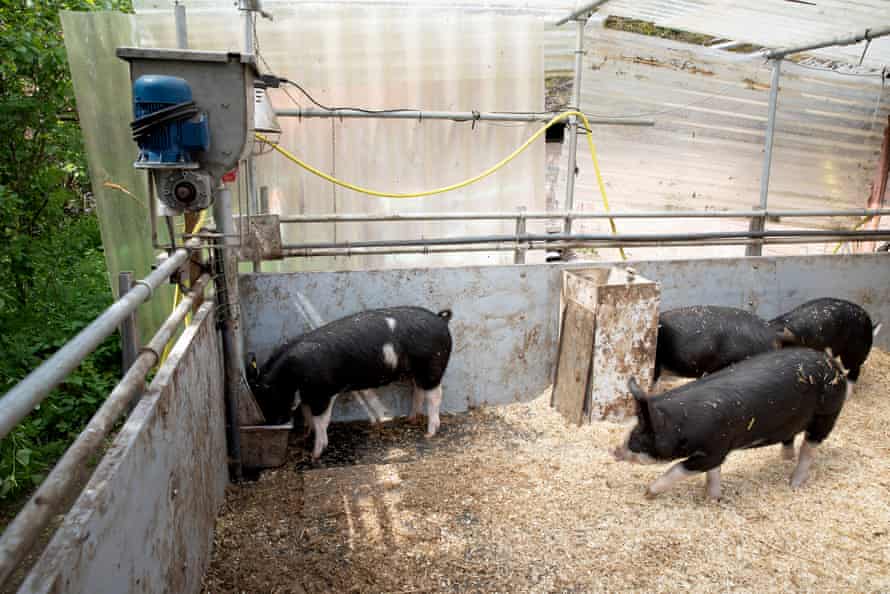
Pigs eat treats they receive after using a toilet. The pigs are encouraged to urinate on the dark patch in the left-hand corner of the pen, where one of them is standing.
A pig eats a treat after urinating in the correct place. The pigs are encouraged to urinate on the dark patch in the corner of the pen. Photograph: Judith Jockel/The Guardian

Advertisementhttps://ed4e90b076baf41ba58d4eca9ad19ac9.safeframe.googlesyndication.com/safeframe/1-0-38/html/container.html

Scheepens believes animal cruelty at abattoirs and intensive farms cannot last; his own turning point came after the swine flu epidemic of 1997–98, when he was forced to euthanise about 10,000 newborn piglets.

“At the time I just did my job. But later on, I developed very serious epileptic seizures. I said to myself: ‘You have euthanised healthy pigs. As a vet you are trained to cure animals that are sick or to keep animals healthy, not to butcher piglets.’”

Returning from a period working in England, during which he was diagnosed with epilepsy, he decided he wanted to be a farmer like his forebears. “I think when you want to work with animals and have them play a role in agriculture, it has to be sustainable,” he says.

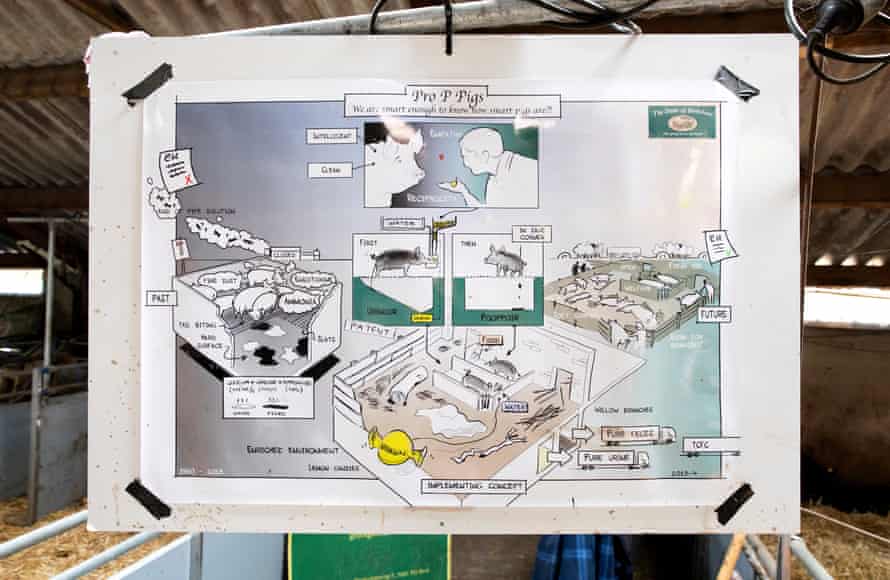
A poster explains how the ‘pig toilet’ works.
A poster explaining how the ‘pig toilet’ works by preventing contact between the nitrogen compound found in urine and the enzyme urea in the manure. Photograph: Judith Jockel/The Guardian

“Meat has become a throwaway product, where the true value is not seen any more. Wouldn’t it be nice if farmers were offered an income with the same farm and half of the animals? Sustainability can only be there in my perception when you take care of animal welfare first.”

The Netherlands is a densely populated country, and the land is often poorly drained. So as well as outdoor farming, Scheepens wants to revolutionise animal barns so smells and emissions are reduced, and pigs can laze, eat, root and wallow as nature intended.

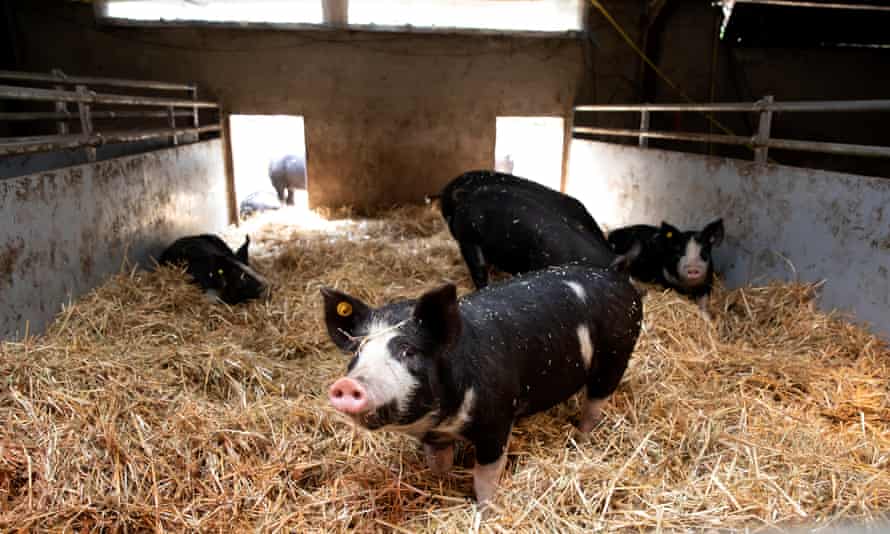
Pigs at Kees Scheepens’ farm. ‘We now know that a pig is not a thing. It is a sentient being with intelligence,’ he says.
Happy pigs at Kees Scheepens’ farm. ‘We now know that a pig is not a thing but a sentient being with a high level of intelligence,’ he says. Photograph: Judith Jockel/The Guardian

Advertisement

“The last three to four generations have started using fertilisers, pesticides and going from big, bigger to biggest,” he says. “That was the societal trend in agriculture, but I think we have to become smartest. I don’t want to have a grandchild saying to me: ‘you broke that tradition of farming because you destroyed the Earth.’”

He thinks there’s no need for pig farming to stink: “I always say to farmers, you can just ignore what we gained in knowledge on animal welfare because your barn needs to be paid off. But the mental and emotional reasons to change are huge. In every farmer, there’s also a heart.”

Sign up for the Animals farmed monthly update to get a roundup of the best farming and food stories across the world and keep up with our investigations. You can send us your stories and thoughts at animalsfarmed@theguardian.com

Frozen in Siberian Permafrost for 24,000 Years, Microscopic Animal Comes Back to Life

Exposing the Big Game's avatarThe Extinction Chronicles

https://gizmodo.com/frozen-in-siberian-permafrost-for-24-000-years-microsc-1847045211

George DvorskyToday 11:00AM331Alerts

The revived rotifer.

A lone rotifer has awakened after spending the past 24,000 years in frozen hibernation. Scientists hope that further studies of this multicellular animal may lead to better ways of cryopreserving human cells, tissues, and organs.

Rotifers are worm-like aquatic animals that prefer freshwater environments and moist soil. These complex organisms aren’t as charismatic astardigrades, another microscopic animal, but they’re likewise known for their extreme survival skills, as they’re capable of withstanding dehydration, freezing temperatures, starvation, and low oxygen levels. By reviving a 24,000-year-old rotifer found in Siberian permafrost, scientists have demonstrated that these creatures are even tougher than previously thought. The newfindingswere published today in Current Biology.

“Our report is the hardest proof as of today that multicellular animals could withstand tens of thousands of years in cryptobiosis, the state of almost completely arrested metabolism,” said…

View original post 612 more words

Letter: Mountain lion hunt bad idea

Exposing the Big Game's avatarCommittee to Abolish Sport Hunting Blog

https://journalstar.com/opinion/letters/letter-mountain-lion-hunt-bad-idea/article_ac61beb6-2a02-5faf-a0c7-a444eaae3dc1.html

  • Jun 5, 2021
  • 3

HURRY! $1* for 6mos. ends June 13th!

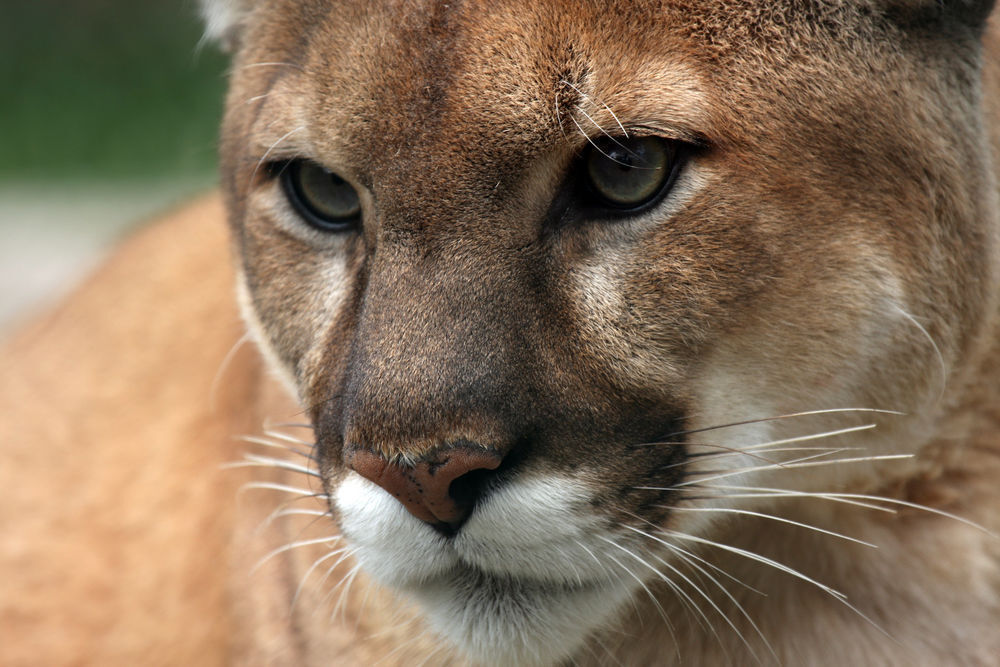
Mountain lion
Nebraska hunters killed four mountain lions in northwest Nebraska during the 2021 season.Associated Press file photo

Only around 22 independent-age mountain lions live in northwestern Nebraska, the smallest population of lions in the country. Yet Nebraska Game and Parks is proposing a trophy hunting season on them in 2022, and the Nebraska Game and Parks Commission is set to vote on this egregious proposal June 11.

The decision to allow the trophy hunting of mountain lions is based on an archaic, disproved notion that killing them will prevent conflicts with livestock, game species and humans. The fact is our wild spaces and other wildlife benefit from having mountain lions in Nebraska.

Research shows that the trophy hunting of mountain lions can lead to increased conflicts with humans, pets and livestock. All carnivores combined…

View original post 129 more words

Michigan confirms first known human case of hantavirus

Exposing the Big Game's avatarThe Extinction Chronicles

https://www.fox2detroit.com/news/michigan-confirms-first-known-human-case-of-hantavirus

ByFOX 2 StaffPublished4 hours agoUpdated10 mins agoHealthFOX 2 Detroit

javascript:false

The COVID-19 vaccine and mask questions are coming as we go back to work

As we re-enter the world, the conversation over a mask or a vaccine may be a hot topic in your office. And yes, your employer can ask you about yoru vaccine status.

SOUTHFIELD, Mich. (FOX 2)-The state ofMichigansays it has confirmed the first case of hantavirus, a disease passed from rodents to humans, in a woman who was cleaning a vacant home in Washtenaw County.

According to the Michigan Department ofHealthand Human Services (MDHHS), the state’s first confirmed human case of Sin Nombre hantavirus was detected in the state. The MDHHS said the woman who tested positive was likely exposed when she was cleaning an unoccupied dwelling that had…

View original post 714 more words

Idaho Fish and Game proposes extending wolf hunting, trapping

Exposing the Big Game's avatarCommittee to Abolish Sport Hunting Blog

https://www.ktvb.com/article/news/local/idaho/idaho-fish-and-game-proposes-extending-wolf-hunting-trapping/277-a0840c87-9437-4e04-b600-46086696812c

The deadline for the public to submit their comments to the agency is June 13.

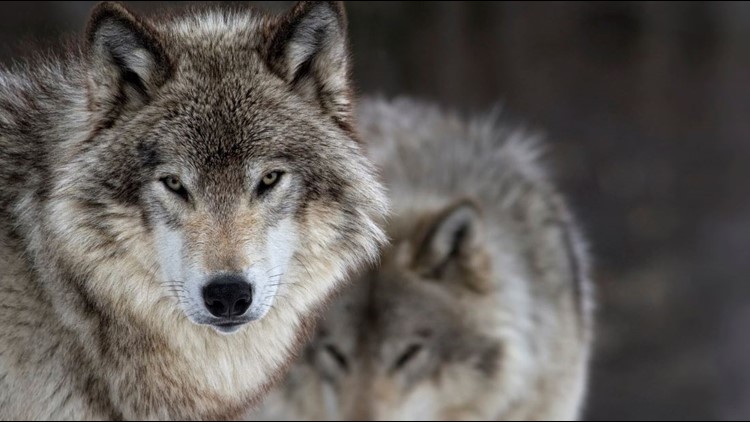
Credit: LeFion/ThinkStockWolvesAuthor:KTVB StaffPublished:8:30 PM MDT June 6, 2021Updated:8:30 PM MDT June 6, 2021

Facebook

Twitter

BOISE, Idaho — The Idaho Department of Fish and Game wants to hear from the public on a proposal to extend wolf hunting and trapping opportunities and enhanced methods of take. The proposed changes relate to a new state law that takes effect July 1.

Senate Bill 1211recently won approval from the Idaho Legislature and wassigned into lawby Gov. Brad Little. It extends wolf hunting and trapping with foothold traps to year-round on private property with landowner permission.

The law also expands the legal methods of take for wolves to include:

  • Weapon restrictions (for hunting big game) do not apply
  • Exemption from shooting hours
  • Hunting wolves over bait is allowed on private land
  • Motorized vehicle restriction for hunting…

View original post 231 more words

Interview Revisited: It’s the End of the World as We Know It

Exposing the Big Game's avatarThe Extinction Chronicles

Mass Extinction:

BYDahr Jamail, Truthout PUBLISHEDJuly 6, 2015SHAREShare via FacebookShare via TwitterShare via Email

Mass Exctinction(Image:Death valley,ghostly visagevia Shutterstock; Edited: JR/TO)

Guy McPherson is a professor emeritus of evolutionary biology, natural resources and ecology at the University of Arizona, and has been a climate change expert for 30 years. He has also become a controversial figure, due to the fact that he does not shy away from talking about the possibility of near-term human extinction.

To see more stories like this, visit “Planet or Profit?”

Never miss another story

Get the news you want, delivered to your inbox every day.

  • Email

While McPherson’s perspective might sound like the stuff of science fiction, there is historical precedent for his predictions. Fifty-five million years ago, a 5-degree Celsius rise…

View original post 1,898 more words

“The computers never saw it coming”

http://inlandnorthwestweather.blogspot.com/2021/06/weve-never-seen-drought-like-this.html

Inland Northwest Weather Blog

A discussion of weather and climate of the Inland Northwest.

Wednesday, June 2, 2021

We’ve never seen a drought like this

 We’ve never seen a drought like this

It’s well known that weather in the western US is drier than in the eastern US.  As such, droughts are more common in the West.  Most of the West is designed to accommodate this drier climate.  The mountains get heavy snow in the winter, which slowly melts off in the spring and summer.  There are numerous dams throughout the West which catch much of the snow melt, using it to irrigate our farmland (as well as generate electricity).  This enables western farmers to grow crops in some rather arid locations.  
Still, there are some areas in the West that, similar to their eastern counterparts, rely solely on the rain and snow to irrigate their croplands.  In the West we call this “dryland farming”.  The biggest example of this is typically wheat and barley, but also includes a lot of hay.  The Inland Northwest is known as one of the largest producers of wheat in the US.  

These dryland crops require moisture through the spring and into the early summer.  Grains such as wheat and barley will ripen during the hot summer months and so they don’t really require much if any rain at that point until they are harvested in late summer.  This matches the usual rainfall patterns we see here in the Inland Northwest.  But not this year.
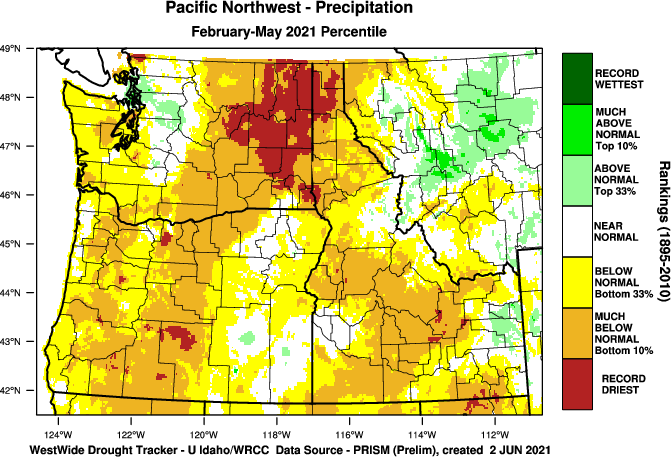
Rainfall this spring hasn’t just been light, it’s been nearly non-existent.  We haven’t seen anything like this before.  Spokane just finished it’s driest February through May ever.  EVER.  Records for Spokane go back to 1881.  That means this was the driest spring in 140 years!  And it wasn’t just Spokane.  The dark red area in the image below shows all of the areas that have had their driest February-May on record.

As you can see, it’s been dry over much of the Northwest this spring, but the Inland Northwest has been the epicenter of this dryness.  The three month period of March through May was the driest for many other locations in the Northwest.

So the natural question is “what caused this drought?”.  The answer isn’t straightforward and probably incomplete given our current understanding of weather and climate.  One contributor that we are aware of is La Nina.  To which you may be saying “I thought La Nina meant wetter than normal conditions for our area”, and you would be correct.  Here’s a diagram showing the basic jet stream pattern for a typical La Nina that you may have seen before:

The purple and orange lines are meant to represent the variable jet stream patterns we normally see during a La Nina winter/spring.  The purple line shows a colder phase of the jet stream, diverting up into Alaska and then bringing colder but drier air into the Northwest US.  But then the jet stream will also at times follow the orange line, bringing Pacific moisture into the Northwest.  The problem is that for the spring of 2021, we’ve seen a LOT more of the purple jet stream, and not so much of the orange jet stream. 
Note in the image above the big H and the blocking High Pressure in the Gulf of Alaska.  Here’s the air pressure anomaly at about 18,000 feet in the atmosphere from the Feb-May period this spring.

What this shows is that the air pressure in the Gulf of Alaska has been higher than normal this spring.  This compares very well with the idealized La Nina image previously shown with the Blocking High in the Gulf of Alaska.  So this looks like what we would expect for a La Nina winter/spring.
But now here’s the jet stream anomaly for this past spring:

Do you see that ribbon of bright colors along the Canadian west coast?  That shows that the jet stream this year has been coming from the northwest a lot more and a lot stronger than usual.  Note that those bright colors extend all the way back to Alaska, across the north Pacifc and Kamchatka Peninsula.  In other words, the “purple” jet stream has been doing its thing during a La Nina winter like it should.
But then look at the other area of bright colors in the image above, out in the eastern Pacific.  Those show that the jet stream across the Pacific has been much weaker  and infrequent than normal.  So the “orange” jet stream that is supposed to bring the moisture, hasn’t been doing its job this spring.  
The result is that we’ve been getting a lot more of the “purple” jet stream from the northwest (which is a dry weather pattern), and not nearly enough of the “orange” jet stream from the Pacific (which is a wet weather pattern).
Is there any hope of this pattern changing?  Officially, the Climate Prediction Center declared the 2020/21 La Nina over.  That’s not to say that our weather pattern will necessarily change, especially since we are heading into the typical hot dry summer season.
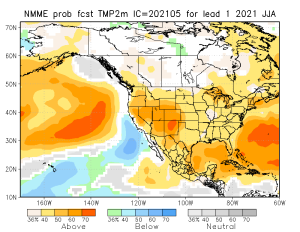
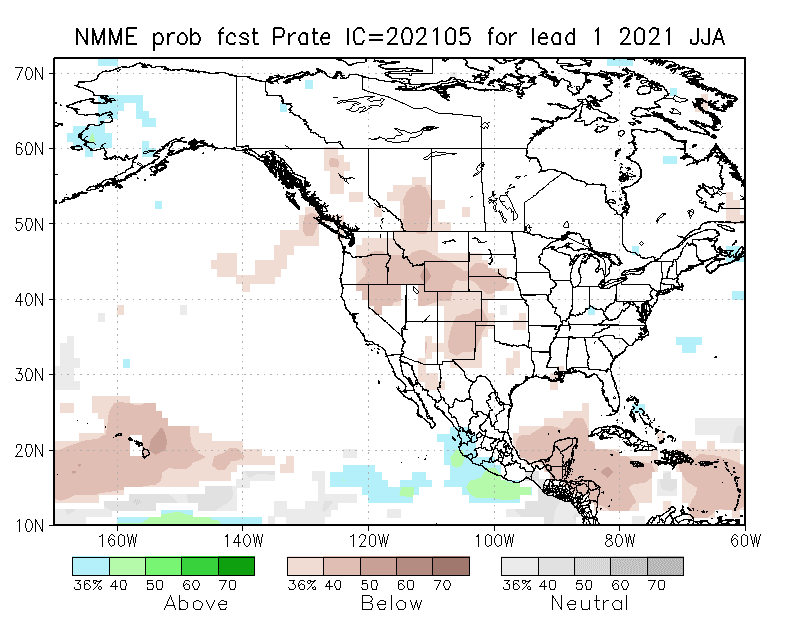
Here’s the computer forecast for the June-July-August season for temperature and precipitation.  They call for a warmer and drier than normal summer overall all of the western US.  

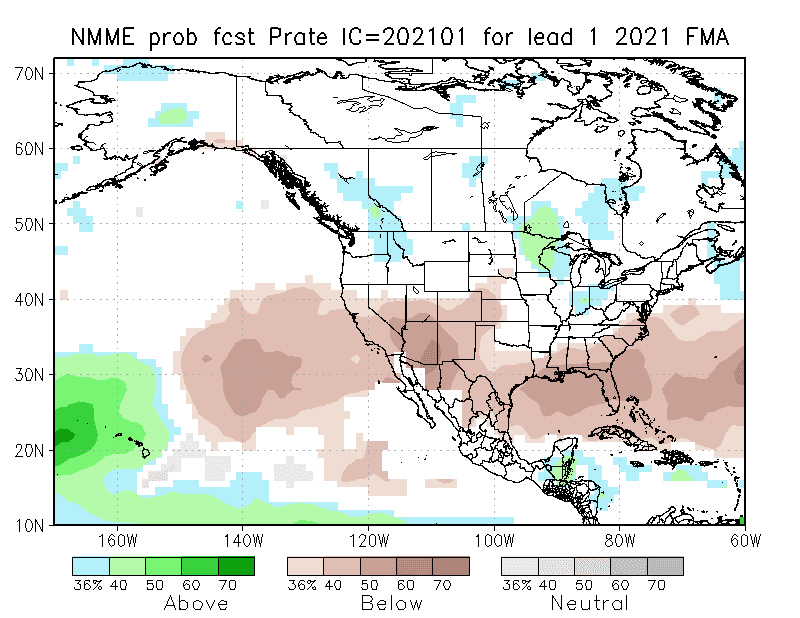
But this of course is a computer forecast.  And you may be wondering if the computer forecasts correctly predicted our record dry spring.  That’s a good question, and the answer is no, the computers never saw it coming.  Here’s the forecast made back in February 2021 for the Feb-Mar-Apr timeframe.  That area of light blue in the Inland Northwest shows that the computer actually expected that we would see normal or possibly wetter than normal conditions for our area, which agreed with the usual La Nina pattern.

The U.S. tried to win World War II with a bat bomb

https://www.msn.com/en-us/news/world/the-u-s-tried-to-win-world-war-ii-with-a-bat-bomb/ar-AAKKvY8?ocid=msedgdhp

Mike Vago  16 hrs agoLike|19


How a WWII Japanese sub commander helped exonerate a U.S. Navy…Turkey’s president vows to ‘save’ the country from the largest outbreak of ‘sea…

This week’s entry: Bat bomba person posing for the camera© Photo: Mondadori Portfolio (Getty Images)

What it’s about: Holy ordinance, Batman! During World War II, American scientists raced to develop crucial technology that would win the war: The B-29 bomber. Radar. The atomic bomb. And, a somewhat less crucial technology, the bat bomb: a bomb canister that contained live bats, each of which would carry an incendiary device and (in theory) start devastating fires across Japanese cities.https://www.dianomi.com/smartads.epl?id=3533

Biggest controversy: The part where we tried to defeat Imperial Japan with an army of bats. The idea came from a dental surgeon named Lytle S. Adams. An acquaintance of Eleanor Roosevelt, he wrote to the White House a month after Pearl Harbor suggesting the idea, which came to him during a trip to Carlsbad Caverns. Adams was “intrigued by the strength of bats” and believed they could carry an incendiary device, which could do serious damage to Japan’s largely wooden architecture.

With FDR’s approval, Adams led up an Air Force project to develop a bat bomb. His team for some wonderful reason consisted of a movie star (more on that later), an unnamed former gangster, an also unnamed former hotel manager, and chemist Louis Fieser, who developed the first synthetic vitamin K and cortisone, and more relevant to the war effort, napalm.

Their eventual prototype was a bomb-shaped metal canister with separate compartments for 1,040 Mexican free-tailed bats. The bomb would be dropped and then at 4,000 feet deploy a parachute, then open to release the bats. The bats would naturally roost in the eaves of buildings, but each one had a 15- to 18-gram payload of napalm (slightly heavier than the weight of the bat itself) on a timer. After several unsuccessful attempts at strapping the bombs to the bats, Adams’ team ended up gluing the devices directly to the bats.

Strangest fact: The only target destroyed by bat bombs was an American air base. Adams’ team made several tests of their bat bomb, but at Carlsbad Army Airfield Auxiliary Air Base in New Mexico, napalm-armed bats were accidentally released, roosted under a fuel tank, and set the base on fire. The project was then passed to the Navy and then the Marines and was renamed Project X-Ray.

Thing we were happiest to learn: America didn’t end up incinerating thousands of bats for the war effort. The Marines were surprisingly enthused about the bat bomb, believing the countless small fires the bats would start would be harder to fight and would spread more quickly than a smaller number of large fires caused by conventional bombing. But by mid-1944, with $2 million already spent on the project and at least another year until the bats would be combat-ready, the project was canceled. As for Fieser’s invention, the U.S. dropped napalm on Berlin and Tokyo without any animal intermediaries.