A Mass Extinction Event Is on The Horizon if Marine Life Keeps Fleeing The Equator

(vlad61/iStock/Getty Images)NATURE

https://www.sciencealert.com/we-may-be-heading-for-a-mass-extinction-event-if-marine-life-continues-to-flee-the-equator

ANTHONY RICHARDSON ET AL., THE CONVERSATION10 APRIL 2021

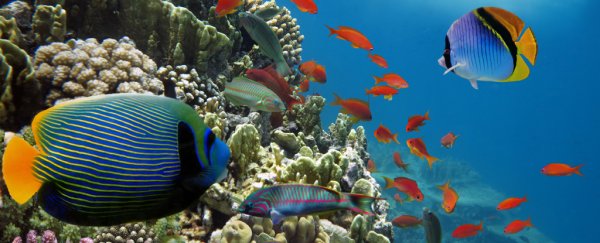
The tropical water at the equator is renowned for having the richest diversity of marine life on Earth, with vibrant coral reefs and large aggregations of tunas, sea turtles, manta rays, and whale sharks. The number of marine species naturally tapers off as you head towards the poles.

Ecologists have assumed this global pattern has remained stable over recent centuries – until now. Our recent study found the ocean around the equator has already become too hot for many species to survive, and that global warming is responsible.

In other words, the global pattern is rapidly changing. And as species flee to cooler water towards the poles, it’s likely to have profound implications for marine ecosystems and human livelihoods. When the same thing happened 252 million years ago, 90 percent of all marine species died.

The bell curve is warping dangerously

This global pattern – where the number of species starts lower at the poles and peaks at the equator – results in a bell-shaped gradient of species richness. We looked at distribution records for nearly 50,000 marine species collected since 1955 and found a growing dip over time in this bell shape.

So, as our oceans warm, species have tracked their preferred temperatures by moving towards the poles. Although the warming at the equator of 0.6℃ over the past 50 years is relatively modest compared with warming at higher latitudes, tropical species have to move further to remain in their thermal niche compared with species elsewhere.

As ocean warming has accelerated over recent decades due to climate change, the dip around at the equator has deepened.

We predicted such a change five years ago using a modeling approach, and now we have observational evidence.

For each of the 10 major groups of species we studied (including pelagic fish, reef fish, and mollusks) that live in the water or on the seafloor, their richness either plateaued or declined slightly at latitudes with mean annual sea-surface temperatures above 20℃.

Today, species richness is greatest in the northern hemisphere in latitudes around 30°N (off southern China and Mexico) and in the south around 20°S (off northern Australia and southern Brazil).

This has happened before

We shouldn’t be surprised global biodiversity has responded so rapidly to global warming. This has happened before, and with dramatic consequences.

252 million years ago…

At the end of the Permian geological period about 252 million years ago, global temperatures warmed by 10℃ over 30,000-60,000 years as a result of greenhouse gas emissions from volcano eruptions in Siberia.

A 2020 study of the fossils from that time shows the pronounced peak in biodiversity at the equator flattened and spread. During this mammoth rearranging of global biodiversity, 90 percent of all marine species were killed.

125,000 years ago…

A 2012 study showed that more recently, during the rapid warming around 125,000 years ago, there was a similar swift movement of reef corals away from the tropics, as documented in the fossil record. The result was a pattern similar to the one we describe, although there was no associated mass extinction.

Authors of the study suggested their results might foreshadow the effects of our current global warming, ominously warning there could be mass extinctions in the near future as species move into the subtropics, where they might struggle to compete and adapt.

Today…

During the last ice age, which ended around 15,000 years ago, the richness of forams (a type of hard-shelled, single-celled plankton) peaked at the equator and has been dropping there ever since. This is significant as plankton is a keystone species in the food web.

Our study shows that decline has accelerated in recent decades due to human-driven climate change.

The profound implications

Losing species in tropical ecosystems means ecological resilience to environmental changes is reduced, potentially compromising ecosystem persistence.

In subtropical ecosystems, species richness is increasing. This means there’ll be species invaders, novel predator-prey interactions, and new competitive relationships. For example, tropical fish moving into Sydney Harbor compete with temperate species for food and habitat.

This could result in ecosystem collapse – as was seen at the boundary between the Permian and Triassic periods – in which species go extinct and ecosystem services (such as food supplies) are permanently altered.

The changes we describe will also have profound implications for human livelihoods. For example, many tropical island nations depend on the revenue from tuna fishing fleets through the selling of licenses in their territorial waters. Highly mobile tuna species are likely to move rapidly toward the subtropics, potentially beyond sovereign waters of island nations.

Similarly, many reef species important for artisanal fishers – and highly mobile megafauna such as whale sharks, manta rays, and sea turtles that support tourism – are also likely to move toward the subtropics.

The movement of commercial and artisanal fish and marine megafauna could compromise the ability of tropical nations to meet the Sustainable Development Goals concerning zero hunger and marine life.

Is there anything we can do?

One pathway is laid out in the Paris Climate Accords and involves aggressively reducing our emissions. Other opportunities are also emerging that could help safeguard biodiversity and hopefully minimize the worst impacts of it shifting away from the equator.

Currently, 2.7 percent of the ocean is conserved in fully or highly protected reserves. This is well short of the 10 percent target by 2020 under the UN Convention on Biological Diversity.

But a group of 41 nations is pushing to set a new target of protecting 30 percent of the ocean by 2030.

This “30 by 30” target could ban seafloor mining and remove fishing in reserves that can destroy habitats and release as much carbon dioxide as global aviation. These measures would remove pressures on biodiversity and promote ecological resilience.

Designing climate-smart reserves could further protect biodiversity from future changes. For example, reserves for marine life could be placed in refugia where the climate will be stable over the foreseeable future.

We now have evidence that climate change is impacting the best-known and strongest global pattern in ecology. We should not delay actions to try to mitigate this.

This story is part of Oceans 21
Our series on the global ocean opened with five in-depth profiles. Look out for new articles on the state of our oceans in the lead-up to the UN’s next climate conference, COP26. The series is brought to you by The Conversation’s international network. 

Anthony Richardson, Professor, The University of Queensland; Chhaya Chaudhary, University of Auckland; David Schoeman, Professor of Global-Change Ecology, University of the Sunshine Coast; and Mark John Costello, Professor, University of Auckland.

This article is republished from The Conversation under a Creative Commons license. Read the original article.

Breaking news: Maryland lawmakers ban wildlife killing contests

April 9, 2021 0 Comments

Breaking news: Maryland lawmakers ban wildlife killing contests

Wildlife killing contests have increasingly come under the scrutiny of Americans after we began to expose the carnage with undercover investigations in Maryland, New York, New Jersey, Indiana and Texas. Photo by the HSUS20.9KSHARES

Maryland legislators have just passed a bill banning wildlife killing contests—cruel events where participants compete to win cash and prizes for killing the most or the heaviest animals.

The vote comes just over a year after we did an undercover investigation of such contests in the state that targeted foxes, coyotes and raccoons. Our investigators documented participants bringing in red foxes, their mouths zip-tied shut and their tiny bodies riddled with bullets from high-powered rifles. They tossed the dead animals into piles for weighing or counting.

To lure the animals to their death, contestants used digital technology that mimics the sound of prey or even young animals in distress.

Our footage outraged Marylanders and soon after the House of Delegates passed a bill to ban these killing contests by a landslide vote. But before the Senate could take up the bill, the legislature shut down for the year due to the pandemic.

Fortunately, the bill’s author, Del. Dana Stein, quickly reintroduced it in the 2021 legislative session, with Sen. Ron Young as the Senate sponsor. The bill moved forward with lightning speed, guided by HSUS Maryland state director Jennifer Bevan-Dangel and the group Maryland Votes for Animals, and passed both chambers this week. Organizations including the Sierra Club Maryland Chapter, the Animal Welfare Institute, In Defense of Animals and Project Coyote provided support.

The bill now heads to the desk of Gov. Larry Hogan. We expect he will either sign it or let it pass into law without his signature.

Maryland is on track to become the eighth state to ban wildlife killing contests in just the last seven years—the others being Vermont, New Mexico, Arizona, Massachusetts, Colorado, California and Washington. These events have increasingly come under the scrutiny of Americans after we began to expose the carnage with undercover investigations in Maryland, New York, New Jersey, Indiana and Texas.

These events, with names like “Moondog Madness Coyote Tournament” and “Good Ol’ Boys Fall Predator Tournament,” glorify wanton killing and are not that much different from dogfighting and cockfighting, which have been outlawed in all U.S. states. Children are often present and are even encouraged to participate, inuring them to the violence at a young age. In Maryland, we found children playing among the dead animals and even helping to drag them to the judging area.

Wildlife killing contests are still held in nearly all of the 43 states where they are legal, but that is changing rapidly. Americans increasingly view animals like coyotes and foxes, who have long been persecuted because of misconceptions and are typically targeted in these events, with compassion. They also recognize the important role that these native carnivores play in a healthy ecosystem, and are acknowledging the wide variety of humane, effective strategies that are available to help them coexist with our other wild neighbors. Many more states are now considering similar bills to prohibit wildlife killing contests, including New York, New Jersey and Oregon.

We are grateful to Maryland lawmakers for acting decisively to end this cruel practice. We have incredible momentum in this fight right now and we need to keep it up and end these contests wherever they exist. If you live in a state where wildlife contests are still being held, please visit humanesociety.org/wildlifekillingcontests and download our toolkit to learn how you can help end them.

Earth’s most beloved creatures headed toward extinction under current emissions, study shows

BY SOPHIE LEWIS

https://www.cbsnews.com/news/animals-plants-biodiversity-extinction-climate-change-greenhouse-gas-emissions/

APRIL 9, 2021 / 12:08 PM / CBS NEWShttps://www.cbsnews.com/embed/video/?v=487142191b8e2904b325f1615da5a7ae#xVZZa%2BRGEP4rQi%2BBMD1q3dJACPY6JJtdNsbHS6xl6KOk6VhX1NIcLP7vqZY0M7YTWDbgBDO4u1Vd1fVV1Vf1xWZD37QlO9irvhtgYW%2BVhMZefbFVD5W2Vw9f7P7Qgr2yt420F7aSuJSMxtQNU5L7sSQBl0A4C3zi%2BhEFkQAkeYCyVbu%2Fgfy9uaGuw5tf39E%2FN%2B1N%2BvsHKfVF99vd3c%2BKNt1Ar9J7lNblUKCkZltVF4SrRqotdFr1B6JbEAo0gX2vatETjbu6V7rXeK9XfWnedzsJWbOQamptMSGghI7hSbGwdD%2FIg7VjXa2XyyVelfCIF3GRD2V51HOnKrC6oa7xjtUMvdU3Fj4KrOdPspi25ldZRXO0ubBKYNLcO78Q7x7QgmB1UyvByrs3NdOjVt2zqrVXGB8%2F9j2XRpRS9HUwMDS1vQpofN5%2BZBxKfA6NVkGMCsppXyMgGOyKFaBNNmgTxE3ft3qVOZkjuK5hp90lLtA6ahJL0VSZsxl45qjM6TLHox7NHBrjz88c8LkIeegSyANOAnAFSYAlJBd%2ByH0fAhnIzOk3Q8VrpsrMiQK6x3TKnDRlKaeeGzJfhkkYMhGncR6n1E1y8HIxvYbkg0Z3yLelDzkZJCFN4ighs9nlH22BaGz%2B0W3%2FDd12vYTuY6PCTWI%2FdWXuRrkQkvl%2BDpHwRR6GeJWy%2BO38flrYbQdbBbv7rnwBgG5LJWDJqrJYqiZzWItObz38GdpACL5S5pkzK84c%2B8Q1z%2FS3XSOXSDTjl%2BUM9wTxvEFTCPKm1C%2BQxhe4cZgmNAgSPwkQ%2BNGtaD0KVkz30C0rf0iOVr3%2F3GzedBXr0SxrDYhj8WXOnlQtFPc3H1FieAX2brd7%2BZYZ5G8L9Yi00u%2BrtjHPsVc5KzUSPdK%2BEiPRmxxPmB%2BLKOREcBkgowtOOJURyTkFJrw4dePkzNHmVaY6FFJrJzbYPB6ms8%2BYOaxDy3dG%2BydWGaZ7d3n76bn05WH68DB9%2BYzpBq3SjcQzF20A04ambNcYhKJCddOHocXs0frkAivLCyR4rS%2FLRjyeSEvfa%2BhuB65FpzjIk7husSU03VFuA%2FuLK8jZUJqo0AX%2B2ePp5fnUTxdBuAhTw6wdE4%2BIu4EMo6FF08G4xlTyKcXAR8jywezvHDND%2FBEefW9M4qbWa92vC4OKCet0wto1M%2F5%2BypyLk4ww5rfCdU8nun%2Bl%2BwmBq4b9dde00PWHD4BxsL0gBsnCyHdj6YZBGqSu5%2FvMj%2BwnDE4FPRvpHL3poTiYNZ5tGjklJtRyVDvHOQfWDx1IIky3ANP%2F52EA7SOaJjLnBoxL5ANcnDJ1v8GiEU1ZgpjS%2FXQtc17rzpwflV6XTVGAXKv6B2po6DnoSv9UM16agE6jCuuQf0u4GPD9nZkyHmyfRkiVoSShHwgShDElnMecpEi3VIgUROqZJH1x9ZiNumkxR7G37pR%2BJjTOL5KLPEg8j7iUYX24nJE0xSLxXBFFPudpHHv26cr1wK%2FQJxMObFyEBoSmlhutaLIKk7PYcRQA3G%2B%2B01aFFWph%2B222IC3RTQBpa4PNHg%2F6BicX%2BWy8sYZaQmchfqbiLKiUNq1AHwcdvWnGFDtaO0au7lF8PZ%2BaDD0FaAKRRgxnhogT8MKQYAKFhOUu%2Bgqxl4rEz2WeG3zO944IihInhh4ssWE1JvlnM2FtsWHMpiXoR6SdkY%2BuYGvgsQ1hFEcBUxNrM3iaysf%2FvyhDWBgZw2ZiVGiObyerZlicP0znsxbEzFQ6cqO1A27PVDeGMcZKNTMR4Z6bomsBDq45wzk2dtMk91IehuHxwsxeZxPonMIaDE6I3jZDJ2DiQ2uuZ96xWl6XrDd8P9qcKXxtXrg%2BQ2C2s4lZwhgGVqqhMumOPSlX5bPP5gKKQG2AMx3LFMhprHzdqf%2FWPKYuxmqMUKkJjvw1jgEvesg5s8gcSDIFkhQdQL1pBo1Lhk3mmGljb6lAKnbdoAo8mkNg5tM5tP%2Ffw4z1GeE3tDJS3Ved%2FLet%2B%2BnpLw%3D%3D

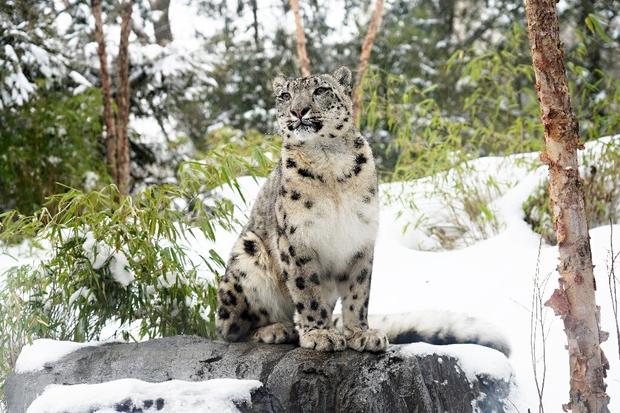
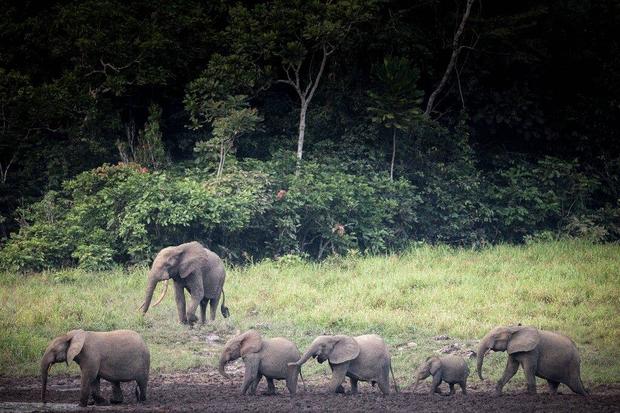
Snow leopards in the Himalayas, lemurs in Madagascar and elephants in central Africa: Some of Earth’s most beloved creatures are on a path to extinction, a new study shows, thanks to current greenhouse gas emissions. Unless humans stop pumping carbon dioxide and methane into the atmosphere, researchers say the planet’s biodiversity will suffer devastating consequences. 

In a study published Friday in the journal Biological Conservation, scientists warn that some of the richest concentrations of plants and animals on Earth will be “irreversibly ravaged” by global warming unless countries make a real effort toward their goals made under the 2015 Paris climate treaty. They report a high danger for extinction in almost 300 biodiversity “hot spots” if temperatures rise three degrees Celsius above preindustrial levels. 

Under the Paris agreement, nations promised to keep warming “well below” two degrees Celsius. Even if these commitments are honored, temperatures are still expected to exceed three degrees Celsius before the end of the century. https://www.cbsnews.com/newsletters/widget/e879?v=487142191b8e2904b325f1615da5a7ae&view=compact#xVNNb9swDP0rgi67RI3t2HGcW4cO2C5DgW6nZSj0QcdCZcmQ5HjF0P8%2BynGaYPdhN%2BnxkY98lH5TN0TtbKD73xSkU0D3FHZ1Q1f0pGHCm3T9wGVEYHBBJzKC9yFAJB%2BdeqVvKxo9ly%2FaHlMRHT5ZLgwouo9%2BhBXlPmpp4H6MnfNfEP5BN9lWKl4pVm1KycqqzpgQtWCN3FSZlA3IpqA%2F%2F0r9yntIycENnQZiYNLhhpQqUyVkW%2B6KguUZL1mZC86aRgpW5HK73QjR1HVB31MeR%2FHAY5q4yIqcZSXLGpJv99luX%2B2utG86mtkWvHcfAuldiESAcSdQRHrgcfQQSAdcIRDdxL0i8CtqK5NbZLQKPJGj92AjgV6HkBxfkRBH9UpC56Zwo%2FY6wOy6jUh%2FXlCMS2cMzBXPJmZbnm2zrWBQVBUrm7xivM1xVqiLRu42rWrb5M817%2BKgNLrHuYnsuD1C4ig4aXmRVhBeohtQUocHOCV70vL58UKwMIVnHaFHGF8EfNbg581IDVbOBRP8dFbFhEvgjC9V0LMBbdAnIBMIjKGmlvMa602W1RtciSjyBkcrgYmWN6yt82bXFo2oquqScB7qRmIM4BcJblF%2BRXFcHem%2BfPf4yY1ezi6LQNI0SBKeW%2FVoeGyd7%2BcuMDhPmnp%2BvpqSrovowkitADd67NMHGLxrtbkJpwSkgE1WYlSlLyNTb1py890bhLsYh7A%2FrA%2FraZrulsQ7%2FHqHdTod1tzizkxgg%2BE2Bia0U%2Bicx9qv7PrW2LJadl4tO3oA2zm0hB15YO9v77BeNvp%2F1Rcb%2F5nK29sf

So, which species will be hit hardest? Scientists point to endemic species: Plants and animals found exclusively in specific locations, like one country or one island — animals like snow leopards and forest elephants. 

socalledende.jpg
So-called endemic species — plants and animals found only in certain zones — will be hit hardest in a warming world. BIOLOGICAL CONSERVATION

They found that endemic land species, specifically in biodiverse hot spots, are nearly three times as likely to suffer losses due to climate change than species that are more widespread, and 10 times more likely than invasive species. 

“Climate change threatens areas overflowing with species that cannot be found anywhere else in the world,” lead author Stella Manes said in a statement. “The risk for such species to be lost forever increases more than 10-fold if we miss the goals of the Paris Agreement.”

Climate Change 

Not all species face the same threat. In mountain regions, 84% of endemic species face extinction if Earth warms another two degrees, while that number rises to 100% on islands. 

Overall, more than 90% of land-based endemic species and 95% of marine ones will be adversely affected. Mediterranean marine species are particularly vulnerable because they are trapped in an enclosed sea. 

inmountainre.jpg
In mountain regions, 84% of endemic animals and plants face extinction in a 3C world, while on islands — already devastated by invasive species — the figure rises to 100%. BIOLOGICAL CONSERVATION

“By nature, these species cannot easily move to more favorable environments,” explains co-author Mark Costello.

Two out of three species in the tropics could perish due to climate change alone. And safe havens in biodiversity hot spots, which conservationists have worked to establish for years to protect these species, may prove useless in the face of climate change. 

“Unfortunately, our study shows that those biodiversity rich-spots will not be able to act as species refugia from climate change,” said co-author Mariana Vale. 

Scientists say every tenth of a degree matters to avoid the devastating consequences of a mass extinction event. But carbon dioxide and methane levels in the atmosphere continued to rise in 2020, with CO2 level reaching their highest point in 3.6 million years. 

“The 2020 increase is likely to remain one of the largest in the entire record.” the the National Oceanic and Atmospheric Administration said.

First published on April 9, 2021 / 12:08 PM

© 2021 CBS Interactive Inc. All Rights Reserved.Sophie Lewis

Wolves Remain at Risk as Hunters and Their State-Level Allies Call the Shots

Man accidentally shot while hunting in Fresno County

Exposing the Big Game's avatarCommittee to Abolish Sport Hunting Blog

https://abc30.com/man-accidentally-shot-while-hunting-in-fresno-co/10501720/

FRESNO, Calif. (KFSN) — A man was hospitalized following an early morning hunting accident in Fresno County.

Authorities say a man was hunting coyotes and accidentally shot himself in the leg.

Tulare County deputies were able to get there first to help.

He was flown by helicopter to Kaweah Delta Medical Center in Visalia. His condition has not been released.

View original post

There’s been a groundswell of investor funding in plant-based proteins. It hasn’t led to decreased meat consumption.

by Lela Nargi

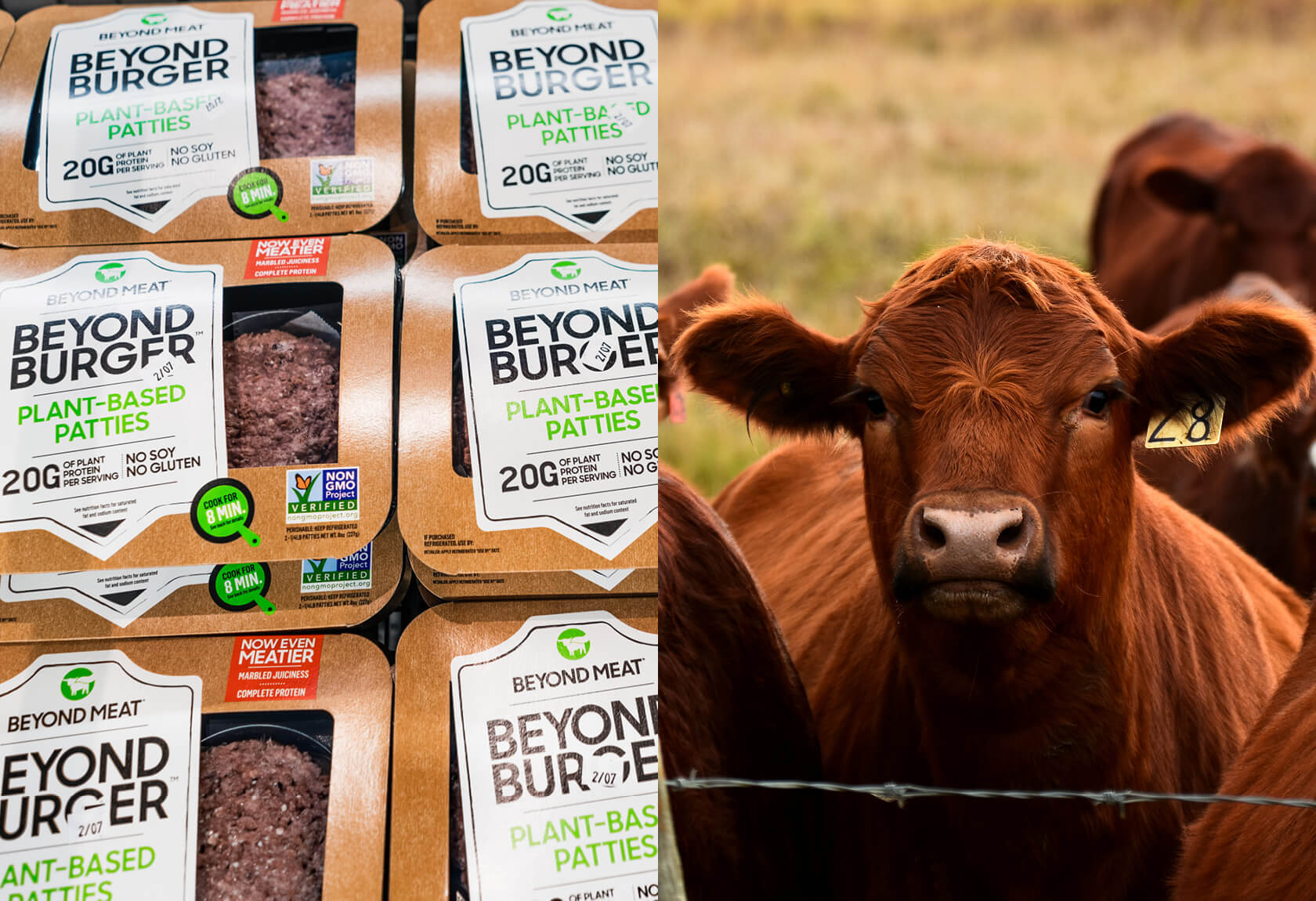
04.08.2021, 12:57pmBusinessShareLink Copied!Save for laterBeyond Burgers next to a young red cow. April 2021iStock/Sundry Photography/PamWalker68

Will the alt-meat investment boom change our food system if we don’t invest in eating less meat, too?

In mid-March, alternative-protein-promoting nonprofit Good Food Institute (GFI) released data showing that investment in the alt-meat market surged in 2020, hitting a record high of $3.1 billion. Companies focused on plant meats, eggs, and dairy (as opposed to fermentation and cell-based-meat ventures) accounted for the lion’s share of that windfall, taking in three times the amount of capital they raised in 2019. Hot on the heels of GFI’s report, Boston Consulting Group and Blue Horizon Corporation predicted that alt meat would comprise 11 percent of the protein market by 2035—climbing to 97 million metric tons annually from 13 million now. And several days after that revelation, Food Dive reported that self-identified meat eaters dropped from 85 percent in 2019 to 71 percent in 2020.

All this news gave alt-meat proponents lots of reason for optimism. GFI released a statement from senior investor engagement specialist Sharyn Murray, celebrating the investor community “waking up to the massive social and economic potential of food technology to radically remake our food system.” David Benzaquen, who runs plant-based-consumer research company Moonshot Collaborative, told The Counter that the uptick in funding—mostly by “traditional institutional investors” in Asia—is the “culmination of more people wanting to eat flexitarian and investors recognizing the massive risk from the animal farming industry.”

Still, sales of meat were up 19.2 percent over the past year—including beef from Brazil, a high offender when it comes to chopping down forests for ranching. And while food industry giants like Tyson and Cargill have entered the alt-meat space—and/or, like McDonald’s, which just signed a three-year “McPlant” deal with Beyond Meat—they have yet to declare a synchronous commitment to decreasing livestock production. (The Counter reached out to all three companies; all declined to comment.) In a space initially forged by eco-conscious vegans interested in animal welfare and sustainability goals like lower greenhouse gas emissions and a decreased water footprint, there remains the question of whether expanded investment is reshaping a problematic food system—or just building up a parallel one.

“People going to McDonald’s and Burger King and finding plant-based burgers starts to normalize them as an option and makes them more accessible.”

“I wish these big corporate names would dive in and make a commitment to reduce beef production—we’re in the midst of a climate and extinction crisis and it’s urgent,” said Stephanie Feldstein, population and sustainability director for the Center for Biological Diversity in Tucson, Arizona. Still, she sees investment in plant-based meat as a “first step. This is where [corporations] can see that plant-based burgers are profitable, and at the end of the day that’s what they care about.”

Profitability, she said, is predicated on Americans making a “massive cultural shift” that starts with them being able to sample inexpensive alternatives to beef and chicken. “People going to McDonald’s and Burger King and finding plant-based burgers starts to normalize them as an option and makes them more accessible,” she said. 

Benzaquen said that the pandemic has helped speed this normalization process up. “No plant-based businesses had to [close] due to COVID,” he said (a reference to U.S. slaughterhouse shutdowns, which were also a factor in those increased Brazilian beef imports). As a result, he said, people were compelled to try veggie products when confronted with empty meat shelves at the supermarket. He insists this wasn’t an “Oh, this is cool, I will try it one time type of thing” but rather a “lightbulb moment” that goes hand-in-hand with consumer backlash against the meat industry and having the “extra time to be more conscientious about what you’re eating.” 

“Alt meat is not getting scaled up in a bubble; it’s happening with an increase in demand for more protein. That could come from alt meat or it could come from meat.”

Benzaquen also pushed back against the idea that industry players are greenwashing their businesses with alternative proteins, pointing to Tyson’s initial trouble with its Raised and Rooted line. The products were not 100 percent vegan as advertised, forcing the company to remove eggs when there was backlash. Furthermore, he said, food service operations have limited money and “slots in the fryers to put forward food. Before the veggie burger there were 10 spots” on a fast food menu, each of which was for meat. “Now there are nine or eight, and plant-based products are displacing things.” 

Feldstein is also loath to voice skepticism about corporate interest in fake meat. She believes “it’s always the industry” that benefits when doubt is expressed about whether their motives are pure enough. Feldstein thinks the importance of plant-based meats, no matter who is producing them, has to be considered in context. “Alt meat is not getting scaled up in a bubble; it’s happening with an increase in demand for more protein. That could come from alt meat or it could come from meat,” and the environmental impacts of the former are “negligible” compared to the latter, she claimed. (Although, plant-based diets can have a larger environmental footprint than someone choosing a vegan diet might realize, the BBC reported last year.)

To Feldstein, the larger issue of concern is that the industrialized food system that provides consumers with unsustainable beef is the same one that is locked into using “less-than-perfect ingredients like GMO soy that are destroying the Amazon—it’s the only source” companies like Impossible Foods have. “But the long-term ideal of getting to a more diversified regionally focused food system and away from our current model is a reason to support alt proteins now,” Feldstein added.

“It’s a balancing game between holistic political change and helping consumers make better [food] choices they actually enjoy.”

Linnea Laestadius, public health policy and administration professor at the University of Wisconsin, Milwaukee, sees corporate greenwashing as potentially problematic in this sector. “People are noticing there’s a lot of money in [alt proteins] and as more money enters, the risk of actors [acting badly] increases exponentially,” she said. “We can never rely on corporations choosing to be good actors”—a proclivity she refers to as  criminogenic, “where everyone is cutting corners and needs to stay competitive, and that will never change unless we see policy change.”

Merely focusing on plant-based meat replacements is too narrow a goal, Laestadius believes. She’d like to see institutional purchasers demanding transparency from both meat- and plant-based companies about sourcing, and for that sourcing to include more ethical ingredients and better labor standards—issues that even vegan companies can tend to gloss over. “Unfortunately, we’re on a really tight timeline to figure stuff out, which means it’s a balancing game between holistic political change and helping consumers make better [food] choices they actually enjoy,” Laestadius said.

How much such concerns will impact future funding streams is anyone’s guess. However, said Benzaquen, “Institutional investors recognize that consumer [interest] is not letting up, and this is far beyond a fad. Everyone who bet against it before made a mistake.”

Scientists alarmed after four gray whales found dead in San Francisco Bay

Deaths discovered over a course of nine days are ‘just the tip of the iceberg’ for the species, says expert

https://www.theguardian.com/us-news/2021/apr/09/gray-whales-dead-san-francisco-bay

Photo provided by the Marine Mammal Center shows an adult female gray whale that washed up on Muir Beach in California this week.
An adult female gray whale that washed up on Muir Beach in California this week. Photograph: AP

Oliver Milman and agencies@olliemilmanSat 10 Apr 2021 12.35 EDT

277

Four dead gray whales have washed up on beaches in the San Francisco Bay area in the past nine days, in the latest spate of whale deaths in the region.

One whale died after being struck by a ship, authorities confirmed, with investigations under way into the other mortalities.

The carcass of a 41ft adult female gray whale landed at San Francisco’s Crissy Field on 31 March. A second adult female was found last Saturday in Moss Beach in San Mateo county. A third was found on Wednesday floating near the Berkeley Marina and the following day one washed up in Marin county’s Muir Beach.AdvertisementThe scandal that wasn’t: Republicans deflated asnation shrugs at Hunter Biden revelations00:03/01:41SKIP AD

A necropsy of the whale at Muir Beach revealed significant bruising and hemorrhaging to muscle around the jaw and neck vertebrae consistent with blunt force trauma due to ship strike. Experts noted the whale was in good body condition based on the blubber layer and internal fat levels. It is still uncertain how the other three whales died, or if starvation was behind their deaths.

“It’s alarming to respond to four dead gray whales in just over a week because it really puts into perspective the current challenges faced by this species,” said Dr Pádraig Duignan, director of pathology at the Marine Mammal Center (MMC).

In 2019, the MMC was involved in looking into why 13 dead whales washed up ion the Bay Area. The National Park Service reported the year previously that a “large number” of dead whales were being found.

Whales are threatened by a variety of human interventions, including entanglement in fishing gear and ship strikes. The climate crisis is heating up and acidifying the ocean, altering the availability of prey.

Biologists have reported several recent cases of malnutrition in gray whales in the region. Nearly one in four gray whales migrating along the US west coast has died since the last recorded population surveys in 2015 and 2016, according to the National Ocean and Atmospheric Administration (NOAA). The MMC said losses could be even greater due to the limited boat and aerial surveys taken during the Covid-19 pandemic.

Gray whales in Baja California, where they mate and give birth before heading north.
Gray whales in Baja California, where they mate and give birth before heading north. Photograph: Guillermo Arias/AFP/Getty Images

Advertisement

Each winter, the whales migrate 10,000 miles to Mexican waters, where they mate and birth calves near the coast of Baja California. They head back north and stay off the coast of California in spring and summer to feed on anchovies, sardines and krill before continuing on their northerly migration to cool, food-rich Arctic waters.

“This many dead whales in a week is shocking, especially because these animals are the tip of the iceberg,” said Kristen Monsell, legal director of the Center for Biological Diversity’s oceans program. Experts estimate the washed-up whales represent just 10% of the total dead, with the rest sinking into the sea unnoticed by humans.

Monsell said California lawmakers needed to require fishing gear that does not use rope and federal regulators should set mandatory speed limits for ships.

“Ship strikes and fishing gear entanglements kill many whales that we never see,” she said.

Is this the end? What’s the outlook on the pandemic?

https://thehill.com/changing-america/well-being/prevention-cures/547169-is-this-the-end-whats-the-outlook-on-the

Vaccination rates are high in the U.S., but that doesn’t mean we can let up just yet.ByChia-Yi Hou | Apr. 8, 2021https://imasdk.googleapis.com/js/core/bridge3.450.0_en.html#goog_205855657700:00 of 01:06Volume 20% 

Story at a glance

  • Although cases may be decreasing around the country, coronavirus cases are still relatively high in some areas and are spiking in Michigan.
  • Issues like partial vaccination of a population could come into play.
  • Inequitable access to vaccines remains a concern, especially globally.

With many states in the U.S. relaxing restrictions and the weather turning warmer, it may seem like we are coming out of the pandemic. However, with cases recently spiking in Michigan and concerning cases and death rates elsewhere in the world such as Brazil, it’s a reminder that we are not yet out of the woods.

Last year, we looked at the different ways the pandemic could come to an end. Now with vaccines and variants on the scene, here’s a revisit to the topic and what we know now.

Partial vaccination

There could be issues getting the pandemic under control if we’re stuck at low levels of vaccination or partial vaccination. The way that immunity works at the population level means that, depending on the pathogen’s transmission rates, immunization at a low percentage of the total population would not be enough to prevent some transmission and cases to occur.

The ideal percentage vaccinated varies by disease, but for COVID-19 some experts estimate it to be at least 70 percent, although this may change as more data become available. If in the U.S. the vaccination rate slows down before we reach a high enough percentage, that could mean that we get small outbreaks and pockets of COVID cases around the country where the vaccination rates are lowest.


Our country is in a historic fight against the Coronavirus. Add Changing America to your Facebook or Twitter feed to stay on top of the news.


Then there’s the issue of partial vaccination on the individual level. People who have gotten one dose are partially protected after a few weeks, but they may potentially interact with people who haven’t had any shots or also have had one shot. Vaccination does not totally prevent infection, as far as we know, and people who are vaccinated may be able to transmit the virus to others even if that has a very low probability of happening.

So with people around the country at varying stages of vaccination and immunity, that could lead to a patchwork of COVID cases that could allow the virus to remain in the population. Research from the Centers for Disease Control and Prevention suggests that even one dose of either the Pfizer or Moderna vaccines provide a good amount of protection, but more data is needed to show this is happening on a national scale.

Once domestic travel picks up again, this complicates the situation further. Then a single location is no longer a simple population on its own. It has individuals entering and leaving the population. For example, this could mean that even if New York is doing well with vaccinating its population, unvaccinated people who are traveling to New York could continue to bring in the coronavirus and add to local outbreaks. The focus on each state’s progress would be less informative and the focus would need to be on national progress.


WHAT YOU NEED TO KNOW ABOUT CORONAVIRUS RIGHT NOW

FOURTH WAVE OF COVID-19 IN MIDWEST HAS HIT ‘CATEGORY FIVE HURRICANE STATUS,’ SAYS ONE EXPERT

CORONAVIRUS IS EXPLODING IN MICHIGAN

HAWAII CONSIDERS VACCINE PASSPORTS FOR INTER-ISLAND TRAVEL

WHAT HAPPENS AFTER ONE DOSE OF PFIZER OR MODERNA VACCINE?


Recurring vaccination

Experts have not yet determined what a potential vaccination schedule might be for the coronavirus. Experts are also studying whether these existing vaccines protect against the coronavirus variants that have cropped up in the U.S. and around the world.

People who participated in the clinical trials for the coronavirus vaccines are receiving booster shots six months or more after their initial doses. An initial study from Pfizer and BioNTech suggests that its vaccine maintains 90 percent efficacy at the half year mark post second dose. If it turns out that the current vaccines are less effective at protecting against the coronavirus variants, the vaccine developers may need to produce adapted versions.

We are still learning about how long immunity lasts and how well the vaccines protect against the coronavirus variants. It may come to be that this time next year everyone will need a booster shot to maintain immunity against the virus. If, or when, that time comes, the urgency to get a booster shot may not be there for many people, and that could lead to varying levels of immunity within the population. That could leave many people with higher susceptibility to the coronavirus than others, which could boost infection rates and lead to more cases. This could mean that small outbreaks may move through and be sustained in the population if enough people are susceptible.

Inequitable access to vaccines

An issue that has become prominent around the world is inequitable access to vaccines, and one reason for that is intellectual property rights. The companies that developed the vaccines that are currently approved for emergency use are not willing to give up patent rights and share the methods for making their vaccines with other companies. This could slow down the long-term vaccination roll out for countries that were not able to secure doses before.

In addition, some wealthier countries prepaid for more than they needed because it wasn’t certain yet which vaccines would get emergency use approval. Other countries were lost in the free for all to buy up vaccines and are relying on a global effort called COVAX to get the shots. Many lower-income countries will be the last ones on the list to get vaccines, some not expecting any shipments until 2022 and some experts suggesting that many would not get any until 2024 if current behavior by high-income countries continues.

COVAX has purchased about 1 billion doses and could reserve 900 million more. It aims to immunize 20 percent of the people most vulnerable to the virus in low-income countries. But that falls short of getting most of the population in these countries vaccinated to stop the spread of the virus.

This presents a problem for all of us. While international travel is limited, as people start moving around more this increases the risk of arriving in a place where there are high numbers of cases or where many people are not yet vaccinated. Similar to the problem with people traveling domestically making it important to focus on national progress, this would make it important to focus on global vaccination progress.

Local outbreaks and epidemics

For all these reasons, it’s likely that there will continue to be local outbreaks and smaller epidemics around the country and in other parts of the world. The global pandemic may diminish to the point where it may not be a crisis any longer, but there could continue to be cases for a long time to come. We may stop calling it a pandemic at some point, but the novel coronavirus may still be around for a while after that.

Whether it is a pandemic or not depends on the global effects. On the other hand, COVID-19 could become endemic to humans, meaning that it will circulate in our populations indefinitely similarly to influenza. That does not mean that we will see death rates like we have in the past year. As we adapt to the coronavirus and it adapts to us, we could move towards a sort of equilibrium where the virus proliferates in our bodies but doesn’t kill us as easily.

These are all still unknowns at this point. As experts gather more data on how the vaccination roll outs have affected transmission of the virus and the number of cases, we’ll understand more about these dynamics.

For up-to-date information about COVID-19, check the websites of the Centers for Disease Control and Prevention and the World Health Organization. For updated global case counts, check this page maintained by Johns Hopkins University.

You can follow Chia-Yi Hou on Twitter.


WHAT YOU NEED TO KNOW ABOUT CORONAVIRUS RIGHT NOW

TRUMP WHITE HOUSE CENSORED HEAD OF ITS OWN CORONAVIRUS TASK FORCE, NEW REPORT SAYS

THIS IS NOW THE WORST US STATE FOR COVID-19 INFECTIONS

TRUMP’S HEAD OF CORONAVIRUS TASK FORCE SAYS MOST COVID-19 DEATHS COULD HAVE BEEN PREVENTED

TRUMP’S CDC DIRECTOR MAKES SHOCKING STATEMENT ABOUT ORIGIN OF COVID-19 IN WUHAN LAB

EXTREMISTS ARE SPREADING APOCALYPTIC WARNINGS ABOUT COVID-19 VACCINES

If I’m fully vaccinated, why do I still have to be so careful?

Exposing the Big Game's avatarThe Extinction Chronicles

https://thehill.com/changing-america/well-being/prevention-cures/547388-if-im-fully-vaccinated-why-do-i-still-have-to-be

People who are fully vaccinated may still be able to pass on the virus to others.ByChia-Yi Hou | Apr. 10, 2021https://imasdk.googleapis.com/js/core/bridge3.450.0_en.html#goog_153636439600:00 of 01:03Volume 20%

Story at a glance

  • About 20 percent of people in the U.S. are fully vaccinated.
  • The vaccines are meant to protect against severe illness and hospitalization.
  • Vaccinated people can still get infected and potentially pass the virus to others.

With about athird of people in the U.S. with one doseand about 20 percent fully vaccinated against the novel coronavirus, people are wondering why they still need to be cautious in their daily activities. This has to do with how the vaccine works and being careful during this stage as experts are gathering more data on how immunization is affecting case loads.

The goal and purpose for vaccination is to prevent severe illness and hospitalization. The vaccines that currently have emergency use…

View original post 533 more words