Protesters continue marching and demonstrating in Portland, Ore., on June 5, 2020, against racial injustice and police brutality, in response to the death of George Floyd, a black man killed by police in Minneapolis. Sean Meagher/Staff
Ethan Snyder felt exhausted last Friday as he took to the streets for a seventh straight night. He figured a week of protesting police brutality and systemic racism alongside thousands of fellow Portlanders would wipe anybody out.
But when his fatigue morphed into a fever, aches and body chills over the next few days, Snyder, 19, decided he should get tested for COVID-19.
He believes the positive result that came Tuesday stems from the many hours he spent marching, chanting and avoiding tear gas, often among throngs of tightly packed strangers.
“It’s the most likely reason why I have it,” said Snyder, a Franklin High School…
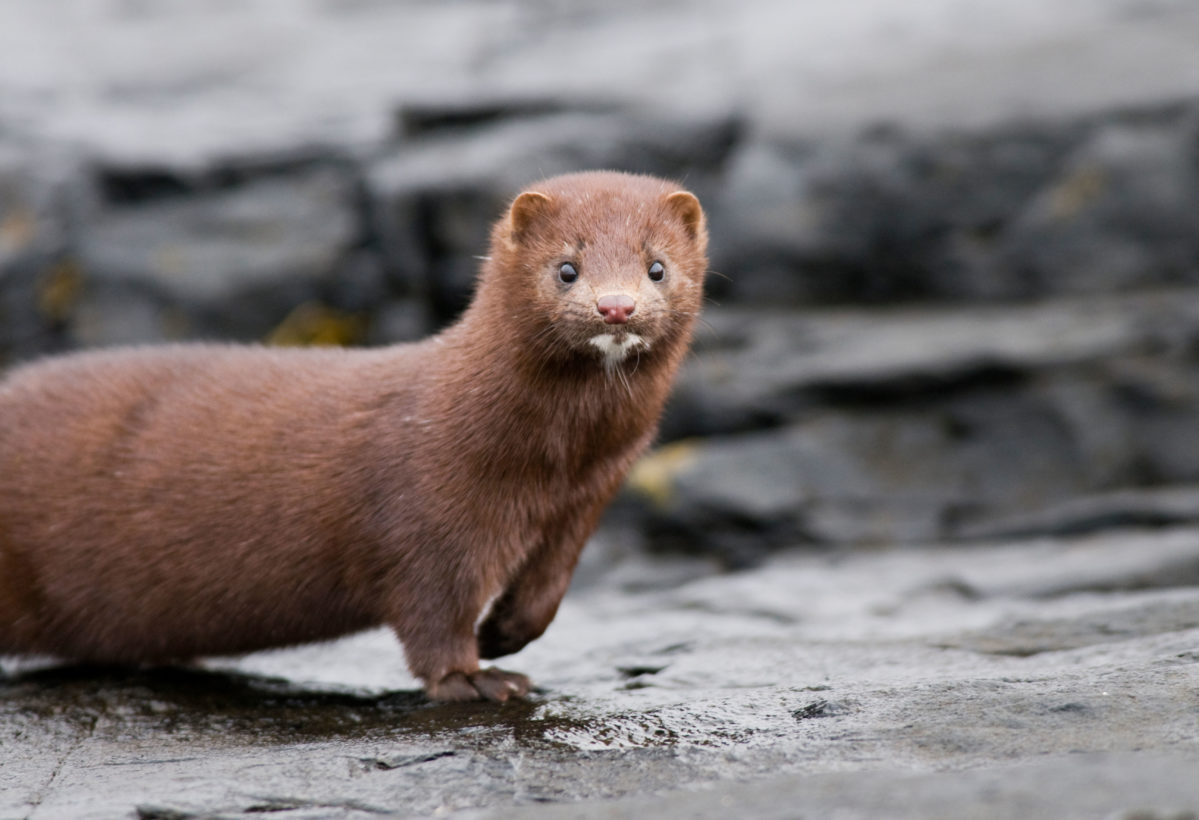
The problem came to light in April, when two fur farm workers in the Netherlands were found to have contracted the coronavirus from mink, which is the only known animal-to-human transmission following the initial outbreak. Photo by Mark Hicken/Alamy Stock Photo
Update (6/12/2020): Dutch authorities have confirmed they have killed 575,000 mink, including 480,000 pups, during the cull on 13 fur factory farms. The killing will conclude tomorrow.
The Netherlands is expected to kill more than 350,000 mink by gassing, in a massive cull following an outbreak of coronavirus on fur farms in the country. It is estimated that most of these—about 300,000—are pups just days or weeks old.
The killing of animals on fur farms is heartbreaking under any circumstances, because of how utterly needless and preventable it is. But this tragic cull, and the scale of it, is a stark reminder of the many problems that surround fur factory farming, impacting both animal welfare and human health, and why all production of this unnecessary commodity needs to end immediately.
The problem came to light in April, when two fur farm workers in the Netherlands were found to have contracted the coronavirus from mink, which is the only known animal-to-human transmission following the initial outbreak. In following weeks, 13 of the Netherlands’ roughly 130 fur farms reported mink infected with the virus. And the number of infected farms keeps on growing. The farms said more mink were dying than usual, and some had nasal discharge or difficulty breathing.
This month, the government ordered all mink on infected Dutch fur farms be killed to prevent the further spread of the coronavirus to humans. The cull, which began last week, has farm workers in protective clothing using gas to kill mink mothers and their pups. The animals’ bodies are then transported to a disposal center in a sealed shipping container and the farms disinfected.
It is now clear that these fur farms, where animals are crowded in close contact with each other, are reservoirs for the spread of pandemics. Organizations like ours have been sounding the alarm bell over fur farms—and the high risk for disease they pose—for years, and as tragic as this development is, it is not surprising to us.
Fur farms also pose an extraordinary animal welfare problem. Much like factory farms and wildlife markets, the animals in these operations live short, miserable lives in small, barren and filthy cages, usually without any veterinary care. A Humane Society International investigation of Finland’s fur farms last year showed many animals had eye infections and gaping wounds, including a mink with a large, bloody hole in the head. Some animals lay dead in the cages and others ate them or walked over them.
Such fur farms exist around the globe, including in the United States, where the top 10 states for mink pelt production (in order of most to least) are Wisconsin, Utah, Idaho, Oregon, Minnesota, Iowa, Illinois, Pennsylvania, Michigan and Washington. As part of our 11-point policy plan to reduce animal suffering and help prevent future national and global pandemics, the Humane Society family of organizations is calling for an end to all fur farming everywhere it exists around the world.
We have already made tremendous progress in fighting fur, with dozens of fashion designers and retailers turning away from this cruel product in recent years. In the United States, California has banned the production of fur and all sales of new fur products. Globally, Britain became the first country in the world to ban fur production, and it has been followed by a dozen European countries, including Austria, the Czech Republic and Norway.
The Netherlands, once the third largest fur farming country in the world, banned fur production in 2013 with an 11-year phaseout. But the tragedy now playing out in the country is an opportunity for the government there, and for governments in all fur-producing nations, to take note of the serious public health and animal welfare problems associated with fur farms and close them down without delay. With the pandemic still ravaging the globe, it simply doesn’t make sense for anyone to reinvest in an enterprise that’s fallen out of fashion and favor the world over.
Worst-case global heating scenarios may need to be revised upwards in light of a better understanding of the role of clouds, scientists have said.
Recent modelling data suggests the climate is considerably more sensitive to carbon emissions than previously believed, and experts said the projections had the potential to be “incredibly alarming”, though they stressed further research would be needed to validate the new numbers.
Modelling results from more than 20 institutions are being compiled for the sixth assessment by the United Nations Intergovernmental Panel on Climate Change, which is due to be released next year.
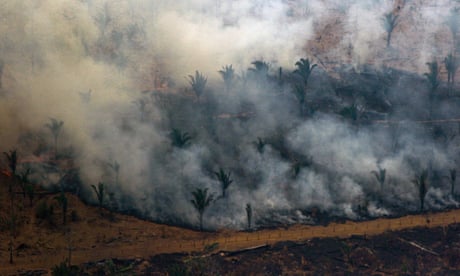
Football pitch-sized area of tropical rainforest lost every six seconds
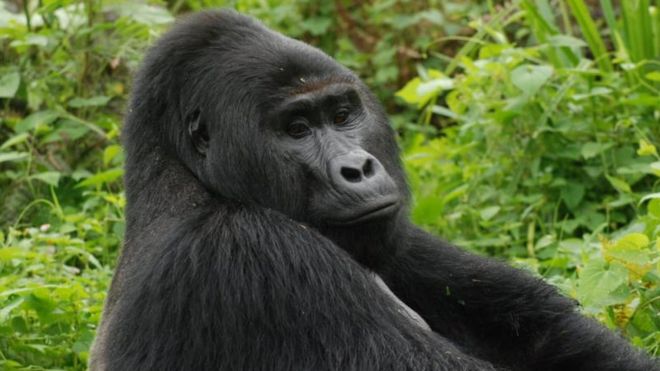
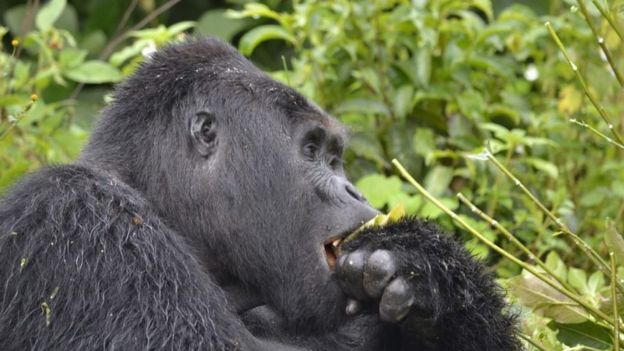
Image copyrightUGANDA WILDLIFE AUTHORITYImage captionRafiki was thought to be 25 years old when he died
One of Uganda’s best known mountain gorillas, Rafiki, has been killed.
Four men have been arrested, and they face a life sentence or a fine of $5.4m (£4.3m) if found guilty of killing an endangered species.
Investigations showed that Rafiki was killed by a sharp object that penetrated his internal organs.
There are just over 1,000 mountain gorillas in existence and the Uganda Wildlife Authority (UWA) described Rafiki’s death as a “very big blow”.
The silverback, believed to be around 25-years-old when he died in the Bwindi Impenetrable National Park, was the leader of a group of 17 mountain gorillas.
This group was described as habituated, meaning that its members were used to human contact.
“The death of Rafiki leaves the group unstable and there is the possibility that it could disintegrate,” Bashir Hangi from the UWA told the BBC.
“It has no leadership at this time and it could be taken over by a wild silverback.”
If that happened, the group would not want to come into contact with humans, which ultimately could affect tourism.
Image copyrightUGANDA WILDLIFE AUTHORITYImage captionThere are just over 1,000 mountain gorillas left in existence
The mountain gorillas are a popular draw for visitors to the country and the UWA relies on the tourists for revenue.
Rafiki himself was very popular with people who had come to the Bwindi Impenetrable National Park, Mr Hangi said.
He went missing on 1 June and his body was discovered by a search party the following day.
A UWA team tracked a suspect to a nearby village, where he was found with hunting equipment.
He admitted that he, and three others, had been hunting smaller animals in the park and that he killed Rafiki in self-defence when he was attacked, the UWA said in a statement.
The four men are expected to be charged under a wildlife protection law that was passed last year.
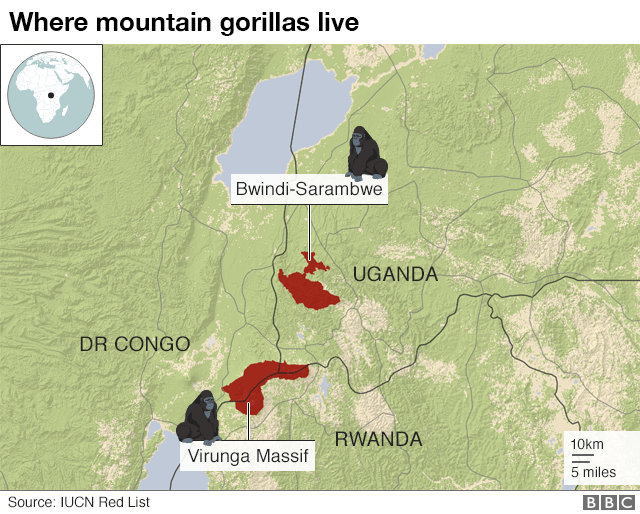
The mountain gorilla species is restricted to protected areas in the Democratic Republic of Congo, Rwanda and Uganda.
They can be found in Uganda’s Bwindi Impenetrable National Park and a network of parks in the Virunga Massif range of mountains which straddle the borders of the three countries.
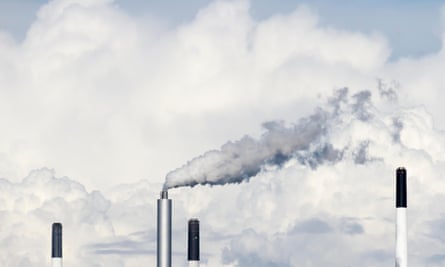
The world hit another new record high for heat-trapping carbon dioxide in the atmosphere, despite reduced emissions because of the coronavirus pandemic, scientists announced. (AP Photo/Martin Meissner)
Atmospheric carbon dioxide reached a seasonal peak of 417.1 parts per million (ppm) for 2020 in May, the highest monthly reading ever recorded, according to scientists from the National Oceanic and Atmospheric Administration (NOAA) and Scripps Institution of Oceanography at the University of California San Diego, who used measurements at Mauna Loa Observatory.
That’s a carbon dioxide level not experienced by the atmosphere in at least several million years, according to the scientists’ press release.
This year’s peak value was 2.4 ppm higher than the previous peak of 414.7 ppm recorded in May 2019. Monthly carbon dioxide values at Mauna Loa first topped the 400 ppm mark…
DHNS, Bengaluru, JUN 10 2020, 00:35 ISTUPDATED: JUN 10 2020, …
A 12-year-old boy was severely injured after his neighbour accidentally shot at him while hunting a mongoose in Sonnenahalli near Kengeri Satellite Town under Jnanabarathi police station limits on Tuesday evening. The injured has been identified as…
‘I want justice for all those who have died and suffered’
Sir Paul McCartney turns 78 on June 18 and before he blows the candles, he wants a birthday present.
He wants his fans to ditch meat.
Banner
In a guest blog postfor animal rights group PETA (People for the Ethical Treatment of Animals), the Beatles legend wrote: “All I’ve ever wanted for my birthday is peace on Earth – including for animals.
“That’s why this year, I’m urging fans to watch a video I hosted for PETA, titled ‘Glass Walls’. We called it that because if slaughterhouses had glass walls, who would want to eat meat?”
The 12-minute clip starring McCartney was shot 10 years ago to expose the extent of animal suffering within slaughterhouses. It contains real-life footage of cows, chickens, sheep and other animals who are abused on factory farms across Europe and around the world.
“The video debuted exactly 10 years ago. Since then, the public has finally got a peek at what happens inside the meat trade, and the demand for vegan food is sky high,” he continued in his blog.
The ongoing pandemic has brought the spotlight back on the perilous nature of the meat industry and the dangers associated with it. Crowded and filthy factory farms, abattoirs, and meat markets put each human being on the planet at risk by providing a breeding ground for deadly pathogens like the ones behind COVID-19, SARS, bird flu, and more.
Public Health England states: “Many (60 to 80% [of]) emerging infections are derived from an animal source.”
According to experts, the COVID-19 outbreak originated in a wet market in Wuhan, China, where humans had direct contact with live animals and dead animal flesh.
“Whether you’re worried about diseases that spring from slaughterhouses, the animals who suffer terribly and needlessly, or the catastrophic impact of the meat industry on our environment, please watch this short video and share it with your friends. Thank you,” McCartney added in his post.
‘You’ve got to change things at some point’
McCartney is a passionate animal activist and has advocated vegetarianism for 45 years after ditching meat along with his partner the late Linda McCartney more than 40 years ago.
In April, on a call with US radio host Howard Stern on Sirius XM, McCartney said it was high time wet markets were banned: “I think it makes a lot of sense…when you’ve got the obscenity of some of the stuff that’s going on there and what comes out of it, they might as well be letting off atomic bombs. It’s affecting the whole world.”
Comparing the markets to slavery he said: “I understand that part of it is going to be, ‘People have done it forever. This is the way we do things.’ But they did slavery forever, too. You’ve got to change things at some point.”
‘Saying nothing is not an option’
Standing for equal rights & justice, the former Beatles star has also spoken out against racism following the death of George Floyd.
Sharing a post on Instagram, he said: “I know many of us want to know just what we can be doing to help. None of us have all the answers and there is no quick fix but we need change.
“We all need to work together to overcome racism in any form. We need to learn more, listen more, talk more, educate ourselves and, above all, take action.”
Banner
Recalling how The Beatles stood up against racism during the band’s 1964 U.S. tour, he said: “I feel sick and angry that here we are almost 60 years later and the world is in shock at the horrific scenes of the senseless murder of George Floyd at the hands of police racism, along with the countless others that came before.“All of us here support and stand alongside all those who are protesting and raising their voices at this time. I want justice for George Floyd’s family, I want justice for all those who have died and suffered. Saying nothing is not an option.”
In today’s factory farms, animals are being raised packed so closely together that there is a risk of sparking the next pandemic, according to experts in a new scientific paper that warns we have to rethink agriculture in America.
“When we overcrowd animals by the thousands, in cramped football-field-size sheds, to lie beak to beak or snout to snout, and there’s stress crippling their immune systems, and there’s ammonia from the decomposing waste burning their lungs, and there’s a lack of fresh air and sunlight — put all these factors together and you have a perfect storm environment for the emergence and spread of disease,“ says Michael Greger, the author of Bird Flu: A Virus of Our Own Hatching, who previously wroteHow Not to Dieand How Not to Diet.
00:09
Powered by Minute Media
Factory Farms Make Up the Majority of the Meat Industry
You may think that the free-range beef or the farm-raised eggs are a healthier and more ethical alternative to the environmentally devastating impacts of factory farming. But current conditions in industrial agriculture are rife for future disease spread, and though “free-range” sounds idyllic, it’s just a way of saying the birds have access to being outside for part of the day, but can still be jammed into large pens by the tens of thousands of animals and birds per yard, it’s hardly safe or ethical.
Today, so-called factory farming still accounts for an estimated 99 percent of the meat we raise around the globe and 90 percent of the meat consumed in the United States. The Sentience Institute estimates that “around 31.0 billion land animals and 38.8 to 215.9 billion fish are being farmed globally at any given time.”
Options that some think of as more ethical such as free-range or family farmed animal proteins do not makeup as nearly as much of the industry’s share as one may think from a quick glance at your local Whole Foods shelves. The devastating effects of factory farming include water and air pollution, deforestation and methane gas emissions. Beyond these highly deleterious environmental impacts, factory farms provide a hotbed for spreading the next animal-to-human disease, which the coronavirus COVID-19 pandemic has put front and center on our radar.
How Could Factory Farming Cause Another Pandemic?
Some scientific journals have cited animals such as the endangered pangolin as a possible link to how the COVID-19 outbreak lept from animals to humans, as it carries a coronavirus genetically almost identical to the one that caused the current pandemic. So how do factory farms that are filled with common farm animals like cows, pigs, and chickens pose a threat to our health? It has to do with the unsanitary conditions in these factories and meat processing units, according to experts.
The ASPCA describes a factory farm as any “industrial facility that raises large numbers of farm animals such as pigs, chickens or cows in intensive confinement where their movements are extremely inhibited. Animals are kept in cages or crates or are crowded together in pens. These types of farms are sometimes referred to as concentrated or confined animal feeding operations (CAFOs).”
With this type of overcrowding, diseases can spread rapidly and are difficult to control. A recent FAIRR report for investors noted the danger that the meat industry poses to both animals and consumers. The report describes, “Three in four emerging infectious diseases in humans are passed on from animals (termed zoonotic diseases). Increasingly these are coming from livestock, including strains of swine flu, avian flu, and Nipah virus. Intensive animal production systems involve high stocking density, indoor confinement, chronic stress, lowered immunity and live transport. Together these factors create the perfect environment for deadly diseases to mutate and spread rapidly. Zoonotic diseases can spread to humans through direct contact with infected animals or indirectly through animal waste or animal products. If a highly deadly strain of avian or swine flu were to become highly transmissible between humans, we would be facing the next pandemic.”
Optimizing Our Food Systems Against Factory Farming with Veganism
So how can we optimize our food systems to avoid these risks? It’s not surprising that investors and consumers alike are betting big on plant-based and vegan alternatives to meat right now. In light of the COVID-19 outbreak, a survey found that 23 percent of Americans are eating more plant-based foods right now. The vegan “egg” giant JUST recently announced a partnership with the largest egg distributor in the US, helping to introduce a more sustainable, plant-based alternative to chicken eggs.
As more consumers reach for plant-based options, and more processors and distributors transition to animal-free products, the risk of a zoonotic disease spreading from factory farm to consumer lessens. In a recent report, the vegan food market is estimated to grow nearly 10 percent by 2025, which will hopefully propel more producers from animal products into the plant-based space.






 …

 Image: Paul McCartney