Results of the nonresident deer/elk tag drawing now available. Successful applicants have until Jan. 20 to buy tags
Reply

Dropping temperatures and shorter days make winter the perfect time to pursue predators.
January 07, 2026By Brad Fitzpatrick
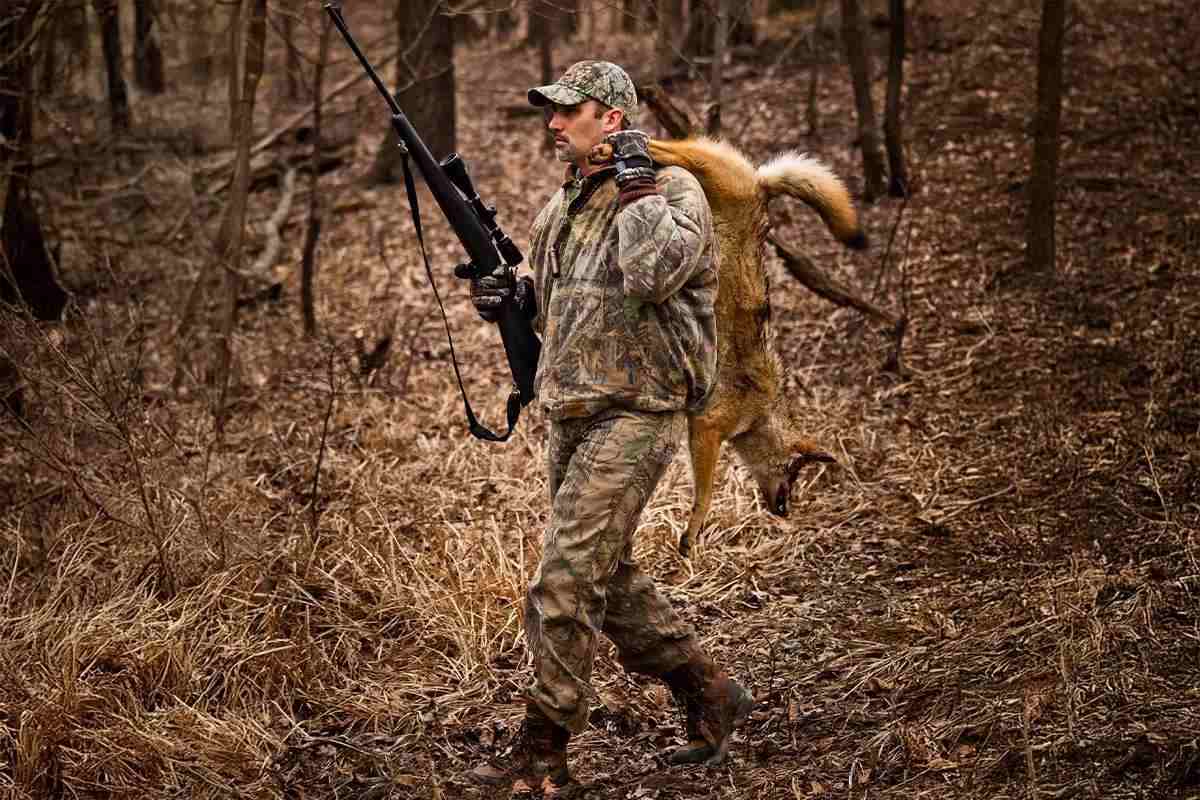
Daylight was fading rapidly over the cold Midwestern farm fields. There wasn’t much of a breeze, but the small rise where I had set up seemed to catch the winter wind more than the surrounding corn fields, and in the last few minutes of fading light that wind found its way past my facemask and down my back. I shivered against the cold.
My hunting partner Matt pressed the button on the e-caller, and the fields were filled with the wail of a cottontail. I was still settling in behind the rifle when I caught sight of a gray form gliding out of the trees. Before I could raise the rifle, there was a crack from Matt’s .25-06 and the first ’yote of the evening was down. It was the fastest response to a call I’d seen and a good start to a cold night of coyote hunting.
After whitetail season winds down, it’s tempting to spend the frigid winter days stretched out in a recliner close to the fire, but the reality is that the coldest days often bring with them the hottest coyote hunting action.
Coyotes are born in the spring after a gestation period of 60 days. Late-spring and summer behavior revolves around rearing the pups and finding enough food to support the mated pair or pack and the growing youngsters. By mid-summer, the young coyotes are old enough to begin venturing away from the den and will often vocalize with their parents at night.
Advertisement
From early spring until autumn, the coyote’s life revolves around eating and raising young, but by October or November, the adult coyotes generally begin prompting their youngsters to move along. With winter and the coyote breeding season approaching, it’s time for the young of the year to venture out.
The arrival of winter in late December and early January coincides with the coyote’s breeding season. Most female coyotes come into estrus in January, and while they don’t “rut” like whitetails, coyotes do change their behavior patterns in response to the breeding season. Coyote social patterns vary by location, but oftentimes these monogamous creatures mate for life, and breeding pairs call frequently during breeding season. Biologists give various explanations for this uptick in pair vocalizations, stating the behavior may be a way of signaling to interlopers that the territory is occupied. Or perhaps the excess calling is simply a bonding behavior among mates.
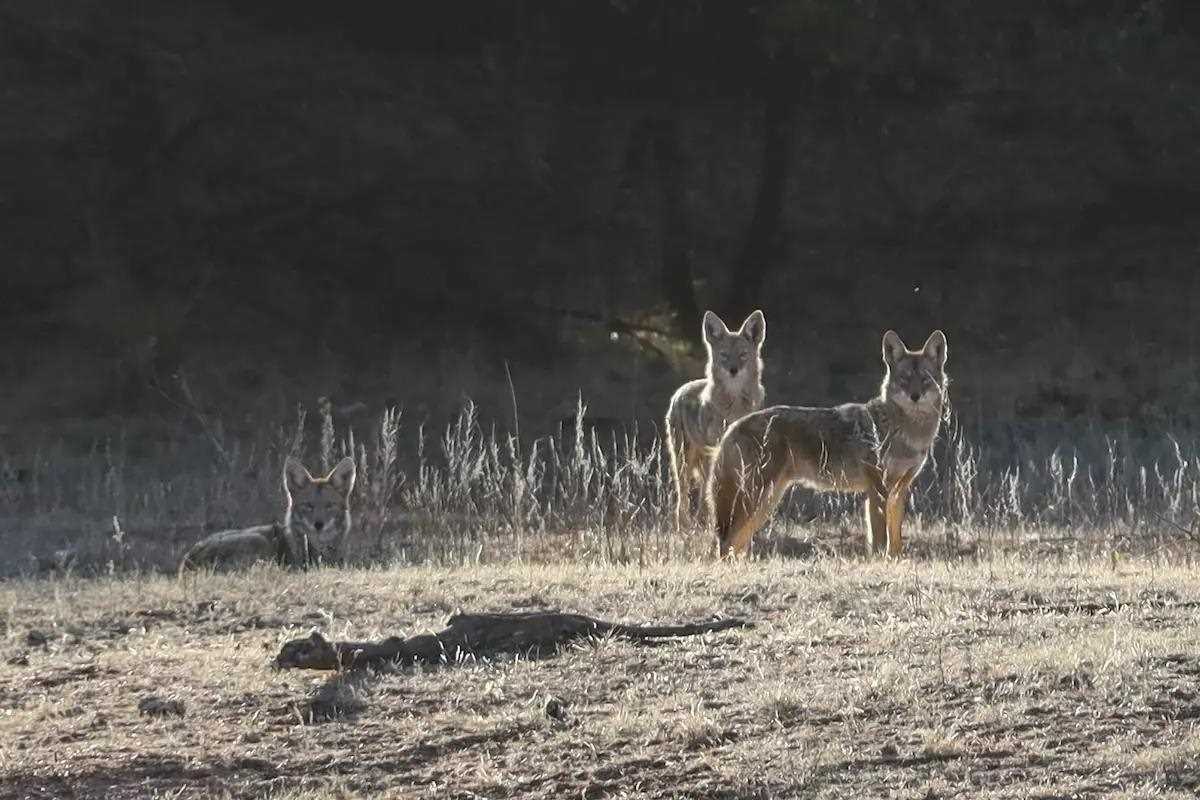
One of the questions most often asked of biologists is whether coyotes live in packs or pairs, and the answer is “yes.” Coyotes have been observed living in packs that consist of related individuals (the previous year’s offspring, generally), but in other areas, coyotes form mating-pair bonds and rarely travel in packs. Whether in packs or pairs, coyotes will patrol their territory during the winter breeding season and defend against interlopers.
Advertisement
While adult coyotes are singing love songs to strengthen their pair bond, the youngsters that have been booted from their familial pack are stuck to roam around the landscape in search of new territory. These young dogs are on the move, they’ve lost the structure (and free meal ticket) that their birth pack offered, and they’re more naïve than older dogs. My coyote hunting buddy calls them jakes because they remind him of the overzealous young male turkeys with little beards and even less experience who come high-stepping into a turkey call, and I believe the comparison to be apt. Young dogs that are fresh out on their own in search of food and territory are likely to come to the call, and I’m certain that these young, inquisitive ’yotes make up a sizeable portion of the late-fall and early-winter coyote harvest.
Mature coyotes that have formed breeding pairs have a better lot in life than the youngsters of the species, and their experience and social status oftentimes make them harder to kill. Coyote home ranges generally span two to 10 square miles, depending on habitat and coyote density. While coyotes will defend their home turf, they’re not nearly as territorial as other large predators like wolves. Whereas wolves may fight ferociously and even kill one another in territorial disputes, coyotes are far less likely to engage in violent territorial fights, and most conflicts are resolved without injury or bloodshed.
How a coyote responds to your call depends upon a variety of factors, but social status certainly plays a key role in a dog’s response. I believe that “jake” coyotes—yearling dogs that have been booted from their pack—make up a large part of the winter kill because they’re more responsive to vocalizations from other coyotes. The standard yip-howl call that is familiar to most hunters will often elicit a response from these yearling dogs, and they seem more prone to poking their heads out to take a look when they hear another coyote vocalizing.
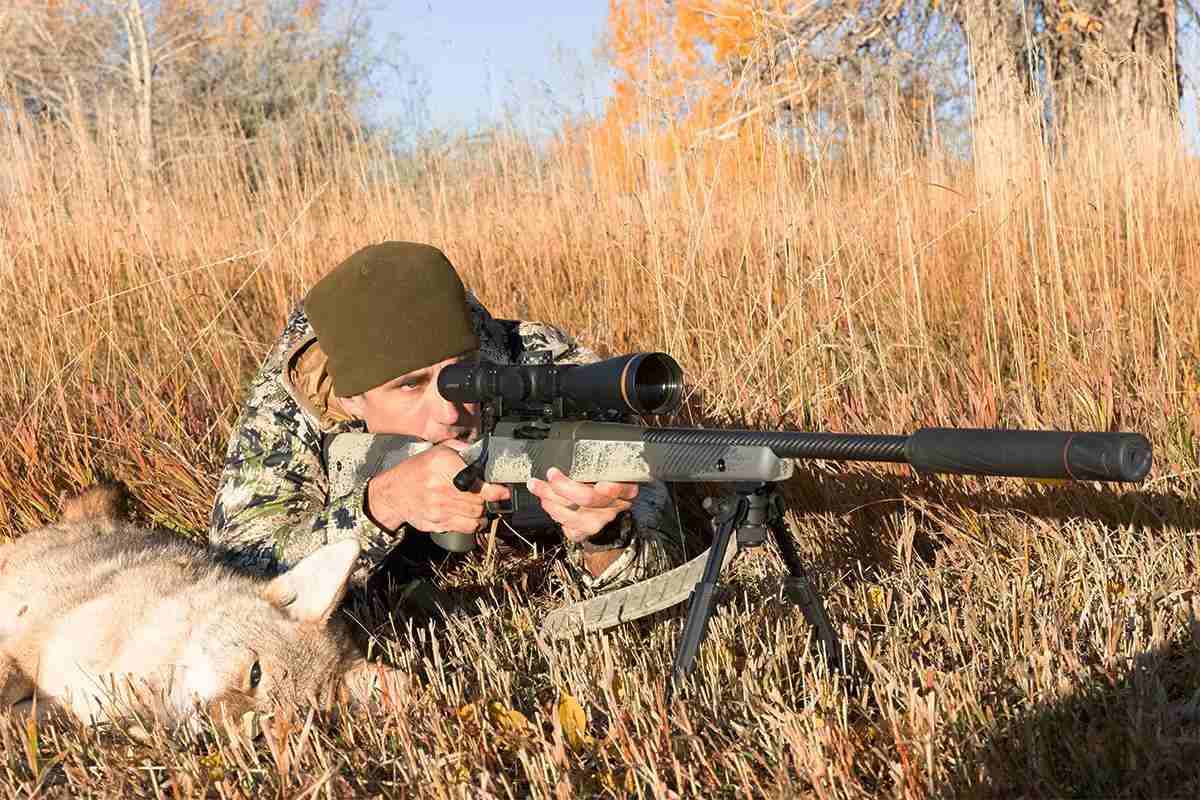
Before you start randomly pressing buttons on your Foxpro remote, it’s worth breaking down the primary coyote vocalizations. Coyotes are vocal canines (their scientific name Canis latrans translates to “barking dog”) that communicate in a series of grunts, barks, snarls, howls, yips, and other calls. Many of these calls are primarily shared between packmates at close range, but others are designed to communicate messages over large territories.
Without spending too much time focusing on coyote communication, I’ll keep the discussion of useful long-range calls for hunters to a minimum. The classic yip-howl vocalization is the one that you’ve likely heard most, and the varying yaps, barks, and howls that coyotes use during these vocalizations often make it sound as though there are more coyotes in the pack than there are. The yip-howl is a territorial call that may prompt other coyotes to stay away or respond in kind (yip-howls often prompt other pairs or packs to join in the communication), but a bark or bark-howl is more aggressive and serves as a warning or signal of agitation. Lone coyotes often give a single howl or yip-howl as a contact howl to locate other dogs in the area. The call simply means, “I’m over here.”

Field Tested: Aero Precision SOLUS Lightweight Hunter RifleRead Article

Expert Advice: How to Shoot from High AnglesRead Article

Federal Premium New Ammo Offerings for the New YearRead Article

Pairing the Best: Ruger Precision Rifle and Burris Eliminator 6Read Article
Advertisement
Understanding which call you choose and how aggressively to call requires finesse and experience. I’ve seen coyotes respond in a manner that is totally inconsistent with what I expected, but you should choose the type of call that sends the message you want to convey. A single dog out mousing in a field may respond to a single howl, but a pack of four or five dogs may come to investigate a bark-howl in an effort to drive away a single interloper.
I wish I could tell you that a single call will prompt the response you want from a coyote every single time, but that’s simply not the case. However, winter is a time when coyotes are quite vocal and territorial. Knowing how to speak their language can have the desired results.
Vocalization calls work well in winter, but distress calls are still my favorite for stacking up coyotes. There are a couple of factors that make winter a great time for calling coyotes with the promise of food. A lack of widely available prey in the form of young rabbits, game birds, and fawns means that coyotes are always working to fill their stomachs, especially when the cold of winter strikes. Convince a coyote you’re an interloper or a receptive mate, and it may come running. Tempt it with food, and the odds are even better that you’ll get a response right away.
Coyote diets are extraordinarily varied. They’ll eat everything from berries to carrion, insects to cottontails. But in almost every corner of the coyote’s habitat, their favorite prey is small mammals—small rodents, in particular.
In winter, the leaves have generally fallen from the trees, and sound travels more efficiently. On really cold, still nights with ice and snow on the ground, even the slight squeak of a mouse carries a long distance through the frozen air. Blue jay, wild turkey, pup-in-distress, and cottontail calls also work well, but the cottontail-in-distress call is so commonly used by coyote hunters that it’s not my first choice. While it still seems to work well on unpressured predators (I killed a gray fox in Texas that very nearly ran into my lap when the rabbit distress call started), I think that educated coyotes in densely populated areas east of the Mississippi have started associating those distress calls with the searing whiplash of a bullet, and therefore are less likely to approach.
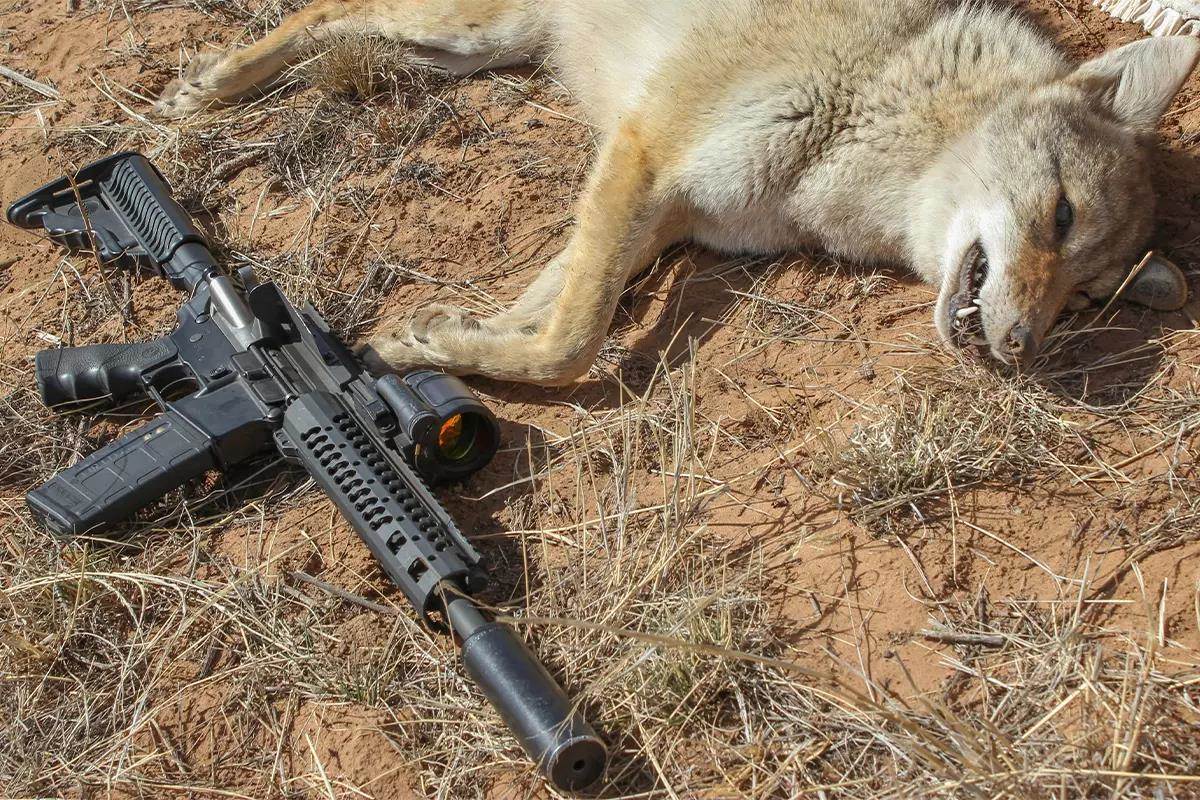
The lack of foliage in winter makes moving decoys more visible to coyotes. A scientific study conducted a few years ago concluded that coyotes use vision as their primary sense when locating prey. Sure, they’ll respond to scent and sound, but a ‘yote really wants to see its prey. Motion decoys have been a real game-changer, but they’re not nearly as effective when coyotes can’t see them through vegetation. The clear, cold winter months make it easier for dogs to locate the decoy.
Winter certainly presents challenges, but if you’re willing to brave the cold and scout prime coyote areas, there’s a good chance you’ll connect with a coyote during the dead of winter. If you appeal to its need for social interaction or a longing to fill its stomach, you’ll very likely score.
Written by Lianna Tedesco
Published: January 7, 2026
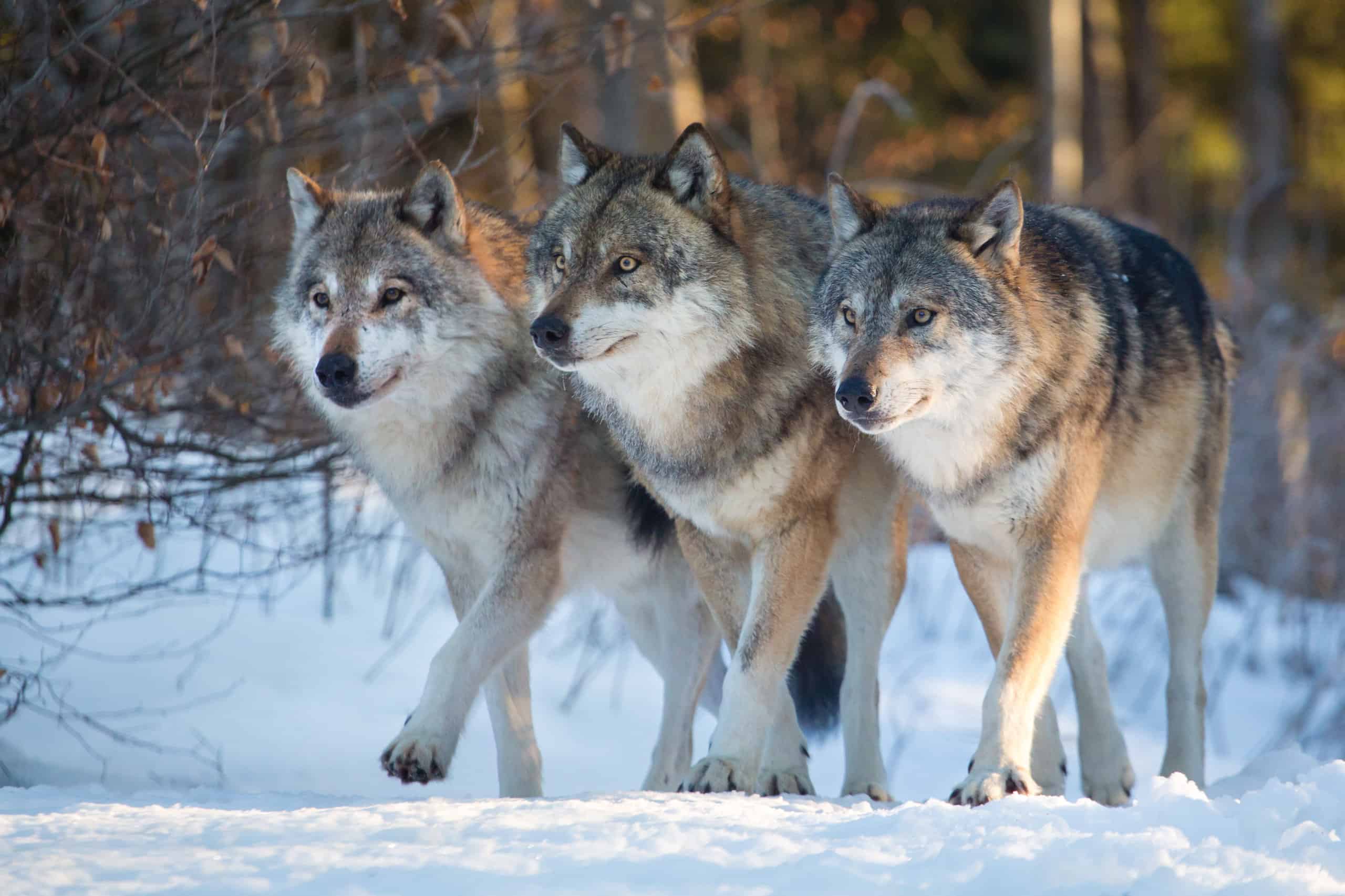
Gray wolves are currently listed as endangered under the Endangered Species Act in most of the lower 48 states, except for the Northern Rocky Mountain population. In December 2025, the U.S. House passed a bill to remove these protections, but as of January 2026, gray wolves remain federally protected until any new law is enacted. Fewer than 20,000 gray wolves currently live in the U.S. Given these numbers, it’s hard to believe wolf populations are actually saving lives when their own still hang in the balance.
However, recent data show that wolves still play a crucial role in their ecosystem despite their declining numbers. Not only are they steadily controlling deer populations, but they’re also helping in an unlikely way. When it comes to the number of deer-vehicle collisions in rural areas, wolves are unsung heroes.
Between 1.5 and 2.1 million deer-vehicle collisions happen annually in the U.S. These are sometimes fatal, almost always for the animal, and occasionally for drivers and passengers. They result in thousands of dollars spent on car repairs, not to mention the cost of cars that are totaled in the accident. Some states have tried to address this, including installing wildlife bridges and adding more signage indicating animal crossings. While these are proactive measures, they do not rival the effectiveness of native wolf populations in reducing deer-vehicle collisions.
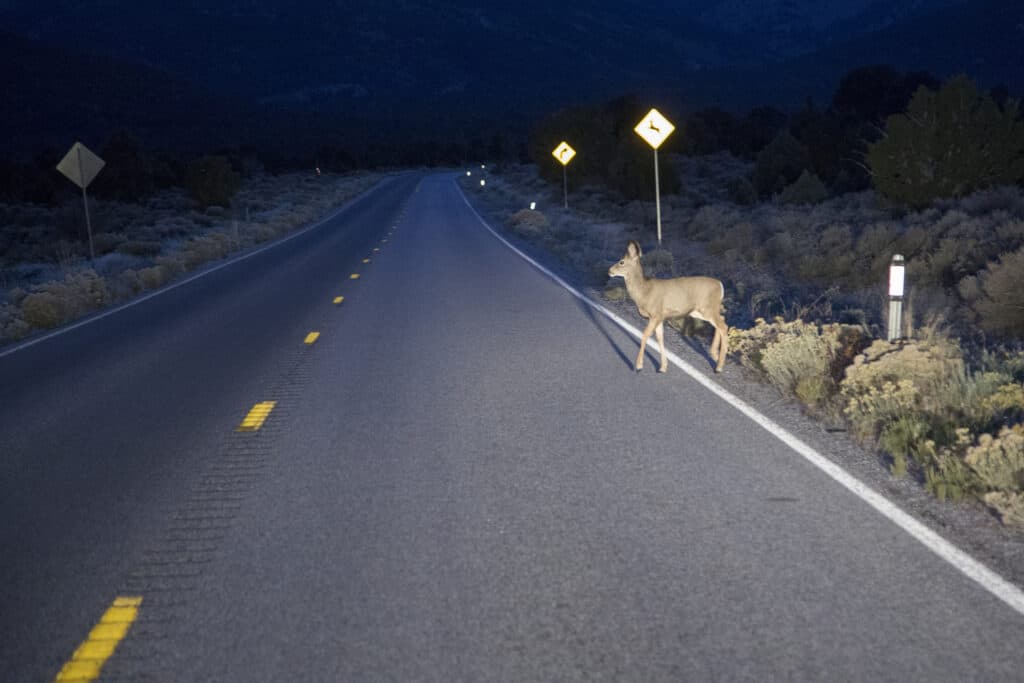
Wisconsin is typically ranked among the top five states for deer-vehicle collisions. But according to a recent study, these accidents have significantly decreased. From the 1990s onward, there was approximately a 24% decrease in accidents along major road corridors where gray wolves recolonized. This is a significant difference compared to other regions of the country without gray wolves. The theory? The gray wolf migration from Canada and Minnesota introduced not only an apex predator but also a means of population control.
Scientists now call the effect of wolves on a native deer population the “landscape of fear.” To understand this, we must first understand what happens when a predator colonizes new territory. During a wolf migration such as the one that occurred across Wisconsin, deer were introduced to a new threat. After 1985, Wisconsin saw an average annual population increase of 20%. This sent out a ripple effect. Farmers began to see more wolves than coyotes, livestock was hunted, and the deer population decreased.
White-tailed deer are the primary prey for gray wolves. Thankfully, Wisconsin has a healthy deer population, which means wolves and coyotes are not competing for food. Gray wolves also follow very linear patterns when moving into new territory and hunting. This causes them to follow straight paths such as railroad tracks, highways, pipelines, and waterways. As they hunt through these corridors, the deer population thins.
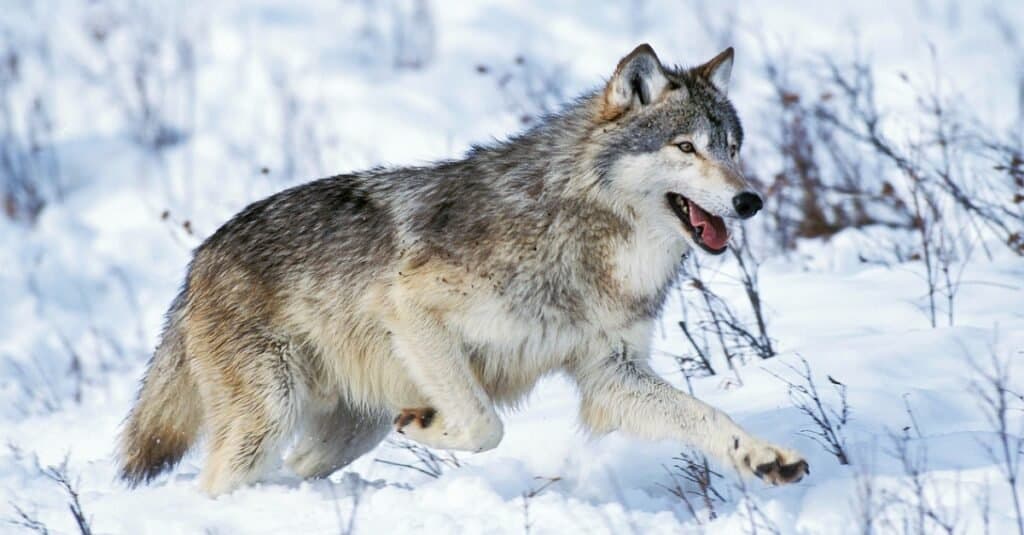
That is, until the deer begin changing their patterns. As this happens, white-tailed deer also move out of colonized gray wolf territory. By doing so, they avoid claimed areas, such as highways and roads, where wolves actively hunt. This “landscape of fear” is responsible for fewer deer crossing roadways, thereby reducing vehicle collisions.
Jennifer Raynor, Assistant Professor of Economics at Wesleyan University, was the first to report this 24% decrease in Wisconsin’s deer-vehicle collisions. Raynor was also the first to suggest that the “landscape of fear” is far more effective than hunting to control the deer population. This research is now invaluable, as it is helpful for both conservation and economics. Following recent legislative efforts to overturn Endangered Species Act protections for gray wolves, conservationists fought to save them in Wisconsin. Simultaneously, hunters were preparing to help control the population, which was affecting local farmers and livestock.

While hunters are dispatched to address these wildlife problems, this is not a flawless solution. Designated hunting grounds can potentially affect native wolf populations that are saving lives. There’s no way to tell if the wolves that are hunted are the same ones feeding along these travel corridors. Another significant issue with hunting is that its adverse effects cannot be determined until the season is over. Wolves are already at risk, and now their population decline is even more pronounced. Additional hunting pressure could threaten local populations while also increasing deer-vehicle collisions as the white-tailed deer population rises.
Raynor’s data now also serves as a middle ground, showing that maintaining a healthy, native wolf population can be more beneficial. Knowing that wolves may help save the lives of Wisconsin drivers makes a substantial difference. Raynor’s goal is for natural resource managers to make informed and sustainable decisions, many of which may affect the safety of the state’s roadways.
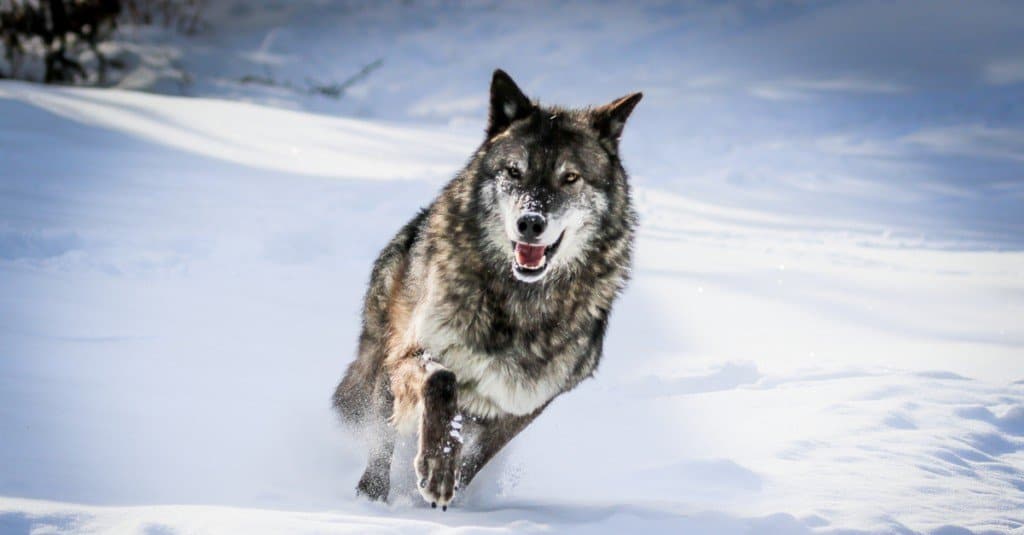
Another factor to consider is where wolves have previously been studied. Raynor’s data stands apart because of one crucial element: human behavior. This was a point made by Ed Yong in The Atlantic, and it is even more relevant today, as traffic is heavier. Whereas case studies conducted in national parks or rural regions don’t include statistics on vehicle collisions, this study does. Gray wolf studies in Denali National Park, Yellowstone, and Isle Royale National Park tell us about their interactions with moose, their habitat, and migration habits. However, none of these include their presence around humans or how that affects the wildlife around them. Studying these interactions could result in improved data for both conservationists and human safety.

