A 49-year-old man from Tipton County drove himself to a Dollar General for help after a weekend hunting accident left him with an arrow in his leg. (Photo Provided/Indiana Department of Natural Resources)
Posted: Jan 5, 2026 / 12:27 PM EST / Updated: Jan 5, 2026 / 05:09 PM EST
INDIANAPOLIS (WISH) — A 49-year-old man from Tipton County drove himself to a Dollar General for help after a Saturday evening hunting accident left him with an arrow in his leg.
James Spangler, of Sharpsville, was packing his gear around 6 p.m. when his crossbow “became caught on brush while lifting it from a shooting rest, causing it to discharge an arrow that struck his left thigh,” the Indiana Department of Natural Resources said Monday.
Spangler returned to his truck and drove from his hunting site near Mississinewa Lake in Wabash County to the Dollar General in the Grant County town of Sweetser, where he found help.
Grant County EMS transported Spangler to Marian General Hospital, where he was treated and released.
Top Videos
javascript:false
javascript:false
javascript:false
javascript:false
javascript:false
Indiana Conservation Officers remind Hoosier hunters to treat all firearms, bows, and crossbows as if they are loaded and always keep them pointed in a safe direction.
For more hunting season safety tips, visit hunting.IN.gov.
Clayton Bettencourt James (center) participates in the 4-H poultry show at the Santa Cruz County Fair in Watsonville on Sept. 12, 2025. The event used toy birds instead of live animals because of bird flu restrictions. (Gustavo Hernandez/KQED)
Here are the morning’s top stories on Thursday, January 1, 2026…
The fall bird migration in California typically peaks from September through November. And this past year, scientists discovered a new wave of avian influenza – or bird flu. Two farms in Sonoma County fought new outbreaks. State officials have been taking steps to mitigate the spread of infection, since major outbreaks were seen in dairy herds in August of 2024. That includes at county fairs.
A new children’s book from a Los Angeles author is inspired by her own childhood translating for her parents.
A swarm of kids peered into the pen of a huge sow nursing a row of piglets. They watched a teenager milk her goat, then petted a sheep named Taylor Swift. The usual refrain of oinks and bleats tumbled through the livestock stalls at the Santa Cruz County Fair in September.
But over in the poultry barn, not a cluck to be heard. Kids sporting their white 4-H uniforms, green ties and green berets sat on a cluster of hay bales, empty-handed, ordered to leave their chickens at home this year. “It’s because the bird flu is going around and they don’t want everybody’s chickens to get sick,” said 8-year-old Caleb Perez, from Gilroy.
Perez was one of three competitors in the youngest age group of the annual chicken showmanship contest, the local Super Bowl for 4-H kids, where they get to show off their animal husbandry skills. But instead of glossing their chickens’ beaks and prodding them to stand up straight, the kids lined up on the stage in front of the judge, each holding a stuffed toy chicken.
California’s state veterinarian banned all live chicken shows starting in January 2025, in an attempt to limit the spread of the highly contagious and often fatal avian influenza among poultry. More than 182 million birds have died in the U.S. since 2022. During the fall waterfowl migration in California, scientists saw a new wave of outbreaks at commercial farms, including two in Sonoma County. But as was the case with COVID-19 precautions, some people wonder if the tradeoff to kids’ education is really worth it.
This year, as South Gate librarian Stephanie Lien reviewed new picture books for the LA County Library’s shelves, she found a story that reflected her own childhood. Little Bird Laila is the story of a young girl with a big job — translating between the English in her everyday life and the Chinese her parents speak.
Sponsored
“ I know every kid who may be like a first-generation immigrant who has parents who don’t speak English that well — they’ve done the same thing,” Lien said. “I know I did it as a kid.”
In California, an estimated 1.8 million children are part of a family where at least one parent has difficulty speaking English. The experience of kids translating for their family members is called “language brokering.” It can feel burdensome but also build empathy.
Author Kelly Yang said learning two languages is something that should be celebrated. “I have been writing for many, many years — pretty much since I was a little kid — but wasn’t really sure if I could do it as a profession. I would go to the library, and I would look at the back of books, and I didn’t really see anyone who looked like me, so I didn’t really know if this was a possibility for someone like me,” she said. “I loved telling stories. I come from an immigrant background, and my parents and I moved here [from Tianjin, China] when I was 6 years old. Stories were really big in our family, as a way to keep ourselves motivated and paint a brighter future for our lives.”
Yang said books like hers create an opportunity for families to learn together.
Bird flu not only affects domestic poultry such as chickens, ducks and turkeys but can also spread through wild and migratory birds. In some cases, there’s also a risk of transmission to humans.
Cases of bird flu (avian influenza) have been reported in parts of Kerala, including Alappuzha and Kottayam. The rise in cases has led authorities in Tamil Nadu to intensify their surveillance along the border districts to prevent the disease from spreading into the state. Special preventive measures have been initiated under the supervision of Joint Director Dr Balakrishnan. Lakshmi Bhavya, Nilgiris District Collector, said that the transportation of live poultry, eggs, poultry waste and other related products from Kerala into the district has been temporarily banned as a precautionary measure.
Earlier, poultry farms in Tamil Nadu’s Namakkal district, which is one of the largest egg-producing hubs in the country, stepped up biosecurity and surveillance measures to prevent the spread of the disease. Namakkal alone accounts for nearly 1,500 poultry farms and produces millions of eggs daily, supplying markets across several Indian states and overseas.
Bird flu not only affects domestic poultry such as chickens, ducks and turkeys but can also spread through wild and migratory birds. In some cases, there’s also a risk of transmission to humans. The World Health Organization (WHO), from 2003 to August 2025, reported 990 human cases of bird flu across 25 countries. This also includes 475 deaths which indicates a 48% fatality rate. With such a high fatality rate, it is important to stay cautious and prevent the spread.
But first, what is bird flu?
Bird flu, also known as avian influenza, is an infection caused by a type of influenza (flu) virus. It usually spreads in birds and animals. Humans, too, can get bird flu when they’re in close proximity to infected animals. Cleveland Clinic says that it’s extremely rare that the infection spreads from person to person.
Humans can get bird flu when they come in contact with an infected animal’s body fluid, like spit (saliva), milk, respiratory droplets or poop (feces). They might breathe it in from small dust particles in animal habitats or get it into their eyes, nose or mouth after touching body fluids. According to Cleveland Clinic, “You don’t get bird flu from eating properly cooked poultry or eggs or from drinking pasteurised milk. Any flocks known to have avian flu virus are immediately taken out of the human food supply.” However, you should be extremely cautious and take necessary steps when you spot any sign of bird flu. Check out the symptoms and preventive tips of bird flu.
Symptoms of Bird Flu
Pink eye (conjunctivitis)
Fever
Fatigue
Cough
Muscle aches
Sore throat
Nausea and vomiting
Diarrhea
Stuffy or runny nose
Shortness of breath (dyspnoea)
Symptoms can be mild or severe. To prevent bird flu, focus on avoiding exposure to infected birds or contaminated environments while maintaining hygiene. Here are some of the ways to prevent bird flu.
Preventive Tips for Bird Flu
1. Avoid Bird Contact
Stay away from sick or dead wild birds, poultry farms, live bird markets, and dairy farms with ill animals. Also, if you come across any unusual bird deaths, report it to the authorities and let them handle it. This limits direct transmission from infected sources.
2. Cook Foods Properly
Thoroughly cook poultry, eggs, and meat to at least 165 degree farhenheit (75 degree celcius) internal temperature to kill the virus. Consume only pasteurised dairy and avoid raw or undercooked products.
3. Practice Hand Hygiene
Wash hands frequently with soap and water for 20 seconds, especially after touching birds, surfaces, raw poultry, or outdoor items like feeders. Use sanitiser if soap is unavailable. This removes any viral particles effectively.
4. Use Protection
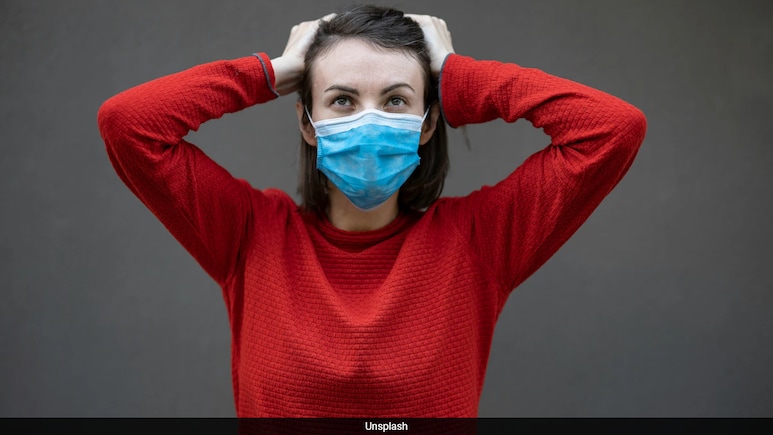
Wear PPE like masks, gloves, and eye protection during unavoidable contact with birds or animals. Change clothing and footwear after you come in contact. Biosecurity helps to protect high-risk groups like farmers.
5. Stay Vaccinated
Get annual human flu shots to avoid risks of co-infection. Follow local health advisories on outbreaks and avoid travel to affected regions if possible.
(With inputs from IANS)
Disclaimer: This content including advice provides generic information only. It is in no way a substitute for a qualified medical opinion. Always consult a specialist or your own doctor for more information. NDTV does not claim responsibility for this information.


 https://www.wishtv.com/news/indiana-news/hunting-accident-arrow-leg/