5 hours ago
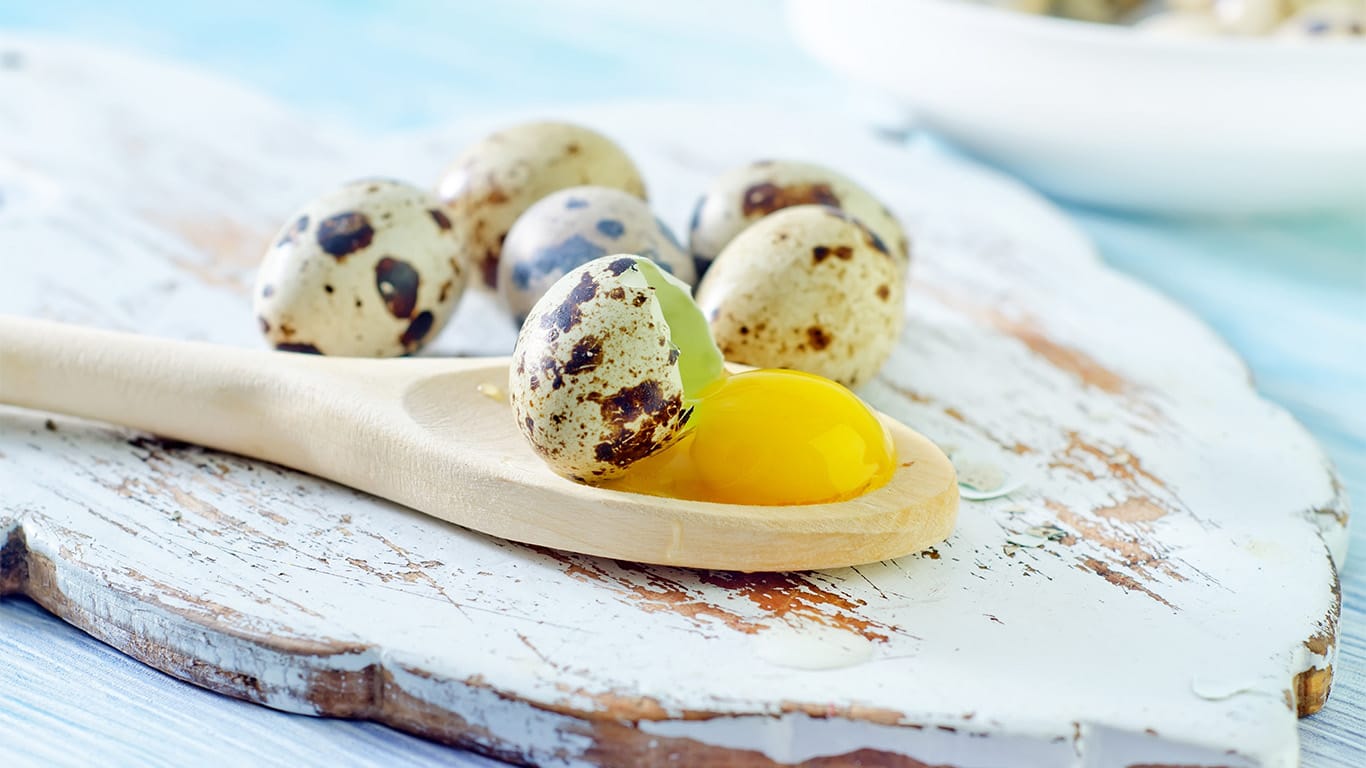
As bird flu has spread across 10 states, causing over 30 million chickens to be euthanized, quail breeders are seeing increased interest in alternatives.
In Arizona, at least four commercial farms in Maricopa County have experienced an outbreak that has decimated their chicken flocks.
LOCAL NEWS: 100 best places to work and live in Arizona for 2025
INDUSTRY INSIGHTS: Want more news like this? Get our free newsletter here
Hickman’s Family Farms, the largest egg company in the Southwest, has said it lost 6 million hens – 95% of its flock. It said in May that it would lay off most of its employees and will need up to two years to replenish the flock.
On three acres just outside of Coolidge in Pinal County, in a shipping container turned bird castle, resides an alternative food advocate.
Breeder Nick Klein started raising quail because his homeowners association at the time did not permit chickens. His decision eventually turned into a business.
“There’s a lot of people that want an alternative to being at the whim of the grocery store supply,” Klein said.
About 100 feet from Klein’s house, large Coturnix hens and roosters live side by side in cages in his makeshift roost. Most of the birds were born on the property. Klein cycles through his egg producers about every eight months, when they are ready for sale.
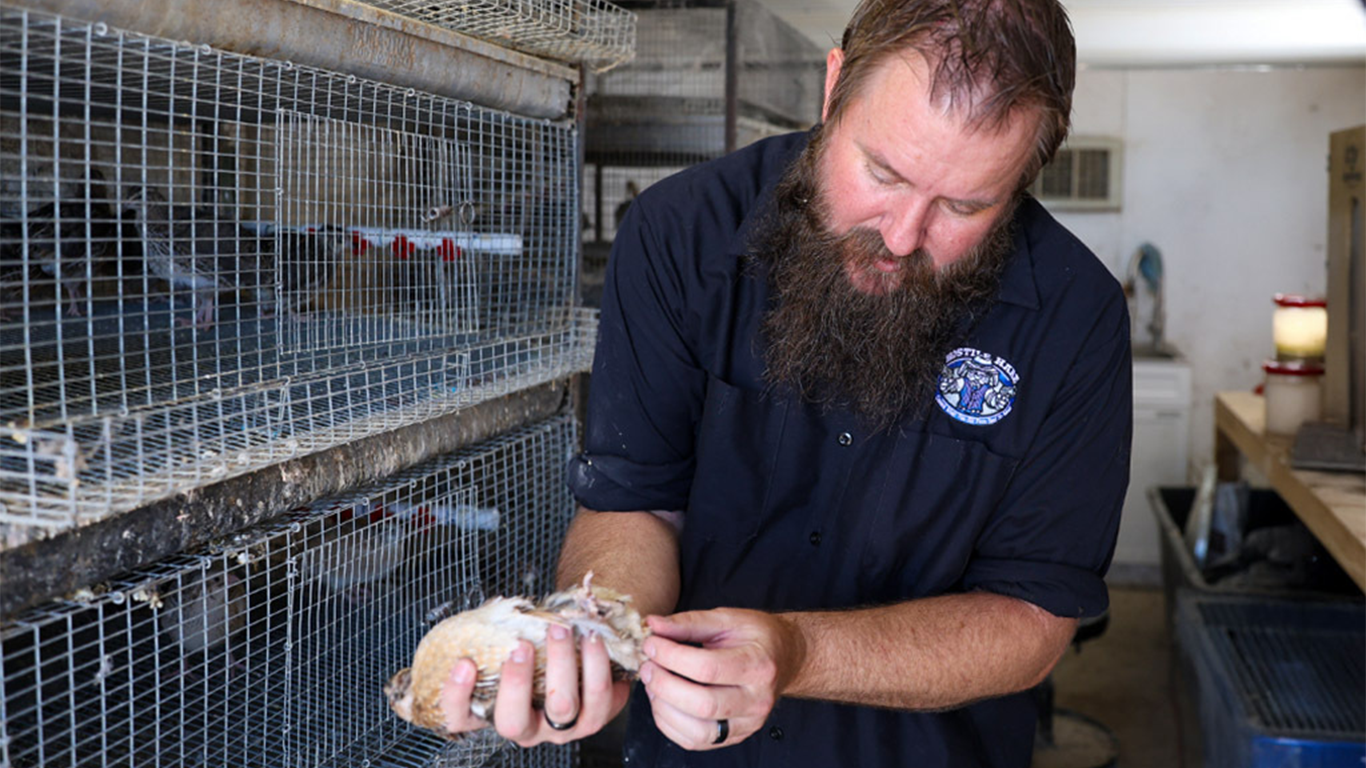
The flock is smaller than normal, he said, with about 15 birds. The container is rigged with air conditioning and an incubator and usually holds 50 to 100 birds.
In captivity, quail consume less food than chickens. They require higher protein feed, according to Klein, but they are also more efficient at laying eggs. Quail as young as eight weeks old can begin laying eggs; chickens start laying at seven months.
“They lay 300 eggs a year on average, whereas the chicken is 260 to 280 eggs a year,” Klein said. “So it’s kind of like the quail lay an egg every day, but they take weekends off.”
Quail aren’t immune to bird flu but the most virulent strains have hit chicken flocks much harder.
Spring Creek Quail Farms in Ontario, Canada, sells quail eggs across North America.
“We’re just seeing an overall trend in North America of people turning to healthier food options,” said CEO Aaron Oosterhoff.
Oosterhoff said he noticed a trend in people buying quail eggs before the flu outbreaks.
“Obviously, a huge increase in the quail egg demand and what we’ve been able to do in terms of making quail eggs accessible and understandable to people, we see that continuing after this,” Oosterhoff said.
Spring Creek Quail Farm continues to take precautions through sealing entrances from rodents, and washing facilities and equipment.
“We’re trying to protect our birds as best as we can that way,” Oosterhoff said. “We’re very careful to treat our birds extremely well … and we’ve been able to be spared so far.”
Both quail and chicken eggs have about 70 calories, but quail eggs have more cholesterol and B-12 vitamins, according to Lindsay Van Deest with AZ Dietitians, a wellness and nutrition center in Mesa.
“With quail eggs, if people have high LDL cholesterol, if they’re having issues with cardiovascular health, that could be contraindicated because it’s a higher fat food,” she said.
Van Deest said she has seen a shift toward vegan options for egg alternatives in the past couple of years.
“(What) I’ve seen the most of is probably a trend towards an interest in vegan products, just because they tend to be advertised more in social media, ads on grocery stores, their sales are specials versus quail eggs and duck eggs,” Van Deest said.
A dozen quail eggs costs about $5, while duck eggs are about $9 a dozen. The average price of a dozen chicken eggs in Arizona is about $6, according to data from World Population Review.
Vegan egg substitute costs about $7 for 24 ounces.
“I would say that would come down to what you have available to you, what you have the most access to, and personal preference from a cost analysis standpoint,” Van Deest said.
She recommended looking at personal dietary needs and accessibility if switching from chicken eggs.
“When it comes to picking an egg alternative, it is important to take into consideration the vitamin content, mineral content, fat, in addition to branch chain amino acids, which is a kind of amino acid that is essential for building muscle,” Van Deest said.
Quail breeders expect growing demand to continue.
“The pricing of eggs is a serious issue,” Oosterhoff said, “but underlying the demand for eggs is people looking for really good sources of protein that they can trust.”