New York poultry markets ordered to close temporarily as bird flu concerns spread
Reply

Genevieve Mansfield – genevieve.mansfield@thelocal.com
Published: 10 Feb, 2025 CET.Updated: Mon 10 Feb 2025 11:00 CET

A recent Ifop survey has found that the vast majority of French people are in favour of some restrictions on when hunting (ie shooting, known as la chasse in French) is allowed.
The survey found that 81 percent of French people supported a ‘break’ on hunting during the school holidays, and 79 percent supported not hunting on weekends and public holidays, French news site 20 Minutes reported.
Meanwhile, 78 percent said they supported Sunday being a ‘non-hunting day’, and 73 percent were in favour of combined restrictions – meaning no hunting during the school holidays, weekends or public holidays.
Overall, hunting does not have a lot of supporters in France, with 76 percent of the population in favour of banning it outright.
This may be related to the number of hunting-related accidents. On average, there are around 20 deaths as a result of hunting each year, though the majority of people injured or killed are hunters themselves.
Nevertheless, there have been some reports of bystanders being accidentally shot by hunters. In 2020, a young Franco-British man, Morgan Keane, was shot in the chest by a bullet from a boar hunter in the Lot département.
He had been in his garden chopping wood when the hunter mistook him for a boar.
Are there any restrictions on hunting in France?
There are several rules regarding hunting in France, including the fact that it is only allowed sanctioned during certain times of year.
France is divided into 94 hunting federations, and different federations have different start dates. Broadly, the season runs from September to February.
Hunting is also restricted to specific areas – for example, you cannot hunt within 150m of a dwelling or private home. It is also a requirement to place signs around a hunting area, that way passersby are aware if they are entering the designated hunting area. Still, many complain that these signs are often not sufficiently visible.
In order to hunt, you must also hold a permit (permis de chasser), which involves passing a theoretical and practical exam.
The French government has also sought to bring in some new restrictions, discussing a 14-point safety plan in 2023. One change included a new fine of €1,500 for “being in a state of obvious intoxication while carrying a firearm or bow while hunting”, which would rise to €3,000 for anyone convicted more than once.
Do you agree with banning hunting at weekends? Share your views in the comments section below
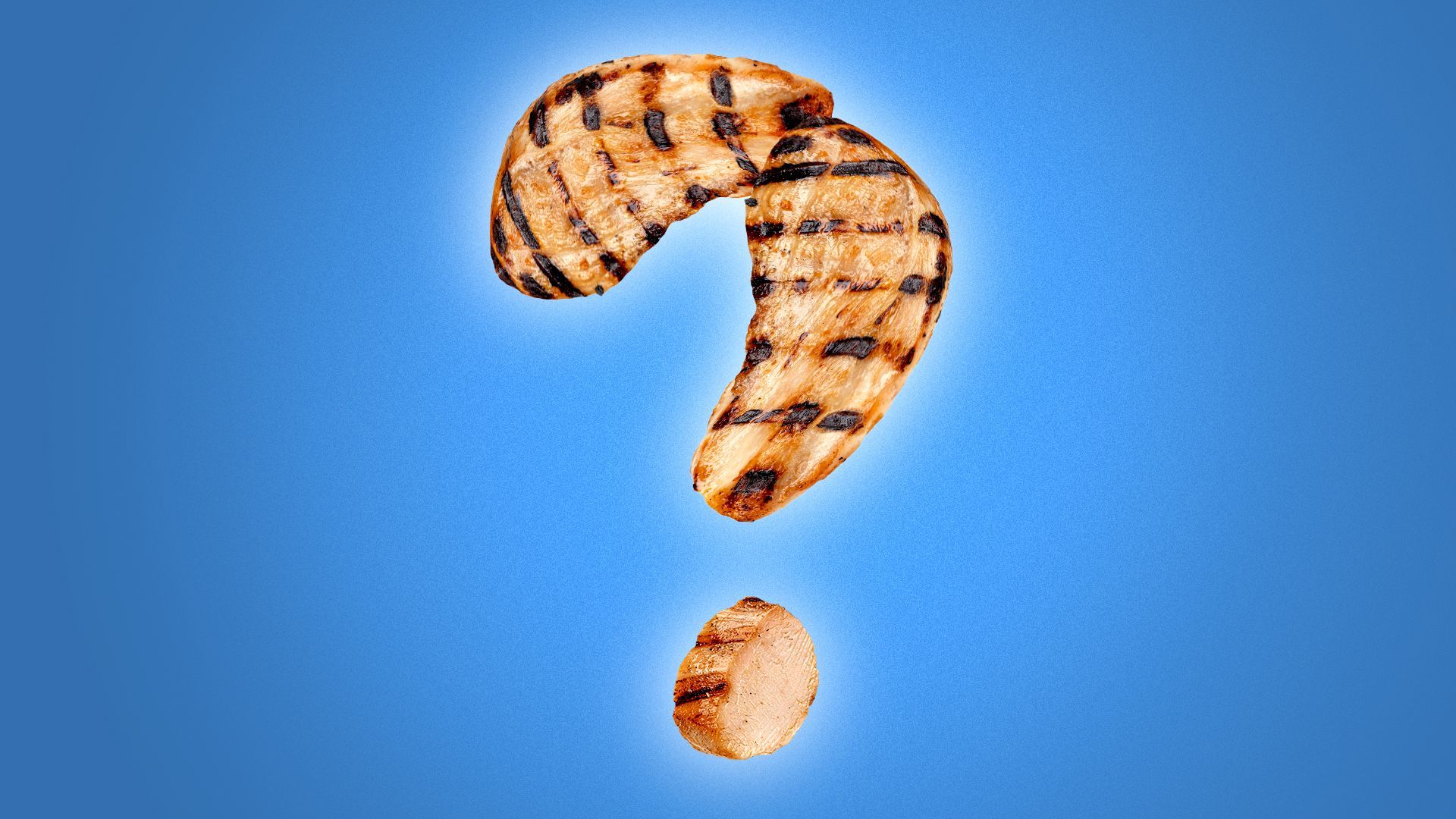
The escalating bird flu crisis is ravaging the nation’s supply of eggs, leading to increased prices and low-to-no stock at grocery stores, while chicken supply appears largely unchanged.
The big picture: The hens that lay eggs are not the same as the chickens raised for consumption.
Zoom in: Egg-laying hens typically start laying eggs after around 18 weeks, at which point they can stay productive for a year or longer, said Matt Sutton-Vermeulen, a supply chain expert on eggs, milk and meat for management consultancy Kearney.
Between the lines: This helps explain why Tyson Foods recently projected a 2% increase in its chicken production for its 2025 fiscal year even as the bird flu ravages egg production.
Yes, but: Chickens have also been susceptible to the bird flu, just not to the same extent.
More from Axios:


Jan 23, 2025
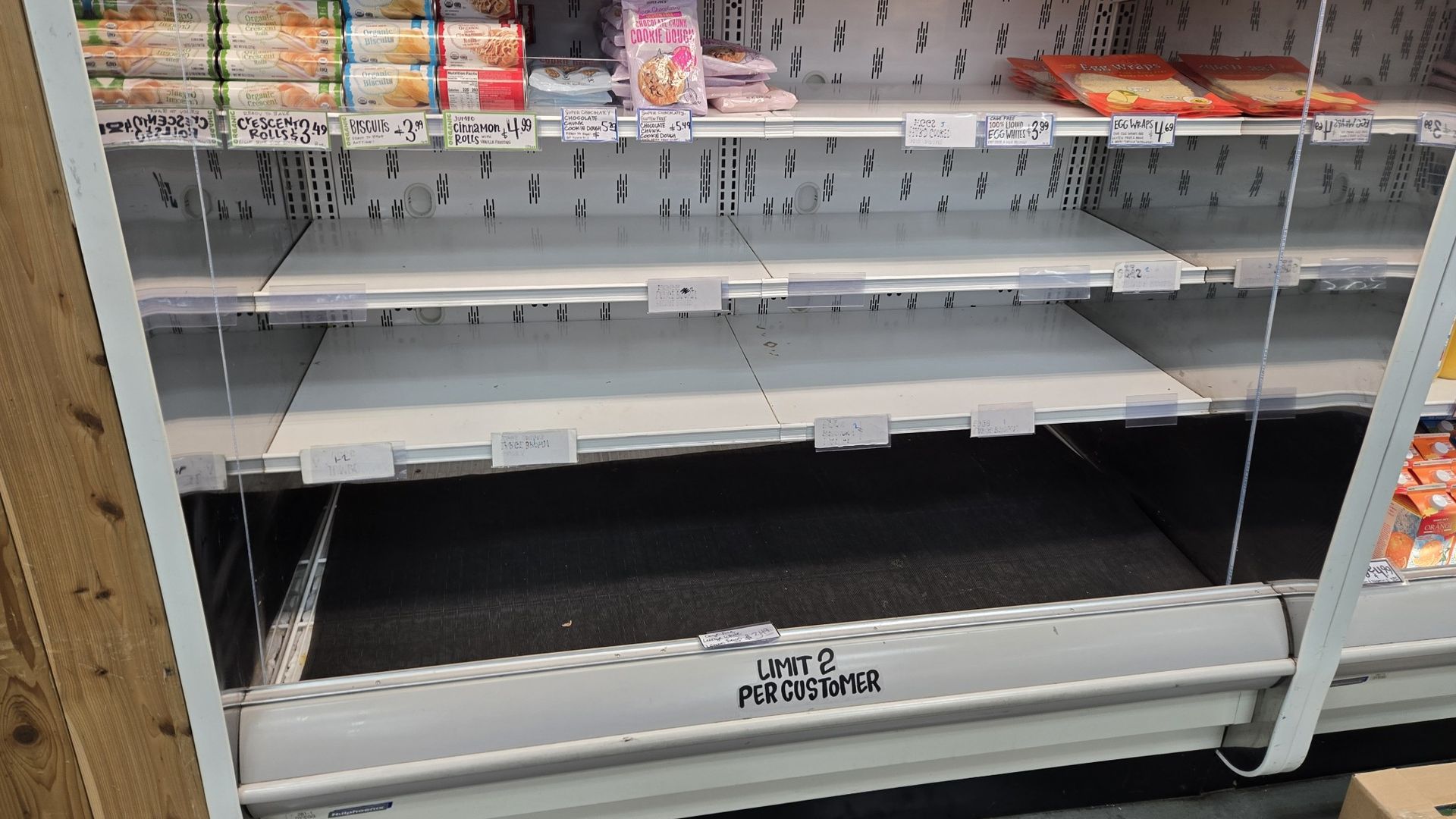
Bird flu is to blame for the elevated egg prices, rations and empty shelves at local grocery stores.
The big picture: A growing outbreak of avian influenza has affected nearly 13 million birds in the last 30 days, according to USDA data, and it’s causing a nationwide egg shortage.
Jan 21, 2025 –Business
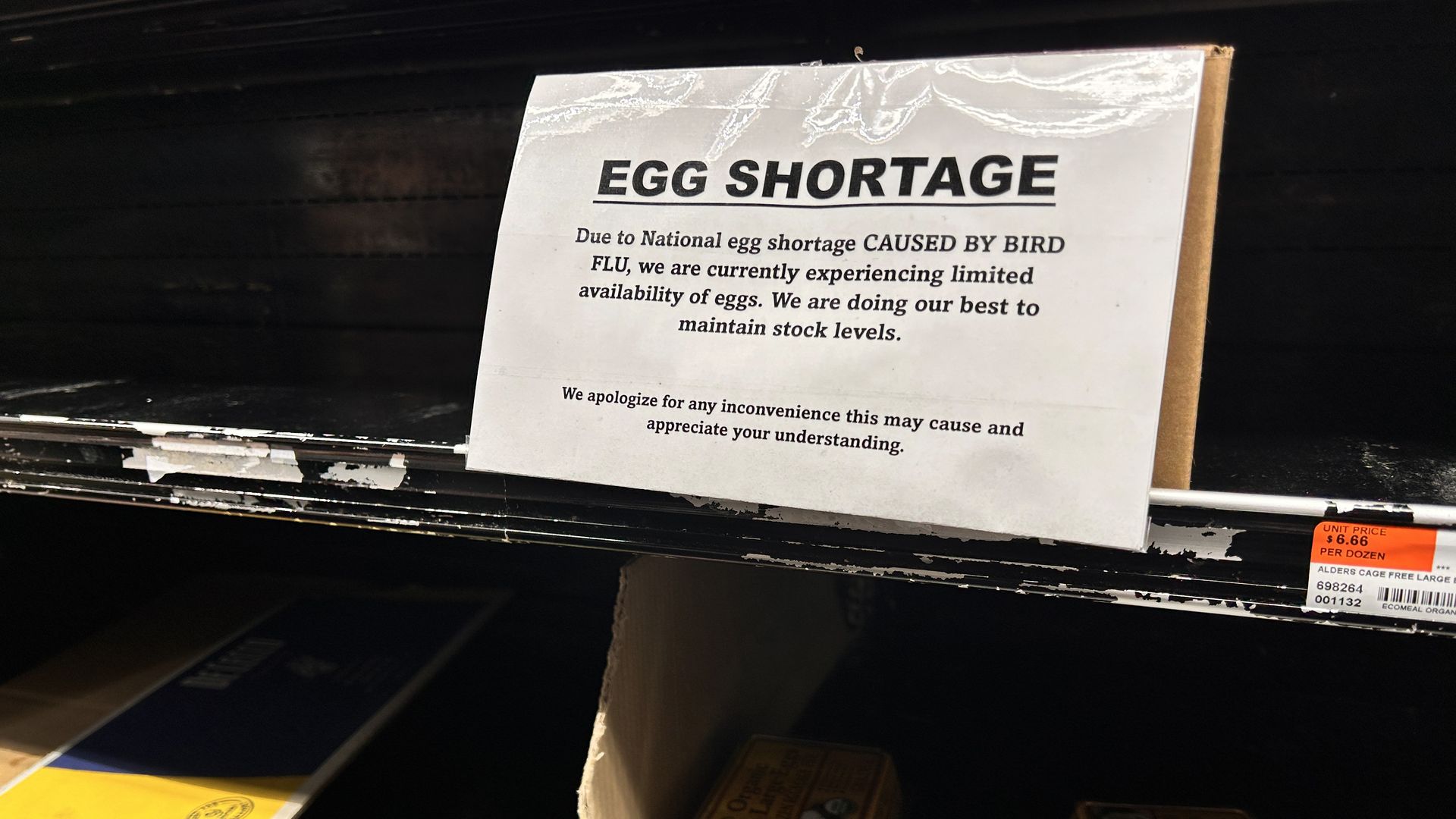
The escalating bird flu crisis is ravaging the nation’s supply of eggs, leading to increased prices and presenting an immediate challenge for the Trump administration.
Why it matters: An outbreak of avian influenza is growing and has affected nearly 13 million birds in the last 30 days, according to USDA data.
Feb 4, 2025 –Business
 Exposing the Big Game