Hunting guide accused of telling hunters to shoot wood ducks out of season, throwing ducks into canal
Reply

You can tell a lot about Amendment 83 — a measure to enshrine the right to hunt and trap into Colorado’s constitution — by looking at the handiwork and associations of its architect, Dan Gates (shown above).
He’s the Colorado representative of the NRA. The president of the Colorado Trappers and Predator Hunters Association. The Colorado director of the National Trappers Association. And the vice president of Fur Takers of America.
He’s allied with Kansas-based Hunter Nation and the Arizona-based Safari Club International that recognizes its members for killing polar bears and other bears (“Bears of the World” award) and lions, jaguars, and other felines (“Cats of the World” award).
Gates and his financiers are trying to present Amendment 83 — after spending $1.3million to get enough signatures to qualify it — as a benign measure to affirm the value of hunting and trapping.
They’ve pledged to spend $10 million to pass it on Nov. 3. And I can assure you their crusade to insert this “right” into the state constitution is not an empty gesture. It’s designed to be a weapon in their hands.
Read the fine print of 83: Amendment 83 seeks to protect “traditional methods” of hunting and trapping and to use them as “preferred means” of managing wildlife populations.
In 1992, with a 70% majority, voters stopped the horrifying practice of allowing the hunting of black bears in the spring, when mothers nurse dependent cubs. When the mother is shot, the cubs are orphaned, and the family group is lost.
That same measure, Amendment 10, prohibited shooting bears over garbage piles in a baited kill. And it forbids chasing bears with packs of dogs to set up the shooting of a from a tree trunk or a tree limb.
Amendment 83 is designed to nullify Amendment 10. In August, in talking about Amendment 83, Gates told the Cowboy State Daily that “CPW’s hands are tied by that ballot initiative.”
And the second target — a core ambition for Gates given that his profession is trapping wildlife — is to overturn the 1996 ballot measure to restrict cruel and indiscriminate steel-jawed leghold traps and snares.
Amendment 83’s language that hunting and trapping are the “preferred” means of managing wildlife creates a setup for a courtroom challenge to the law to restrict cruel and indiscriminate traps. For example, if a citizen expresses concern that there’s a bobcat in a neighborhood, or a beaver has built a dam and created an unwelcome pond, then proponents could demand trapping as the “preferred method” and kill the animals even though non-lethal methods would be the smart move.
If a legal case ensues, a single judge would be in a position to overturn a law passed by millions of Colorado voters.
Two years ago, during the Proposition 127 campaign to stop unsporting and inhumane trophy hunting and trapping practices for mountain lions and bobcats, Gates argued that Coloradans should trust Colorado Parks and Wildlife (CPW) and not allow voters to decide matters through democratic decision-making.
Now, in a head-snapping but predictable 180-degree turn, Gates is working to create a constitutional right to hunt and trap, including by “traditional methods,” that would not only supersede the rights of voters but also CPW.
Any future proposal involving hunting or trapping — halting killing bobcats for their fur, or halting the use of highly toxic lead ammunition that kills more than 100 species of wild animals — could potentially raise these questions: Does this restriction impermissibly burden the constitutional right to hunt? Does it interfere with a “traditional method”? Can the state demonstrate that the restriction satisfies Amendment 83’s requirements?
That could affect debates over trapping methods, predator killing, hunting seasons, methods of take, wildlife-killing contests, and any sort of other reform that citizens advance.
The danger is structural.
Colorado would be elevating hunting from an extensively regulated activity into a constitutional right while using undefined language about “traditional methods.” Future wildlife protections could then be evaluated against that constitutional command.
And let’s face it, what’s more traditional than the use of steel-jawed traps, set across the landscape of the Rockies even before statehood?
We are being outspent 20 to 1 by the trophy hunters and trappers.
But we are far from conceding this fight. Today, we are launching an advertisement against Amendment 83 (see it here). And with our allies at Colorado Hunters and Anglers for Sensible Wildlife Conservation, we have billboards going up across the Front Range (see an example here).
Will you dig deep and help us expand the placement of these billboards and other advertisements? We can win because the people of Colorado are smart enough to see through this scam.
If voters even get a whiff of our message, they won’t want to restrict their own voting rights, disband democratic decision-making processes, and unleash an assault on the wild animal communities of Colorado.
But time is short. Voting has started, closing in 28 days. Let’s not allow these extremists to pull a fast one over Colorado voters and turn the state into a free-for-all when it comes to injuring and killing wildlife.
Today, will you donate $83 to Animal Wellness Action to defeat 83?
And if you are in Colorado, please click this link to volunteer.
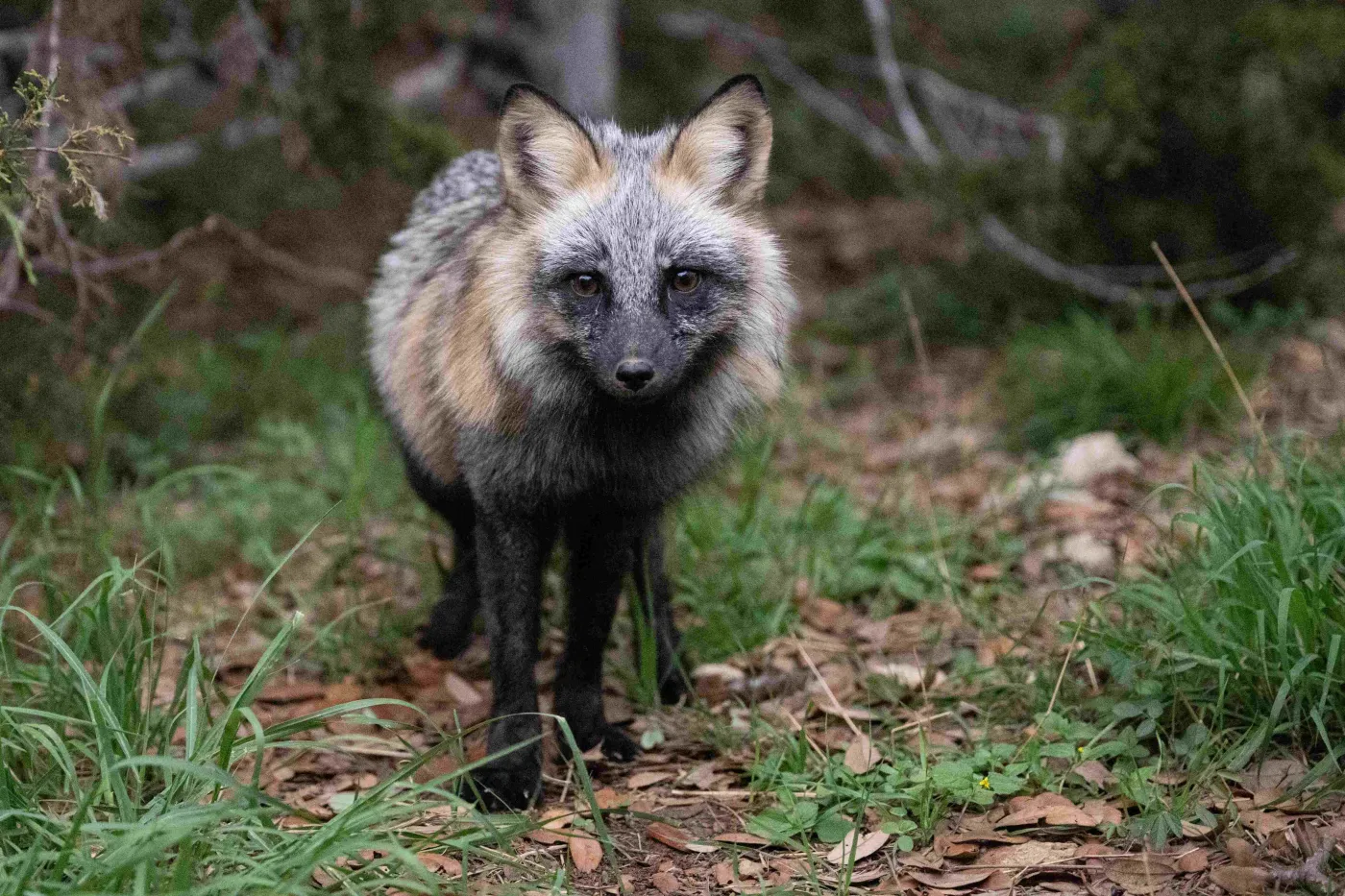
Switzerland becomes first country to ban fur imports and sales | Humane World for Animals
Date: October 5, 2026Author(s): Kitty Block
In a historic stand against animal cruelty, Switzerland has become the first country in the world to ban both the import and sale of fur.
Last year, the Swiss Federal Council banned all imports of fur and fur products produced using “methods that involve cruelty to animals.”
Now, the country has taken the next logical step, banning the sale of fur products within its borders, and thus setting a hugely important example for other countries to follow.
As we highlighted last year, we are still waiting on some final details on the exact meaning of “methods that involve cruelty to animals.” What we do know is that this will be decided by the Swiss authorities, not the fur trade, and we strongly encourage them to ensure it includes all sources of fur production.
Given the recent scientific opinion from the European Food Safety Authority and testimony from veterinary associations around the world, anything less than a full ban on products from animals farmed or trapped for their fur would be a travesty.
That’s because there is no way to humanely raise or kill an animal for their fur.
Switzerland’s move should become a watershed moment to end the fur industry once and for all. It is high time for politicians in other countries to follow the lead.
Our team in the United Kingdom recently welcomed the publication of the Government’s Animal Welfare Committee’s opinion on fur sourcing. It made clear the brutal reality of farming and trapping animals for their fur but recognized that more needs to be done at a political level, stating that “consumer and market forces currently do not and cannot provide sufficient pressure to adequately safeguard animal welfare.”
Now the question becomes what can be done to finally put an end to fur.
It’s increasingly recognized that the factory farming of animals for fur is not only immensely cruel and unnecessary—it’s also a danger to public health.
Fur farms pack animals closely together, making these hellish facilities the perfect place for viruses to spread. Because mink are vulnerable to both human and animal influenza viruses, keeping them in large numbers, in cages closely packed together, allows for the spread of COVID and other viruses to humans or other animals living on or near these facilities. In August, the first outbreak of avian flu (H5N1) on a U.S. mink fur farm underscores the urgent reality of these risks.
The cruelty and danger inherent in the fur industry is widely acknowledged. Now we need to harness political will to create permanent change for animals in this space.
This win for animals is also a reflection of just how weak the international fur industry has become. And it is also a testament to the steadfast work of campaigners on the ground there whose persistence has carried the issue forward, through the many legislative steps necessary for this historic outcome.
In this case, the fur trade had recently pushed hard to integrate its own industry-certification scheme into the process. Thankfully, this effort failed, as such scheme would have undoubtably watered down the effectiveness of banning fur imports and sales.
Meanwhile, in the UK, the FurFreeBritain campaign has the support of more than 200 Members of Parliament and Peers and the UK’s new Prime Minister, Andy Burnham, recently stated how he was “proud” of the action a previous Labour Government had taken in 2000 to ban fur farming. We urge him to follow Switzerland and move swiftly to introduce a ban on fur imports and sales. Such an initiative that would be as popular and as groundbreaking as that 2000 fur farming legislation. It would end the current double standard that allows the import of fur from animals from other countries who have been caged and killed in fur farms that would be illegal in the UK.
It is time, too, for the European Commission to publish its long-awaited proposal on the future of fur farming and trade in the European Union.
There is no reason for animals to suffer and die for the fur trade. The public knows it, and the calls for an end to the industry are getting louder. The evidence on animal welfare, public health, environmental damage and economic risk grounds is clear: the future must be fur-free.
Make fashion kind
Tens of millions of animals needlessly suffer and die every year for frivolous fur fashion.
Kitty Block is president and CEO of Humane World for Animals. Follow Kitty Block.
Police in Vietnam’s Ho Chi Minh City have arrested 12 men suspected of running a ring that stole and resold about 2,700 cats for meat
ByThe Associated Press
October 6, 2026, 2:08 AM
1:58
Headlines from ABC News Live
Headlines from ABC News LiveCatch up on the developing stories making headlines.
HANOI, Vietnam — Police in Vietnam’s Ho Chi Minh City arrested 12 men suspected of operating a citywide ring that stole and resold about 2,700 cats for meat, Vietnamese state media said.
Police identified 39-year-old Luu Thanh Binh as the alleged leader of the network. He and 11 others were being investigated for theft, state media said Monday.
Investigators said Binh bought stolen cats, kept them at a facility in the city’s north and resold them for meat. He worked with suppliers who recruited others to ride motorcycles through residential neighborhoods between 11 p.m. and 4 a.m., hunting for cats and trapping four to 10 cats each night.
Eating dog and cat meat is not unique to Vietnam and has been practiced in parts of Asia, though it is not common practice. In Vietnam, cat meat traditionally is more commonly consumed in the north, among older generations.
The practice has declined with growing pet ownership and urbanization, and younger Vietnamese are more likely to regard dogs and cats as companion animals.
In 2024, more than 250,000 people signed a petition calling for an end to Vietnam’s dog and cat meat trade. The city of Hoi An also pledged in 2021 to end the sale and consumption of dog and cat meat.
Some believe eating cat meat brings good luck, though there is no scientific evidence for such claims.
Police raided the network on July 8 and found about 50 cats and dozens of traps, state media reported.
The suspects told investigators they had stolen and sold about 2,700 cats, the reports said. Police did not say how long the operation had been running.
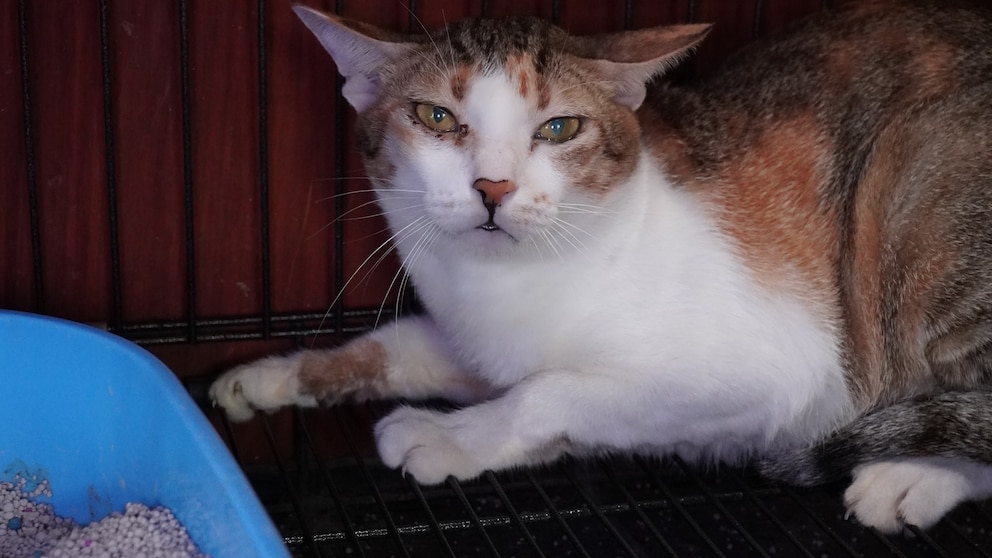
Police returned 13 of the cats confiscated in the raid to their owners. A nonprofit animal rights group was caring for the others while authorities sought to identify their owners.
Under Vietnamese law, dogs and cats are considered private property, and stealing them is considered theft. Criminal prosecution generally applies when the value of the stolen property exceeds 2 million dong ($77).
In a separate raid in June, police reported they had rescued more than 400 cats. At least 40 were reunited with their owners, but dozens of dead cats were found packed in ice.
Vietnamese police arrest 12 suspected of snatching cats for meat – ABC News

