Man drowns while duck hunting on Great Salt Lake
Reply

By Tom Polansek
October 21, 20241:59 PM PDTUpdated a day ago
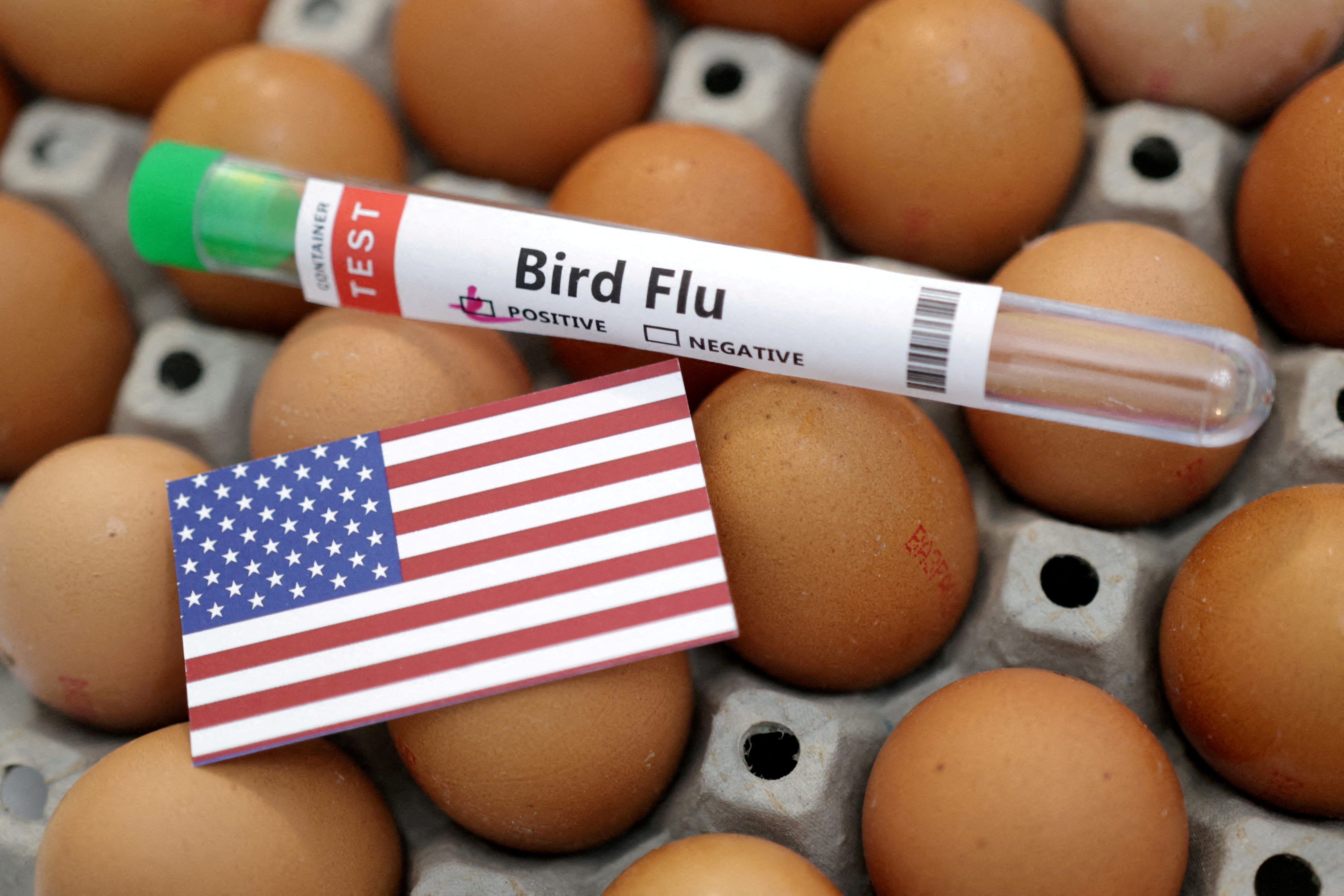
CHICAGO, Oct 21 (Reuters) – The CDC is deploying a team to Washington state to assess the health of farm workers who culled poultry suffering from bird flu after four workers are presumed to have been infected by the virus, U.S. and state health officials said on Monday.
The infections would make Washington the sixth state to identify human cases this year.
The cases fuel growing concern among public health experts, as infections of U.S. dairy cattle and more than two dozen farm workers have worried scientists and federal officials about the risks to humans.
Advertisement · Scroll to continue
California and Washington have said they are seeking to administer seasonal flu vaccines to farm workers to reduce their risk of being infected with both bird flu and seasonal influenza.
Infections with both types of virus simultaneously could increase the risk of changes that could make bird flu spread more easily in people and potentially cause a pandemic, virologists say.
“We don’t have evidence yet of transmission between people,” said Roberto Bonaccorso, spokesperson for the Washington State Department of Health.
Advertisement · Scroll to continue
The Centers for Disease Control and Prevention is awaiting specimens for testing from Washington and sending a team to support the state’s assessment of farm workers, an agency spokesperson said. The risk to the public from the outbreak in cattle remains low, but those with exposure to infected animals are at heightened risk, according to the CDC.
The four tested presumptively positive after working at an infected egg farm, Washington’s health department said, adding their use of protective gear was inconsistent. The workers suffered mild respiratory symptoms and conjunctivitis, and were given antiviral medication, officials said.
The workers were removing carcasses and litter and cleaning facilities where about 800,000 chickens were culled, the health department said. The farm was hit by a strain of the virus from wild birds, according to Washington’s agriculture department.
Nationwide, 27 people had tested positive for the virus in 2024 before the cases in Washington. All but one had known exposure to infected poultry or dairy cattle.

21 October 2024
21 October 2024
21 October 2024
21 October 2024
Wildlife officials have raised alarm over the continued threat of illegal bird trapping to the island’s avian population, with over 150 species known to have been caught in nets and limesticks.
Nikos Kasinis, a senior official at the Game and Fauna Service, told philenews that the term “collateral damage” aptly describes the unintended capture of non-target species in these indiscriminate trapping methods.
According to Kasinis, more than one-third of the affected species (58) are of conservation concern.
He cited a recent incident where two barn owls (Tyto alba) were found caught in limesticks in the Larnaca district. The birds were rescued, cleaned of the sticky substance, and released.
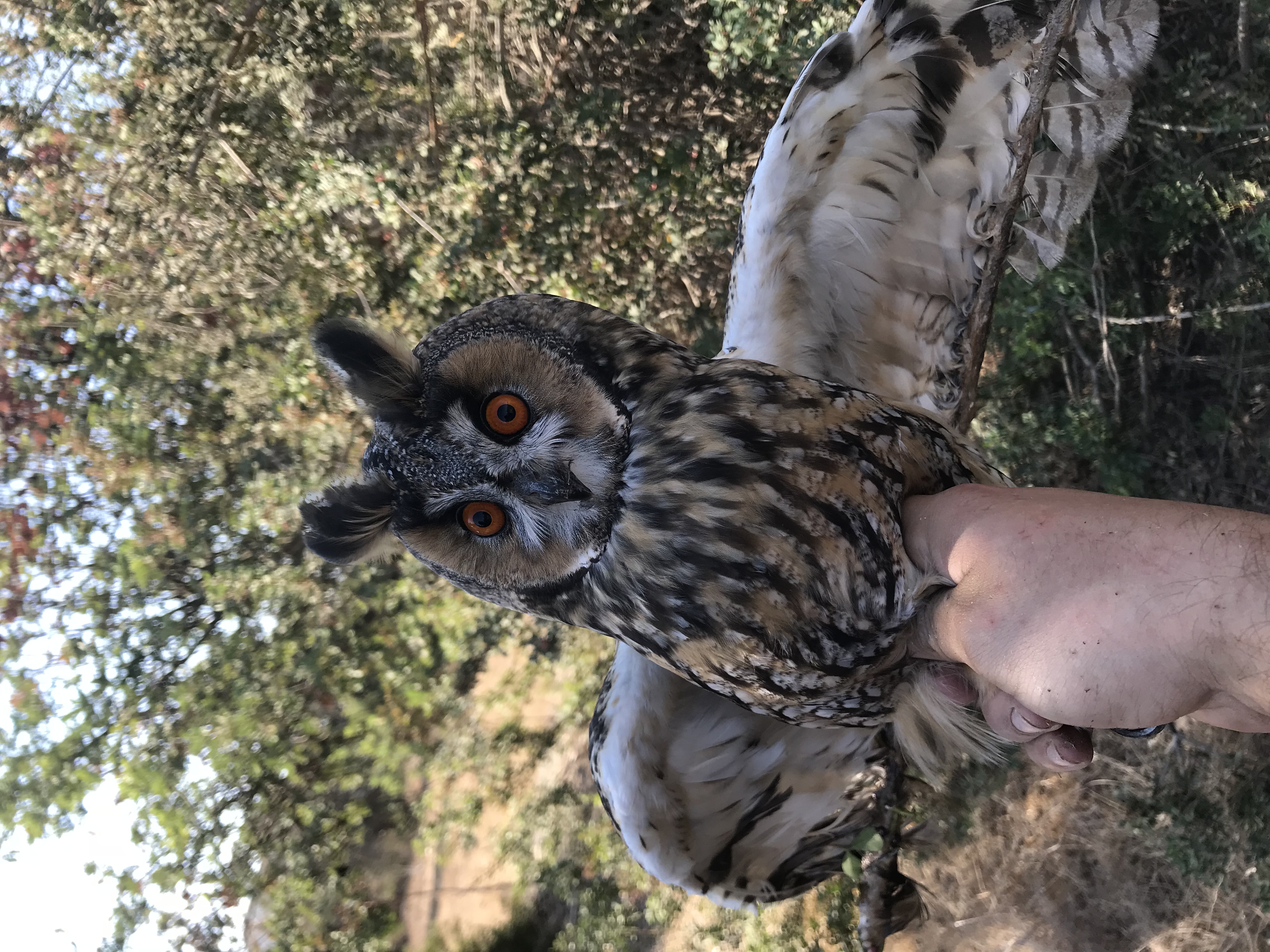
Kasinis highlighted the irony of the situation, noting that one of the rescued barn owls had been ringed by the Game and Fauna Service as part of conservation efforts.
These efforts include installing artificial nests across Cyprus to boost owl populations for natural rodent control.
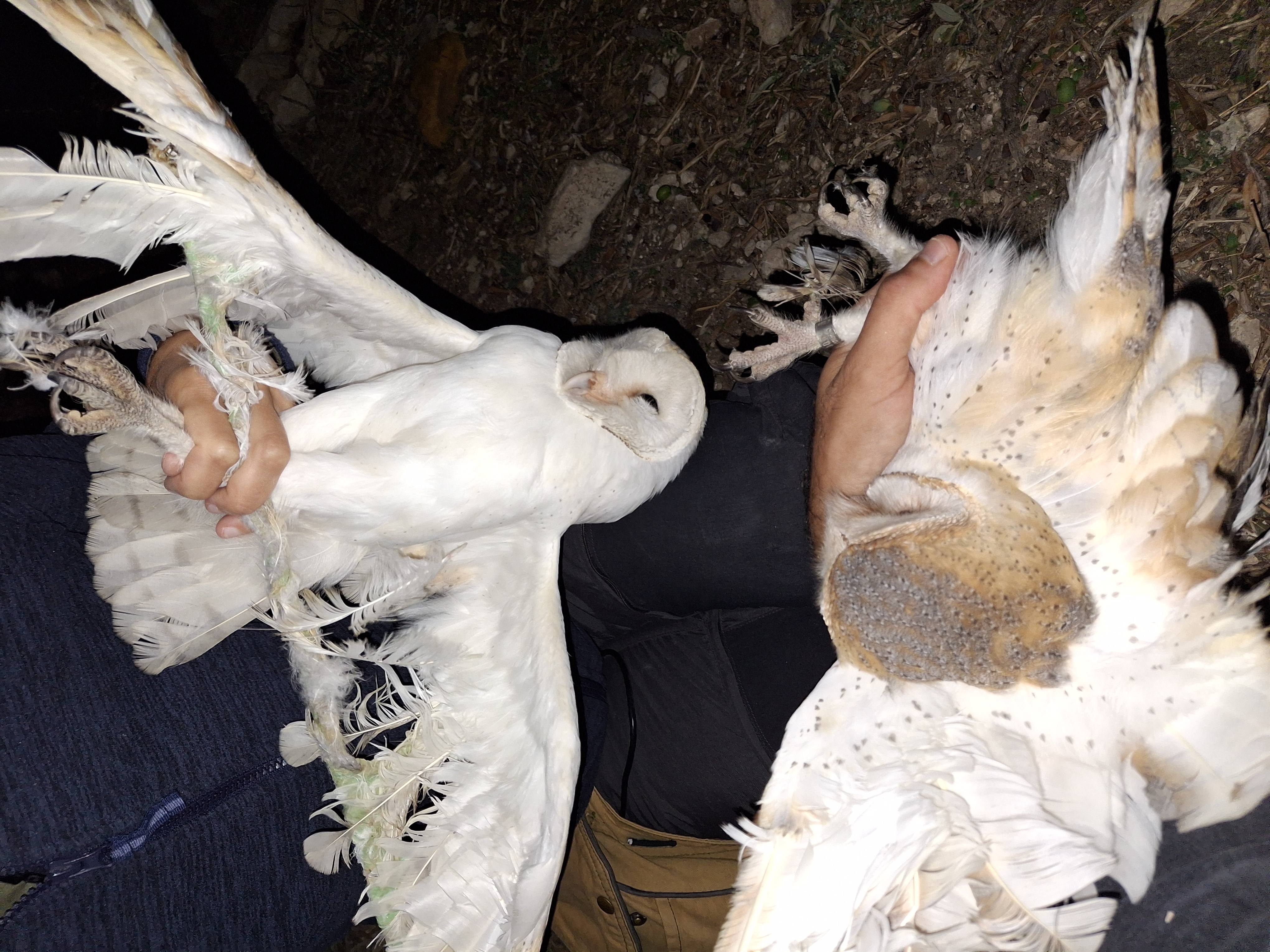
The official revealed that all owl species nesting in Cyprus have fallen victim to these trapping methods.
This includes the endemic Cyprus scops owl (Otus cyprius), the little owl (Athene noctua) – associated with the goddess Athena, and the long-eared owl (Asio otus).
Kasinis emphasised that this activity is not a “tradition” but an illegal practice driven by profit. He stressed that it poses a significant threat to Cyprus’s natural heritage and should be treated as such.
The most severe case reported was that of a young Bonelli’s eagle (Aquila fasciata) caught in a limestick in Larnaca. Despite care efforts, the bird did not survive due to stress and exhaustion.
Read more:
Illegal songbird trapping surges 90% in Cyprus, conservationists warn
By
Published Oct. 19, 2024, 12:56 p.m. ET800 Comments
NJ hunter kills 770-pound black bear, setting state record: ‘Smartest animal I’ve chased’
0 seconds of 41 secondsVolume 0%
He is bear-ing the weight of his actions.
A New Jersey bow hunter who killed a 770-pound black bear this week, setting a state record, is getting pounced on for slaughtering the creature.
Brian Melvin, 39, told The Post on Saturday that people have found him on social media and even tracked down his phone number to express their hatred.
“I have received various messages and calls telling me how bad of a person I am and that they hope the next bear kills me,” he said.
“They hope another hunter mistakes me as a bear and shoots me. And people telling me they are going to string me up and gut me like the bear.”


Melvin, a licensed hunter who legally killed the animal on Tuesday in Kinnelon in Morris County, has gotten slammed on X, with users calling him a “coward and a loser,” “a waste of human space” and a “worthless piece of s–t.”
“Imagine the mental depravity of obsessing for years over killing a wondrous majestic black bear,” one said, referring to the fact that Melvin stalked the bear for two hunting seasons before the fatal encounter this week.
Many called the behemoth’s death “heartbreaking” and “disgusting.”
“Couldn’t we just let the big, majestic, successful bear live out its life in peace?” one asked.
But some praised Melvin for the act, saying it was beneficial to humans.

800
What do you think? Post a comment.
“That was a huge bear! Great job man. It’s important to keep a balance in nature,” one said.
“That is a Massive Bear and a once in a lifetime thing to achieve,” wrote another. “The Black Bear population has gotten crazy and that’s going to taste good and look great as a rug or wall piece.”
Melvin had this to say to all the haters.
“I am a staunch advocate for the freedom of speech and everyone has the right to voice their opinion. Although wishing harm on a person because one doesn’t agree with a legal action that was taken seems a bit contradictory of their views,” he said.
“I would urge people to do a little research and educate themselves before passing judgment. We can all learn from each other.”

