Hunting accident under investigation in Elliott County, 71-year-old dead
Reply

CJ McIntyrePublished: September 18, 2024Canva
https://hudsonvalleycountry.com/changes-for-hunters-in-new-york/
Hunting season arrives in New York State soon and all hunters need to be aware of two big changes this year before they head into the woods.
As fall approaches in the Hudson Valley many of us get excited for everything that comes along with it. We’ve said it many times, there is no place we would rather be during the fall months than in the Hudson Valley. The apples, pumpkins, cooler temperatures, leaves changing colors, time around a fire pit, and for some the beginning of various hunting seasons.
https://hudsonvalleycountry.com/changes-for-hunters-in-new-york/
1.8M
460
Miranda Lambert FINALLY Reveals How Brendan McLoughlin Proposed [INTERVIEW]
Next
Stay

The Hudson Valley has long been a destination for hunters from all over New York State. We are lucky enough to have various types of wildlife running around and depending on the time of year, they are free to harvest. The “big draw” hunting season each year is deer hunting and this year the white-tailed deer hunting season starts in the Hudson Valley region on October 1st according to the New York State Department of Environmental Conservation (NYSDEC).
The bow hunting season runs in the “Southern Zone” of New York from October 1st through November 15th allowing bow hunters to hunt deer legally. The regular season (rifle) begins in New York in 2024 on November 16th and runs through December 8th.

This year the NYSDEC has announced changes to the “tags” that hunters are required to have to hunt. The first change will give hunters the ability to print out their tags themselves. The change will allow hunters to be ready before the season begins and will also help the DEC decrease its carbon footprint since it will no longer use plastic according to WBNG.
Additionally, hunters in New York will no longer be required to have a back tag on their clothing while they are out hunting in the woods. DEC Big Game Biologist Brendan Quirion told WBNG that New York was one of the last states that required hunters to wear the tag on their backs while hunting. For more information on hunting licenses and the dates of specific seasons check out the DEC online here.
Read More: Changes for Hunters in New York | https://hudsonvalleycountry.com/changes-for-hunters-in-new-york/?utm_source=tsmclip&utm_medium=referral
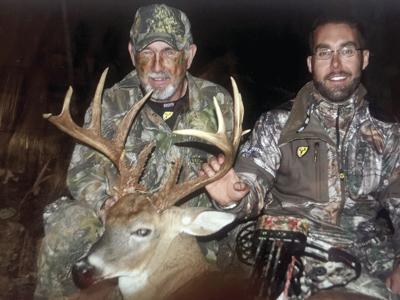
Sportsmen all over America have celebrated the success of the North American model of hunter-funded conservation, but the approach contained a flaw that is now threatening to undo the grand works of an entire generation of conservation minded people.
Hunters and conservationists have been so single-mindedly focused on saving, enhancing, and restoring wildlife habitat, that they forgot to tell the 95 percent of Americans who do not hunt what we were doing to vastly improve the fish, wildlife and landscape of our country. In the wake of our many conservation success stories, a coalition of animal rights groups have exploited our blind spot to make hunting culturally toxic to an ever-growing number of Americans. Simply stated, we were distracted by meaningful work while anti-hunting groups reinforced their stranglehold on the court of public opinion.
While sportsmen were busy renewing forests, creating the national wildlife refuge system, managing prairies and other habitats, anti-hunting organizations ran largely unopposed in the cultural realm as they co-opted corporate media, intimidated big brands into submission with mass social media campaigns, harnessed big tech, and cultivated celebrity ambassadors for their cause that included famous names like Leonardo DiCaprio, Paul McCartney, Ricky Gervais, Alec Baldwin, Pink, and Olivia Moon, and many others.
The top ten anti-hunting organizations alone boast a combined 31 million members, have almost 7,000 employees, and generate $1.1 billion annually. Humane Society of the United States and PETA alone account for 19 million members, about 4 million more members than America has hunters. And there are hundreds more anti-hunters groups. Think about that.
While our hunting community was planting seeds of a better future for wildlife, anti-hunting groups were busy sewing seeds of doubt about hunters in the minds of the majority of Americans who do not hunt. One of the most recent prices of our negligence to educate is the rise in the idea of ballot box biology-the ability of animal welfare groups to buy signatures and place anti-hunting propositions on state ballots. These groups know that fewer than 5% of Americans now hunt, so the vast majority of the country’s citizens are vulnerable to being swayed with emotional campaigns that, to date, have trumped the narrative that science-based wildlife management is the only logical path forward. In the process the antis have marginalized the role of fish and wildlife agencies by attacking their science and credibility in the eyes of non-hunters.
While we often see outdoor industry funded polls that show that the majority of Americans support hunting as a wildlife management tool. The results of those polls do not seem to hold up in the face of ballot measures with emotionally charged media and well-organized educational campaigns. Anti-hunting groups have defined ‘trophy hunting’ as abhorrent to the mainstream (although it doesn’t represent reality) and are looking to change the language to make it synonymous with all types of hunting. They have successfully influenced the public as hunting groups have largely left those assertions unchallenged. Big mistake. Hunters are often so insulted from mainstream viewpoints they are sometimes dismayed that most people in this country do not realize all the good that have done for wildlife.
Roughly 26 states have the referendum process, which is often referred to as ‘direct democracy,’ where citizens, not elected officials, make key decisions. That is the apparatus the sporting community has built to lobby legislatures and the Congress is mostly irrelevant against propositions decided by the will of uninformed voters or a public under the media influence of special interests. As noble as direct democracy may sound, the process has become little more than fertile ground for anti-hunting groups to wield their influence in the court of public opinion.
Colorado is the frontline of this new war on wildlife, a proving ground where anti-hunting groups are perfecting the model they will most assuredly transport to a state near you very soon. This November it’s an effort to ban mountain lion, bobcat and lynx hunting (never mind that lynx barely exist in Colorado and aren’t currently hunted or trapped). The strategy behind it is clear: If successful, the anti-hunting groups will eventually create an abundance of apex predators on the landscape through their ballot measures (wolf introductions, black bears—which cannot be hunted over bait or with hounds—and mountain lions). When that happens, the question will be why do we need hunters to control elk and deer populations? Guess what the answer will be by the 95% of the population that does not hunt?
It’s easy to write Colorado off as having been surrendered to the Californication of the West, an isolated island of irrationality. But, ask yourself if hunters in your state are prepared for a vote on the efficacy of hunting when 95 percent or more of the population has no vested interest and limited understanding of its benefits? Would your hunting friends and family be prepared to push back against well-funded emotional campaigns that are not bound by truth, where our opponents have bought scientists to support their specious narratives?
As a hunting community, we’ve been flat-footed in our response and are very late to the mainstream messaging wars. We celebrate our conservation successes mostly with ourselves, convincing one another that we are the true champions of conservation, and we are. Problem is, few in the mainstream know the species and habitats that have been resurrected because of the efforts and dollars of hunters, that we have cleaner air and water, and healthier soils because of the efforts of those same people.
We have reached an inflection point now where the camo coalition of hunter-funded unlimited, society, and forever groups must pivot and embrace a broader mission to build enduring connections to the mainstream. Self-imposed Pittman-Robertson taxes (our money) must be shifted to include managing hunting as a brand to the mainstream, something far bigger and bolder than the well-intentioned but limited R3 program (the industry’s effort to Recruit, Retain and Reactivate more hunters). Simply put, if we do not have hunting, who will care about habitat efforts anyway? No hunting means no conservation funding and, with that reality, is this how the celebrated North American conservation model dies?
The question we all have to answer is, what are we willing to do to win and preserve the lifestyle of hunting, which defines our very existence?
Sportsmen all over America have celebrated the success of the North American model of hunter-funded conservation, but the approach contained a flaw that is now threatening to undo the grand works of an entire generation of conservation minded people.
Hunters and conservationists have been so single-mindedly focused on saving, enhancing, and restoring wildlife habitat, that they forgot to tell the 95 percent of Americans who do not hunt what we were doing to vastly improve the fish, wildlife and landscape of our country. In the wake of our many conservation success stories, a coalition of animal rights groups have exploited our blind spot to make hunting culturally toxic to an ever-growing number of Americans. Simply stated, we were distracted by meaningful work while anti-hunting groups reinforced their stranglehold on the court of public opinion.
While sportsmen were busy renewing forests, creating the national wildlife refuge system, managing prairies and other habitats, anti-hunting organizations ran largely unopposed in the cultural realm as they co-opted corporate media, intimidated big brands into submission with mass social media campaigns, harnessed big tech, and cultivated celebrity ambassadors for their cause that included famous names like Leonardo DiCaprio, Paul McCartney, Ricky Gervais, Alec Baldwin, Pink, and Olivia Moon, and many others.
The top ten anti-hunting organizations alone boast a combined 31 million members, have almost 7,000 employees, and generate $1.1 billion annually. Humane Society of the United States and PETA alone account for 19 million members, about 4 million more members than America has hunters. And there are hundreds more anti-hunters groups. Think about that.
While our hunting community was planting seeds of a better future for wildlife, anti-hunting groups were busy sewing seeds of doubt about hunters in the minds of the majority of Americans who do not hunt. One of the most recent prices of our negligence to educate is the rise in the idea of ballot box biology-the ability of animal welfare groups to buy signatures and place anti-hunting propositions on state ballots. These groups know that fewer than 5% of Americans now hunt, so the vast majority of the country’s citizens are vulnerable to being swayed with emotional campaigns that, to date, have trumped the narrative that science-based wildlife management is the only logical path forward. In the process the antis have marginalized the role of fish and wildlife agencies by attacking their science and credibility in the eyes of non-hunters.
While we often see outdoor industry funded polls that show that the majority of Americans support hunting as a wildlife management tool. The results of those polls do not seem to hold up in the face of ballot measures with emotionally charged media and well-organized educational campaigns. Anti-hunting groups have defined ‘trophy hunting’ as abhorrent to the mainstream (although it doesn’t represent reality) and are looking to change the language to make it synonymous with all types of hunting. They have successfully influenced the public as hunting groups have largely left those assertions unchallenged. Big mistake. Hunters are often so insulted from mainstream viewpoints they are sometimes dismayed that most people in this country do not realize all the good that have done for wildlife.
Roughly 26 states have the referendum process, which is often referred to as ‘direct democracy,’ where citizens, not elected officials, make key decisions. That is the apparatus the sporting community has built to lobby legislatures and the Congress is mostly irrelevant against propositions decided by the will of uninformed voters or a public under the media influence of special interests. As noble as direct democracy may sound, the process has become little more than fertile ground for anti-hunting groups to wield their influence in the court of public opinion.
Colorado is the frontline of this new war on wildlife, a proving ground where anti-hunting groups are perfecting the model they will most assuredly transport to a state near you very soon. This November it’s an effort to ban mountain lion, bobcat and lynx hunting (never mind that lynx barely exist in Colorado and aren’t currently hunted or trapped). The strategy behind it is clear: If successful, the anti-hunting groups will eventually create an abundance of apex predators on the landscape through their ballot measures (wolf introductions, black bears—which cannot be hunted over bait or with hounds—and mountain lions). When that happens, the question will be why do we need hunters to control elk and deer populations? Guess what the answer will be by the 95% of the population that does not hunt?
It’s easy to write Colorado off as having been surrendered to the Californication of the West, an isolated island of irrationality. But, ask yourself if hunters in your state are prepared for a vote on the efficacy of hunting when 95 percent or more of the population has no vested interest and limited understanding of its benefits? Would your hunting friends and family be prepared to push back against well-funded emotional campaigns that are not bound by truth, where our opponents have bought scientists to support their specious narratives?
As a hunting community, we’ve been flat-footed in our response and are very late to the mainstream messaging wars. We celebrate our conservation successes mostly with ourselves, convincing one another that we are the true champions of conservation, and we are. Problem is, few in the mainstream know the species and habitats that have been resurrected because of the efforts and dollars of hunters, that we have cleaner air and water, and healthier soils because of the efforts of those same people.
We have reached an inflection point now where the camo coalition of hunter-funded unlimited, society, and forever groups must pivot and embrace a broader mission to build enduring connections to the mainstream. Self-imposed Pittman-Robertson taxes (our money) must be shifted to include managing hunting as a brand to the mainstream, something far bigger and bolder than the well-intentioned but limited R3 program (the industry’s effort to Recruit, Retain and Reactivate more hunters). Simply put, if we do not have hunting, who will care about habitat efforts anyway? No hunting means no conservation funding and, with that reality, is this how the celebrated North American conservation model dies?
The question we all have to answer is, what are we willing to do to win and preserve the lifestyle of hunting, which defines our very existence?

By Joe Rubino | jrubino@denverpost.com | The Denver Post
UPDATED: September 17, 2024 at 6:03 a.m.
The Denver Fur Ban is a succinct title for a ballot measure. But opponents of the November initiative say its effects will be anything but simple, and they prefer to wrangle with specifics when they make their points.
Initiated Ordinance 308 — which seeks to prohibit the manufacturing, sale, trade and display of select fur products — would have a raft of consequences that go beyond prohibiting retailers in the Mile High City from selling fox and raccoon fur coats, those opponents say.
It also could cut into the inventory at fly-fishing shops, people in the angling business say. It could upend the market for custom hat makers who are keeping Denver’s dusty old cow town traditions alive.

The measure could even make it more difficult for people with Indigenous ancestry to purchase fur products that are part of their cultural heritage. That, despite a specific carveout in the proposed ordinance’s language that would allow members of federally recognized Native American tribes to purchase products for tribal, cultural and spiritual purposes, opponents say.
“I think the exemption that whoever wrote was very specific and very narrow. And I think it was written without a clear understanding that across the United States, a majority of American Indians are self-identified — and not officially enrolled with any federally recognized tribes,” said Ernest House Jr., the former director executive director of the Colorado Commission of Indian Affairs. He’s a member of the Ute Mountain Ute Tribe.
“As an enrolled member of a federally recognized American Indian tribe in Colorado, I would have no problem,” he said. “But my children are not enrolled.”
https://imasdk.googleapis.com/js/core/bridge3.667.0_en.html#goog_1923325972
https://imasdk.googleapis.com/js/core/bridge3.667.0_en.html#goog_1923325974
https://imasdk.googleapis.com/js/core/bridge3.667.0_en.html#goog_1923325979
https://cds.connatix.com/p/plugins/cnx.display.bridge-1.0.5.html
javascript:false
javascript:false
Olivia Hammond, the communications lead for both the Denver Fur Ban and its companion measure on this fall’s ballot, the Denver Slaughterhouse Ban, emphasizes that the fur ban aims to end what she describes as the cruel and unnecessary practices of farms that raise animals specifically to harvest their fur.
Animals are kept in small cages, she said, and slaughtered in inhumane ways to preserve their fur so that it can be turned into products. But that process can easily be replaced with a host of alternatives that are kinder both to animals and the environment, she said.
“We really feel like this measure is just an important step to outlawing a cruel and outdated practice, which is killing animals solely to wear their fur,” Hammond said in an interview Friday.
Hammond and her organization, the nonprofit animal rights group Pro-Animal Future, cite statistics from the international advocacy group Fur Free Alliance showing that 95% of all fur sold globally comes from factory farms where animals are killed just for their fur. The alliance, on its website, also points to a 2020 report from a public research organization that found that only one out of four Americans support the practice of killing animals for their fur.
She noted that Denver’s initiative, which follows a similar measure that narrowly passed in Boulder in 2021, includes exemptions for animal fur or pelts preserved through taxidermy. It exempts sheared fibers like wool as well as sheepskin, leather and cowhide, which are byproducts of the meat industry.
“Many voters we talked to are shocked this is even allowed. This type of cruelty is completely unnecessary,” Hammond said of fur sales in an age of technology-enabled alternatives. “The best our opposition can muster is to complain about cowboy hats, of which a small percentage would even be affected.”
Hammond’s reference to cowboy hats jabs at the Ordinance 308 opposition campaign, which has dubbed itself Hands off My Hat.
That campaign has enlisted people including House and Paul Andrews, the president and CEO of the National Western Stock Show, to speak out against the potential impacts. According to Andrews, those effects include threatening the livelihoods of many vendors at the Stock Show each January and, by extension, undermining the financial sustainability of the event itself.
Coleen Orr doesn’t sell her custom hats at the Stock Show. She doesn’t need to. The workshop for her business, Cowboy Up Hatters, is in unincorporated Adams County, close enough to the National Western Center campus for customers to come visit her.
Orr, 55, has more than three decades of experience making custom felt and strawfedoras, bowlers, top hats and, yes, cowboy hats.

She caught wind of the Boulder fur ban too late to weigh in, but she is speaking out against the proposed Denver ban. It might not impact her workshop, but it could hurt her business in other ways. Hammond confirmed that online orders and shipments into Denver would be prohibited under the ban, should it pass.
Using century-old equipment and traditional techniques, Orr said her rabbit and beaver felt hats are high quality, lasting decades. She noted that rabbit felts are byproducts of the European meat market.
As for beavers, she said they can be varmints that damage trees and ecosystems if their populations aren’t kept in check. It is legal to hunt beavers in Colorado.
“We love the animals, too. I’m not going to take the last of them by any means,” Orr said in defending her industry. “Plastic and heads do not go well together. Felt breathes, and it’s durable and dissolves down into the earth again when we’re done with it.”
Inside Denver city limits, Anglers All fly shop owner Chris Keeley estimated that more than half of his inventory of flies featured animal fibers. While synthetic fibers are used in many products these days, he said, elk hair and deer hair remain common components in many of the flies for sale at his store at 1303 E. Sixth Ave.
As of last month, it was not clear to him what the Denver fur ban’s passage would mean for his business, but there was a risk it could be extremely damaging, he said.
“It’s a difficult analysis to do. It really threatens the No. 1 category in our store, which is the sale of flies,” he said.
Keeley’s understanding is that any impacts to shops like his would be unintended consequences of the fur ban.
Hammond confirmed that Pro-Animal Future reached out to Keeley and others in the fly-fishing industry with an offer to exempt their businesses from the ban.
But the proposed ordinance language on file with the Denver Clerk and Recorder’s office makes no mention of fly-fishing. Should the measure pass, flies that contain animal fibers could become illegal in Denver on July 1, 2025, just like coats, handbags, hats, wall hangings, jewelry, rugs and other products made partially or entirely of fur, as explicitly identified in the ordinance language.
The Denver City Council can amend an initiated ordinance approved by voters, but only six months after its passage — and with the supermajority support of at least nine of the 13 members. Pro-Animal Future would not oppose fly-fishing enthusiasts if they sought an exemption from the council, Hammond said.
But such uncertainty has unnerved the measure’s critics.
“What scares us,” Keeley said, “is there are no guarantees after the fact.”

