Canada conservationists push back as grizzly hunting ban lifted

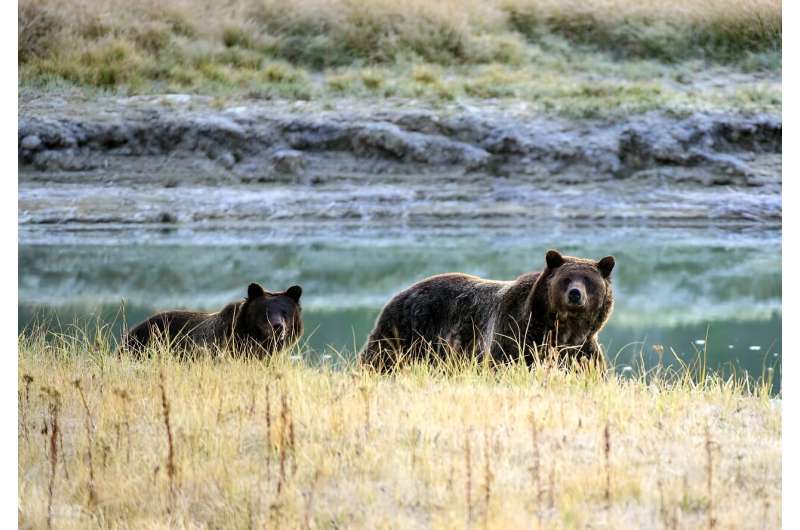
Canada has partially reversed a nearly two-decade ban on hunting grizzly bears in Alberta
Canada has partially reversed a nearly two-decade ban on hunting grizzly bears in Alberta.

A decision to partially reverse a nearly two-decade ban on hunting grizzly bears in Canada’s Alberta has angered environmentalists, with a group saying Wednesday they feared its impact on the species.

Hunting of the mammals, listed as threatened in 2010 by the western Alberta province, had been prohibited for 18 years—leading to growth in the population of grizzlies.

But there has also been conflict between bears and humans, Alberta authorities say.

The number of grizzlies has increased from 800 to more than 1,150 today, provincial authorities say, and that has caused them to move to more populated rural areas.

“Hunting is not an acceptable management approach for a threatened species,” said Devon Earl of the Alberta Wilderness Association.

“Grizzly bears have a very slow reproductive rate, and trophy hunting could undo all the recovery of the last decade,” she added.

The province’s government last month quietly moved to allow the hunting of individual bears deemed a “problem.”

Authorities say 104 attacks by black or grizzly bears were recorded from 2000 to 2021.

However, Earl said that other “science-based approaches” can help reduce wildlife conflict.

She cited an example in southern Alberta which worked by “securing attractants on agricultural lands and putting in electric fences… to prevent bears from being attracted to coming onto people’s property in the first place.”

© 2024 AFP

https://phys.org/news/2024-07-canada-conservationists-grizzly.html#google_vignette


Explore further

Montana advances grizzly bear plans that could allow hunting
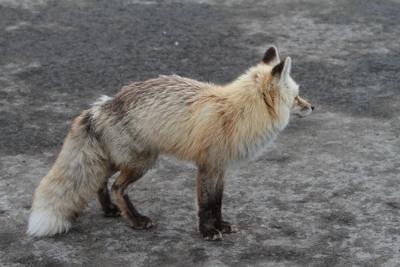
WDFW seeking public comment on proposed rule to protect endangered foxes

Cascade red fox2-NPS.jpg

https://trinitymedia.ai/player/trinity-player.php?pageURL=https%3A%2F%2Fwww.ncwlife.com%2Fnews%2Fwdfw-seeking-public-comment-on-proposed-rule-to-protect-endangered-foxes%2Farticle_3997a4ce-3e28-11ef-bb92-8fc01a514df5.html&partner=Flex&FAB=1&textSelector=I2FydGljbGUtYm9keQ%3D%3D&unitId=2900003117&userId=d87d6c70-698d-425c-a490-50e59507f6c4&isLegacyBrowser=false&isPartitioningSupport=1&version=20240703_e98a6583940abeb9c1913e20c0fd0b1af9a11783&useBunnyCDN=0&themeId=140&unitType=tts-player

OLYMPIA — The Washington Department of Fish and Wildlife is seeking public comment on a rule-making proposal for a restriction on wildlife trapping to help protect endangered Cascade red foxes.

The proposed rule, if adopted, would prohibit fox trapping within the exterior boundaries of the Mount Baker-Snoqualmie, Wenatchee, Okanogan and Gifford Pinchot national forests beginning this year and extending into future trapping seasons.

“Fox trapping was closed in these locations last season due to an emergency rule the department filed in February,” said WDFW carnivore section manager Stephanie Landry. “If the current proposal is adopted, it would establish the same restrictions as a permanent rule.”

https://e60dae5139a74c3240c3d467b21bdfaa.safeframe.googlesyndication.com/safeframe/1-0-40/html/container.html

The endangered Cascade red fox, as well as other non-endangered red foxes, live within the areas outlined in the proposed rule. Since red fox species are often easy to mix up, the rule would restrict the trapping of all foxes within the forests listed in the proposal.

“The Cascade red fox is indistinguishable from other red foxes except through genetic testing, so a trapping restriction for all foxes in the locations where these sub-species’ territories overlap helps protect the endangered foxes from accidental take,” said WDFW wildlife diversity division manager Hannah Anderson.

Public comment on the proposed rule is open through August 9. Comments can be submitted via web form, email, or by calling 855-925-2801 and using project code 7087. Commenters can also submit written comments via mail to the Washington Department of Fish and Wildlife ATTN: Wildlife Program, PO Box 43200, Olympia, WA 98504.