A recent study found that eating ultraprocessed plant-based foods was linked to heart attack and stroke risk. But the devil is in the details
Diet
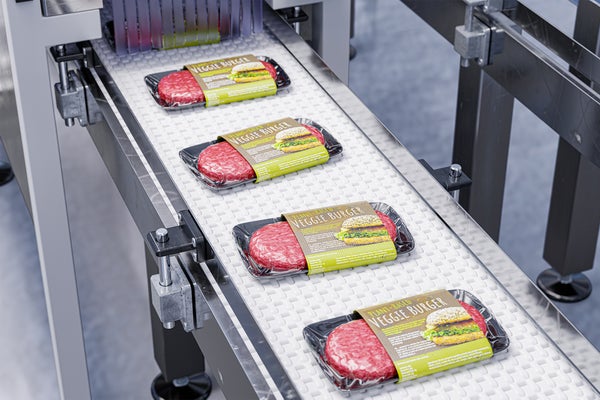
Recent headlines denounced plant-based fake meat—such as vegetarian sausages and textured vegetable protein—as unhealthy and claimed that their consumption is linked to an increased risk of cardiovascular disease and death. But a closer look at the study underpinning these claims suggests a more nuanced story.
The real culprits are in fact “plant-based” ultraprocessed foods as a whole, not meat substitutes in particular, according to the paper that kickstarted the headlines. But there’s an important caveat: “plant-based” foods include ones you might not expect—such as chocolate-covered biscuits, frozen pizza and sodas. The study, published earlier this month in the Lancet Regional Health–Europe, linked plant-based ultraprocessed foods to an increased risk of cardiovascular-related illnesses and death.
Plant-based meat represented a very small slice of study participants’ overall food consumption, however, and the study was not designed to pinpoint exactly which foods had the strongest links to poor health outcomes. Nevertheless, the muddled interpretations show just how complex nutrition research can be, critics say, because food definitions used by scientists don’t always reflect what other people might interpret as a plant-based diet.
Foods are described as ultraprocessed when they undergo an industrial transformation that significantly alters the original ingredients. These foods have a long journey before reaching your plate. Pantry staples such as instant noodles and store-bought cookies typically undergo several stages of processing that unravel the internal architecture of their raw ingredients. They are then reassembled in a form that prioritizes convenience and taste—often with a mix of additives designed to enhance appearance and shelf life. A rule of thumb is to “think of a food you wouldn’t be able to prepare in your own kitchen,” either because of its chemical constituents or the industrial machinery needed to prepare it, says Evangeline Mantzioris, a researcher and dietician at the University of South Australia, who was not involved with the study.
In nutrition research, including in this widely discussed paper, a framework known as the NOVA classification system is used as a benchmark to group foods along a spectrum from unprocessed to ultraprocessed based on the level of alteration from their natural state. Most foods can be categorized intuitively. Broccoli or beans are not considered ultraprocessed, whereas breakfast cereals and canned soups are. Others might not be obvious at first glance, however. For example, the new Lancet Regional Health–Europe study included beer and wine as examples of non-ultraprocessed beverages, but spirits such as vodka were considered ultraprocessed.
The idea behind using this framework in food research is that processing food might fundamentally change how it interacts with the body to influence health, says Fernanda Rauber, lead author of the new study and a nutritional epidemiologist at the University of São Paulo in Brazil. The health effects of food aren’t “just from the sum of its nutrient functions,” she says. “The way foods are combined, prepared and consumed as meals also plays a crucial role in their health impacts.”
In the study, Rauber and her colleagues linked what people ate in a day to their hospital and mortality records related to cardiovascular diseases. The researchers did this using data from more than 100,000 adults in the U.K. BioBank—a large database that tracks the health, lifestyle and genetic information of volunteers between the ages of 40 and 69 in the U.K.
Curated by Our Editors
- How Do Ultraprocessed Foods Affect Your Health?LORI YOUMSHAJEKIAN
- What Are Ultraprocessed Foods, and Are They Bad for You?TANYA LEWIS, JOSH FISCHMAN, LORI YOUMSHAJEKIAN, CARIN LEONG & ELAH FEDER
- Why Is It So Hard to Make Vegan Fish?JOANNA THOMPSON
- What’s Inside? Meat vs. Meatless BurgersMARK FISCHETTI & MSJONESNYC
- To Follow the Real Early Human Diet, Eat EverythingKATE WONG
The plant-based category in the study was something of a catchall, says Gunter Kuhnle, a nutritional epidemiologist at the University of Reading in England, who was not involved in the study. When he first read the paper’s title, Kuhnle assumed it referred to plant-based meat alternatives, plant-based drinks or plant-based milks—in other words, only the replacements for animal-derived products. “Reading the paper, it became pretty obvious that it was not that,” he says. The press release also emphasized that interpretation, specifically stating in the first paragraph that products “intended to replace animal-based foods”—such as plant-based sausages, nuggets and burgers—were linked to the higher risk for cardiovascular illness.
But there’s more to the story: meat alternatives were evaluated alongside ultraprocessed foods that were less intuitively “plant-based,” including bread, cakes, sugary sodas, potato chips and ketchup—foods that don’t immediately come to mind when people think of a plant-based diet, Kuhnle says. Such a broad categorization was “not wrong,” he says. “It was just easy to misunderstand.”
The study found that the more ultraprocessed foods people consumed, the more likely they were to have or die from heart disease—results that “weren’t really that surprising,” Kuhnle says, given the inclusion of “plant-based” foods that many dietary guidelines recommend eating in moderation—such as sugary foods or drinks.
As a percentage of total energy intake, for every 10 percent increase in consumption of plant-sourced ultraprocessed foods—which included foods such as cookies and chocolate bars but also tofu and tempeh—the risk of cardiovascular disease went up by 5 percent, and the likelihood of dying from the disease rose by 12 percent. The reverse was also true—for every 10 percent increase in consumption of foods that were not ultraprocessed but still plant-based—such as pasta, beans and potatoes—the risk of heart disease fell by 7 percent, and mortality did so by 13 percent.
The problem is that this type of analysis isn’t able to show whether one specific food is worse than another because they’re evaluated as a group. Additionally, the tofu, tempeh and textured vegetable protein products categorized as plant-derived, ultraprocessed foods only accounted for a fraction of the total calories that people consumed—about 0.2 percent in total—whereas other foods such as packaged breads made up 10 percent. “We cannot draw specific conclusions related to this particular type of food,” Rauber says in response to the way the paper has been portrayed in some media coverage.
Nevertheless, the findings add to a growing body of evidence linking ultraprocessed foods to negative health outcomes. A recent review of multiple studies that included data from a total of almost 10 million people found that eating more ultraprocessed food was associated with a range of health risks, including cardiovascular diseases. The health effects of imitation meat products are less clear cut. One recent study showed that vegetarians and vegans consume more ultraprocessed foods compared with meat eaters and that they preferred unhealthy plant-based foods over healthier alternatives, but it did not examine the long-term health effects of such dietary patterns. On the other hand, ultraprocessed meats themselves, such as sausages and salami, have been linked to higher all-cause mortality and to colon cancer in particular.
Exactly how ultraprocessed foods might cause such health harms is still unclear. Some research points to the high saturations of salt, sugar and fat in these foods as the culprits, but other studies suggest that the act of processing a food—breaking down its natural structures and forming them into something new—could be affecting the body in ways we don’t yet understand. Chemical additives, such as the common flavor enhancer monosodium glutamate (MSG) and contaminants that might appear from frying, baking or fermenting ultraprocessed foods, such as acrolein, might also affect appetite and health; acrolein specifically has previously been associated with higher cardiovascular disease risk.
Rauber cautions that the study could not parse cause and effect. In reality, people’s eating habits are messy and don’t typically adhere to a strict regimen over a long period of time—making it a challenge to design studies that can draw conclusions about whether certain diets cause disease. But given the number of observational studies available, “there are huge amounts of evidence … to tell us that ultraprocessed foods are probably not doing the best thing for our health,” Mantzioris says. Rauber’s study accounted for other variables, such as the effect that family history, physical activity and ethnicity might have on an individual’s risk of developing heart disease.
Kuhnle says an ultraprocessed food isn’t necessarily a “good” or “bad” choice but should be viewed in the broader context of a person’s diet, keeping in mind that the health effects of ultraprocessed food won’t develop overnight.