The Wyoming Game and Fish Department killed three bighorn sheep that wandered into Sinks Canyon State Park out of concern for disease, but a local wildlife researcher questions the need for the killings.
June 14, 20244 min read
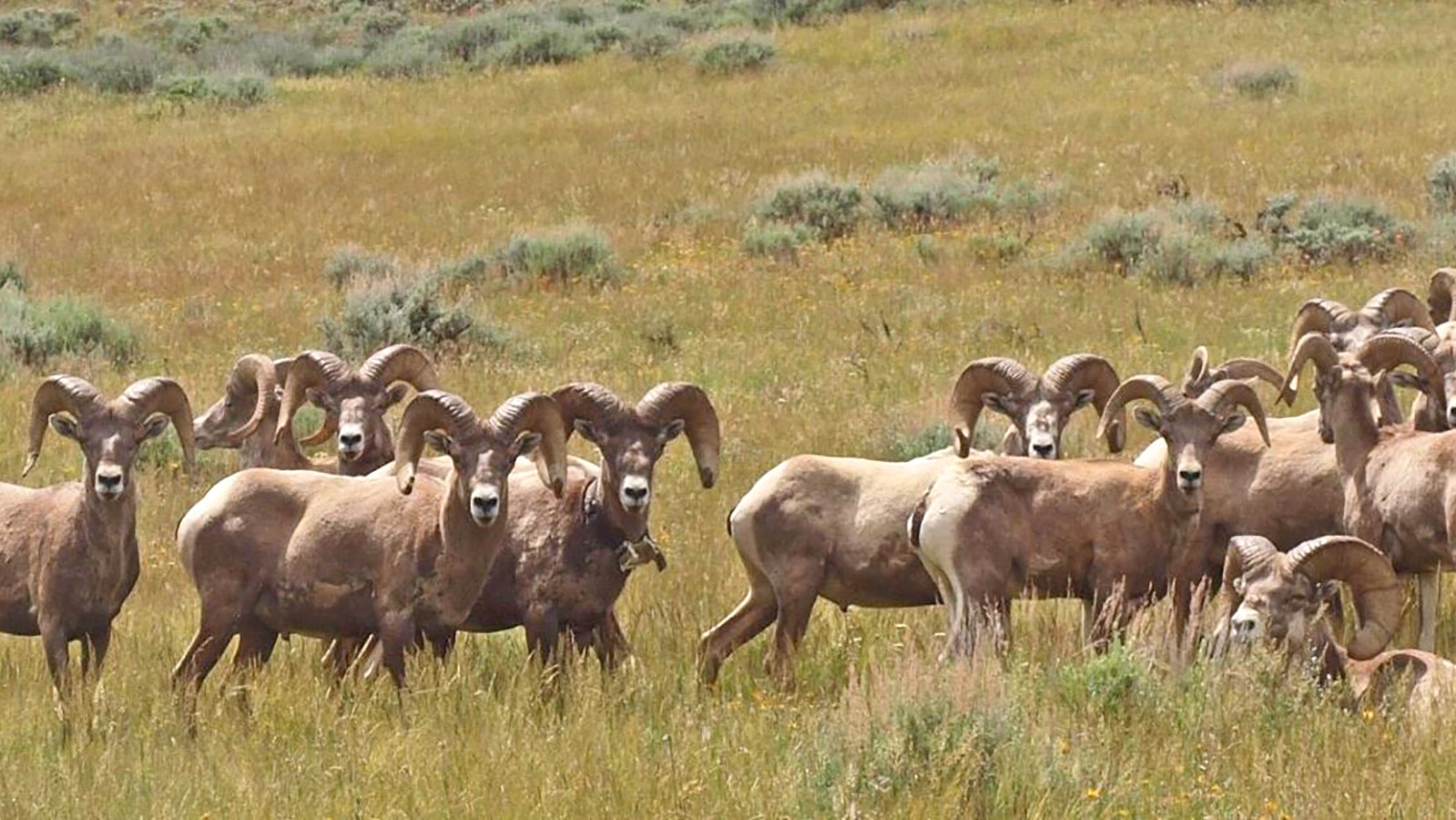
Wyoming Game and Fish personnel recently killed three young bighorn rams that wandered into Sinks Canyon State Park, per state policy to prevent the potential spread of lethal disease to other wild sheep.
But a local wildlife researcher questioned the need for the action, suggesting that bighorns should be tested for possible pneumonia infection from domestic sheep before they’re killed, not after.
“I would like to have them take an animal’s life on evidence of a problem, and not just summarily take an animal’s life on the assumption that they’re infected,” Jack States, who lives in the Sinks Canyon area, told Cowboy State Daily on Friday.

Worries Over Disease
Wyoming has a policy to prevent bighorn from mingling with domestic sheep whenever possible. Bighorn are vulnerable to pneumonia and other respiratory diseases that can potentially spread to them from domestic sheep.
So, the rams that wandered into Sinks Canyon State Park were killed to prevent the possibility of them becoming infected and carrying it back to wild herds, according to Game and Fish.
“When bighorn sheep co-mingle with domestic sheep, they may be exposed to bacteria that domestic sheep are known to harbor,” the agency says. “While these pathogens, or bacteria, may be treatable in domestic sheep, they can be fatal to bighorn sheep.”
It’s because of that risk that wildlife officials say they take that drastic action.
“Wandering bighorn sheep pose a very high risk of introducing pathogens back into their wild herds, and we want to prevent future disease events from happening. Bighorn sheep are very sensitive to many pathogens, so we take reasonable precautions to prevent exposure of these pathogens to the herd,” Game and Fish Wildlife Health Laboratory Supervisor Jessica Jennings-Gaines said in a statement from the agency.
Young rams are known to range long distances, but frequently return back to their herds, according to Game and Fish.

It’s thought the rams that were killed came from North Fork Canyon northwest of Lander, “where a small herd exists,” according to the agency.
Tissue samples were taken from the lambs and sent to a laboratory to be tested for disease. Meat from the animals was donated to needly locals.
From the perspective of ranchers, there is also concern that allowing bighorns and domestic sheep to get too near each other could in some instances cause sheep ranchers to lose their grazing leases on federal lands.
Some central Wyoming ranchers are worried about that, in light of the proposed reintroduction of bighorn sheep into the remote and rugged Sweetwater Rocks area.
Critical Of Policy
States has a Ph.D. in environmental ecology and has assisted Game and Fish and U.S. Fish and Wildlife Service with bighorn research in Wyoming and other states.
He said he understands the concerns over wild and domestic sheep mingling and the threat of disease.

But he questions the need to kill bighorn sheep without trying to capture them, get blood samples and test those for disease first.
“What if they’re not infected?” States asked. “What if those sheep came from a herd that was not infected, and they eliminated their right to try to find a new habitat?”
Whiskey Mountain Herd Still In Trouble
He said that respiratory disease infections are common in bighorn sheep across Wyoming, and many rams might have developed some immunity.
Ewes don’t seem to have as much immunity, and bighorn lambs seem especially vulnerable to dying from infections, he said.
The famed Whiskey Mountain herd, also near Lander, has battled waves of disease outbreaks since the 1990s.
States said he’s worried about the future of that herd, particularly because lambs keep dying from disease.
“I think they’re still in decline, though they haven’t had the sort of massive die-offs they did in the 1990s,” he said. “We’re not getting the necessary recruitment (lamb survival rates) to prevent the extinction of that herd,” he said.
Allowing bighorn to expand their range in some places might give them better odds, he added.
“We can’t keep restricting bighorn sheep to defined herd units like we’re doing now, where they cross a line and get shot because of possible contract with domestic sheep,” States said.
He said that Game and Fish has kept him in the loop regarding the removal of the rams in Sinks Canyon and the subsequent testing for disease, which he appreciates.
“We need to do everything possible to develop a constructing and transparent relationship with all the agencies involved in sheep management,” he said.