Bird flu outbreak spreads to mammals in 31 states. At least 21 cats infected. What to know

Among those infected are cows in 12 states, foxes, mice, striped skunks, mountain lions and harbor seals, and alpacas. At least 21 domestic cats in nine states have caught the virus since March 1

Jeanine SantucciMary Walrath-HoldridgeEduardo Cuevas

USA TODAY

https://www.usatoday.com/story/news/nation/2024/06/22/bird-flu-spreads-cats-mammals/74181948007/

0:22

1:56

https://imasdk.googleapis.com/js/core/bridge3.647.0_en.html#goog_52077393

The concerning bird flu outbreak that has spread to four humans so far as it expands quickly in the U.S. has jumped to dozens of species, infecting mammals in at least 31 states.

Among those infected are cows in 12 states, foxes, mice, striped skunks, mountain lions and harbor seals, and alpacas.

At least 21 domestic cats in nine states have caught the virus since March 1, according to the U.S. Department of Agriculture. Cats that have tested positive include feral, barn cats and household pets.

While it’s possible a human could become sick from their furry friends, it’s not very likely, the CDC says. The H5N1 virus could be spread through cats’ saliva, feces or other body fluids. All the people who caught it were exposed on farms and fully recovered, and officials are working to reduce the spread.

https://c751fa1c821fc6e24961b5482a01fa14.safeframe.googlesyndication.com/safeframe/1-0-40/html/container.html

Here’s what to know.

Virus spreading:Concerns grow as ‘gigantic’ bird flu outbreak runs rampant in US dairy herds

Can cats get bird flu?

Cats are capable of catching bird flu from sick birds, say experts.

The short answer? Yes, cats can contract bird flu if they interact with infected birds.

Bird flu is primarily considered a transmission risk between wild birds and domestic birds; more recent presence of bird flu in dairy cows is believed to be a first for the species.

Researchers at Cornell University believe the affected Texas dairy cows were infected via water and food sources contaminated by wild birds migrating through the area. It was then likely spread between cows in close quarters.

Dr. Elisha Frye, an assistant professor of practice at Cornell’s Department of Population Medicine and Diagnostic Sciences, was called to an affected dairy farm in March to investigate the deaths of cows, birds and cats at the facility. Frye determined the presence of the illness in the cows using milk samples, manure and nasal swabs.

Testing was also done on dead birds found on the farm, as well as one of three cats found dead at the facilities around the same time. All the tests turned up evidence of the presence of bird flu.

Get the Daily Briefing newsletter in your inbox.

The day’s top stories, from sports to movies to politics to world events.

Delivery: DailyYour Email

“It was kind of the same timeline as when we found it in the cattle samples, but it did kind of link it together,” Frye previously told USA TODAY. “The birds, the cat and milk from the cows all having the same pathogen in them made sense at the time for that being the main cause of illness.”

Have cats been affected by bird flu in the past?

The CDC has records of sporadic mammalian outbreaks of the bird flu in the past, impacting both wild animals like foxes and bears, as well as pets like dogs and cats. Officials believe these cases are caused by the animals consuming infected birds and poultry.

In 2004, an outbreak in domestic animals including cats and dogs was reported in Thailand, and another outbreak impacting pets occurred in Germany and North America in 2006. The organization says humans contracting the virus from their pets is very rare and unlikely but has happened as a result of prolonged, unprotected exposure.

In 2016, a veterinarian in New York City contracted bird flu from repeated exposure to sick cats without protective gear. The vet suffered mild flu symptoms.

Signs your pet may be sick

The likelihood of your cat contracting bird flu is minimal. However, it can happen if your cat is often outside and ends up eating or getting too cozy with an infected bird, or hangs out in a contaminated environment.

If you suspect people or animals in your home have been around a sick or dead bird, you should monitor them closely for these signs:

  • Fever or feeling feverish/chills.
  • Cough.
  • Sore throat.
  • Difficulty breathing/shortness of breath.
  • Conjunctivitis (eye tearing, redness, irritation, or discharge from eye).
  • Headaches.
  • Runny or stuffy nose.
  • Muscle or body aches.
  • Diarrhea.
Closeup of a cat lying on a bed.

How to prevent the spread of bird flu

Avoiding exposure in the first place is the most effective way to stop the spread, says the CDC.

  • Avoid direct contact with wild birds and observe wild birds only from a distance, whenever possible.
  • Avoid contact between pets (e.g., pet birds, dogs and cats) with wild birds.
  • Don’t touch sick or dead birds, their feces or litter or any surface or water source (e.g., ponds, waterers, buckets, pans, troughs) that might be contaminated with their saliva, feces, or any other bodily fluids without wearing personal protective equipment (PPE). 
  • Avoid touching your mouth, nose, or eyes after contact with birds or surfaces that may be contaminated with saliva, mucous, or feces from wild or domestic birds.
  • Wash your hands with soap and water after touching birds or other sick animals.
  • Change your clothes after contact with wild birds, poultry and sick animals.
Nebraska Game and Parks Commission adds new hunting season for rural Nebraska

Default Mono Sans Mono Serif Sans Serif Comic Fancy Small CapsDefault X-Small Small Medium Large X-Large XX-LargeDefault Outline Dark Outline Light Outline Dark Bold Outline Light Bold Shadow Dark Shadow Light Shadow Dark Bold Shadow Light BoldDefault Black Silver Gray White Maroon Red Purple Fuchsia Green Lime Olive Yellow Navy Blue Teal Aqua OrangeDefault 100% 75% 50% 25% 0%Default Black Silver Gray White Maroon Red Purple Fuchsia Green Lime Olive Yellow Navy Blue Teal Aqua OrangeDefault 100% 75% 50% 25% 0%The Nebraska Game and Parks Commission met in Ogallala on Friday to discuss the new hunting season for rural Nebraska.

By Justin Craft

Published: Jun. 21, 2024 at 6:37 PM PDT|Updated: Jun. 21, 2024 at 8:39 PM PDT

NORTH PLATTE, Neb. (KNOP) – The Nebraska Game and Parks Commission met in Ogallala on Friday to discuss the new hunting season for rural Nebraska.

In the past couple of years, Nebraska Game and Parks has seen an increase in the numbers of mountain lions across the state. Since 2023, they have recorded 70 mountain lions in Pine Ridge, 27 in Niobrara Valley and 24 in Wildcat Hills.

The commission agreed to endorse the hunting season and this is the first time of a hunting season in the Wildcat Hills. The first season will begin in January and end in February. The second season will begin on March 15 and will last until March 31.

Nebraska Game and Parks Commission Furbearer and Carnivore Program Manager Sam Wilson said this should be very beneficial to keep the population contained.

https://dbf4dd23b2b59e9d99221bce9e233bc8.safeframe.googlesyndication.com/safeframe/1-0-40/html/container.html

“The hunting season helps hunters and provides an opportunity and helps us make sure predator populations are in balance with their prey,” said Wilson.

There are a few additional rules hunters need to follow, provided by the Nebraska Game and Parks.

  • Hunters will have a permit bag limit of one mountain lion of either sex.
  • Shooting hours for hunters will be sunrise to sunset
  • Any mountain lion harvested must be reported to the commission within eight hours of recovering the animal, using a phone number or website specified by the Commission.
  • It is against the law for a hunter to harvest a mountain lion with a spotted coat (kitten) or any mountain lion accompanying another mountain lion.
  • It is against the law to hunt mountain lions without first confirming that the harvest limit or female sub-limit has not been met.
  • It is against the law to hunt mountain lions with the aid of dogs, traps or bait, with the exception that dogs may be used during auxiliary season, if an auxiliary season is held.

Click here to subscribe to our KNOP News 2 daily digest and breaking news alerts delivered straight to your email inbox.

https://www.knopnews2.com/2024/06/22/nebraska-game-parks-commission-adds-new-hunting-season-rural-nebraska/

Massachusetts man accused of trafficking in more than 100 animal parts from endangered wildlife

By Maria Papadopoulos, Boston 25 News

https://www.boston25news.com/news/local/massachusetts-man-accused-trafficking-more-than-100-animal-parts-endangered-wildlife/TI32ZJANARGE3BNAS64W3ZTRHQ/

June 21, 2024 at 4:59 pm EDT

+Caption(US Attorney’s Office)

NEW! CommentingBecome part of the community. Click on the Commenting icon under the headline or scroll down to comment on articles.

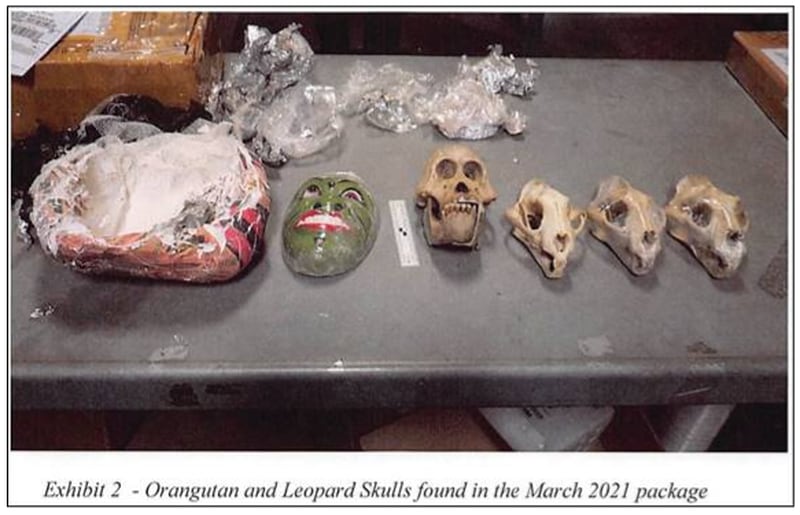
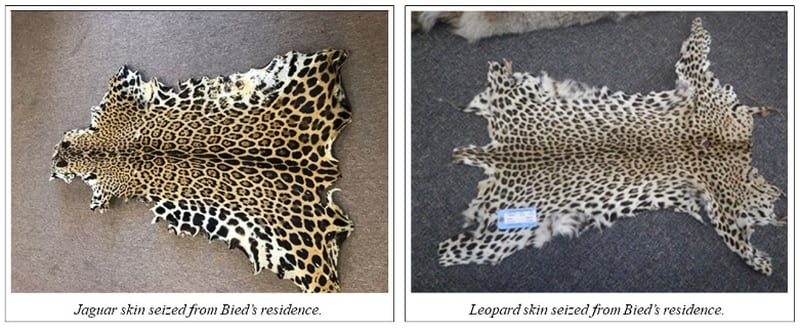
READING, Mass. — A Massachusetts man is accused of trafficking into the country more than 100 animal parts from endangered and protected wildlife, including African lion skulls, Jaguar skins, and Polar Bear skulls.

Adam Bied, 39, of Reading, is charged with two counts of conspiracy to smuggle goods into the United States, specifically, illegally imported wildlife parts, and three counts of violating the Lacey Act which prohibits trafficking in wildlife, Acting U.S. Attorney Josh Levy said in a statement on Friday.

Bied is said to have bought dozens of endangered wildlife parts from people in Cameroon and Indonesia who were in the businesses of killing and acquiring endangered and protected wildlife. He then illegally smuggled the endangered wildlife body parts into the U.S., and kept them at his home and also in a storage unit, prosecutors said.

Severe thunderstorm watch issued for parts of Massachusetts

Rescue efforts underway after plane crashes in Merrimack River in Methuen

Online Shopping Tools|

Sponsored by Taboola

Amazon’s Worst Nightmare: Thousands Canceling Prime for This Clever Hack

Man accused of acting as lookout in James ‘Whitey’ Bulger killing sentenced to time served

Investigation underway after 3 people found dead in home in western Mass.Discover

Bied allegedly then resold or traded the endangered wildlife body parts to customers in the United States, Levy said.

Prosecutors believe the wildlife was protected by the Endangered Species Act as well as the Convention on International Trade in Endangered Species of Wild Fauna and Flora, Levy said.ExpandAutoplay

1 of 5

+Caption(US Attorney’s Office)

The charges against Bied came following a years-long investigation into the endangered wildlife trafficking operation, court filings show.

“The illicit trafficking of endangered wildlife for financial gain is a grave offense that poses a significant threat to global conservation efforts and preservation of these species. Mr. Bied’s alleged conduct reflects a blatant disregard for the laws in place to safeguard our planet’s biodiversity,” Levy said.

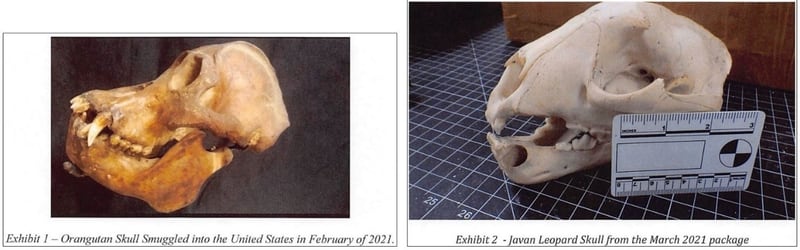
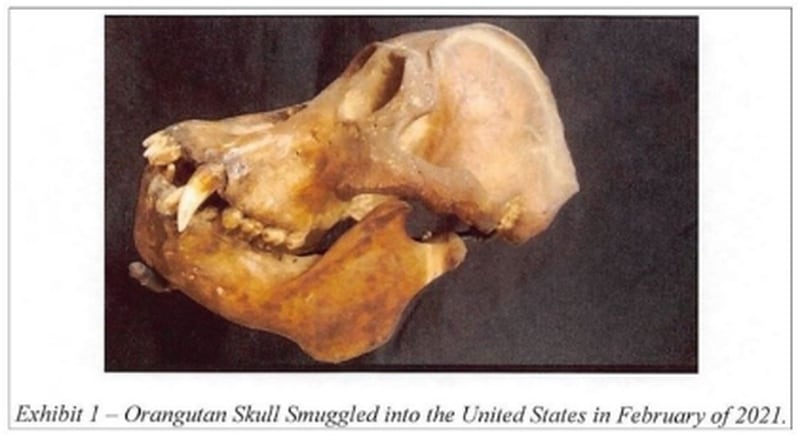
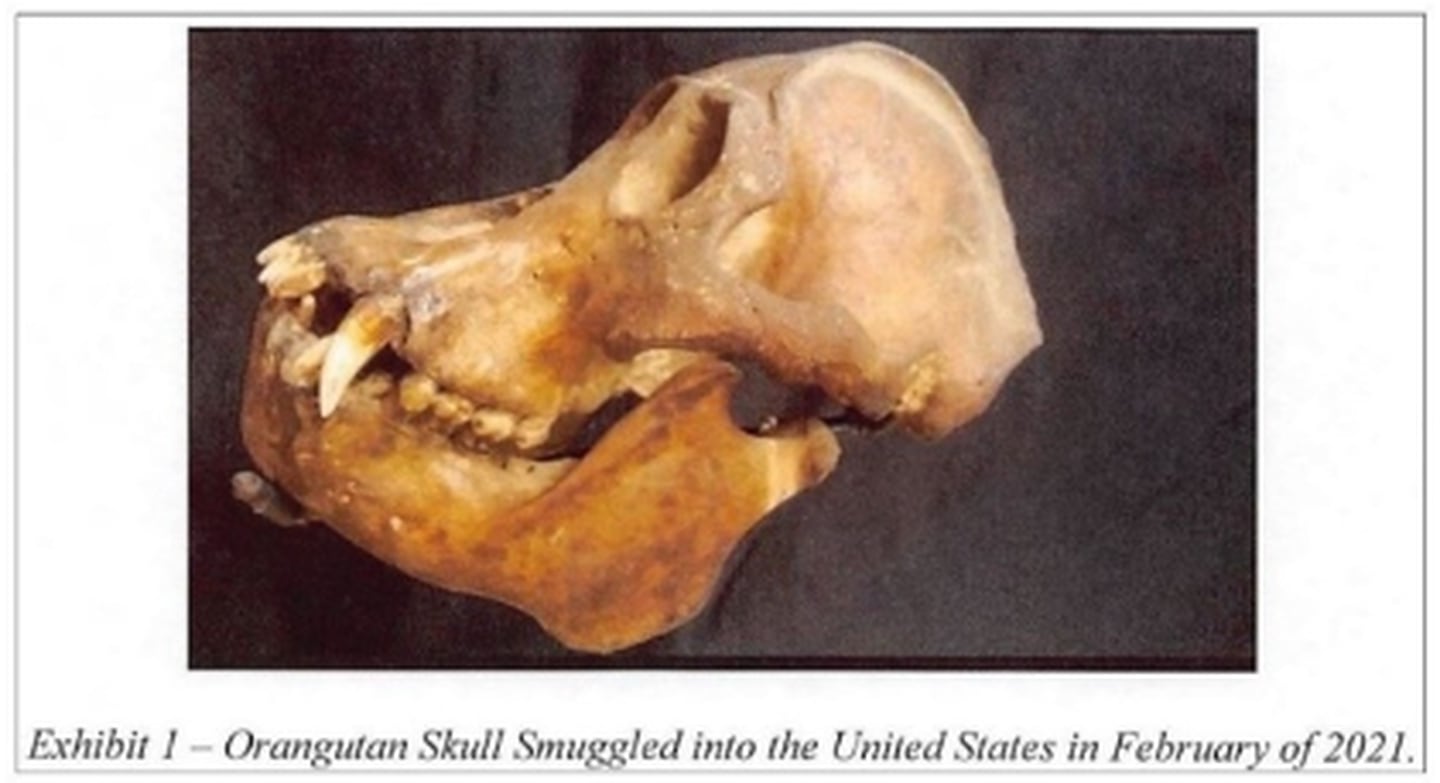
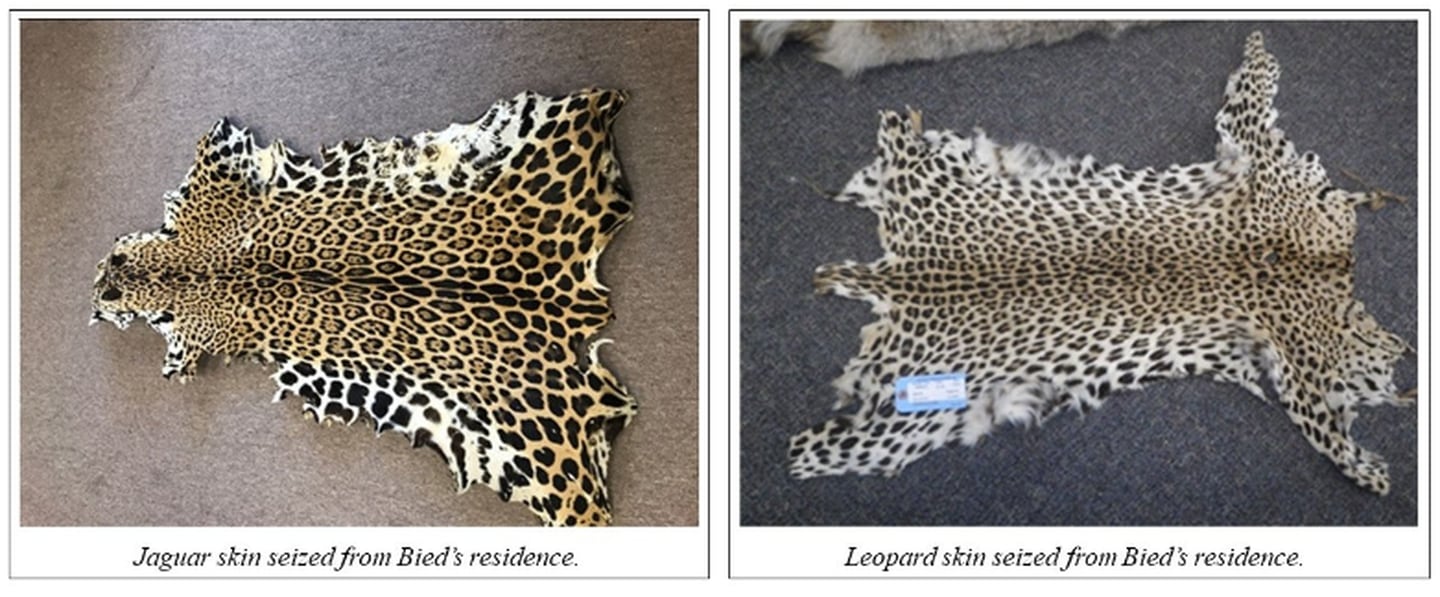
“These laws and international treaties exist to protect endangered species from exploitation and to maintain ecological balance,” Levy said. “In addition to the criminal charges, our office is seeking to forfeit the hundreds of animal parts seized from Mr. Bied’s home and a storage unit, including orangutan skulls, tiger skulls and jaguar skins. This forfeiture action sends a clear message that we will not only prosecute those who engage in illegal wildlife trafficking, but also take legal actions to strip them of their ill-gotten gains.”

According to court filings, beginning at least from January 2018 until June 2021, Bied bought, sold and traded in wildlife parts and products, while knowing that many of the transactions violated U.S. laws and regulations, and he knowingly failed to declare this wildlife upon importation into the United States.

Bied did not possess a U.S. Fish and Wildlife Service import/export license or necessary CITES permits, and allegedly failed to declare the wildlife to the U.S. Fish and Wildlife Service upon import, Levy said.

+Caption(US Attorney’s Office)

The U.S. Attorney’s Office also filed a civil forfeiture complaint seeking to forfeit more than 100 wildlife parts from endangered, threatened, or protected species seized by the U.S. Fish and Wildlife Service in July 2021 from Bied’s home, storage unit, and a vehicle, Levy said.

Many of the seized wildlife parts required a CITES permit and/or a U.S. Fish and Wildlife Service declaration for lawful import and a U.S. Fish and Wildlife Service import/export license to import wildlife for commercial purposes, Levy said.

Bied is accused of acquiring other wildlife parts in violation of the Endangered Species Act or the Marine Mammal Protection Act.

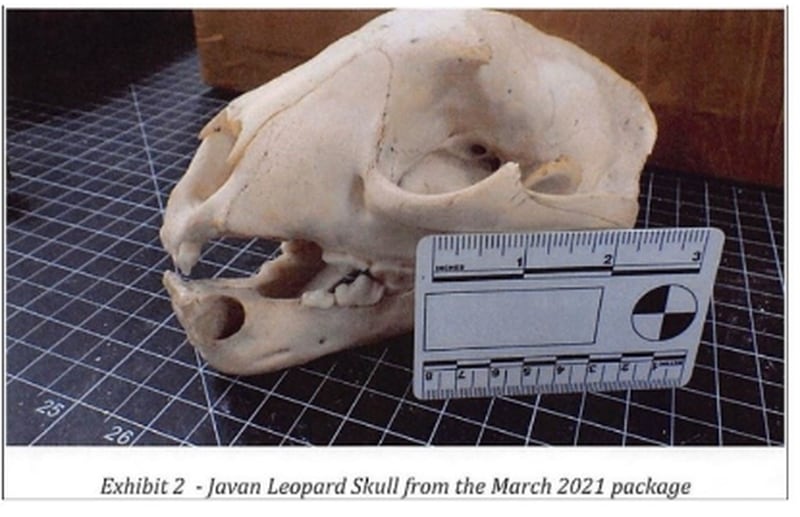
Investigators seized the following wildlife parts, which are subject to civil forfeiture under federal law:

· Orangutan skulls;

· Tiger skulls;

· Leopard skin, skulls and claw;

· Jaguar skin and skull;

· African lion skulls;

· Polar bear skull;

· Narwhal tusk;

· Otter skeleton;

· Harp seal skull;

· South American fur seal skull;

· Elephant seal skull;

· Babirusa skulls;

· Mandrillus skulls;

· Wallaby skull; and

· Jackal skull.

Federal wildlife statutes and regulations prohibit international and illegal trade in vulnerable wildlife species.

The Endangered Species Act, the Lacey Act and CITES, as well as the accompanying regulations, prohibit the import, export, possession, transport, purchase and sale of protected species, Levy said. The restrictions apply to live and dead wildlife specimens, as well as the skins, parts and products made in whole or in part from listed species.

+Caption(US Attorney’s Office)

Additional documents are also required for wildlife protected by the CITES treaty, which regulates trade in endangered or threatened species through permit requirements, Levy said.

The lawful importation of vulnerable wildlife species requires a CITES permit, Levy said. The lawful importation of any foreign species requires a USFWS wildlife declaration. Individuals are also required to have a U.S. Fish and Wildlife Service import/export license to import wildlife for commercial purposes.

The charges of conspiracy as well as the charges under the Lacey Act each provide for a sentence of up to five years in prison, three years of supervised release and a fine of up to $250,000.