Hundreds of Snow Geese Succumb to Influenza in Pennsylvania
Reply


HELENA, Mont. – On December 4, the Montana Fish and Wildlife Commission set new hunting regulations for 2026 and 2027, addressing nonresident hunting pressure and mule deer population concerns.
Montana Fish, Wildlife & Parks Director Christy Clark emphasized the significance of these regulations and the public input that shaped them.
javascript:false
“The commission’s action were a culmination of a lengthy process that started this past summer with public meetings around the state,” said Clark. “Both the commission and FWP heard a lot of input from hunters, landowners and the public. This input was critical in the final regulations that were approved.”
The changes aim to protect resources rather than focus on revenue.
“It’s true, some of these changes will reduce revenue coming to FWP from license sales, but when it comes down to it, this is about protecting the resource, not revenue,” Clark said.
Nonresident hunting pressure, particularly in eastern Montana, has been a growing concern. The commission approved an amendment to cap nonresident deer licenses, reducing them by about 2,500.
Commission Chair Lesley Robinson highlighted the need for this measure, saying, “The reason that I brought this forward was to start discussion. And something has to be done. We have a lot of overcrowding.”
Mule deer declines have prompted specific changes. In 2026 and 2027, most mule deer B licenses will be valid only on private land, and residents will see a reduction in the number of deer licenses they can hold from eight to three.
Additionally, the number of deer B licenses sold in 2024 was the lowest since 2016, reflecting the declining mule deer numbers.
Other changes include adjustments in archery regulations, bighorn sheep quotas, black bear hunting, and mountain lion season dates.
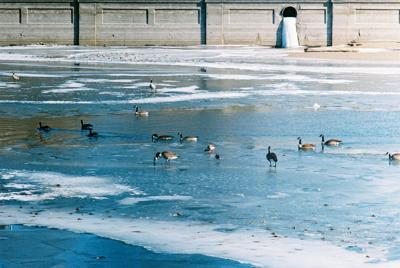
The Iowa Department of Natural Resources confirmed Thursday that Canada geese at two southern Iowa lakes tested positive for highly pathogenic avian influenza.
The outbreak was detected following reports of dead geese at Green Valley Lake, near Creston.
Rachel Ruden, the state wildlife veterinarian with the DNR, said this is the first time mass mortality events from the bird flu have impacted southwest Iowa since the start of the HPAI outbreak in 2022.
“We’ve been kind of buffered in southwest from seeing great activity,” Ruden said. “Whereas other parts of the state, central Iowa and northeast, it’s been pretty routine to get activity in the fall (and) winter.”
Since 2022, according to national data from the U.S. Department of Agriculture, more than 184 million domestic poultry have died from the virus, and more than 8,500 cases of the flu have been detected in wild birds.
ADVERTISING
According to the DNR, staff received reports of dead geese at Green Valley Lake on Dec. 11 and began collecting birds to submit for testing at Iowa State University’s Veterinary Diagnostic Lab. Results from the test revealed geese died from the H5N1 avian influenza.
Ruden said reports of dead geese circulated around the same time for Lake of Three Fires, in Bedford, where the other documented outbreak occurred.
Because the birds are wild, can sink in the water or be taken off by scavenging animals, Ruden said it’s difficult to gather an exact count of the number of dead birds during an outbreak. She said last year, wild bird deaths across the state totaled in the low thousands. So far, in southwestern Iowa where the outbreaks have been concentrated this fall, Ruden estimated bird deaths totaled a “couple hundred.”
Canada geese migration increased in late November with the cold and snowy conditions across Iowa. According to the DNR, a Dec. 12 survey of waterfowl found the Canada geese populations had increased by more than 30% from the week prior.
The DNR said it’s “uncertain” how long the outbreak will last, but staff expect waterfowl will “disperse” and therefore reduce opportunities for transmission, as rain and mild weather move in.
Ruden said it will be interesting, from a scientific perspective, to see how the scavenging population in southwest Iowa reacts to the outbreak. In the past, she said, there has been a concern about bald eagles contracting bird flu after scavenging bird carcasses but as it turns out, many of the mature bald eagles have shown they have antibodies to avian influenza.
“But, that might not hold true in the southwest, where they really haven’t seen the same level of exposure,” Ruden said.
People should avoid contact with dead or sick birds, according to the DNR and to the U.S. Centers for Disease Control and Prevention. While the public health risk of HPAI is low, there have been more than 70 cases of the virus in people who were exposed to sick poultry or dairy cattle.
The DNR also advises Iowans keep their pets from dead or sick birds as they can also get sick from the virus.
Iowans who see 20 or more bird carcasses are encouraged to call their local wildlife staff, a directory of which can be found online.
The state has additional guidelines for Iowans who find a bird carcass on their property and want to collect and dispose of it safely.
“We encourage the public to report sick birds or other wildlife to your local wildlife biologist or conservation officer to help us track impacts of this disease,” Ruden said in the news release. “We all have a part to play in keeping Iowa’s wildlife healthy.”

By Ken MacGillivray Global News
Posted December 22, 2025 6:54 am
Updated December 22, 2025 5:38 pm
2 min read

Leave a comment
Share this item on FacebookShare this item on XSend this page to someone via emailSee more sharing optionsDescrease article font sizeIncrease article font size
The Alberta Society for the Prevention of Cruelty to Animals (ASPCA) says in a Saturday social media post that this is the second confirmed fatal case of bird flu in a dog in Canada.
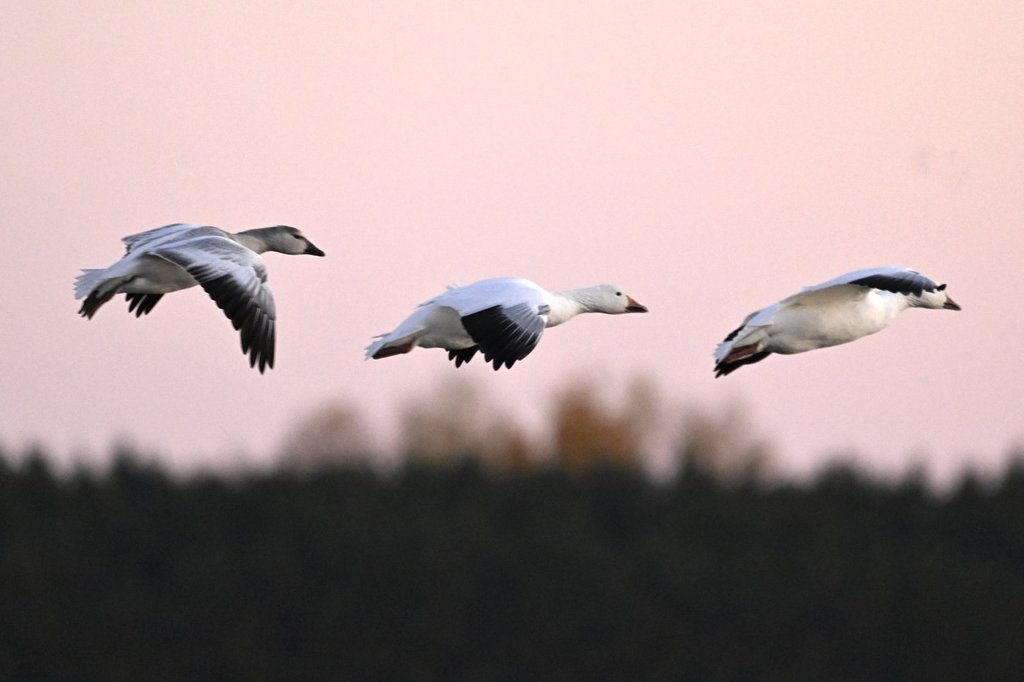
Dr. Hussein Keshwani, Alberta’s deputy chief provincial veterinarian says the golden retriever-poodle cross became ill in November, after scavenging on a snow goose carcass and because of the history and the way it presented to the clinic there was a suspicion it was infected with avian influenza.
Subsequent testing by the University of Calgary faculty of veterinary medicine, a provincial agricultural lab in Edmonton and the Canadian Food Inspection Agency (CFIA) all confirmed the animal was infected with H5N1 or avian influenza.
The first case of avian flu in a dog in Canada was in Ontario in April 2023 when a dog became ill and later died after it too was discovered to have been chewing on a wild goose.
Story continues below advertisement
Keshwani says there have also been at least two cases of avian flu in cats in Alberta, typically barn cats or ones that live outdoors.

Get the day’s top news, political, economic, and current affairs headlines, delivered to your inbox once a day.Sign up for daily National newsletterSign Up
By providing your email address, you have read and agree to Global News’ Terms and Conditions and Privacy Policy.
“While I don’t think this case is cause for alarm, it’s just a reminder that there is a risk to domestic pets, especially cats, mainly avoiding contact with wild birds and their carcasses,” said Keshwani. ” So to that end, keeping cats indoors if people can, keeping dogs on leash, particularly during those peak migration times in the spring and fall.”
He says it’s also a warning for people who serve their pets raw diets. “We always recommend avoiding raw meat diets, but particularly when we’re talking about avian influenza, don’t feed your dog or cat raw meat from poultry or wild birds. And certainly if people have concerns about their pet’s health and getting in touch with their veterinarian,” added Keshwani.
Story continues below advertisement
While there are vaccines available for some canine influenza viruses, there is no vaccine for avian influenza for cats or dogs.
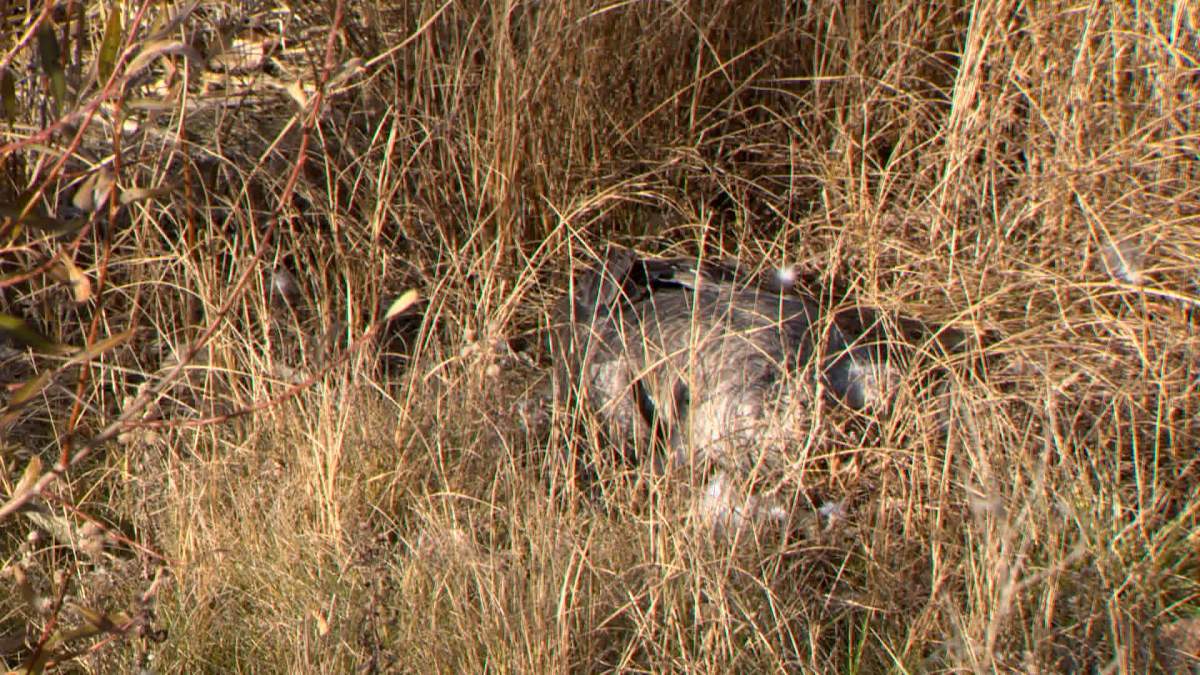
The CFIA, says most cases of avian flu in mammals involve direct contact with infected birds, but exposure to heavily contaminated environments such as ponds or other areas where birds congregate could also lead to infection.
The symptoms of avian flu in cats and dogs include conjunctivitis, fever, lethargy, lack of appetite, difficulty breathing and neurological problems such as tremors and seizures.
The CFIA website also shows there have been more than two dozen investigations into outbreaks or suspected outbreaks of avian flu in flocks of domestic birds in Alberta so far in 2025.
In Calgary, the detection of the highly infectious H5N1 virus in the area earlier this fall also led to the temporary closure of a local petting zoo and prompted the Calgary Zoo to close some exhibits, move some animals indoors and restrict public access to some other parts of the zoo.
Environmental groups had argued in their unsuccessful motion for a preliminary injunction that letting hunters, trappers and wildlife managers kill up to 558 wolves would do long-term harm to their viability in Montana.
by Amanda Eggert12.22.2025

Stay up-to-date on the latest breaking news. Get MTFP’s in-depth, independent reporting sent directly to your inbox.Sign up
A Helena judge has allowed the wolf hunting and trapping regulations the Montana Fish and Wildlife Commission adopted earlier this year to stand, despite flagging “serious concerns” about the state’s ability to accurately estimate Montana’s wolf population.
In a 43-page opinion, district court Judge Christopher Abbott wrote that leaving the 2025-2026 hunting and trapping regulations in place while he considers an underlying lawsuit will not “push wolf populations to an unsustainable level.”
In its lawsuit, first filed in 2022, WildEarth Guardians, Project Coyote, Footloose Montana and Gallatin Wildlife Association challenged four laws adopted by the 2021 Montana Legislature aimed at driving wolf numbers down. Earlier this year, the environmental groups added new claims to their lawsuit and asked the court to stop the 2025-2026 regulations from taking effect. The groups argued that a record-high wolf hunting and trapping quota of 458 wolves, paired with the potential for another 100 wolves to be killed for preying on livestock or otherwise getting into conflict with humans, would push the state’s wolf population “toward long-term decline and irreparable harm.”
According to the state’s population estimates — figures that the environmental groups dispute — there are approximately 1,100 wolves across the state.
In a Dec. 19 press release about the decision, Connie Poten with Footloose Montana described the ruling as a “severe setback,” but argued that the “resulting slaughter will only strengthen our ongoing case for the protection of this vital species.”
“The fight for wolves is deep and broad, based in science, connection, humaneness and necessity. Wolves will not die in vain,” Poten said.

Two weeks after the Outdoor Heritage Coalition and a pair of Republican lawmakers sued the state for doing too little to reduce Montana’s wolf population, a coalition of conservation groups are making the opposite claim before a different judge.
by Amanda Eggert10.16.2025
Montana Fish, Wildlife and Parks declined to comment on the order, citing the ongoing litigation. Montana Sportsmen for Fish and Wildlife and the Outdoor Heritage Coalition, nonprofit groups that backed the state’s position in the litigation, could not be reached for comment on the order by publication time Monday afternoon.
The order comes more than a month after a two-hour hearing on the request for an injunction, and about three weeks after the trapping season opened across the majority of the state. The trapping season is set to close no later than March 15, 2026.
During the Nov. 14 hearing at the Lewis and Clark County courthouse, Alexander Scolavino argued on behalf of Montana Fish, Wildlife and Parks and the Montana Fish and Wildlife Commission that hunters, trappers and wildlife managers won’t come close to killing 558 wolves this season. Scolavino added that the highest number shot or trapped in a single season was 350 wolves in 2020 — well shy of the 458-wolf quota the commission, the governor-appointed board that sets hunting seasons for game species and furbearers, adopted in August.

Abbott agreed with Scolavino’s argument, writing in his order that it’s unlikely that hunters and trappers will “achieve anything near the quota established by the commission.” To reinforce his claim, he noted that hunters and trappers have not killed 334 wolves — the quota commissioners adopted for the 2024-2025 season — in any of the past five seasons.
“In short, nothing suggests that the 2025/2026 season is likely to push wolf populations to an unsustainable level or cause them irreparable injury,” he concluded.
Abbott seemed to suggest that livestock-oriented conflicts are waning and that it’s unlikely that the state will authorize the killing of 100 “conflict” wolves. He noted that livestock depredations dropped from “a high of 233 in 2009 to 100 per year or less today.”
On other issues — namely the Constitutional environmental rights asserted by the plaintiffs and the reliability of the state’s wolf population-estimation model — Abbott appeared to side with the plaintiffs. Those issues remain unresolved in the ongoing litigation before the court.
Abbott wrote that the plaintiffs “are likely to show that a sustainable wolf population in Montana forms part of the ‘environmental life support system’ of the state.” The environmental groups had argued in their filings that the existing wolf-management framework “will deplete and degrade Montana’s wolf population,” running afoul of the state’s duty to “preserve the right to a clean and healthful environment.”
In his order, Abbott incorporated material from the plaintiffs’ filings regarding the economic and ecological benefits of wolves, including “the suppression of overabundant elk, deer and coyote populations,” “restoring vegetation that aids water quality, songbirds and insect pollinators,” and “generating income and jobs” by contributing to the wildlife-watching economy anchored by Yellowstone National Park.

Claims that wolves have rescued Yellowstone National Park aspen trees through a ‘trophic cascade’ oversimplify a complex story.
by Mark DeGraff, Mountain Journal12.10.2025
Abbott also expressed “serious concerns” about the way the state estimates wolf numbers — a model that relies, among other things, on wolf sightings reported by elk hunters — but ultimately concluded that the court is currently “unequipped” to referee “the palace intrigues of academia” in the wildlife population-modeling arena. In the press release about the decision, the environmental groups described these pieces of Abbott’s order as “serious and valid questions” that the court must still address.
Another lawsuit relating to the 2025-2026 wolf regulations is ongoing. On Sept. 30, Rep. Paul Fielder, R-Thompson Falls, and Sen. Shannon Maness, R-Dillon, joined an outfitter from Gallatin County and the Outdoor Heritage Coalition (which intervened in the environmental groups’ litigation) to push the state to loosen regulations by, for example, lengthening the trapping season and expanding the tools hunters or trappers can use to pursue and kill wolves.
The plaintiffs in that lawsuit argue that liberalizing the hunting and trapping season would reaffirm the “opportunity to harvest wild fish and wild game animals enshrined in the Montana Constitution,” and bring the state into alignment with a 2021 law directing the commission to adopt regulations with an “intent to reduce the wolf population.”
According to the state’s wolf management dashboard, 83 wolves have been shot or trapped as of Dec. 22. The department closed the two wolf management units closest to Yellowstone National Park to further hunting and trapping earlier this year after three wolves were killed in each of those units.

 Exposing the Big Game