CDC Issues Broad Warning After Latest Human Bird Flu Case
Reply

by Pabitra Mohan Senapaty Berhampur | Mon,
FP Explainers • April 6, 2024, 18:21:13 IST
A Texas farm worker has tested positive for the H5N1 virus. This comes after bird flu spread to dairy cow herds in five states in the US this year, the first such instance in the country. Should the contagious virus alarm us?
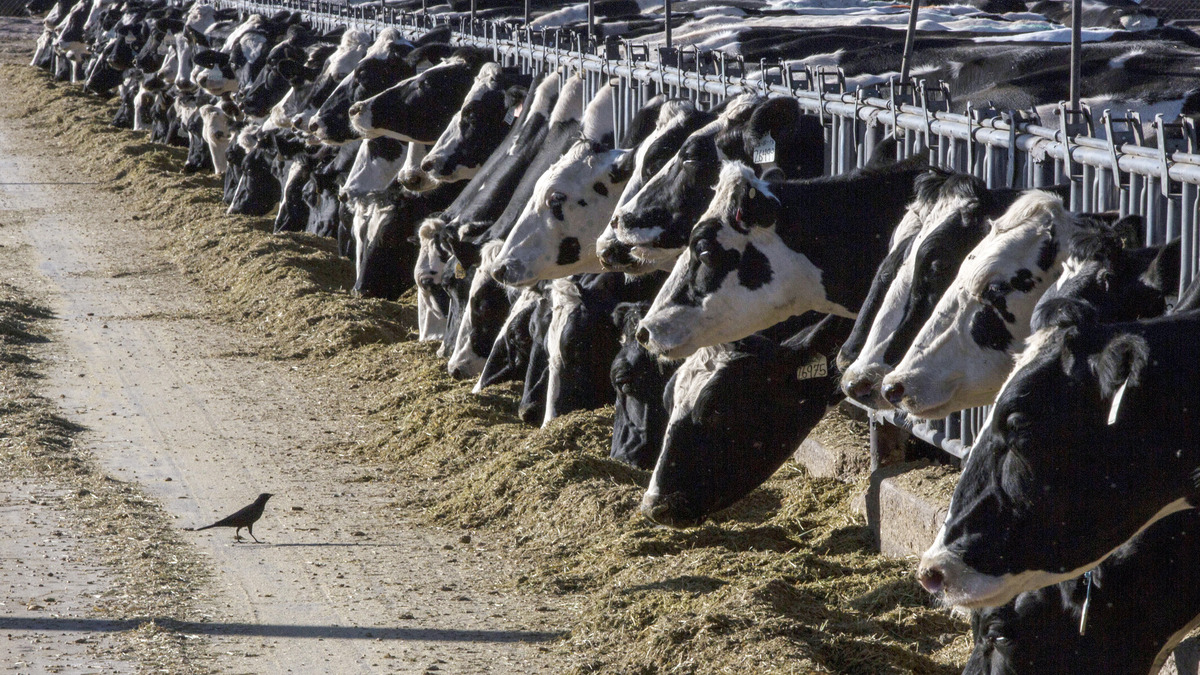)
Dairy cow herds in five US states have tested positive for bird flu. AP (Representational Image)
The outbreak of bird flu in dairy cows in the United States and the case of a human in Texas testing positive for the virus have caused widespread concerns. The US Centers for Disease Control and Prevention (CDC) said earlier this week that a dairy worker in Texas was found infected with avian influenza.
Advertisement
This is only the second human case of the H5N1 virus in the US, with the first reported in 2022 in a poultry worker in Colorado. It is also the first time bird flu has been detected in dairy cattle in the US.
Let’s take a closer look.
How deadly is bird flu?
You May Like
Mom Instructs Son To Keep Kicking Man’s Seat, So He Turns The Tables On HerFunnyAnd.com
It is a disease in birds triggered by infection with highly contagious avian influenza Type A viruses. “These viruses naturally spread among wild aquatic birds worldwide and can infect domestic poultry and other bird and animal species,” according to the CDC.
Its H5N1 strain was first detected in domestic waterfowl in China in 1996. Later, it was spread across the world by migratory birds.
Advertisement
For at least the past two years, avian influenza has spilled over from birds to mammals.
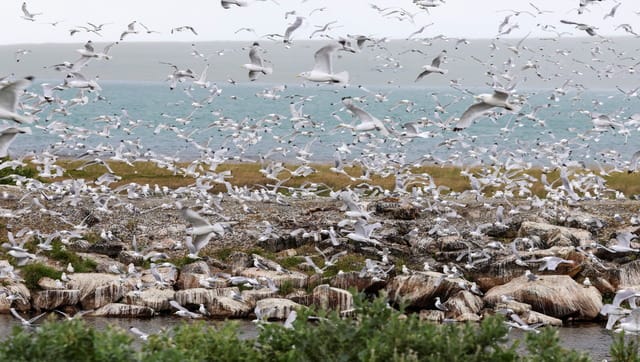
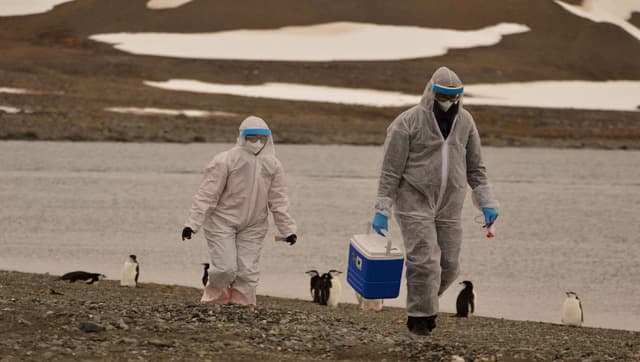
Sea birds, foxes, goats, cats, racoons, skunks, elephant seals, and large mammals like bears and cows have been reported to be infected with bird flu.
Since late March, bird flu has been confirmed in dairy cow herds across five states in the US, including Idaho, Kansas, Michigan, New Mexico, and Texas.
Advertisement
Bird flu in humans
This is not the first time bird flu has been identified in humans. There have been sporadic cases since 1997 when several people were infected during a poultry outbreak in Hong Kong.
While most human infections were detected in Asia, cases have also been reported in Africa, Americas, and Europe. India reported its first case and death due to H5N1 in 2021, reported Indian Express.
Advertisement
According to the World Health Organisation (WHO) data, there were 887 human cases of H5N1 between 2003 and 2024, of which 462 died. The fatality rate of the virus is estimated to be 52 per cent.
As per Pan-American Health Organization, infected humans can show several symptoms like fever, cough, body aches, pneumonia, shock, breathing difficulty, and even death sometimes.
Advertisement
How worried should we be now?
Although avian flu infections in humans have been few, many have been deadly. If bird flu emerges as the next pandemic, it would be more dangerous than COVID-19, experts warn.
Citing virus researchers, Daily Mail reported that a bird flu pandemic could be “100 times worse than COVID”, killing up to half of the infected patients.
John Fulton, founder of Canada-based pharmaceutical company BioNiagara, said at a meeting attended by bird flu researchers, doctors and officials from government agencies that the H5N1 strain “appears to be 100 times worse than COVID, or it could be if it mutates and maintains its high case fatality rate.
“Once it’s mutated to infect humans, we can only hope that the [fatality rate] drops.”
According to Dr Suresh Kuchipudi, a bird flu researcher in Pittsburgh, Pennsylvania, bird flu has been on the “top of the pandemic list for many, many years and probably decades.”
Speaking at the briefing, Dr Kuchipudi said that “now we are getting dangerously close to this virus potentially causing a pandemic,” reported Daily Mail.
It must be noted that bird flu is already a panzootic, akin to a pandemic in the animal world. Its cases have been found in every continent except Australia, noted New York Times (NYT).
However, experts maintain that the virus has not evolved yet to transmit from one person to another. Most humans identified with bird flu worldwide came in close contact with infected birds, or mammals. They did not spread the disease to other humans.
As per the US CDC, the patient in Texas contracted the virus presumably from infected dairy cows. This would be the maiden instance of the cow-to-human spread of bird flu. The only symptom shown by the infected farm worker was eye redness or conjunctivitis.
The human infections so far “fortunately are all still single-time cross-species transmission,” Vincent Munster, a virologist at the National Institute of Allergy and Infectious Diseases, told NYT.
The genome sequencing of the virus in the Texas patient showed “minor changes”, NPR reported citing CDC. Thus, arresting the spread of the virus is important so that it cannot mutate further.
So, is it a cause for alarm?
Speaking to Indian Express, Dr E Sreekumar, director of the Institute of Advanced Virology, Thiruvananthapuram, said, “One case is not enough to say that the infection can cause a pandemic. It is too early. However, it is important to keep an eye on the pathogen for changes that can make it more transmissible”.
US federal officials and scientists maintain that the risk of bird flu to the public continues to be low, reported NPR.
KDVR-TV DenverFollow
14.3K Followers
Story by Rogelio Mares
• 6mo • 2 min read

Group seeks ban on trophy hunting of mountain lions, bobcats in Colorado© Provided by KDVR-TV Denver
DENVER (KDVR) — There’s a new push by a group to outlaw the trophy hunting of mountain lions and other large cats in Colorado.
The group, CATs (Cats Aren’t Trophies), is hoping to get this initiative on ballots for voters in Colorado to decide next November.
The real reason to ‘keep wildlife wild and leave wildlife alone’
CATs is a collection of veterinarians, wildlife photographers and other outdoor enthusiasts. The group wants to outlaw this kind of hunting of large cats in the state because of what they say is the inhumane way that it’s done.
Savings AccountThree banks in Omak Are Offering Crazy High Returns on Savings Accounts.
“We’re doing what we need to do to protect the wildlife of Colorado and bringing it directly to the voters,” CATs member Mark Surls said.
There is a stark difference between trophy hunting and wildlife management, according to Surls.
“It doesn’t do any public good,” Surls said, “it’s not a public safety issue.”
Where management controls the populations of wildlife, trophy hunting, Surls said, is a business.
“All it does is get trophies on the wall for the hunter that paid $8,000 to hire a professional hunter,” Surls said.
Surls described the process by which many large cats are hunted in the state, using hunting dogs to chase them up trees.
“You see the cat fall down from 30 feet in a tree,” Surls said. “It’s not sporting to hunt an animal that is trapped in a tree.”
Surls called this manner of hunting inhumane, motivating the group’s efforts to ban it. The group also said female mountain lions are often hunted, leading to a bigger problem for the species.
 Related video: Denver group rallying to save mountain lions (Scripps News)
Wildlife capture an ongoing problem,
Loaded: 9.87%Pause

Current Time 0:04
/
Duration 3:02Quality SettingsCaptionsFullscreen

Denver group rallying to save mountain lionsUnmute
0
“Over 75% of a female mountain lion’s life, she has dependent young with her,” Surls said.
One hunter’s group “Backcountry Hunters and Anglers” commented on the group’s Facebook page on the issue, saying it “does not endorse advancing policies on wildlife management and decisions by state or federal legislation or voter referendums and ballot initiatives,” adding “we are obligated as an organization committed to hunters and anglers to advance sound stewardship policies that are guided by science over politics, emotion, and conjecture.”
The petition process by CATs will begin in January, they will have six months to collect 125,000 signatures for this measure to be put on a ballot for voters to decide.
By Reuters
April 5, 202412:40 PM PDTUpdated a day ago
https://www.reuters.com/world/us/cdc-issues-health-alert-bird-flu-infection-us-2024-04-05
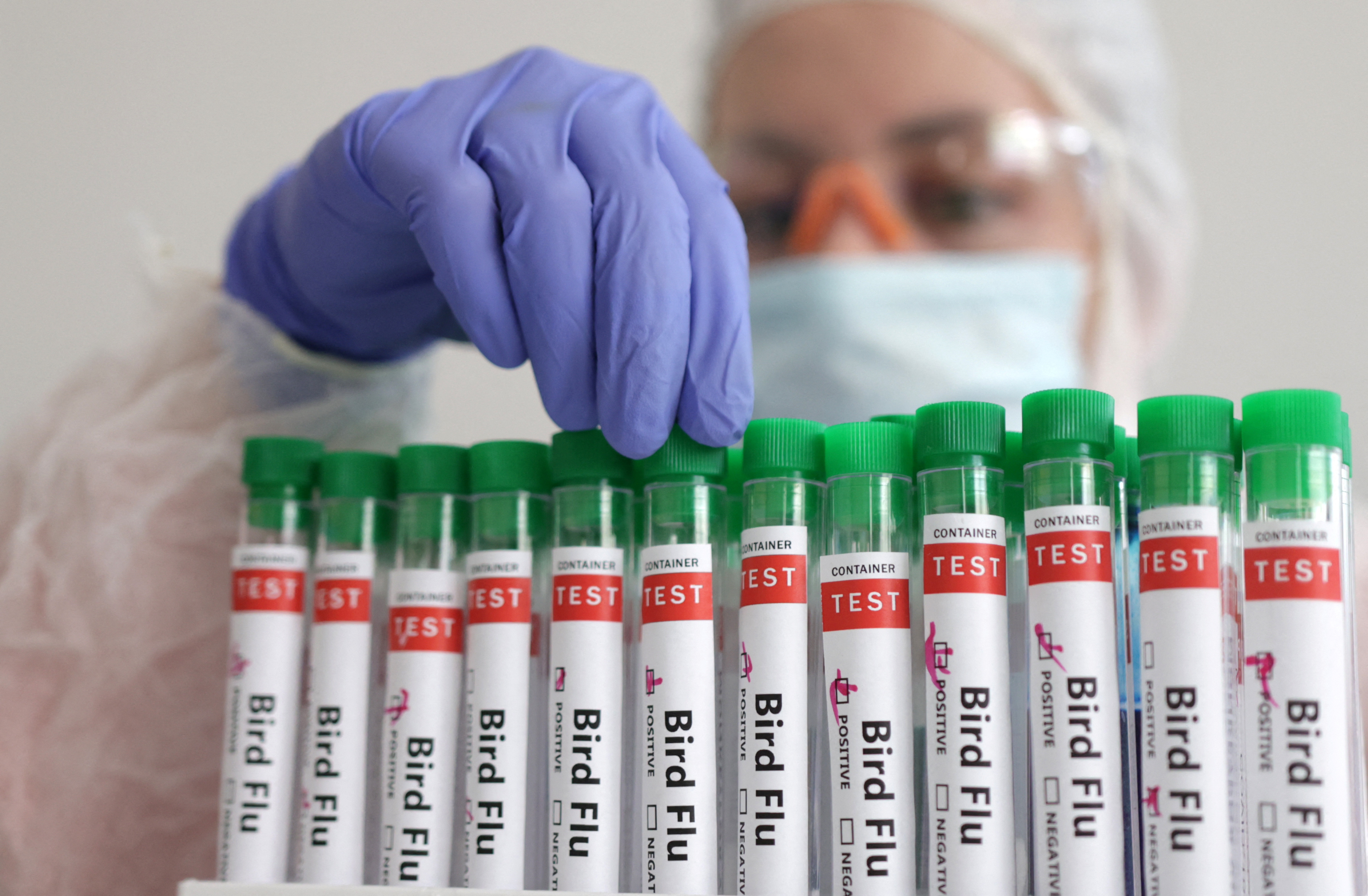
April 5 (Reuters) – The U.S. CDC on Friday issued a health alert to inform clinicians, state health departments and the public of a case of avian influenza in a person who had contact with dairy cows presumed to be infected with the virus.
The farm worker from Texas was reported to be infected on April 1, making it the second case of the H5N1 strain of avian influenza, commonly known as bird flu, identified in a person in the United States.
Advertisement · Scroll to continue
It follows a 2022 case in Colorado, and comes as the virus is spreading to new mammals, including dairy cattle for the first time.
To prevent infection from the virus, the CDC recommends the use of personal protective equipment (PPE), testing, antiviral treatment, patient investigations and monitoring of persons exposed to sick or dead, wild and domesticated animals and livestock that may have been infected with the virus.
Advertisement · Scroll to continueReport this ad
Earlier this week, the CDC said the infection does not change the risk assessment for the U.S. general public from H5N1 bird flu, which it considers to be low. The Texas patient’s only symptom was eye inflammation, according to the state’s health department.

