I Was an Animal Experimenter

By

How did it happen? How did I go from being a high school student who played in a rock band to a mad scientist conducting cruel animal experiments?

To this day, I’m not sure. As a child, I liked animals. Growing up, I loved playing with our family dog. I wasn’t particularly interested in science and didn’t even want to go to college. I was planning on making it big as a rock musician, but in 1966, when my band broke up and a college offered me a generous financial aid package, I found myself a depressed, bewildered freshman at a university. I wanted to study music, but without classical training, that door was closed.

561599_4740870687337_1697822471_n

At the end of freshman year, my roommate told me about a great psychology course he was taking where he studied B. F. Skinner’s experiments with rats and pigeons. I was amazed that someone was actually able to predict and control behavior. Why people behaved as they did had always been a mystery to me. So I decided to take the course.

I was fascinated by one class lab where we taught pigeons to peck at a colored disc for food. In my junior year, I attended a class in which the professor made a compelling argument for conducting animal research related to punishment. He promoted it as having the noble goal of finding ways to minimize the use of punishment in humans while maximizing its effect. When he announced he was looking for a student to work in his lab for class credit, I took the job.

First, I had to learn how to shock a pigeon. A graduate student demonstrated how one person held the pigeon upside down while the other plucked out the feathers in back of its legs, cut two lengths of stiff stainless steel wire from a spool and pushed them through the skin and under the pelvic bones. The wires were then soldered to a harness placed on the pigeon’s back. The harness contained a plug that would be connected to a source of electric shock during experiments. No anesthetic or sedative was used.

One day, while programming an experiment, I accidentally touched the electrodes and got a jolting shock that numbed my entire arm. I was amazed that, according to my professor, the shock level was the correct one to use for pigeons. I told myself that pigeons must not feel pain as much as I did.

The pigeons lived in individual wire cages about a cubic foot in volume, in a bleak, windowless cinder-block room. I was told that everyone had to take a turn killing the pigeons after the experiments were finished. A graduate student showed me how to dump a couple of dozen birds into a clear plastic garbage bag, then pour a splash of chloroform on them and tie the bag shut. I remember the first and only time I did the killing; I thought the birds on the bottom were already suffocating because they were completely buried in other birds.

In graduate school, and later as a research technician, I also conducted punishment experiments on rats. The rats were deprived of food or water for 23 hours each day so they would be motivated to press a lever or lick a tube to receive a small reward of food or water. After learning that behavior, they would be shocked through metal rods on the floor for pressing the lever or licking the tube. We were recording how much the pressing or licking was suppressed by the shock.

Each year dozens of animals would be brought into the lab to live their brief lives suffering deprivation and shocks before being killed. At least in graduate school and as a research technician I did not have to kill the animals. There was a full-time lab custodian who took care of that.

As I look back on this nearly 50 years later,…

More:http://opinionator.blogs.nytimes.com/2015/04/18/i-was-an-animal-experimenter/?_r=1

Agents probe possible sea lion shootings

http://www.dailyastorian.com/Local_News/20150409/agents-probe-possible-sea-lion-shootings?utm_source=Daily+Astorian+Updates&utm_campaign=f27d5e502d-TEMPLATE_Daily_Astorian_Newsletter_Update&utm_medium=email&utm_term=0_e787c9ed3c-f27d5e502d-109860249

By Edward StrattonThe Daily Astorian

Published:April 9, 2015 8:31AM
Last changed:April 9, 2015 8:44AM

Photo Courtesy of Sea Lion Defense Brigade
A California sea lion hauled out at the Port of Astoria’s East End Mooring Basin appears to have been shot.

Photo Courtesy of Sea Lion Defense Brigade
Sea Lion Defense Brigade members found 19 bullet casings on the causeway at the Port of Astoria’s East End Mooring Basin.

Photo Courtesy of Sea Lion Defense Brigade
A California sea lion hauled out at the Port of Astoria’s East End Mooring Basin bleeds from a fresh wound. The National Oceanic and Atmospheric Administration is investigating the possible shooting of sea lions.

On Monday, members of the Sea Lion Defense Brigade reported finding 19 bullet casings on the East End Mooring Basin causeway. Over the Easter weekend, they’d posted pictures of several animals on their Facebook page with open wounds and pockmarks that look as if they’d been shot.

“We can tell you that NOAA office of law enforcement has received a complaint, and we are investigating the possible shooting of sea lions at the East End Mooring Basin,” said Sean Stanley, a special agent with the National Oceanic and Atmospheric Administration. Stanley wouldn’t comment further, citing the ongoing case.

Sea lions and other pinnipeds are protected under the Marine Mammal Protection Act. NOAA authorizes wildlife managers in Oregon and Washington to trap and kill fewer than 100 sea lions a year seen eating salmon at the Bonneville dam.

But there have been recent reports, from the one in Astoria to others along the North Coast, of them washing up on beaches with what could be bullet wounds.

Anyone with information about any violations of the marine mammal act are asked to call NOAA’s hotline at 800-853-1964.

Port of Astoria Executive Director Jim Knight said NOAA went to the basin and found 19 .380-caliber bullet casings, and the Port has turned over surveillance video to investigators. Knight said he’s been told of a few dead sea lions, including one on Clatsop Spit, another at the basin and another in between the U.S. Coast Guard cutters on the 17th Street Dock.

Fort Stevens State Park ranger Dustin Bessette said he’s noticed six sea lions between Gearhart and the South Jetty washing up dead.

“It’s kind of early,” he said, adding that sea lions washing up are a yearly occurrence. “I expect them to show up on the beach to molt, but I’ve only seen one of those.”

On one occasion, Bessette said, he went to the beach with an assistant from the Seaside Aquarium and found a dead sea lion with what first looked to him like a wound from a .22-caliber rifle or bird shot.

“It looks to be bullet holes from someone shooting them,” he said. “My guess is a fisherman, right off the bat.”

Bessette cautioned that only a necropsy can tell for certain whether they were bullet holes.

“If it’s one that shows up on the beach, we tell the Seaside Aquarium,” Bessette said. “If we don’t get to it within three or four days, my response last year was to bury them.”

Tiffany Boothe, an administrative assistant at the Seaside Aquarium, said her organization helps with the necropsies and does get reports of a number of shot animals each year.

“In the recent week, we’ve been getting a lot of calls,” Boothe said. “Usually, they’re from the Sea Lion Defense Brigade. They’re reporting all sorts of things.”

Stanley reported earlier this month to the Chinook Observer that NOAA’s case into the killing of a mother harbor seal on the Long Beach (Wash.) Peninsula last year was closed, with no actionable leads. The seal had been run over. (See related story link below)

The Sea Lion Defense Brigade monitors actions regarding sea lions on their Facebook page, decrying their treatment. It has more than 4,000 likes and has been around for several years.

Another Facebook page, “You Know You Hate Sea Lions When …” started March 25 as a sort of online rebuttal, a place for people to voice their displeasure with sea lions. Some of its more than 200 members went so far as to post photos of buckshot shells and other ammunition, talking about the bygone days when fishermen could simply shoot sea lions eating their fish.

“Met a few (sea lions) on the shrimp grounds, They are no longer active,” Ted Johnson wrote on the page.

Related Stories

Federal judge rules U.S. Navy Pacific training harms too many marine mammals

Federal judge rules U.S. Navy Pacific training harms too many marine mammals

U.S. Navy–RIMPAC 2012

In a 66-page ruling handed down today, U.S. District Court Judge Susan Oki Mollway in Honolulu ruled that the National Marine Fisheries Services should not have approved the U.S. Navy’s training activities in the Pacific Ocean a couple years ago because they harm too many marine mammals.

“The Navy and Fisheries Service had concluded that, over the plan’s five-year period, the Navy’s use of explosives and sonar, along with vessel strikes, could result in thousands of animals suffering death, permanent hearing loss or lung injuries,” stated an April 1 news release on the ruling from Earthjustice, which legally challenged the Fisheries Service approval in December 2013 on behalf of the Conservation Council for Hawaii, Animal Welfare Institute, Center for Biological Diversity and Ocean Mammal Institute. “Millions of others could be left with temporary injuries and significant disruptions to feeding, breeding, communicating, resting and other essential behaviors. In all, the Navy’s plan would cause an estimated 9.6 million instances of harm to marine mammals.”

That’s a huge number. Nearly three years ago, when I wrote this story on the Navy’s proposed Pacific testing and training activities, the estimate of instances of harm was just around 2 million. Of that, the Navy estimated, the exercises would kill 200 mammals and inflict another 1,600 injuries each year.

For its part, the Navy says it must conduct training exercises in the Pacific, especially using active sonar, to keep the nation safe. This, Earthjustice attorney David Henkin says, doesn’t give the service the right to inflict biological damage wherever they see fit.

“The court’s ruling recognizes that, to defend our country, the Navy doesn’t need to train in every square inch of a swath of ocean larger than all 50 United States combined,” said Henkin in the Earthjustice news release. “The Navy can fulfill its mission and, at the same time, avoid the most severe harm to dolphins, whales and countless other marine animals by simply limiting training and testing in a small number of biologically sensitive areas.”

Mollway’s ruling wasn’t subtle, either, and stated that the Navy exercises violate the Marine Mammals Protection Act (MMPA), Endangered Species Act and National Environmental Policy Act. Here’s her ruling on the MMPA:

“No one is disputing the importance of military readiness, but recognition of that importance does not permit the parties or this court to ignore the MMPA. Although MMPA provisions have been adjusted with respect to military activities, those adjustments do not permit the Navy to skirt the MMPA purely to avoid having its training and testing activities interrupted.”

Mollway was also downright sarcastic and even a little mean:

The government actions that are challenged in this case permit the Navy to conduct training and testing exercises even if they end up harming a stunning number of marine mammals, some of which are endangered or threatened. Searching the administrative record’s reams of pages for some explanation as to why the Navy’s activities were authorized by the National Marine Fisheries Service (“NMFS”), this court feels like the sailor in Samuel Taylor Coleridge’s “The Rime of the Ancient Mariner” who, trapped for days on a ship becalmed in the middle of the ocean, laments, “Water, water, every where, Nor any drop to drink.”

According to this Los Angeles Times story from earlier today, the Navy is still “studying the ruling and could not comment on its details.”

Photo of 2012 RIMPAC exercises: Mass Communication Specialist Seaman Apprentice Ryan J. Mayes/U.S. Navy/Wikimedia Commons

Why Not Retire the Circus Elephants Now?

2015-03-06

Retire Them Now!

Luke Sharrett for The New York Times

If the welfare of elephants were truly its only concern, the Ringling Brothers and Barnum & Bailey Circus would stop using them in performances now, and put them on a train to sunny Florida, where they could enjoy a comfortable retirement. Instead, as The Associated Press reported Thursday, its 13 wrinkly troupers will be touring the country, doing lumbering tricks in costume for paying customers, until 2018. Then they will be sent to the company’s park near Polk City, Fla., and perform no more.
Continue reading the main story
Related in Opinion

Elephants are big business for Feld Entertainment, Ringling’s parent company, and they have been for a long, long time. So it’s hardly a small thing that the circus has announced it is ending its elephant acts. Though Ringling has always had other trained animals, like horses, dogs, tigers and lions — and, notoriously, in the 1980s, goats made to resemble unicorns — Asian elephants are central to its image and marketing. Many a New Yorker remembers the elephant marches through the Midtown Tunnel to Madison Square Garden.

But big-animal circus acts belong to a different age. Circuses have long since abandoned human freak shows and brutish displays of animals as beasts to gawk at. Many cities and counties have passed ordinances forbidding some elephant shows, because of the use of chains and prods called bullhooks to control the animals. Years of pressure from animal-rights advocates surely influenced Ringling’s decision. And competitors — notably Cirque du Soleil — have shown that it is possible to dazzle audiences with entirely human feats of grace and skill.

The news from Ringling summons two powerful images: Dumbo’s mother, trapped in a circus car, cradling her child to the song “Baby Mine,” in one of the most heartbreaking of all movie scenes, and, more recently, a viral video of two adult elephants rushing to the aid of a fallen baby elephant at a zoo in Zurich. The touching video showed indelibly what scientists well know — that elephants are highly intelligent, social creatures that demonstrate powerful family bonds and nurturing skills.

Questions of cruelty aside, a concern for simple dignity and compassion leads to the conclusion that these magnificent creatures deserve better than being dolled up and sent on the road to do stunts for shrieking children.

In a world full of cruelty toward species not our own, we’ll take good news where we can. There is every reason to welcome the promise of retirement for the elephants, although it would be better if they did not have to wait so long. The Times reports that the company thinks it’s impractical to move the elephants to its 200-acre park sooner. But that seems a little convenient — a chance for a few more seasons of hucksterism that would have made P. T. Barnum proud: Come see the elephants now — before they leave the ring forever!

Wolf harvest down slightly from last year

http://www.greatfallstribune.com/story/outdoors/hunting/2015/03/17/wolf-harvest-slightly-last-year/24928657/

Montana hunters and trappers killed 207 wolves during the 2014-15 season, which came to a close Sunday.

That was 23 fewer wolves than the 230 killed in the 2013-14 season.

Montana Fish, Wildlife and Parks wasn’t surprised by those numbers. That’s well within normal season-to-season hunting fluctuations, said John Vore, game management bureau chief with FWP.

A number of factors could contribute to that decrease.

copyrighted wolf in riverWe suspect the wolf population is down a little bit,” Vore said.

The weather was also very different between the two seasons, said Ron Aasheim, FWP spokesman.

Wolf hunters also may not have been as motivated after a few seasons of wolf hunting, he said. Hunters who were really interested and committed to getting a wolf when wolf hunting first became legal may have already harvested a wolf last year or the year before and may not have worked as hard this year.

FWP issued 20,383 wolf licenses this season, compared to 24,479 last season.

Along the Rocky Mountain Front, hunters took 11 wolves and trappers took eight. Last year, 12 wolves were taken in Region 4.

No wolves were killed this year in the Highwoods or Little Belts, said Ty Smucker, wolf management specialist in Region 4.

FWP is preparing is wolf population report. That should be out in the next couple weeks, Aasheim said.

A history of wolf hunts in Montana

2009: During Montana’s first regulated wolf hunt, hunters harvested 72 wolves during the fall hunting season. As hunters approached the overall harvest quota of 75 wolves, FWP closed the hunt about two weeks before the season was scheduled to end.

2010: The hunting season was blocked by a federal court ruling in August 2010 that returned wolves to the federal endangered species list. In April 2011, the U.S. Congress enacted a new federal law delisting wolves in Montana and Idaho, and in portions of Washington, Oregon and Utah.

2011-12: The wolf hunting season ended with a total harvest of 166 wolves, 75 percent of the overall quota of 220 wolves. The season was initially set to end Dec. 31, but was extended to Feb. 15.

2012-13: This was the first time wolf trapping was allowed in the state. There was no statewide quota. Hunters took 128 wolves and trappers took 97 wolves for a total of 225.

2013-14: Montana’s wolf hunting season was extended and the bag limit was increased to five wolves. Hunters killed 143 wolves and trappers took 87 wolves, for a total of 230 wolves.

2014-15: Hunters killed a 130 wolves and trappers killed another 77 for a total of 207 animals.

Scalding Live Chickens Is an Accepted Brutal Business Model

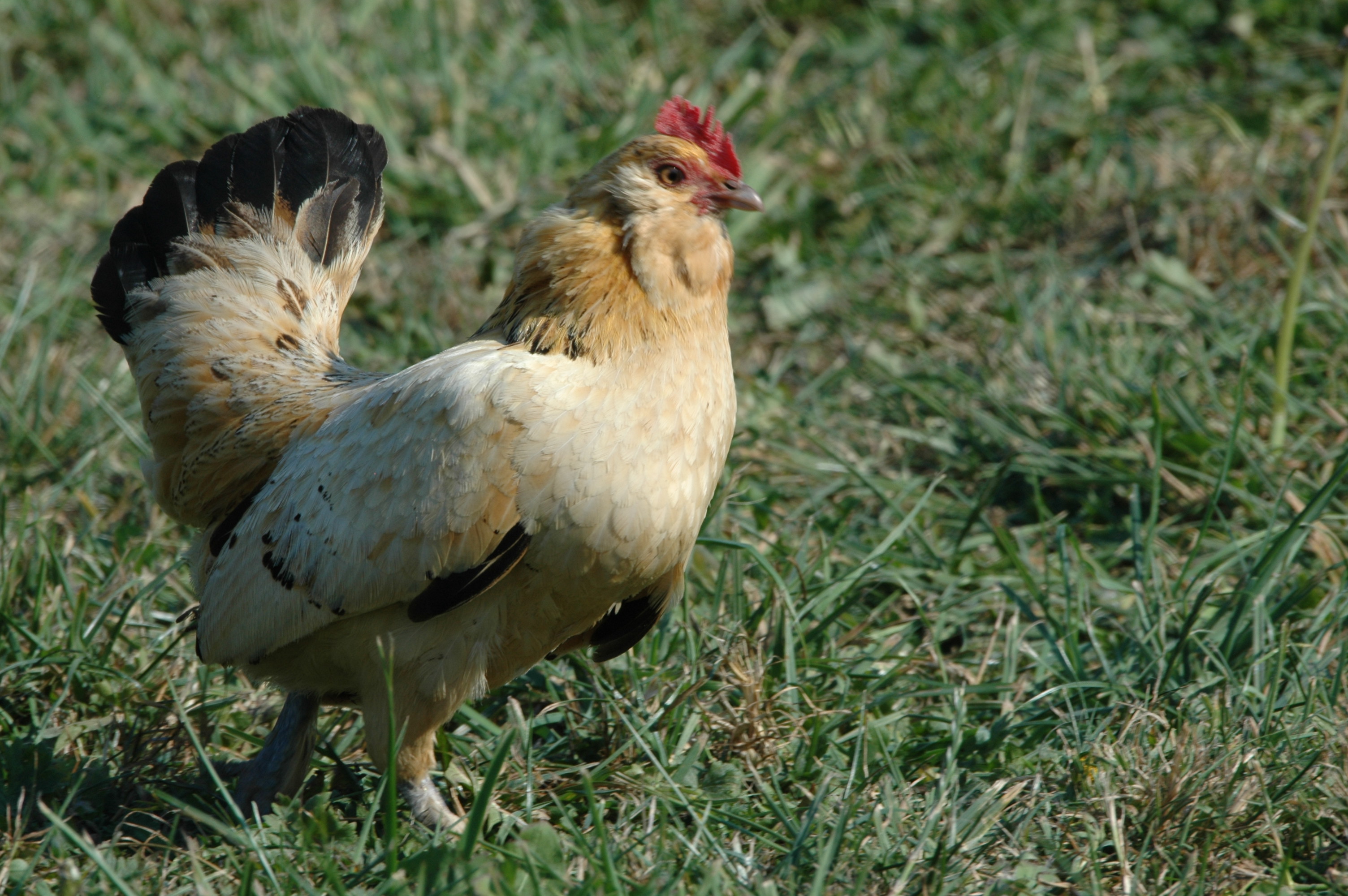
DSC_0146

Nicholas Kristof’s New York Times “To Kill a Chicken” is a must read

Post published by Marc Bekoff Ph.D. on Mar 18, 2015 in Animal Emotions

Media is extremely important in spreading all sorts of news to a broad, and often unknowing public. Recently, an investigative essay by Michael Moss in the New York Times told the story of the ways in which nonhuman animals (animals) called “food animals” are brutalized at a Nebraska research facility, all in the name of profit (please see “‘Food Animals'” Brutalized at Federally Funded “‘Meat Lab'” for details).  What I found interesting about Mr. Moss’s essay is that it generated bipartisan support in the U. S. Congress to stop the torture of these “research animals.” As a researcher I was astounded that it took an essay in the New York Times, not scientific essays about animal sentience nor popular reports about these essays, to motivate politicians to get involved in protecting these animals. We don’t need more science, we need more action that can easily and solidly be based on what we already know about how these animals deeply suffer.

Another essay in the New York Times by Nicholas Kristof called “To Kill a Chicken (link is external)” also caught my eye. It begins: “IF you torture a single chicken and are caught, you’re likely to be arrested. If you scald thousands of chickens alive, you’re an industrialist who will be lauded for your acumen. That’s my conclusion after reviewing video footage taken by an undercover investigator for Mercy for Animals (link is external), an animal rights group. The investigator said he worked for two months in a North Carolina poultry slaughterhouse and routinely saw chickens have their legs or wings broken, sometimes repeatedly — or, worse, be scalded to death.”

Mr. Kristof’s essay is not for the weak at heart so here are a few tidbits.

What’s striking about the undercover video, which Mercy for Animals plans to release on its website this weekend, is the speed of the assembly line, leading workers to fall behind in ways that inflict agony on the chickens. It’s a process that maximizes productivity and profits, and also pain.

Workers grab the birds and shove their legs upside down into metal shackles on a conveyor belt. The chickens are then carried upside down to an electrified bath that is meant to knock them unconscious. The conveyor belt then carries them — at a pace of more than two chickens per second — to a circular saw that cuts open their necks so that they bleed to death before they are scalded in hot water and their feathers plucked.

The Agriculture Department calculates that about 700,000 chickens a year in the United States are “not slaughtered correctly” — often a euphemism for being scalded to death.

The company that operates the slaughterhouse, Wayne Farms, said it had reviewed the video and found no evidence of abuse. A spokesman, Frank Singleton, said that the company uses “industry-standard methods of humane slaughter.”

Think about that. If a naughty boy pulls feathers out of a single chicken, he’s punished. But scald hundreds of thousands of chickens alive each year? That’s a business model.

Supposedly “dumb” animals don’t suffer less than “smarter” animals

Mr. Kristof also writes, “I raised chickens as a farmboy. They’re not as smart as pigs or as loyal as dogs, but they make great moms, can count (link is external) and have distinct personalities. They are not widgets.” I just want to point out, as have many others, that there is no relationship between intelligence and loyalty and suffering. Supposedly “dumber” animals do not suffer less than “smarter” animals (please see “Do ‘Smarter’ Dogs Really Suffer More than ‘Dumber’ Mice?” and “Are Pigs as Smart as Dogs and Does It Really Matter?“). Cross-species comparisons are fraught with error and each individual’s pain is her or his own pain.

I also like to ask the generic questions, “Would you do it to your dog?” or “Would you allow a dog to be treated like other mammals or food animals who are brutally tortured on the way to our mouth?” When I ask these questions some people are incredulous and ask me why I do so. For one, they point out the inconsistency with which we treat other animals and these questions have always yielded very valuable discussions and the emotional lives of the sentient beings with whom we interact in a wide variety of venues.

Pardon our obliviousness to the pain and suffering of other animals

Who (not what) we eat is on the minds of many people and the conclusion of a another essay in the New York Times by Nicholas Kristof called “Can We See Our Hypocrisy to Animals? (link is external)” is a good way to end this essay. Mr. Kristof writes, “May our descendants, when, in the future, they reflect uncomprehendingly on our abuse of hens and orcas, appreciate that we are good and decent people moving in the right direction, and show some compassion for our obliviousness.”

I’m thrilled to see these essays appearing in the New York Times and hope they really serve to make a change in how food animals are treated. I leave it to you to decide whether to read them, but be assured that when you eat chicken and other “food animals” you’re eating pain.Of course, the bottom line is that billions of food animals suffer the most enduring and deep pain as they’re brutalized to become meals, and we must stop this heinous treatment right now. We don’t need to wait for “the science” nor for politicians to get involved. Everyone can do this right now — today — simply by choosing other meal plans.

Marc Bekoff’s latest books are Jasper’s story: Saving moon bears (with Jill Robinson), Ignoring nature no more: The case for compassionate conservationWhy dogs hump and bees get depressed, and Rewilding our hearts: Building pathways of compassion and coexistenceThe Jane effect: Celebrating Jane Goodall (edited with Dale Peterson) has recently been published. (marcbekoff.com; @MarcBekoff)

11 Grisly Requests From PETA President’s Will

Ingrid Newkirk’s unique will details the PETA founder and president’s final will and testament. Unlike most wills, Newkirk’s does not dwell on money or property. It does designate the bestowing of gifts to others, albeit in rather gruesome, unexpected, and pointed ways.

Ingrid E. Newkirk

Newkirk wants to continue her fight for animals even in death. Her instructions call attention to the suffering of animals in a number of areas, including in the meat industry, in the skins trade, in laboratories, and in circuses, hunts, and other forms of animal-based “entertainment.” If Newkirk’s plans for her remains seem gross to you, it’s time to realize how disgusting it is to do such things to other animals—and it’s time to go vegan.

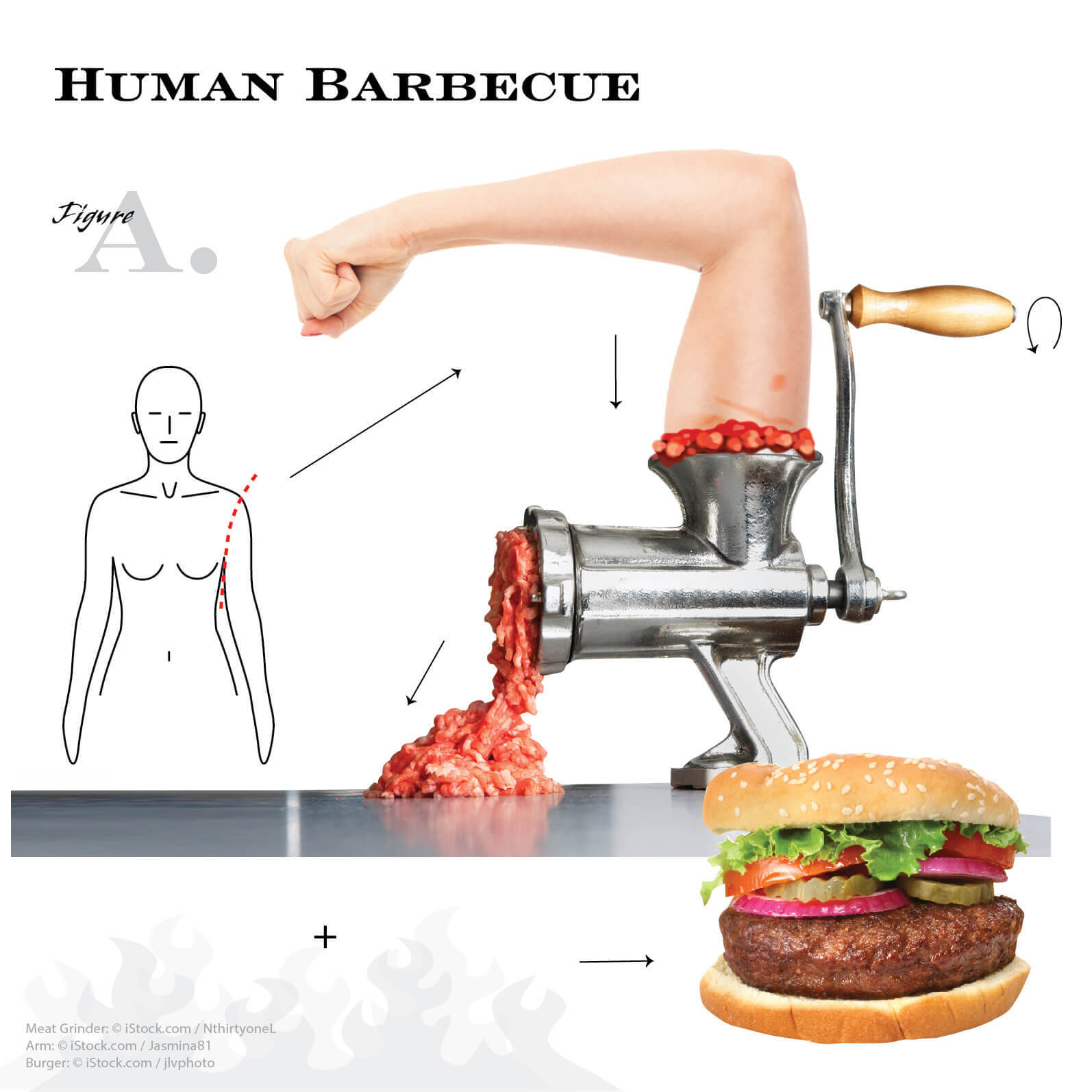
1. Carve out and sear some of my flesh for a human barbecue.

Newkirk always says that when it comes to feelings, “a rat is a pig is a dog is a boy.” If you wouldn’t carve out a chunk of a person’s flesh and throw it on the grill, why would you do the same to any other living being

2. Peel off my skin for the first voluntary lizard-skin purse.

No animal has ever willingly given his or her skin for a leather handbag, so Newkirk and her lizard-skin tattoo could be the first—and hopefully the last, considering the number of vegan leather options available.

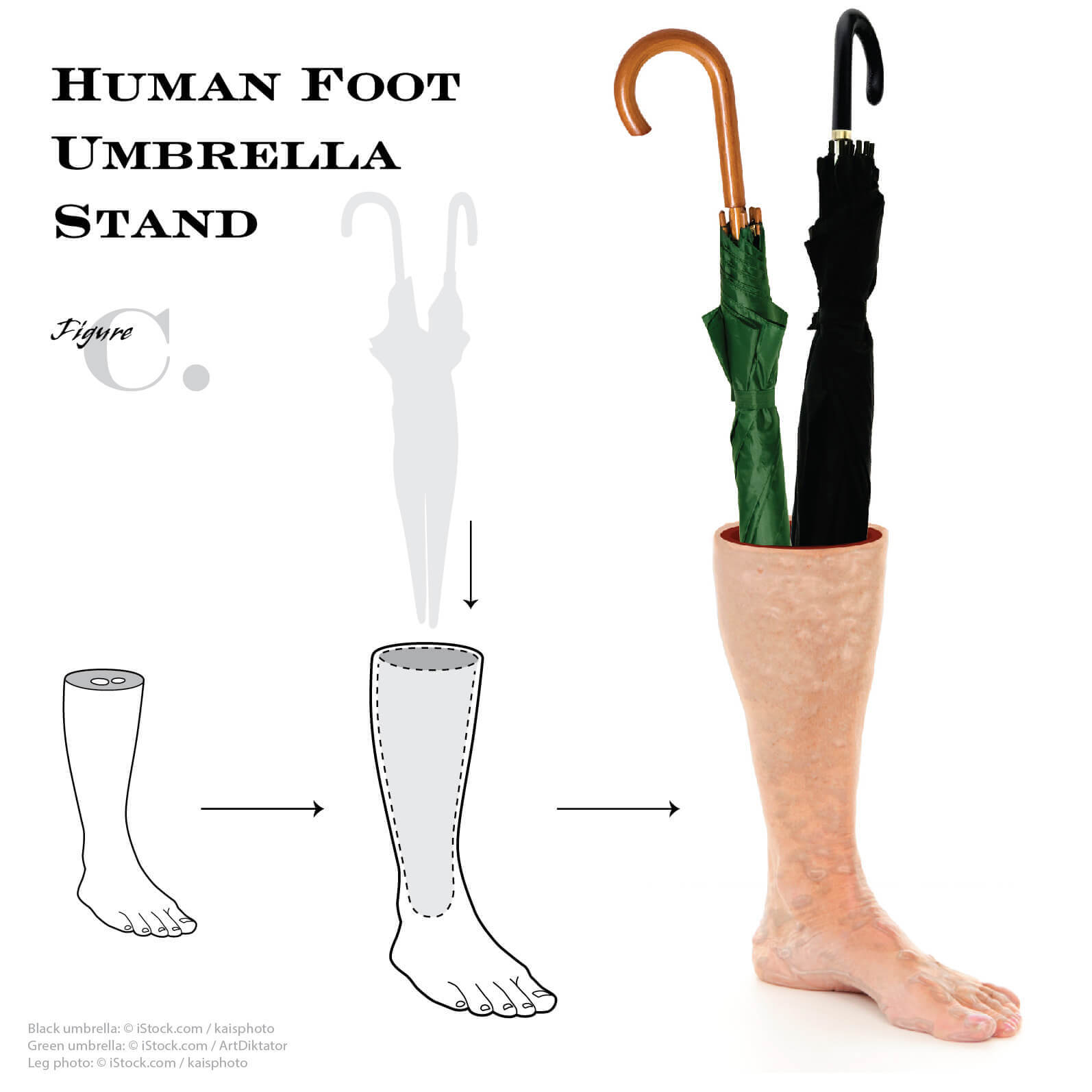
3. Dismember my legs and fashion them into human umbrella stands.

As a child, Newkirk encountered a number of elephant-foot ornaments and tiger rugs in Delhi. It’s creepy and wrong to use body parts as household decorations.

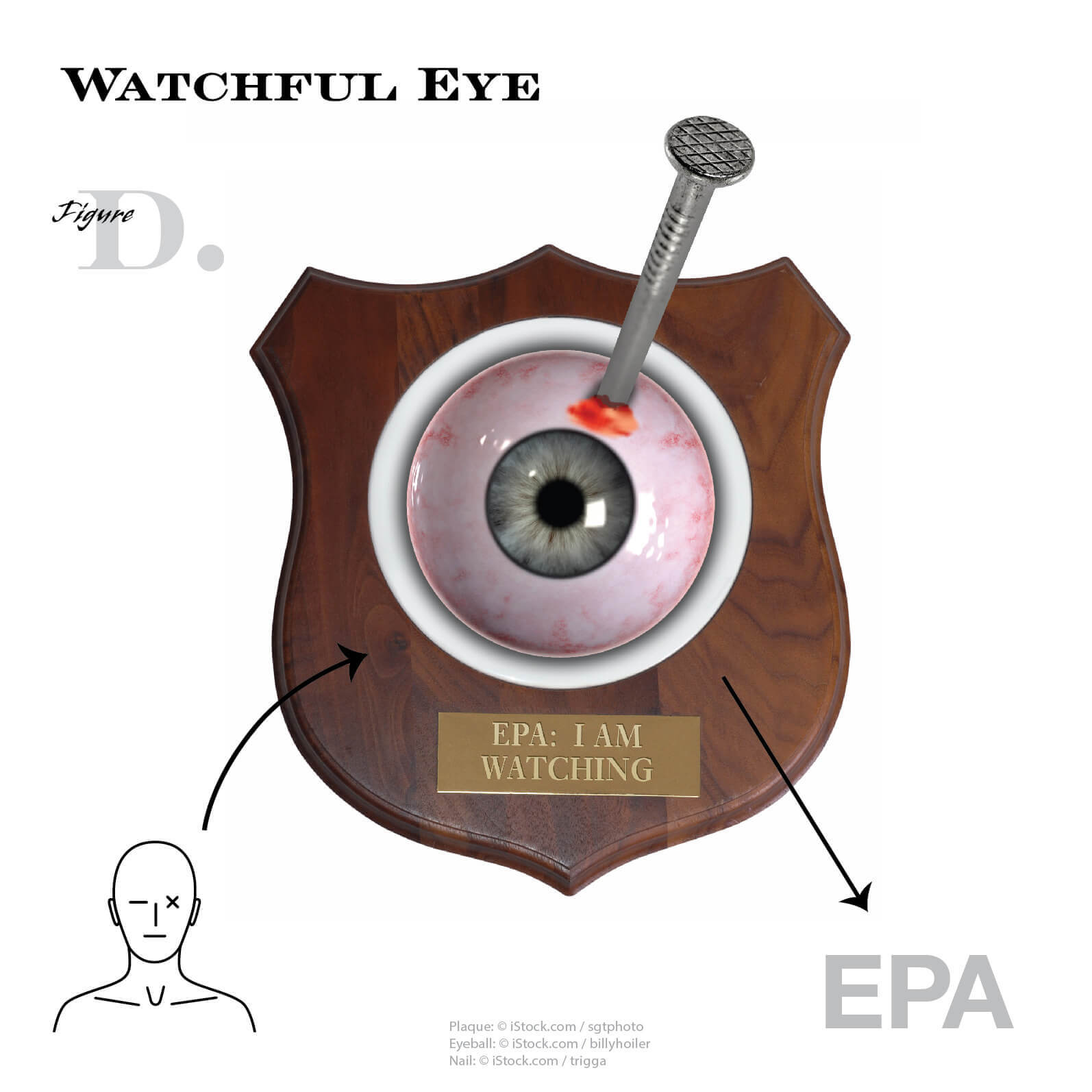
4. Scoop out and mount an eyeball to watch over the Environmental Protection Agency (EPA).

When it comes to animal testing, the EPA has been one of the worst offenders. Newkirk wants to keep her eye on the agency until it gives up its cruel practices and chooses to use the range of more accurate non-animal methods available.

5. Deliver my pointing finger to Ringling Bros. and Barnum & Bailey Circus.

Newkirk will thus cement the “Greatest Accusation on Earth” against Ringling for the extreme suffering endured by the circus’s captive elephants, big cats, and other animals.

6. Vacuum-pack my liver for use in a human foie gras dish for the French.

Foie gras is a nasty business where grain is forcibly pumped down ducks’ and geese’s throats several times a day in order to fatten their livers. Newkirk wants to appeal to French shoppers to stop supporting this cruelty.

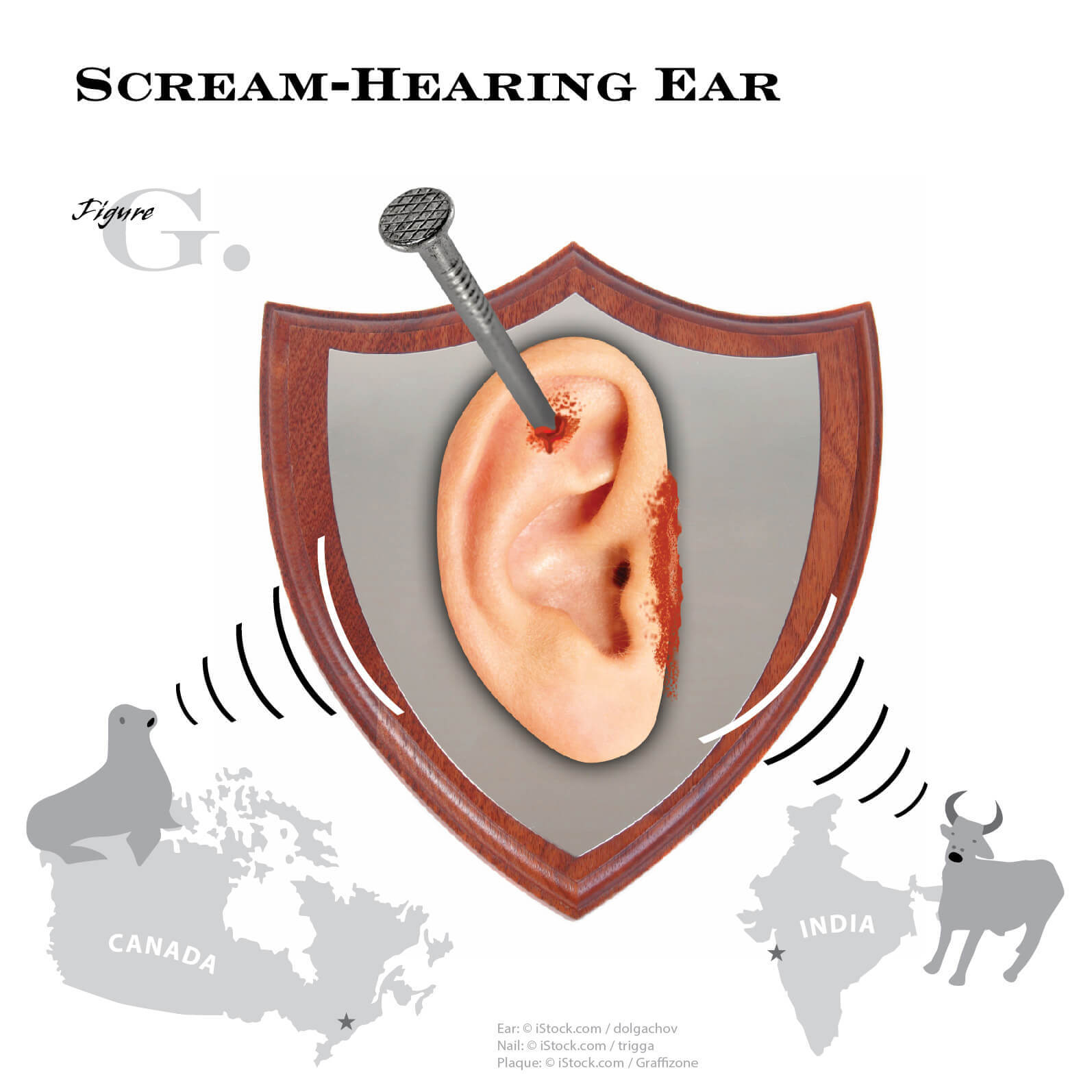
7. Chop off my ears and fashion them into human hearing aids.

PETA will send one of Newkirk’s ears to the Canadian Parliament to encourage its members to hear the screams of animals who are skinned alive for the fur trade. Her other ear will go to the Deonar slaughterhouse in Mumbai to remind the world that the animals’ blood-curdling screams don’t stop at the slaughterhouse walls.

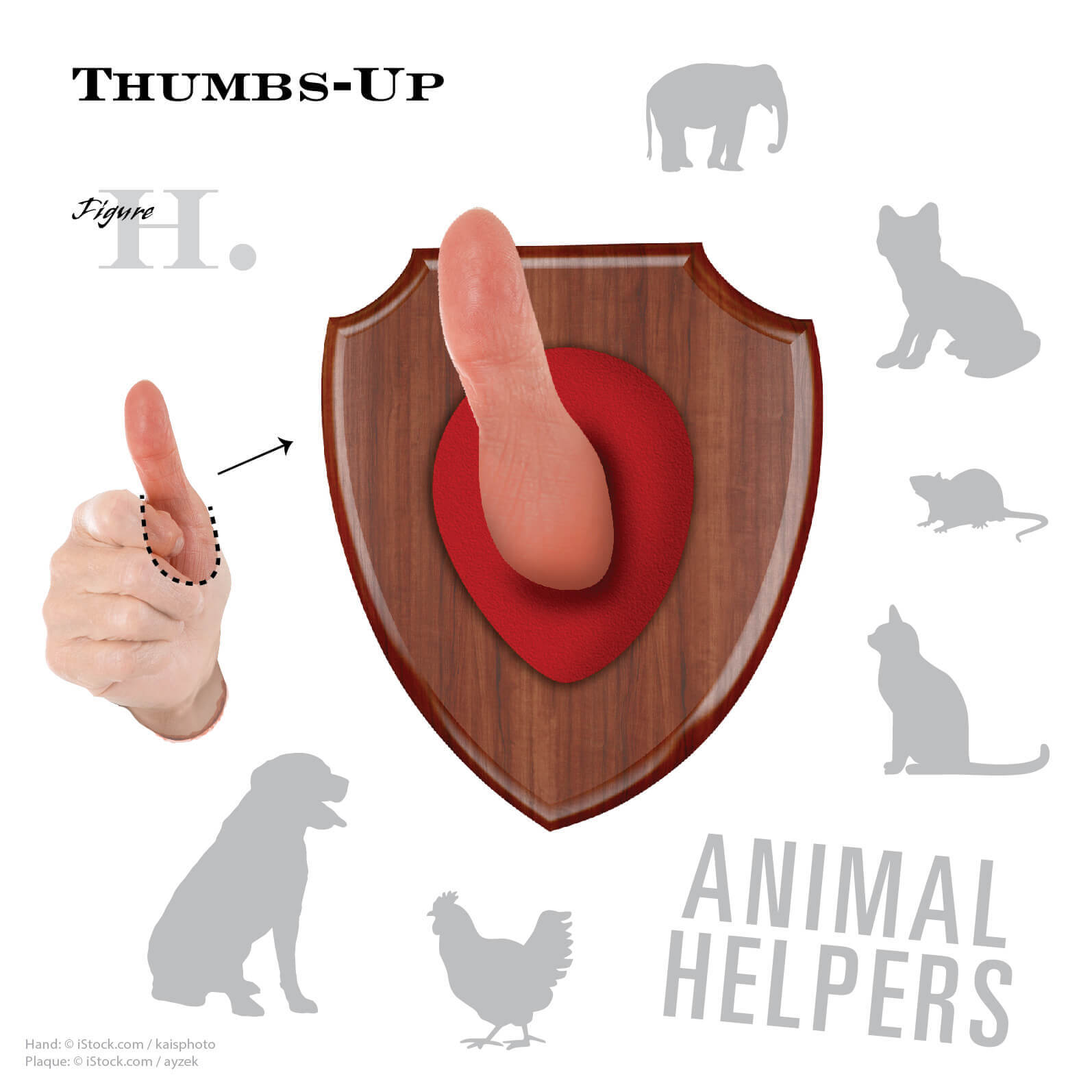
8. Sever a thumb and mount it as a “thumbs-up” plaque.

Newkirk wills her thumbs-up award to the greatest champion of animal rights in the year following her death.

9. Mount my other thumb to create a thumbs-down plaque.

Conversely, Newkirk wants her thumbs-down awarded to whoever most egregiously frightens or harms animals in the year after her death. Animal abusers beware.

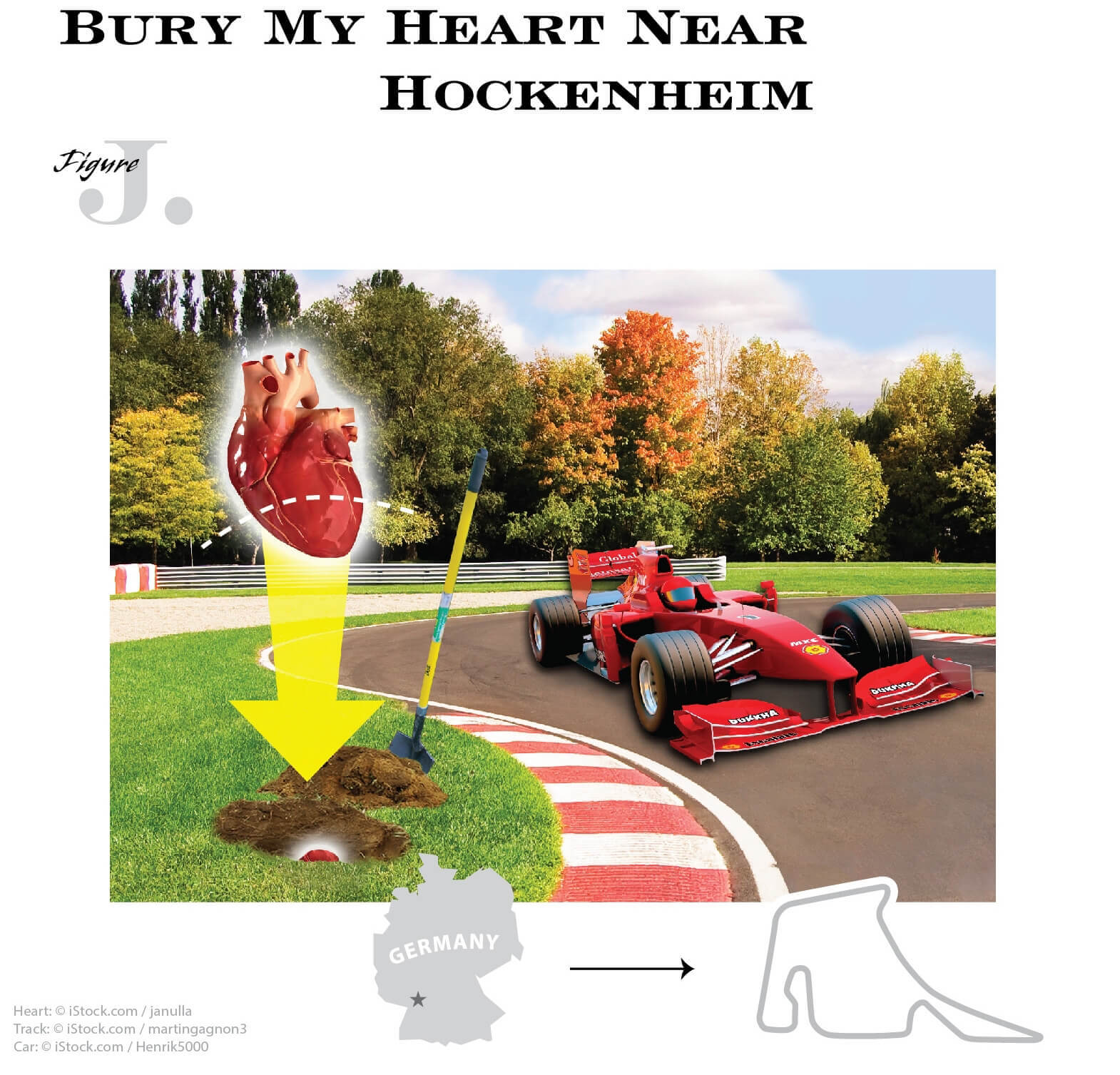
10. Bury a piece of my heart at the Hockenheim race track.

Newkirk is a huge fan of Formula 1 racing and in particular of Michael Schumacher, who helped write letters for PETA campaigns in the past. Schumacher is a racer with a heart for animals, and Newkirk would like a piece of her heart buried at the track where this multiple world champion won the 1995 German Grand Prix.

ingrid-will-10

11. PETA can use the rest of my body in ANY way that draws attention to animal suffering.

Newkirk wants PETA to use her additional body parts however it can to raise awareness of cruelty to animals. At the end of the day, it should be no worse to watch a human body go through these processes than to watch a suffering animal. We’re all animals, but humans have the ability prevent the unnecessary deaths of other animals just by making kind choices.

IEN.jpg

Which gruesome instruction shocked you the most? Let us know on Facebook and Twitter and tell us how we should use the rest of Newkirk’s body to raise awareness for animals!

The Indonesian Government: Shut down Surabaya Zoo

SIGN THIS PETITION
 https://secure.avaaz.org/en/petition/The_Indonesian_Government_Shut_down_Surabaya_Zoo/?sbmZYeb
The Indonesian Government: Shut down Surabaya Zoo
7,500
5,690

5,690 signers. Let’s reach 7,500

Why this is important

The conditions the animals are kept in at Surabaya Zoo are bleak, cruel, and completely inadequate. Many animals are sick and starving, and dozens die every month from bad or inappropriate food, cramped conditions with little to no enrichment, unsuitable environments, forced restraints, poor veterinary attention, and a general lack of animal welfare.

http://www.telegraph.co.uk/earth/earthpicturegalleries/9140708/Surabaya-Zoo-animals-kept-in-scandalous-conditions-at-Indonesias-largest-zoo.html

http://www.theguardian.com/world/2013/sep/26/orangutan-die-surabaya-zoo-indonesia

Please support the closure of this zoo, and the relocation of its animals to better facilities in properly managed and funded sanctuaries, where they can be given the full care and treatment that they need and deserve.

Posted December 27, 2013