South Sudan bans wildlife hunting

Source: Xinhua   2018-03-06 21:25:35
 http://www.xinhuanet.com/english/2018-03/06/c_137020350.htm

JUBA, March 6 (Xinhua) — South Sudan on Tuesday banned all forms of wildlife hunting, including commercial trade in wildlife trophies, the country’s conservation agency said Tuesday.

The ministry of wildlife conservation and tourism banned wildlife products such as skin, meat, fur, bird feathers, among others.

According to the directive, any person caught dealing with wildlife products shall be arrested, prosecuted and those found guilty would face a two-year jailed term or fines.

Thomas Sebit, deputy spokesman of the ministry of wildlife conservation and tourism, told Xinhua that the ban seeks to clamp down on poaching of wild animals in the country’s national parks.

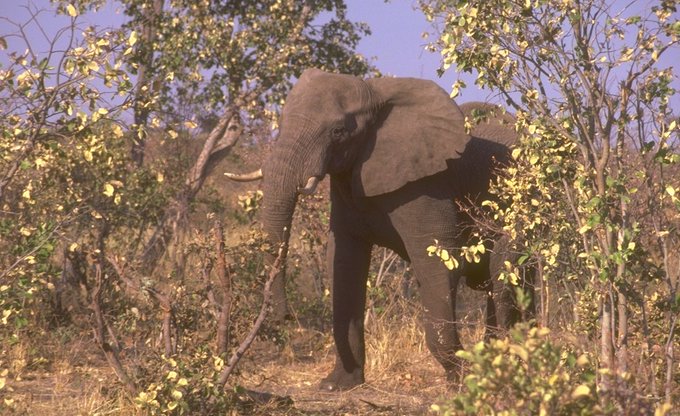
He said the government recently noticed increased poaching of gazelles, buffaloes and elephants by armed groups and civilians across the country.

“There are people who are holding guns, they go to the national parks and kill our animals randomly not discriminating whether old or young. You get cooked bush meat in hotels and being sold in markets openly,” Sebit said.

War-torn South Sudan has the world’s second largest animal migration and is considered a good place for ecotourism, according to the World Travel and Tourism Council (WTTC).

The East African country is also known for its vast swamp region of the Sudd, sometimes referred to as one of the largest wetlands in the world hosting about 400 species of birds.

However, the tourism industry made up only 1.8 percent of South Sudan’s GDP, WTTC said in 2013.

“We are urging our citizens to respect the law. These are animals for us and will help us in the future when well managed to boost our economy,” Sebit appealed.

Renewed calls on Irish Govt to end fur farming as Norway announces ban

Irish Council Against Blood Sports ICABS

Ireland, Ireland

JAN 17, 2018 — There are renewed calls on the Irish Government to end fur farming as Norway this week announces that a total ban will come into affect.

Norway’s government has pledged to shut down all of the country’s 250+ fur farms by 2025, becoming the 14th European nation to phase out fur farming.

Meanwhile in Ireland, where just three fur farms remain, the government has so far refused to take action to stop this vile industry. Please join us in renewing an appeal to Agriculture Minister Michael Creed and the Irish Government to put in place a fur farming ban.

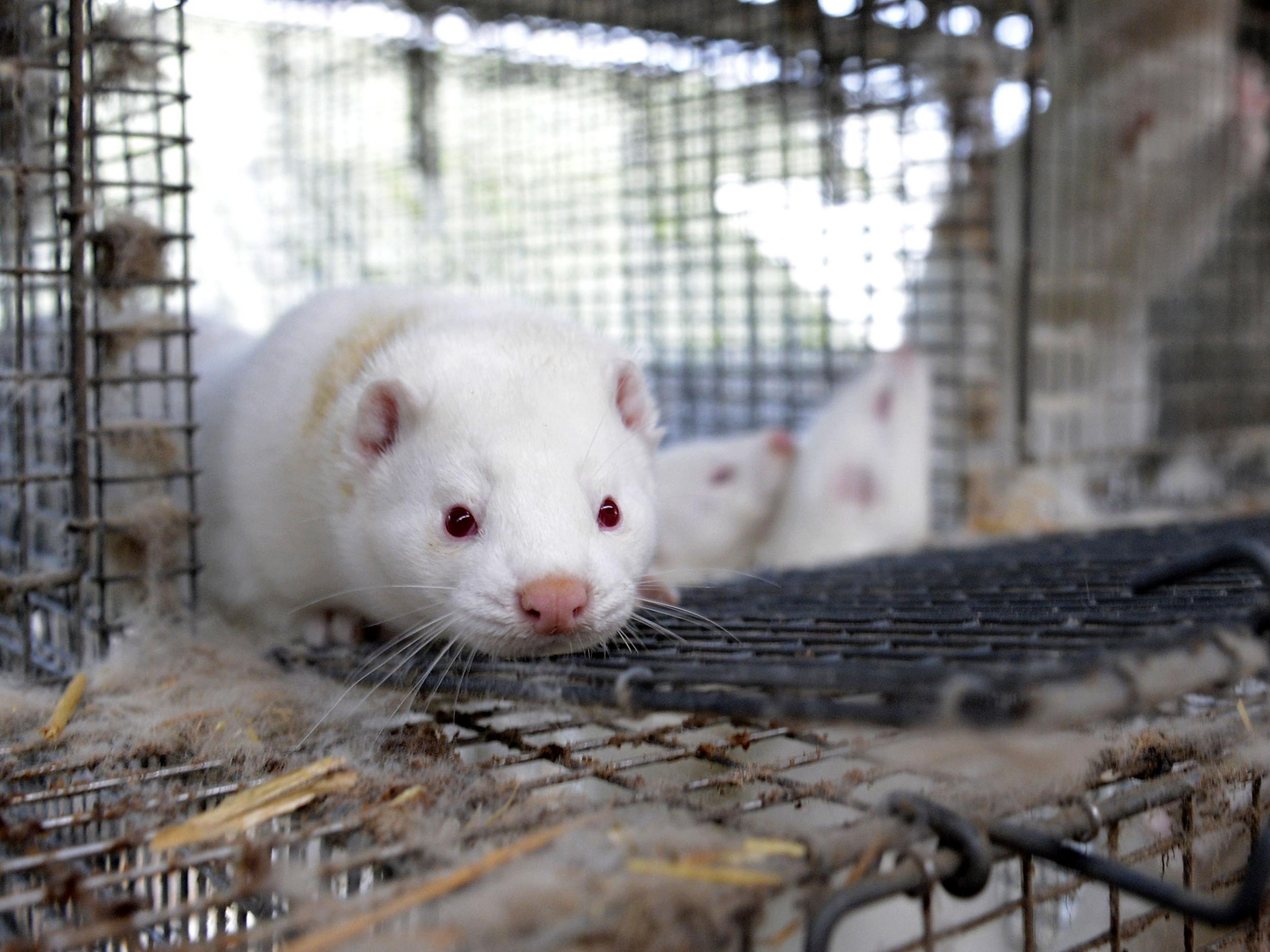
Watch our video footage of mink caged on Ireland’s largest fur farm in Laois
https://www.youtube.com/watch?v=BvX1O9GvsQ4

ACTION ALERT

Demand a ban on fur farming in Ireland. Contact Prime Minister Taoiseach Leo Varadkar and Agriculture Minister Michael Creed now.

Email “Ban fur farming NOW” to Leo.Varadkar@oir.iemichael.creed@oir.ietaoiseach@taoiseach.gov.ieAnimalHealthAndWelfareAct@agriculture.gov.ie

Tel: +353 (0)1 6194000 (Leo Varadkar)
Tel: 01-607 2000 or LoCall 1890-200510 (Michael Creed)
Tweet: @campaignforleo @creedcnw Ban fur farming NOW
Comment on Facebook:
https://www.facebook.com/campaignforleo/
https://www.facebook.com/michaelcreedtd

“Norway pledges to shut down all fox and mink fur farms by 2025” – Read the Independent UK report
http://www.independent.co.uk/news/world/europe/norway-fur-farm-ban-close-deadline-20225-mink-fox-animal-rights-erna-solberg-a8162196.html

Norway is banning all fur farms
Norway’s government has pledged to shut all fur farms by 2025, a move welcomed by animal rights charities. The country is the 14th…

First Nations hunters to be exempt from B.C. grizzly ban

https://www.theglobeandmail.com/news/british-columbia/bc-ends-grizzly-bear-hunt-calls-it-no-longer-socially-acceptable/article37367514/

The Globe and Mail

A sub adult grizzly bear chases down a salmon near Klemtu, B.C., on Aug. 29, 2015.

JOHN LEHMANN/THE GLOBE AND MAIL

British Columbia is banning grizzly-bear hunting with the lone exception of First Nations hunters, who will be allowed to hunt the bears for food, social, or ceremonial reasons. The policy drew praise from B.C. environmentalists and threats of legal action from hunters.

The province’s environment and forests ministers announced the ban on Monday, saying they were acting on the basis of a program of consultation with stakeholder groups, the public and First Nations, most of whom recommended a ban to protect the bears.

“It’s no longer socially acceptable to the vast majority of British Columbians to hunt grizzly bears,” said Doug Donaldson, the Minister of Forests, Lands and Natural Resources. The government estimates there are about 15,000 grizzlies in the province.

The move follows, and effectively expands, an August commitment to end the trophy hunting of grizzly bears and stop all hunting of grizzly bears in the Great Bear Rainforest.

Mr. Donaldson told a news conference he did not expect that the continuing First Nations hunt would kill many bears, suggesting there are less than 100 hunters who use bears for food. He said about 250 bears were killed a year by resident and non-resident hunters.

Grand Chief Stewart Phillip of the Union of British Columbia Indian Chiefs said he welcomed the ban because he supported an end to the “barbaric practice” of hunting the animals. He said few members of the First Nations community are involved in hunting the bears.

In response to a question from The Globe and Mail, the forests ministry said First Nations guides would not be able to facilitate access to grizzly bears for non-native hunters.

Mr. Donaldson said the government would look at transition measures for businesses affected by the ban, including easing businesses into the effort to observe grizzlies as opposed to hunting them, but provided no further details.

Joe Foy of the Wilderness Committee environmental group called the measure “tremendous news” that sets a global example. “This is worldwide news,” Mr. Foy told reporters after the government announcement, declaring British Columbia one of the world’s great hopes to hold onto the species.

“Some nations still allow trophy hunting for big beautiful creatures. This is a word out to the world that says times are changing and changing because so many creatures are on the decline. We’ve got to start to look out for them, not kill them for fun.”

However, Mark Werner, vice-president of the Guide Outfitters Association of B.C., whose members are involved in hunting grizzlies, cougars, wolves and other animals, said from Kamloops that the New Democratic government has abandoned rural British Columbia with the ban – a move he said will affect hundreds of jobs.

“This isn’t done. We know where they stand. We’re looking at legal options,” he said. “This will end up in the courts.”

Scott Ellis, executive director of the outfitters association, said he expected the government move will negatively affect about 100 B.C. family businesses.

Provincial Environment Minister George Heyman said the ban will be enforced by conservation officers, although he acknowledged they are “understaffed” and the issue of resources is being assessed as part of the process leading to the next provincial budget in February. “I won’t preshadow the federal budget, but we’ll be happy to talk about it at that time,” Mr. Heyman said.

In remarks addressed to hunters, Mr. Donaldson said the NDP knows hunting is important to many British Columbians. “This is not the thin edge of the wedge,” he said. “This is a specific species, an iconic species.”

Existing penalties for illegally killing grizzly bears will be applied under the new status quo. Under the Wildlife Act, tickets are $345. In what the ministry described in a statement as more extreme cases, a first conviction in court can lead to a fine of up to $100,000 or a one-year jail sentence.

__________________________________________

Also: Breaking news: British Columbia strengthens ban on trophy hunting of grizzly bears

by Wayne Pacelle,
December 18, 2017 

Today, British Columbia’s New Democratic Party government delivered on its campaign promise and more by announcing a provincial ban on trophy hunting of grizzly bears, even if the hunters involved claim they eat the meat of the animal. The NDP, in cooperation with the Green Party, ousted the Liberals in elections earlier this year, gaining a one-seat majority and promising to usher in a new series of policies, including some concerning animal protection.

The original declaration from the NDP to ban grizzly bear trophy hunting, but not meat hunting, won widespread praise, but it was viewed as having a questionable and unenforceable loophole. The government opened up a comment period, and the response was overwhelming: ban all grizzly bear hunting, because it’s essentially all for trophy hunting purposes even if someone chokes down some grizzly bear meat on pretense. Ecologist and scientist David Suzuki – along with a number of hunters on hunting forums – panned the idea that anyone hunts grizzly bears for meat, given the abundance of hooved animals in the wilds of British Columbia.

Under the prior Liberal government, B.C. had become the world’s grizzly-bear-hunting hub, with trophy hunters killing 250 of the great bears a year there, even within renowned provincial parks and protected areas and, most brazenly, in the Great Bear Rainforest, where Coastal First Nations have vehemently opposed trophy hunting of bears.

This is a signature win for animal protection groups (including Humane Society International/Canada, which worked for this outcome). Polling revealed that opponents of the practice include an overwhelming majority of residents of rural communities with strong hunting traditions. All of this is an emphatic reminder to the U.S. government and to our northern Rockies states not to proceed with a trophy hunt for grizzly bears in the Greater Yellowstone ecosystem, which may be enabled with the recent delisting of bears there from the ranks of threatened and endangered species.

It’s not just a moral issue, it’s also an economic one. Each year, thousands flock to B.C.’s lush forests to participate in grizzly-bear-viewing expeditions. The bear-viewing industry brings in 12 times more direct revenue to the province than trophy hunting. There are millions of people throughout North America and the world who’d pay handsomely for an opportunity to see grizzlies in the wild, while very few people wish to slay these bears as a head-hunting exercise. The economic potential of an industry built around bear watching is vast, while the killing industry is small and receding and also a threat to the larger wildlife-watching enterprise.

https://blog.humanesociety.org/wayne/2017/12/breaking-news-british-columbia-strengthens-ban-trophy-hunting-grizzly-bears.html


Permits for elephant hunting trophies from Zimbabwe are still being issued

https://www.washingtonpost.com/news/animalia/wp/2017/12/15/permits-for-elephant-hunting-trophies-from-zimbabwe-are-being-issued-despite-ban/?utm_term=.fa605550c723

 December 16 at 12:17 PM

A sample of the six tons of ivory confiscated by the U.S. Fish and Wildlife Service on display during the U.S. Ivory Crush event at the Rocky Mountain Arsenal National Wildlife Refuge on Nov. 14, 2013, in Commerce City, Colo. (Doug Pensinger/Getty Images)

The U.S. government continues to grant permits to hunters seeking to import the remains of elephants shot in Zimbabwe as trophies, federal documents show.

The U.S. Fish and Wildlife Service awarded permits to 16 people in 11 states who requested them between January 2016 and as recently as October, according to Friends of Animals, a nonprofit environmental group that obtained documents through a Freedom of Information Act request. The organization released the documents Friday.

The permits were for elephants shot before 2014, the year the Obama administration decided to ban the import of trophies from Zimbabwe after Fish and Wildlife determined that the country’s management of its elephant population was not sound in accordance with the Endangered Species Act.

The ban went into effect the following year. Last month Fish and Wildlife announced a decision to lift it but President Trump postponed the action the next day following a public outcry over the slaughter of elephants.

Put big game trophy decision on hold until such time as I review all conservation facts. Under study for years. Will update soon with Secretary Zinke. Thank you!

Friends of Animals said in a statement saying the information it uncovered proved that the administration was issuing permits in violation of the ban. Fish and Wildlife declined to provide a statement about the permits when the group released the documents, but denied the group’s account Saturday.

“We did not issue new permits for elephant trophies from Zimbabwe in violation of our import,” the agency’s statement said. “They were only for animals legally hunted during the Obama administration and prior to the 2014 suspension.”

The first permit awarded this year came four days after President Trump’s inauguration, and the last came shortly before a controversial proposal in November to lift the ban against trophy imports from Zimbabwe.

public uproar over Fish and Wildlife’s lifting of the ban prompted Trump to put the decision on hold pending a review. Ryan Zinke, secretary of the Interior Department, which oversees Fish and Wildlife, subsequently announced that he agreed with his boss. Neither Trump or Zinke have spoken about the issue or the review in the month since the controversy erupted.

Under the Obama administration, elephant-hunting trophies were allowed in from South Africa and Namibia, which worked diligently to account for elephants under its care and protect the population. Zimbabwe failed to meet Fish and Wildlife’s conservation standard for an animal that’s considered threatened in the wild under the Endangered Species Act. For starters, it lacked knowledge of the size and whereabouts of much of its herd.

Zimbabwe and Safari Club International, which worked to improve the management of Zimbabwe’s elephants, celebrated last month’s initial announcement of a lifting of the ban against imports. Safari Club was so zealous that it made the announcement a day before Fish and Wildlife. The club bemoaned Trump’s and Zinke’s subsequent decision to review the plan by issuing a “call to arms,” blaming conservation groups and news outlets.

Zimbabwe and other hunting clubs voiced similar outrage. But opponents of lifting the trophy import ban included some of Trump’s staunchest supporters, including radio talk show host Laura Ingraham.

Friends of Animals sued to reinstate the ban less than a week later. To support its legal challenge, the group requested and received a spreadsheet from Fish and Wildlife documenting the issuance of permits to import the remains of African elephants and lions, which are also listed as threatened, as trophies.

Michael Harris, the wildlife law program director for the group, said the permits support his group’s case against the Trump administration’s initial attempt to overturn the ban.

“This really helps us show this is an unsubstantiated change in position” on the ban by Fish and Wildlife, Harris said. The group has a second Freedom of Information Act request for the applications submitted by the permit recipients and material supporting their requests.

“They were granted when the ban was in place, so we’re questioning that,” Harris said. He disputed the explanation that they were granted because the animals were shot at a time when the United States approved of Zimbabwe’s management and trophy imports were legal. “I don’t buy it,” Harris said.

Read more:

This is why the government crushed a ton of ivory in Times Square

Antique dealers say the federal ivory ban will cost them dearly

Why Hawaii joined New York and California’s ban of ivory sales

A pound of rhino horn is worth far more than gold and cocaine

Animal rights group hopes to appeal decision against judicial review of Wildlife Act

The fight is not over.

A year after the shooting of a baby bear, that’s what a group of animal advocates says after losing an attempt in court for a judicial review of the Wildlife Act.

The Fur-Bearers spokesperson, Lesley Fox, says the group is raising questions about Section 79, which states, “An officer may kill an animal, other than a domestic animal, that is at large and is likely to harm persons, property, wildlife or wildlife habitat.”

 Fox says while the group understands that a conservation officer has the authority to euthanize an animal if it poses a threat to public safety, they’re raising the question – what about when the animal is not posing a threat?

She explains, for example, an orphaned cub that was killed in Dawson Creek by a conservation officer last year because it was found to be malnourished, even while a rehabilitation centre was waiting to take it in.

“If lethal action isn’t necessary, and we argue specifically in this case with the little cub, there shouldn’t be lethal action and in fact, it should be the opposite. That every effort should be made to get these animals into care, to be evaluated by experts.”

READ MORE: Neighbourhood series: Being bear aware in the Tri Cities

“Certainly having an animal examined by an expert, or a veterinarian, who specializes in wildlife is a huge asset and let them determine whether or not it’s appropriate to rehab this animal. I think that decision needs to be taken out of the conservation officer service, and I think there needs to be sort of an independent third party expert or specialist.”

She says those wild animals should have every opportunity to be rehabbed and released back into the wild.

Fox says they’re investigating how to appeal the decision.

In a statement, the Ministry of Environment says that a conservation officer does not relish the thought of putting an animal down –  and that euthanization is a last resort.

It says conservation officers are guided by provincial wildlife policy, as well as their experience and expertise, to make decisions in the field every day; it adds the court decision affirms its understanding of the authorities granted to them under the Wildlife Act.

https://globalnews.ca/news/3920630/animal-rights-group-hopes-to-appeal-attempt-in-court-for-judicial-review-of-wildlife-act/

British Columbia’s hunting ban on grizzlies the latest in rapid-fire series of gains for animals

https://blog.humanesociety.org/wayne/2017/08/british-columbia-hunting-ban-grizzlies-latest-rapid-fire-series-gains-animals.html

by HSUS president Wayne Pacelle,

August 15, 2017

This week, British Columbia’s newly formed government, responding to the will of an overwhelming majority of the province’s citizens and following through on its own campaign promise, announced a ban on all trophy hunting of grizzly bears there, starting in November.

Under the prior Liberal government, B.C. had become the world’s grizzly-bear-hunting hub, with trophy hunters killing 250 of the great bears a year, even within renowned provincial parks and protected areas and, most brazenly, in the Great Bear Rainforest, where Coastal First Nations have vehemently opposed trophy hunting of bears.

This is a signature win for animal protection groups (including Humane Society International/Canada, which worked for this outcome), and for the more than 90 percent of B.C. residents who opposed trophy hunting. Polling revealed that opponents of the practice include an overwhelming majority of residents of rural communities with strong hunting traditions. All of this is an emphatic reminder to the U.S. government and to our northern Rockies states not to proceed with a trophy hunt for grizzly bears in the Greater Yellowstone ecosystem, which may be enabled with the recent delisting of bears there from the ranks of threatened and endangered species.

There is no justification for the cruelty of trophy hunting, and the utterly gratuitous nature of the killing. In 2015, the world watched in horror as a video showed a wounded grizzly bear thrashing in agony as she tumbles down a hill, her blood smearing the snow, while the men who shot her cheer the outcome. Other, similarly jarring videos, showing wounded bears suffering in agony while trophy hunters rejoice, live on YouTube for anyone to see.

It’s not just a moral issue, it’s also an economic one. Each year, thousands flock to B.C.’s lush forests to participate in grizzly-bear-viewing expeditions. The bear-viewing industry brings in 12 times more direct revenue to the province than trophy hunting. There are millions of people throughout North America and the world who’d pay handsomely for an opportunity to see a grizzly in the wild, while only a few thousand people wish to slay these bears as a head-hunting exercise. The economic potential of an industry built around bear watching is vast, while the killing industry is small and receding and also a threat to the larger wildlife-watching enterprise.

HSI/Canada has worked for more than a decade to bring down the trophy hunting industry in British Columbia and other provinces. More than 10,000 supporters of HSI/Canadasigned a letter to B.C. premier Christy Clark, asking her to ban the hunt, and HSI, with other partners, participated in the delivery of over 70,000 signatures to the B.C. legislature in April, calling for a ban on grizzly bear trophy hunting. While much remains to be clarified about the recent announcement, HSI is determined to work with the B.C. government to ensure that grizzlies are truly protected from all forms of trophy hunting.

This victory for grizzlies comes close on the heels of other notable wins wildlife in the past couple of weeks. Earlier this month, the U.S. Court of Appeals for the District of Columbia ruled that federal protections for wolves under the Endangered Species Act should be maintained for 4,000 or so wolves inhabiting the northern reaches of the boreal forests of Minnesota, Wisconsin, and Michigan. Also on Monday, the U.S. Court of Appeals for the Fourth Circuit ruled that Endangered Species Act protections clearly extend to grizzly bears kept in captivity, even though those facilities also must meet the minimum standards of humane treatment set by the U.S. Department of Agriculture under the Animal Welfare Act, as advocated by HSUS attorneys in an amicus curiae brief. On Friday, Illinois became the first state in the United States to ban the use of elephants in circuses and other traveling acts, when Gov. Bruce Rauner signed a landmark bill prohibiting this practice. And on August 1, the Czech Republic became the latest country to ban fur farming, a policy that, when it takes effect, will spare 20,000 foxes and mink from being raised and killed for the fur trade.

These are all indicators that the world is waking up to the plight of animals. Our task is far from complete, but these wins should stir the hopes of all of us who imagine a day when we recognize the rightful place of other creatures on our planet and treat them with respect and dignity.

Letter: Time to put a stop to B.C.’s grizzly bear hunt

https://www.pqbnews.com/opinion/time-to-put-a-stop-to-b-c-s-grizzly-bear-hunt/

  • Aug. 11, 2017 10:30 a.m.

Grizzly bears are very important to me and, as the polls show, are very important to a large majority of British Columbians.

I believe NDP Premier John Horgan and Green leader Andrew Weaver made statements opposing the grizzly bear trophy hunt and in acknowledgement of the importance grizzly bear to the ecology and economy of British Columbia.

In 2001, the NDP government implemented a moratorium on grizzly bear hunting, but it was overturned after the B.C. Liberals took office.

In the 2017 provincial election, NDP and Green candidates pledged support to ban the B.C. grizzly bear trophy hunt.

I am part of the very large majority of British Columbians who applaud this position and who did not imagine that we would be waiting with bated breath to hear an announcement from the NDP government to immediately ban this hunt.

Grizzly bears continue to be hunted for no good reason, despite the fact that tourism revenue is far greater than that from grizzly bear trophy hunting.

I believe, as most British Columbians believe, protecting our wildlife is a smart investment in the future.

Ronda Murdock

Parksville

Care2 March in London to Protest Badger Culling, Fox Cubbing, Grouse Shooting

http://www.care2.com/causes/care2-march-in-london-to-protest-badger-culling-fox-cubbing-grouse-shooting.html

Last June, animal rights activists celebrated the news that the U.K. ban on fox hunting would remain in place. The Queen’s speech for the opening of a new Parliament made no mention of Prime Minister Theresa May’s plan for a vote on the fox hunting ban, meaning that it cannot be repealed until at least 2019.

One of the events leading up to this success was a huge demonstration held on May 29 when thousands of people, including Care2 activists, marched through London in protest against the government’s decision to re-open the debate on fox-hunting.

That was a huge victory, but there is still much work to be done. Saturday, August 12, will see another protest, “Make Badger Culling & Hunting History,” headed up by Care2 along with the Badger Trust, the League Against Cruel Sports and the Born Free Foundation. 

Thousands of animal lovers united in their determination to stop the government from playing politics with British wildlife will gather in London’s Cavendish Square at 1:30 pm and conduct a peaceful protest march to Theresa May’s Downing Street home. 

Grouse shooting season begins on August 12, according to the Facebook group, and badger culling season also begins in August.

badgerPhoto Credit: thinkstock


‘Massive backwards step for justice’ as National Trust fails to ban ‘trail hunting’

https://www.league.org.uk/News/massive-backwards-step-for-justice-as-national-trust-members-vote-to-support-trail-hunting

Updated:

Animal lovers have been left distraught today after National Trust members failed to pass a motion to ban ‘trail hunting’ on Trust land.

A group of National Trust members, supported by the League Against Cruel Sports, put forward a motion calling on the charity to stop fox, hare and stag hunts from illegally killing animals on Trust land under the cover of ‘trail hunting’, exempt hunting or just exercising their hounds.

In the result out this afternoon, the number of people voting against the motion to ban Trail hunting was 30,985. Those for the motion was 30,686. This means that the motion failed by 299 votes. It is worth noting that the National Trust was given discretionary votes by some members, meaning that those votes were used by the National Trust to vote against the motion. Without those discretionary votes, the number of people who voted for the motion was actually greater than those who voted against. So the decision was swung against  the motion by the National Trust board.

The result means that 67 hunts which have previously been issued with licences to hunt on Trust land will be able to continue doing so in the future.

Philippa King, Acting CEO of the League Against Cruel Sports, said:

“The Trust claims to protect our countryside but they have singularly failed to do that. This is a massive backward step for justice and a shot in the arm for cruelty. The fact that more people actually voted to ban trail hunting than voted not to is very telling and we are extremely proud of that. But the vote was lost because the National Trust decided to ignore the popular vote and side with the pro-hunt lobby. This is both sad and very worrying and we hope that the Trust will have taken on board and listened very carefully to the points made by members. We want to see them bring in the new licensing rules they have introduced and do everything in their power to ensure the hunts are properly monitored.

“The National Trust could have played a major role in curtailing illegal hunting in this country, but they chose to ignore 400 pages of evidence and instead mislead their members into voting against this motion. Their justification is that there have been no prosecutions of hunts on National Trust land – but if you let a burglar wander round your house without supervision, then he’s unlikely to be arrested.

“Hunts will now claim that people believe they are hunting legally. If so, they shouldn’t mind if the National Trust now invites independent monitors onto their land to ensure that the hunts follow their rules, as the Trust officials don’t normally monitor hunting on their land as they should. We’ll then see how many accidents, how many chases and how many deaths occur in the name of ‘trail’ hunting.”

Helen Beynon, National Trust member who was one of those proposing the motion, said:

“I started this with some other National Trust members because I witnessed the deceit of hunts which are claiming to follow trails but are actually chasing animals, and I couldn’t abide the thought of them getting away with it on National Trust land. I believe the only reason our motion has failed is because most National Trust members haven’t seen it with their own eyes. If they’d have seen what I’ve seen, then I have no doubt they would have voted with us.

“I was surprised, that despite all the evidence available to the National Trust Trustees, and the fact that we were given no opportunity to respond to the terms of any new licence, they advised members to vote against our proposal. By doing this, they have led people to believe that there is no problem. But there is a problem, hunts will now be able to continue their barbaric hobby on land which is meant to be protected for people and animals. It’s disgraceful, and the National Trust should be ashamed.”

TRAIL HUNTING, NOT DRAG HUNTING

The motion did not attempt to ban ‘drag’ hunting which has existed as a legitimate sport for 200 years and uses non-animal based artificial trails in areas without foxes or hares. ‘Drag’ hunting offers a genuine alternative to illegal hunting, as the huntsmen have full knowledge of where the trail is being laid, so ‘accidental kills’ are practically unheard of. However, no fox or hare hunt converted to drag hunting after the Hunting Act passed in 2004, and they invented ‘trail’ hunting instead.

“This was not an attempt to kill off ‘tradition’, it was an attempt to stop the killing of animals for fun,” said Philippa King. “Drag hunts follow an artificial trail and rarely catch an animal ‘by accident’, and will not be affected by this ban. Trail hunting was invented after the Hunting Act came in, but there was no genuine reason to invent a new version of drag hunting unless there was an ulterior motive – to carry on killing foxes, deer and hares, and get away with it.

“This deception has been recognised by many National Trust members, but not by the Trust themselves. Today the hunts will be laughing at the National Trust – or at least those in the National Trust who are opposed to hunting.”

Last year the National Trust issued 79 annual licences granting hunts access to their land in England and Wales to trail hunt.

The League believes there is no such a thing as the ‘sport of trail hunting’ and it is simply a temporary, false alibi to cover for illegal hunting while the hunting fraternity hopes for the hunting ban to be repealed or weakened.

Invented following the enactment of the Hunting Act 2004, trail hunting was created to mimic traditional hunting. Hunts are said to follow a pre-laid trail in areas where the ‘once’ hunted animals would naturally occur. However those controlling the hounds are not told where the scent has been laid, so if the hounds catch the scent of a live animal instead – resulting in a chase and often a kill – this is then classed as an ‘accident’.

Reports from more than 30 hunt monitors across ten years from different organisations covering the majority of hunts in England and Wales (157), have reported witnessing someone laying a possible trail only in an average of around 3% of the occasions they monitored hunts. Worse, they believed that they may have witnessed a genuine trail hunting event, rather than a fake one, on an average of around 0.04% of occasions.

Find out more about the National Trust vote at www.league.org.uk/nationaltrust

ACTION ALERT: GOVERNMENT ACCEPTING COMMENTS ON GRIZZLY HUNT POLICIES

http://thefurbearers.com/blog/action-alert-government-accepting-comments-grizzly-hunt-policies

10/04/2017 – 12:48

ACTION ALERT: Government accepting comments on grizzly hunt policies

The province is changing the way grizzly bears are hunted in British Columbia, and it’s your opportunity to let them know what you think about their policy papers, and what the future of grizzly killing will look like.

In August the government announced that all hunting of grizzlies in the Great Bear Rainforest would end (not including First Nations), as would taking traditional trophies from grizzlies hunted throughout the province (but still allowing a hunt for “meat”). This now means that policies surrounding the hunting of grizzly bears need to change, and the Ministry of Forests, Lands, and Natural Resource Operations is asking for public input.

Specifically, they are seeking feedback on:

  • Changes to manage the ban in hunting areas that overlap the Great Bear Rainforest;
  • Changes that will prohibit the possession of “trophy” grizzly bear parts;
  • Changes that will manage prohibited grizzly bear parts;
  • Changes to prohibit the trafficking of grizzly bear parts; and,
  • New reporting requirements for taxidermists.

We encourage everyone to submit their comments via email to grizzly.bear@gov.bc.ca, and if they’re residents of British Columbia, to copy their MLA. Here are our tips for writing a letter:

  • Keep it short and specific. You want to make sure your points are straight-forward and easy to read so there’s no mistaking your opinions, and that it isn’t confused with other, unrelated comments.
  • Be polite and mindful of language. You may feel a great deal of anger, sadness, or even hate over what you need to write. But when communicating with politicians and government bureaucrats, using hateful language, veiled or indirect threats, or cursing, your points can be more easily ignored, and sometimes even result in resources being redirected as a security measure.
  • Provide citations and links. It’s a lot harder to dismiss an argument if there’s clear evidence through citations to reputable documents or media, and links to existing policy or examples. Providing these makes your letter more impactful.
  • Request follow up. If you want answers, make sure your questions are clear, and that you expect responses within a certain time period. Remember that in the case of policy input there may not be any systems in place for responses, and to follow up with bureaucrats or politicians.

Sample Letter

It is my opinion that managing the hunting of grizzly bears and the harvesting and trafficking of the various trophies, parts, or meat of their carcasses cannot be effectively accomplished within British Columbia at this time. Without significant increases to the resources of the Conservation Officer Service and their counterparts at the Ministry of Forests, Lands, and Natural Resource Operations, there is simply no manner of ensuring any policy allowing for some harvesting of grizzly bear trophies, parts or meat. Additionally, long-standing questions regarding the models and research used to make policy decisions on grizzly bear hunting have not been answered (see recommendations from the Scientific Review of Grizzly Bear Harvest and the yet-to-be delivered report from the Auditor General).

How this will interfere with the thriving grizzly bear viewing industry is also not included in your policy papers – a critical oversight.

In conjunction with these vital issues on the conservation and science side, the lack of resources to properly manage the hunt, and the overwhelming shift in societal views on hunting grizzly bears, all grizzly hunting should cease in the province.

Signed

Your name and address


Join The Fur-Bearers today and help us provide alternatives to fur and non-lethal solutions to wildlife conflict. We receive no government funding and rely entirely on donations from supporters like you. To become a monthly donor (for as little as $10/month – the cost of two lattes) please click here and help us save lives today.