Exposing the Big Game

Forget Hunters' Feeble Rationalizations and Trust Your Gut Feelings: Making Sport of Killing Is Not Healthy Human Behavior

Exposing the Big Game

End of the trophy hunt: Proposed B.C. rules on killing grizzlies leave hunters and activists unhappy

http://nationalpost.com/news/canada/end-of-the-trophy-hunt-proposed-b-c-rules-on-killing-grizzlies-leave-hunters-and-activists-unhappy

The province, citing poll results, says it’s taking action because the ‘vast majority’ of people in B.C. take the view that grizzly trophy hunting is not ‘socially acceptable’

Under revised B.C. regulations grizzly bears can still be hunted, but only in restricted circumstances for meat. No trophy parts — hide, skull or paws — can be kept by the hunter.Getty Images

The hunter wearing the camouflage ball cap could barely contain his excitement.

He had just fired his bolt-action rifle at a grizzly grazing in the wilds of northern British Columbia, sending the bear tumbling down a hill to within 10 yards of him.

“Holy, Toledo!” the hunter says in a dramatic 2014 YouTube video of the kill. He flashes a wide grin and fist bumps his son and hunting guide.

“This is a dream come true for me. I’ve been wanting a grizz for a long, long time.”

Such videos could soon become a rarity after B.C.’s NDP government announced plans this summer to ban grizzly bear “trophy hunting” — hunting for thrills and bragging rights — and to restrict the harvesting of grizzlies only for meat.

But the proposed regulation, set to take effect Nov. 30, is drawing rebuke from all sides of the emotionally charged debate — hunters who say they should be able to take home mementos of their kills, guide outfitters who say their livelihoods are at stake and activists who say killing grizzlies for food should also be banned.

“The whole thing hasn’t been thought out,” said Ian McAllister, executive director of Pacific Wild, a non-profit focused on conservation.

Currently, B.C. residents can apply for permits to hunt grizzlies in certain designated areas under a lottery system. Those living outside the province can hunt grizzlies only after they have hired a guide outfitter.

The province says its motivation for ending the trophy hunt is not because the grizzly population is in jeopardy. According to the Ministry of Forests, Lands, Natural Resource Operations and Rural Development, about 250 grizzles are taken by hunters each year out of a “stable and self-sustaining” population of roughly 15,000.

Instead, the province, citing poll results, says it’s taking action because the “vast majority” of people in B.C. take the view that grizzly trophy hunting is “not a socially acceptable practice.”

Under the new regulation, it will be illegal for a hunter to possess “trophy parts” of a grizzly, including the skull, hide and paws. The province has not decided if it will require hunters to leave those prohibited parts at the kill site or require hunters to take them in for government inspection.

But in an open letter signed earlier this month, Humane Society International/Canada, the BC SPCA and numerous other environmental and animal-welfare organizations expressed concern that the trophy hunt ban will be difficult to enforce and that trophy hunting will likely continue “under the guise” of meat hunting.

“People do not travel hundreds or thousands of kilometres, pay tens of thousands of dollars, and risk their lives shooting at grizzly bears to put meat on the table. … Even if the head, hide and claws are left on the ground, or given to a conservation officer, the hunter will take away trophy videos, photographs and bragging rights. The bears will still be killed for sport,” the letter states.

As they called for a complete ban of grizzly hunting, the groups also disputed the province’s claim that the grizzly population is sustainable, saying the species is threatened in some regions due to human conflicts, habitat destruction and hunting.

They would prefer if the province threw its support behind businesses that promote grizzly viewing instead of hunting.

Meanwhile, the province’s guide outfitters worry the new regulation could put a big dent in their business.

“This is not a science-based decision; this is purely an emotional decision,” said Mark Werner of the Guide Outfitters Association of B.C.

Werner pointed out that while current regulations require hunters to harvest edible portions of black bears, they permit hunters to take home other parts of the bear, such as the head and hide. Why allow it for black bears but not grizzlies? It would be such a waste to leave behind those parts of the grizzly, he said.

Werner and other pro-hunting advocates said logging and other big industries do far more harm to the grizzly population than selective hunting.

If the ban proceeds, expect the encroachment of grizzlies into urban centres and attacks on hikers and campers to rise, they added. Sometimes, you need that “human fear factor” to keep grizzlies at bay, Werner said.

Neither the father-son duo in the 2014 YouTube video nor the hunting outfitter they hired, Love Bros & Lee Ltd. of Hazelton, B.C., could be reached for comment. But other hunters say the braggadocio depicted in the video is not representative of their behaviour.

Carl Gitscheff of Dawson Creek, B.C., recalled a grizzly hunt that he did with his 34-year-old son, Krostin, this past spring in the northeast part of the province.

“At this stage in my life, to be honest with you, I don’t care if I kill anything. I just enjoy the hunt. My purpose was to go with him and accompany him on his bear,” Gitscheff said.

But when they spotted a grizzly in the distance on the second day of their trip, Gitscheff’s son let him take the shot.

“He actually proved himself as the man and extended his compassion, his love, by insisting that I take it. … It was the gentleman thing to do, which really for a father, touched my heart in a way that’s hard to describe.”

The end result was a “picture perfect” one-shot kill.

Gitscheff said he harvested the entire bear and is in the process of tanning the hide.

“Upon my expiry, perhaps one of my grandchildren may hang it in their home and say this belonged to Papa,” he said.

“You’ll never see a picture of my bear on social media. If you walked into my home, you’ll never see that bear. It’s not on display. I’m not beating my chest over this animal.”

Comment: Why not a complete ban on grizzly hunting?

JUDY MALONE / TIMES COLONIST

OCTOBER 15, 2017 12:58 AM

I recently had the pleasure of visiting grizzly-bear country, inside the traditional Bute Inlet territory of the Homalco Nation.

Deep in the dense forest, with impossibly massive bears fishing the shores of a salmon-packed river, it was a page out of National Geographic. We saw nine grizzlies, including a female with her spring cubs, and a newly independent juvenile gamely trying to catch his lunch.

I come to see family and friends in your province often. I also come, as do so many from around the world, to see iconic wildlife in their natural settings.

Many of us deeply concerned for threatened wildlife were impressed when the people of B.C. made trophy hunting of grizzlies an election issue. When the new NDP government promised to end it, we looked forward to seeing that promise delivered quickly. The ban would be precedent-setting, with far-reaching implications. In a post-Cecil-the-lion world, people everywhere are agreeing that we will no longer tolerate the relentless killing of animals for what some people call sport.

Instead, the promised B.C. ban was both inexplicably delayed until after a full fall hunt season, then when delivered was incomplete. It was and is critically compromised by allowing the killing of grizzlies for meat. Safari Club International has actively interfered in this matter since the campaign for the ban began, even calling on rank-and-file members to crash and load media opinion polls and comments. But the reality is that while U.S. trophy hunters and local outfitters are angered by this ban, it is all too clear they see it as interference, and not as an end to the killing.

Your government has both dismissed science and insulted public intelligence by stating the hunt is sustainable and the ban was only in response to a shift in public attitudes. In a classic example of ethical doubling, Premier John Horgan once agreed grizzlies are struggling to survive habitat disruption and loss, and need our full protection.

Once elected, he then promptly announced a trophy hunt ban with a meat-hunt loophole big enough to drag a grizzly through. But the fact is that few Canadians hunt grizzly at all, and fewer still — if any — hunt grizzly for meat. Now, of course, many seem to have developed an appetite, or so they claim.

A public consultation period was announced, through Nov. 2. But the consultation is about how to manage the meat hunt, not if there should be a meat hunt. Now our media are headlining the results of a second poll. It shows what people asked for before the election and what they still want, is a complete ban. No hunting for trophy, for meat, no killing of any grizzly for any reason.

It shows something else. The public has been consulted and the answer is loud and clear. British Columbians and all Canadians are the key stakeholders on this issue. The people who elected your government want a complete ban. Polls have found that 91 per cent of British Columbians and 84 per cent of Albertans, including those living in rural areas, oppose trophy hunting.

There is no question these numbers would play out across Canada and elsewhere. It would certainly be tough to come up with another issue on which 80 to 90 per cent of people polled would agree.

A new report has told us that more than half of Canada’s wildlife species are dying off at an alarming rate. Trophy hunting is unethical, insupportable and an easily eliminated threat. Canadians and tourists stand with the citizens of B.C. We demand and expect the NDP government to oppose the killing of any grizzly for any reason.


Judy Malone of Toronto is a frequent flyer to British Columbia, and founder of Tourists Against Trophy Hunting, an international coalition of conservationists, ecologists, travellers, travel agents, writers and bloggers.

Opinion: Only ban on all grizzly hunting will ensure the slaughter ends

http://vancouversun.com/opinion/op-ed/opinion-only-ban-on-all-grizzly-hunting-will-ensure-the-slaughter-ends

Grizzly bear No. 122 feeds on a moose carcass in 2013.

SHAREADJUSTCOMMENTPRINT

Last month, a hunter shot and killed a female grizzly bear after she wandered from Alberta into neighbouring B.C., where grizzly trophy hunting is still legal. Bear 148 was moved in July from the Bow Valley just outside Banff National Park to Kakwa Wildland Park, closer to the B.C.-Alberta border. According to the B.C. Conservation Service, the hunter who shot Bear 148 was well aware that the bear was wearing a research tracking collar but killed it anyway, which isn’t illegal.

Bear 148 wasn’t the first grizzly from a neighbouring jurisdiction to be killed by hunters after entering B.C. In 2014, a hunter near Golden legally killed Bear 125, which was part of a monitoring program in Banff National Park, after it travelled from the Upper Bow Valley in Alberta across the continental divide to B.C.’s Upper Blaeberry Valley. As with Bear 148, killing Bear 125 in B.C. was legal, even though both bears came from a highly threatened population in and around Banff National Park. Alberta banned grizzly-bear hunting in 2006, but in B.C., resident and foreign hunters legally kill about 300 grizzlies every year.

That hunters in B.C. can kill bears from Alberta, or other neighbouring jurisdictions like Montana, after they step to the other side of the border reveals how ineffectual our wildlife policies are for species that roam across vast areas of territory. Grizzlies don’t recognize political borders. They have huge ranges that extend well outside parks and protected areas. This puts them at great risk of encountering not just hunters but other threats, such as confrontations with people at townsites or workers’ camps in remote areas.

Polls show that most B.C. residents oppose trophy hunting of grizzlies. And many First Nations have banned the practice in their territories. The trophy hunt was even a major issue in the recent B.C. election. Now in government, the NDP has announced a plan to end all grizzly hunting in B.C.’s Great Bear Rainforest, but to allow a regulated “food hunt” of grizzly bears in place of the trophy hunt elsewhere.

A food hunt wouldn’t prevent the killing of “protected” transboundary grizzlies. Although no one legitimately hunts grizzlies for meat, such a policy has a built-in loophole that would allow recreational hunters to kill grizzlies as long as they surrender the animal’s head, pelt, claws, teeth and other “trophy” items to a government official and/or remove the meat from the carcass and pack it out. These proposed changes to hunting regulations are semantics. Grizzly bears will continue to suffer pain and deaths at the hands of hunters, regardless of whether hunters hand the head, pelt, paws, teeth and claws to a government bureaucrat after killing the animal, or keep them to be stuffed and mounted on a wall or made into a rug. We remain concerned that recreational hunters could continue to kill grizzlies under the guise of food hunting.

Grizzlies have already lost over half of their historical range in North America because of habitat loss and earlier periods of over-hunting. South of the border, the Trump administration has removed protection under the Endangered Species Act for a threatened grizzly population in the Greater Yellowstone Region, and several U.S. states have begun the process to allow grizzly-bear hunting again.

We commend the B.C. government’s commitment to stop grizzly hunting throughout the Great Bear Rainforest, as it will finally ensure that the iconic namesake of this vast coastal region will be fully protected. And while we appreciate the B.C. government’s desire to end grizzly-bear trophy hunting throughout the province, the proposed food-hunt policy fails to address significant conservation and ethical problems with the grizzly hunt. Only a ban on all grizzly hunting will ensure that the slaughter ends.

David Suzuki is a scientist, broadcaster, author and co-founder of the David Suzuki Foundation. Faisal Moola is the foundation’s director general for Ontario and northern Canada. Chris Genovali is executive director of the Raincoast Conservation Foundation.

Vote could see all hunting banned from National Trust land

CHARLOTTE CROSS ITV NEWS REPORTER

A controversial motion to ban all hunting activity from National Trust land could cause many hunts across the country to collapse, campaigners say.

Anti-hunt activists argue the move, if successful, would help stop illegal hunting by taking away huge swathes of land hunts are able to access – but pro-hunt supporters vigorously deny any illegal activity, and warn it risks the loss of a traditional British country sport.

Members are being urged to cast their votes for or against the proposal before midnight on Friday (October 13), when postal and online voting will close.

The motion will then go before the Trust’s annual general meeting on October 21.

Fox hunting has been illegal since 2005
Fox hunting has been illegal since 2005. Credit: PA

Hunting live animals with hounds has been illegal since the Hunting Act came into force in 2005.

To try to preserve the tradition, hunts were allowed to continue provided they followed scent-based trails instead.

But foxes are still killed by hunts. They claim this is accidental, and say it only happens when a live fox crosses the trail which has been pre-laid for the hounds.

Animal rights campaigners, however, accuse the hunts of deliberately breaking the law. They argue that trails are rarely, if ever, genuinely laid – it is merely a smokescreen allowing them to continue as they always did.

The motion to ban hunts from National Trust land was put forward by former teacher Helen Beynon, from Wigston in Leicestershire.

She told ITV News she only became aware that hunting still took place in January, when a friend invited her to a demonstration against the Atherstone Hunt in Staffordshire at New Year.

Brian May joined an anti-hunt protest outside Parliament in 2015.
Brian May joined an anti-hunt protest outside Parliament in 2015. Credit: PA

I couldn’t believe this was allowed to happen on National Trust land. I’ve just become more and more passionate about it as the months have gone by and I’ve learned more.

I don’t think a charity which claims to be about conservation and protecting wildlife should be allowing dozens of hounds at a time to be let loose over their land, where there’s a risk they could kill animals living there.

– HELEN BEYNON, CAMPAIGNER

Hunts are still allowed, but must follow scent trails instead of live animals.
Hunts are still allowed, but must follow scent trails instead of live animals. Credit: PA

Polly Portwin, head of the hunting campaign for the Countryside Alliance, dismissed the allegation that trail hunting was a cover for illegal hunting as “simply untrue”.

“There’s no illegal fox hunting intentionally. Hunts go out to trail hunt – they lay a trail in accordance with the Hunting Act 2004, and the intention is to go out and follow that line, and hunt within the law,” she said.

While accidents do happen, she said, huntsmen are very diligent and always try to call hounds back when they’re aware there is a live fox in the area.

Well-meaning hunt monitors and hunt saboteurs can often make this more difficult by mimicking the huntsman’s horn or calls, confusing the hounds.

She said the motion, if voted through, could completely remove the amount of land available for some hunts – particularly those in rural areas of the north of England.

With some packs, you’d question the viability of them if they lost access to the National Trust land. It’s a huge part of some of their countries.

It’s a big community thing as well, a lot of people – particularly in rural areas – would be vastly affected. This threatens to take away something which is very dear to them.

– POLLY PORTWIN, COUNTRYSIDE ALLIANCE

A huntsman holds up a fox killed by the Durham Hunt in 2005, before the ban came into force.
A huntsman holds up a fox killed by the Durham Hunt in 2005, before the ban came into force. Credit: PA

Despite being illegal for 12 years now, hunting with hounds remains a hot political talking point.

A vote to relax the fox-hunting ban in England and Wales was due to be held in 2015, prompting protests. That was shelved when the SNP confirmed it would take part, making defeat almost certain.

And similar protests were held earlier this year, after Theresa May pledged her support for holding a free vote on repealing the ban.

The National Trust, which boasts more than five million members, issued 79 licences to 67 hunts last year.

It has revamped its rules for licensing in response to Mrs Beynon’s motion, and has advised its members to vote in favour of the new licensing terms instead of a ban.

If the motion is rejected, members will have to wait three years before they can propose it again.

Ballot measure launched to ban trophy hunting of America’s lions

https://blog.humanesociety.org/wayne/2017/10/ballot-measure-launched-ban-trophy-hunting-americas-lions.html

October 12, 2017

Two summers ago, a color photograph of Minnesota dentist Walter Palmer and his hunting guide kneeling over Cecil, an African lion they’d slain, found its way onto social media platforms and ricocheted across the planet. In response, 45 of the world’s biggest airlines – including all major U.S. carriers – said they’d no longer ship lion trophies in the cargo holds of their planes.

These companies knew that the public found the practice of trophy hunting of African lions and leopards and other rare wildlife repugnant.

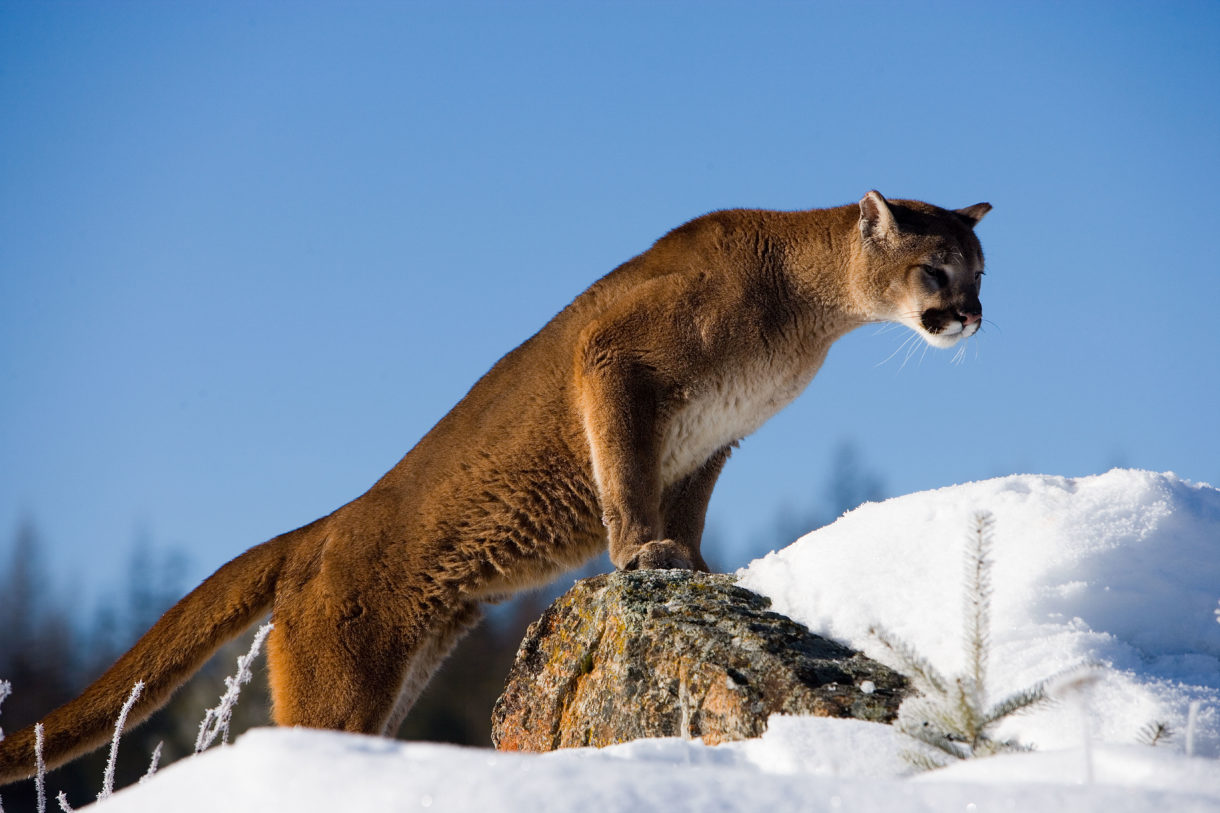
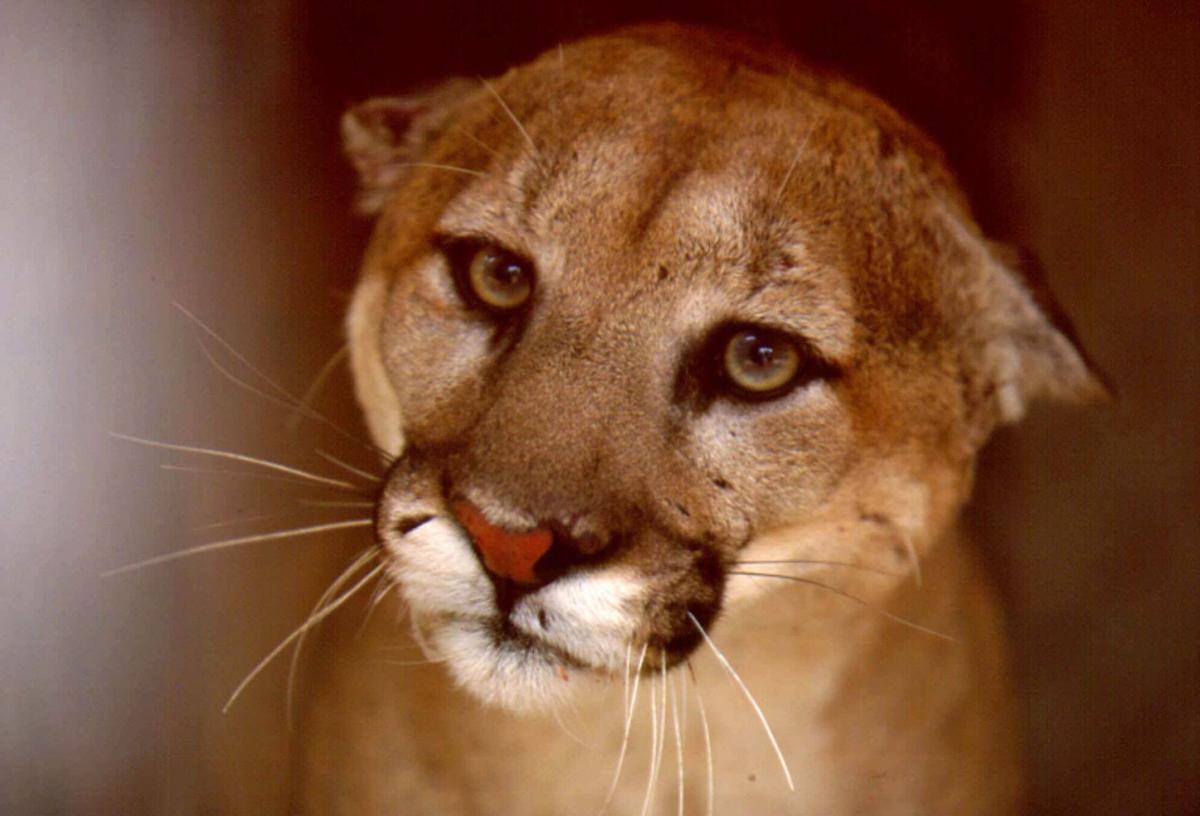
With the launch of an Arizona ballot measure yesterday to stop the trophy hunting of mountain lions and bobcats, voters in the Grand Canyon State will have an opportunity to stop the same sort of pointless, cruel killing practices on a big patch of land on this side of the globe.

Specifically, The HSUS and a coalition of about 60 organizations have filed a ballot initiative to stop the trophy hunting of mountain lions and bobcats in Arizona. The measure would also ban trapping of bobcats, currently killed by the thousands every year in this state for their fur. In addition, the ballot measure would codify a no-trophy-hunting policy on jaguars, ocelots, and lynx, in case these rare cats establish healthy populations in Arizona and trophy hunters see them as future targets.

The question that millions of people asked in the wake of the killing of Cecil is the same one that people should ask in Arizona: Why would a person of wealth and privilege shoot a lion he isn’t even going to eat? An animal whose hunting behavior keeps prey populations in check and whose presence is a reminder that there are still wild places in our world where all kinds of beautiful animals, including native carnivores, should be allowed to flourish.

This will be the sixth ballot measure in the west to stop the unsporting trophy hunting of mountain lions, and voters have sided with establishing or maintaining protections for lions in every single one of them. It is also the seventh statewide ballot measure on animal protection issues in Arizona since 1994, and voters have sided with the animal protection position in six of six cases.

There are perhaps few things as senseless as the trophy hunting of mountain lions; no one eats these animals, and that makes killing them easy to classify as trophy hunting in its purest form.

What makes it even worse is that the primary method of hunting the lions is with packs of dogs and radio telemetry equipment, in what amounts to a high-tech search-and-destroy mission. A trophy hunter releases a pack of hounds, fitted with radio transmitters on their collars, and then tracks the chase with a handheld directional antenna. Once the dogs pick up a scent and careen after the lion, the quarry flees, but sometimes turns to fight – resulting in a situation that pits animals in violent combat. If the cat doesn’t kill the dogs, or the dogs don’t overtake and kill the cat (including young kittens), the cat will scamper up a tree.

The hunter will then follow the radio signal to the base of the tree or cliff face, and shoot the lion at close range.

It’s about as sporting as shooting an animal in a cage at the zoo.

Trophy hunting clubs like Arizona-based Safari Club International have, in recent years, promoted the killing of mountain lions by offering awards, certificates, and killing contests to reward and encourage trophy hunters. SCI’s award categories like “North American 29,” “Cats of the World,” and “Trophy Animals of North America” include mountain lions.

Mountain lions pose an immeasurably small risk to humans and do their best to avoid us. Lions have attacked just a handful of people in the United States in the last 30 years, even as we’ve invaded their traditional habitats with developments, agriculture, and recreational activities.

On the other hand, trophy hunters have killed more than 78,000 mountain lions during that same period – an average of 2,500 a year in 10 western states, according to a report we released earlier this year in cooperation with the Summerlee Foundation: State of the Mountain Lion: A Call to End Trophy Hunting of America’s Lion.

These native carnivores provide all sorts of benefits to their ecosystems. Mountain lions keep deer and elk herds healthier, taking weak, sick, and diseased animals. They leave carrion for black bears, grizzly bears, and other scavengers. They are highly sentient and familial. A mother will care for her kittens for up to 24 months, and if she is killed, the kittens could die from starvation, predation, or exposure.

In cases where lions cause an actual problem or pose a perceived or actual threat, the ballot measure allows selective killing of those individuals. The measure, on the other hand, is designed to stop trophy hunters from chasing down and killing unoffending lions – lions who aren’t bothering anyone, and like any creature, are just trying to live and get through another day.

This ballot measure is about our humanity. It’s about ending unsporting methods, killing for no good reason, or killing as a head-hunting exercise. It’s about letting animals have small slices of land where they don’t have to worry about the threat of premeditated human violence.

Join us in this fight to protect America’s own iconic lion and other wild cats of the west. Their future depends on our decision to act on their behalf.

Animal-rights group wants Arizona voters to ban hunting of mountain lions, bobcats

http://tucson.com/news/local/animal-rights-group-wants-arizona-voters-to-ban-hunting-of/article_cc140fd3-be4a-5a03-a7c9-c53fc51ff297.html

  • By Howard Fischer Capitol Media Services
  • Updated 
Mountain lions
The hunting of mountain lions and other big cats is largely considered trophy hunting.

George Andrejko / Game And Fish Department

PHOENIX — Saying there’s no reason for “trophy hunting” of mountain lions, the Humane Society of the United States is moving to get Arizona voters to outlaw the practice.

The group’s proposal for the 2018 ballot would make it illegal to pursue, shoot, snare, net or capture any “wild cat.” That specifically means bobcats and mountain lions.

As written, the ban also technically would apply to jaguars, lynx and ocelot. But those already are protected as endangered species.

“People no longer really tolerate trophy hunting,” said Kellye Pinkleton, the Humane Society’s state director. “People are not shooting them, hounding them, trapping them for subsistence.”

But Kurt Davis, a member of the Arizona Game and Fish Commission, said the number of mountain lions killed each year — about 360 in 2015, the most recent number available — simply keeps the population in check and ensures that prey species, including bighorn sheep and pronghorn antelope, are not decimated.

Davis said he sees the proposed initiative as part of an effort to ban hunting entirely.

Pinkleton responded: “We do not have any blanket opposition to hunting.”

Backers of the ban on hunting big cats have until next July to gather 150,642 valid signatures on petitions to get the issue on the ballot.

The Humane Society and its local affiliate have a track record with voters. In 1994 they succeeded in getting Arizona voters to approve a ban on the use of leg-hold traps on public lands by a margin of close to 3-2.

Pinkleton noted that initiative laws have since been tightened by the Republican-controlled Legislature, with a ban on paying circulators on a per-signature basis and a requirement that petition papers be in “strict compliance” with all election laws.

But she said her organization and other allies should be able to raise the $3 million to $5 million it will take to force a public vote.

If it gets that far, it could be difficult to defeat. Davis said Arizona has a higher percentage of urban residents than any other “inland” state, meaning people less likely to go hunting.

That means the Game and Fish Commission and hunters will need to make their case that the practice should not be outlawed.

Davis said it comes down to science.

He estimated there about about 2,500 mountain lions in Arizona.

Each year the state issues more than 10,000 tags to hunt mountain lions. Davis said the commission’s experience is that, given the difficulty to actually kill one, that keeps the population in the 2,000 to 3,000 range, which he said is ideal.

Pinkleton disagreed. “The science doesn’t back up their claims,” she said.

She said the initiative would still allow killing of mountain lions in cases where they were endangering humans or killing other animals, whether a rancher’s cattle or the bighorn sheep that have been reintroduced into the Pusch Ridge Wilderness Area near Tucson.

The difference, she said, is that only the actual lions causing the problem could be hunted, versus simply telling hunters they can go out and shoot them in the area to cut down on the population.

Davis said such an approach makes little sense.

He said a 1990 initiative banning the killing of mountain lions in California now results in more of the big cats being killed by state officials to protect other species than were taken by hunters.

Pinkleton said there’s a good reason why the Arizona initiative would outlaw only the killing of wild cats.

“These essentially are killed for trophies or for fur,” she said, and for “bragging rights” about killing a lion.

“This is not deer or elk where communities are using the whole animal, whether for the meat or whatever,” she continued. “This is not a subsistence animal.”

Davis takes exception to pushing the initiative as a ban on hunting “trophy” animals.

“The notion of ‘trophy’ is a political notion that they’ve tested and polled,” with no actual legal basis, he said.

If the test of “trophy hunting” is whether hunters actually eat what they kill, that would include the hunting of coyotes, Davis said.

Beyond that, he said the initiative ignores that hunting is “a tool used by our state’s biologists … to manage our state’s wildlife.”

“Thank god … that you have hunters, both men and women sportsmen, that are willing to go out and be part of the management tools to maintain healthy populations of all of our species,” he said.

Bobcats, which Davis said number “in the thousands” in Arizona, are a different situation. They are classified the same as coyotes, raccoons and skunks, which can be hunted at all times without a special permit.

According to the Game and Fish Department, 1,300 bobcats are killed each year, on average.

Part of the debate is likely to involve methods used by some hunters.

“If a pack of dogs chases a mountain lion into a tree, and they are shot, that is not a fair chase,” Pinkleton said.

Davis countered, “That’s one of those issues that you see and hear, and it creates an emotional response.” But he said that doesn’t necessarily make it wrong.

“The traditions of using hounds to pursue lions is something that existed in our country since its foundation,” he said. Anyway, Davis said, only a “small number” of people have the ability to use dogs. “I don’t,” he said.

The numbers from the Game and Fish Department suggest that the use of dogs does make a big difference, however: Out of 324 mountain lions killed in 2015 by hunters, 247 of those were with the use of dogs.

Portland bans the display of wild and exotic animals

http://www.pressherald.com/2017/09/18/portland-bans-the-display-of-wild-and-exotic-animals/

The City Council votes unanimously to reject the use of big cats, elephants and a wide range of other animals in circus acts.

Soon, the display of wild and exotic animals will no longer be allowed in Maine’s largest city.

The Portland City Council voted unanimously Monday to ban the use of big cats, elephants and a wide range of other circus animals because of “cruel” training and handling practices.

Portland joined over 100 municipalities nationwide to pass a ban on the display of wild and exotic animals, but is the first in Maine to do so, according to animal rights groups.

City Councilor Brian Batson first introduced the ordinance back in June. It was referred to the council’s Health and Human Services Committee, where it received a unanimous recommendation to the full council.

“We can all recognize the fact these practices are outdated,” Batson said. “They are not only cruel – they are inhumane.”

Nobody testified against the proposed ban, but more than a dozen supporters urged the council to adopt it, in hopes the state would follow suit.

“Tonight you have the opportunity to create history that Portland can be proud of,” said Melissa Gates of Animal Rights Maine, a group founded in Portland in 2009.

The ordinance will apply to a wide variety of animals. Prohibited animals include lions, tigers, zebras, giraffes, monkeys, elephants and kangaroos, as well as crocodiles, seals, walruses and sharks, among others.

The resolution explaining the ordinance cites the treatment and “draconian training that can be cruel and inhuman” toward the animals. It also describes how some exotic animals have escaped from their cages and “roamed in cities, threatening the safety of the residents and presenting a dangerous challenge to the police officers who must respond.”

It notes that two companies – Carson & Barnes Circus and Vincent Von Duke’s big cat act – that have been fined over their handling of animals have also been to Portland.

Violations of the city ordinance can result in a $500 fine.

The ordinance was supported by Animal Rights Maine, The Humane Society of the United States, and the Maine Animal Coalition.

Nearly two dozen people attended a rally prior to the meeting, including one person dressed as a tiger and another as an elephant.

According to the groups, four states and more than 125 municipalities have passed restrictions governing the use of wild animals in circuses and traveling shows.

Rep. Kim Monaghan, D-Cape Elizabeth, proposed a bill in the Legislature that would have banned the use of elephants in traveling animal acts in Maine, but it failed in May.

Monaghan presented a letter to the council from legislators who were disappointed that the state bill did not pass.

“We are pleased to see the city of Portland taking the lead on this issue,” she said.

Val Giguere, a member of the board of directors of the Maine Animal Coalition, applauded the council’s action. “We are hopeful that the passing of this ordinance in the City of Portland is the beginning of a trend towards ending the cruelty and exploitation of animals for entertainment in traveling acts throughout Maine,” she said in a statement.

Last spring, animal rights advocates staged protests outside the Cross Insurance Arena during the 64th annual Kora Shrine Circus, which uses elephants, lions and tigers in public performances. The Kora Shrine Circus defended the practice of using wild animals, arguing that their animals are not mistreated.

In May, Ringling Bros. and Barnum & Bailey Circus held its final performance, blaming the closure on declining attendance caused by its being forced to eliminate elephant acts.

Romania bans trophy hunting of brown bears, wolves, lynx and wild cats

https://www.theguardian.com/environment/2016/oct/05/romania-bans-trophy-hunting-of-brown-bears-wolves-lynx-and-wild-cats

Unexpected move reverses a trend that has seen increasing numbers of large carnivores shot by hunters each year since Romania’s accession to the European Union

A brown bear and her cub play on the road on the outskirts of Sinaia, north of Bucharest
In 2016, the largest hunting quotas yet gave hunters the mandate to shoot 550 bears, 600 wolves and 500 big cats over 12 months. Photograph: Radu Sigheti/Reuters

Romania has banned all trophy hunting of brown bears, wolves, lynx and wild cats in a surprise decision that gives Europe’s largest population of large carnivores a reprieve from its most severe and immediate threat.

The move on Tuesday reverses a trend which has seen the number of large carnivores being shot by hunters grow year on year since Romania’s accession into the European Union in 2007. In 2016, the largest hunting quotas yet gave hunters the mandate to shoot 550 bears, 600 wolves and 500 big cats over 12 months.

Over the last decade, hunting has grown into a multimillion-euro industry in Romania, with hunters from all over the world paying up to €10,000 (£8,800) to claim a ‘trophy’ – hunting parlance for the carcass of a hunted animal – from the Carpathian mountains.

The government has claimed that in order to exist, the industry relies on a loophole in European law which allows for the culling of wild animals that have been proven to be a danger to humans. Under the habitats directive, all large carnivores are protected in European Union member states, yet the state can order the killing of specific animals if shown to have attacked a person or damaged private property.

“Hunting for money was already illegal, but it was given a green light anyway,” environment minster, Cristiana Pasca-Palmer, told the Guardian. ‘The damages [clause in the habitats directive] acted as a cover for trophy hunting.”

Each year, hundreds of hunting associations across the country would submit two numbers; the total population of each large carnivore species, and the total number which they believed to be likely to cause damages. The second number would then act as a basis for a government-issued hunting quota for each species. These quotas were then carved up between hunting companies and sold as hunting rights to the public.

“This method raised some questions,” says Pasca-Palmer. “How can hunting associations count how many animals are causing damages a priori – before the damages have happened? By introducing the ban, what we are doing is simply putting things back on the right track, as the habitats directive originally intended.”

Wildlife NGOs claim that the methodology also tended to dramatically overestimate the populations of large carnivores. The official figure for the number of bears in Romania is over 6,000, and for wolves is 4,000. Yet with hundreds of hunting associations each responsible for monitoring a small area of land, and animals prone to wandering, it is understood that individual animals were often counted multiple times, potentially pushing the total population statistics up by thousands.

Announced late on Tuesday evening, the ban is expected to divide Romania’s population, pitching rural and urban dwellers against each other. The government’s decision has strong support in the larger cities, which have seen a growing movement against hunting in recent months. But in much of Romania’s remote countryside large carnivores are a daily threat to villagers and a persistent nuisance to livestock farmers, and many see hunting as the only solution.

Csaba Domokos, a bear specialist with wildlife protection NGO Milvus group, is convinced that the success or failure of the hunting ban rides on the government’s ability to address the rural population’s fears.

“Damages caused by large carnivores are a very real concern in the countryside,” he said. “The system up until now did not work; hunting does not reduce conflicts between carnivores and humans; in fact many studies show that with wolves and large cats, it can actually increase the problem.

“But the rural population believe that hunting is the answer, and unless they can be convinced otherwise, people may well start to take the problem into their own hands. The ban is a great step, but we don’t want hunting to be replaced by poaching.”

Domokos points out that hunters also have a vested interested in the protection of their quarry. “To some extent, hunting acts as a financial incentive for wildlife management, from preventing poaching to conserving habitats. There is some concern that once you take that away, the government will not invest enough to replace it.”

Hunters pay up to €10,000 to trophy hunt in the Carpathian mountains
Pinterest
Hunters pay up to €10,000 to trophy hunt in the Carpathian mountains. Photograph: Nick Turner/Alamy

The government’s response is to take management into its own hands. A special unit is to be set up within the paramilitary police force that will assess any reports of damages by large carnivores and deal with the culprit animal directly. The ministry of environment have discussed the possibility of relocating the target animals abroad to countries interested in ‘rewilding’.

The ban comes amid a growing push for the protection of Romania’s wild mountains that has seen anti-corruption officers convict dozens of foresters, hunters and local officials in recent years.

Gabriel Paun, an activist and conservationist behind a petition that collected 11,000 signatures in the weeks before the hunting ban, sees the government’s decision as a step towards a safer future for Europe’s wild spaces: “The Carpathian mountains are home to more biodiversity than anywhere else in Europe, but for too long they have been ruthlessly exploited for forestry and hunting. Let’s hope the government’s decision is a sign of things to come.”

Moratorium on cownose ray fishing contests passed by Maryland General Assembly

ANNAPOLIS, Md. – (AP) – A moratorium on fishing for cownose rays has been passed by the Maryland General Assembly.

The legislature voted Wednesday to send the bill to Gov. Larry Hogan.

It creates a moratorium on contests that involve killing the rays until July 1, 2019. It also requires the Department of Natural Resources to prepare a fisheries management plan by Dec. 31, 2018.

The Humane Society of the United States has condemned the contests. The organization is calling the bill a major step in protecting Chesapeake Bay wildlife.

Legislation initially called for a ban. The moratorium was part of a compromise. Opponents of a permanent ban say the rays have been identified as damaging to bay oyster populations, but supporters say science has shown the rays are not responsible for oyster declines.

Wildfires take toll on hunting season

No mention of how fires are effecting wildlife…

http://www.usatoday.com/story/news/nation-now/2015/09/04/wildfires-take-toll-hunting-season/71741134/

Molly Trotter, KREM-TV 9:51 a.m. EDT September 5, 2015

SPOKANE, Wash. — Wildfires have burned almost one million acres in Washington, leaving destruction in its wake. One of lesser known impacts of the fires is the toll on the hunting season.

There are several closures that hunters will have to deal with across Washington and Idaho from the numerous blazes.

“This is an unprecedented drought year.” Washington Department of Fish and Wildlife’s Madonna Lures said. “We have unprecedented fires burning and people fighting them and people losing their lives and their homes over them.”

Both the Idaho Fish and Game and Washington Department of Fish and Wildlife have made several closures. A lot of private land in the panhandle in Idaho has been closed from fears of fires sparking from gun fire.

Several popular forest roads are closed so Idaho and Washington are working with hunters to find an agreement on which lands they can hunt on.

“Outdoor recreation is great but we got to use common sense then,” Lures said.

The cooler weather has helped contain wildfires and improve the dry conditions. It has not improved them enough for Washington and Idaho to open up all the closed lands and forest roads for hunting. It needs to last a little longer for that to happen.