B.C. Promotes Their Grizzly Bear Hunt

http://www.vancouversun.com/opinion/columnists/Stephen+Hume+promotion+grizzly+hunt+ideological/9140392/story.html

Stephen Hume: B.C.’s promotion of grizzly hunt is ideological, not scientific

Killing of a threatened species to satisfy a marginal industry makes no sense

By Stephen Hume, Vancouver SunNovember 7, 2013

A new scientific study reports that grizzly bear mortalities exceed government targets in half the areas where hunting is permitted. This earns another “ho hum” from provincial wildlife authorities.

So what’s new? When the province’s own habitat specialist first raised concerns with methodology in estimating grizzly populations and mortality rates, his bosses suppressed the study.

The province estimates 15,000 grizzlies inhabit British Columbia. Mind you, grizzly estimates seem to be whatever it takes to justify trophy hunting. In 1979, there were 6,600 grizzlies. Then, when trophy hunting was on the agenda, there were almost 17,000.

The debate over grizzlies is not a discussion of scientific evidence that contradicts hunting policy, it’s an emotional argument over lifestyle choices by trophy hunting proponents who are not really interested in science.

Presumably this why the government is comfortable saying wildlife managers don’t share the new study’s conclusions before they’ve even analyzed its evidence — although, of course, they promise to review it.

The study by six biologists from Simon Fraser University, the University of Victoria and the Raincoast Conservation Foundation reported by Larry Pynn is only the latest that will wind up gathering dust on the shelf where the provincial government puts documents it wants to forget. It has been preceded by reports from some of the world’s leading grizzly experts.

These studies gather dust not because the evidence is unconvincing but because provincial politicians are not interested in evidence-based decisions. They want justification for providing feedstock for a hunting industry that’s in steep decline.

Thirty years ago, there were almost 175,000 licensed hunters in B.C. Today, hunters’ numbers have fallen by more than half.

Clearly social values are changing.

Once, people would kill everything they could. Archival photographs record orgies of killing that most of us today — even the most ardent hunters — would find repugnant and slightly mystifying.

But values do change. Today serious anglers embrace the catch-and-release ethos, hunters accept limited-entry lotteries and poachers are reviled.

Those original values have changed, in part, because of increasing scarcity. On Vancouver Island, for example, the black-tailed deer population is less than 20 per cent of what it once was — not because of overhunting but because of habitat loss and alteration. Steelhead runs are in trouble. So are native cutthroat trout. Moose are scarce in some regions.

So as hunting effort must increase with growing scarcity, and opportunity for success decreases, fewer hunters opt to buy licenses.

Finally, a growing sense that animals have rights, too, informs changing attitudes toward the killing of wildlife, particularly among young citizens. The idea of killing large animals like grizzly bears for pleasure or personal vanity rather than for food is perceived as abusive.

The response of provincial fish and game management has not been to adapt to change, but to promote hunting in the face of falling numbers. Its service plan calls for the selling of an additional 20,000 hunting licences by 2014.

The grizzly bear trophy hunt, which the province doggedly supports in the face of overwhelming public approbation, represents ideology, not wildlife science or public will.

Industrial strategy is presented as an exercise in sustainable management based on science, even though the managers acknowledge they have already reached their own conclusions before they examine unwelcome scientific evidence to the contrary.

But let’s be clear, the opposition to trophy hunting of grizzly bears is not an issue with hunting, it’s an issue with purpose.

Most British Columbians don’t oppose sustainable harvesting of wildlife for food. Most support, for example, the goals of the B.C. Wildlife Federation, which advocates for habitat that will sustain healthy populations available for harvesting by hunters and anglers.

The opposition is to the killing, for purposes of personal vanity, of a threatened species that has already been extirpated from most of its North American range in the interests of a marginal industry dominated by a few businesses.

Write about this and one immediately is subjected to scurrilous comments from trophy hunters who don’t want “their” bears taken away. But B.C.’s wildlife doesn’t belong exclusively to hunters or outfitters. Fish and game belong to everyone, including the almost 90 per cent of British Columbians who want grizzly bears protected, not slaughtered in the service of narcissists and egomaniacs.

We live in a democracy. In democracies, majorities rule — or should rule. So if you care about grizzly bears, you know what to do. Start telling your elected representatives that if they won’t act on your behalf on this file, you’ll elect somebody who will.
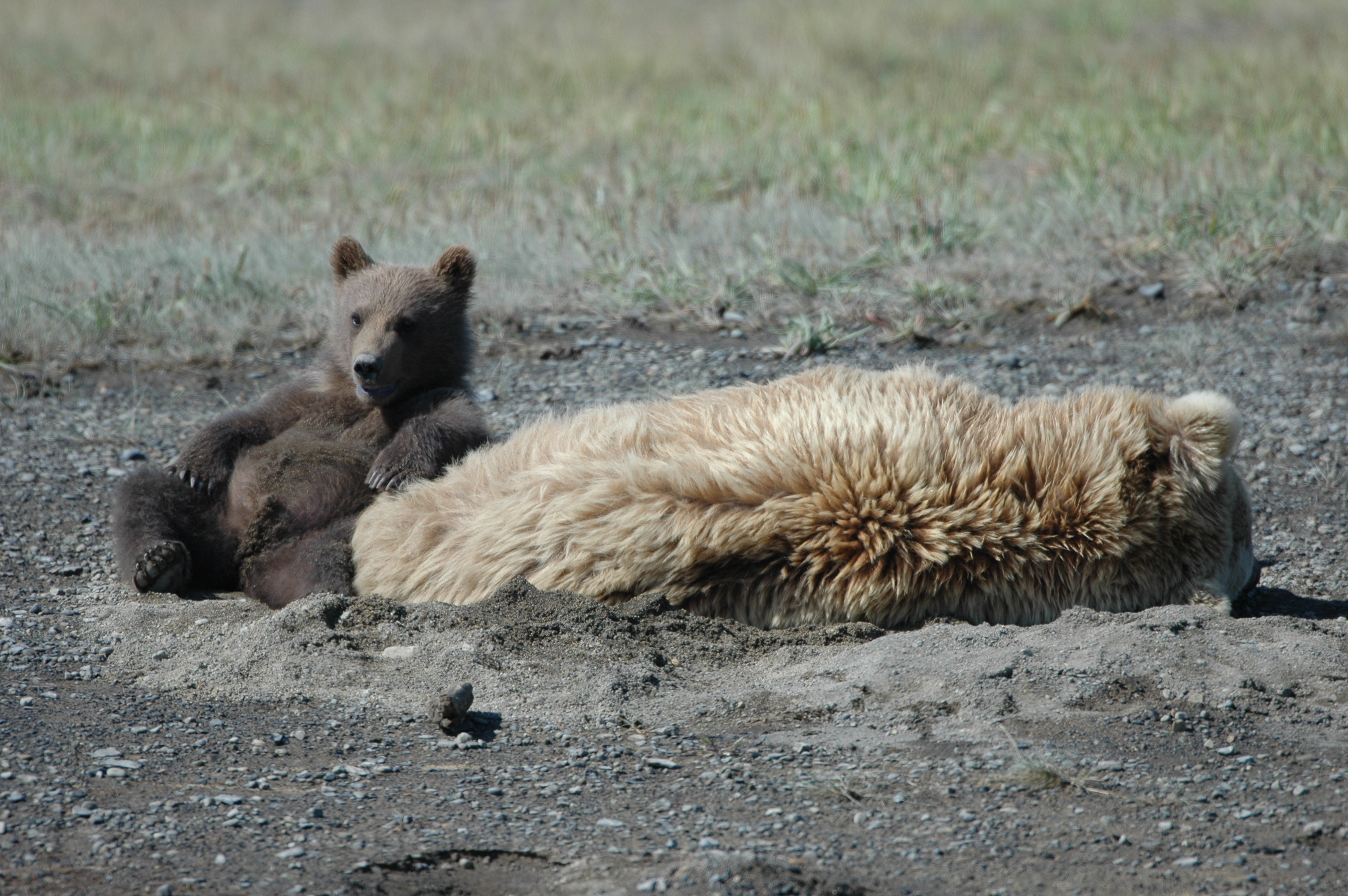
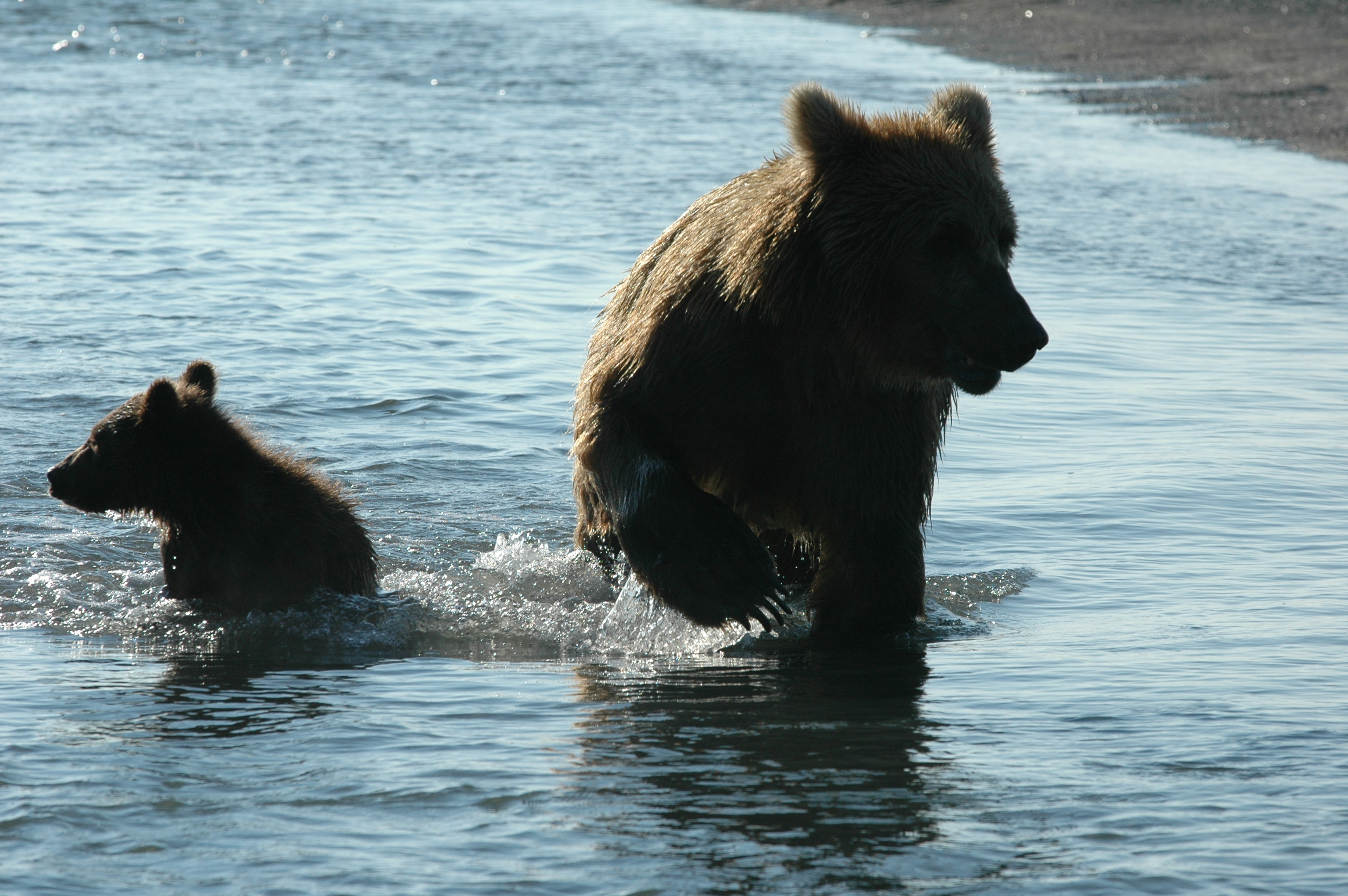
Photo of bears in the wild co Jim Robertson

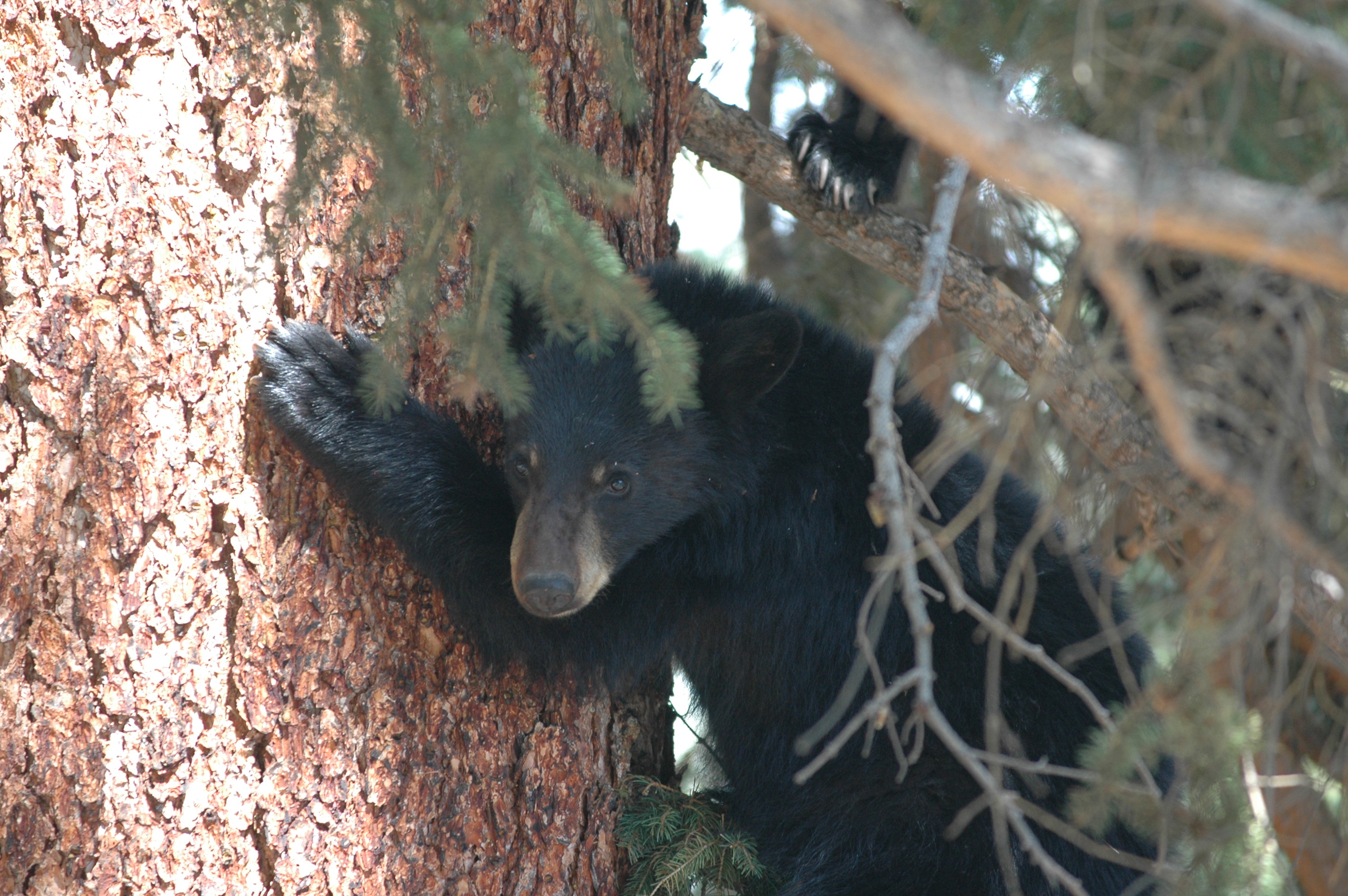
Photo of bears in the wild co Jim Robertson
Devastated hunter kills himself moments after accidentally shooting his friend dead

[Now this is a twofer. It’s from a couple of years back; too bad it doesn’t happen more often, but then a guilty conscience isn’t often a hunter’s strong suit. If only they’d feel some kind of guilt about the deer and bears they killed.]

http://www.dailymail.co.uk/news/article-2066891/Hunter-kills-accidentally-shooting-friend-dead.html#ixzz2iupP1oyIarticle-2066891-0EF73F7700000578-332_468x383

By Daily Mail Reporter
UPDATED: 17:59 EST, 27 November 2011

A hunter who accidentally shot and killed his friend was so devastated he turned his rifle on himself, police believe.

Benjamin Birch, 39, Timothy Bolognani, 49, and Mark Colford were hunting near Readsboro, Vermont, on Saturday afternoon when Birch shot a deer.

The wounded animal managed to escape, and the men began tracking it through the woods.

Bolognani fired at what he thought was the deer, but instead heard Birch scream in pain.

Bolognani and Colford ran to discover their friend bleeding on the ground, where he died.

Overwhelmed with grief, Bolognani then committed suicide with his own rifle, police believe. Vermont State Police were called just after noon on Saturday.

Benjamin Birch was a keen hunter and uploaded  photos of his various catches, including black bears, to Facebook.

article-2066891-0EF73F6300000578-952_468x327

He also expressed his discontent that the  deer hunting season was not as long as that in other states. He wrote: ‘Vermont is the only state where  they worry about the deer getting a rest between seasons!’

Read more: http://www.dailymail.co.uk/news/article-2066891/Hunter-kills-accidentally-shooting-friend-dead.html#ixzz2jBYjUyqf
Follow us: @MailOnline on Twitter | DailyMail on Facebook


U.S. Fish and Wildlife Service Issues Emergency Closure of Brown Bear Sport Hunting on Kenai National Wildlife Refuge‏

October 25, 2013

FOR IMMEDIATE RELEASE
CONTACT:
Kenai National Wildlife Refuge (907) 262-7021

SOLDOTNA, AK – The U.S. Fish and Wildlife Service (Service) today announces
an emergency closure of sport hunting of brown bears on the Kenai National
Wildlife Refuge (Refuge), effective October 26, 2013 at 12:01 am. The
emergency closure is issued pursuant to federal regulations at 50 CFR 36.42.

Operating under the assumption of lagging indicators, the known
human-caused brown bear mortalities on the Kenai Peninsula in 2013 now
total at least 66 bears. This includes a minimum of 43 brown bears taken
during spring and fall hunting seasons, and 23 bears killed through defense
of life and property takings, illegal takings, agency kills of problem
bears, and vehicle collisions. Total mortalities now represent more than 10
percent of the best available estimate of a total Kenai Peninsula brown
bear population, numbering 624 bears.

“This level of mortality is not scientifically sustainable,” said Refuge
Manager Andy Loranger in announcing the Refuge emergency closure.

In addition to the total number of mortalities, a high number of
reproductive-age female bears have been killed. Prior to 2013, the Alaska
Department of Fish and Game limited the annual number of human-caused
mortalities of adult female brown bears at 10. At least 22 adult females,
or 33 per cent of all known mortalities, have been killed so far this
year—more than double the previously established limits.

“Survivorship of adult female bears has been shown to be the primary driver
of brown bear population dynamics. Losing so many adult female bears will
have immediate negative impacts on this population,” said Refuge
Supervisory Wildlife Biologist John Morton.

“Kenai brown bears are highly valued by the public for many reasons, and
play an important ecological role,” continued Loranger. “If allowed to
continue this season and into the immediate future, the Service believes
that this level of mortality, which includes a high rate of loss of adult
female bears, will result in a substantial reduction in the Kenai
Peninsula’s brown bear population. This would create a conservation concern
for this population, which in turn would negatively impact hunters and many
other Refuge visitors who value and enjoy viewing and photographing bears.”

Actual human-caused mortalities are higher than the documented number.
“Unreported human-caused mortalities are also occurring at an unknown rate,
and must be considered when identifying sustainable harvest levels,” said
Morton.

While this emergency closure is only temporary under applicable regulations
and will last for 30 days, the Service intends to develop and implement a
longer term brown bear harvest management strategy on the Refuge.

“As it has in previous years, the Service envisions developing and
eventually implementing harvest parameters after appropriate public input
and review, in an effort to ensure that harvests remain sustainable, and
which focus on adequately protecting adult female bears for the healthy
reproduction of the brown bear population on the Kenai Peninsula,” Morton
said.

The Service will hold public hearings in the near future at which this
strategy will be presented to the public. Hearing dates will be released at
a later date.

“We do not take this closure lightly and will work with the Alaska
Department of Fish & Game to develop a strategy to collaboratively manage
brown bear populations that is consistent with the mandates of both
agencies,” said Loranger.

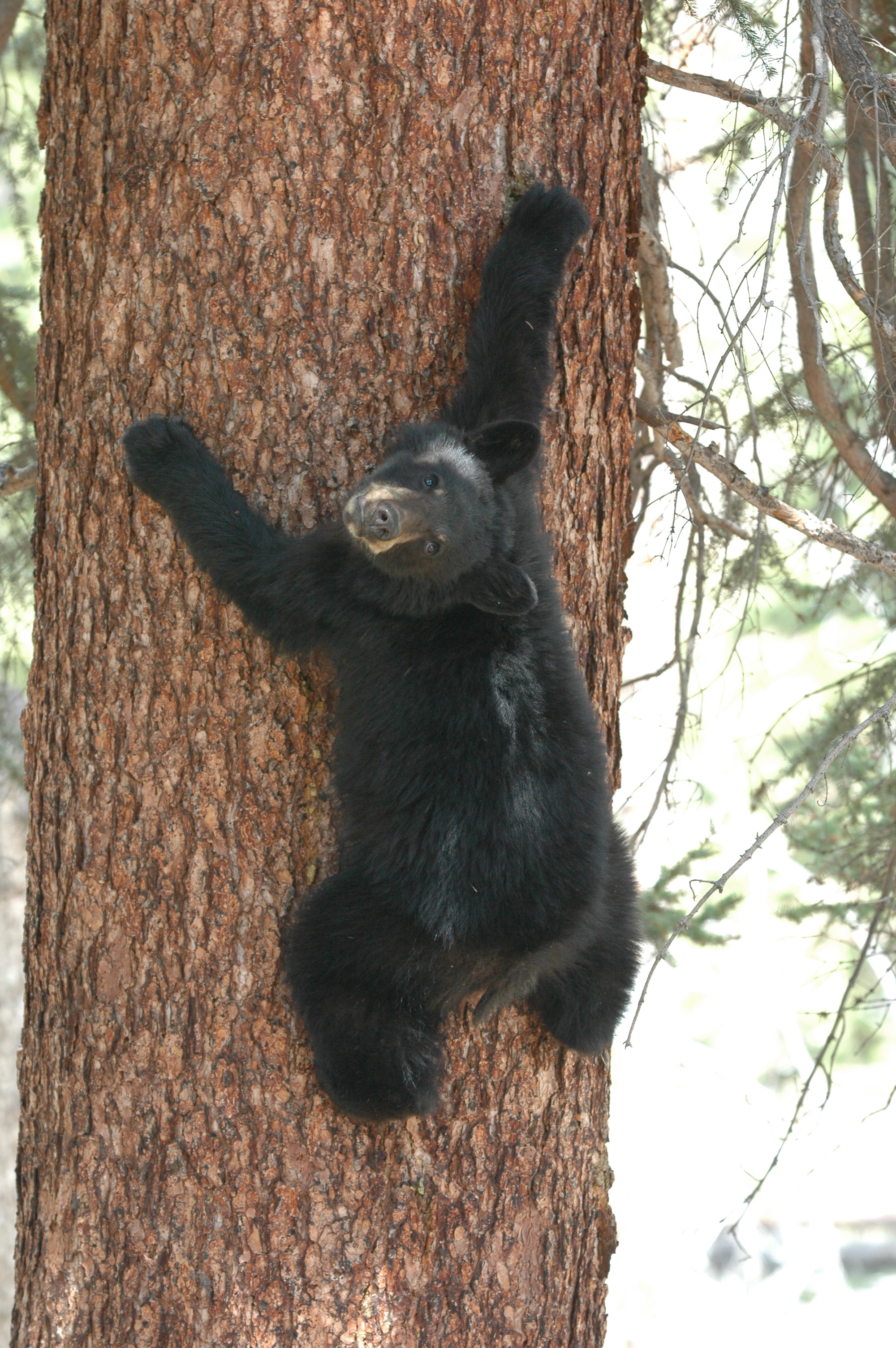
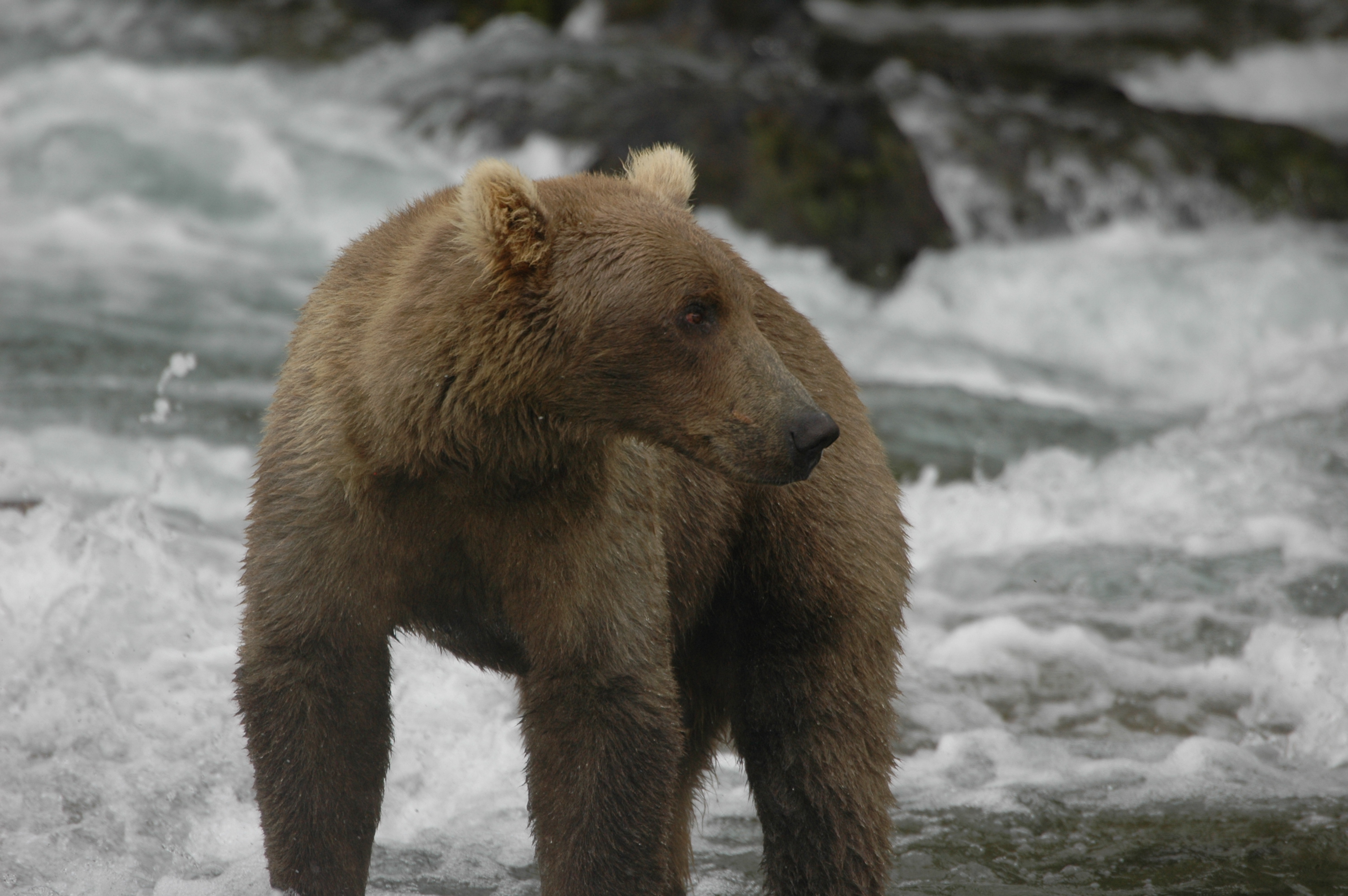
Photo Copyright Jim Robertson

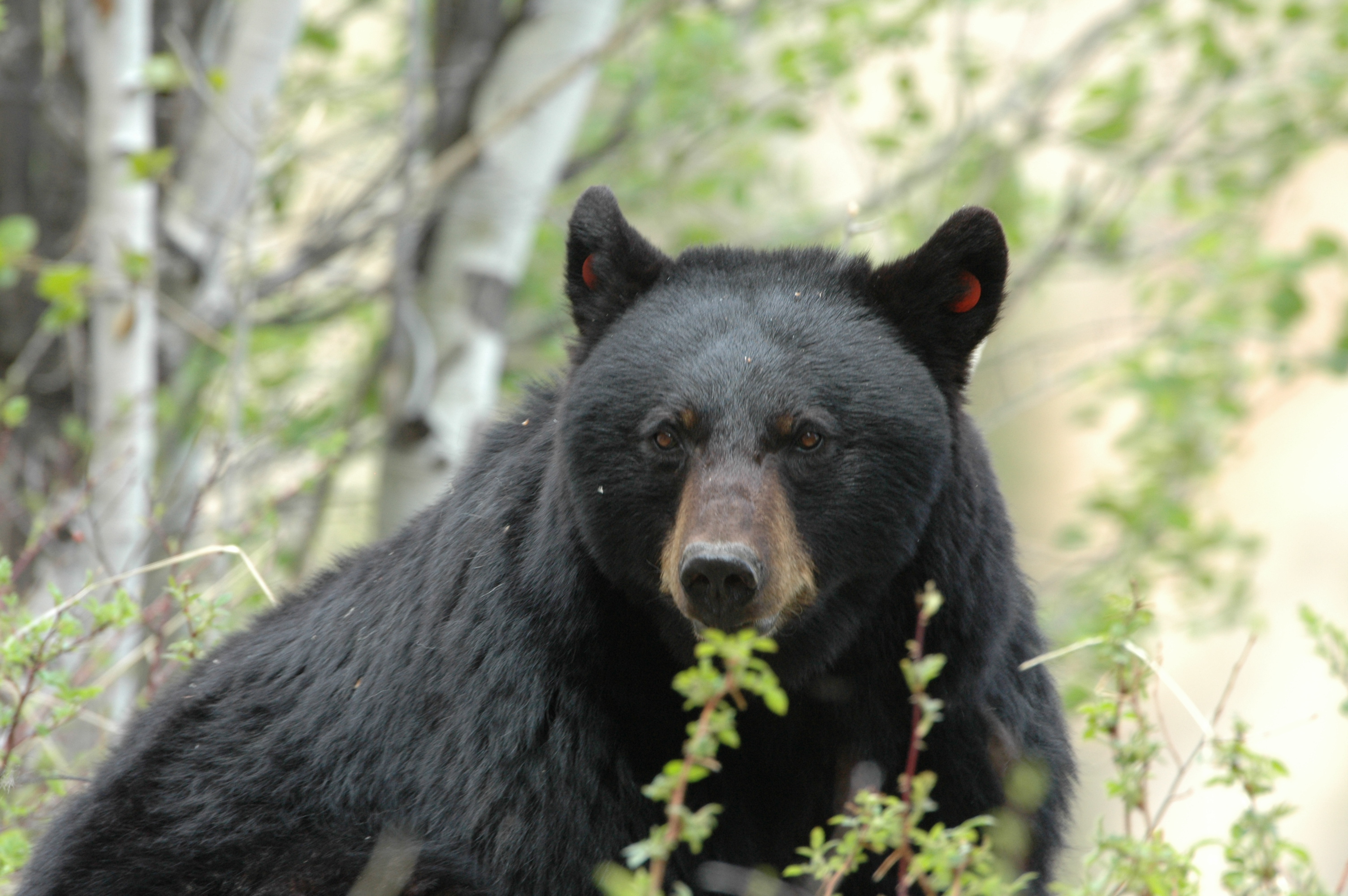
Photo Copyright Jim Robertson

For additional information, please contact the Kenai National Wildlife
Refuge office during regular business hours at (907) 262-7021 .

NHLer’s B.C. Grizzly Kill Offside?

Huffpost 09/30/2013

by Chris Genovali, Executive Director, Raincoast Conservation Foundation

photo copyright Jim Robertson

photo copyright Jim Robertson

Raincoast Conservation Foundation has asked the B.C. Ministry of Forests, Lands and Natural Resource Operations, the entity responsible for managing the trophy hunting of bears in the province, to investigate the killing of a grizzly on the central coast by National Hockey League player Clayton Stoner. As a result, the BC Conservation Officer Service is investigating Stoner’s trophy killing of the grizzly bear in question.

There is widespread concern regarding the circumstances surrounding this particular hunt, including uncertainty as to whether Stoner is technically a B.C. resident. If he is not, then he shouldn’t have been issued a B.C. Resident Hunter Number card nor should he have been allowed to enter the Limited Entry Hunt (LEH) lottery to kill a grizzly.

As the ministry website states, “Participation in the LEH draw is available to any resident of B.C. who legally possesses a B.C. Resident Hunter Number.” To obtain a B.C. Resident Hunter Number and Resident Hunter Number card an individual must provide evidence that he is a resident. The legal definition of a B.C. resident is a person who “is a Canadian citizen or a permanent resident of Canada, whose only or primary residence is in British Columbia, and has been physically present in British Columbia for the greater portion of each of six calendar months out of the 12 calendar months immediately preceding the date of making an application under this Act or doing another thing relevant to the operation of this Act.”

Stoner plays for the Minnesota Wild, a U.S.-based team in the NHL. As such, he is required to live and work in Minnesota the majority of the year. The NHL regular season runs from October through mid-April. That doesn’t count time spent at training camp prior to the regular season or potential participation in the playoffs. Given the length of the NHL season and the fact Stoner plays for a U.S. based team (and has played for U.S. based teams in the NHL, AHL and WHL since 2002), it would seem implausible that he could have been physically present in B.C. for the time required to qualify as a resident.

The investigation by the province raises several troubling questions. Big picture, this event could very well end up calling into question the integrity of the LEH, as well as the B.C. government’s ability to monitor the hunt and enforce their own regulations.

The Conservation Officer Service office in Bella Coola has been closed and moved to Williams Lake. Bella Coola is the only central coast community accessible by road and is the community nearest to where the grizzly bear was killed.  “It’s fortunate that First Nations research technicians were there to observe and record this incident. Stoner’s party, or any hunters conducting potentially illegal activities, would be more likely to encounter aliens from another planet than a Conservation Officer in these remote coastal areas,” said Brian Falconer, guide outfitting coordinator for Raincoast.

In the 2002 Raincoast report “Losing Ground: The decline in fish and wildlife law enforcement capability in B.C. and Alaska,” author and wildlife scientist Dr. Brian Horejsi concluded the following:

Wildlife populations and biological diversity are endangered by chronic underfunding and marginalization of wildlife conservation-oriented enforcement programs in British Columbia and, to a lesser degree, in Alaska. This period of measurable political disinterest and low and declining priority now approaches 20 years in duration. There is little evidence available to the British Columbia or Alaska public to indicate that current enforcement capabilities are sufficient to provide effective compliance with fish and wildlife regulations, a problem being aggravated by escalating and uncoordinated land use activities. In every capability measure examined, capability today is significantly lower than it has been previously. Enforcement and protection staff are presently unable to effect widespread and long-lasting changes in resource user behavior in either Alaska or B.C. While fish and wildlife protection capability in Alaska has slipped…the evidence indicates that B.C. has now crossed the threshold at which protection of fish and wildlife populations and their habitat by enforcement services has effectively and materially been abandoned.

We stand with Coastal First Nations in their call to end the trophy hunting of bears in B.C.’s Great Bear Rainforest. Coastal grizzly bears, in particular, face numerous threats to their survival, including habitat loss and a declining supply of salmon; the additive pressure from trophy hunting exists throughout much of the Great Bear Rainforest, even in many legislated protected areas. This is more than just a “management” issue. It’s also an ethical issue. Bottom line, killing these magnificent animals for recreation and entertainment is a barbaric and anachronistic practice that should be ended on the coast of British Columbia.

Maine’s bear hunting practices back in the crosshairs

Wildlife Photography ©Jim Robertson, 2013. All Rights Reserved

Wildlife Photography ©Jim Robertson, 2013. All Rights Reserved

Almost 10 years after failing to abolish baiting and other methods, animal-welfare activists want to revisit the debate: Are these cruel or are they viable wildlife management tools?

By  Deirdre Fleming dfleming@mainetoday.com Staff Writer

Bear hunters in Maine again find themselves in the sights of animal-welfare advocates who contend that some of their practices are inhumane.

Less than 10 years after Maine residents voted down a divisive referendum effort to abolish the use of bear hunting with bait, dogs and traps, the debate has re-emerged.

As hunters prepare for the first day of bear season Monday, sportsmen, politicians and animal-rights advocates are gearing up for a renewal of the referendum battle that spiked passions on both sides in 2004.

Bear-baiting involves placing food in the same location repeatedly for about a month before the season opens in hopes a bear will get in the habit of visiting the site regularly. Hunters also use dogs wearing radio collars to force a bear up a tree and keep it there until the hunter tracks it down electronically. Traps such as wire foothold snares are also used to hunt bears.

Supporters of banning the practices say they are cruel and give hunters an unfair advantage.

Opponents argue that the practices are vital to keeping the state’s bear population in check. If they are banned, the population will explode, and conflicts between bears and people will become commonplace, even in developed areas, they say.

Maine has one of the largest black bear populations in the lower 48 states, according to the Department of Inland Fisheries and Wildlife, and is the only state to allow all three controversial practices.

A coalition led by the Maine chapter of the Humane Society of the United States, called Mainers For Fair Bear Hunting, is behind the ballot initiative. It aims to collect as many as 80,000 signatures next month to get a referendum question on the 2014 ballot. The Secretary of State’s Office is still drafting language on the referendum question.

In 2004, voters rejected the referendum question seeking a ban on the three hunting practices by a margin of 53 percent to 47 percent. Each side spent more than $1 million on the campaign.

Those backing a ban on the practices said last week they think they’ll win this time.

“This is a last resort (after trying several times without success in the Legislature). But with the additional 10 years of experience, we’re confident we can win on the ballot,” said Katie Hansberry, director of the Maine chapter of the Humane Society.

Maine hunters expected the issue to resurface, and that it would involve another expensive ballot fight.

“I think we knew they’d be back,” said David Trahan, director of the Sportsman’s Alliance of Maine. “(The Humane Society is) a nationwide group. And (it) raises a lot of money.”

MAINE A FOCAL POINT

Proponents say the three controversial bear-hunting methods give hunters an unfair advantage and that trapping or shooting a bear over bait is inherently cruel.

Maine is a focal point in the debate over bear-hunting practices because it is the only state where all three are allowed.

Robert Fisk, director of the Maine Friends of Animals, which led the 2004 effort to ban the hunting practices, said the public is more familiar with the issues today, and that gives ban supporters an advantage.

“I believe we have an excellent chance of winning this time. The opposition’s alarmist strategies and scare tactics that were prevalent in 2004 can be exposed this time around. People are much more aware of animal protection issues than they were 10 years ago,” Fisk said.

Proponents say they have data and experiences from other states where the Humane Society successfully banned the use of these bear hunting methods, and that much of the Maine public was educated on the issue in 2004.

More: http://www.onlinesentinel.com/news/maines-bear-hunting-practices-back-in-the-crosshairs_2013-08-25.html


Update from the Bear-Killing Fields of Washington

While walking my dog this morning on the ordinarily deserted logging roads around here, I came across (in addition to several fresh piles of bear scat) boot tracks in the grass heading into a draw thick with blackberry and salmonberry bushes, where one of our local bears was murdered by a hunter (“harvested”) last August. Now, I’m hearing the report of a rifle and am wondering if the same narcissistic nimrod is out there trying to kill another of our bear friends (like some serial killer who struggled through an enforced nine-month cooling off period and, consequently, is gripped by the uncontrollable urge to satisfy his pent-up his bloodlust).

Although it’s barely berry season for the bears out there trying to stock up for the coming winter, it’s bear hunting season—as of August 1st—for Elmers and Elmerettes in the Evergreen State. Nowadays, every Elmer (or Elmerette) who wants to can kill not one, but TWO, bears apiece through November 15th!

As of last Thursday, any Washington State black bear who values his or her life will have no peace ‘til the snow flies and they’re safely tucked away in their hibernation den. Until then, they must assume there’s a camo-clad coward with a high powered rifle or compound bow aimed at them, perched in every tree they pass under.

Each year 30,000 black bears are killed by hunters in the U.S. alone. And each and every one of them was a more remarkable, more worthy being than the sadists and psychos who kill them for sport.

Text and Wildlife Photography ©Jim Robertson, 2013. All Rights Reserved

Text and Wildlife Photography ©Jim Robertson, 2013. All Rights Reserved

Today is Opening Day of “Bear Season” in Washington!

The first day of August: summer is at its peak, young birds have fledged and the wild berries are just now ripening up…

But on this very same day, demonic dimwits and narcissistic nimrods that enjoy making sport of murdering animals are out trying to end the life of a humble being whose only focus lately is filling up on fresh fruit.

That’s right; believe it or not, August 1st is the beginning of bear season across much of Washington! From today until November 15th, any loathsome scumbag with a bear tag and an unwholesome urge to kill can “bag” himself a bruin—just for the sport of it—in this presumably progressive state.

Sure, one or two people may be killed by bears in a given year, but over that same time period 50 will die from bee stings, 70 will be fatally struck by lightning and 300 will meet their maker due to hunting accidents. A person has about as good a chance of spontaneously combusting as being killed by a bear.

Meanwhile, tens of thousands of bears are killed by people each year, and no one is keeping track of how many are wounded, only to crawl off and die slowly without hospital care to pamper them back to health. 30,000 black bears are slain during legal hunting seasons in the US alone. Possibly another 30,000 fall prey each year to ethically impotent poachers seeking gall bladders to sell on the Chinese black market. Victims lost to that vile trade are eviscerated and left to rot, since bear meat is not considered a desirable taste treat. To make it palatable, backwoods chefs traditionally douse the flesh and offal with salt and grind the whole mess into sausage.

Why then, is it legal to kill bears when we have long since concocted a myriad of ways to turn high protein plant foods (such as soy, seitan or tempeh) into a perfectly scrumptious, spicy sausage, sans intestines? Unquestionably, the hunting of bears is nothing but a warped distraction motivated by a lecherous desire to make trophies of their heads and hides. But, dangerous and terrifying as they must seem to trophy hunters out to prove their manhood from behind the security blanket of a loaded weapon, they aren’t the “most dangerous game,” as the serial killer, Zodiac (an avid hunter who grew bored with “lesser” prey and progressed to hunting humans) divulged.

An irrational fear of bears dates back to the earliest days of American history and is customarily accompanied by obtuse thinking and quirky spelling. The most famous inscription (carved into a tree, naturally) attributable to Daniel Boone (that guy who went around with a dead raccoon on his head) bragged how he “…cilled a bar…in the year 1760.” The bears Boone killed (and there were many) in North Carolina and Tennessee were black bears, a uniquely American species that, like coyotes, evolved on the Western Hemisphere.

Every year a fresh crop of Elmers decides to play Daniel Boone and blast a poor little black bear with a musket ball (which, although extremely painful and traumatic, often isn’t enough to kill them outright). Others prefer the test of archery, savagely impaling innocent bears who are just out trying to find enough berries to get them through the winter.

Rachel Carson, whose 1962 book, Silent Spring, advanced the environmental movement, saw the brutality of hunting as a detriment to civilized society:

“Until we have the courage to recognize cruelty for what it is—whether its victim is human or animal—we cannot expect things to be much better in this world. We cannot have peace among men whose hearts delight in killing any living creature. By every act that glorifies or even tolerates such moronic delight in killing we set back the progress of humanity.”

The question is, how long will society continue to tolerate the moronic act of sport hunting?

————

This post contained excerpts from my book, Exposing the Big Game: Living Targets of a Dying Sport
http://www.earth-books.net/books/exposing-the-big-game

Text and Wildlife Photography ©Jim Robertson, 2013. All Rights Reserved

Text and Wildlife Photography ©Jim Robertson, 2013. All Rights Reserved

Don’t Hate Trophy Hunters yet? Read on…

Super-rich kill bears for ‘sport’

TOM NEWTON DUNN
in Russia

The Sun: 12th January 2011

THE World Conservation Union has upped the Asiatic black bear’s status to “vulnerable to extinction”.

Conservationists estimate there are just 50,000 left in the world.

Also known as the Tibetan black bear, the Himalayan black bear, or moon bear, they have a thick black coat and a white V marking on their chest.

They grow to about 6ft and males weigh up to 150kg. They can live up to 25 years.

They eat berries, grass, seeds, nuts, honey and some meat.

Of the world’s eight species of bear, six are at risk of extinction.

Only the American black bear and European brown bear are considered safe.

Black Bear photo Copyright Jim Robertson

Black Bear photo Copyright Jim Robertson

In a sickening execution, a blood-crazed millionaire blasts an endangered bear to death as it hibernates.

Given no chance, the rare beast is woken in its den, terrorised and shot at point-blank range.

The grinning “hunter” then poses proudly next to its blood-drenched corpse for a twisted souvenir snap.

Hundreds of Asiatic black bears have been killed this winter in the vast forests of Siberia. And all for nothing more than sick thrills and a prized trophy hide.

The massacre of these majestic animals has become big business, flying in the face of international conventions which outlaw it, The Sun can reveal.

Yet it is not just rich Russians who are happy to exterminate their own national symbol. Well-heeled clients from Britain, the US, Germany, Spain, Poland and Finland have also booked Asiatic black hunting trips in the past year, we have discovered.

Such slayings were illegal for years, but Russian president Vladimir Putin has now relaxed his country’s ban on killing the species, to appease the super-rich.

Hunting the bears remains strictly illegal in the other countries where they live, including India, China and Japan.

Like most bears, the Asiatic black hibernates from December to the end of February, when winter snows begin to melt. Many of the females killed as they hibernate are pregnant, as they breed in the summer and autumn, ready to give birth in the spring.

In an exposé of the barbaric practice, we posed as would-be hunters to obtain shocking video footage of three recent hunts.

In an office off a busy central Moscow street, The Sun was offered a four-day trip to depart in a week’s time — with FOUR Asiatic black kills guaranteed — for the sum of £16,000.

The hibernating bears had already been located in deep forests outside the city of Khabarovsk, 3,500 miles east of Moscow.

A travel business named Slavic Trophy Club is one of a handful in Moscow that take bear hunters to the killing fields.

Slavic Trophy Club’s Nikolai Lynkov assured us: “They are there ready and waiting for you. I can promise you four kills for sure, maybe six if you are lucky.

“It is legal in Russia to hunt Asiatic black bears. There is no problem with that. You just have to be 18 years old.”

The persecuted bears do not die a quick and painless death.

To coax them out of their dens into the waiting gunman’s firing line, organisers resort to extraordinarily cruel tactics.

Lynkov explained: “We know where the bears are because we pay local people to keep track of them.

“They like to hibernate in hollow tree trunks but sometimes it is not easy to get them out.

“Don’t worry though, they always come — even if we have to cut them out.”

On one of the hunts we have video footage of, it took workers 20 minutes of torture to force a bear to climb out of its tree trunk into the sights of the hunter, standing 15 metres away.

At first, two men jabbed the animal with sharpened spears through a hole cut in the tree’s base. When that didn’t work, one of them threw a smoke grenade into the trunk in a bid to choke the bear out. That too failed, so oily rags were lit to set fire to the den. Then several pistol rounds were fired to scare the bear into movement.

Only when the workers began to chainsaw through the hollow trunk to get at the bear did it finally climb the trunk and emerge. On reaching the top, the bleary-eyed giant gave a chilling roar once it saw its pursuers.

It made a desperate last attempt to scamper off to safety — but was gunned down in the snow after only a few paces.

For an extra £800, Slavic Trophy Club promised to skin any bear we killed, make it into a rug, and fly it to London.

Or for £4,000 we could have the whole beast stuffed and shipped instead. Some hunting firms openly trade in the twisted “sport” in the West.

Sergei Shushunov is a Russian-American who runs the Russian Hunting Agency from his home town of Glencoe, Illinois. When we approached him posing as rich hunters he also promised to organise for us the killing of a bear woken from hibernation.

Trying to justify the activity, Shushunov said: “Denned bear hunting in Russia is as old as trapping. In old times it required nothing but a spear. The adrenaline rush can be incredible.”

Hunting Asiatic bears was legalised in Russia four years ago. Bored of slaughtering the more common brown bear, oil and gas-rich Russians craved a special trophy for the walls of their gaudily decorated homes and offices.

With soft and long fur, an Asiatic bear’s hide is highly prized because of the rarity of the animals.

Their numbers are now so depleted, they are all but impossible to find in the wild — which is why hunts resort to killing them in their dens.

Animal campaigners last night demanded that ministers act on The Sun’s investigation and lobby President Putin to stop the barbaric hunting.

International wildlife charity the Born Free Foundation said: “This simply has to stop. The Asiatic black bear is highly endangered, under constant assault in the wild throughout the continent, and even incarcerated in tiny cages in China to be milked for stomach bile, which is used in medicine there.

“We should all demand at the highest levels of government that Russia immediately stops all hunting of wild bears. Until then, there will be a price on the head of every wild bear in the country.”

The World Conservation Union’s bear expert Dr David Garshelis said: “There is a threat that the Asiatic black bear may soon be extinct in entire countries. We are very worried.

“It is alarming to hear that this is happening in Russia. The ethics of exactly how it is done is also a concern.

“There is clearly no sport in this practice at all. We are very pleased you have made this report.”

t.newtondunn@the-sun.co.uk

View photos and video of Sick hunters gun down bears; Gunmen laugh as they target bears; Sitting duck … terrified bear scrambles from it’s burning den into the killer’s sights Here: http://www.thesun.co.uk/sol/homepage/news/762288/News-Endangered-bears-Killed-for-sport.html#ixzz2TChxbdV4